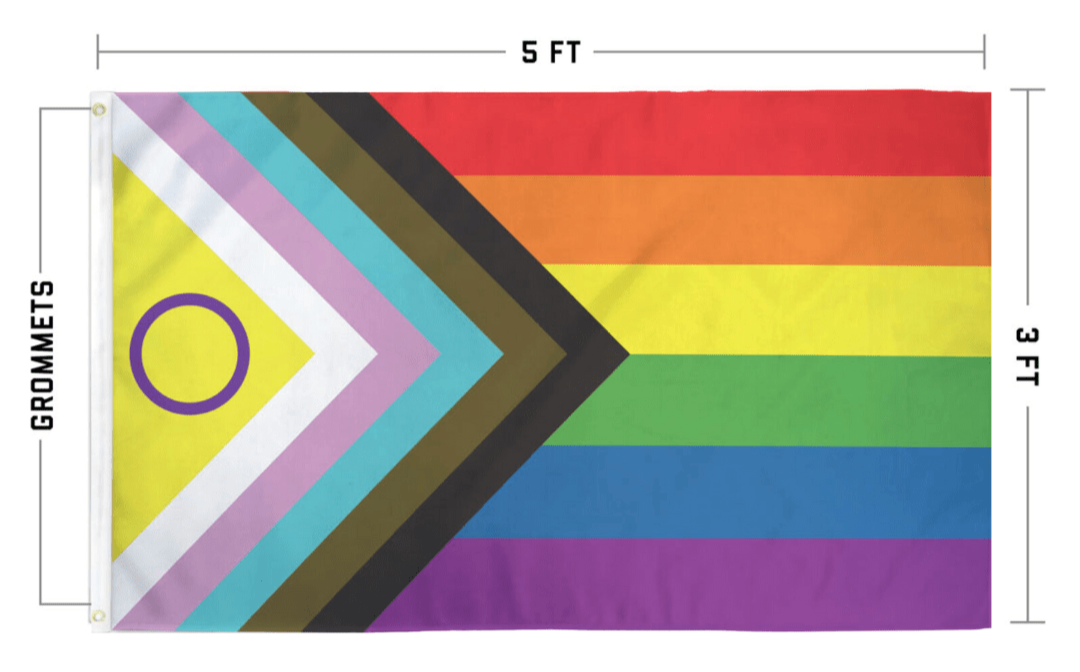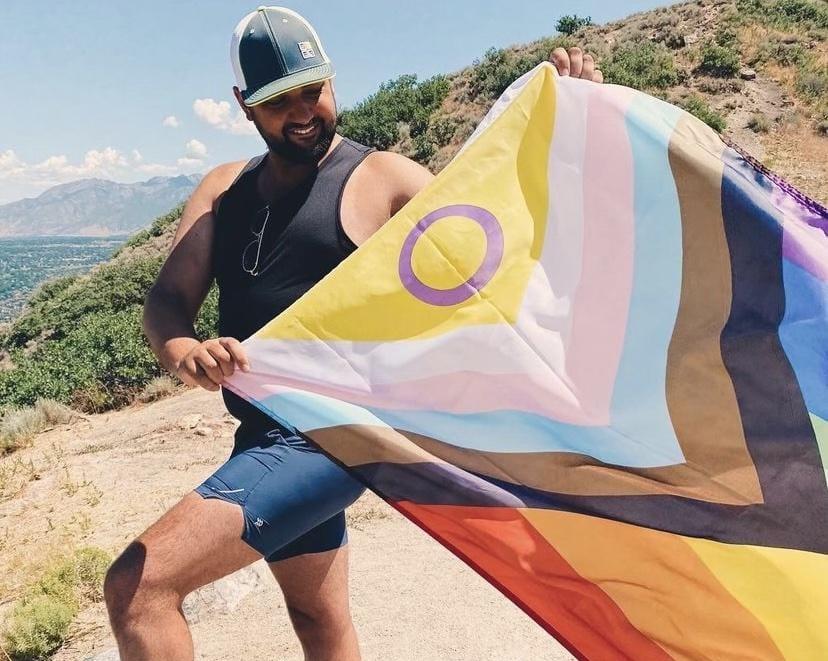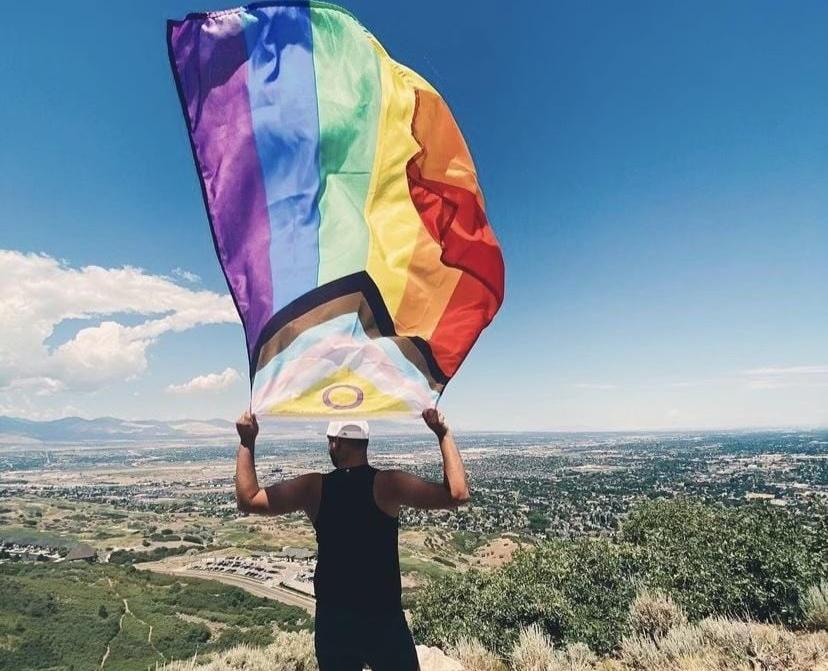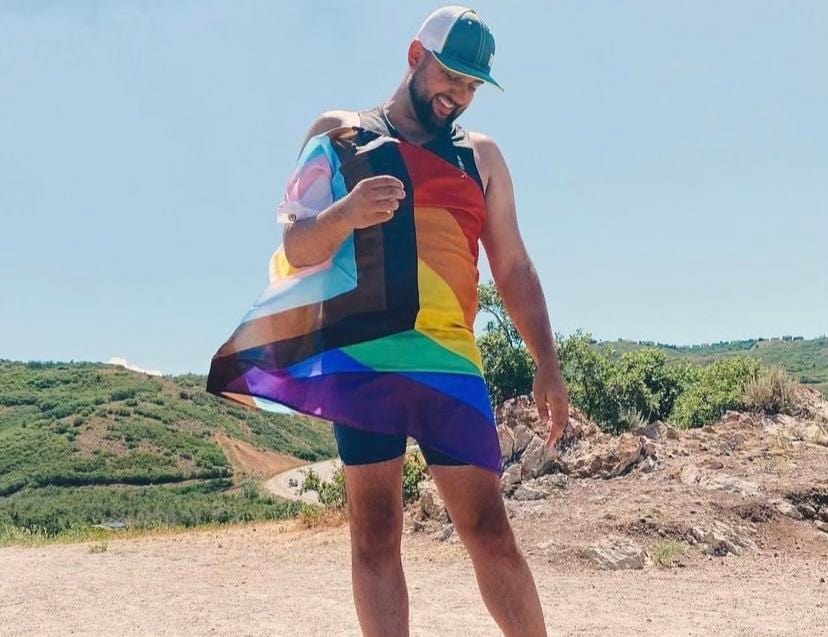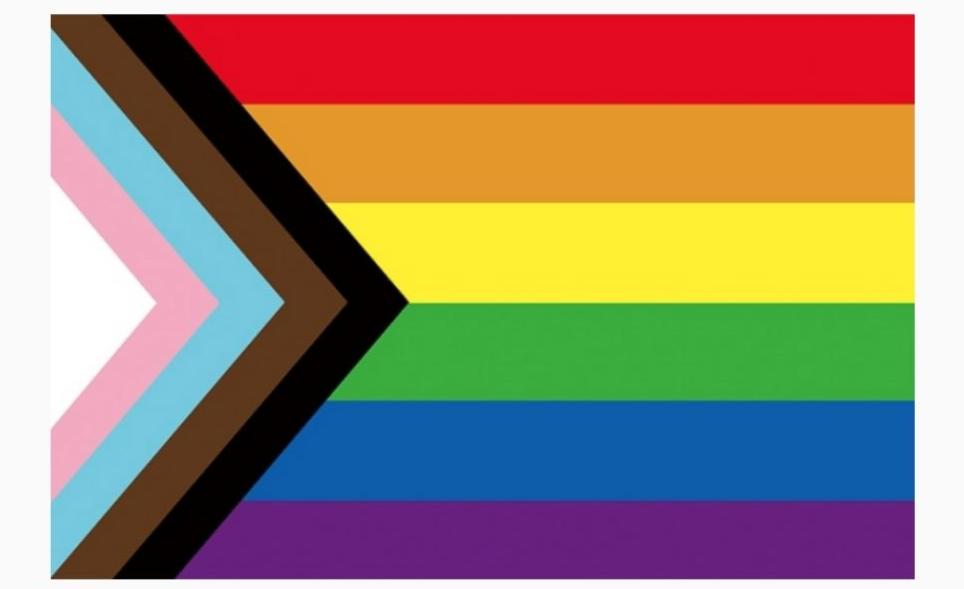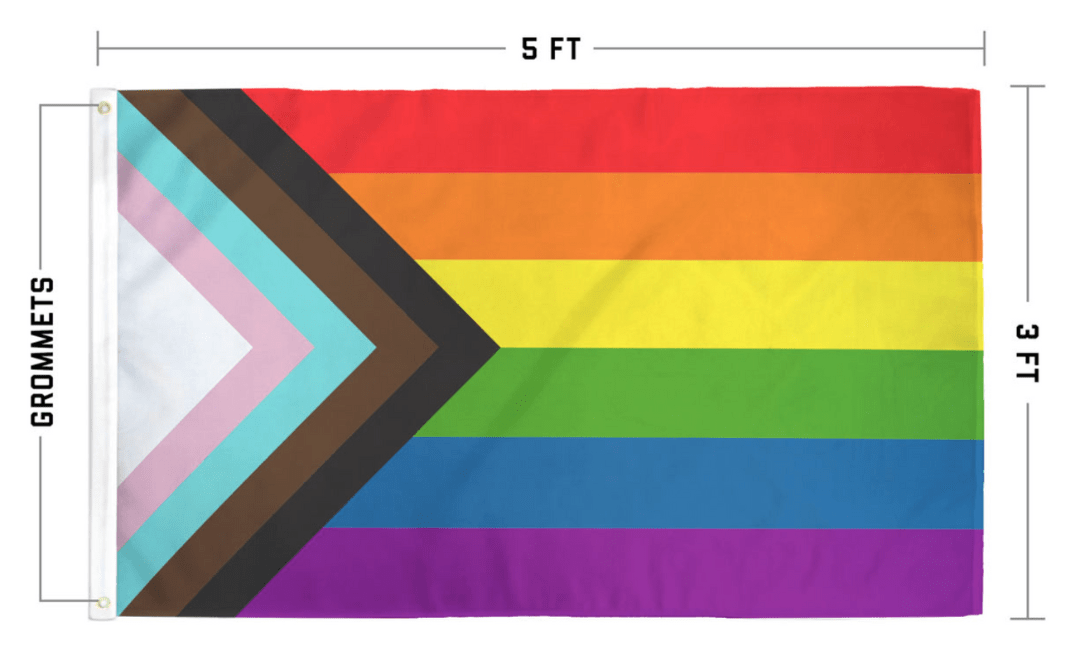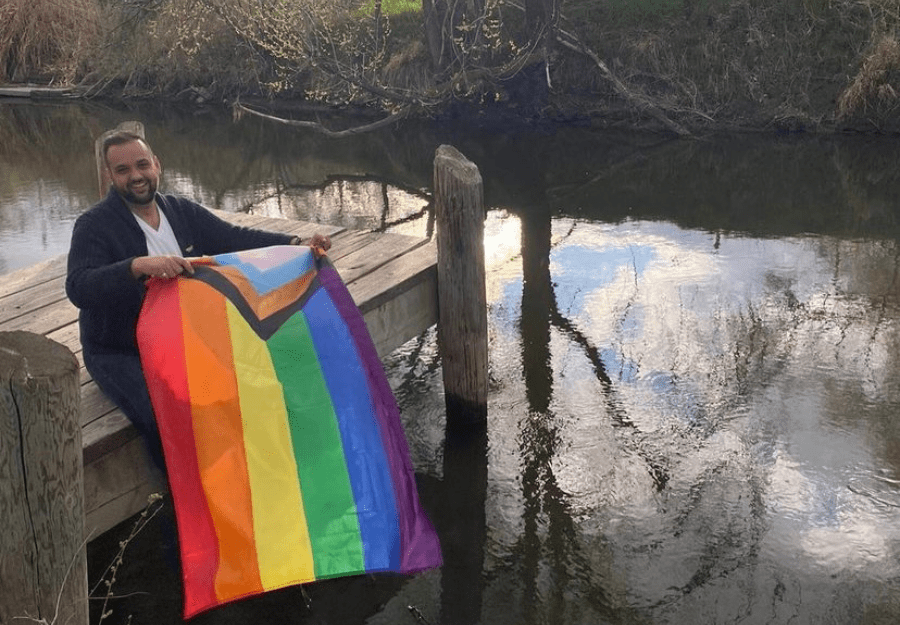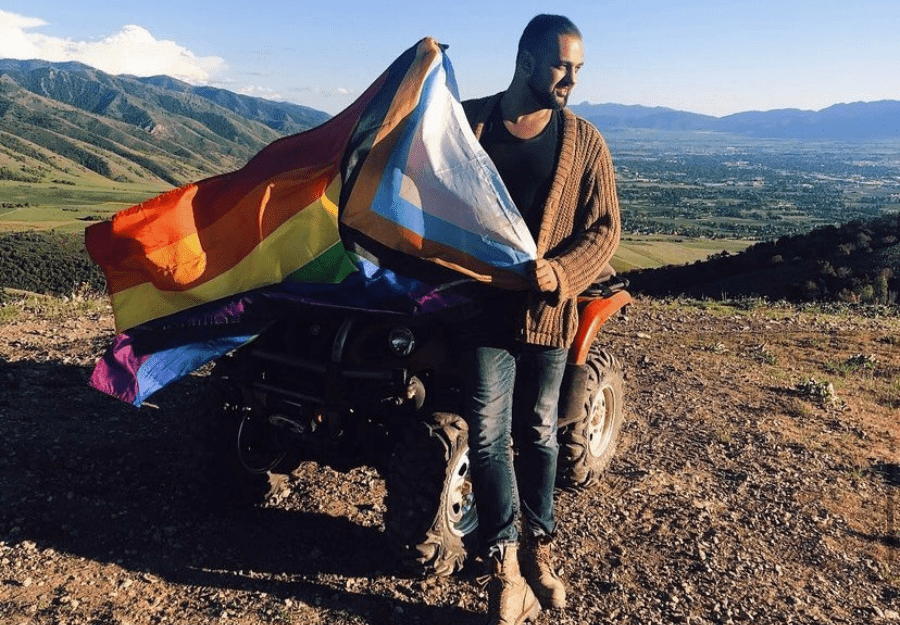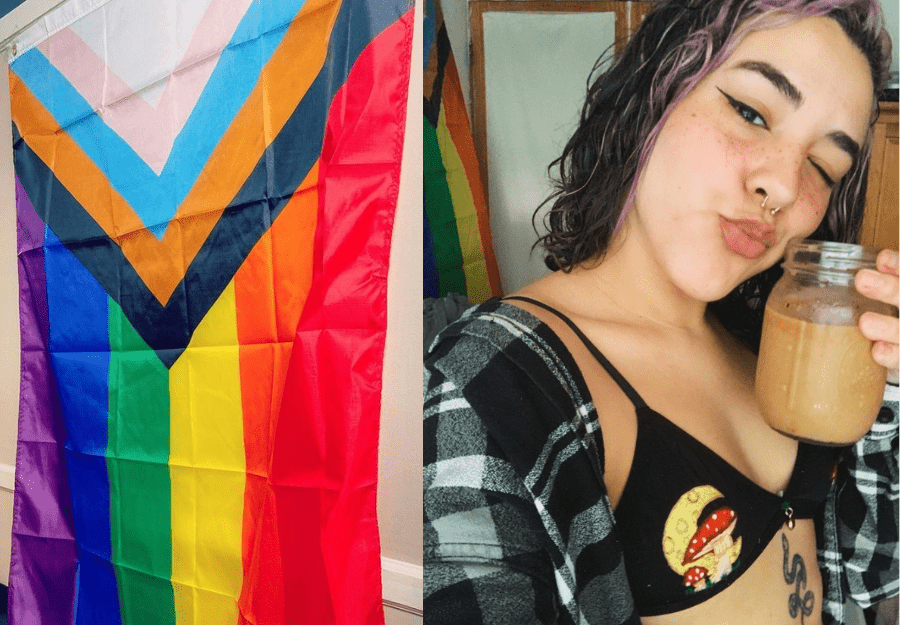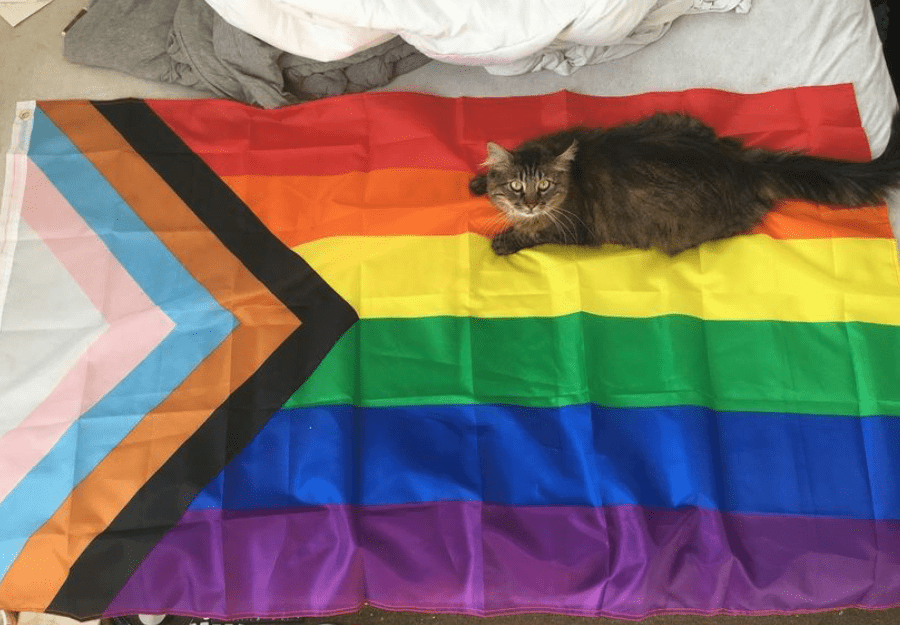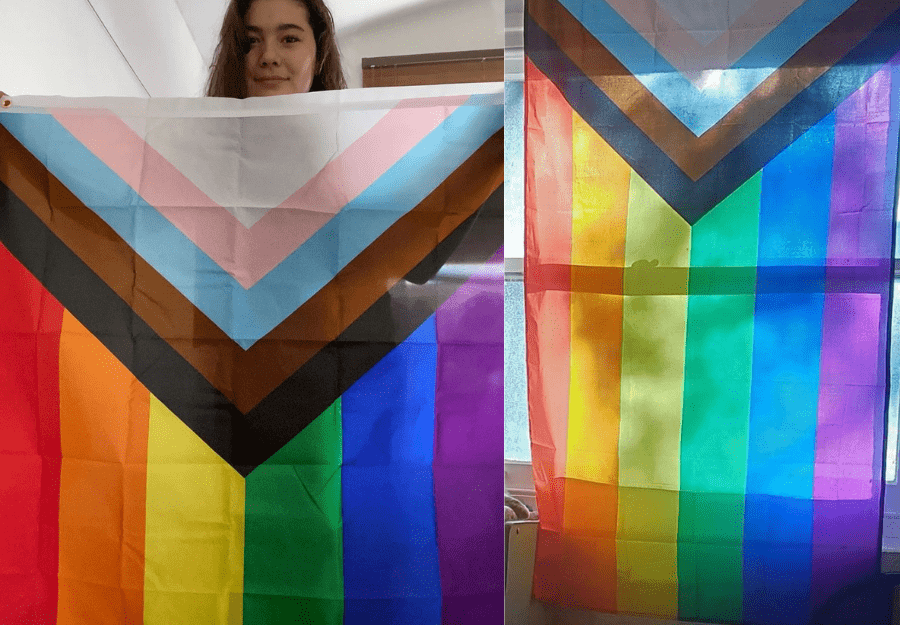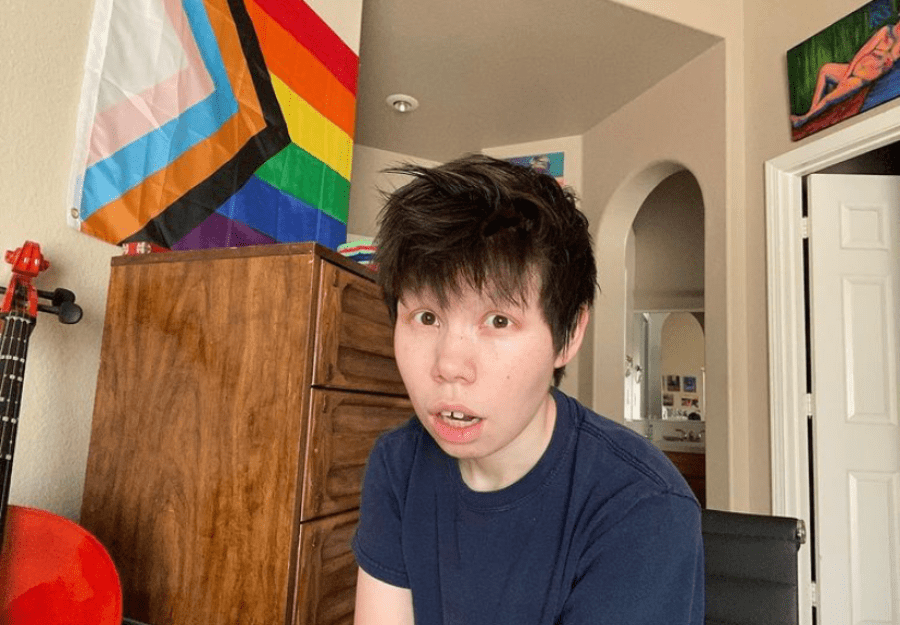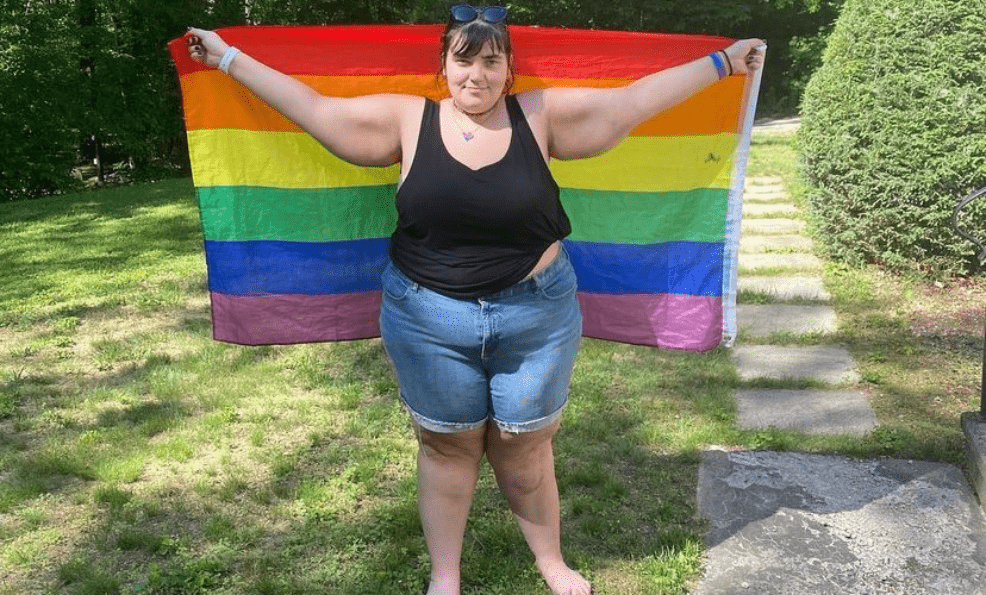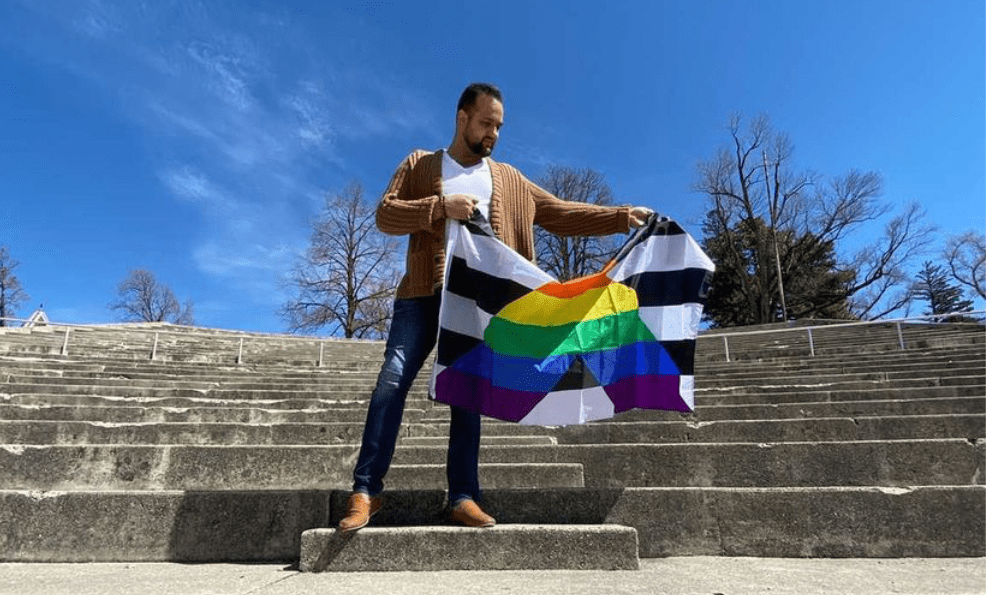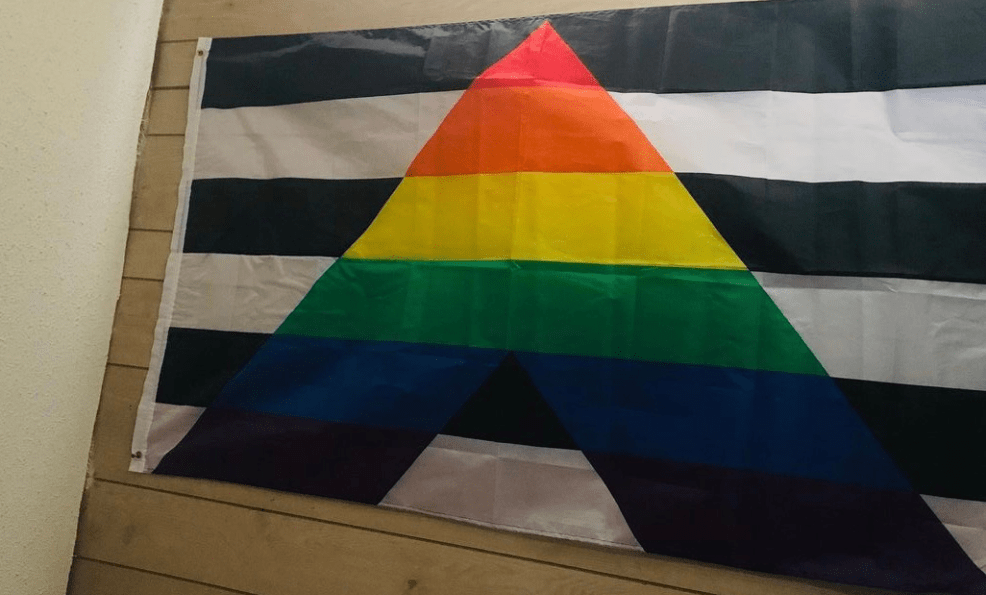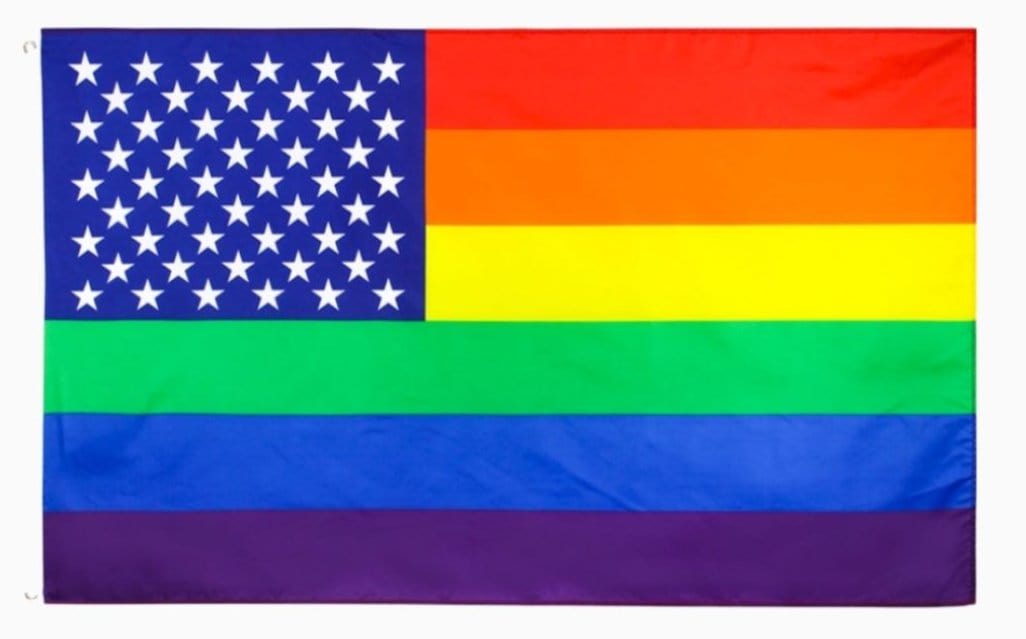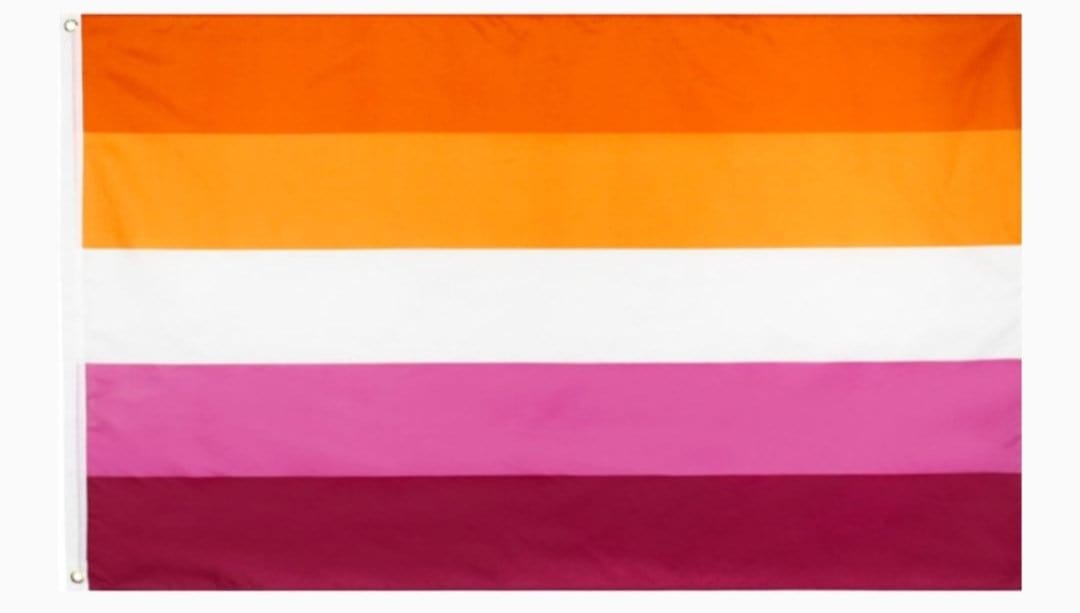

The intersex-inclusive Progress Pride Flag is the most purchased Pride flag at Pride Palace over the trailing 90 days, with 2,267 units sold. The original rainbow flag ranks second at 1,944 units. This ranking comes from our own transaction records. No external source can produce it because the data does not exist anywhere else.
| Rank | Flag | 90-day units |
|---|---|---|
| 1 | Intersex-Inclusive Progress Pride Flag | 2,267 |
| 2 | Rainbow Pride Flag | 1,944 |
| 3 | SBNLWK Flag | 1,571 |
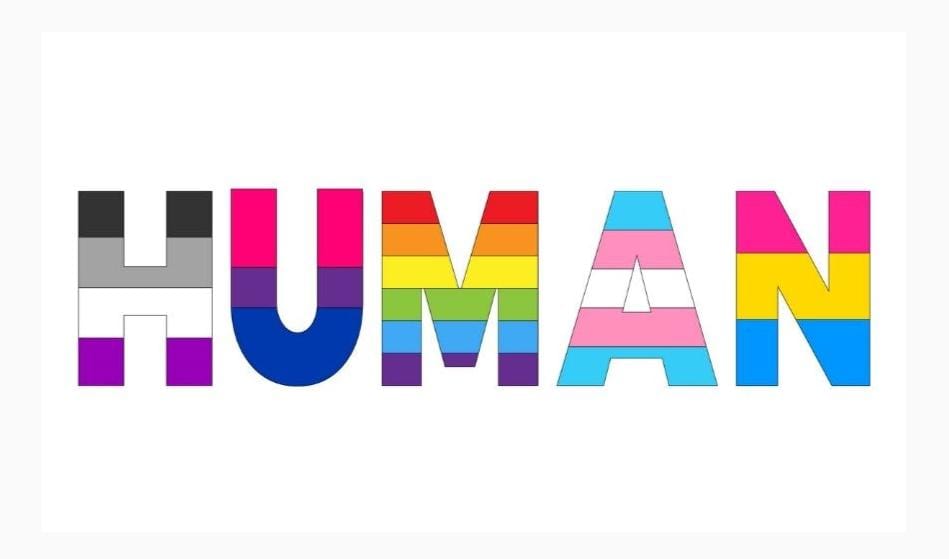
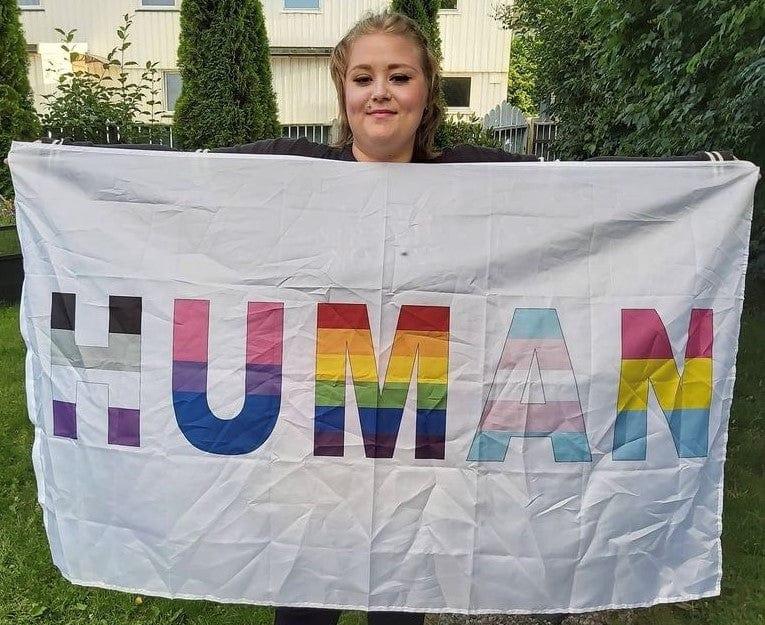
| 4 | We're All Human Flag | 1,010 |
| 5 | Transgender Pride Flag | 753 |
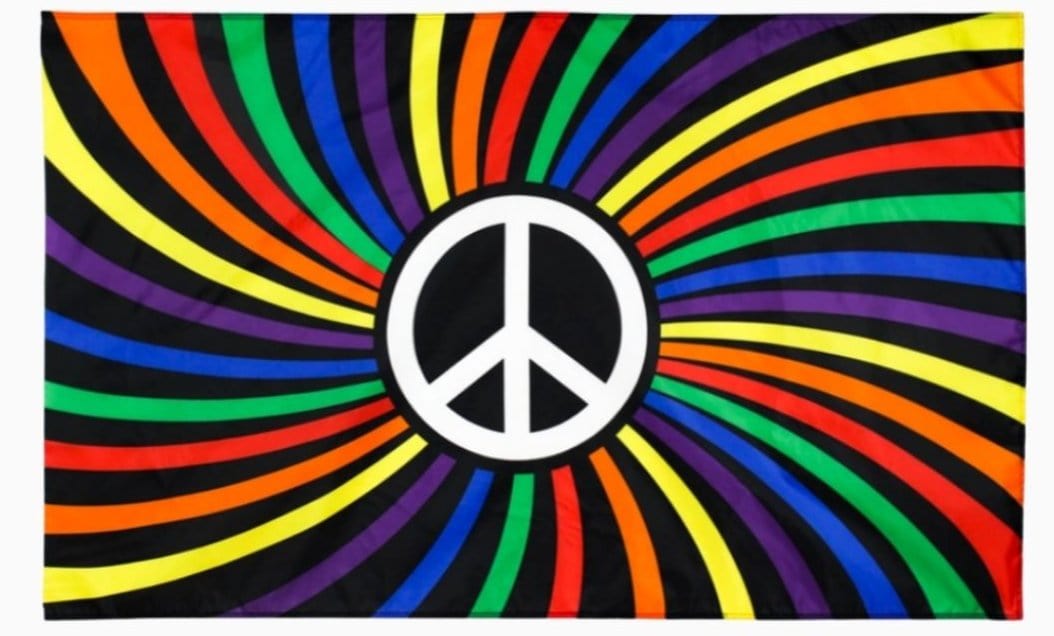
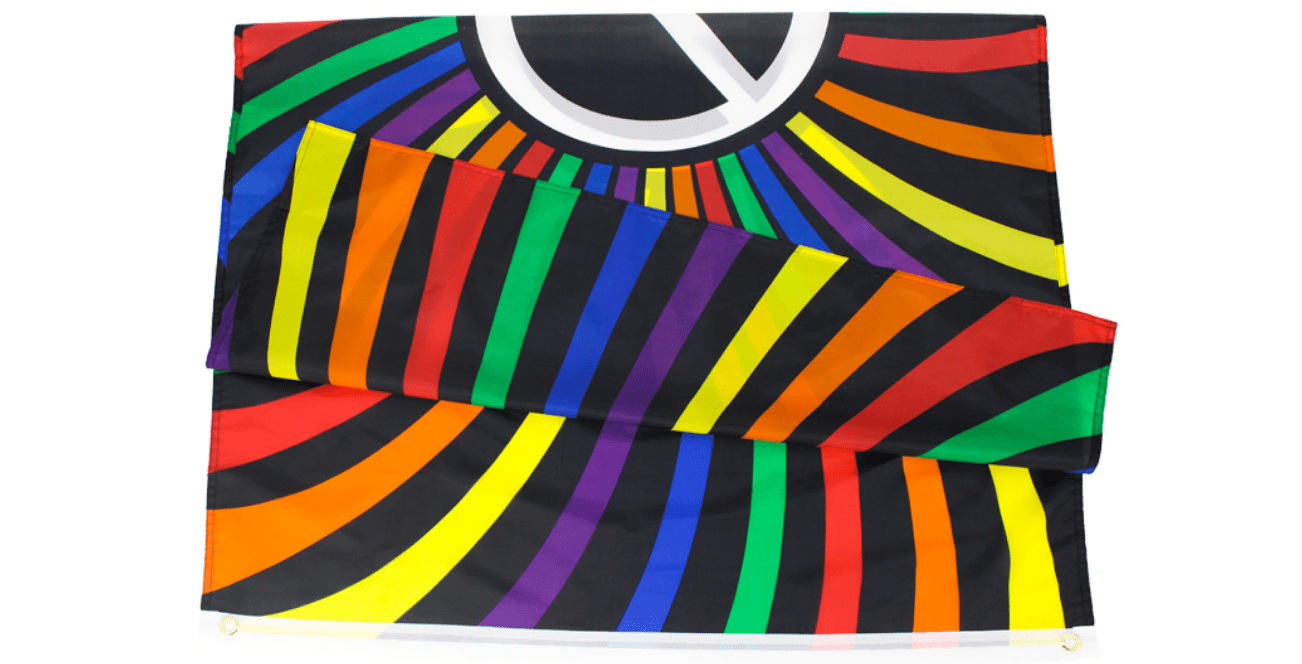
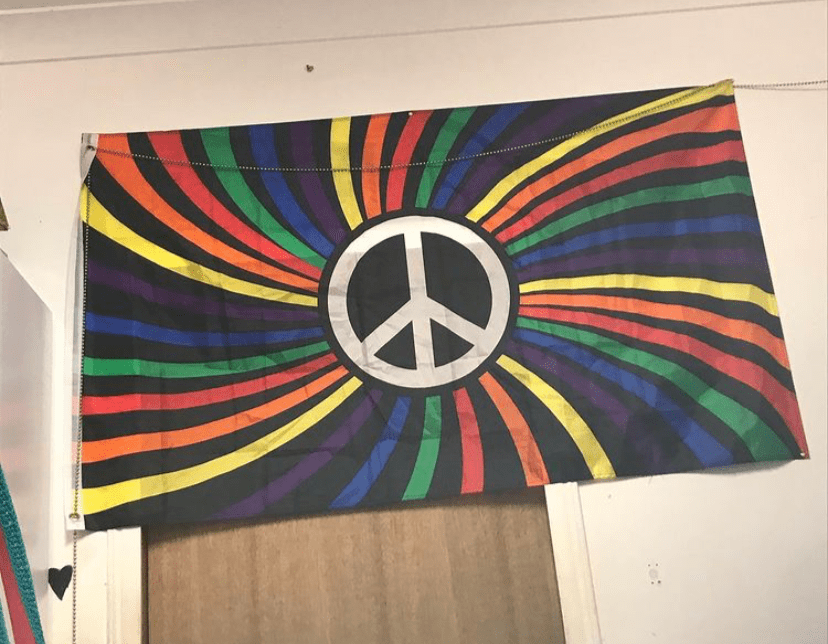
| 6 | Rainbow Peace Flag | 721 |
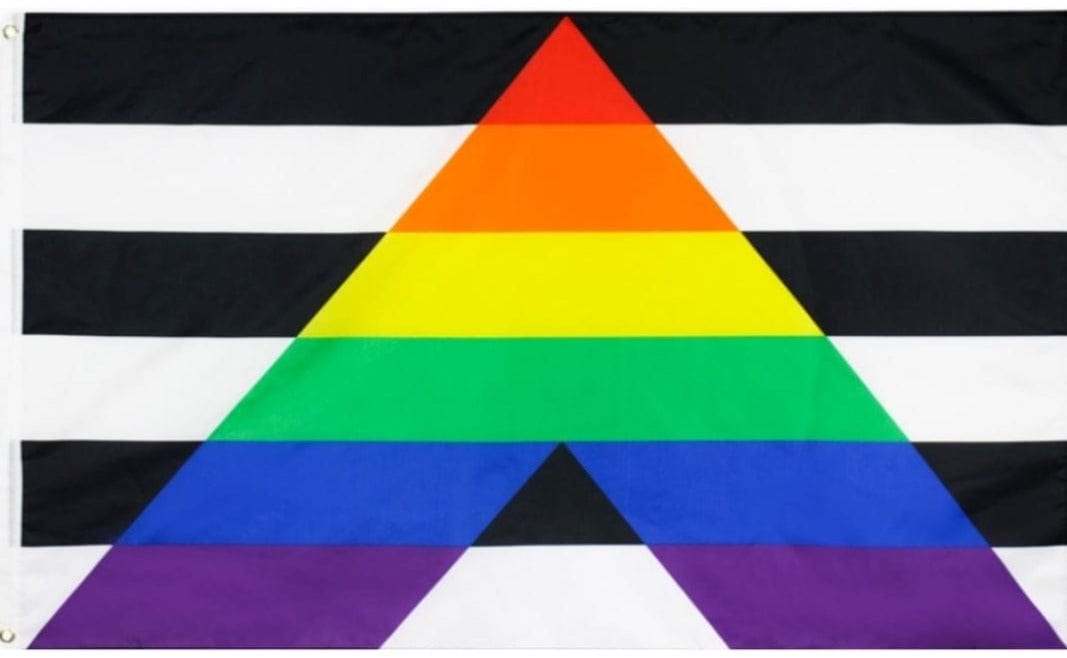
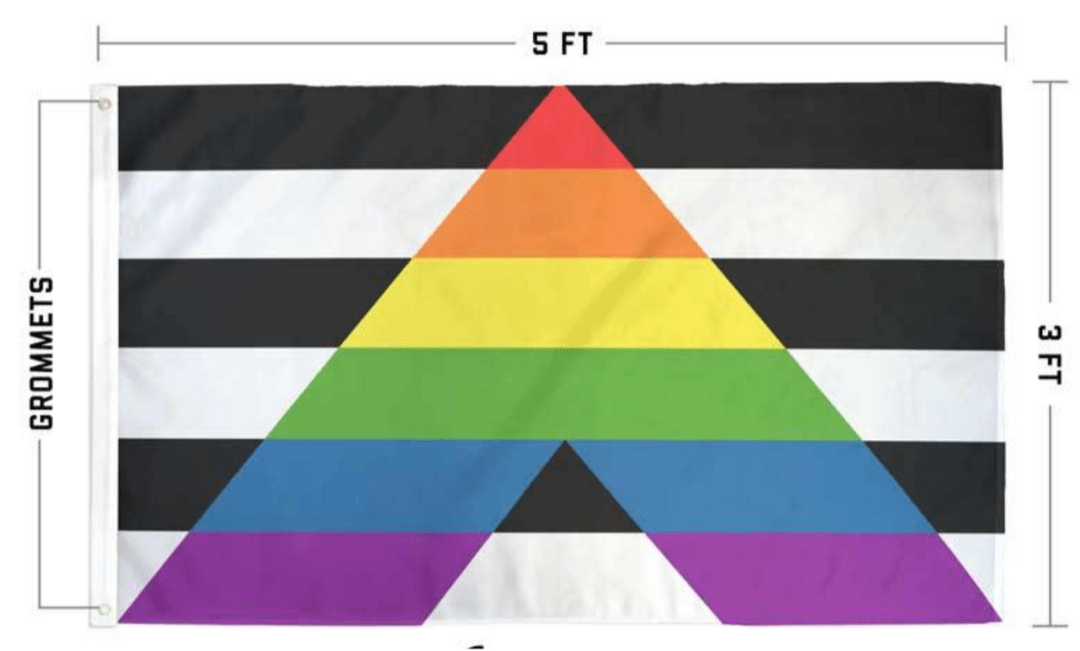
| 7 | Ally Flag | 714 |
| 8 | Bisexual Pride Flag | 599 |
| 9 | Lesbian Pride Flag | 382 |
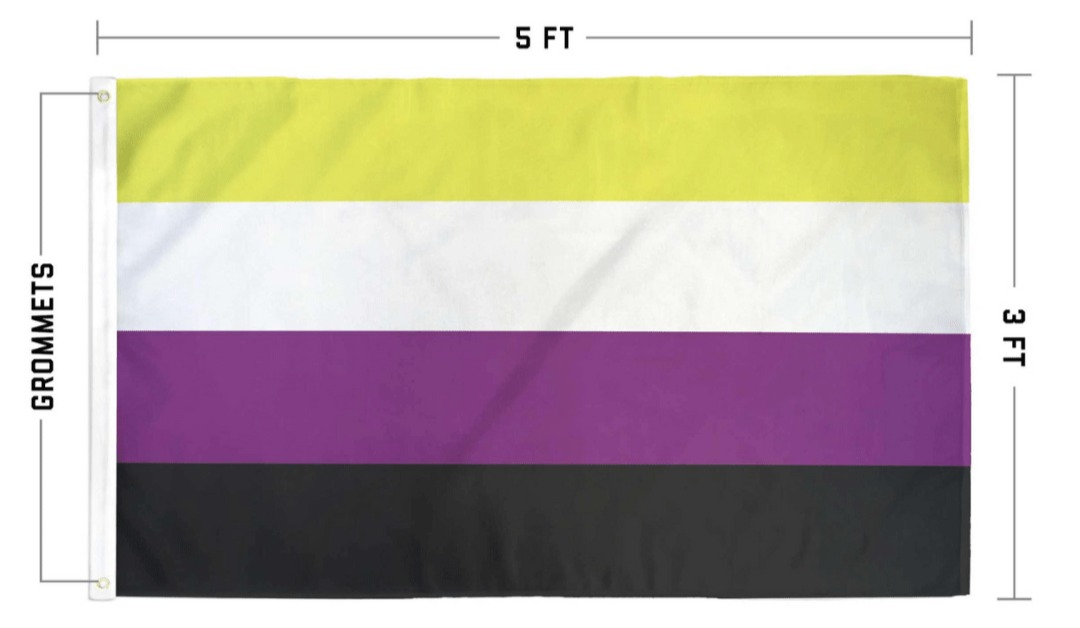
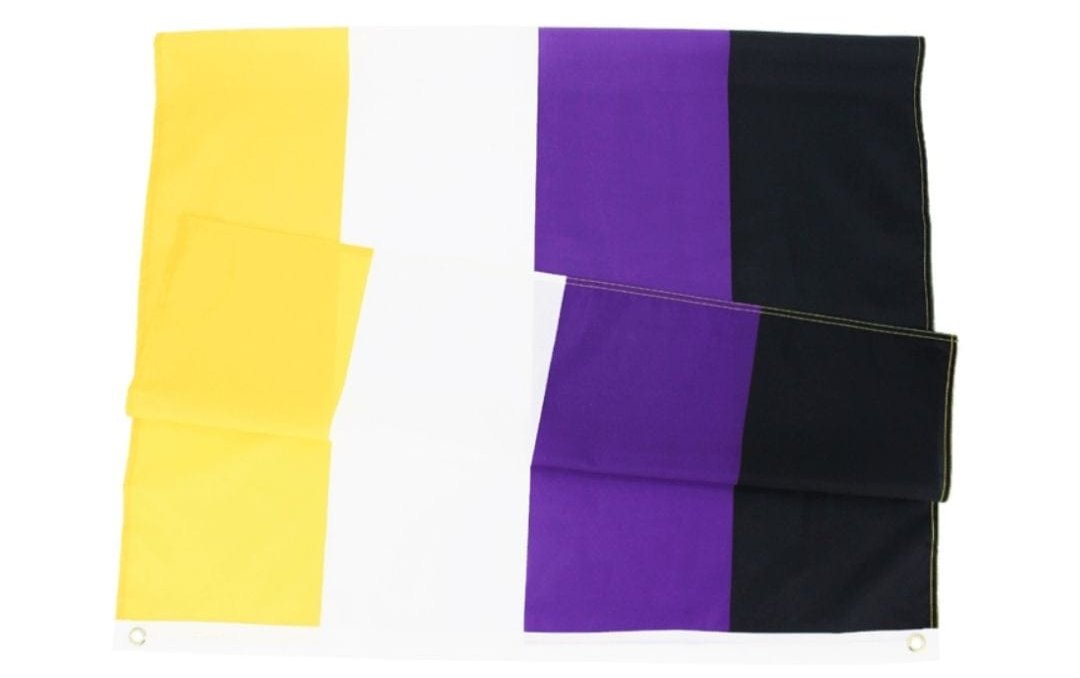
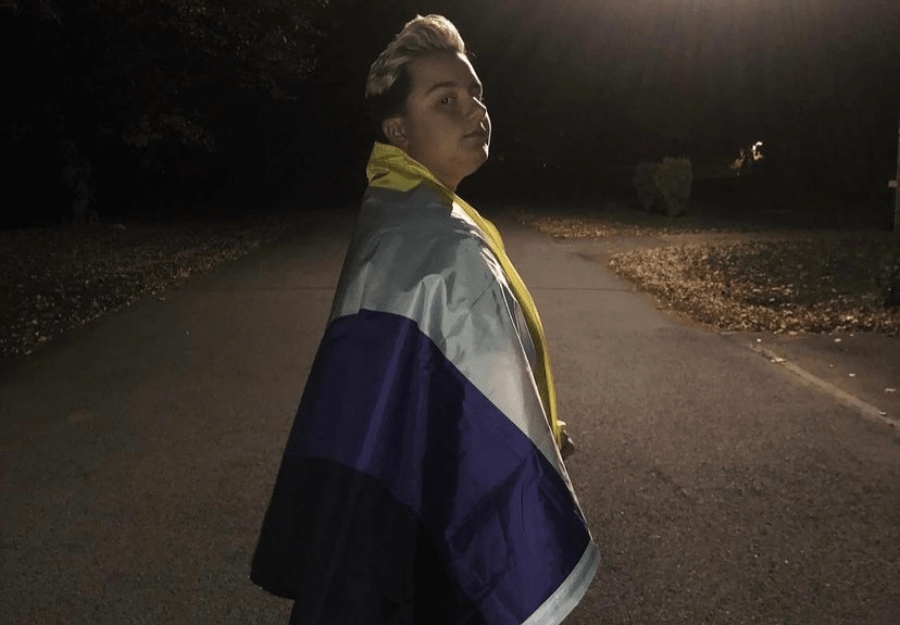
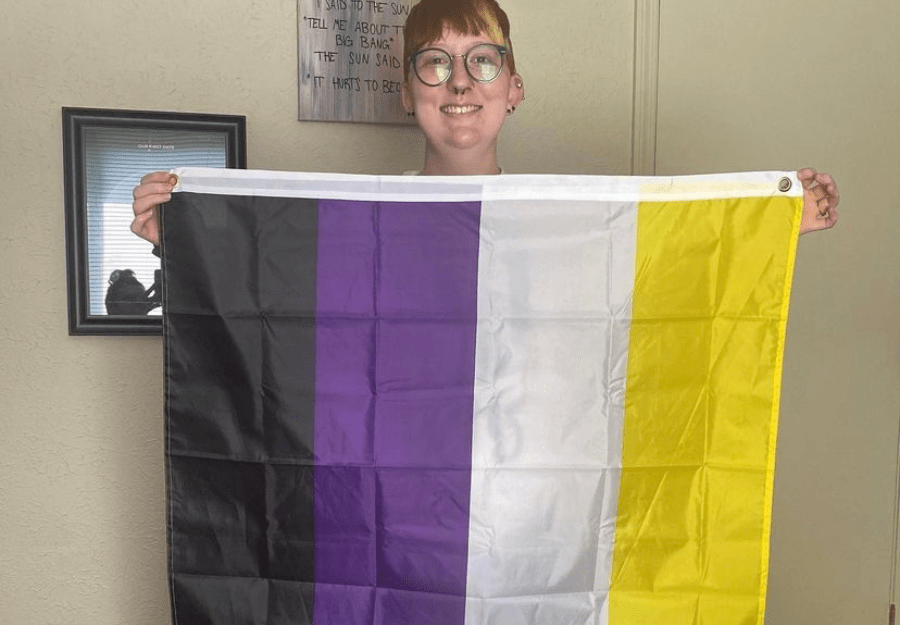
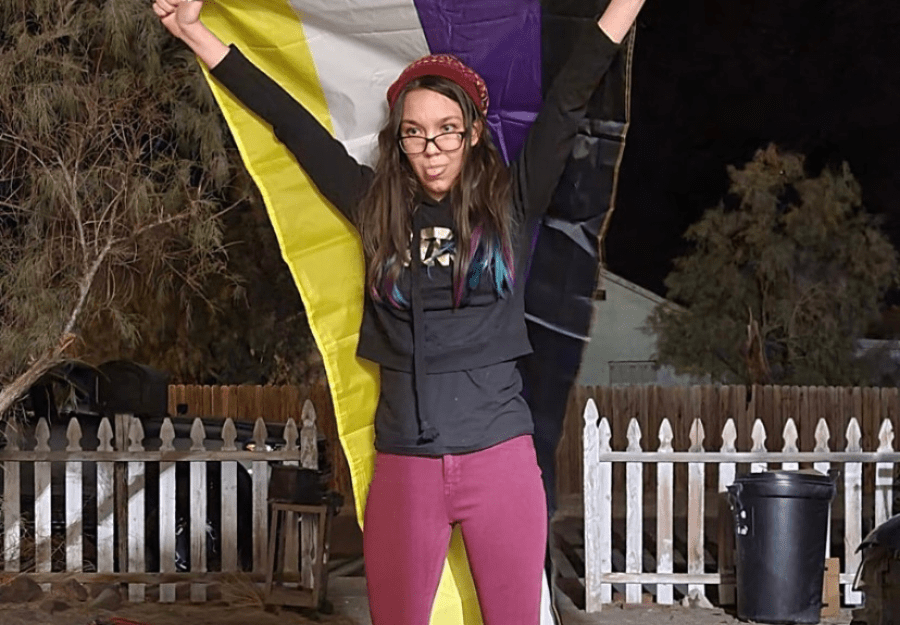
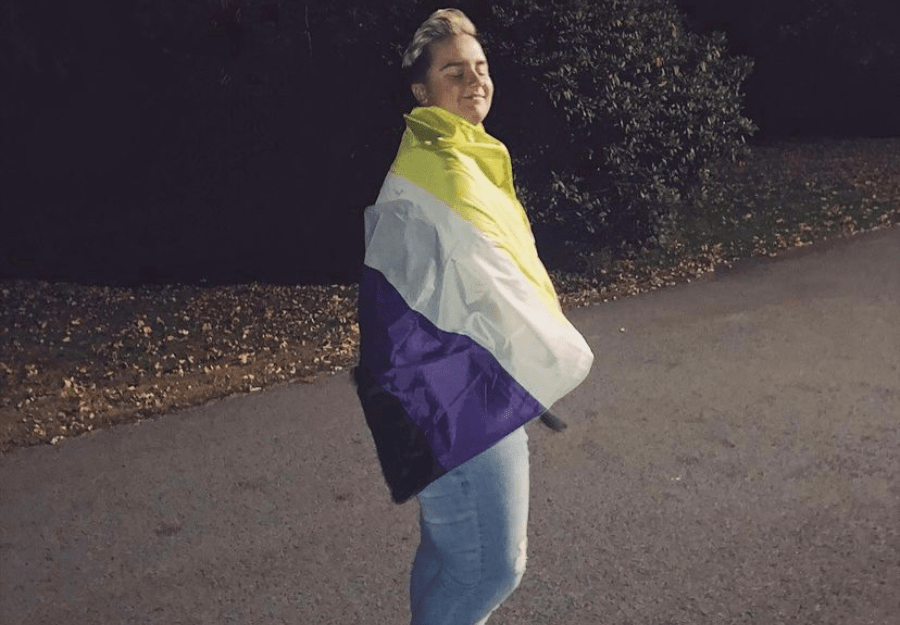
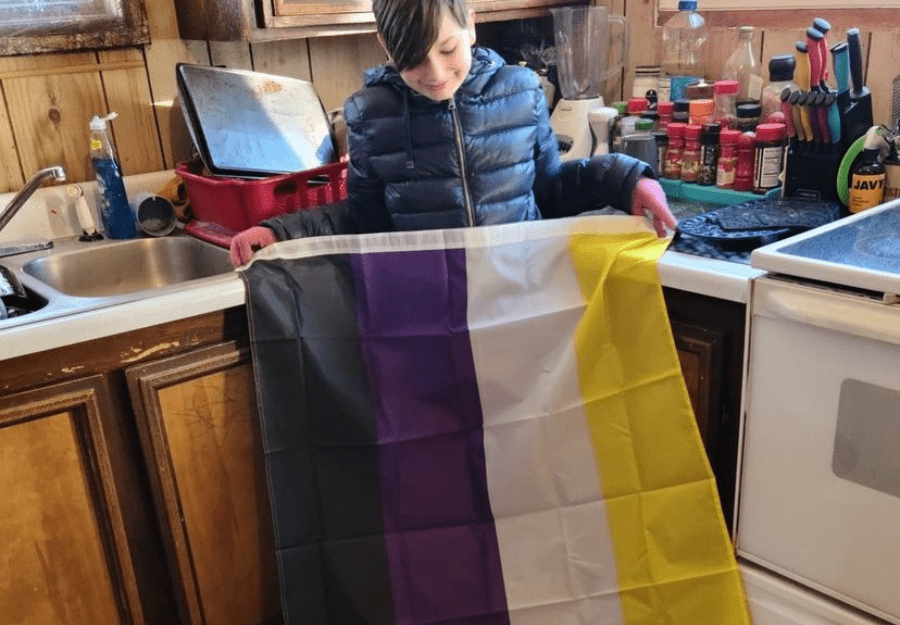
| 10 | Non-Binary Pride Flag | 373 |
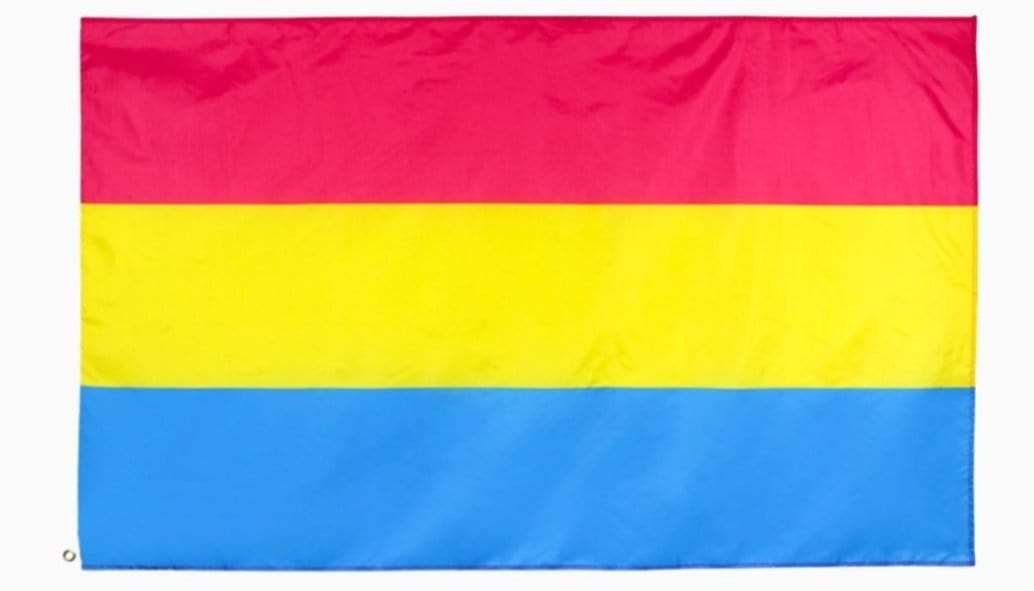
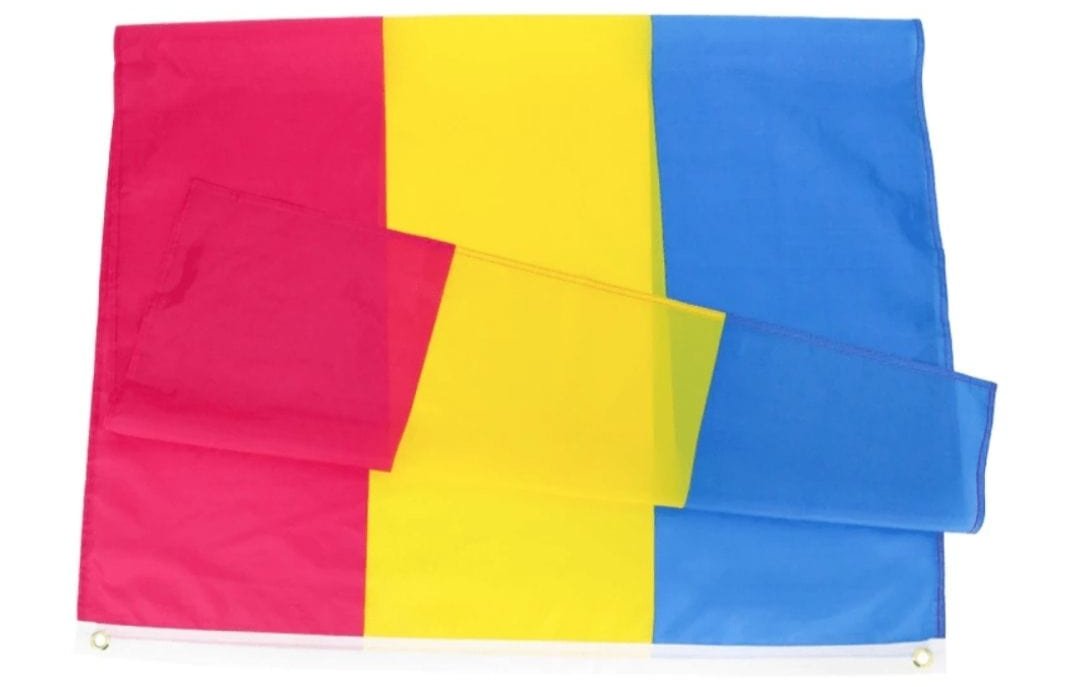
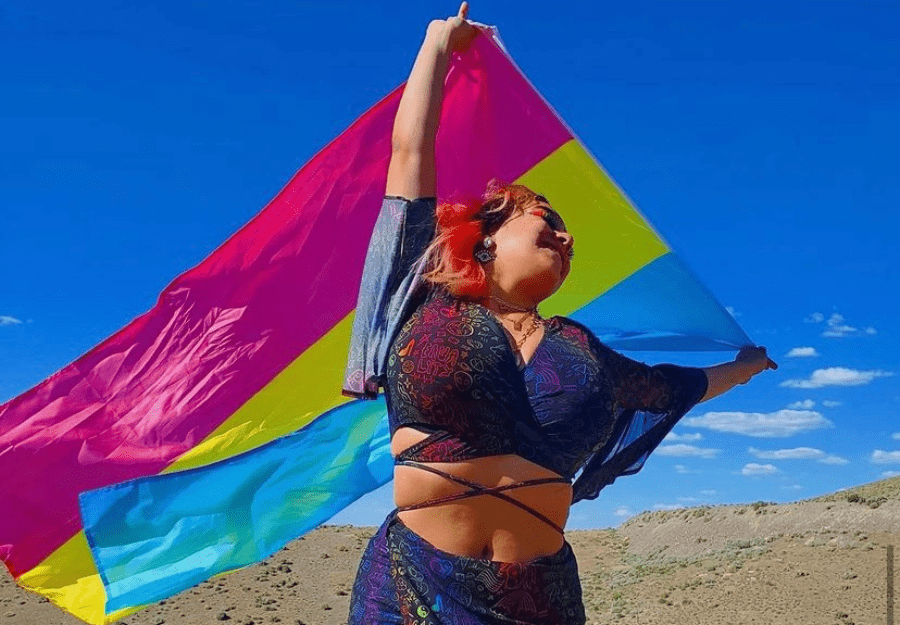
| 11 | Pansexual Pride Flag | 358 |
Data reflects the trailing 90 days as of mid-2026.
Why does the intersex-inclusive Progress Pride Flag outsell the rainbow?
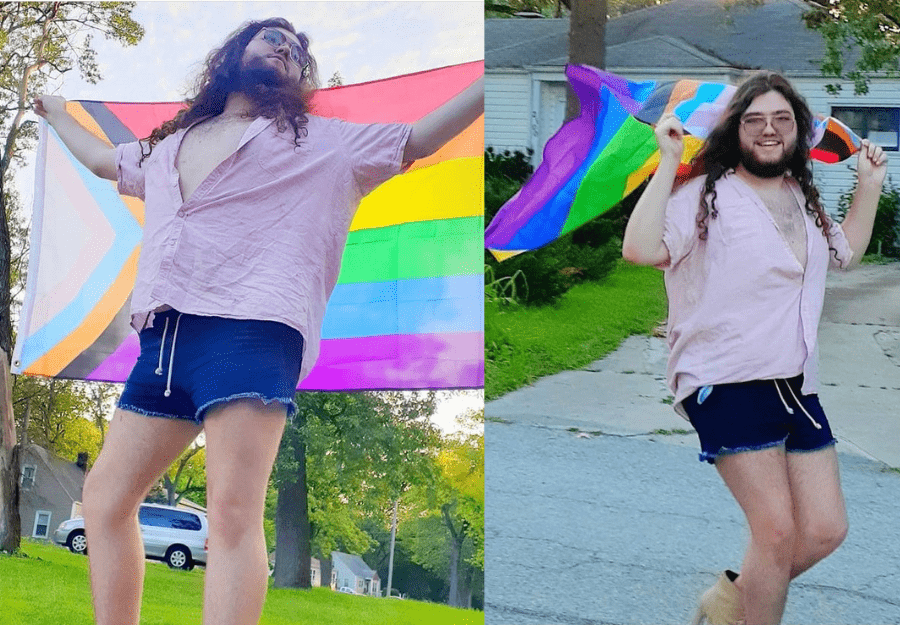
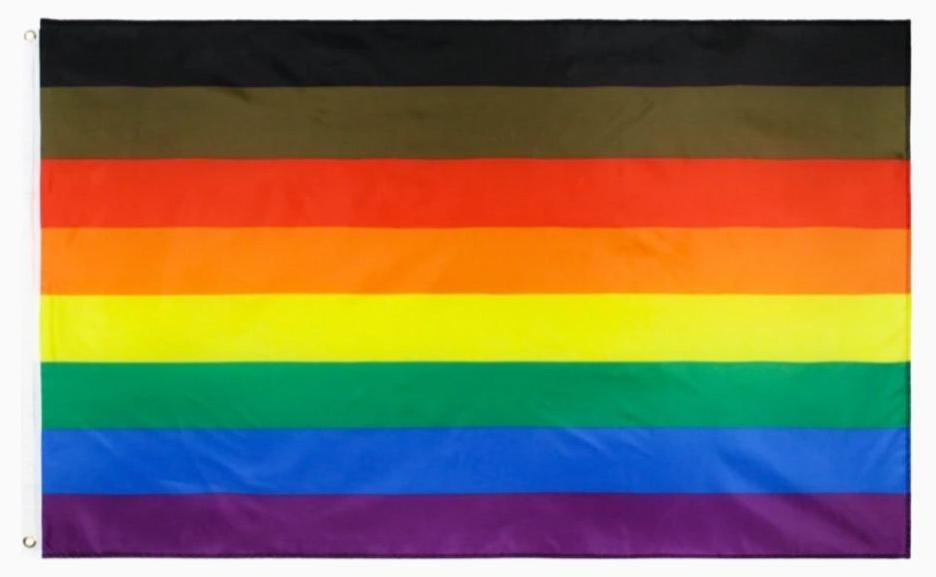
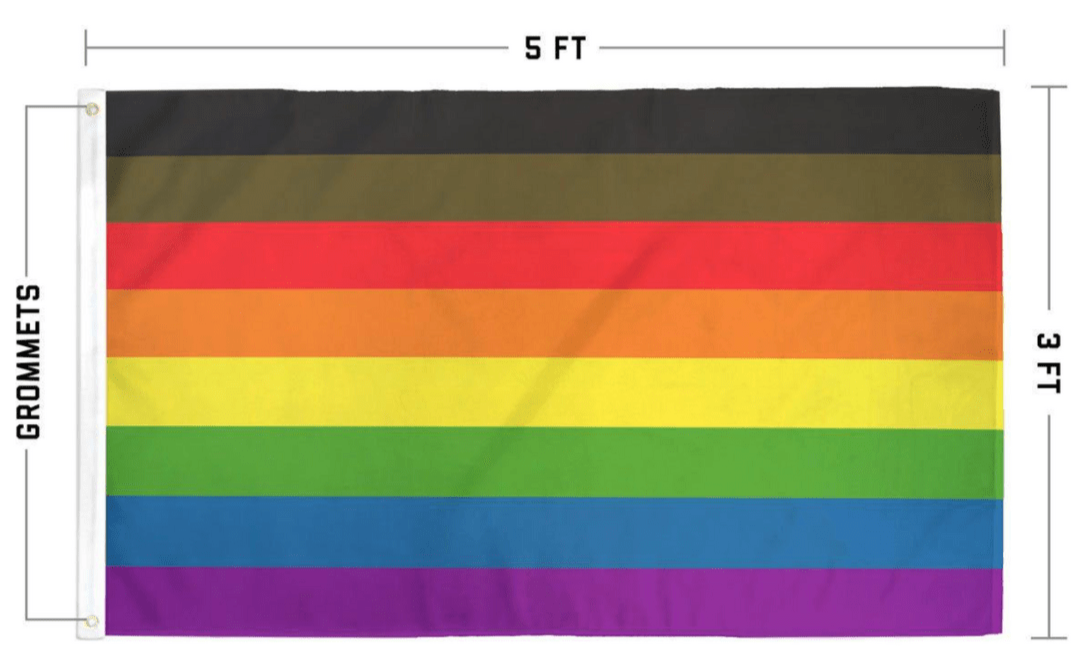
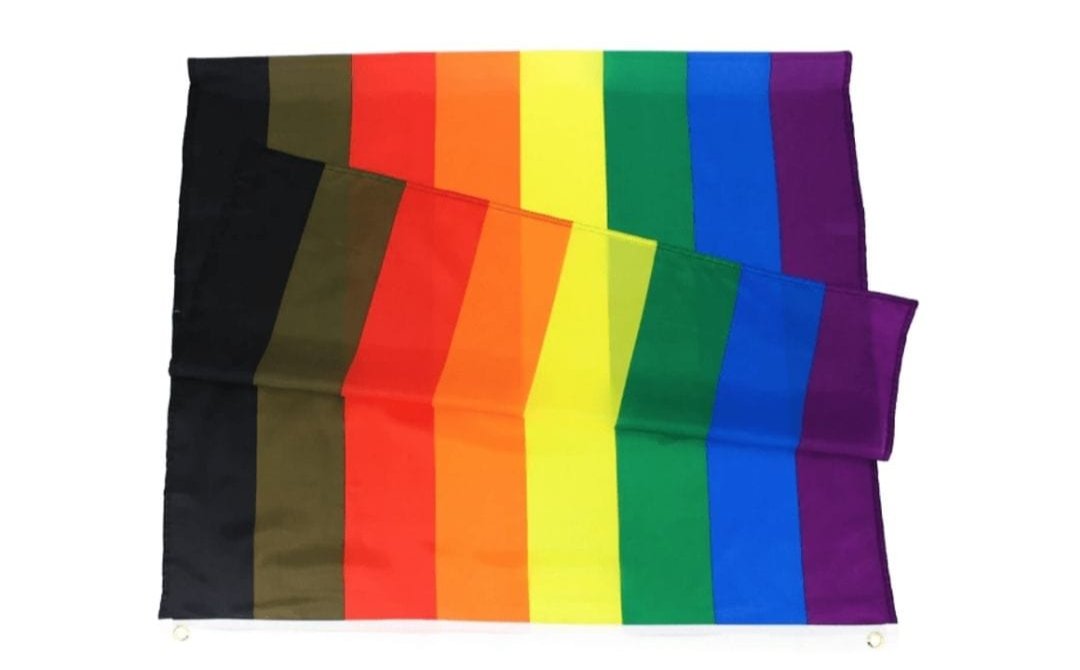
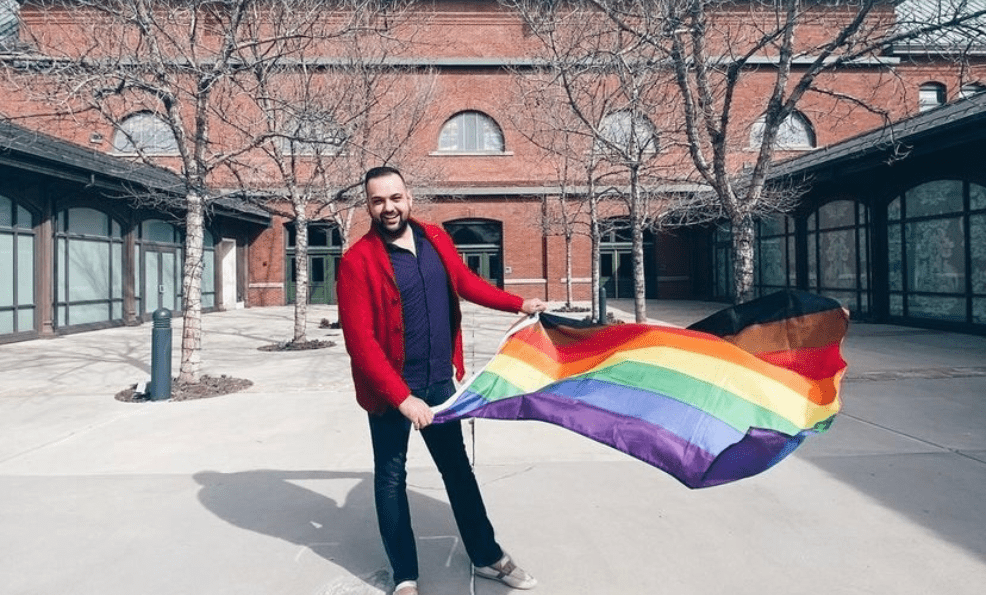
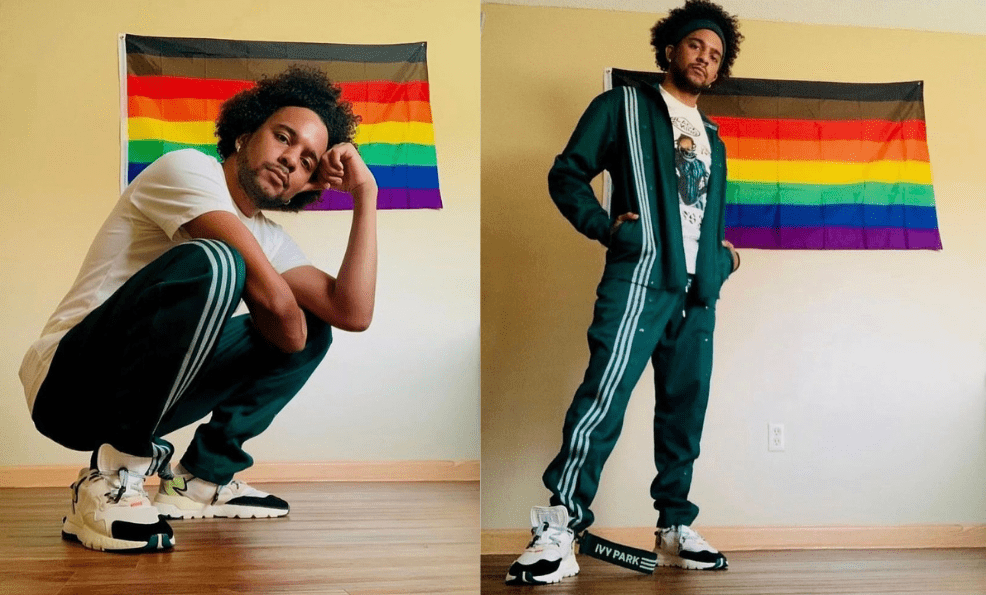
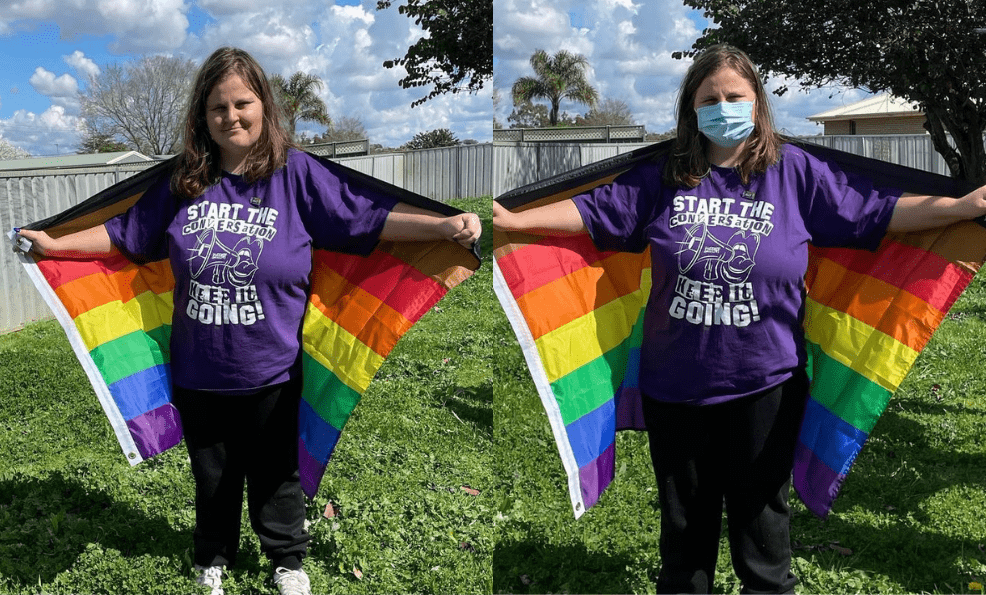
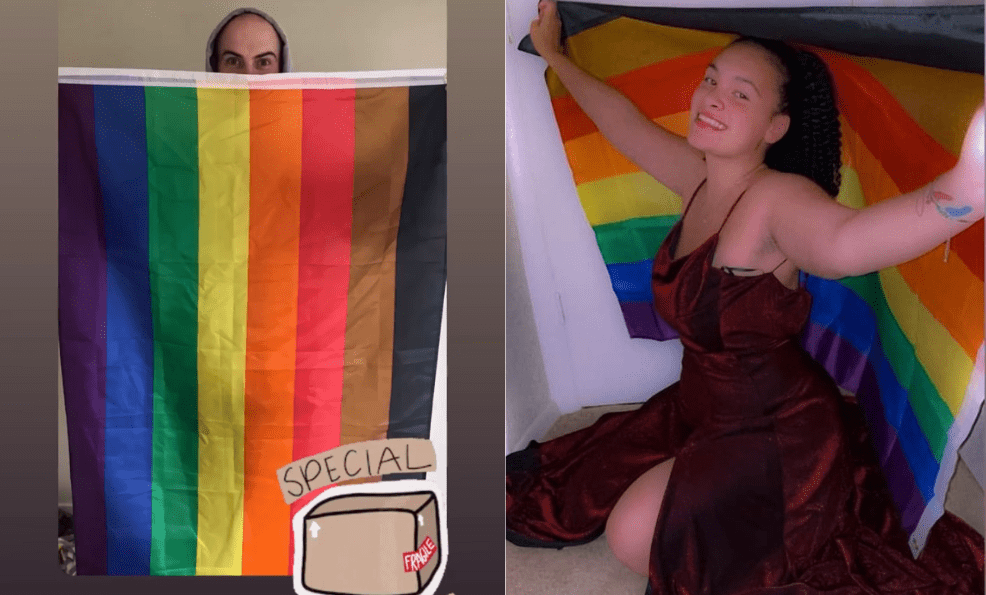
The intersex-inclusive Progress Pride Flag was designed in 2021 by Valentino Vecchietti, building on Daniel Quasar's 2018 Progress Pride Flag. It adds a yellow field with a purple circle to represent intersex people, on top of the chevron stripes Quasar added for BIPOC community members and the transgender community.
The result is a flag that explicitly includes communities the original rainbow was designed before the language even existed to name. The buying data suggests people are choosing the more specific symbol, not the default one. At 2,267 units against 1,944, the intersex-inclusive Progress design has outsold the rainbow by roughly 17 percent over this sales window.
According to Wikipedia's documented history of the flag, Quasar's original design intent was to address a growing criticism that the rainbow did not visually represent BIPOC people or transgender people. The intersex-inclusive update completed that argument. That evolution is visible in the purchase data.
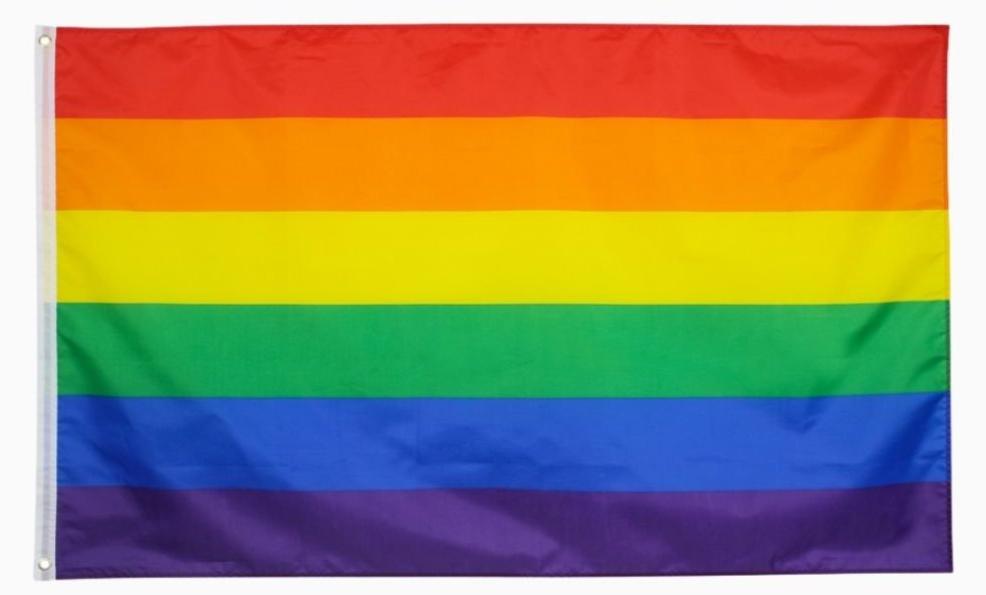
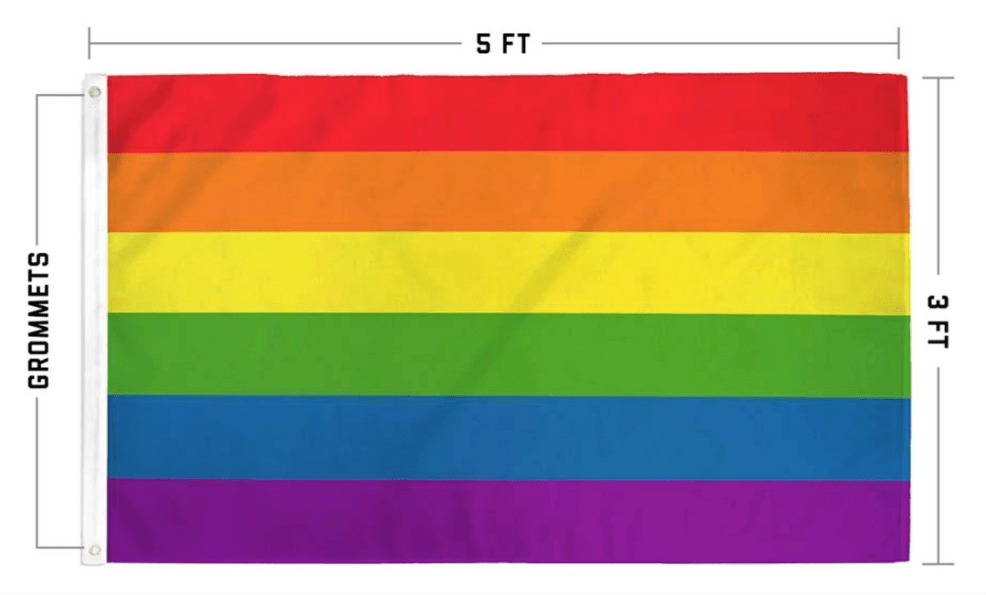
The rainbow Pride flag is not declining. At 1,944 units it outsells every other flag except the Progress design by a wide margin. What has changed is that it is no longer the only answer to the question of which flag to fly.
Which identity flags do people actually purchase?
The ranking for identity-specific flags follows a pattern that roughly tracks community size, though not perfectly.
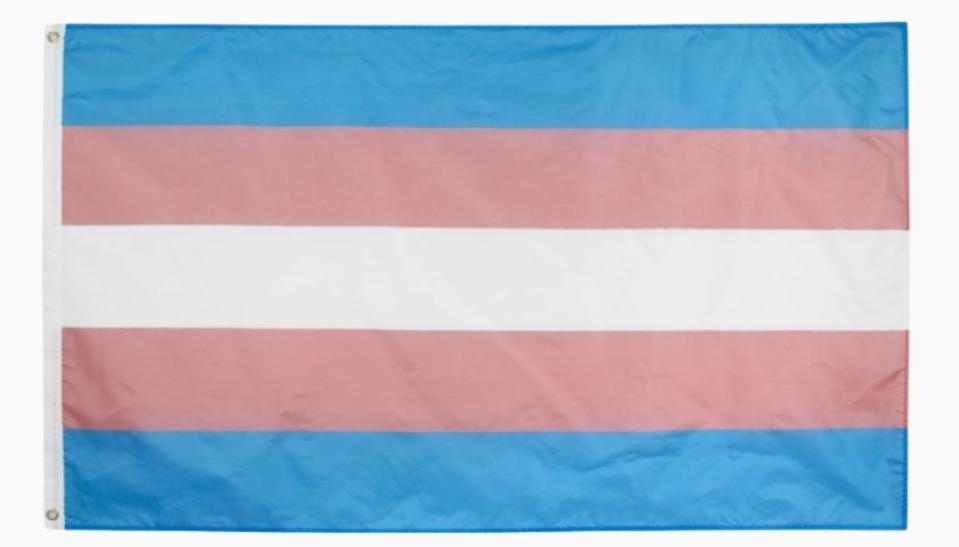
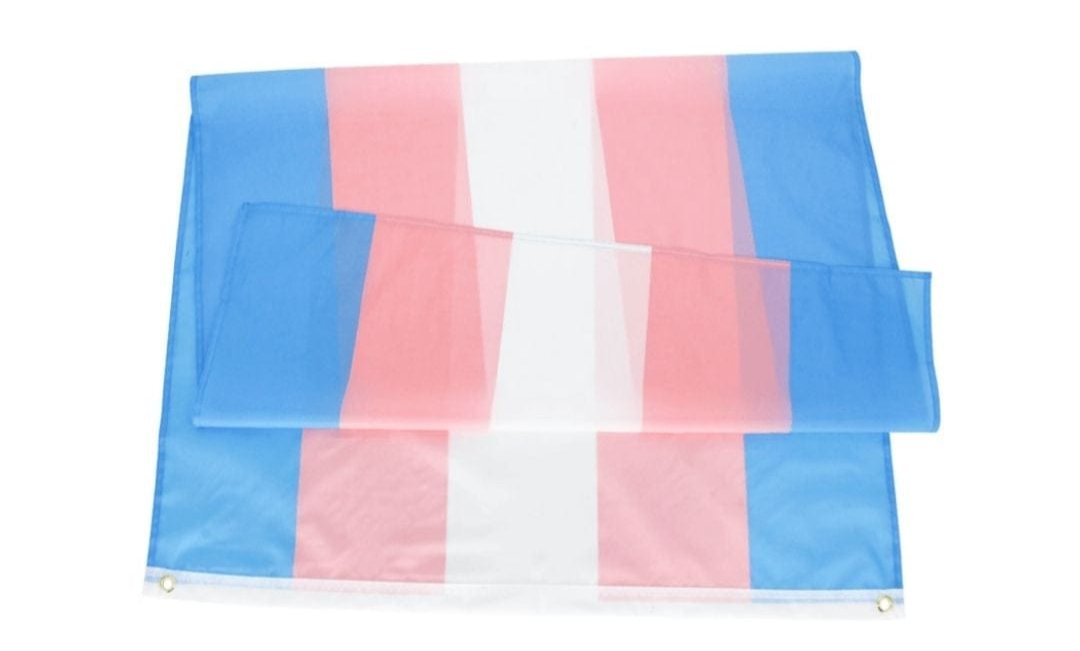
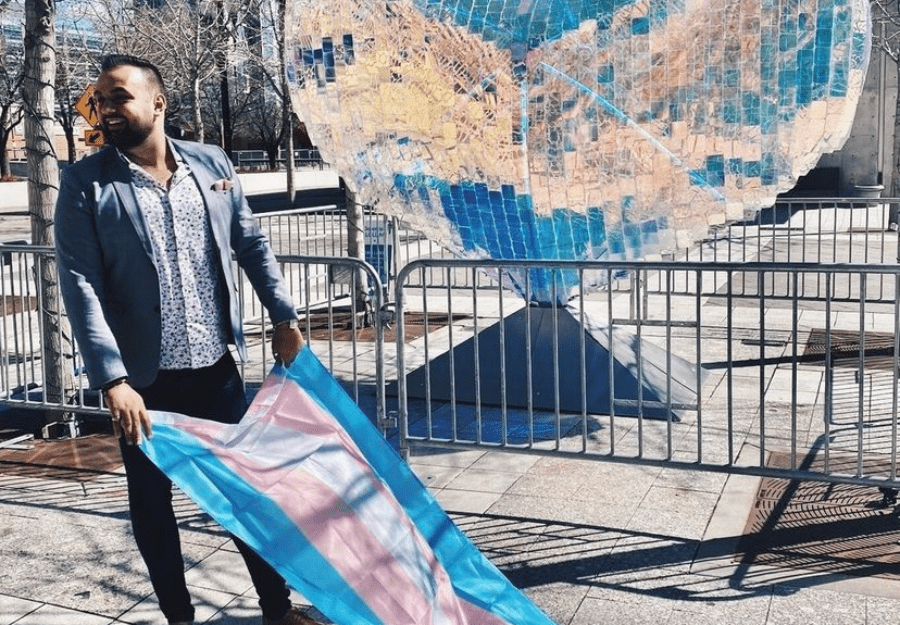
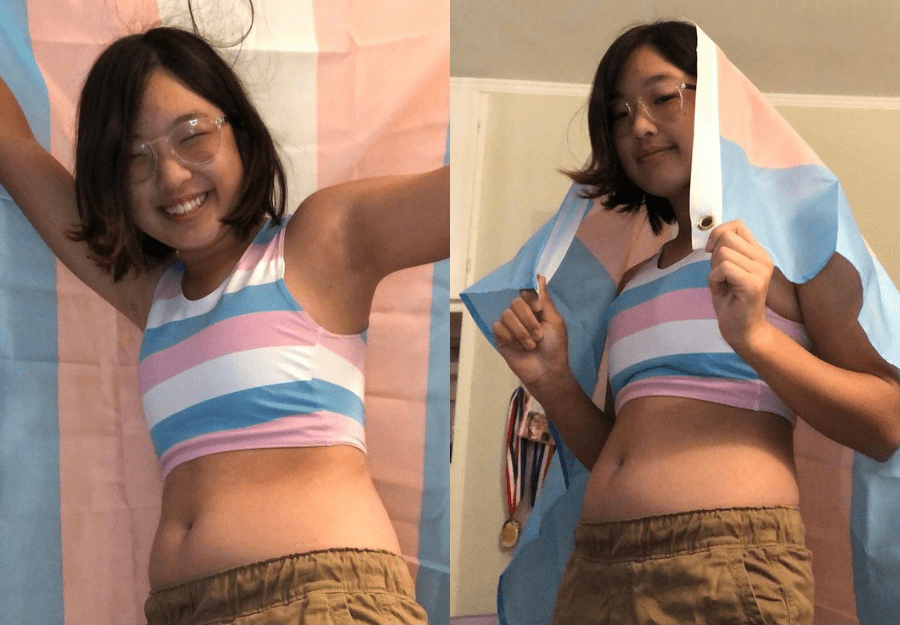
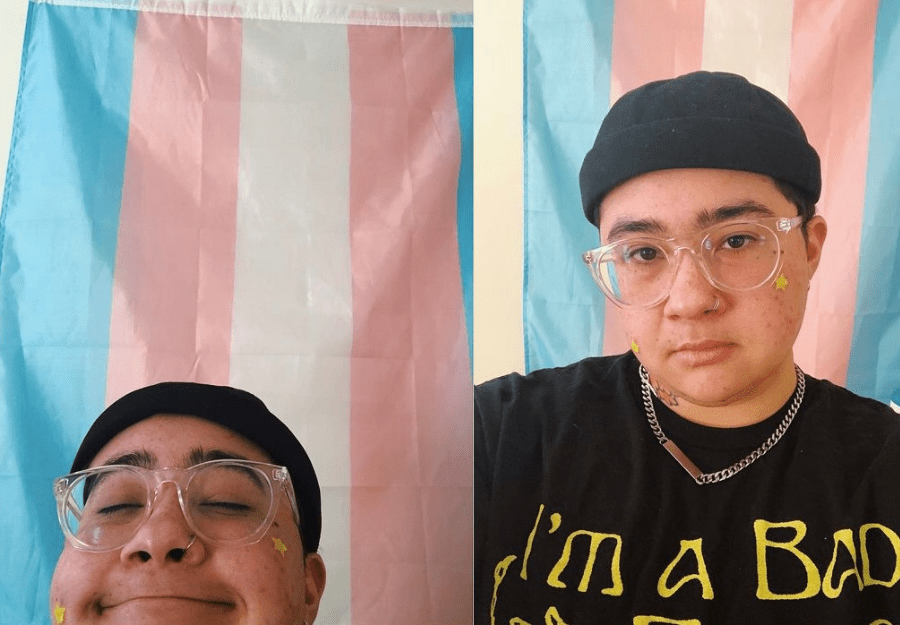
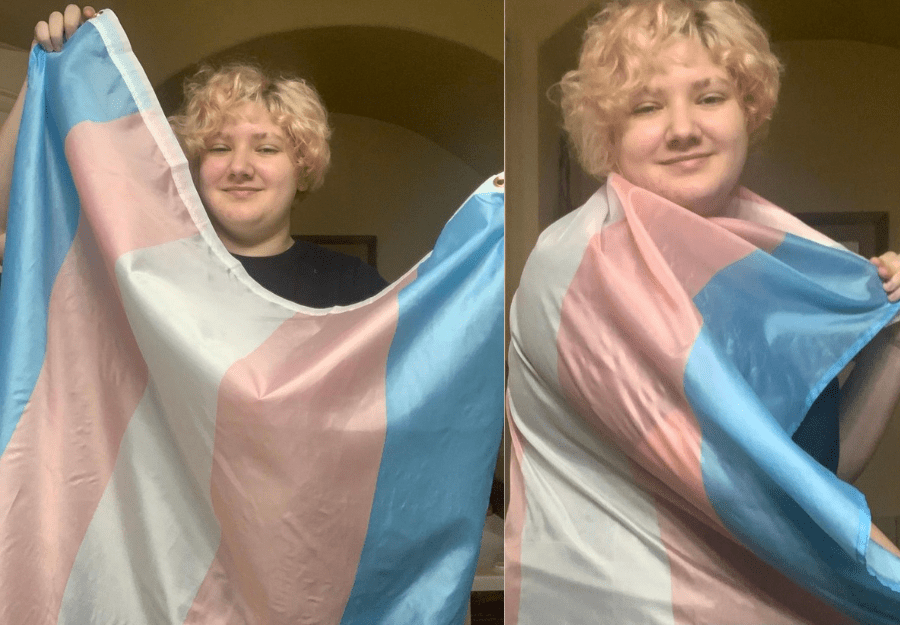
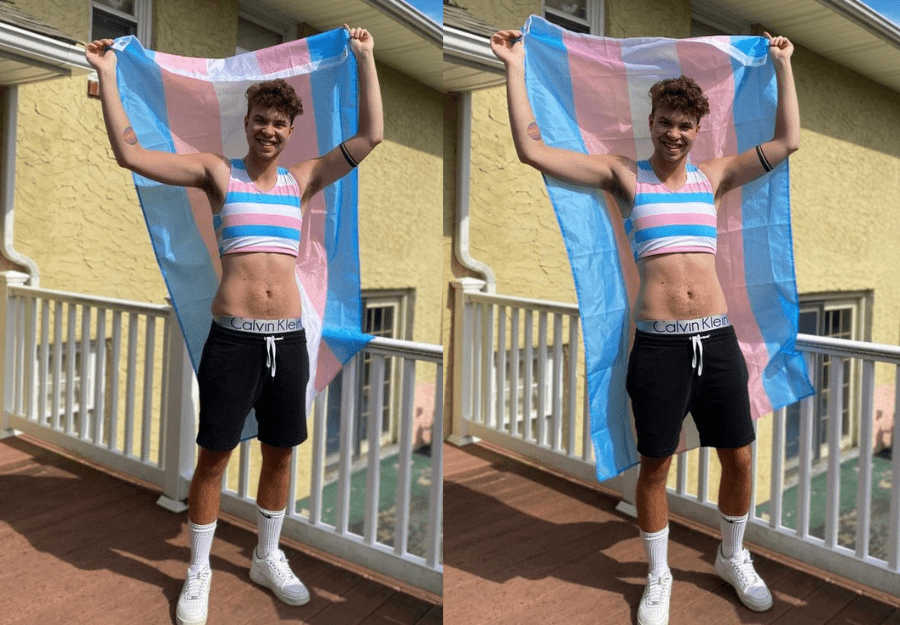
The transgender flag leads identity flags at 753 units. This aligns with the size of the transgender population: the Williams Institute at UCLA estimates that approximately 1.6 million adults in the United States identify as transgender, or about 0.6 percent of the adult population. Transgender visibility in particular has been under sustained political pressure since 2020, and purchase data suggests people are responding by making their support visible.
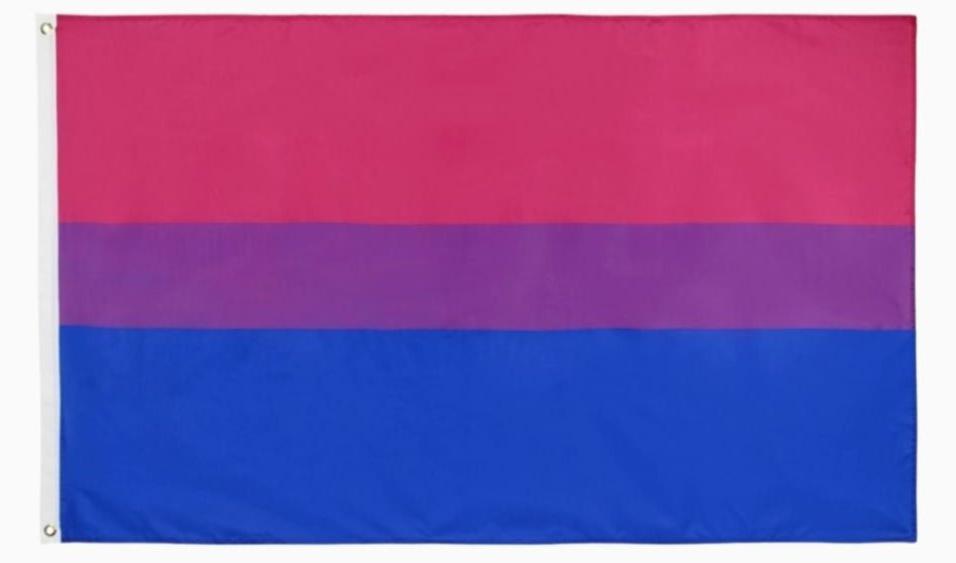
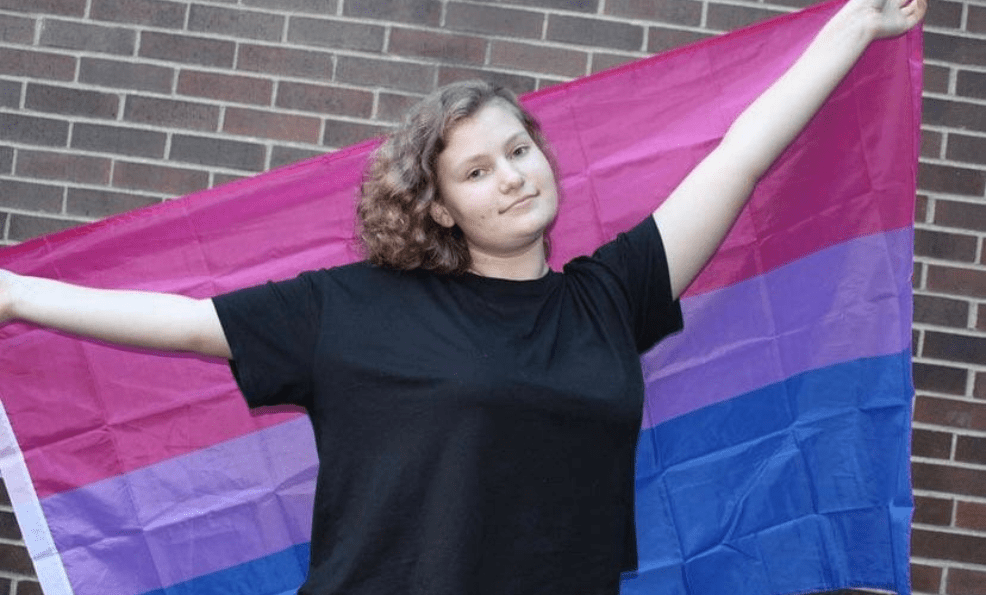
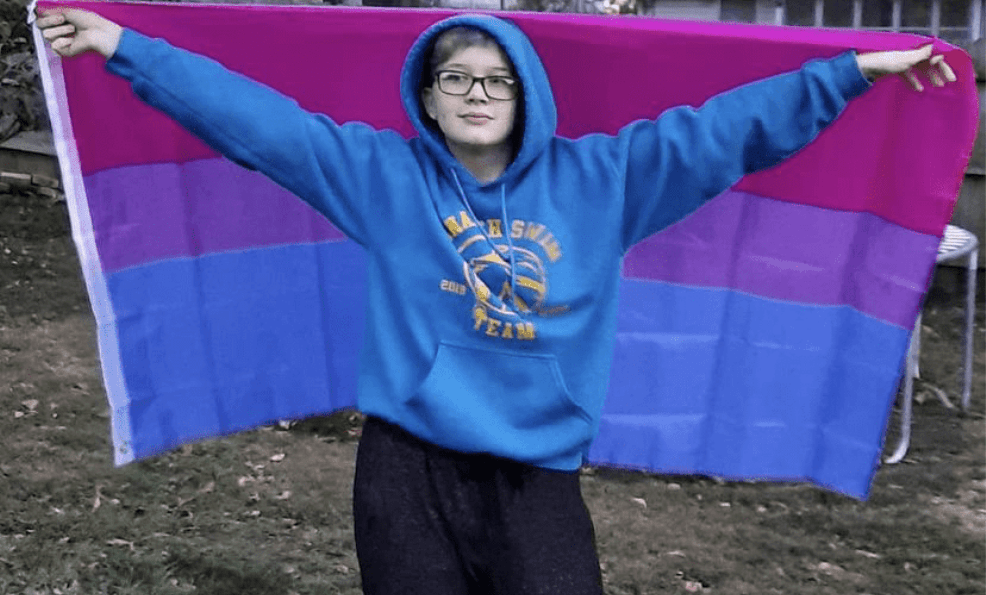
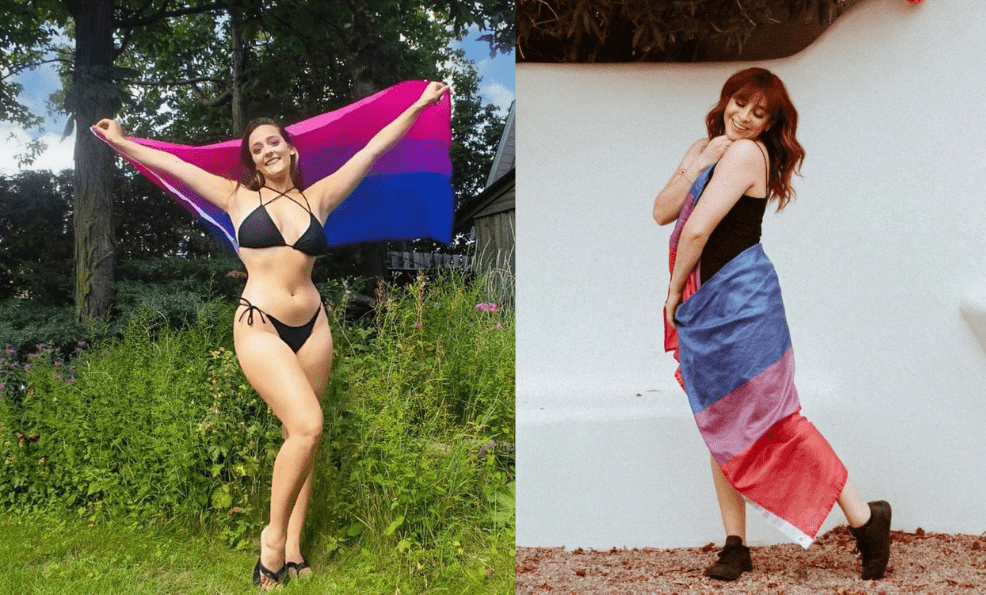
The bisexual flag ranks second among identity flags at 599 units. The bisexual Pride flag was designed in 1998 by Michael Page specifically to counter bisexual erasure, the pattern of bisexual identity being rendered invisible when a bisexual person is in a relationship that reads as either straight or gay. The buying numbers suggest that erasure remains a reason people need visible symbols.
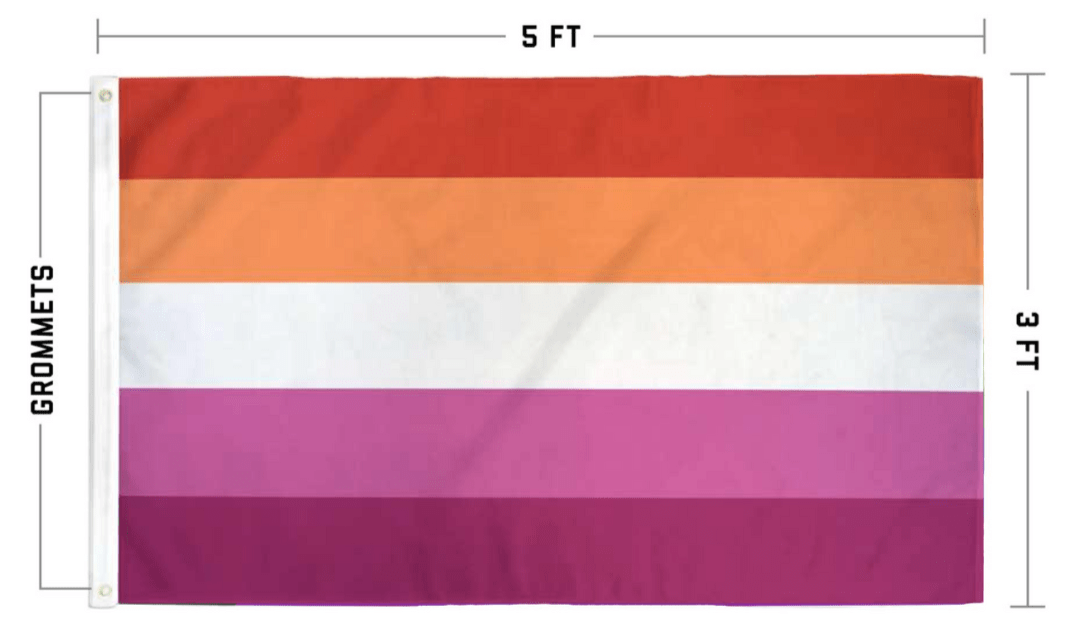
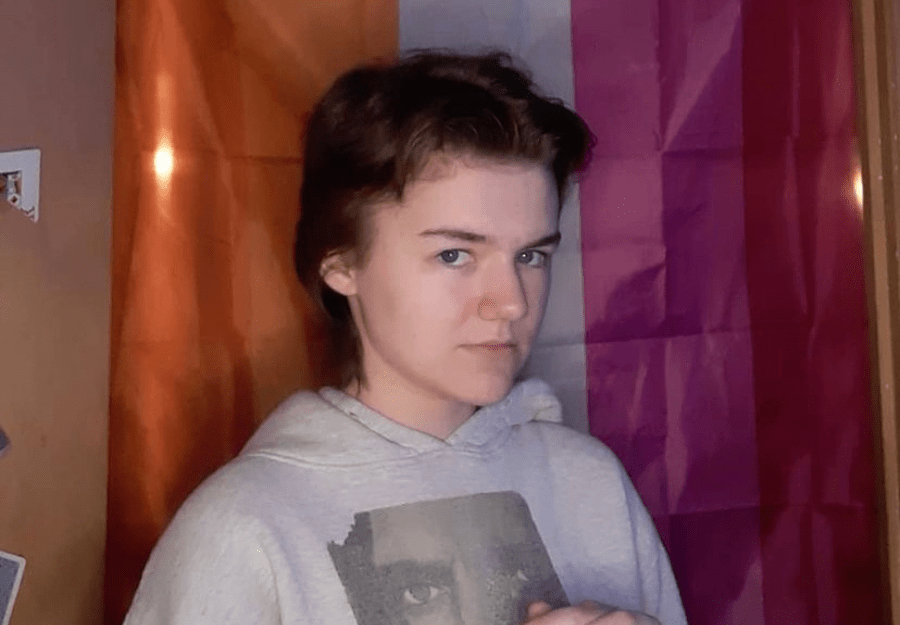
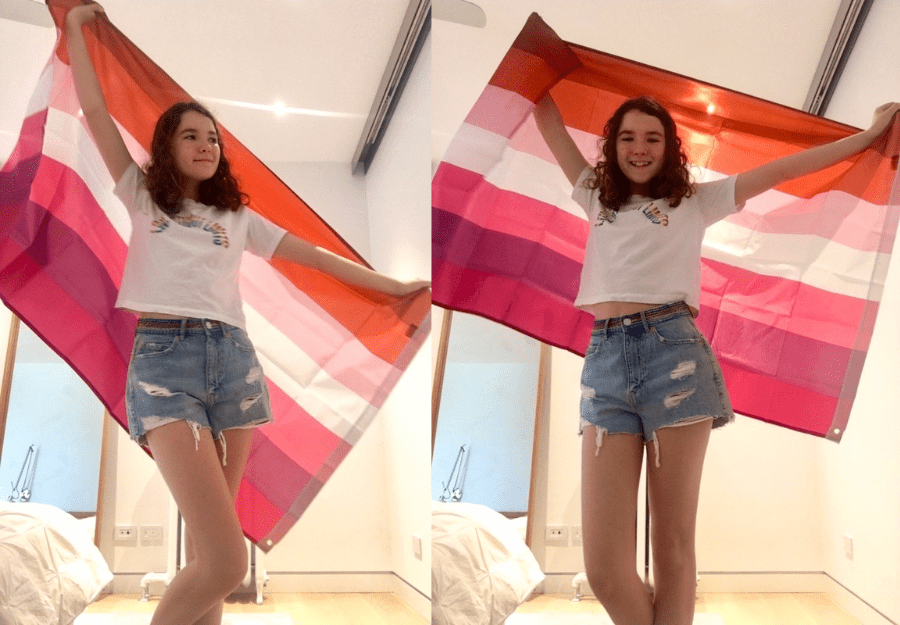
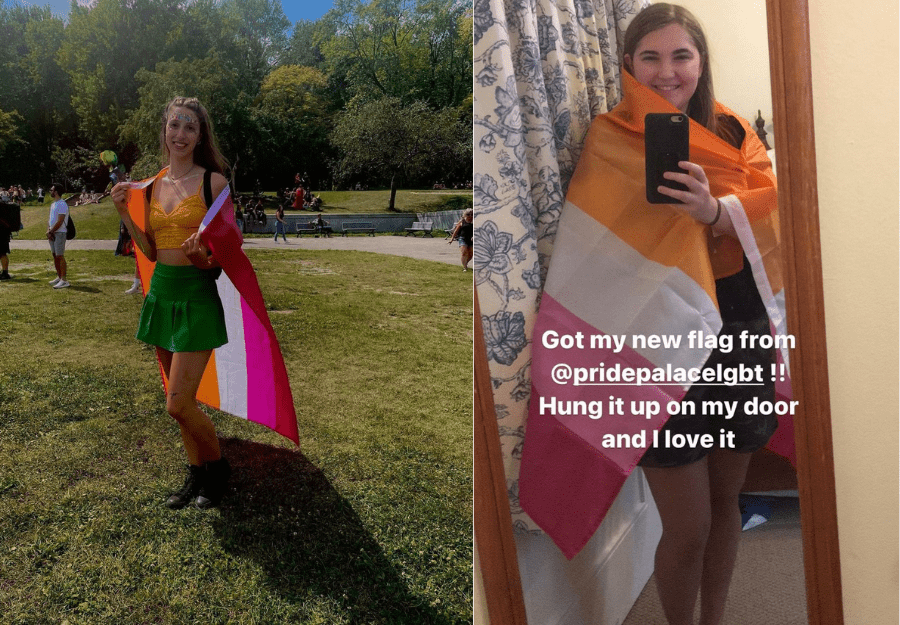
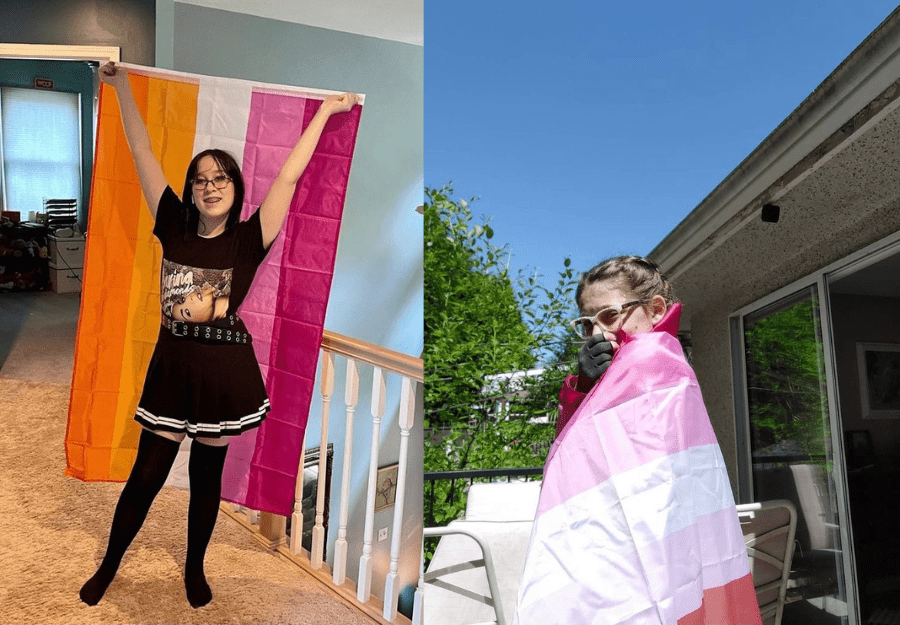
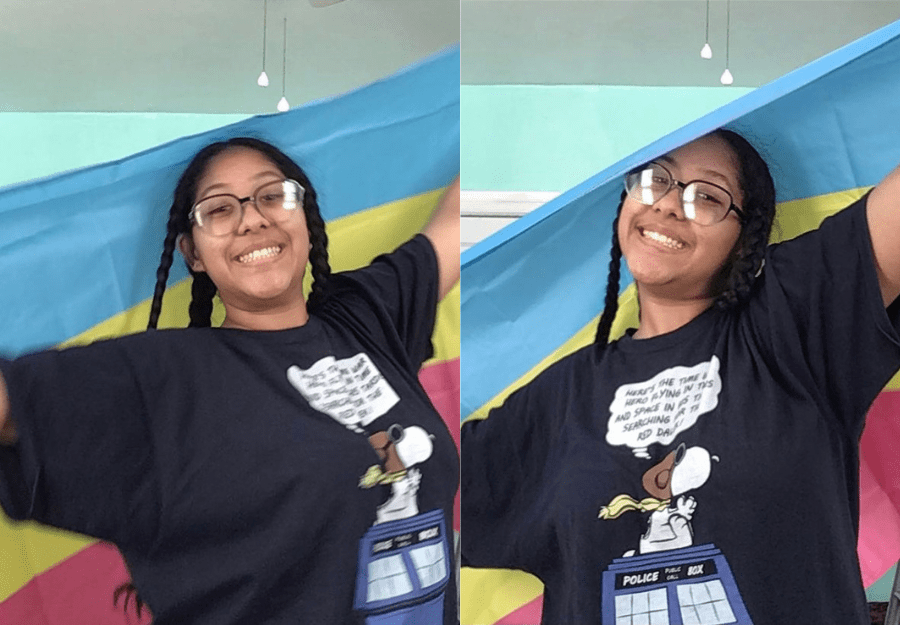
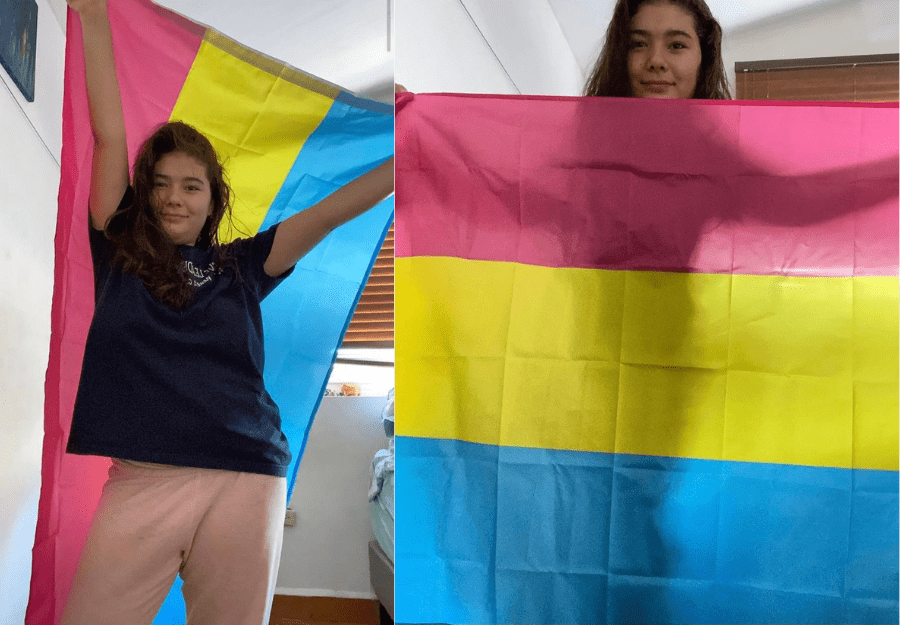
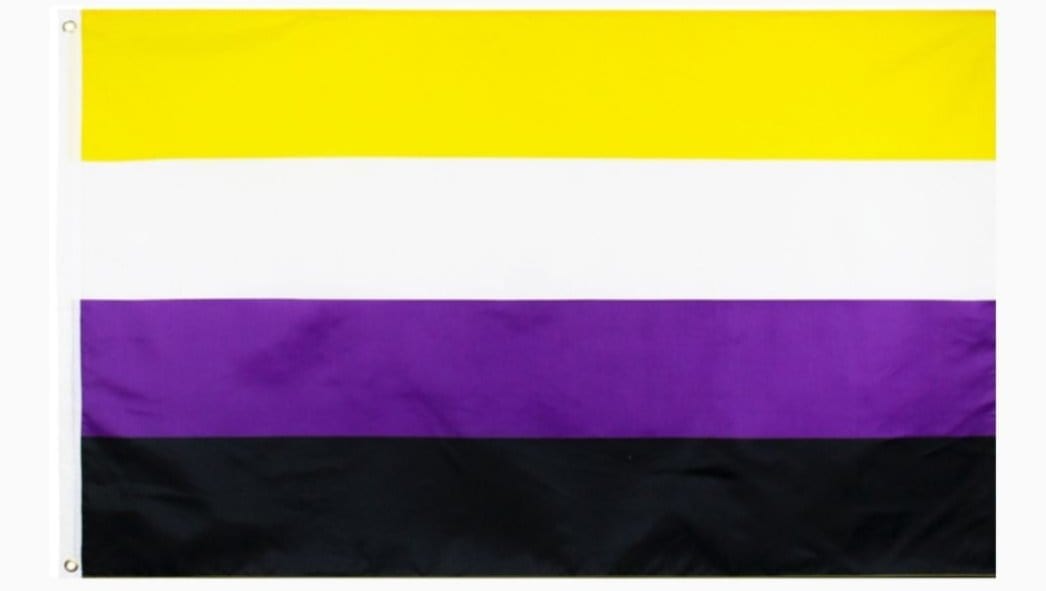
The lesbian flag follows at 382 units, the non-binary flag at 373, and the pansexual flag at 358. All three are consistent sellers with their own dedicated explainers in the flag guide.
Why do statement flags rank so high?
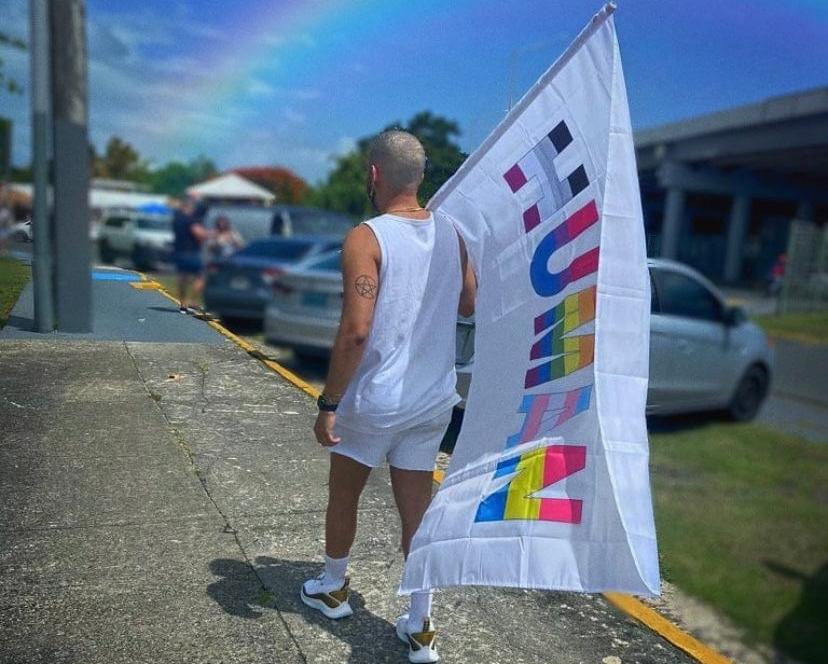
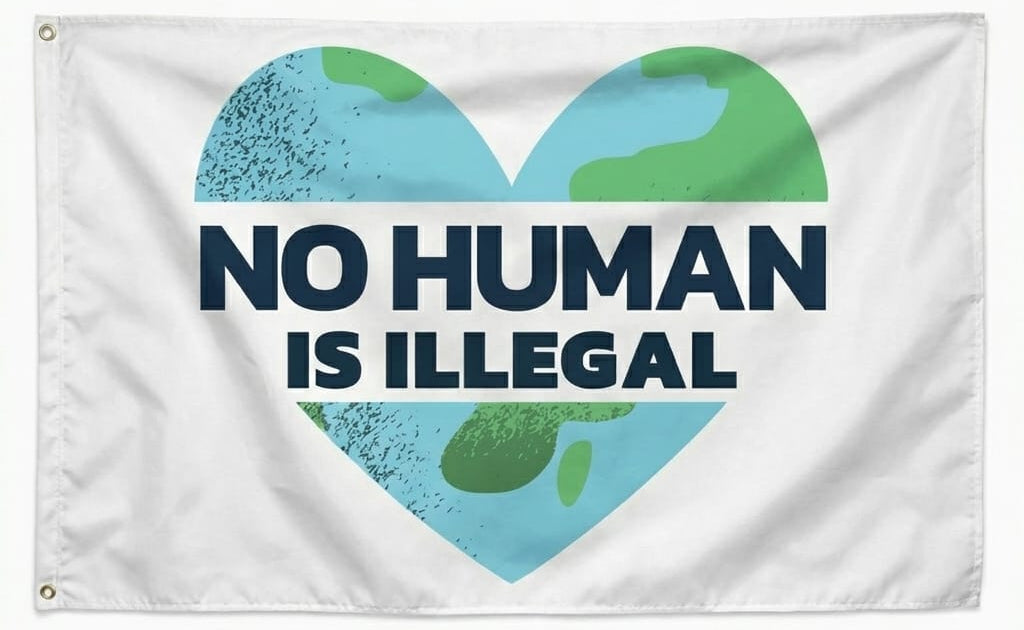
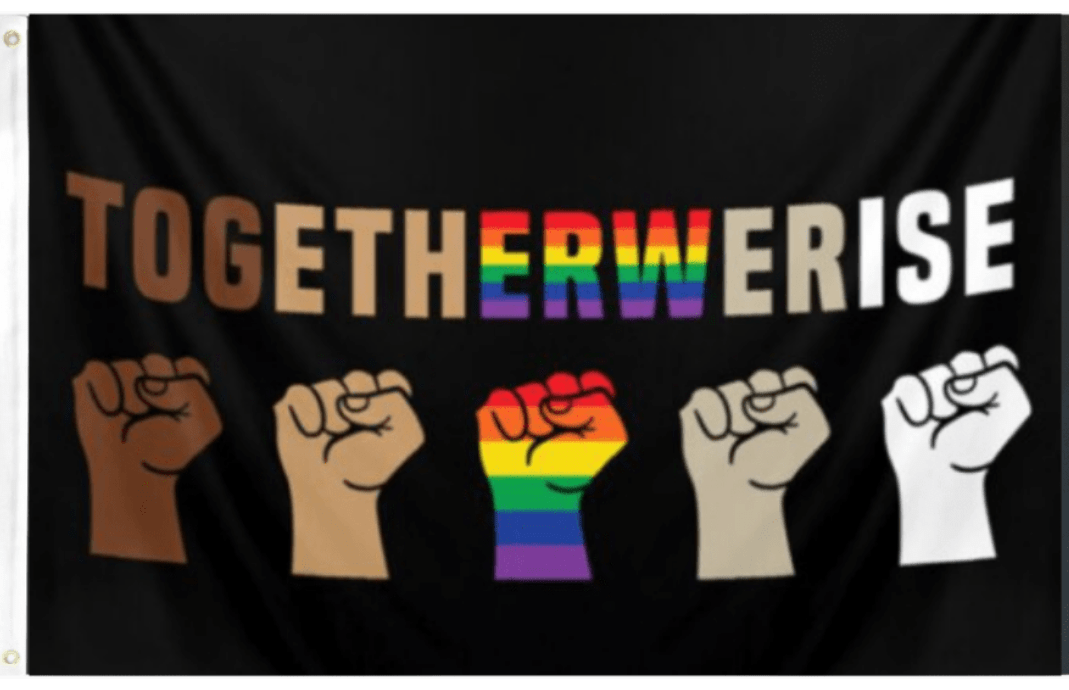
Three of the top seven flags by units are not identity flags at all. The SBNLWK flag (1,571 units), the We're All Human flag (1,010 units), and the Ally flag (714 units) are solidarity and statement designs, meaning they represent a political stance or a commitment to support rather than a specific identity.
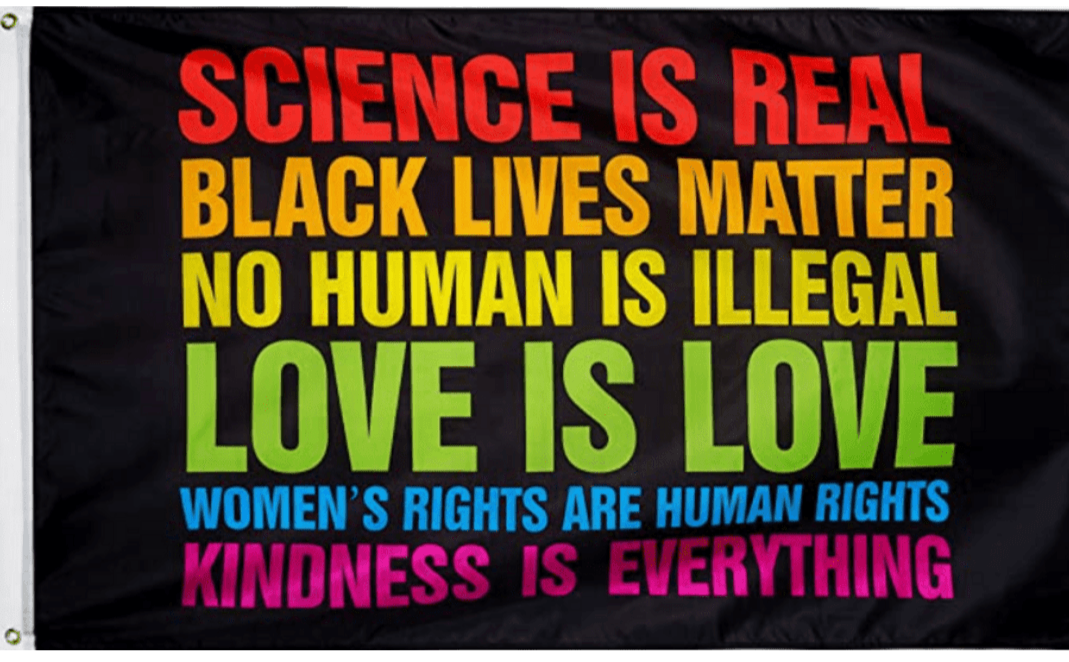
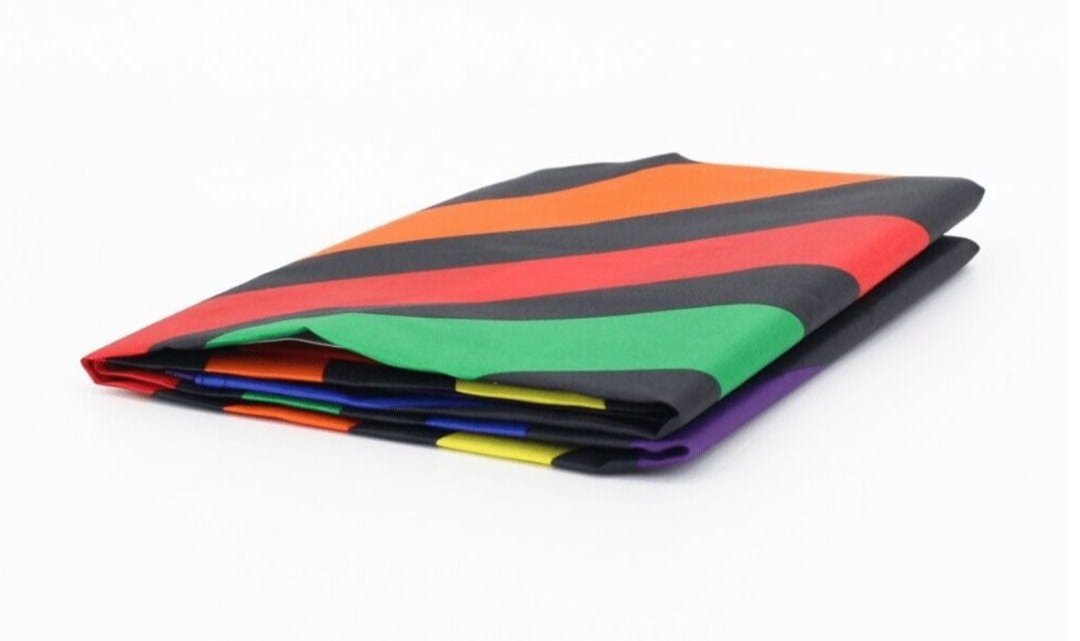
The SBNLWK flag carries six statements: Science is real. Black lives matter. No human is illegal. Love is love. Women's rights are human rights. Kindness is everything. At 1,571 units it ranks third overall, ahead of every identity flag on the list.
"The percentage of U.S. adults who self-identify as lesbian, gay, bisexual, transgender, or something other than heterosexual has now surpassed 9 percent, a figure that has held steady since 2024."
That finding comes from Gallup's annual tracking survey, published in 2026.
If 9 percent of U.S. adults now identify as LGBTQ+, a large portion of flag buyers are people who are not part of that 9 percent but want to be visible in their support of it. The post-purchase survey data from 484 Pride Palace respondents puts allies at approximately 23 percent of flag purchases. Statement flags give allies a way to signal support without claiming an identity that is not theirs. That is a function the rainbow flag has always served too, but the SBNLWK and We're All Human designs make the political content explicit rather than implied.
What does this data tell us that search trends cannot?
Search volume tells you what people are asking about. Purchase data tells you what people decided after they thought about it.
These are different things. A person can search "bisexual pride flag" out of curiosity, see the design, find out the colors were chosen to represent attraction to same and different genders, and never buy one. A person who buys one has made a decision about visibility, for themselves or for someone they love.
The top two flags in the ranking, the intersex-inclusive Progress design and the rainbow, both serve as community symbols that do not require a specific identity claim. Their combined 4,211 units out of roughly 9,700 total across the 11 flags listed here means about 43 percent of purchases are for the two broadest symbols. The remaining 57 percent are identity-specific or statement-specific choices.
That breakdown suggests a community that is moving toward more specific self-representation rather than away from it. People know the rainbow is the shorthand. They are also buying the flag that names their particular experience.
Every Pride flag we carry is in the shop, with the full history and meaning of each design at the flag guide. All sales benefit LGBTQ+ charities.
Frequently asked questions
What is the most popular Pride flag?
Based on 90 days of actual purchases at Pride Palace, the intersex-inclusive Progress Pride Flag is the single most purchased design, with 2,267 units sold. The original rainbow flag ranks second at 1,944 units. Both outsell every other flag in the catalog.
Is the rainbow flag still the most popular Pride flag?
Not by units. In Pride Palace's own 90-day purchase data, the intersex-inclusive Progress Pride Flag sold 2,267 units against 1,944 for the rainbow flag. The Progress design has outsold the rainbow for at least one full sales cycle. Both remain far ahead of every other flag.
Which identity flag do people buy most?
Among flags that represent a specific sexual orientation or gender identity, the transgender flag leads with 753 units over 90 days, followed by the bisexual flag at 599 units, the lesbian flag at 382, the non-binary flag at 373, and the pansexual flag at 358.
What is the SBNLWK flag and why does it sell so well?
The SBNLWK flag is a black flag printed with six statements in rainbow-colored type: Science is real. Black lives matter. No human is illegal. Love is love. Women's rights are human rights. Kindness is everything. It sold 1,571 units in 90 days, ranking third overall. It appeals to buyers who want to signal political values rather than a specific identity, and to allies who want to stand with the community without claiming membership in it.
Who buys Pride flags?
Pride Palace's post-purchase survey data from 484 respondents shows that the community itself accounts for the majority of purchases, but allies represent approximately 23 percent of flag buyers. Family members and supporters regularly buy identity flags for the LGBTQ+ people in their lives.
Do you need to identify with an identity to buy its flag?
No. A parent buying a transgender flag for their child, a friend buying a bisexual flag as a gift, or an ally buying any flag to show support are all common purchase patterns. The post-purchase data confirms this consistently.
Where can I see all Pride flags in one place?
The full guide at Pride Palace covers all 33 flag designs in the collection, with the history and meaning of each one.
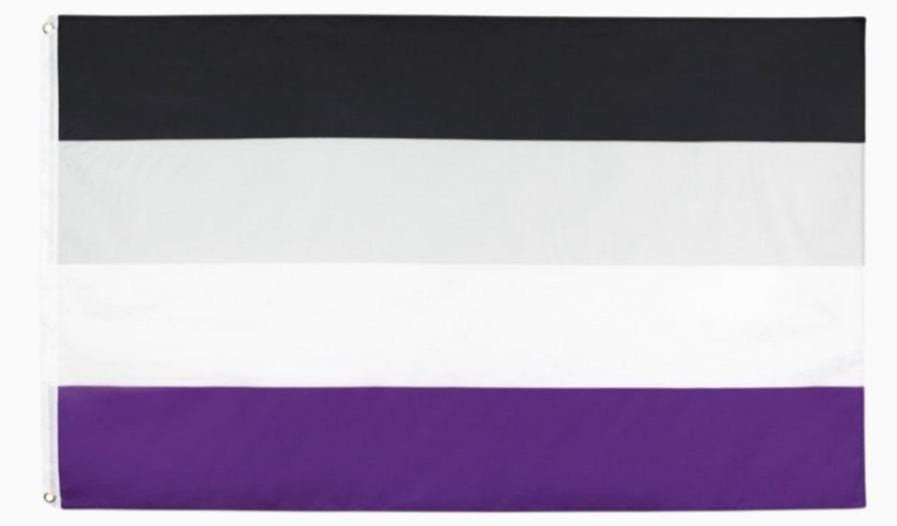
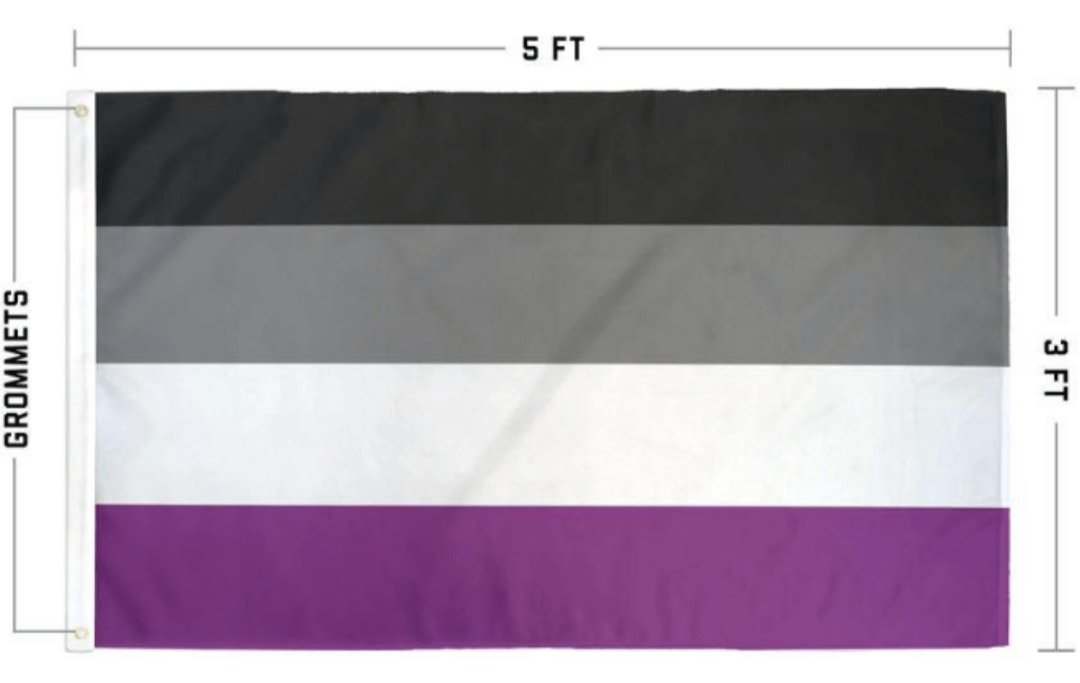
Are there Pride flags for non-binary, pansexual, and asexual people?
Yes. Non-binary, pansexual, aromantic, and asexual flags all exist and are available in the Pride Palace collection. In the 90-day purchase data, the non-binary flag sold 373 units and the pansexual flag sold 358, making both consistent sellers. Each has its own dedicated article with the full history and design meaning.
Last updated: September 8, 2026