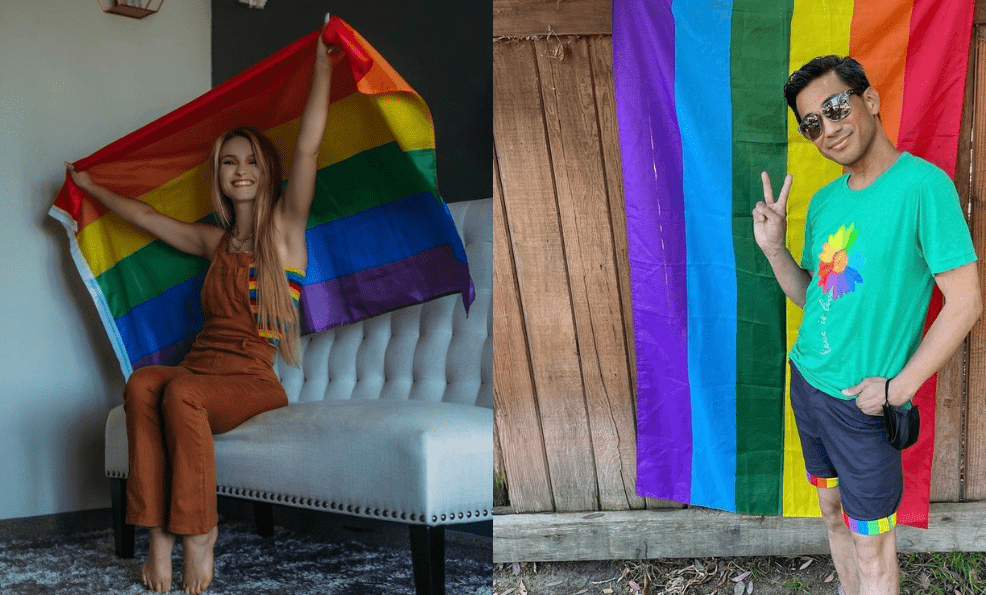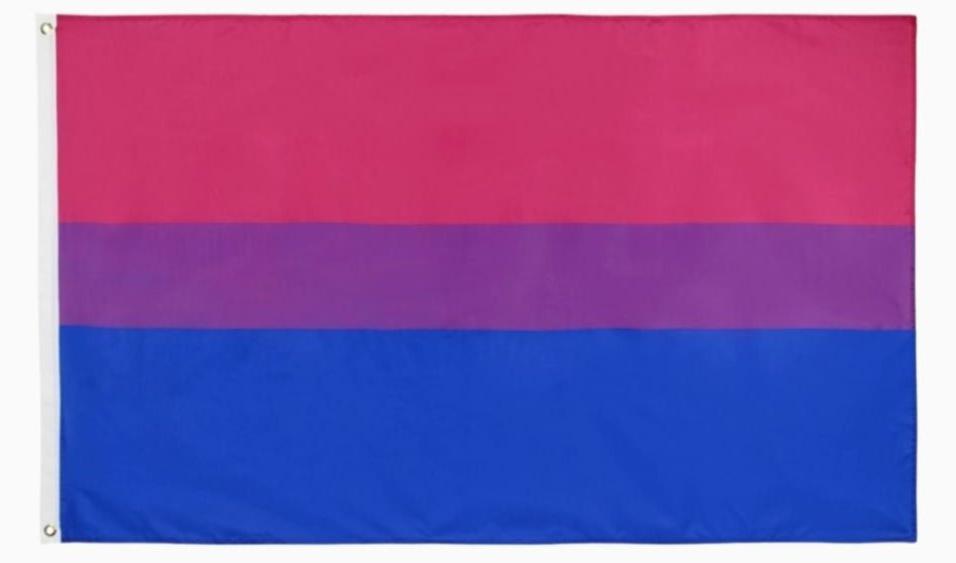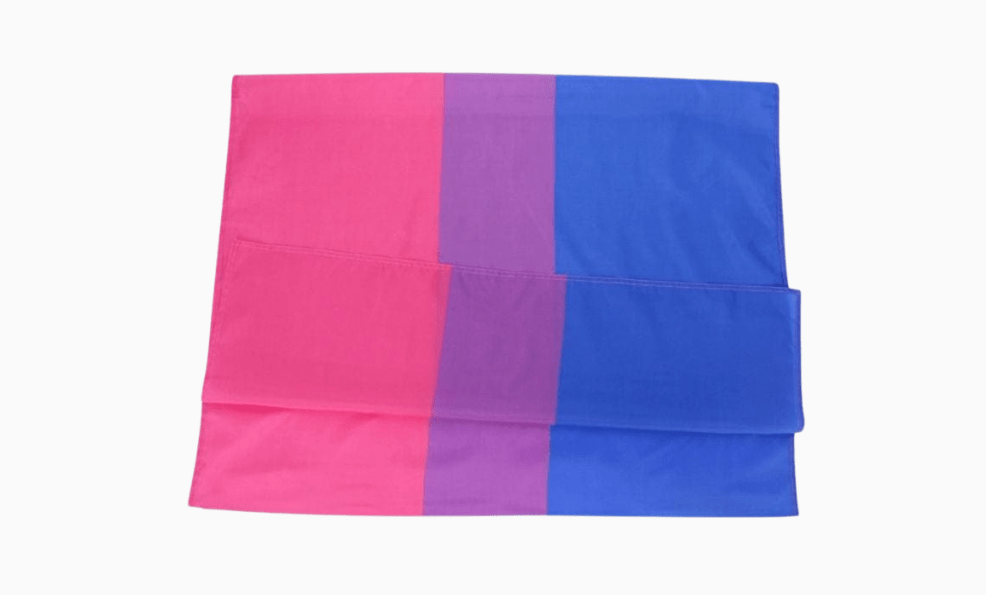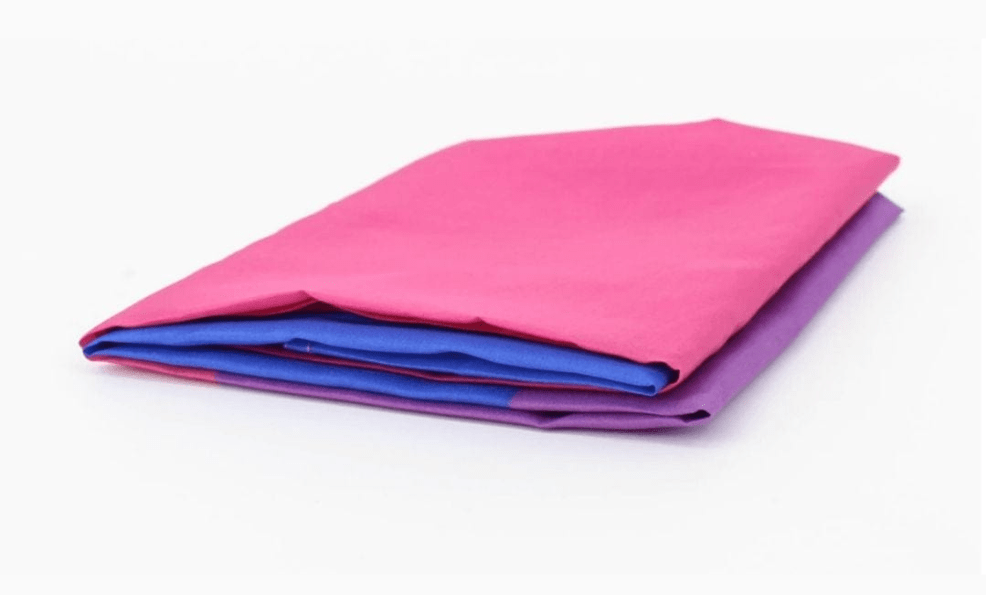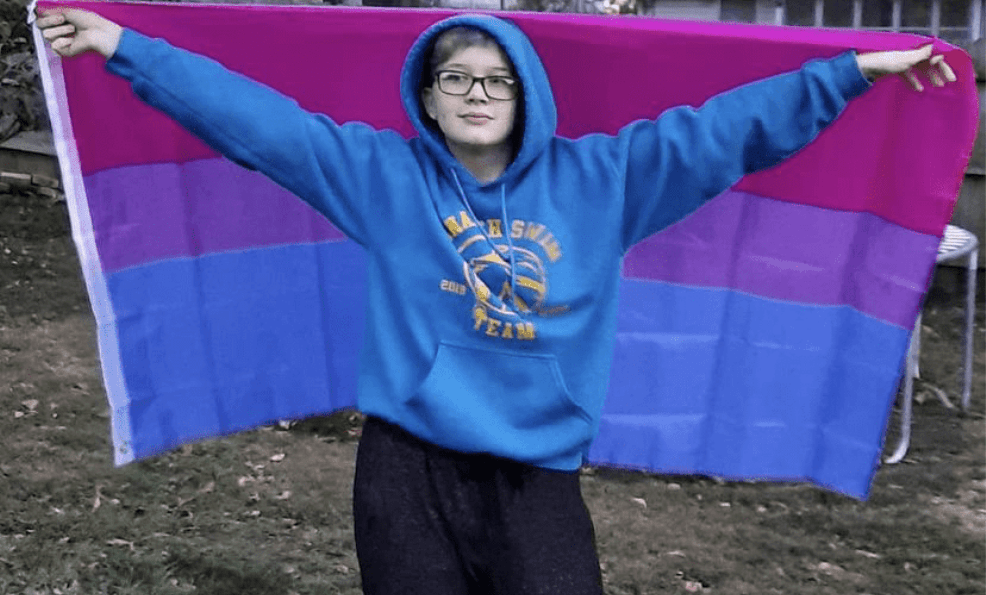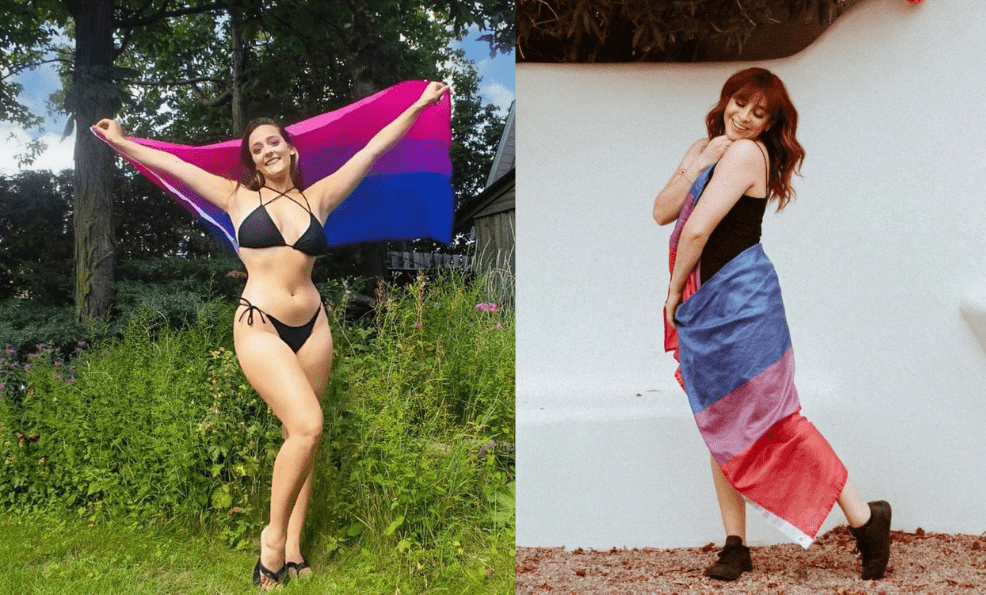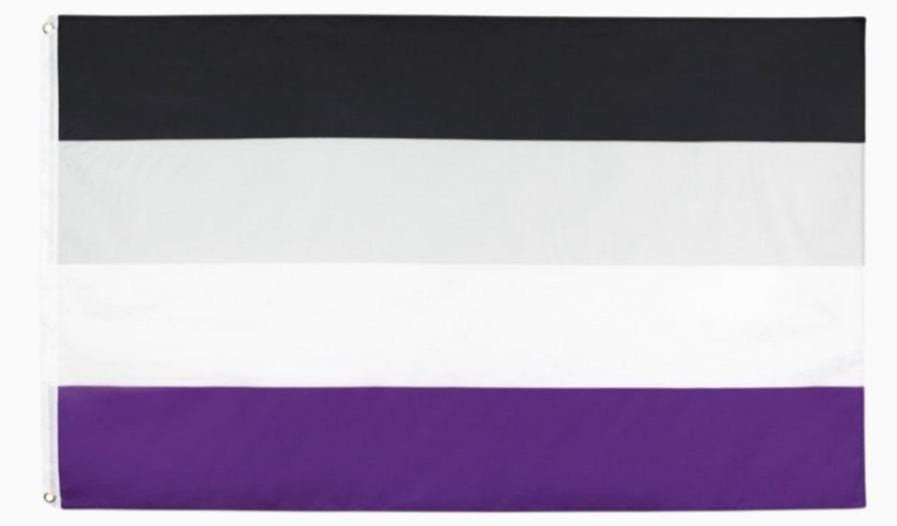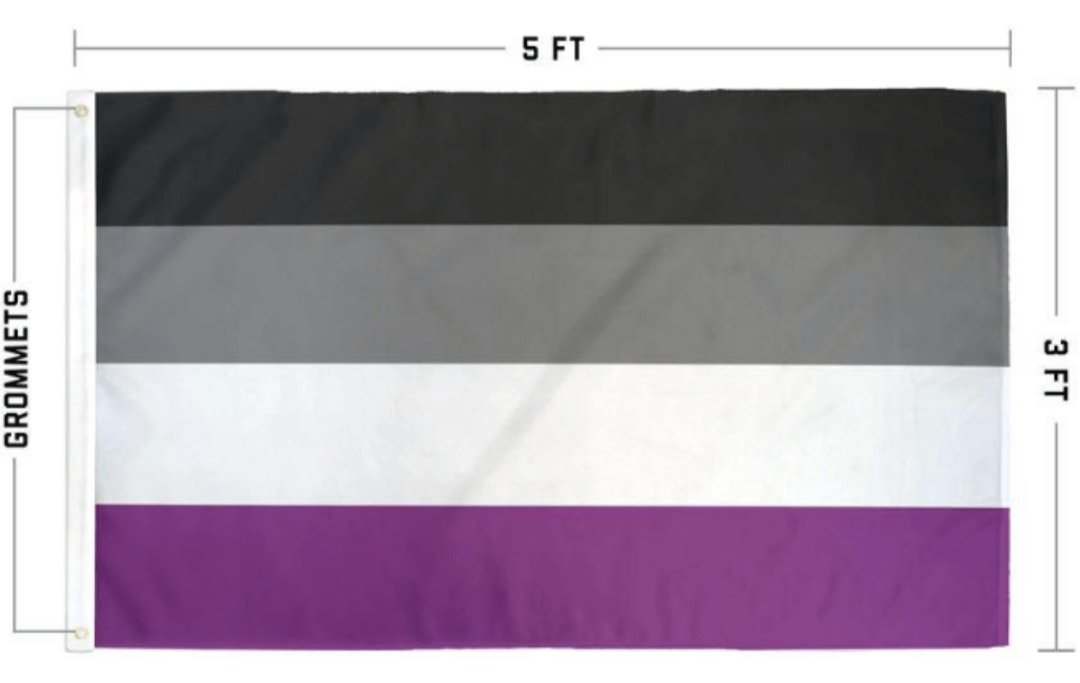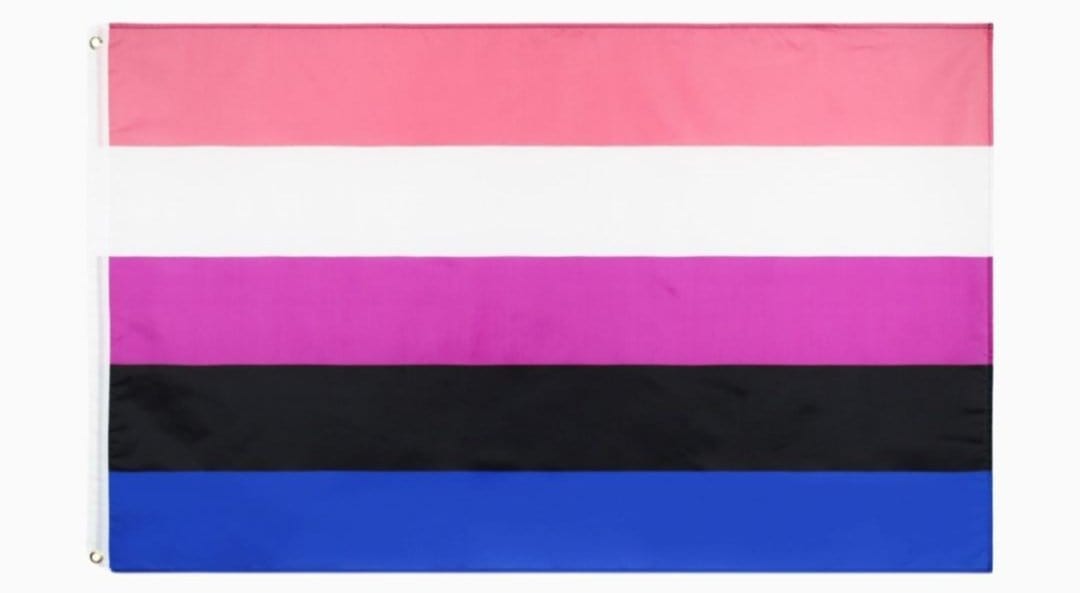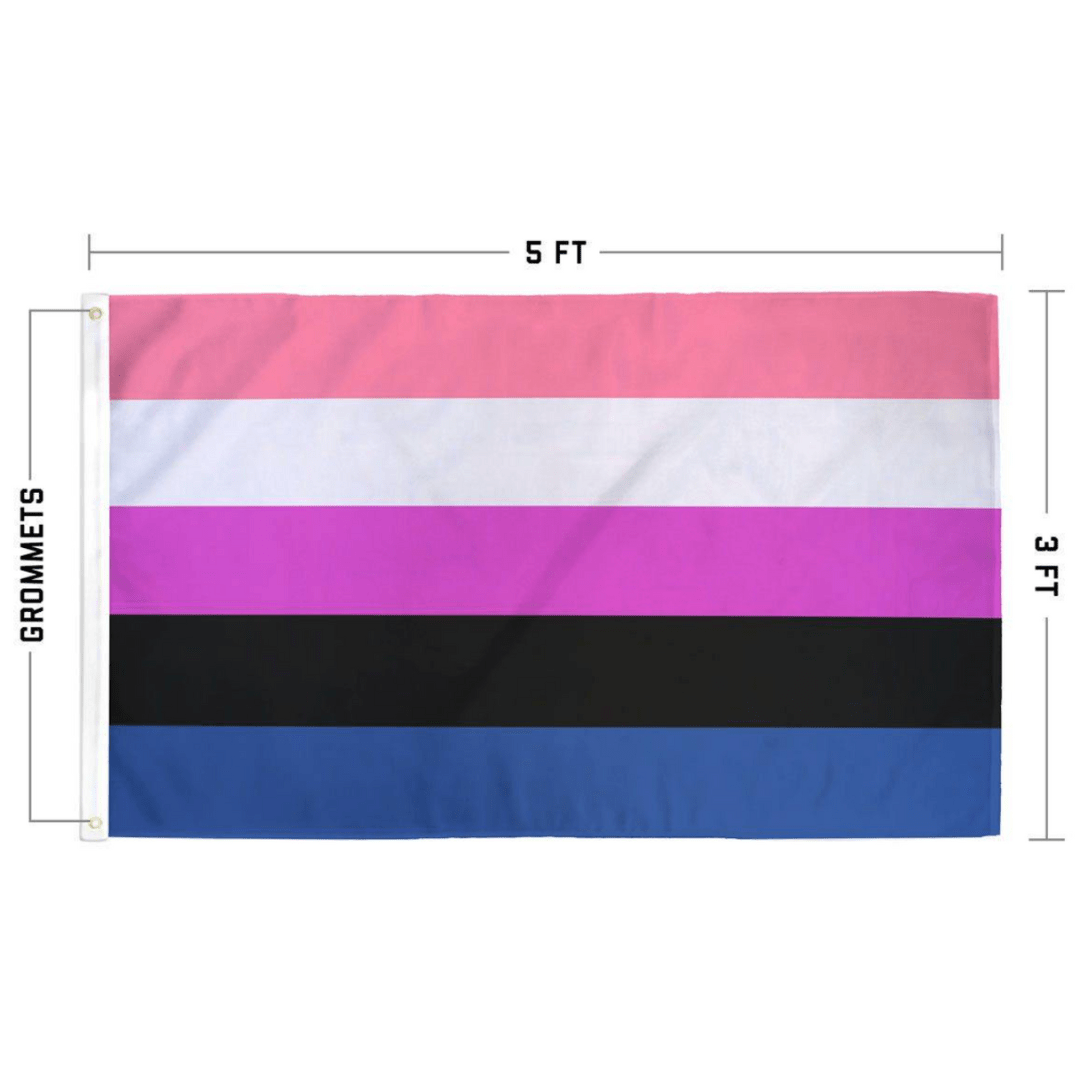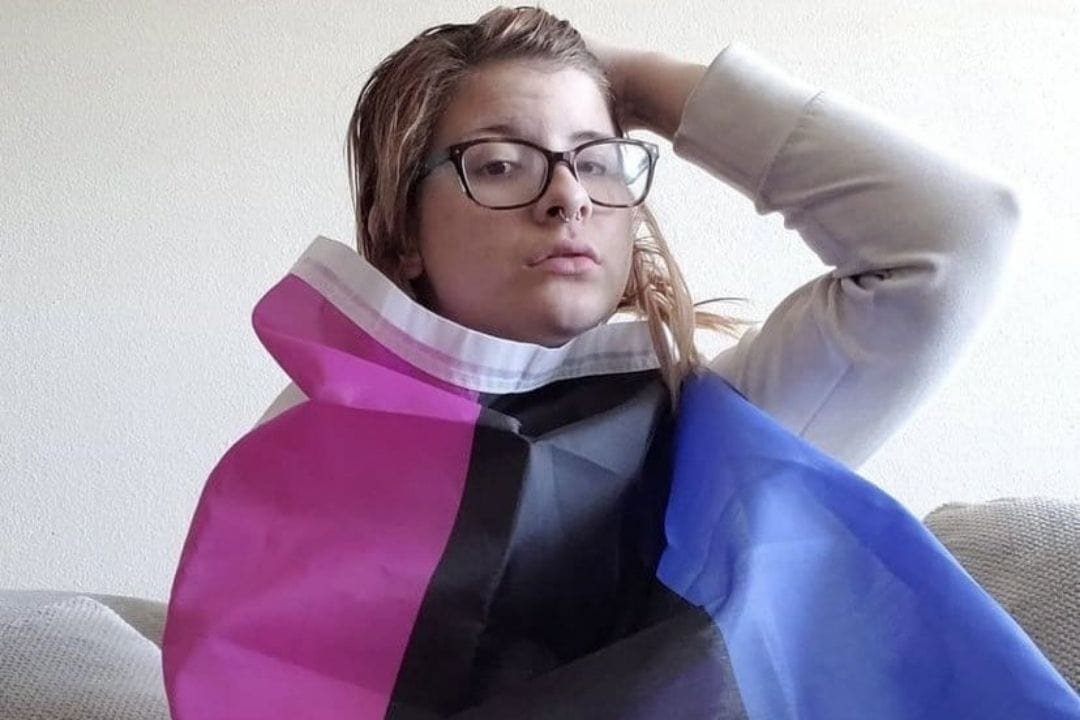

The bisexual pride flag is a three-stripe design in pink, lavender, and blue. Michael Page created it in 1998 specifically to make bisexual identity visible at a moment when bi people were being erased from both mainstream culture and LGBTQ+ spaces. Each color names a distinct experience of attraction, and the overlapping lavender stripe names their coexistence.
| Designer | Michael Page |
| Year | 1998 |
| Stripes | 3 |
| Colors | Pink (top), lavender (middle), royal blue (bottom) |
| Debuted at | BiCafe's first online anniversary party |
Who designed the bisexual pride flag, and why?
Michael Page created the bisexual pride flag in 1998. Page was the founder of BiNet USA, one of the earliest bisexual advocacy organizations in the United States, and the flag grew directly from that work: he had spent years watching bi identity disappear from the record.
The problem had a specific shape. Gay and lesbian spaces frequently dismissed bisexual people as confused, closeted, or not queer enough. Straight spaces treated bisexuality as a phase. And bi people who were in different-gender relationships were often made to feel their queerness had expired. Page designed the flag because bi people were effectively invisible inside the very movement that was supposed to include them.
The flag debuted at BiCafe's first online anniversary party and spread from there without any central organizing body, which is itself a signal of how badly it was needed. By the early 2000s it had become the most recognized symbol for bisexual identity worldwide, per the documented history on Wikipedia.
What do the colors of the bisexual pride flag mean?
Page assigned each stripe a specific meaning:
- Pink represents same-gender attraction
- Lavender represents attraction to both, and the blending of experiences that bisexuality involves
- Royal blue represents different-gender attraction
The lavender stripe is the most deliberate choice in the design. It does not sit at the center as a compromise between two poles; it names the part of bisexual identity that is not pink and is not blue and does not become either. Page said he chose overlapping colors so that at the boundaries, the flag would show what bisexuality actually is: not a midpoint between gay and straight, but a third, continuous thing.
The pattern is such that no matter which way you fly it, it is always correct.
That quote is often attributed to bisexual flag lore generally, and it holds. Unlike some flags with a distinct top and bottom, the bisexual flag reads as itself in any orientation.
Why bi erasure made the flag necessary
Bisexual erasure is the tendency to deny, ignore, or explain away bisexual identities, including bisexual people's own accounts of their experience. It happens in both straight and gay contexts, and it is well documented.
One Pride Palace customer put it plainly in a survey: "Dealing with bi erasure in the media, as well as sapphic media that doesn't also have a bunch of violence in the movie/show." That is the daily texture of it: invisibility not as an absence but as an active condition that has to be navigated.
The flag survives because the erasure continues. According to Pew Research Center (2023), bisexual adults make up the largest single share of the LGBTQ+ population in the United States, and a majority report rarely or never speaking publicly about their sexual orientation. That gap, between the size of the community and its public presence, is what Page was naming in 1998 and what the flag still names today.
Gallup's 2026 tracking puts LGBTQ+ identification at 9% of U.S. adults overall. Bisexual people account for a substantial share of that figure, yet remain undercounted in media representation and political advocacy relative to their numbers.
What is Bi Visibility Day?
Bi Visibility Day is September 23, established in 1999, one year after the flag debuted. It has since expanded into Bisexual Awareness Week, the full week surrounding September 23.
The day was created precisely because visibility does not happen automatically. It requires a named occasion, a flag, and people willing to use both. The bisexual flag is one of the few Pride symbols where the design and the observance arrived within a year of each other, built by the same generation to address the same problem.
How people actually use it
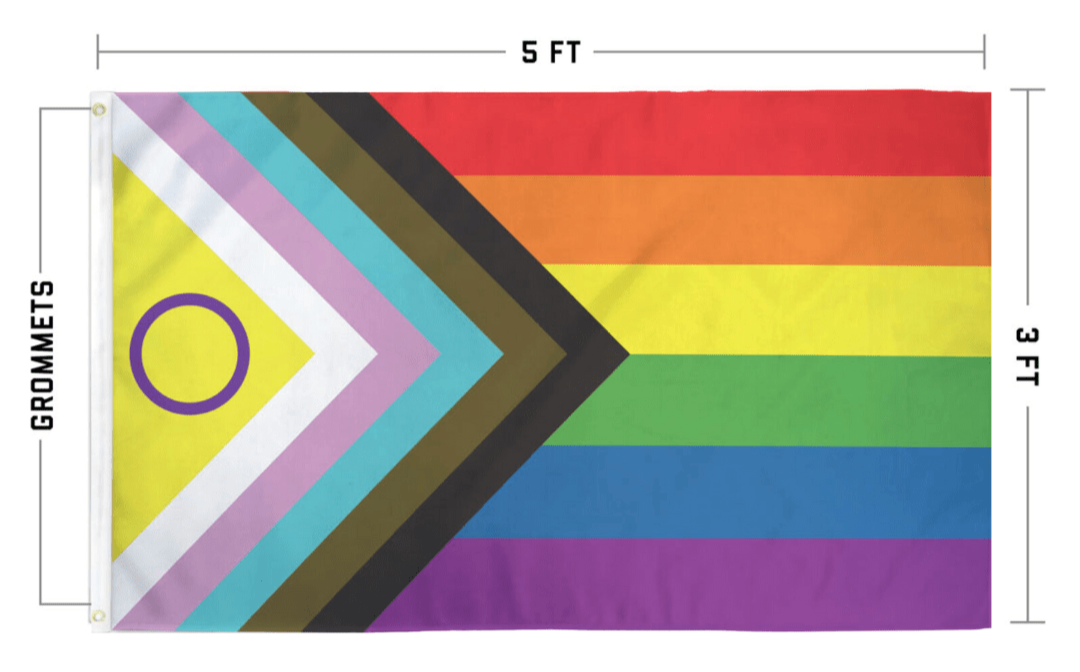
At Pride Palace, the bisexual pride flag sold 599 units over the trailing 90 days (Pride Palace internal sales data, 2026), making it our second-best-selling identity-specific flag. Only the intersex-inclusive Progress Pride Flag outsells it among identity designs. That ranking is our own data. No catalog or public report tells you what flags people are actually choosing to buy, which is what makes it useful: the bisexual flag is not a niche item. It is one of the most actively purchased identity flags in the catalog.
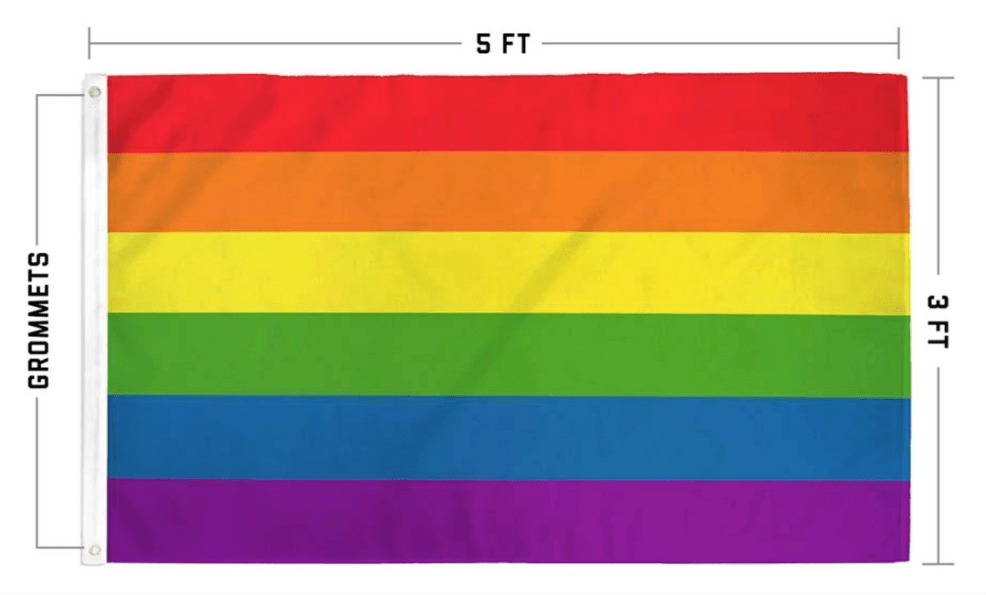
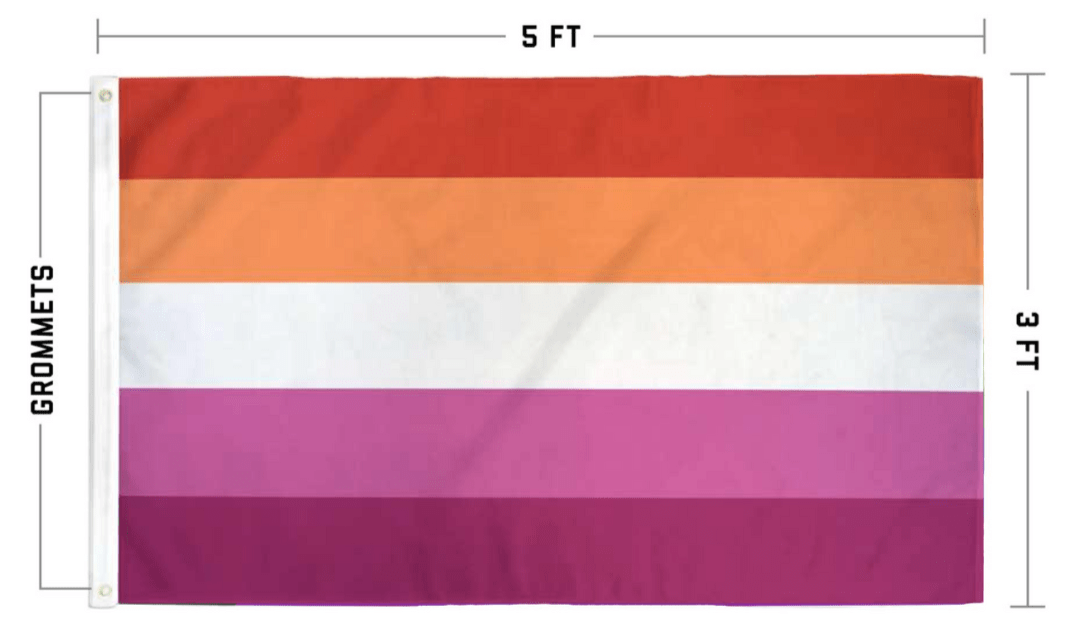
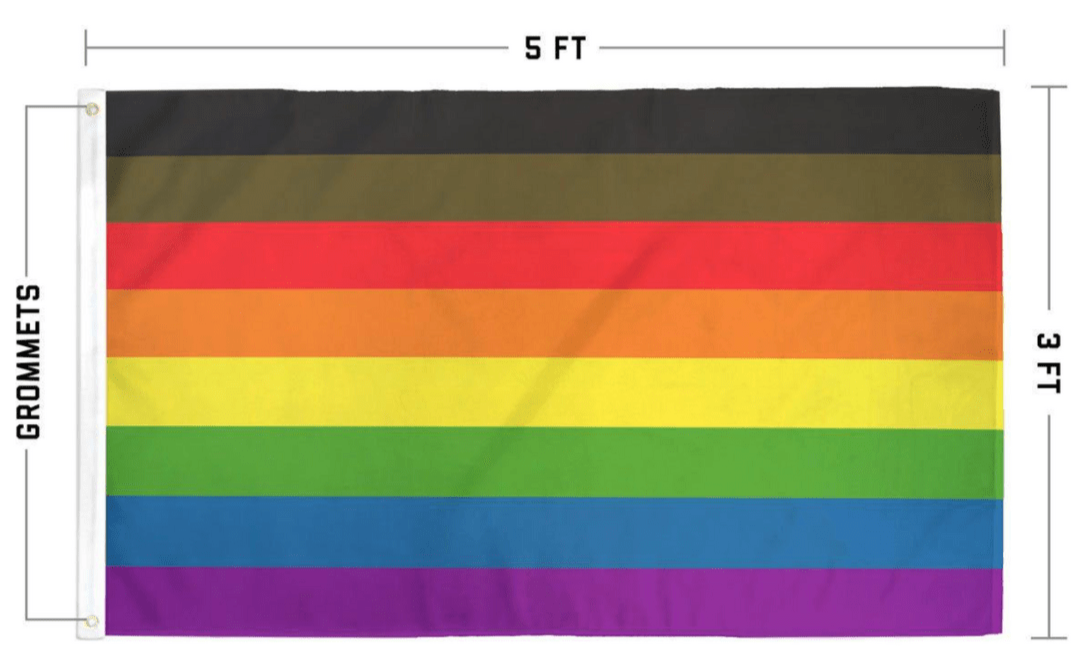
Most people display it at home. A bedroom wall, a window, or an outdoor bracket are the most common uses for the 3x5 foot bisexual pride flag, which is the size that fits all three. For situations where a full flag is not the right format, a pin, ring, or piece of jewelry carries the same visibility at a smaller scale.
All sales benefit LGBTQ+ charities.
You can see every flag we carry if you are still working out which one is yours. The full guide to every Pride flag and its meaning covers all 33 designs in the collection.
For context on neighboring flags in the identity spectrum, the intersex-inclusive Progress Pride Flag and lesbian pride flag articles each cover design history and meaning in the same depth.
Frequently asked questions
Who designed the bisexual pride flag?
Michael Page, founder of BiNet USA, designed the bisexual pride flag in 1998. His stated goal was to give bisexual people a visible symbol when bi identity was being erased from both mainstream and LGBTQ+ spaces alike.
What do the colors of the bisexual pride flag mean?
Pink represents same-gender attraction, royal blue represents different-gender attraction, and the lavender stripe in the middle represents attraction to both, as well as the blending of those two experiences. Page chose the overlap deliberately to mirror how bisexuality is often misread as confusion.
What is Bi Visibility Day?
Bi Visibility Day is observed on September 23 each year. It was established in 1999, one year after the bisexual pride flag debuted, and has since grown into Bisexual Awareness Week (the full week surrounding September 23). The day centers bisexual people and pushes back on bi erasure in media, relationships, and LGBTQ+ spaces.
Why is the bisexual flag three stripes instead of two?
Page used three stripes rather than two because bisexuality is not a 50/50 split between gay and straight. The lavender middle stripe represents the continuous spectrum of attraction, not a midpoint between two poles.
Is the bisexual flag the same as the pansexual flag?
No. The pansexual flag uses pink, yellow, and cyan, and is explicitly designed to represent attraction regardless of gender, including non-binary genders. The bisexual flag predates the pansexual flag by over a decade. The two identities are related but distinct, and each has its own symbol.
What size bisexual pride flag should I buy?
A 3x5 foot flag is the standard for flying outdoors or hanging indoors on a wall. A smaller hand flag or pin suits parades, events, or any situation where a full flag is not practical.
How do I display a bisexual pride flag?
Most people wall-mount it indoors as a bedroom or window display, or fly it on a bracket outdoors. If visibility at home is not safe, a pin, ring, or smaller flag carries the same meaning in a quieter form.
Last updated: September 30, 2026