
Demisexual describes someone who feels sexual attraction only after a close emotional bond has formed. It sits on the asexual spectrum, between asexuality and allosexuality. The word was coined on the AVEN forums in February 2006 and entered the Oxford English Dictionary in March 2022.
| Coined | February 2006, on the AVEN forums |
| Dictionary | Oxford English Dictionary, March 2022 |
| Spectrum | Asexual spectrum, between asexual and allosexual |
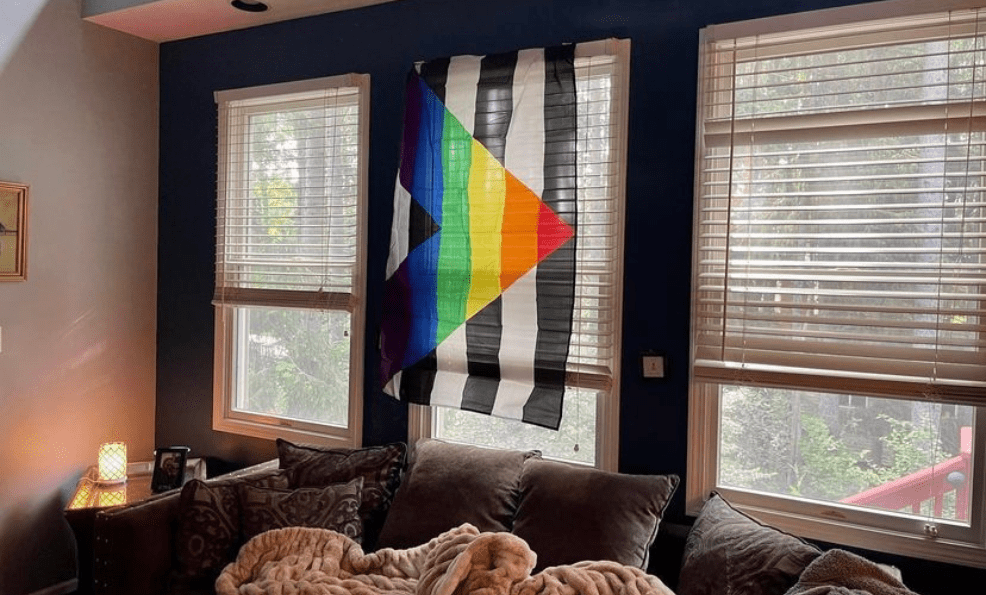
| Flag | Black triangle, white field, purple stripe, gray field |
| Says nothing about | Which gender or genders a person is attracted to |
What does demisexual mean?
A demisexual person experiences sexual attraction only after an emotional bond has formed. Not instantly, not on sight, and not reliably at all unless the closeness comes first.
The usual way to explain it is the split between primary and secondary sexual attraction. Primary attraction is the kind that happens immediately, based on how someone looks or the impression they give in the first few minutes. Secondary attraction is the kind that builds out of knowing a person. Demisexuality is what it looks like when the first kind does not really arrive and the second one does.
That is a description of timing, not a moral position. According to the documented entry on the term, a common misconception treats demisexuality as a rule against casual sex. It is not one. The word describes a feeling rather than a choice or an action.
Where does the word come from?
The term was coined in February 2006 on the forums of the Asexual Visibility and Education Network, usually shortened to AVEN. An earlier attempt at naming the same experience, "semisexual," had been floated by AVEN founder David Jay in 2003 and did not stick.
It took sixteen years to travel from a forum thread to a dictionary. The Oxford English Dictionary added demisexual in March 2022, dating its earliest recorded use to 2006. Along the way Tinder added it as a self-descriptor in 2019, and in 2024 the British singer Tulisa described herself publicly as demisexual.
That timeline is worth sitting with. Demisexuality is not a new invention. It is an old experience that spent most of its history without a word attached to it, which is the ordinary route almost every label in this guide has taken.
What do the colors of the demisexual flag mean?
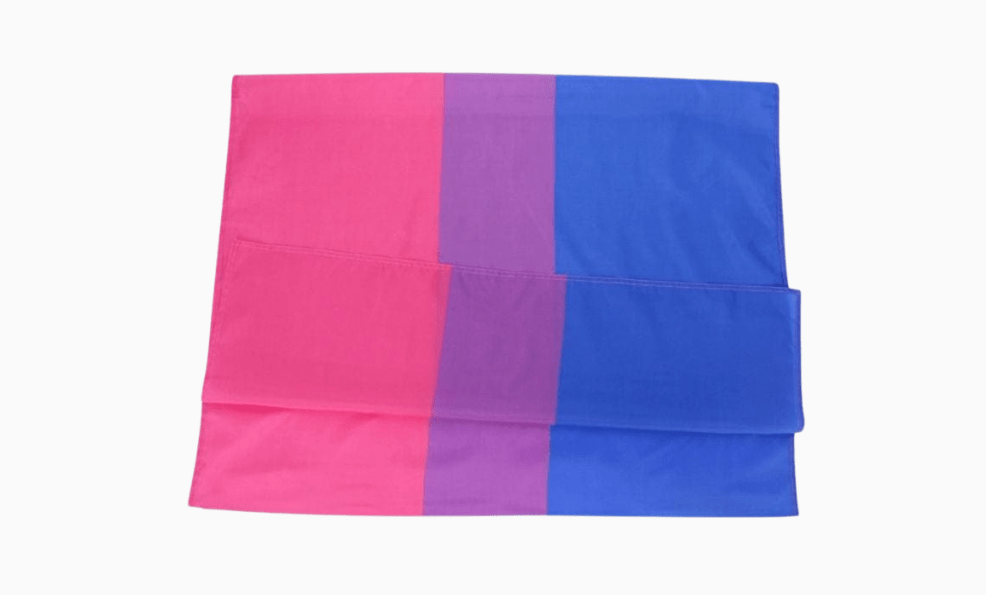
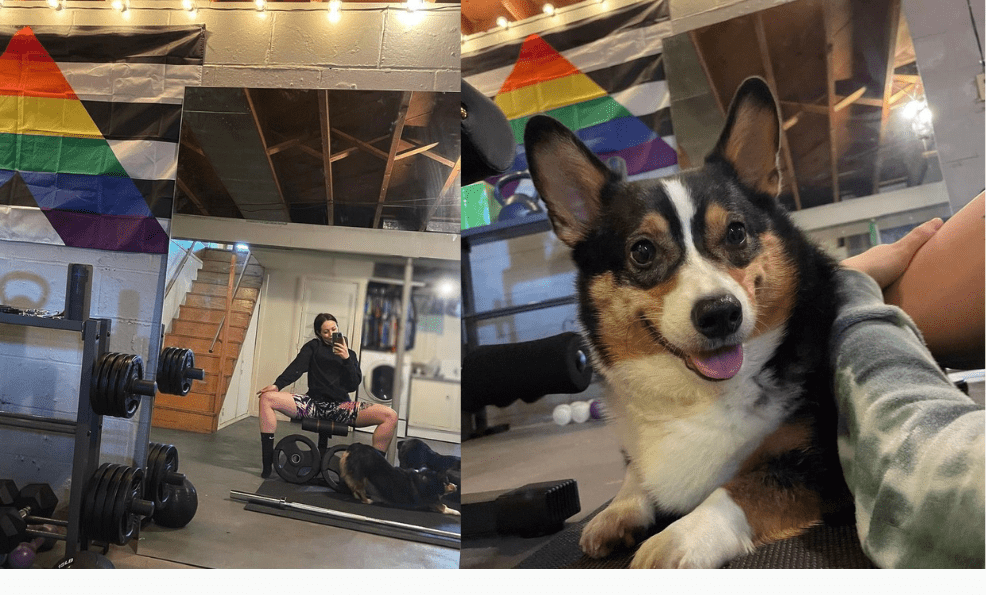
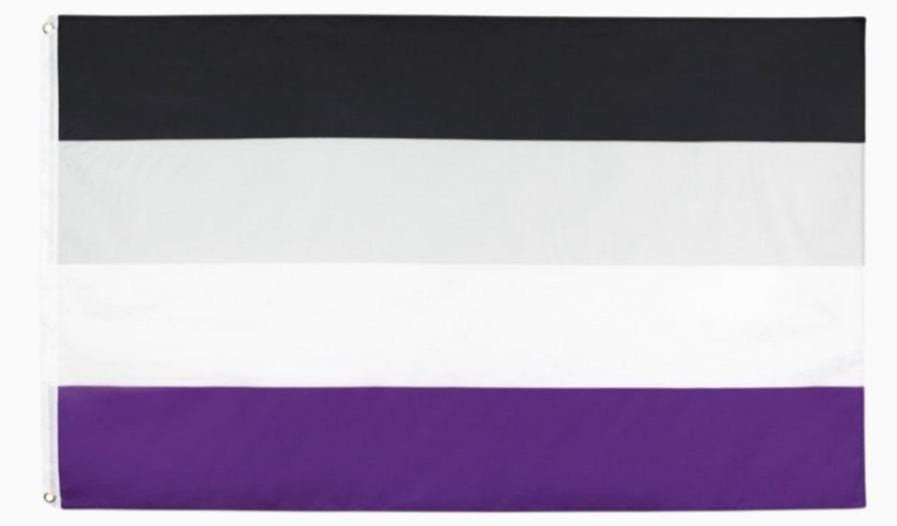
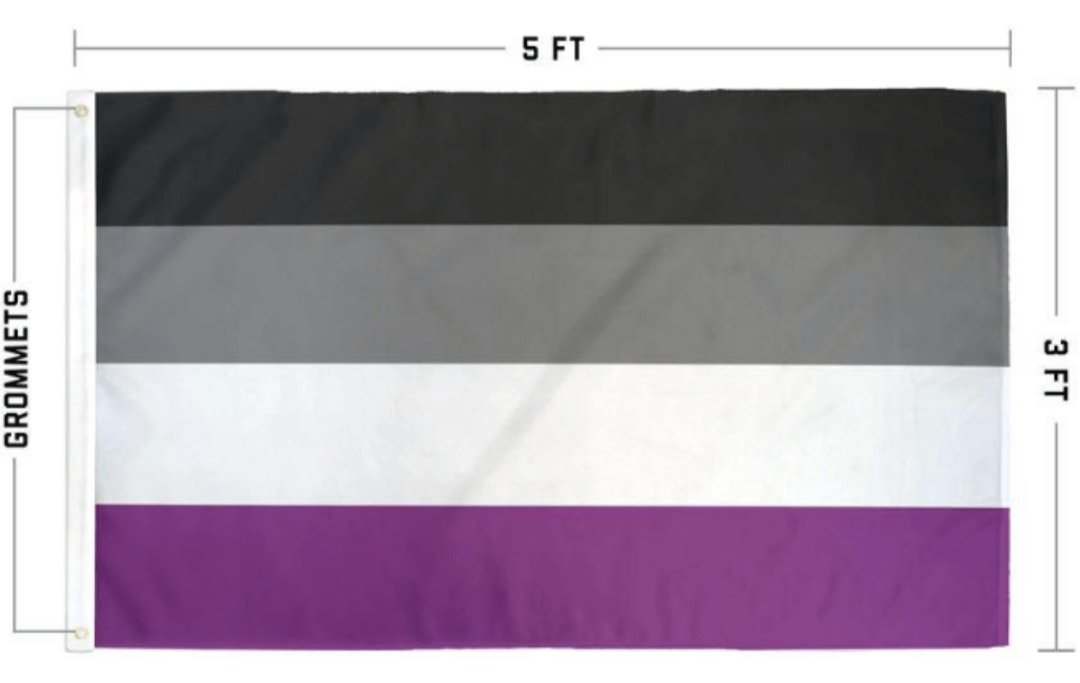
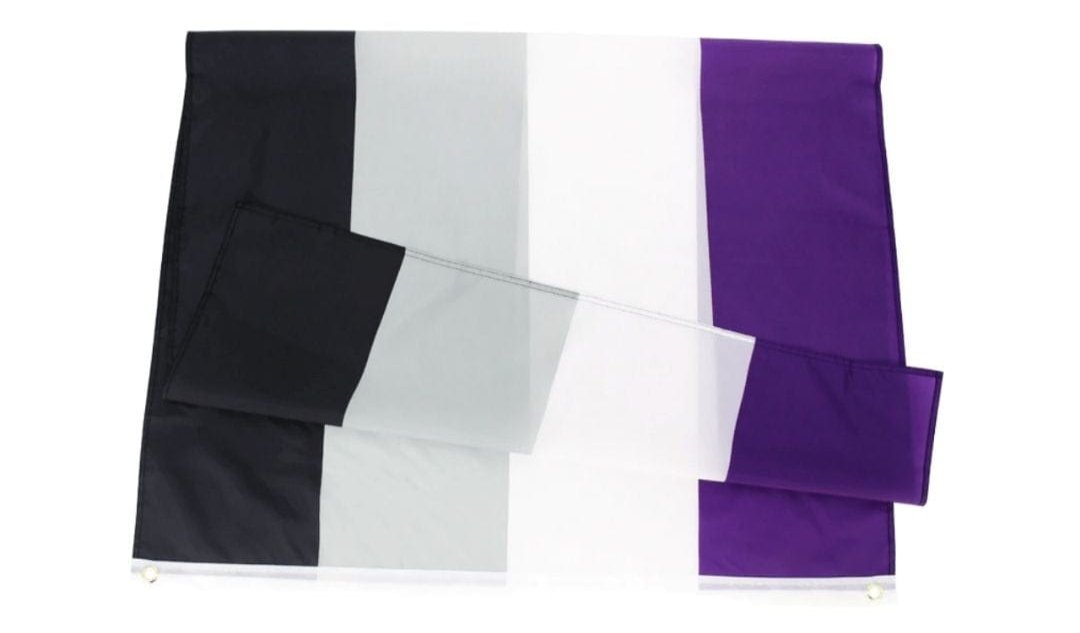
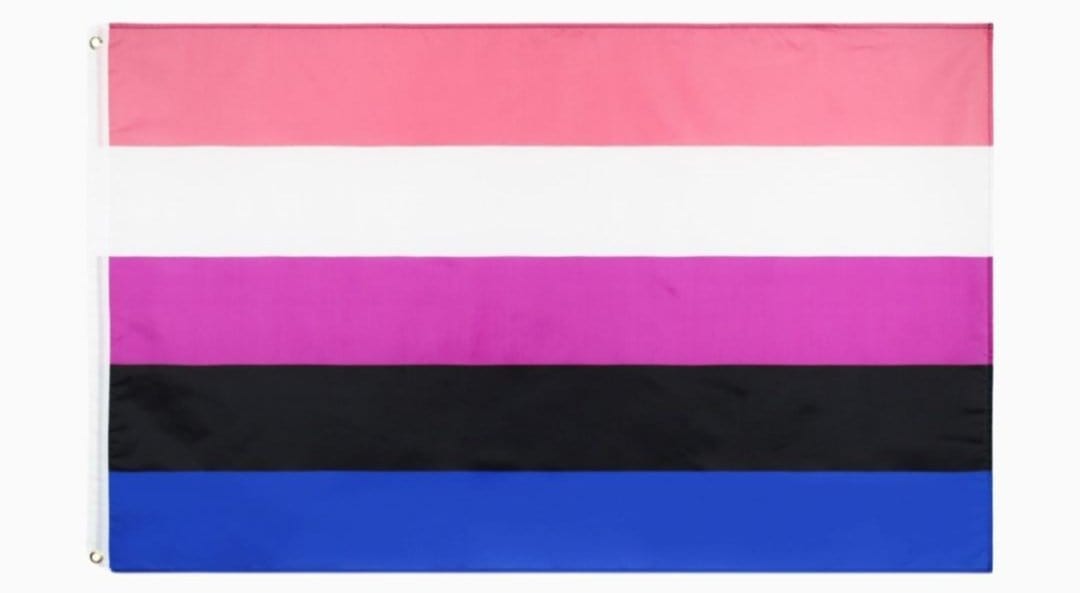
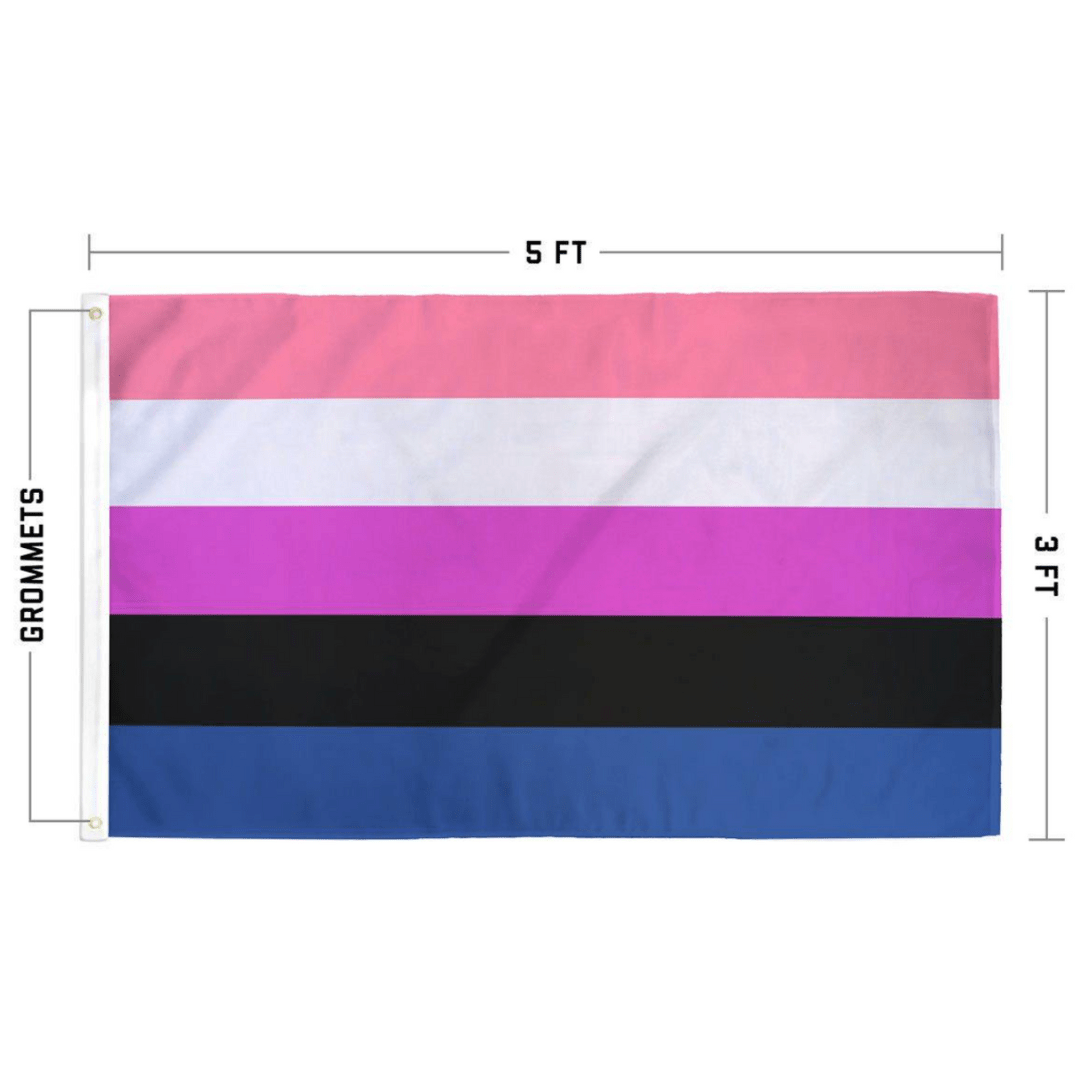
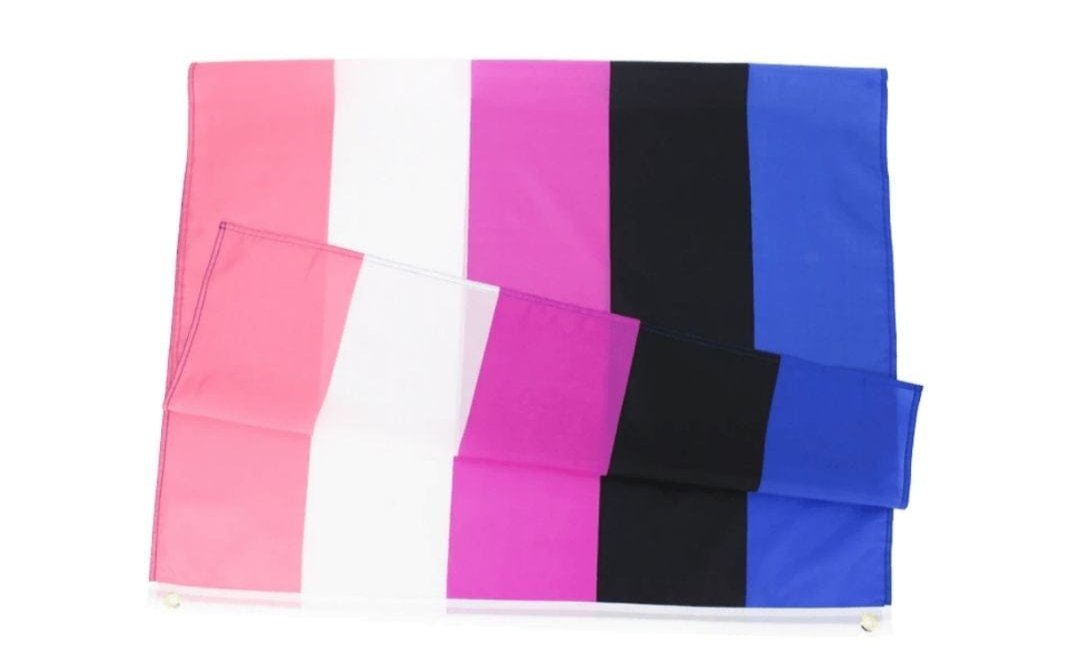
We ship this flag, so here is what is actually printed on it: a black triangle at the hoist, the edge nearest the pole, with a white field above a purple stripe that runs through the center, and a gray field below.
The palette is borrowed from the asexual Pride flag rather than invented fresh. On the asexual flag, black stands for asexuality, gray for the area between asexual and sexual, white for sexuality, and purple for community. That gray stripe is explicitly described as representing gray-asexuals and demisexuals.
So the demisexual flag is not a separate statement. It takes the ace palette and rearranges it, which reads as exactly what the identity is: a position on a spectrum rather than a country next to it.
How do people describe realizing it?
Carefully, and usually late.
There is no test for this. There is no score, no tally, and no threshold, and any quiz that offers you one is selling something rather than telling you something. What people describe instead is a pattern they noticed in retrospect: attraction that showed up months into a friendship, or that never showed up at all with people they were supposed to find attractive, and the long stretch before that where they assumed everyone was performing an interest they did not feel either.
A useful counter-sign: plenty of people are simply slow to warm up, or shy, or were raised to treat attraction as something you do not discuss. None of that is demisexuality. If the label does not describe you, it is not yours, and nothing is wrong with you for putting it down.
The part our own customers tend to name as hard is not acceptance. It is being understood at all. One of the 484 people who answered our post-purchase survey wrote:
"Getting people to understand what being Asexual truly is. I am dating, have told him, but he doesn't seem to comprehend things."
That is the actual daily weight of an ace-spectrum identity for a lot of people. Not hostility. Explaining, repeatedly, to someone who likes you.
If you want to talk any of this through with a person rather than a webpage, The Trevor Project runs free, confidential support for LGBTQ+ young people, 24 hours a day.
Does demisexual say who you are attracted to?
No, and this trips people up constantly.
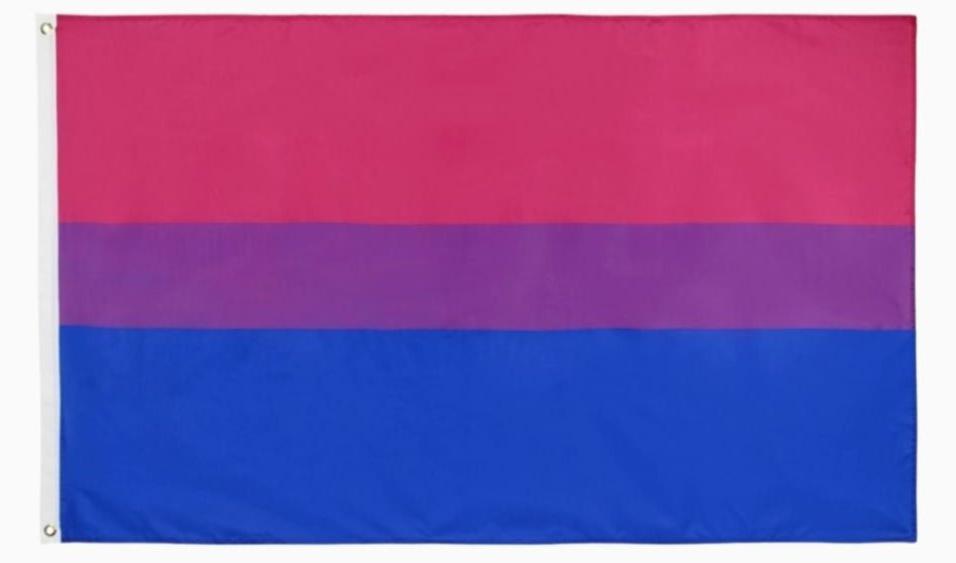
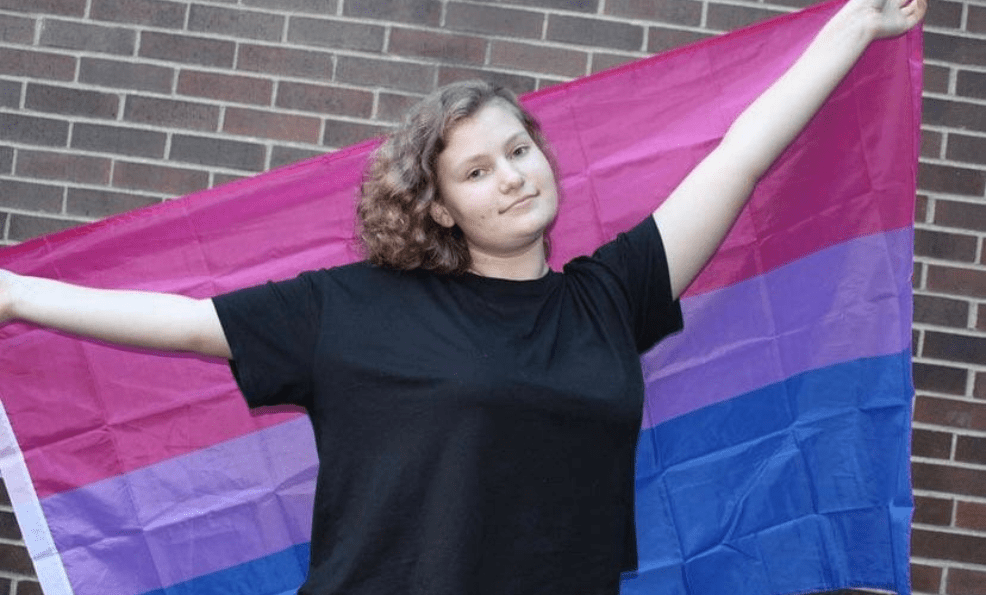
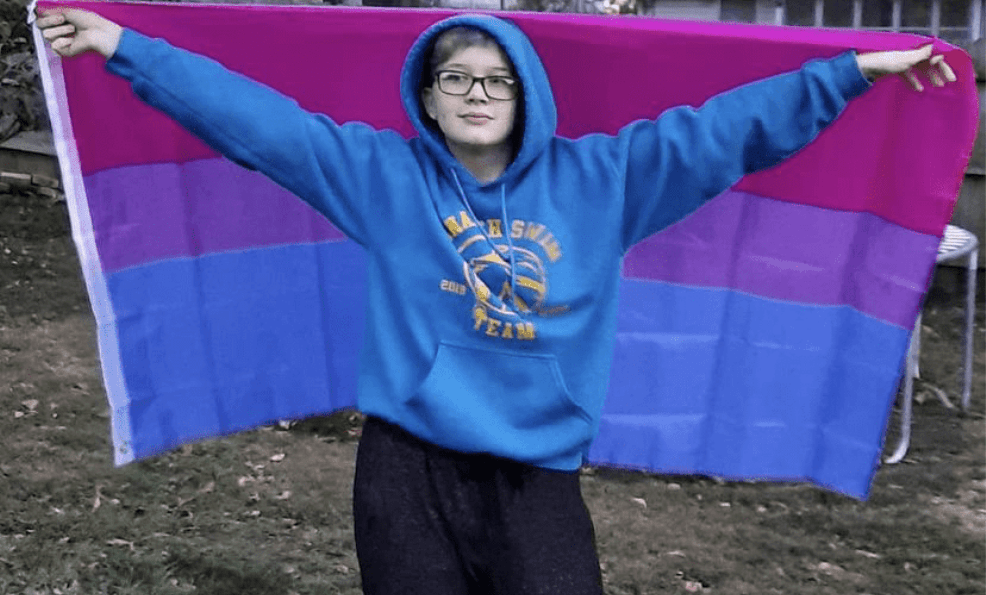
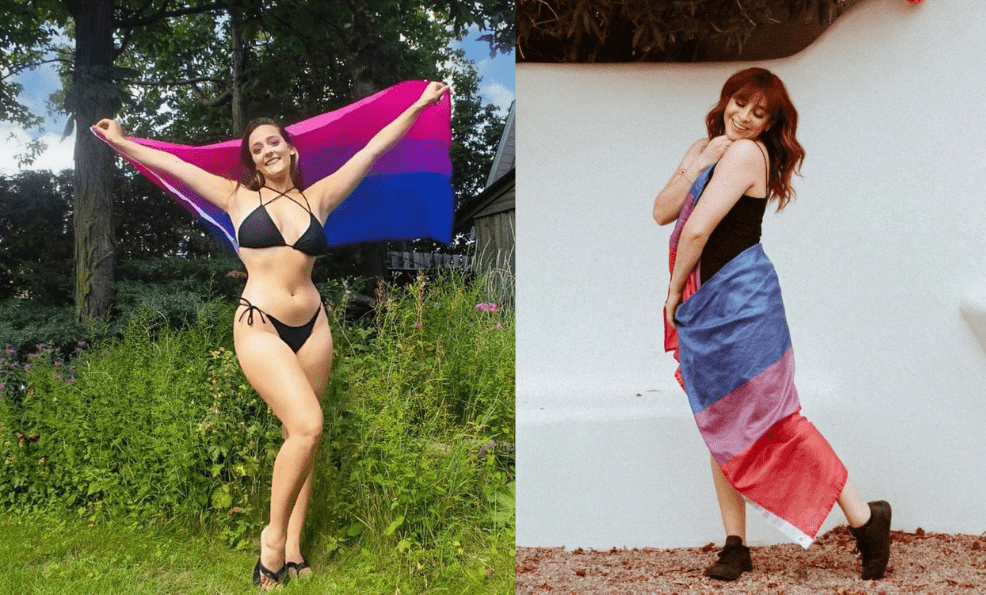
The word describes the conditions under which attraction appears. It says nothing about its direction. A demisexual person can be straight, gay, bisexual, pansexual, or anything else, and many people use two labels together for exactly that reason. The same is true of the bisexual flag and most of the other designs in the guide: they answer different questions and stack rather than compete.
This is also why a flag matters more here than it does for identities you can gesture at with a single word. Demisexuality takes three sentences to explain in a conversation. It takes one flag on a wall.
Every Pride flag we carry is in the shop, and the full history of each design is at the flag guide. All sales benefit LGBTQ+ charities.
Frequently asked questions
What does demisexual mean?
Demisexual describes a person who experiences sexual attraction only after a close emotional bond has formed. It sits on the asexual spectrum, between asexuality and allosexuality. It is a description of when attraction happens, not a rule about how a person should behave.
Where does the word demisexual come from?
The term was coined on the forums of the Asexual Visibility and Education Network, known as AVEN, in February 2006. It entered the Oxford English Dictionary in March 2022, with its earliest recorded use dated to 2006.
Is demisexual the same as asexual?
No, but it is related. Asexuality describes little or no sexual attraction to anyone. Demisexuality describes attraction that can happen, but only after an emotional bond. Demisexual people are generally counted on the asexual spectrum rather than outside it.
Does demisexual say who a person is attracted to?
No. The word describes the conditions under which attraction appears, not its direction. A demisexual person can be straight, gay, bisexual, pansexual, or anything else. The two labels stack rather than compete.
Can demisexual people have casual sex?
Yes. A common misconception treats demisexuality as a rule against casual sex. It is not. It describes a feeling rather than a choice or an action, and demisexual people make their own decisions about what they do.
What are the colors of the demisexual Pride flag?
The demisexual flag carries a black triangle at the hoist, a white upper field, a purple stripe through the center, and a gray lower field. The palette is borrowed from the asexual Pride flag, where black, gray, white and purple stand for asexuality, the gray area between asexual and sexual, sexuality, and community.
How do I know if I am demisexual?
No article can tell you that, and any quiz that scores you is selling something. What people often describe is attraction that arrives late, after a friendship deepens, rather than on sight. If that does not match you at all, the label is simply not yours. If you want to think it through with someone, The Trevor Project runs free, confidential, 24/7 support for LGBTQ+ young people.
Is demisexual a recognized term?
Yes. It entered the Oxford English Dictionary in March 2022. Tinder added demisexual as a self-descriptor for users in 2019, and British singer Tulisa publicly described herself as demisexual in 2024.
Last updated: September 14, 2026