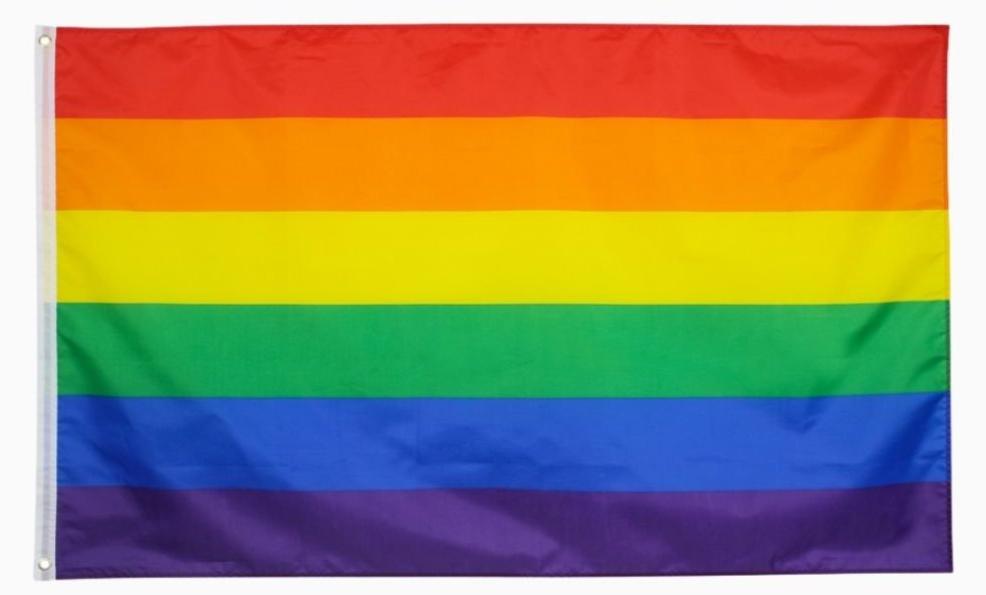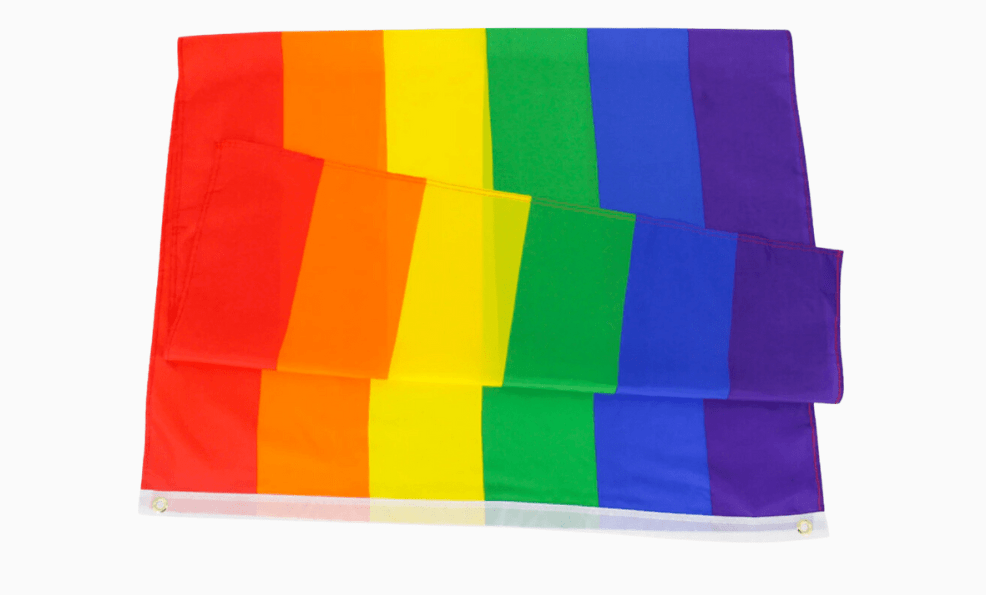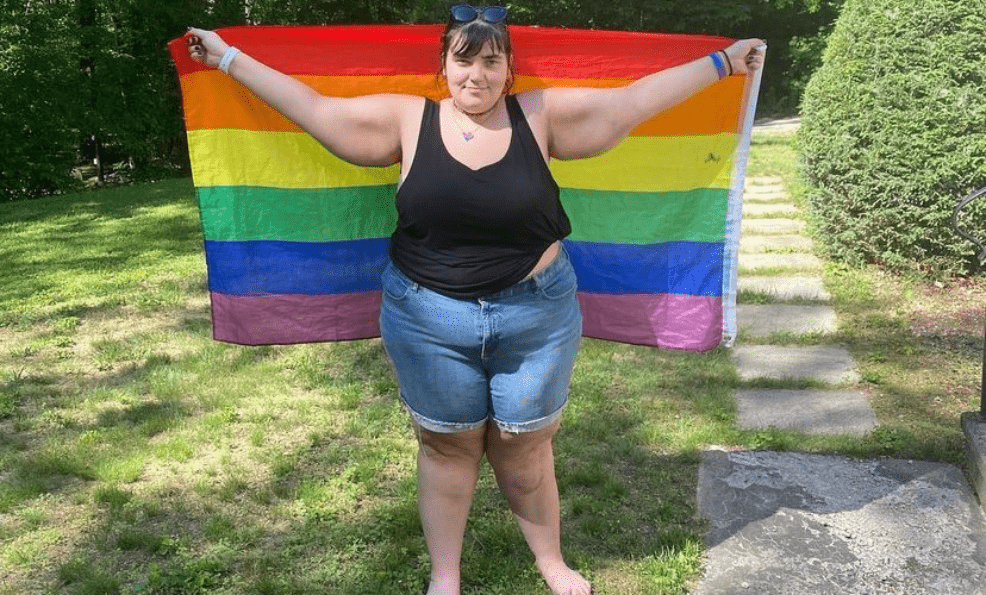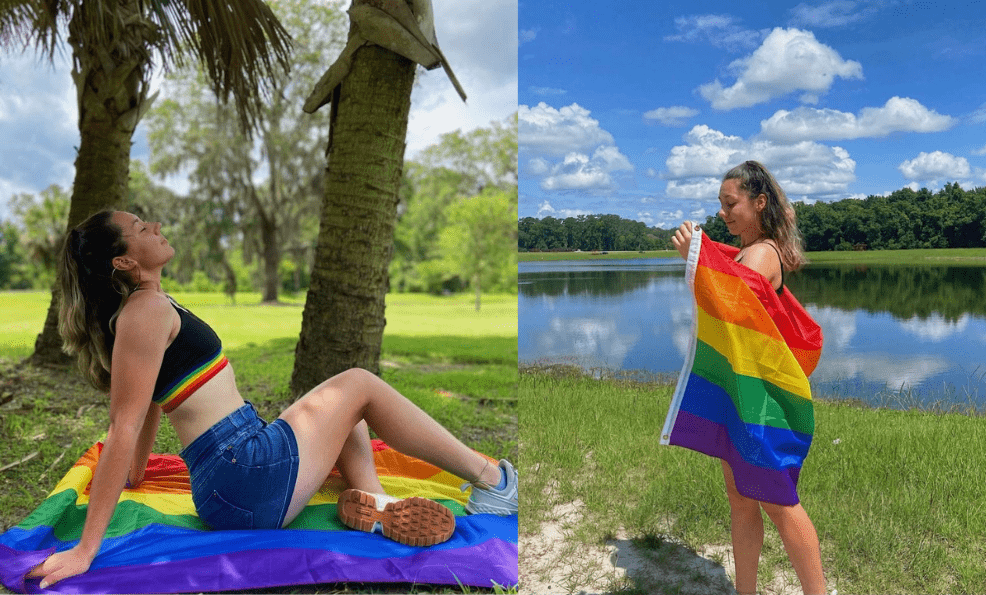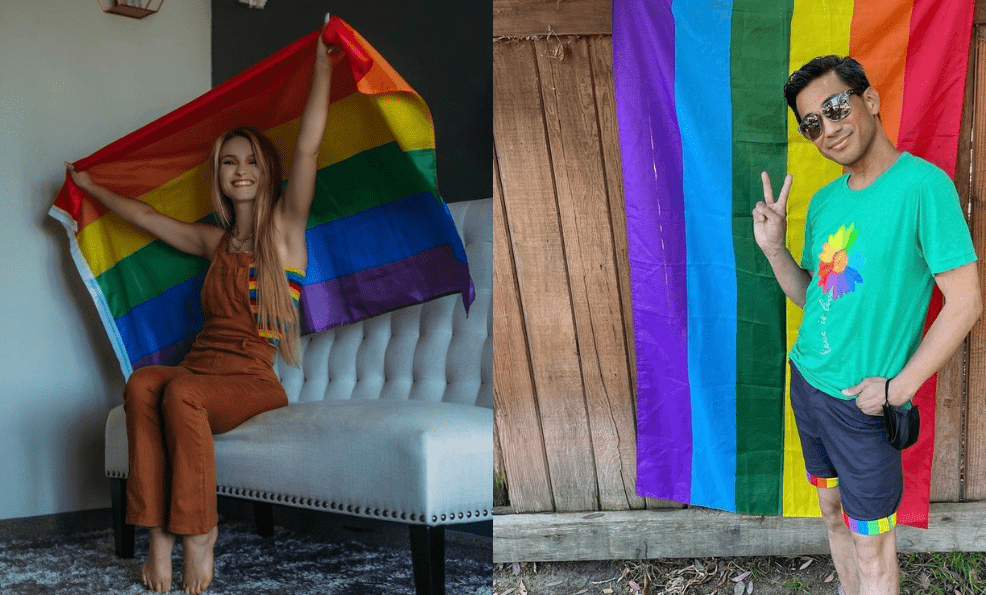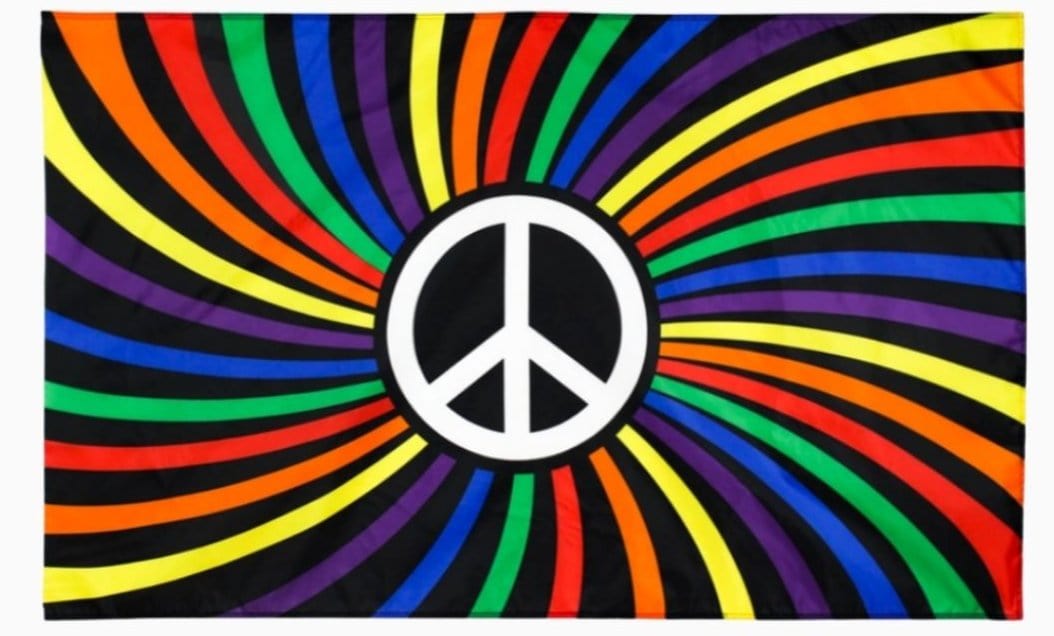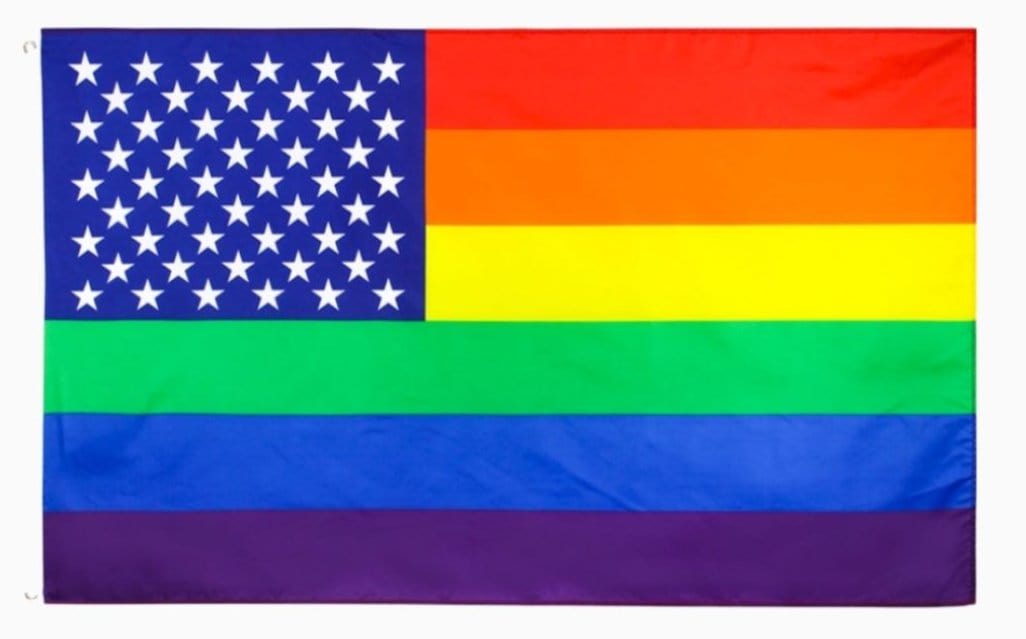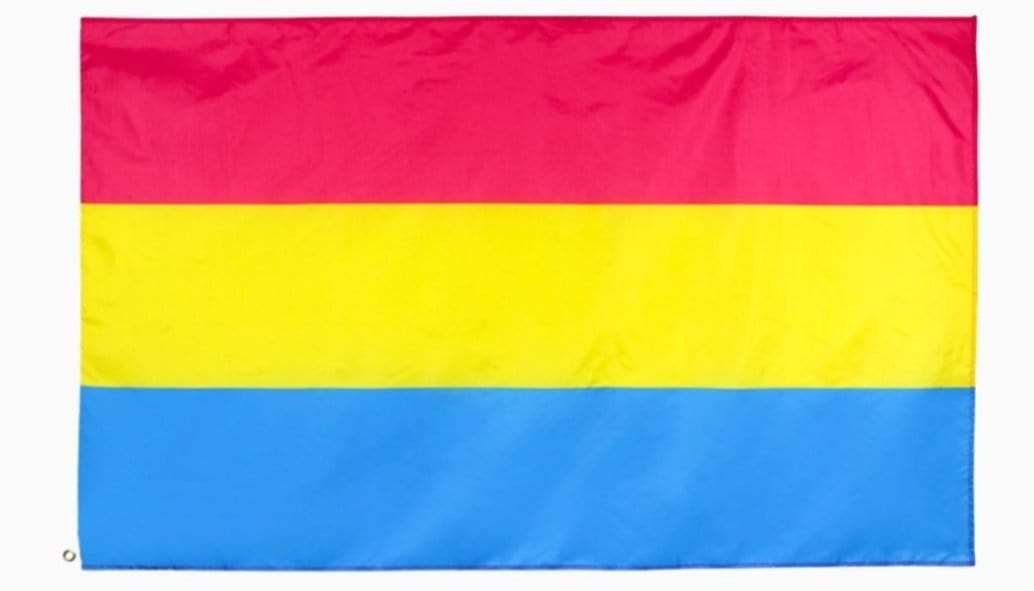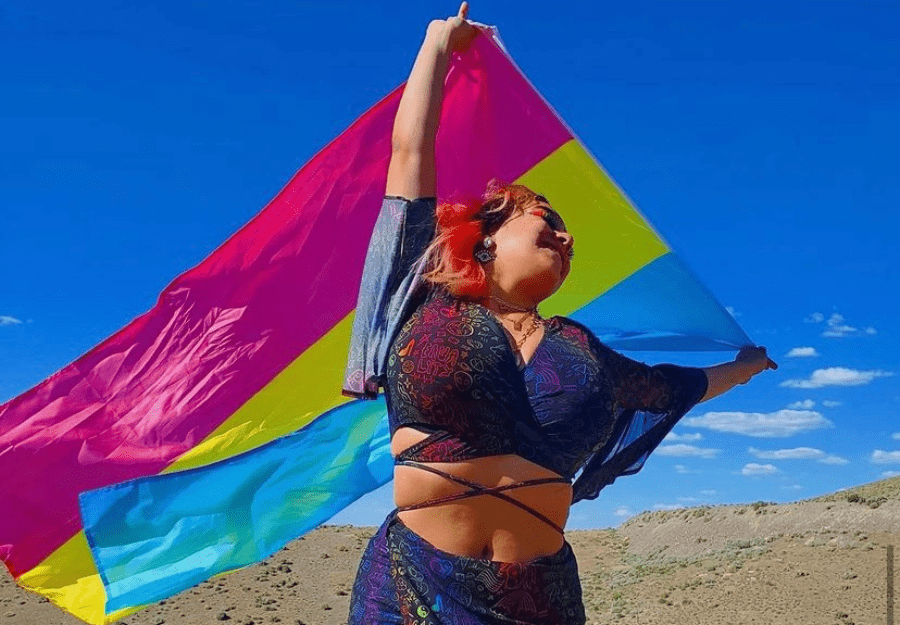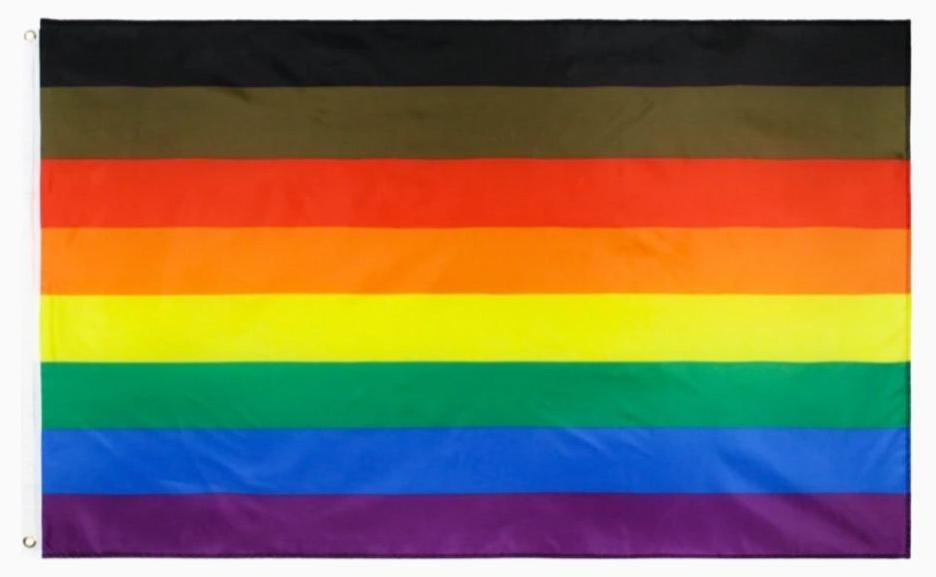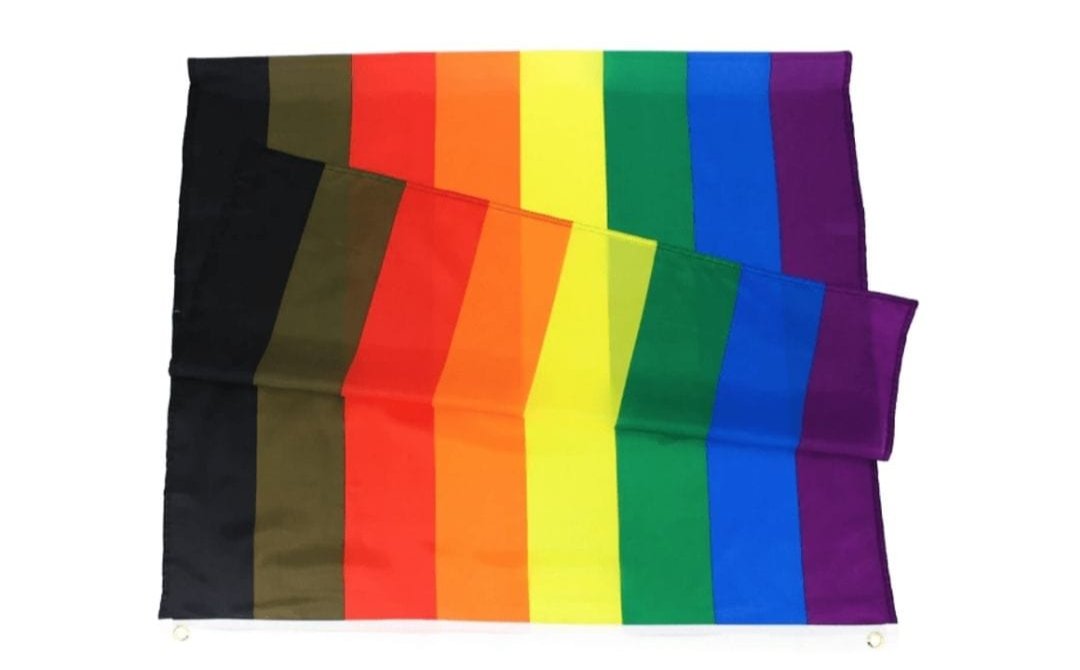

The rainbow Pride flag is a six-stripe flag running from red to violet. Gilbert Baker designed it in 1978 as a symbol of unity for the entire LGBTQ+ community. The original design had eight stripes; two were removed for manufacturing reasons. Today it is the most widely recognized Pride symbol in the world.
- Who designed the rainbow Pride flag?
- What did each color mean in the original design?
- Why does the flag now have six stripes instead of eight?
- How did the flag spread after Harvey Milk's assassination?
- What came after the rainbow: the Progress Pride Flag
- How do people actually use the rainbow flag today?
- Frequently asked questions
| Designer | Gilbert Baker |
| Year | 1978 |
| Original stripes | 8 |
| Current stripes | 6 (red, orange, yellow, green, blue, violet) |
| First flown | San Francisco Gay Freedom Day Parade, June 25, 1978 |
Who designed the rainbow Pride flag?
Gilbert Baker, an artist, drag performer, and gay activist, created the rainbow flag in San Francisco in 1978. Harvey Milk, the first openly gay elected official in California, asked Baker to design a symbol for the community after the only widely used one, a pink triangle reclaimed from Nazi persecution, felt like an emblem of oppression rather than pride.
Baker and a team of volunteers hand-dyed and hand-sewed the first two flags in the attic of the San Francisco Gay Community Center. The flags flew publicly for the first time at the Gay Freedom Day Parade on June 25, 1978, carried down Market Street before an estimated 250,000 people, according to the Gilbert Baker Foundation.
One decision set the flag apart from almost every other political symbol of its era: Baker did not trademark it. He wanted it to be public and freely available. "It belongs to all of us," he later said of the design. That choice is why it spread without licensing fees or legal restrictions.
Baker died on March 31, 2017. The Gilbert Baker Foundation continues to protect his legacy and archive his work.
What did each color mean in the original design?
Baker's eight-stripe flag assigned a distinct meaning to each color:
- Hot pink: sex
- Red: life
- Orange: healing
- Yellow: sunlight
- Green: nature
- Turquoise: magic and art
- Indigo: serenity
- Violet: spirit
The Gilbert Baker Foundation describes his intent as going beyond identity labels. Baker did not design the stripes to correspond to the letters L, G, B, T, or Q. He saw the flag as representing something larger. In his own words:
"All sexes, all genders, all races, all ages. It's the Rainbow of Humanity."
That framing, humanity rather than category, is what the rainbow has always meant. Every Pride flag that came after it is a version of the same argument: we exist, we are many, and we belong here.
Why does the flag now have six stripes instead of eight?
The change happened fast, within a year of the flag's debut, and for practical rather than symbolic reasons.
Hot pink fabric was not commercially available at the scale needed for flag manufacturing. The stripe was dropped, leaving seven. Then, for the 1979 San Francisco Gay Freedom Day Parade, organizers planned to split the procession down Market Street, with one half carrying the flag on each side of the street. A seven-stripe flag cannot be split evenly. Turquoise and indigo were merged into a single blue stripe, producing the six-color design.
The six-stripe flag is not a simplified version of the original. It is a manufacturing decision that happened to stick, and Wikipedia's documented history of the flag records the same sequence. The six stripes are the ones most people see today, though Baker himself later created other versions including a nine-stripe design in 2017.
How did the flag spread after Harvey Milk's assassination?
In November 1978, Harvey Milk and Mayor George Moscone were shot and killed in San Francisco City Hall. In the months that followed, demand for rainbow Pride flags accelerated sharply. Communities across the country flew the flag in Milk's memory, and it began appearing at protests and vigils well beyond San Francisco.
Milk's assassination transformed a local symbol into a national one. A flag that might have remained a San Francisco artifact became the common visual language of a movement, because the community needed something to hold up and the flag was already there.
What came after the rainbow: the Progress Pride Flag
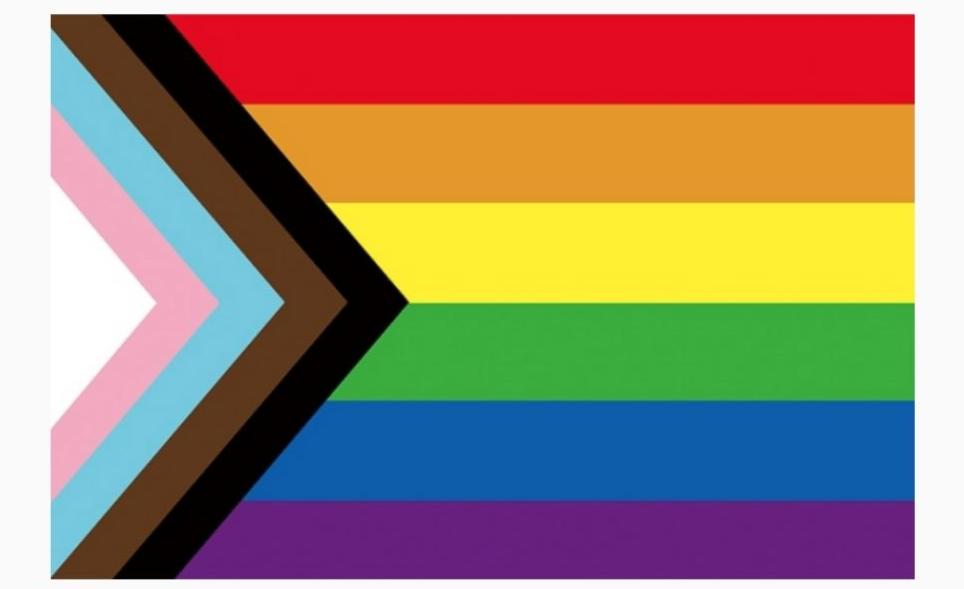
The rainbow flag remained the dominant symbol for four decades. In 2018, Daniel Quasar redesigned it to address a criticism that had grown louder over time: the original rainbow did not explicitly represent BIPOC community members or transgender people.
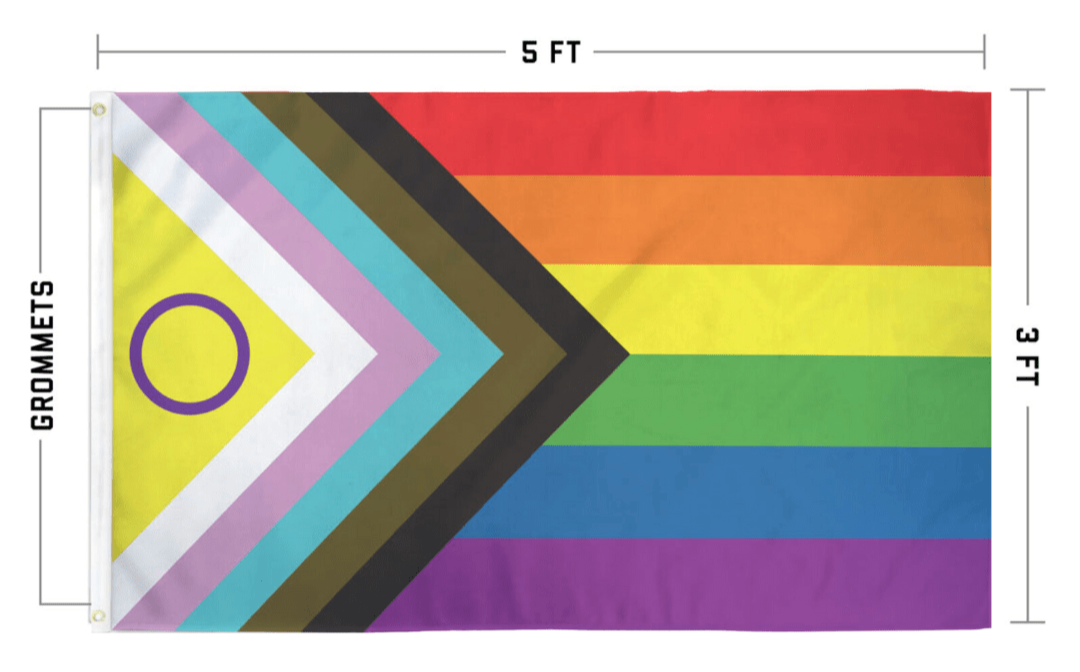
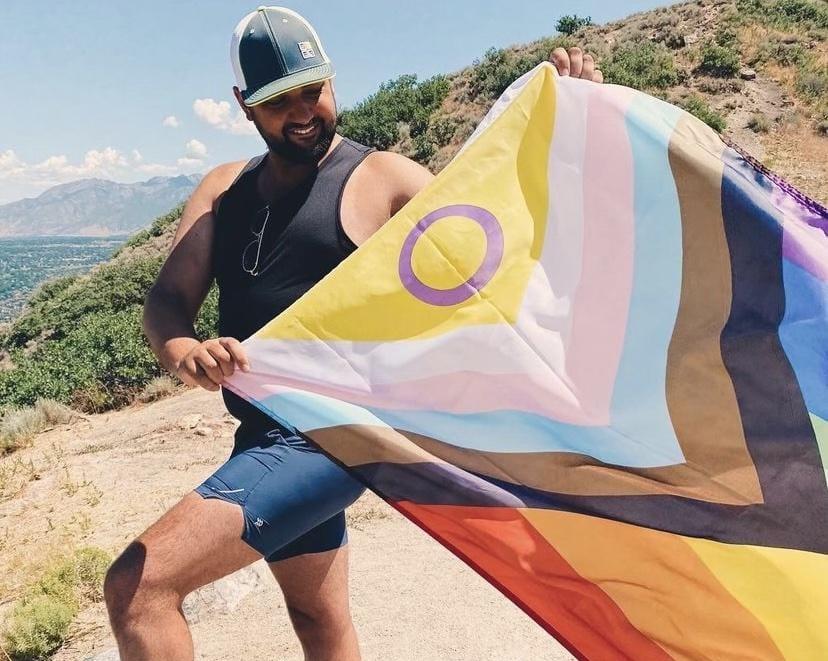
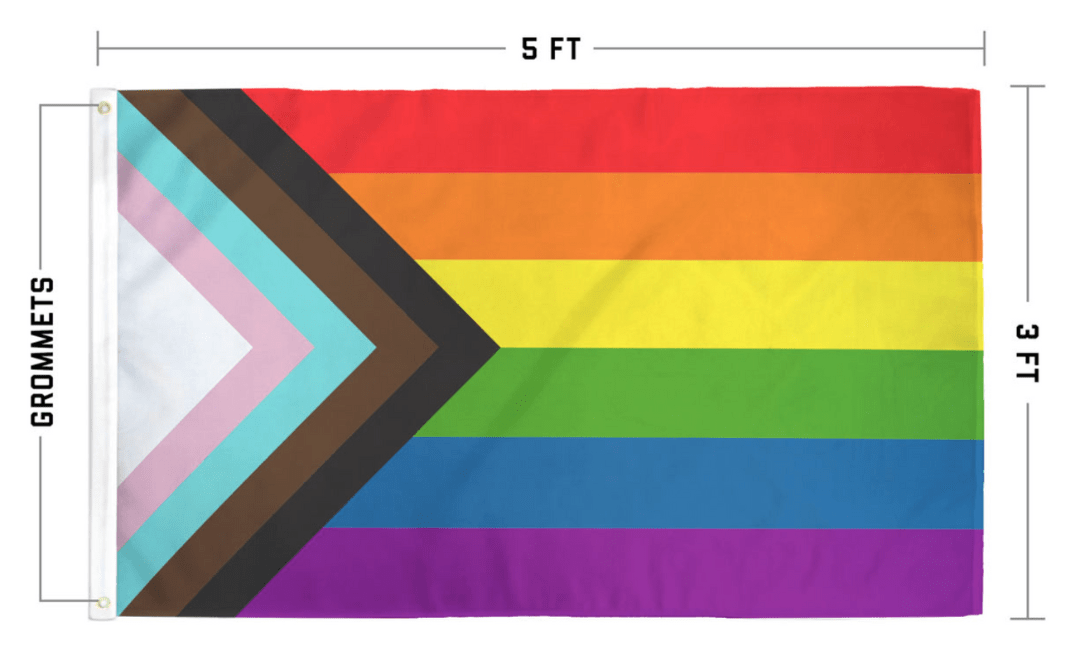
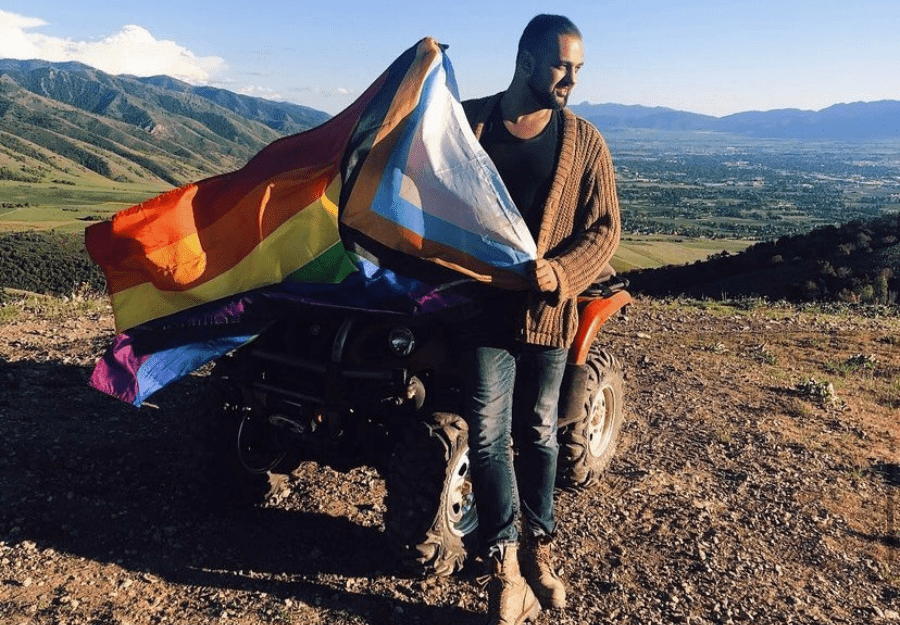
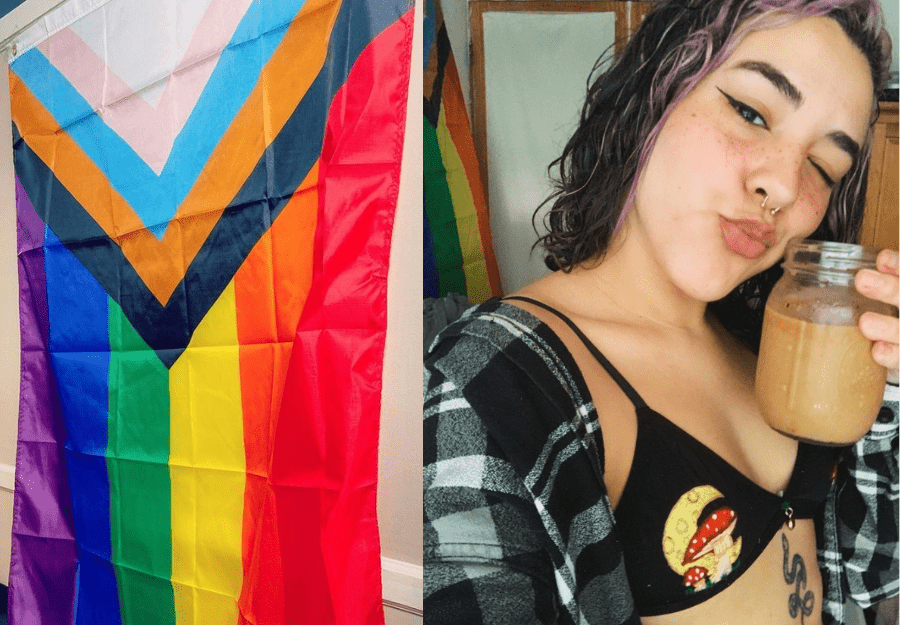
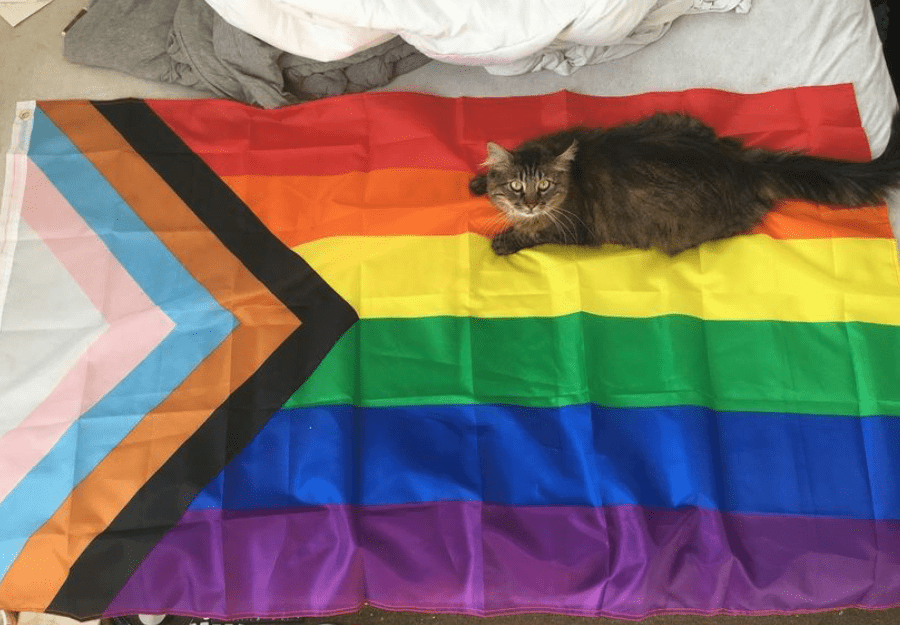
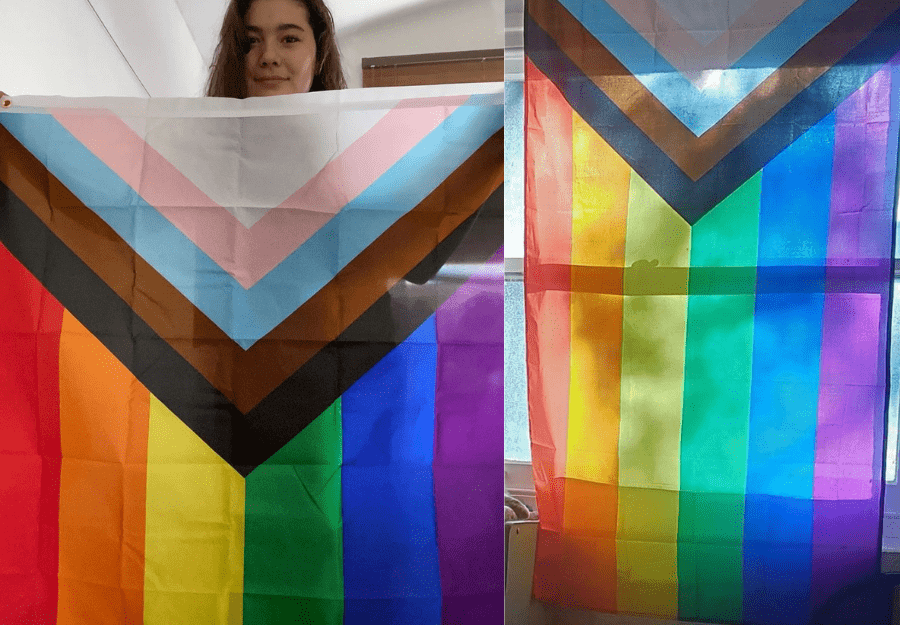
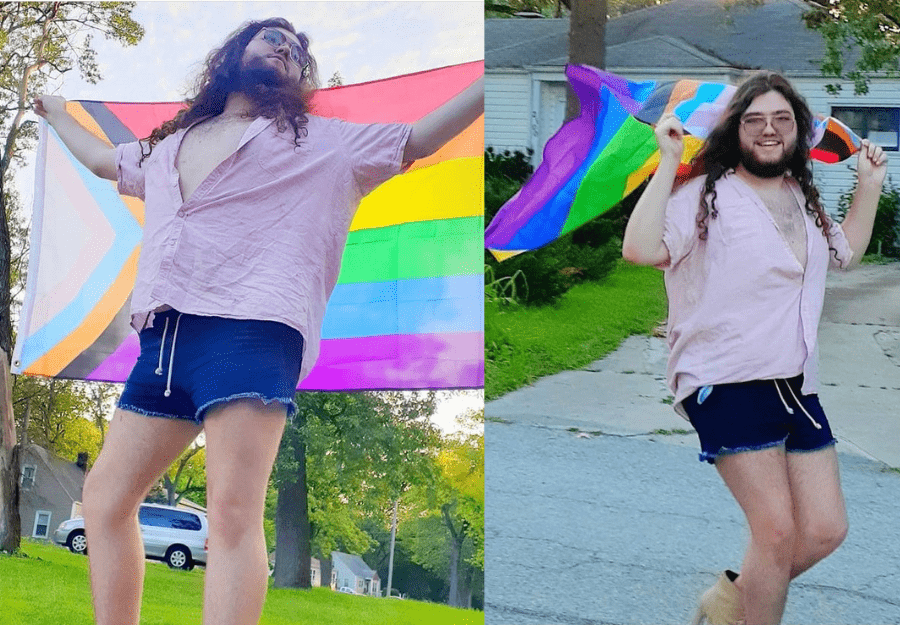
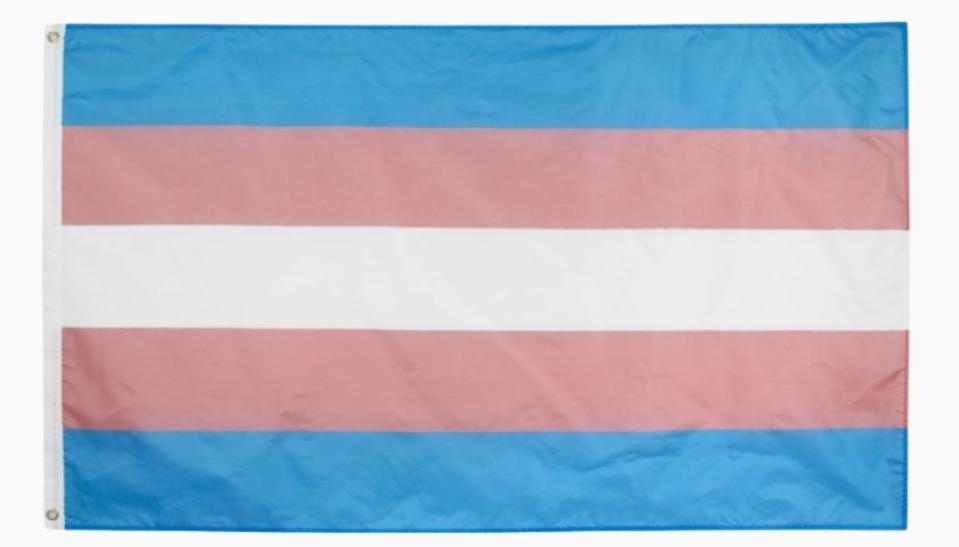
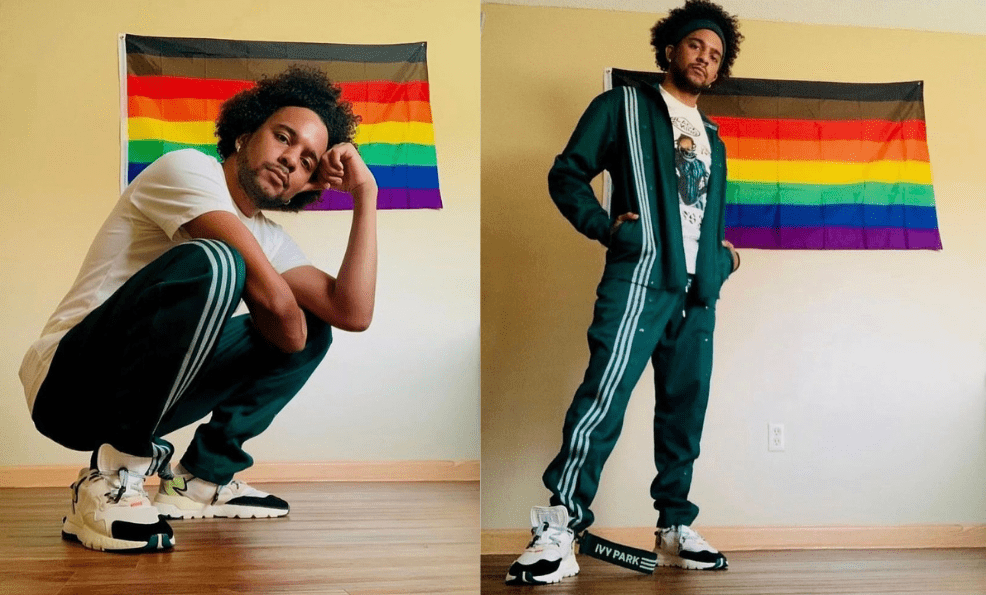
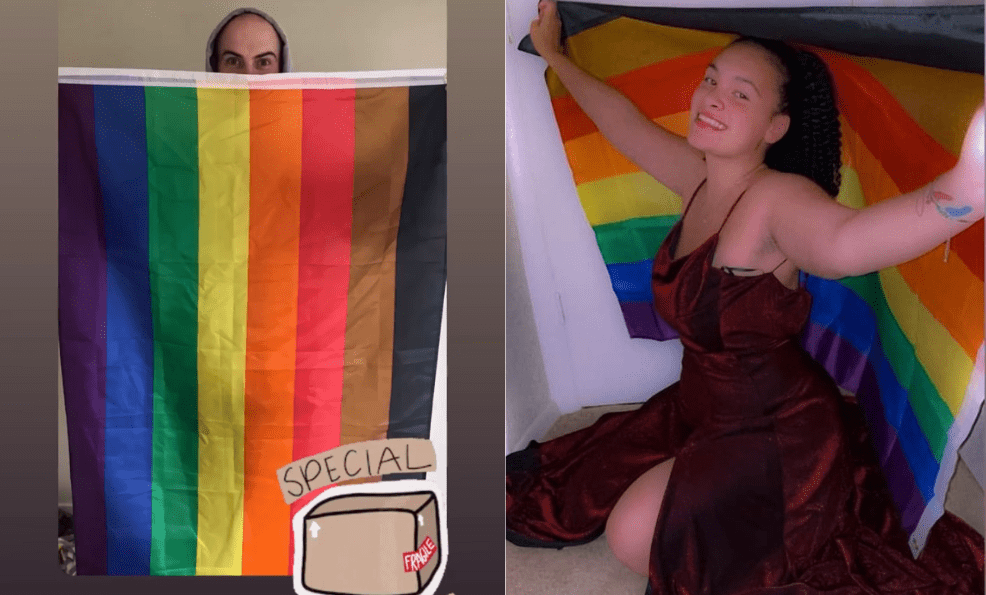
Quasar's Progress Pride Flag adds a five-stripe chevron to the left side of the rainbow: black and brown stripes for BIPOC representation, and pink, white, and light blue for the transgender community. In 2021, Valentino Vecchietti added a yellow field with a purple circle to the chevron, creating the intersex-inclusive Progress Pride Flag and completing a visual history across 43 years.
Pride Palace's own 90-day unit data tells its own story: the intersex-inclusive Progress Pride Flag sold 2,267 units, the rainbow flag sold 1,944 units, and together they outsold every other flag in the catalog combined. Both are current, both are flying, and they are complementary rather than competing.
How do people actually use the rainbow flag today?
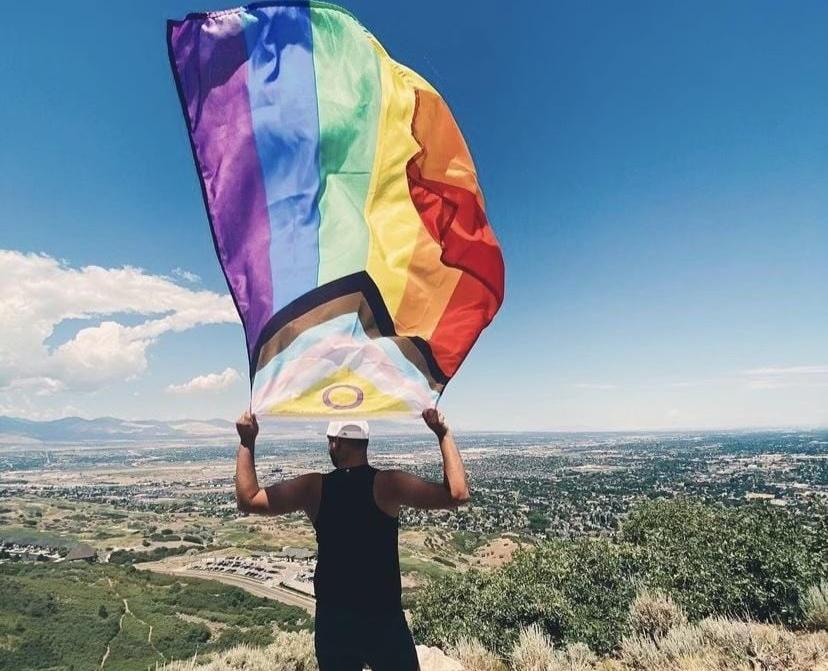
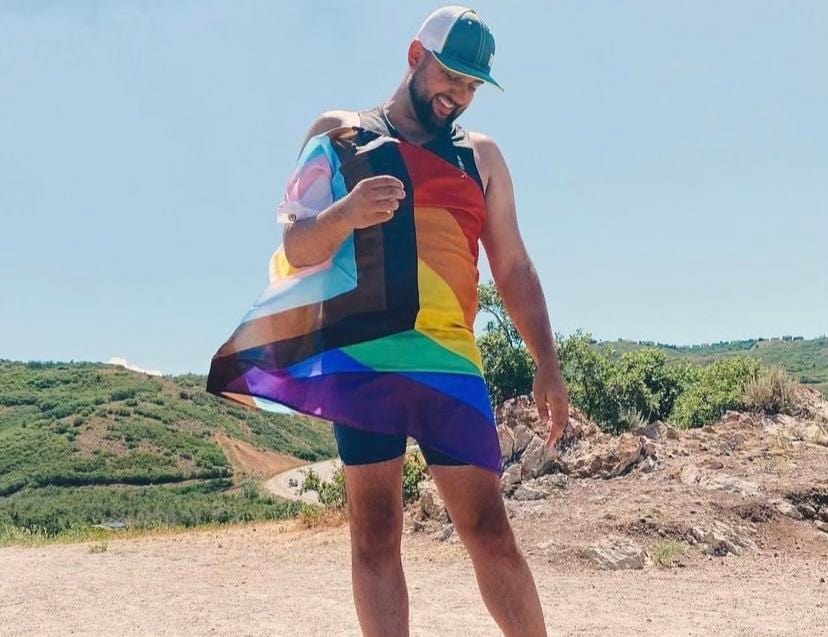
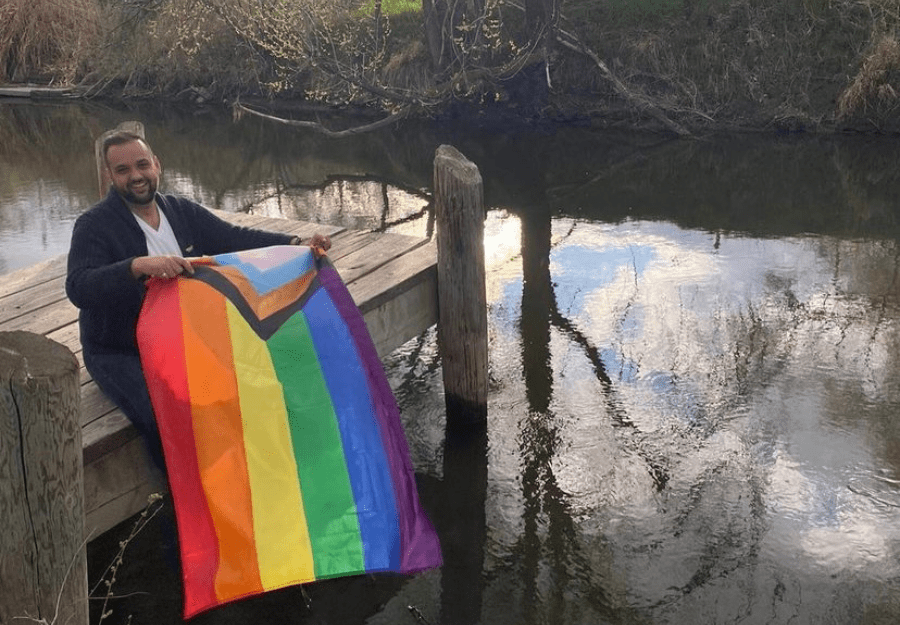
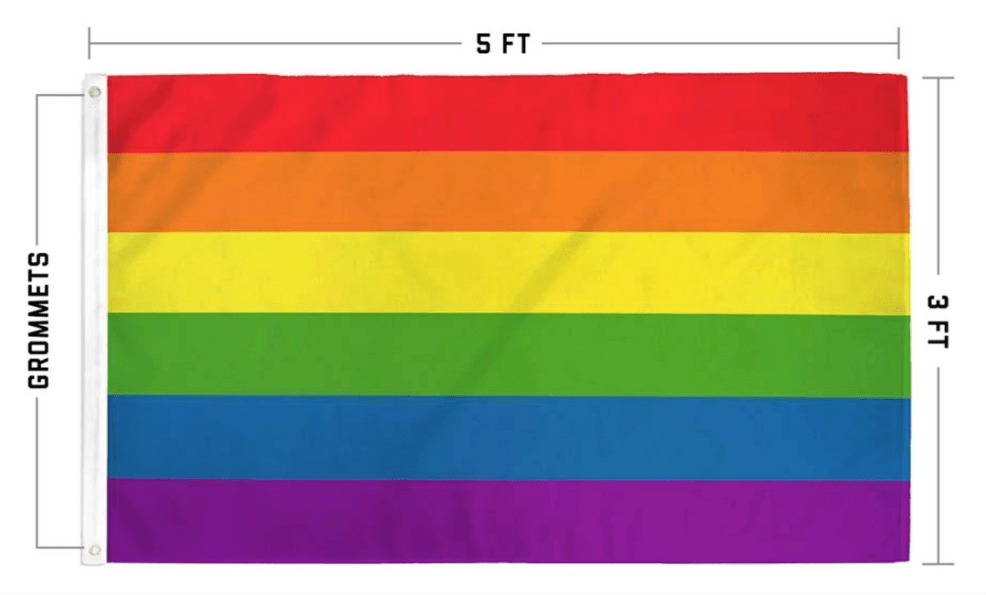
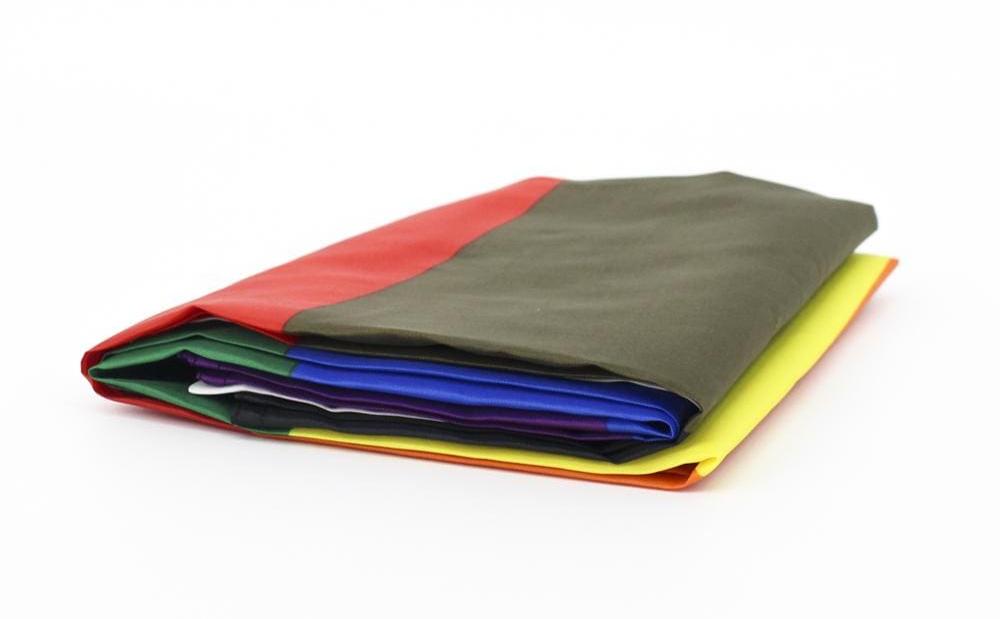
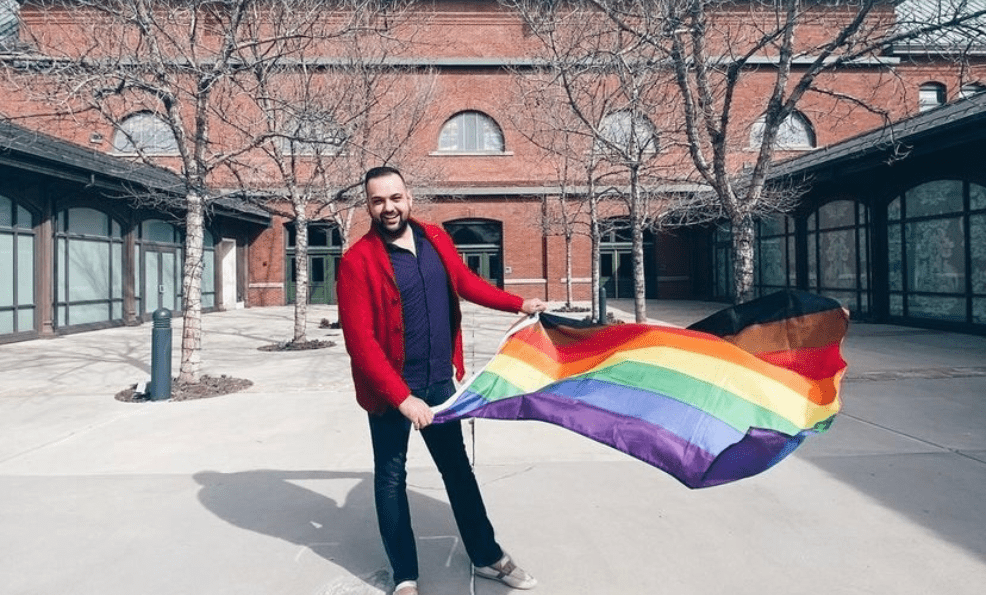
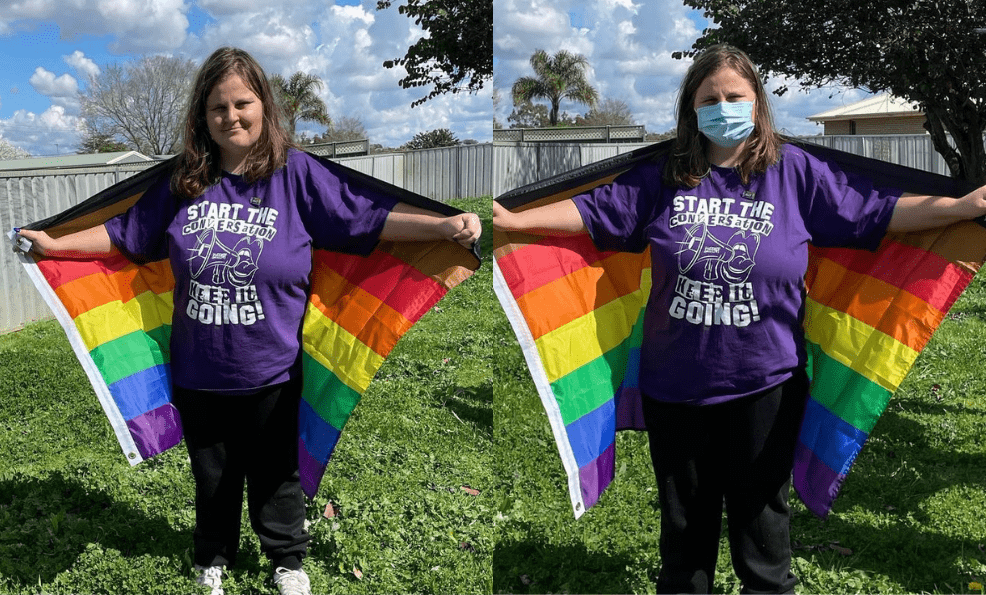
The most common use is the one it was designed for: display. A 3x5 foot rainbow Pride flag goes on a wall, in a window, from a bracket by the door, or from a flagpole when someone has one. The full guide to Pride flags and their meanings covers all 33 designs in the collection if you are still deciding which one is yours.
Not everyone can fly a flag visibly where they live or work. That is worth saying plainly because it is still true for a lot of people. A smaller flag, a pin, or a piece of jewelry carries the same message at a scale that fits the situation. All sales benefit LGBTQ+ charities.
Every Pride flag we carry is in the shop. If you are looking for the bisexual pride flag or any other identity flag, each has its own page with the full history.
According to Gallup, 9% of US adults now identify as LGBTQ+ as of 2026, a figure that has held steady from 2024. The rainbow flag is the one symbol all of them share, regardless of which more specific flag they also fly.
Frequently asked questions
Who designed the rainbow Pride flag?
Gilbert Baker, an artist and gay activist from San Francisco, designed the original rainbow Pride flag in 1978. He created it at the request of Harvey Milk for use at the San Francisco Gay Freedom Day Parade. Baker deliberately chose not to trademark it so the symbol would belong to everyone.
What do the colors of the rainbow Pride flag mean?
Baker's original eight-stripe design assigned a meaning to each color: hot pink for sex, red for life, orange for healing, yellow for sunlight, green for nature, turquoise for magic and art, indigo for serenity, and violet for spirit. The six-stripe version most people recognize today removed hot pink (fabric unavailable at scale) and merged turquoise and indigo into blue.
Why does the rainbow Pride flag have six stripes instead of eight?
The original 1978 flag had eight stripes, but two were removed within a year of its debut. Hot pink fabric was not available for mass production. When the flag was also divided down the middle for a split-march display, an even number of stripes was needed, so turquoise was merged into indigo, leaving six colors.
When did the rainbow flag first appear?
The rainbow flag first flew publicly at the San Francisco Gay Freedom Day Parade on June 25, 1978. Baker and a team of volunteers hand-dyed and hand-sewed the original two flags for the event.
What is the difference between the rainbow flag and the Progress Pride Flag?
The Progress Pride Flag, designed by Daniel Quasar in 2018, adds a chevron of five stripes to the left side of the original rainbow: black and brown for BIPOC community members, and pink, white, and light blue for the transgender community. The intersex-inclusive Progress Pride Flag (2021) adds a yellow field with a purple circle to the chevron, representing intersex people.
Is the rainbow flag trademarked?
No. Gilbert Baker deliberately chose not to trademark the design so it would remain a freely available symbol for the entire community. His estate and the Gilbert Baker Foundation continue to protect his legacy but have not restricted use of the design.
What size rainbow Pride flag should I buy?
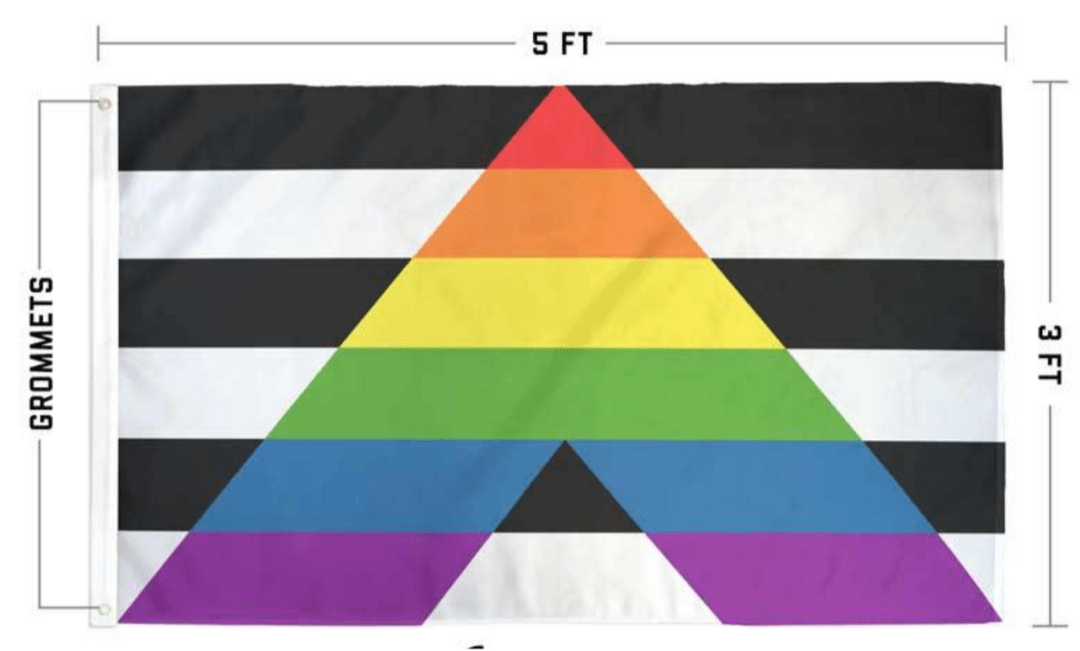
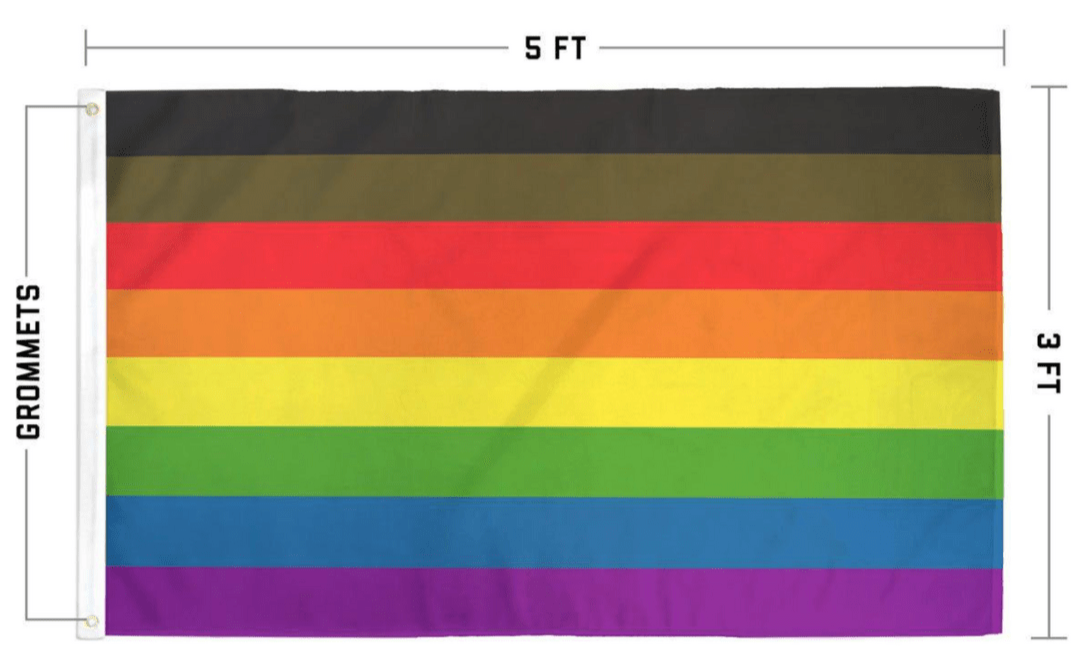
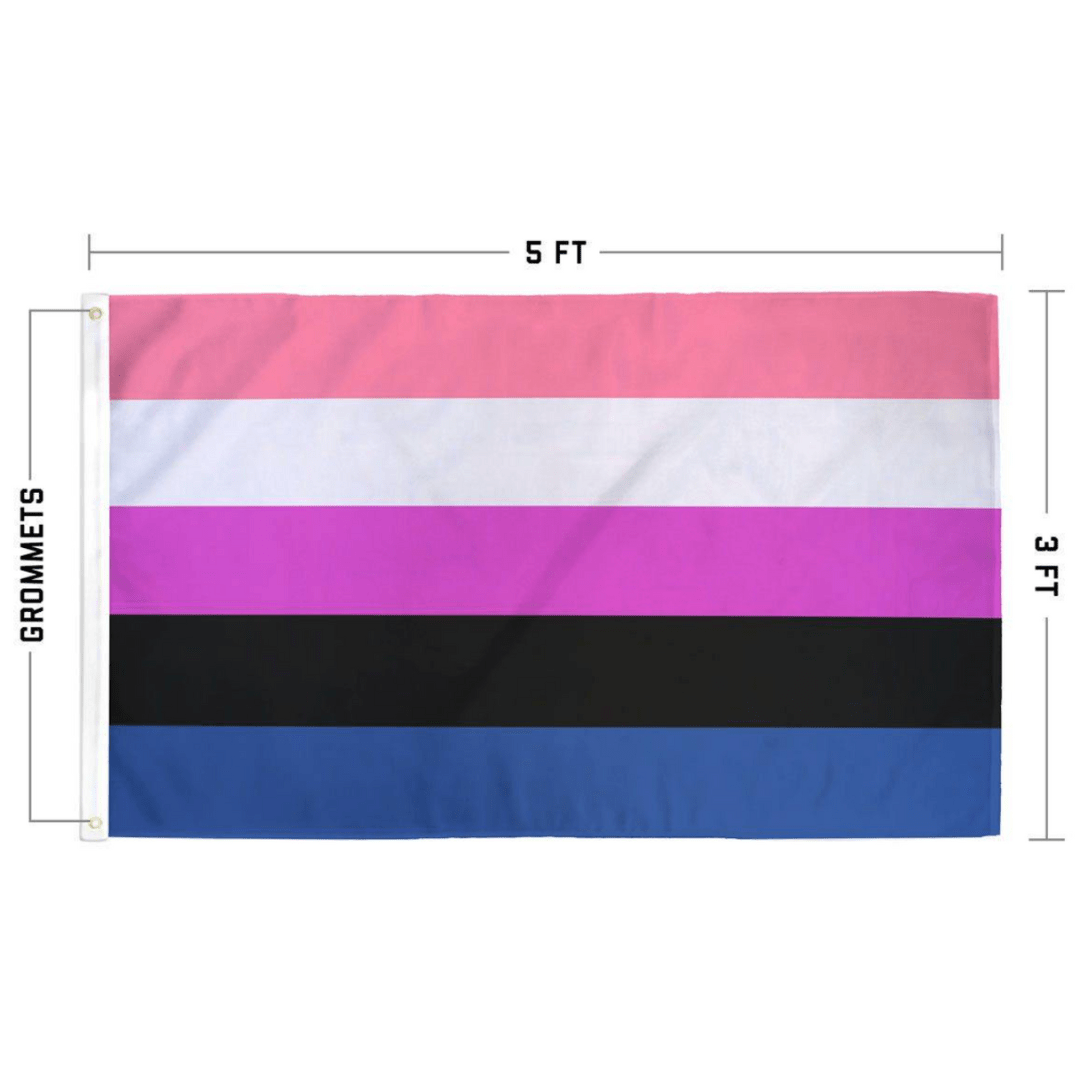
A 3x5 foot flag is the standard size for flying outdoors from a flagpole or bracket, or for hanging on a wall indoors. Smaller flags and hand flags work well for parades and events where you want to carry one.
What happened after Harvey Milk was assassinated?
After Harvey Milk and Mayor George Moscone were assassinated in November 1978, demand for rainbow Pride flags surged across the country. The flag had been created partly at Milk's request, and communities used it to honor his memory and assert their visibility in the months that followed.
Last updated: September 30, 2026