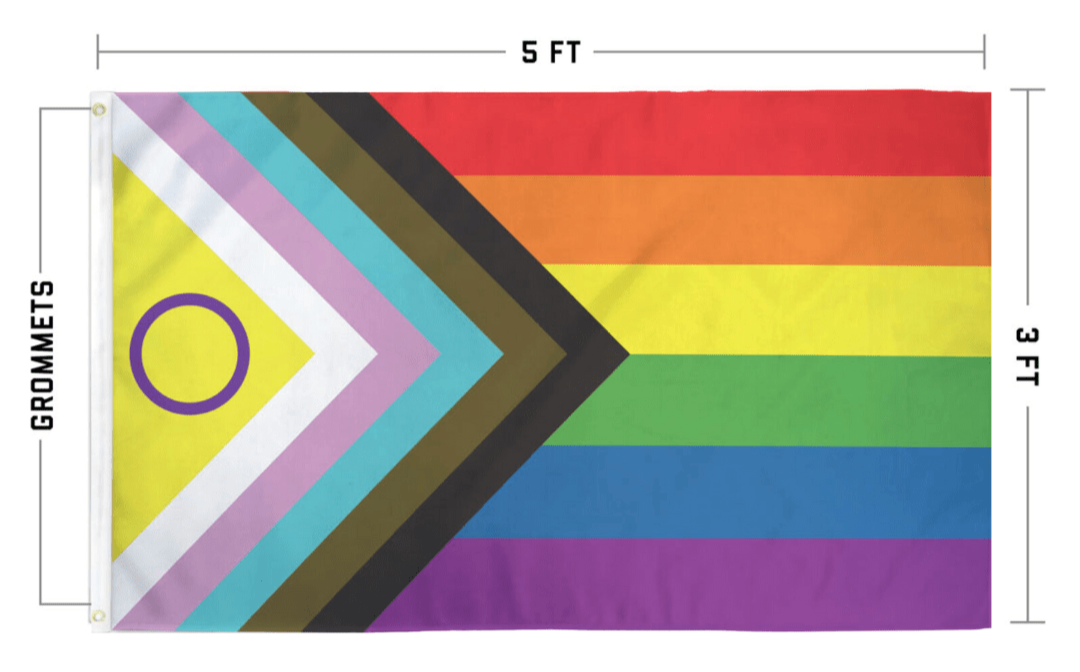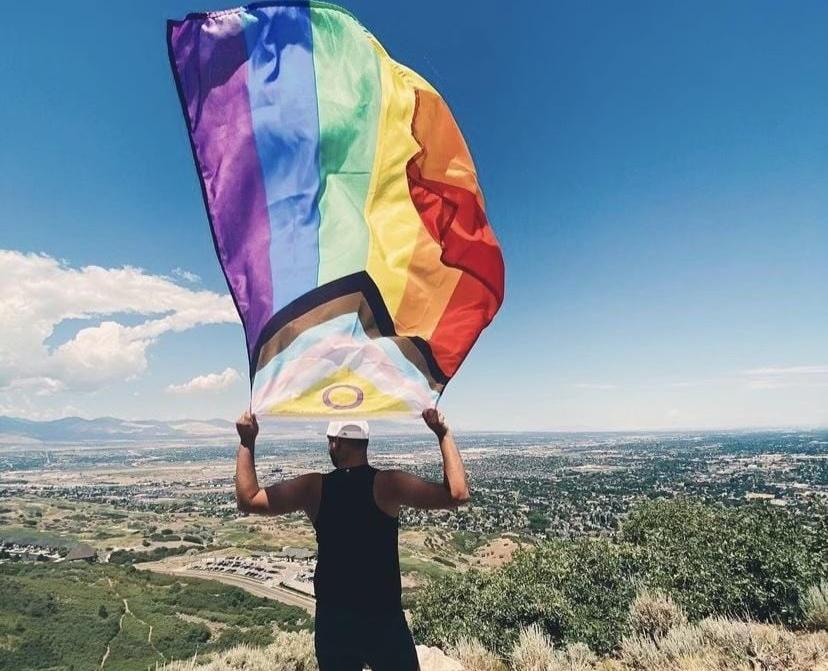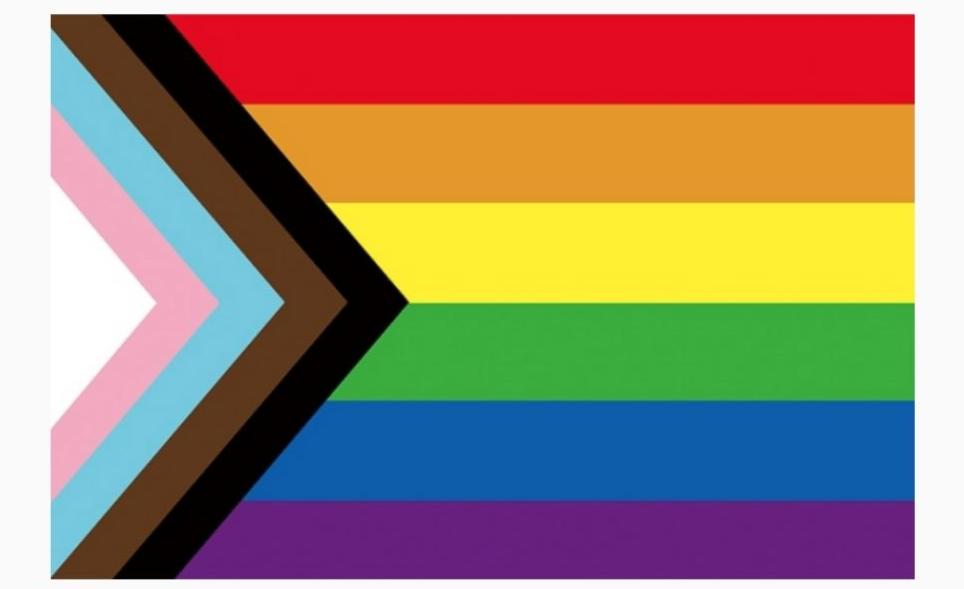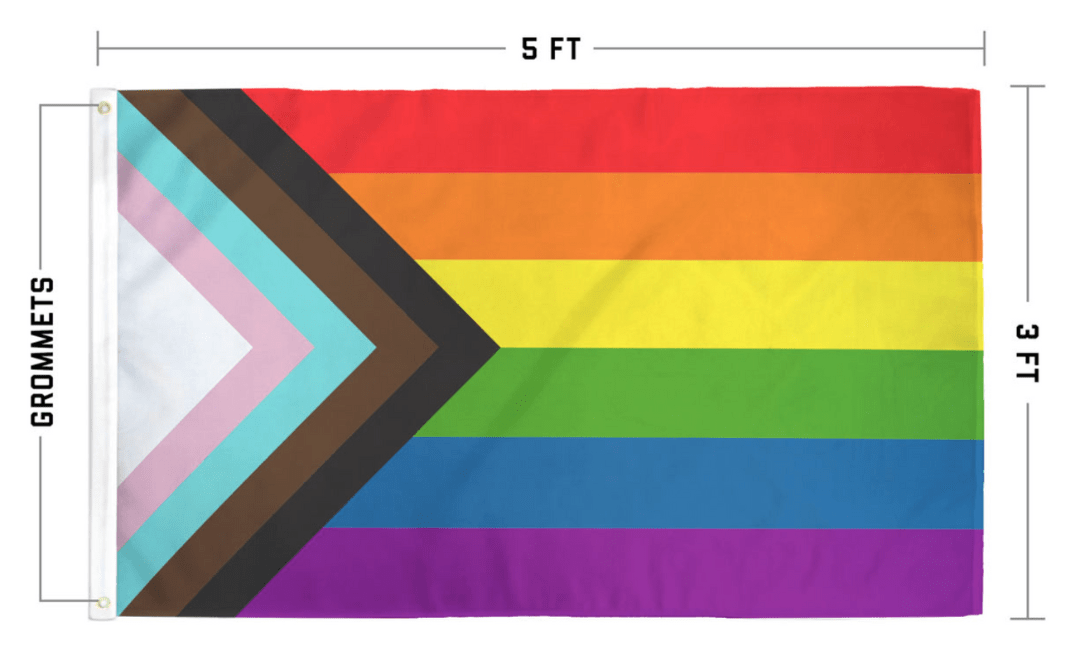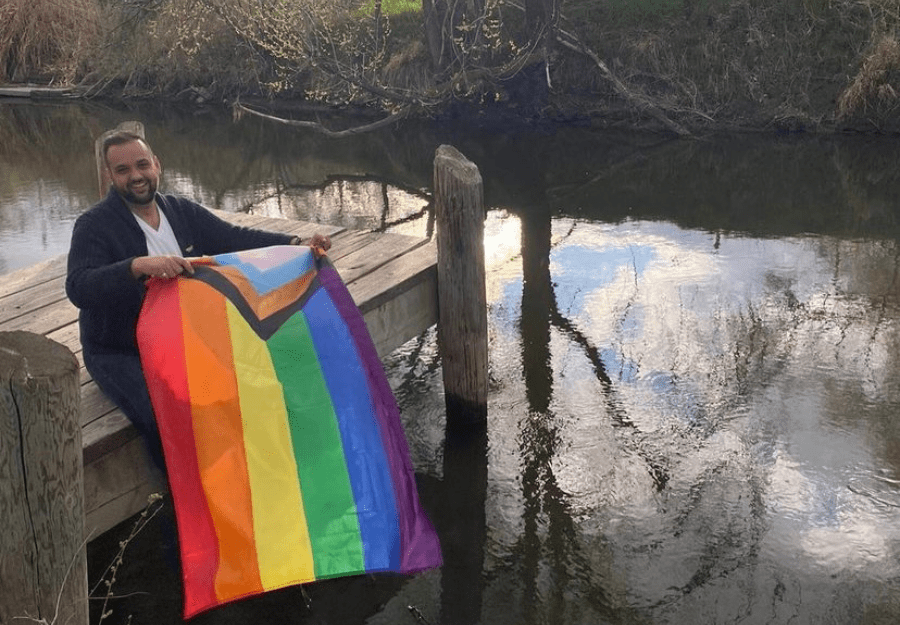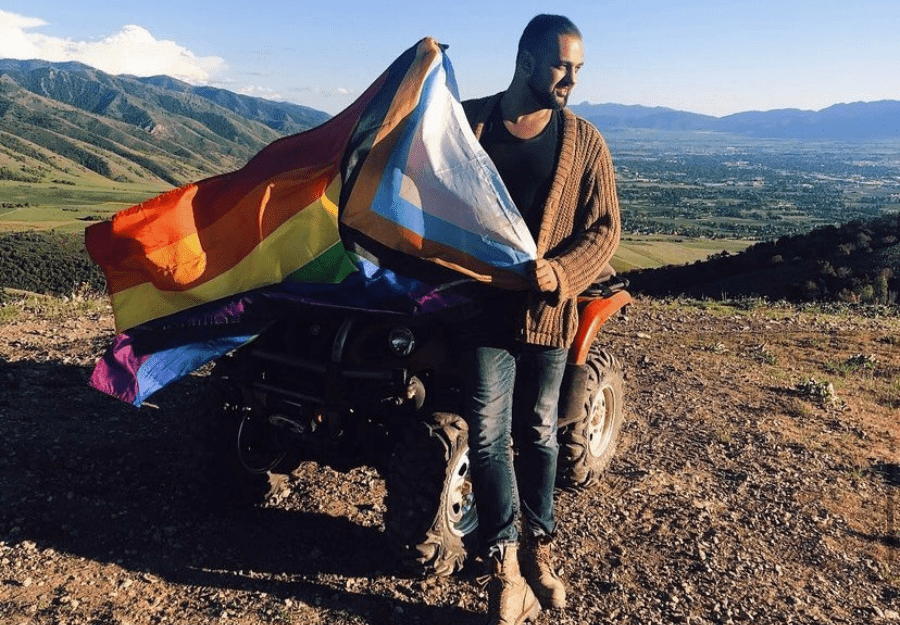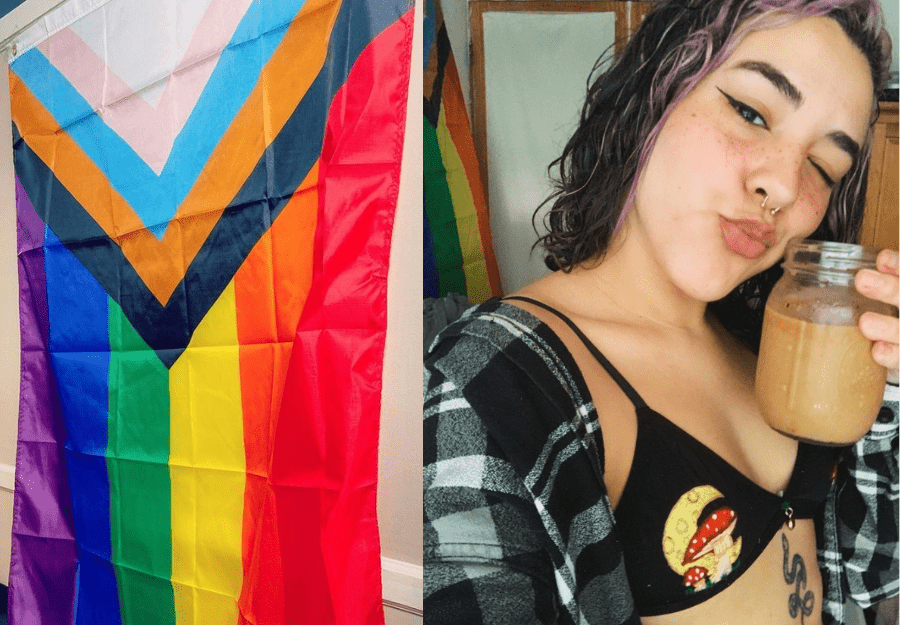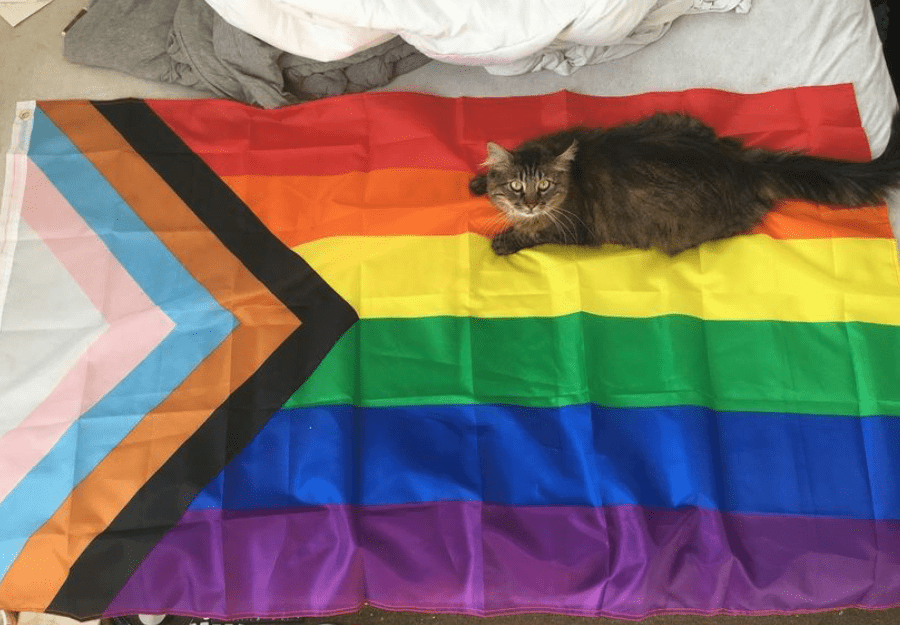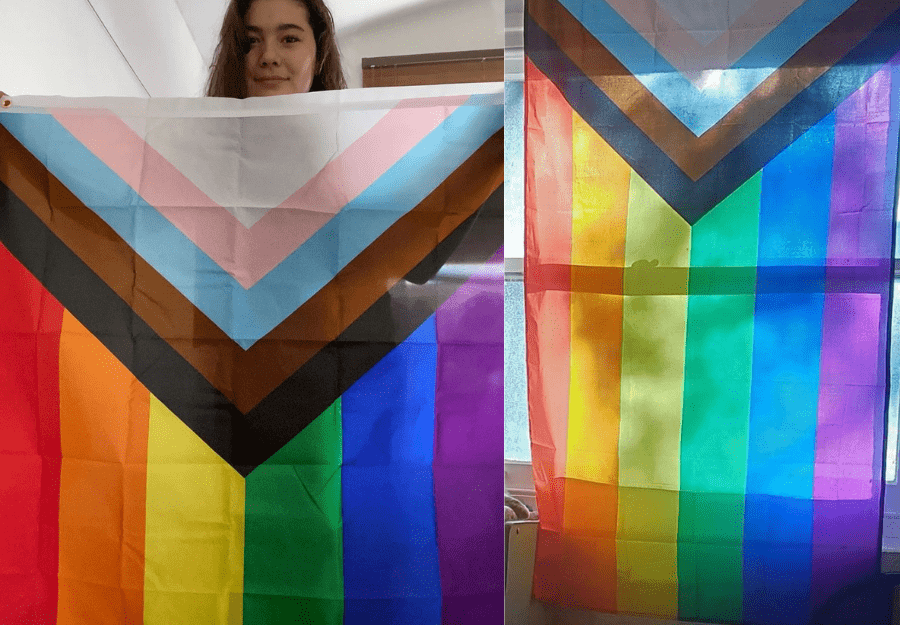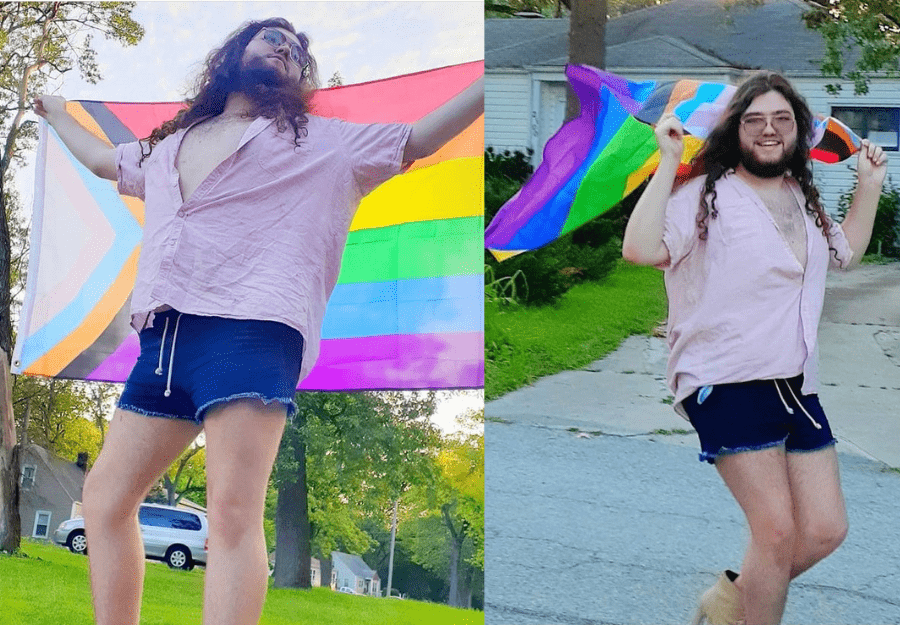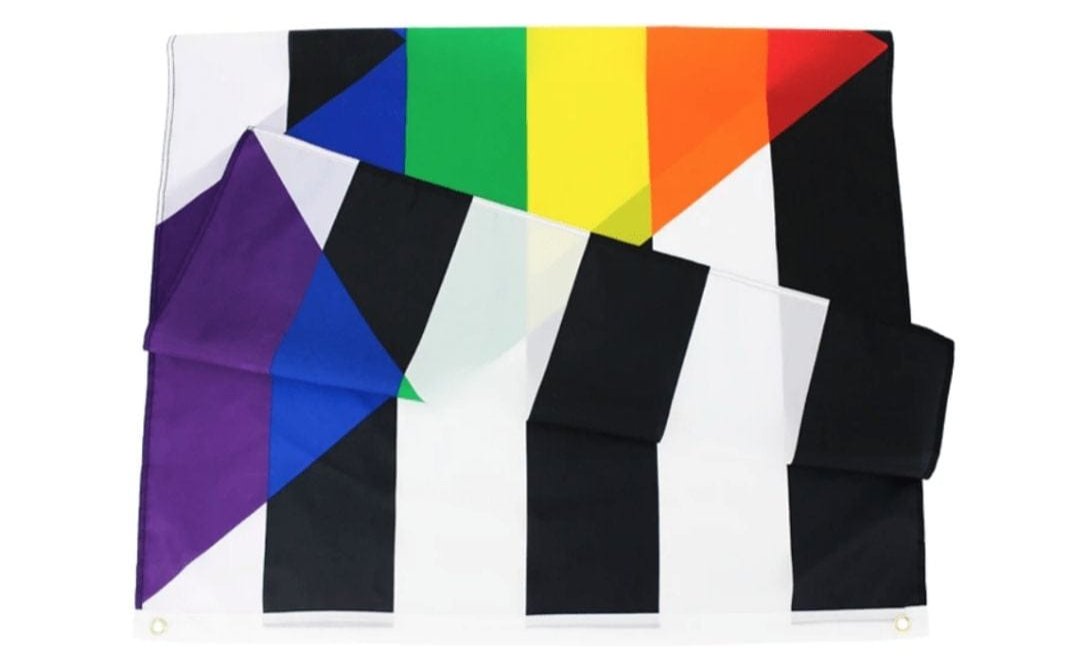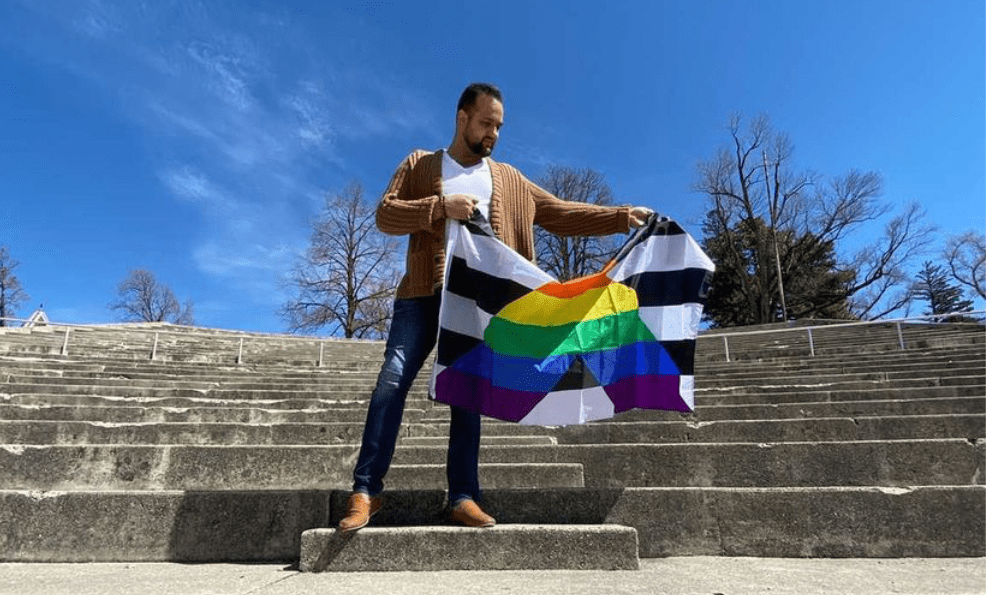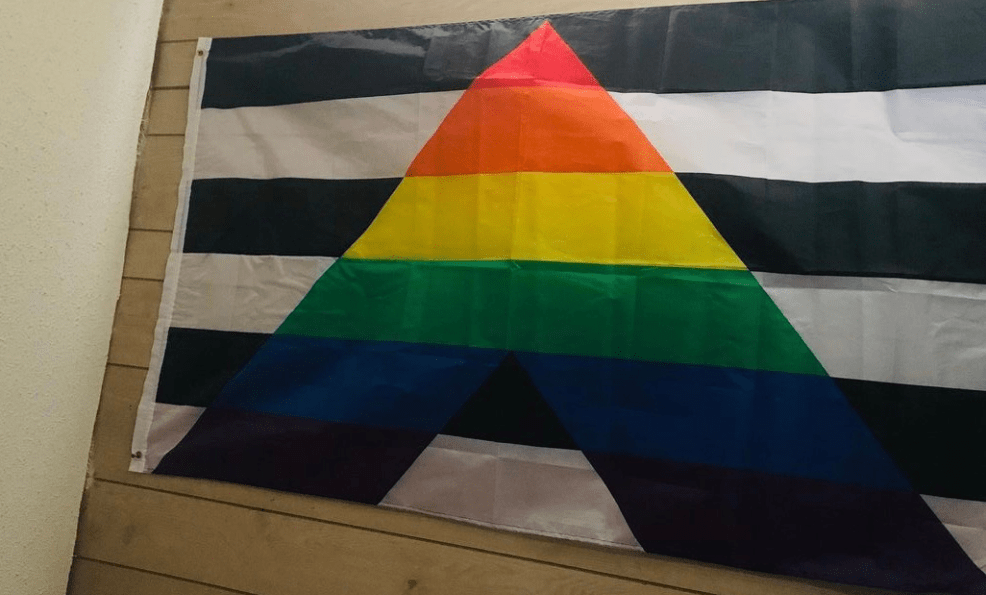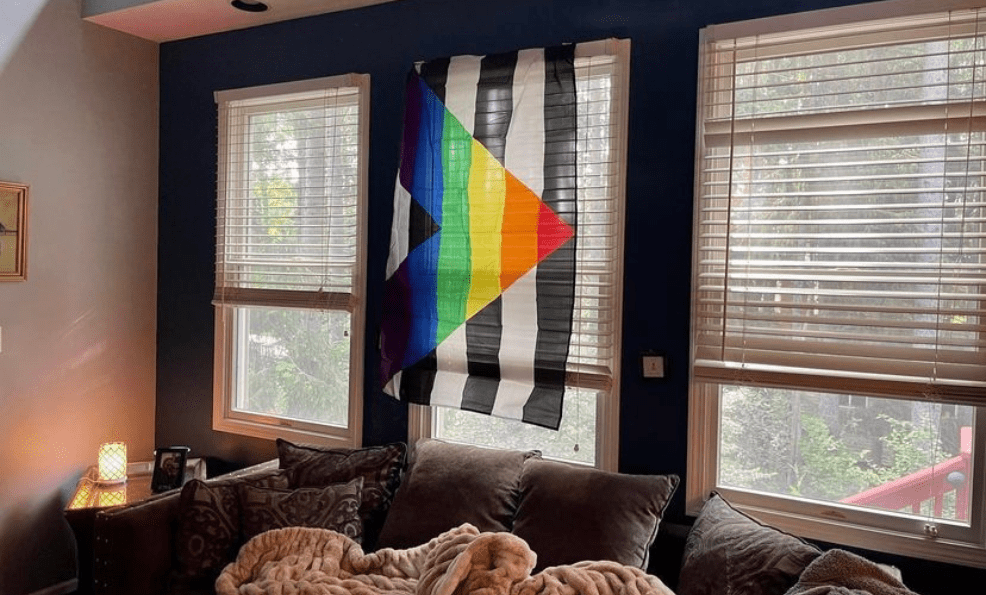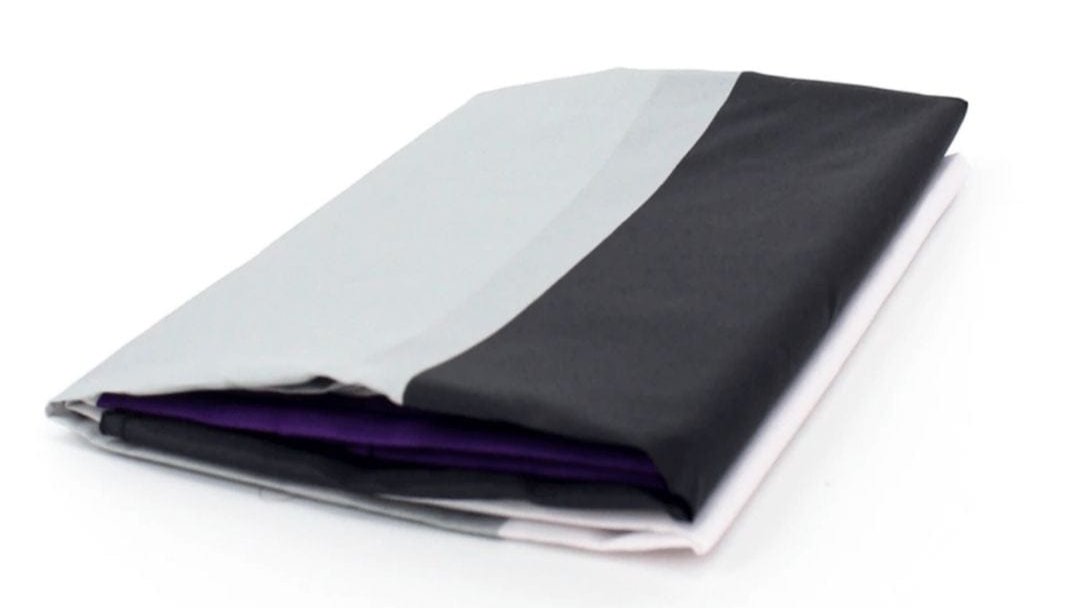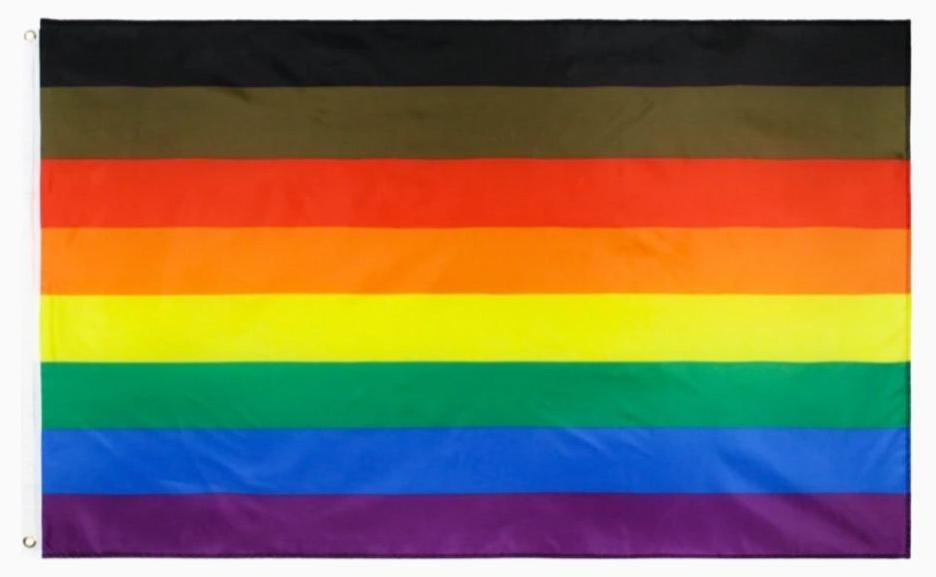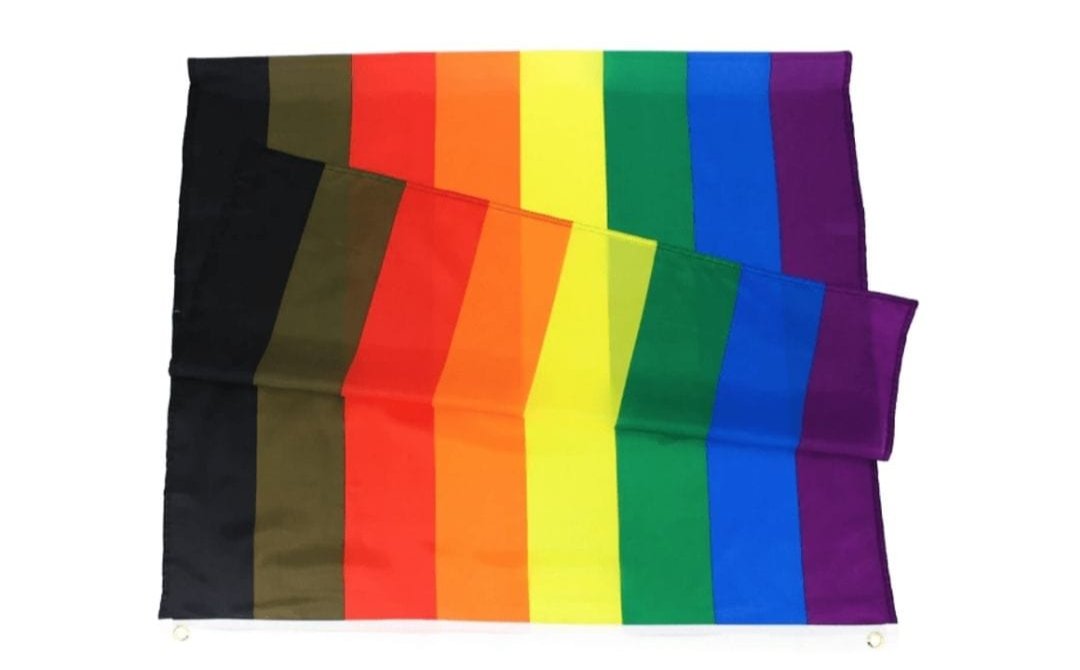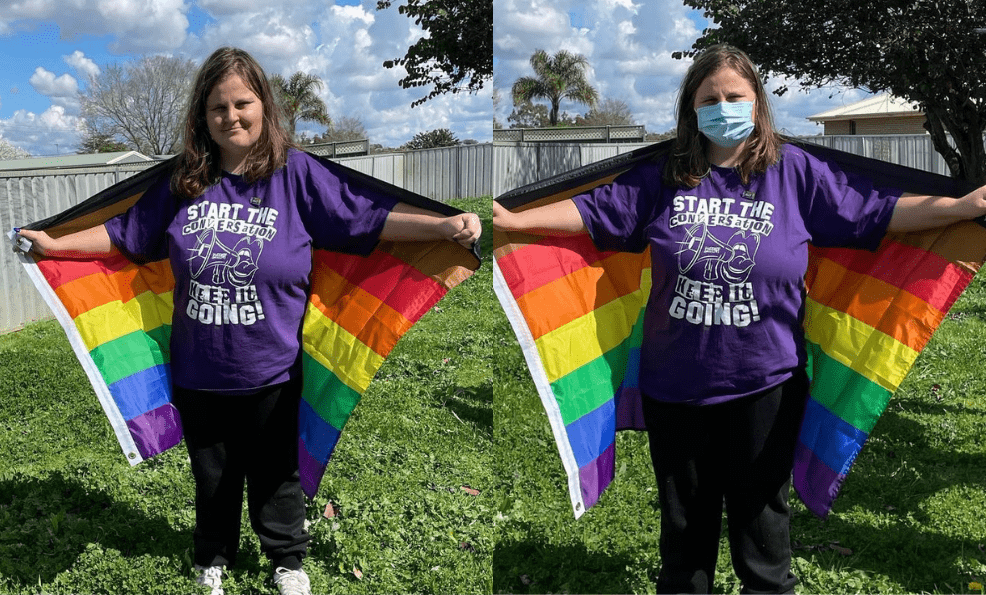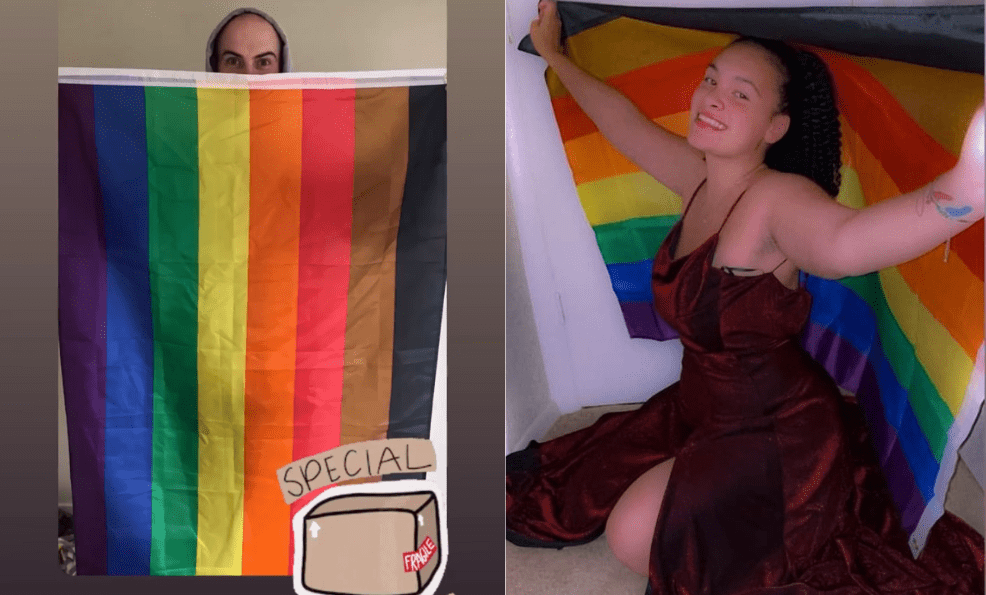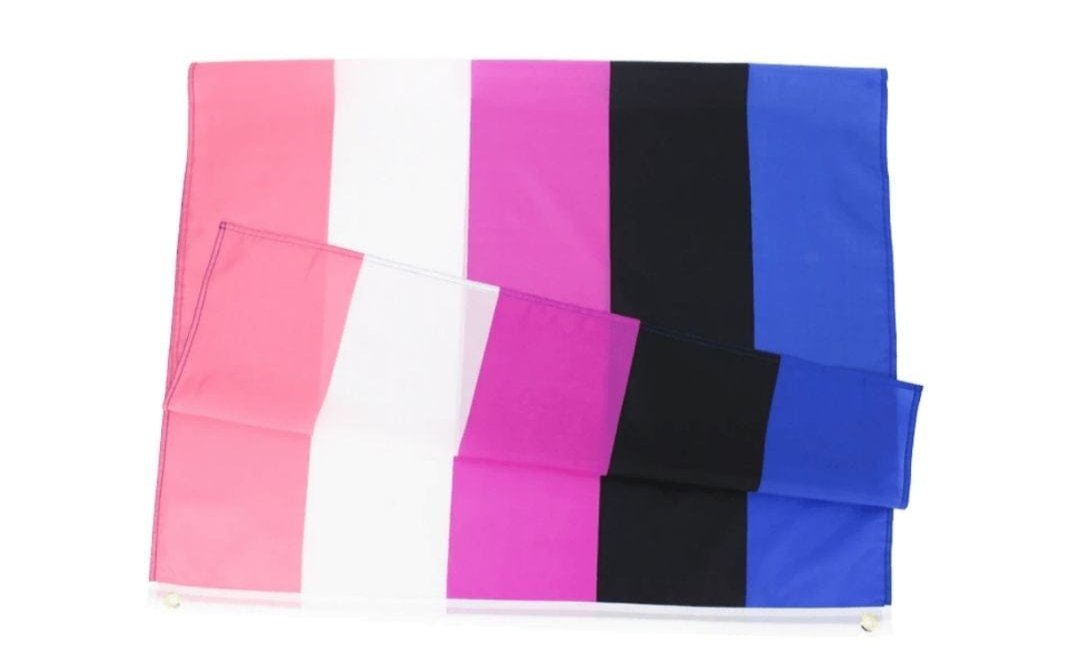
The intersex-inclusive Progress Pride Flag was designed by Valentino Vecchietti of Intersex Equality Rights UK in 2021. It builds on Daniel Quasar's 2018 Progress Pride Flag by adding a yellow triangle with a purple circle, which come from the intersex flag created in 2013. The addition makes intersex inclusion explicit in a single design.
- What does the intersex-inclusive Progress Pride Flag look like?
- What does the purple circle mean?
- Why was intersex inclusion added to the Progress flag specifically?
- How does this compare to the original Progress Pride Flag?
- Who is Valentino Vecchietti?
- How do people fly it?
- Frequently asked questions
| Designer | Valentino Vecchietti |
| Year | 2021 |
| Based on | Daniel Quasar's Progress Pride Flag (2018) |
| New elements | Yellow triangle + purple circle from the intersex flag |
| Intersex flag origin | Morgan Carpenter, Intersex Human Rights Australia, 2013 |
What does the intersex-inclusive Progress Pride Flag look like?
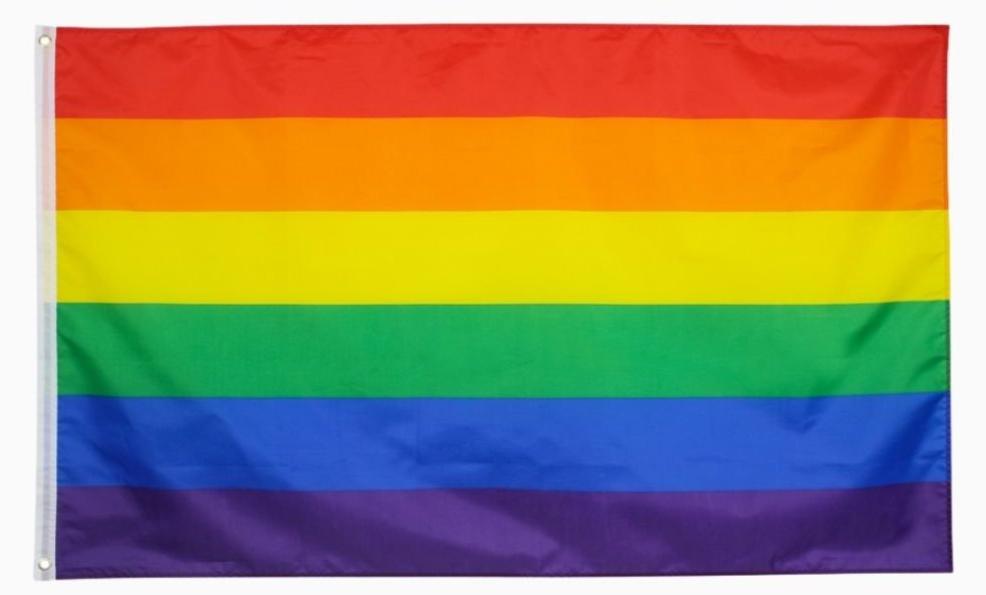
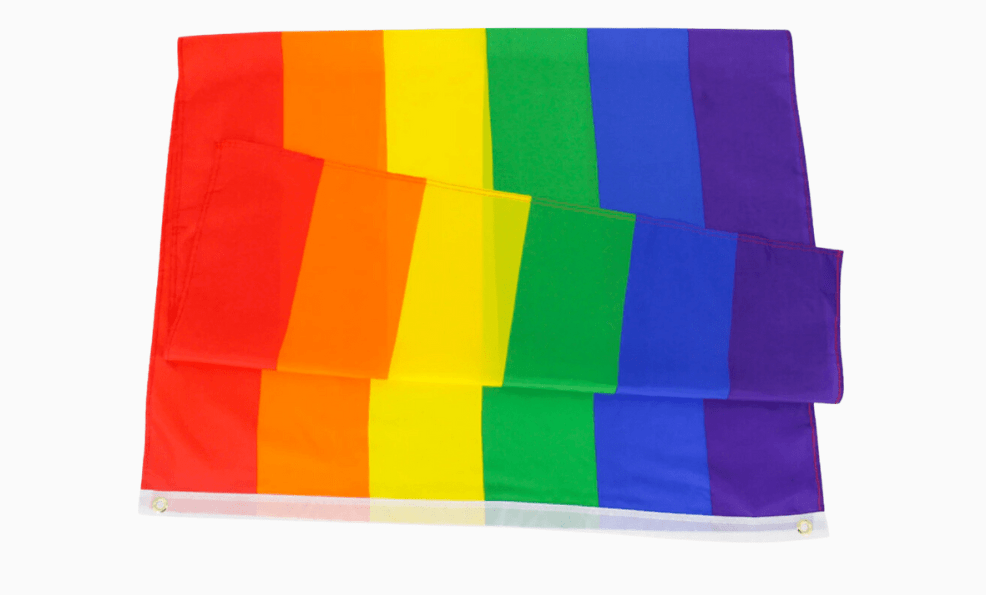
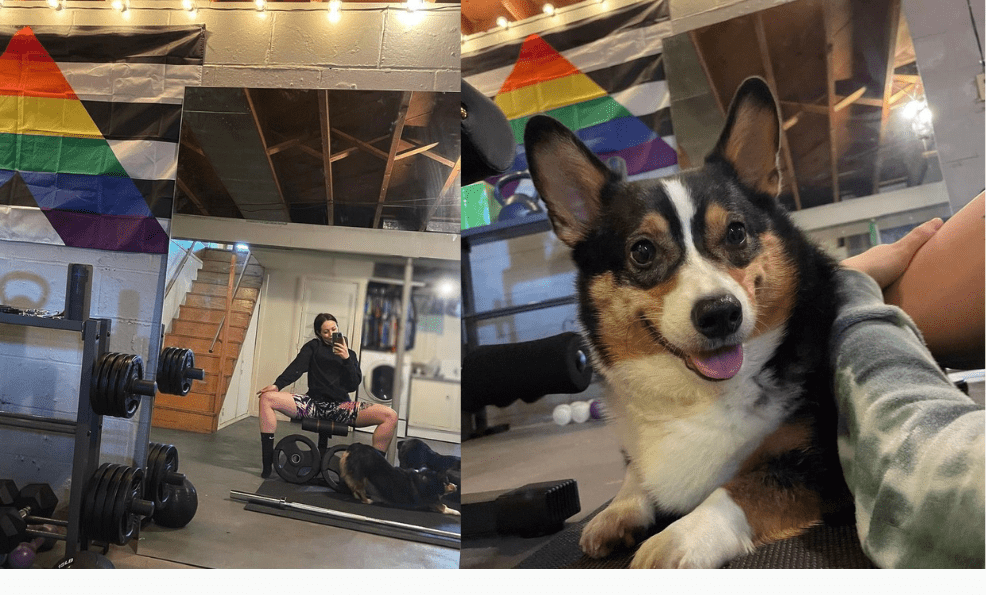
Start with the original six-stripe rainbow flag, which has been the symbol of the LGBTQ+ community since Gilbert Baker designed it in 1978. Daniel Quasar's 2018 redesign added a right-pointing chevron in five colors: black and brown for Black and Brown LGBTQ+ people, and light blue, pink and white for transgender and gender-diverse people. That is the Progress Pride Flag.
Vecchietti's 2021 update places a yellow triangle at the left edge of the chevron, with a purple circle centered on it. The yellow triangle points right into the flag, nesting inside the chevron.
According to the documented history of the Progress Pride Flag, the yellow and purple colors come directly from the intersex flag that Morgan Carpenter of Intersex Human Rights Australia designed in 2013. Carpenter chose yellow and purple because, as Intersex Human Rights Australia explains, they are free from associations with gender and therefore belong to nobody in particular, which was the point.
What does the purple circle mean?
The circle is the element most people ask about, because circles are unusual on a flag.
According to Intersex Human Rights Australia, the unbroken circle represents wholeness and completeness. It is a direct statement about intersex bodies: they are whole as they are. It also represents the right of intersex people to make their own decisions about their bodies, a response to the documented history of non-consensual surgeries performed on intersex infants and children to make them conform to a binary sex standard.
We are still fighting to end unnecessary, non-consensual surgeries on intersex infants and children. We need to be seen and included in the broader LGBTQ community.
That quote is from the context around the flag's creation at Intersex Human Rights Australia, which published the original intersex flag in 2013. The circle is not decorative. It is a position statement.
Why was intersex inclusion added to the Progress flag specifically?
The original Progress Pride Flag was a meaningful expansion of the rainbow flag, but it still did not explicitly include intersex people. That absence mattered.
Intersex is not a gender identity and not a sexual orientation. Intersex people are born with physical sex characteristics, such as chromosome patterns, hormone levels or reproductive anatomy, that do not fit typical definitions of male or female. Intersex Human Rights Australia estimates that intersex variations affect approximately 1.7% of people, roughly the same proportion as people with red hair.
Despite that prevalence, intersex people are frequently left out of public understanding of LGBTQ+ communities, mischaracterized as the same as transgender, or simply not counted. A flag that names them explicitly, with colors chosen to carry no prior meaning, is a different kind of statement than being implied under a broader umbrella.
How does this compare to the original Progress Pride Flag?
Both flags are in active use. They are not in competition.
The Progress Pride Flag from Daniel Quasar's 2018 design is the version most people will recognize at Pride events. The intersex-inclusive version is the design that some governments and organizations have moved to when they want to be explicit that their inclusion extends to intersex people.
Our own numbers show demand for both. Over the trailing 90 days, the intersex-inclusive Progress Pride Flag sold 2,267 units, making it our single best-selling flag across the entire catalog (Pride Palace internal sales data, July 2026). The original Progress Pride Flag also sells consistently. People are choosing between them based on what they want the flag to say, which is exactly how flags are supposed to work.
If you are looking for a flag that covers more of the community in one design, the intersex-inclusive version does that. If you want to fly the version that started the Progress conversation in 2018, that flag is still the right choice too. The guide at every Pride flag and its meaning covers both.
Who is Valentino Vecchietti?
Valentino Vecchietti is an intersex activist and the co-founder of Intersex Equality Rights UK, an advocacy organization focused on the rights and wellbeing of intersex people in the United Kingdom and internationally.
Vecchietti released the intersex-inclusive Progress Pride Flag design in 2021 as a direct response to the continued exclusion of intersex people from mainstream LGBTQ+ representation. The design was taken up quickly, appearing at Pride events in the UK and internationally within its first year.
The flag's adoption follows the same pattern as the lesbian flag before it: no central authority approved it. People started flying it because it said something the existing designs did not.
How do people fly it?
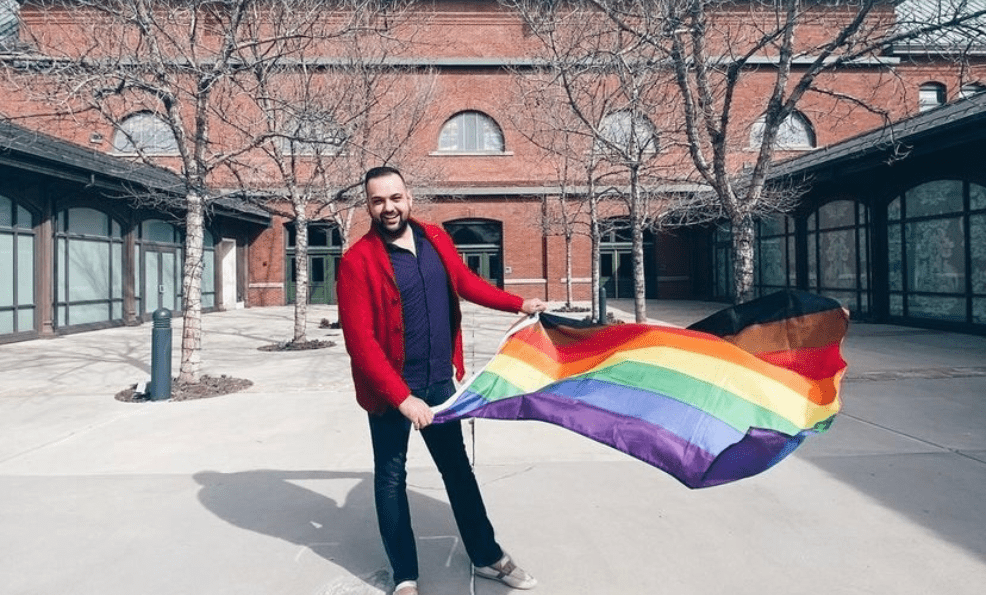
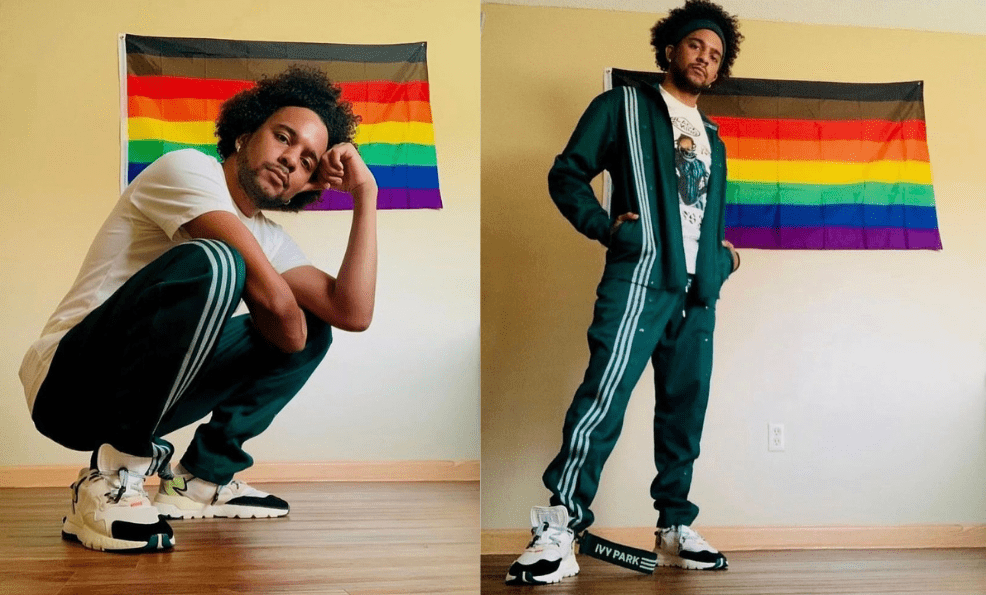
The same ways as any Pride flag. At home on a wall or in a window. On a porch bracket during Pride events. Some people fly the intersex-inclusive version specifically because they are intersex, or because they have intersex family members. Others fly it as a statement that their allyship is complete rather than conditional.
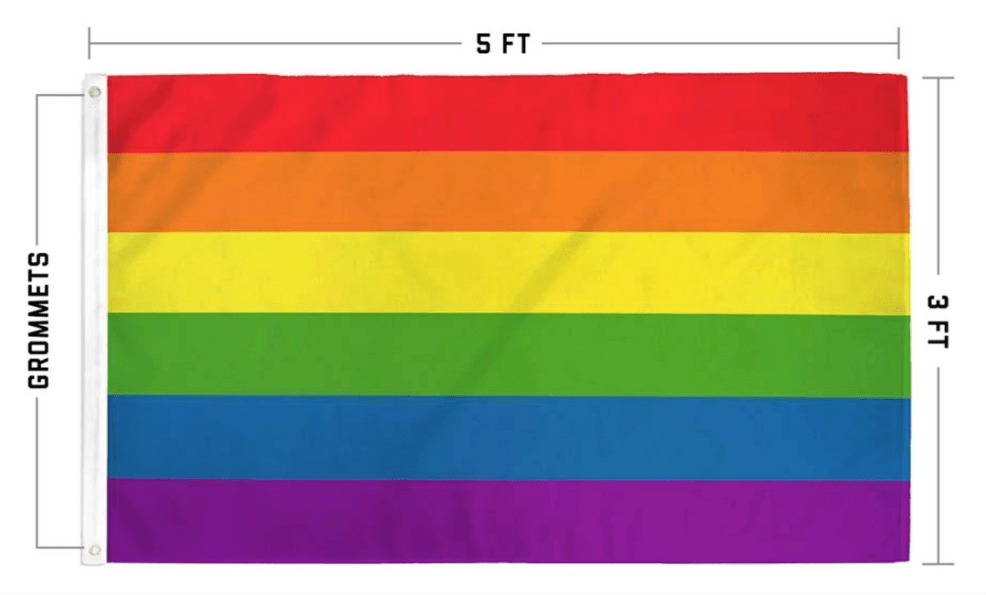
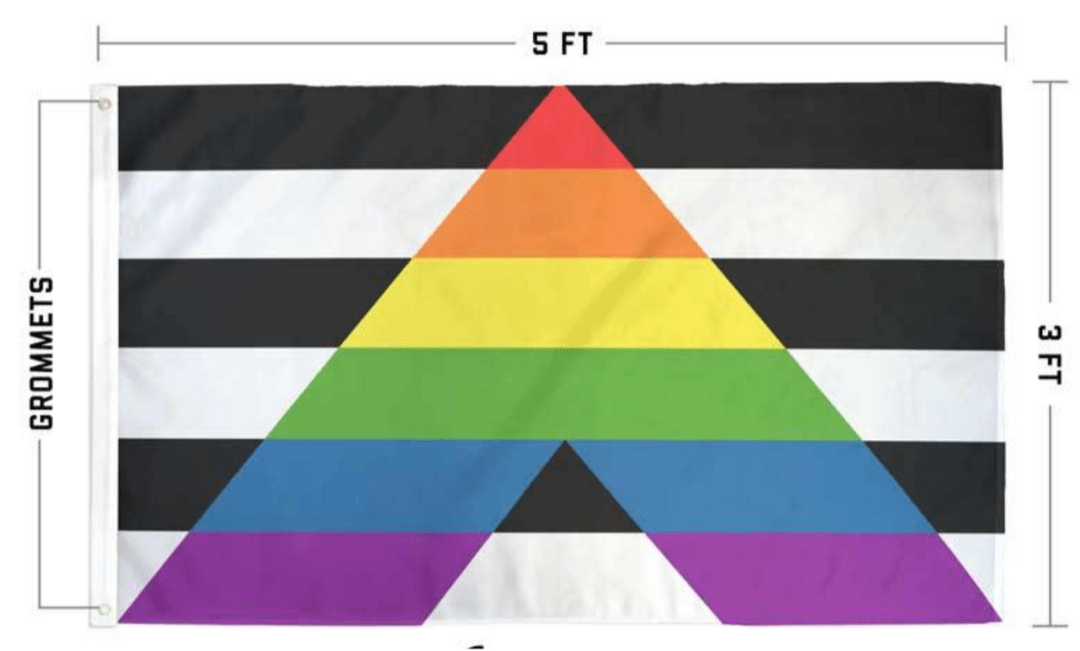
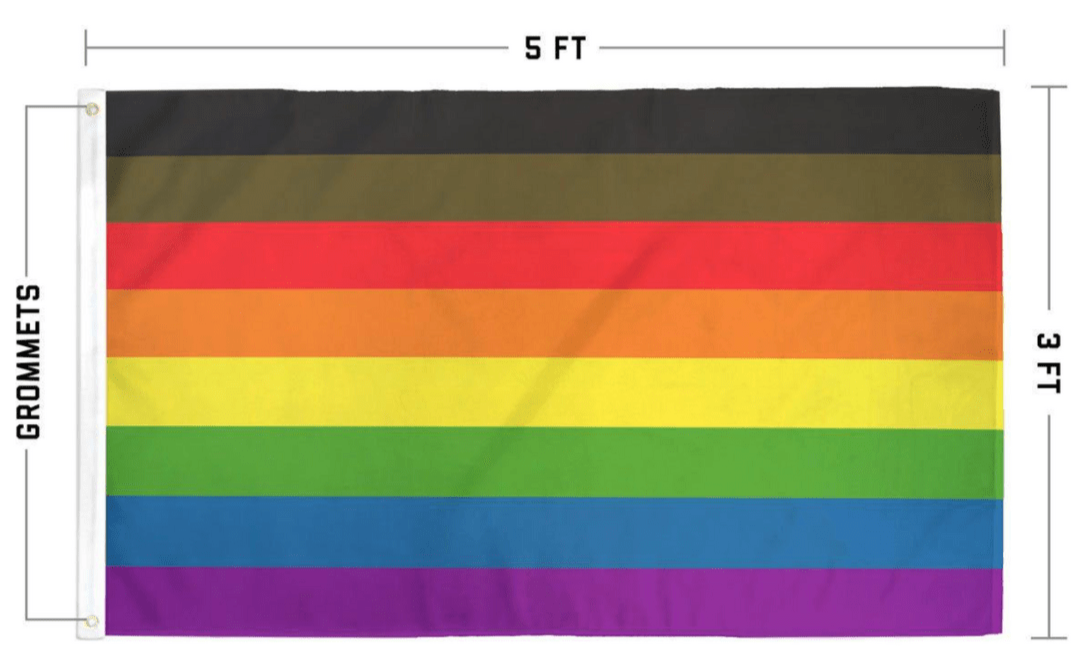
Whatever the reason, a 3x5 foot flag is the standard outdoor and indoor display size, and the version we carry is that size.
If visibility where you live is not safe, a pin or a smaller item carries the same meaning more quietly. All sales benefit LGBTQ+ charities.
For a full guide to the flags in this cluster, including the transgender pride flag and the original Progress Pride Flag, visit every Pride flag and its meaning, or browse all Pride flags we carry.
Frequently asked questions
Who designed the intersex-inclusive Progress Pride Flag?
Valentino Vecchietti of Intersex Equality Rights UK designed the intersex-inclusive version in 2021 by adding a yellow triangle with a purple circle to Daniel Quasar's 2018 Progress Pride Flag.
What does the yellow triangle and purple circle mean?
The yellow and purple come from the intersex flag designed by Morgan Carpenter of Intersex Human Rights Australia in 2013. Yellow and purple are free from associations with gender. The circle is unbroken, representing wholeness and the right of intersex people to make their own decisions about their bodies.
What is the difference between the Progress Pride Flag and the intersex-inclusive version?
Daniel Quasar's 2018 Progress Pride Flag adds a chevron of black, brown, light blue, pink and white to the original rainbow flag to represent BIPOC communities and trans people. Vecchietti's 2021 update adds a yellow triangle with a purple circle to include intersex people explicitly.
Who designed the original Progress Pride Flag?
Daniel Quasar, an American graphic designer, created the Progress Pride Flag in 2018 by combining the classic rainbow flag with a chevron representing Black, Brown, trans and gender-diverse communities.
Why is intersex often left out of Pride flags?
Intersex variations affect roughly 1.7% of people, but intersex people are often conflated with being transgender or gay, which are different things. The intersex-inclusive flag was created to correct that erasure.
What size intersex-inclusive Progress Pride Flag should I buy?
A 3x5 foot flag is the standard size for flying outdoors or displaying on a wall indoors. It fits a standard pole bracket and is large enough to be clearly visible from the street.
Are both the Progress Pride Flag and the intersex-inclusive version widely used?
Yes. Both are flown at Pride events worldwide. Some organizations and governments have adopted the intersex-inclusive version specifically to signal that their inclusion extends to intersex people, not only LGB and trans people.
Last updated: August 3, 2026