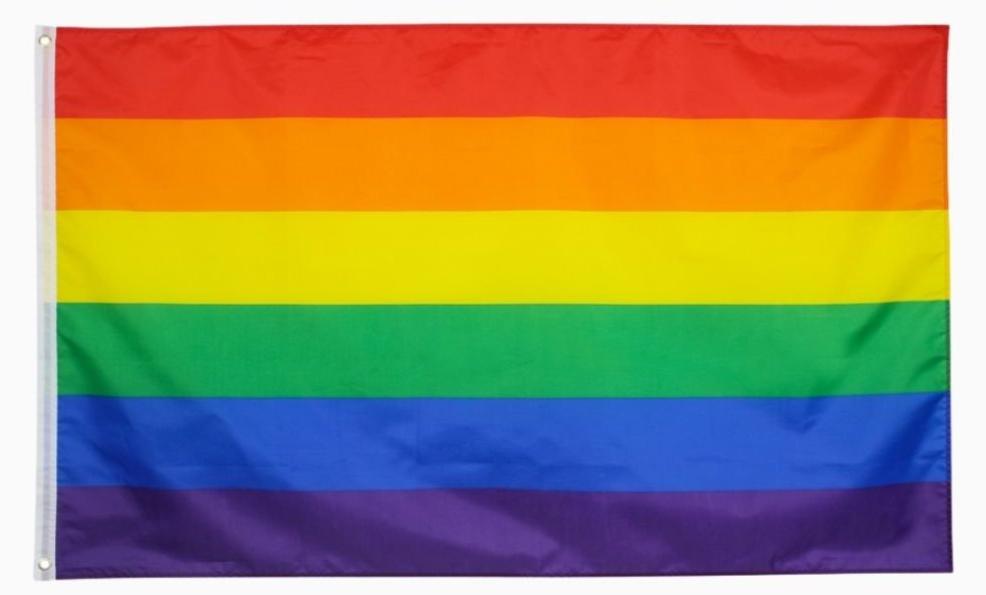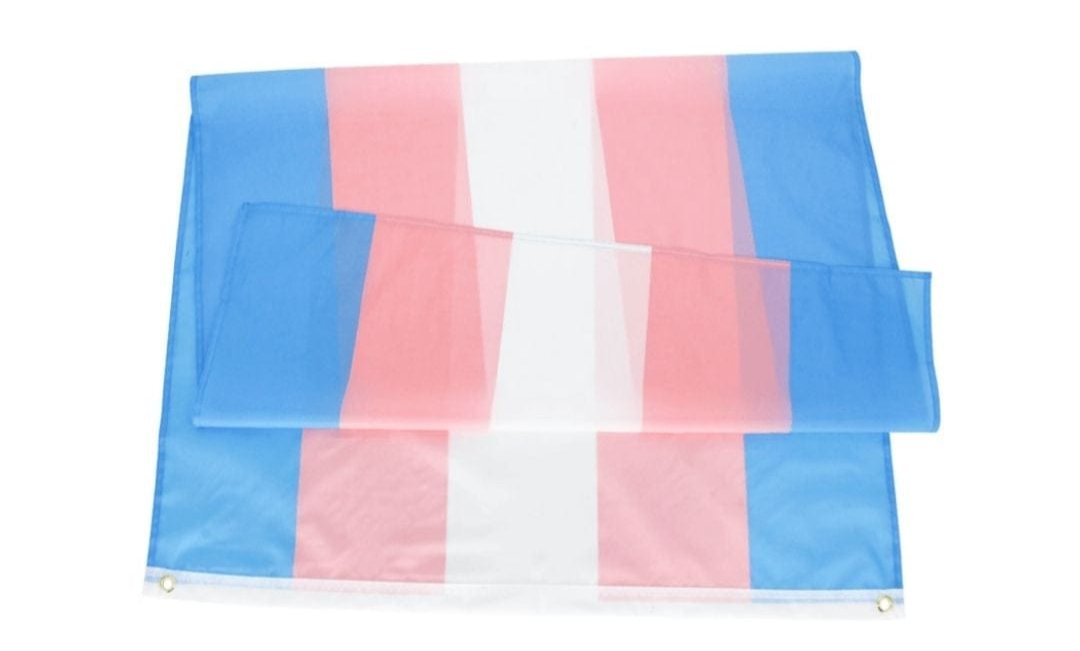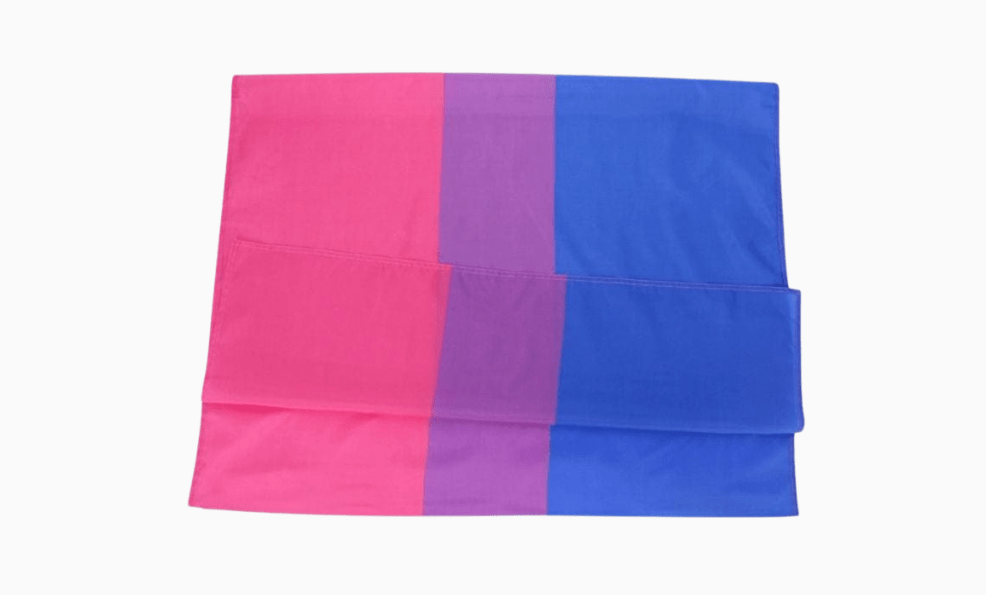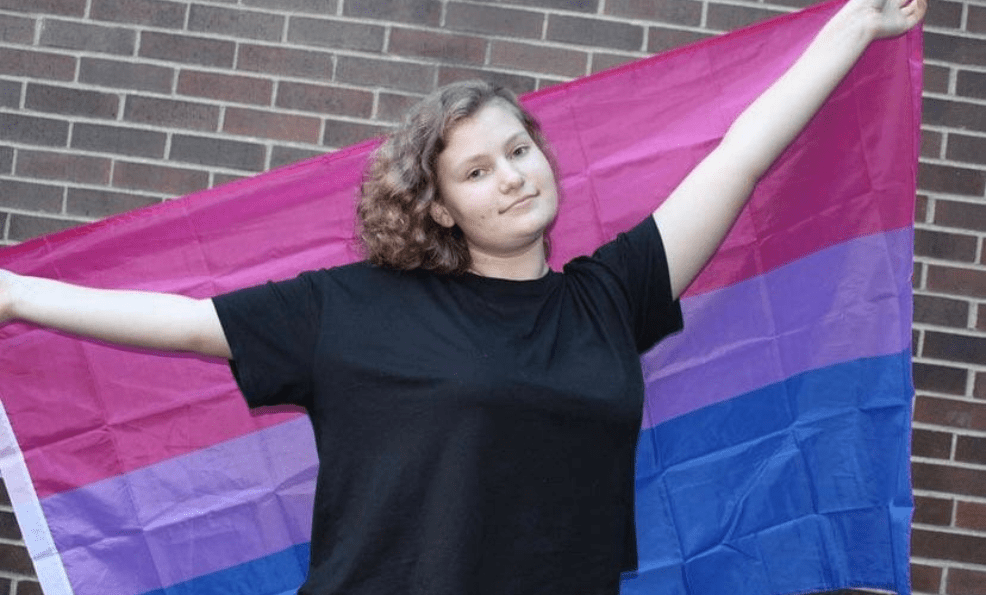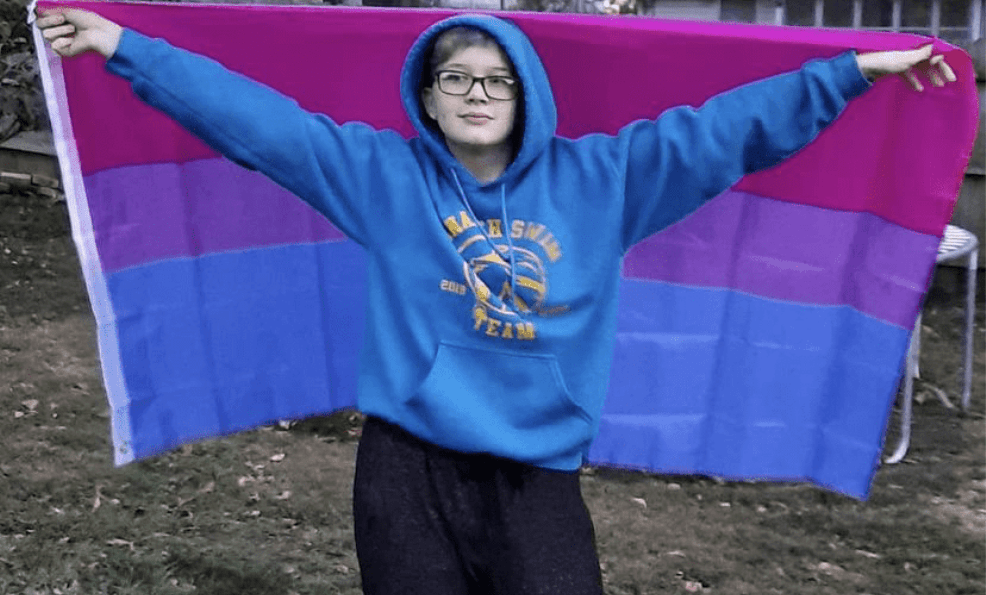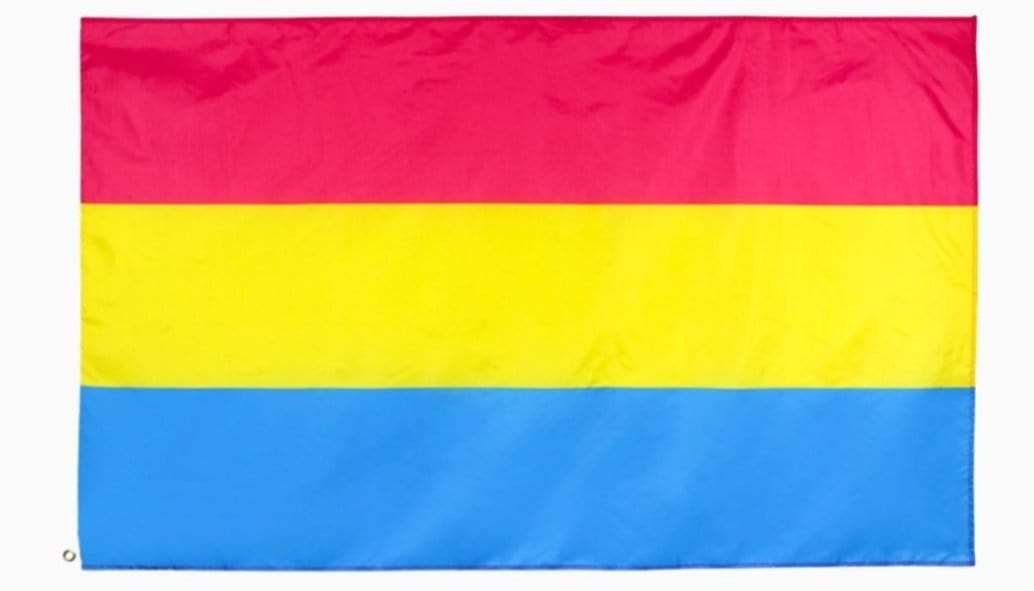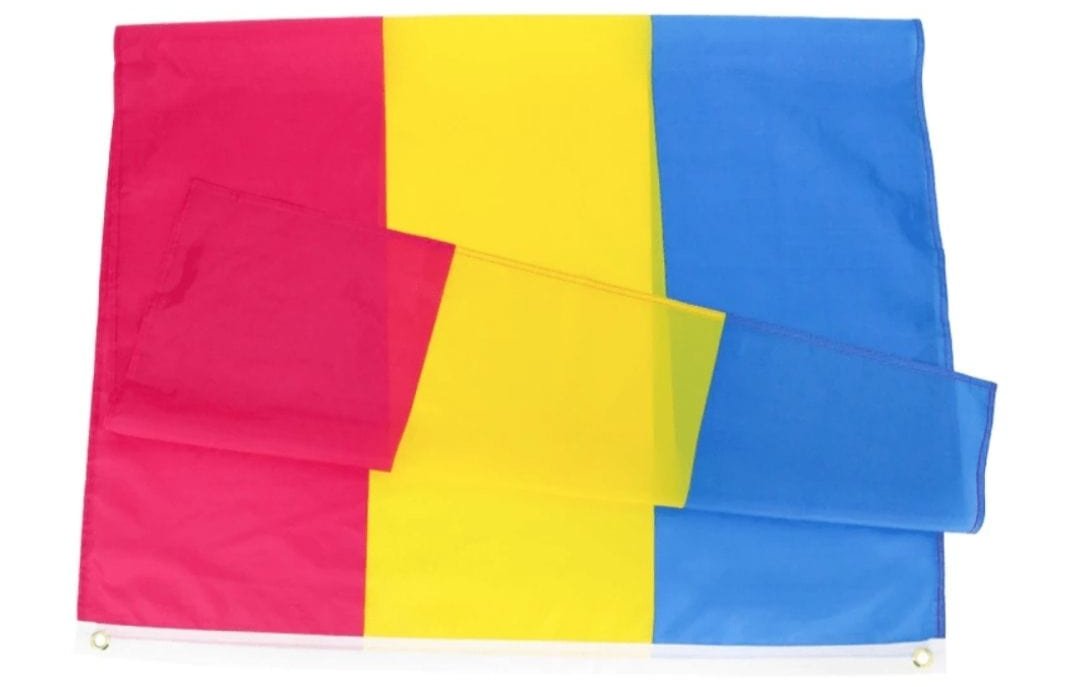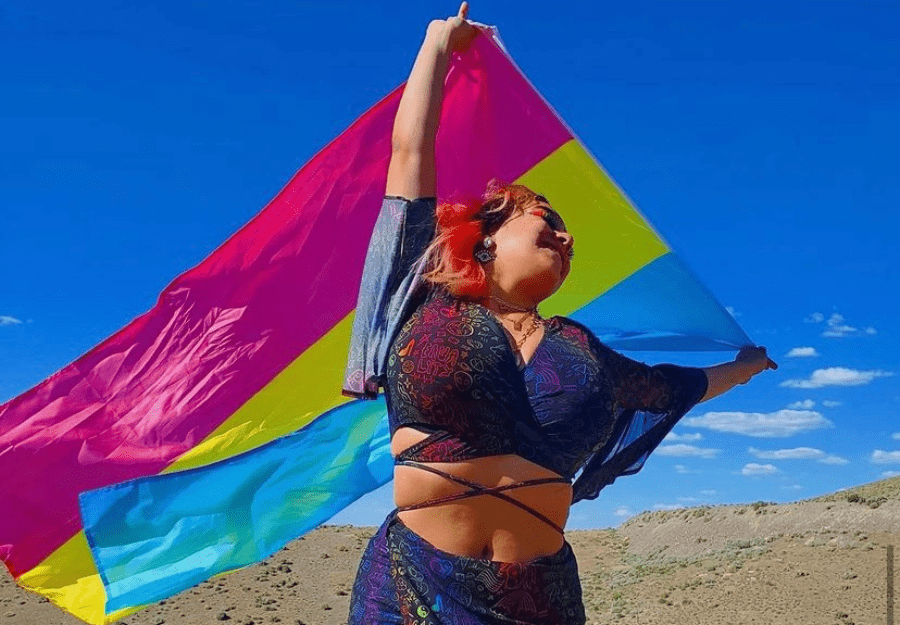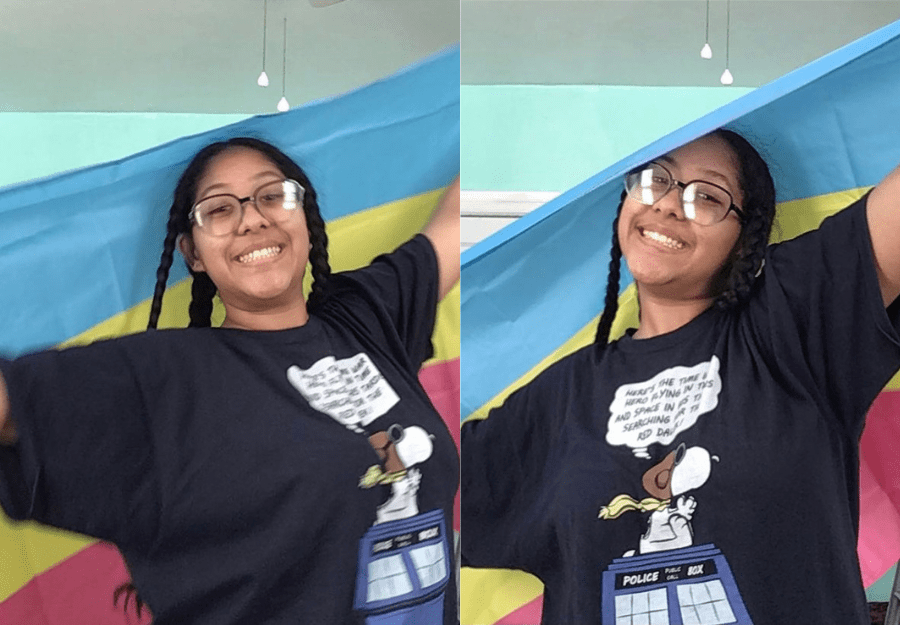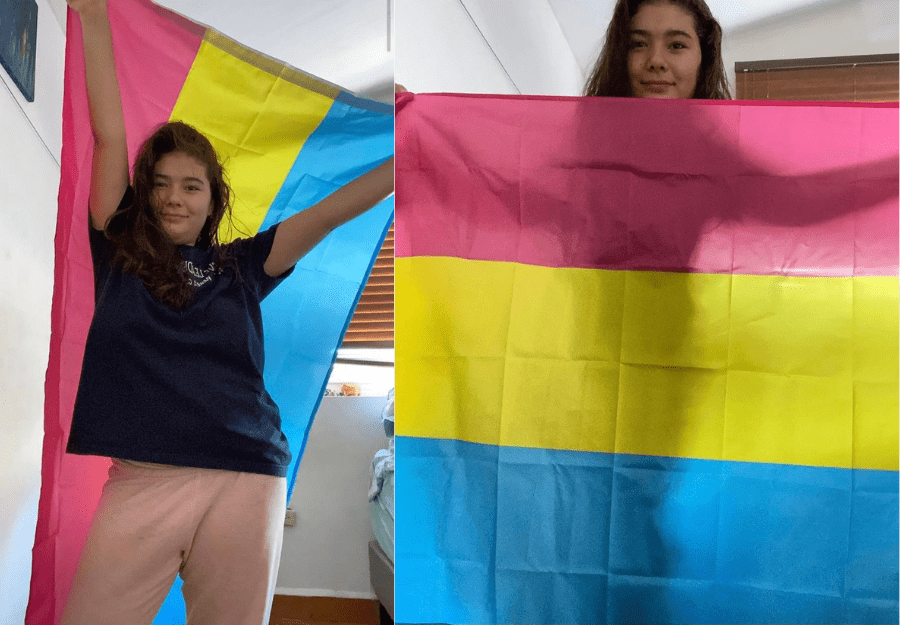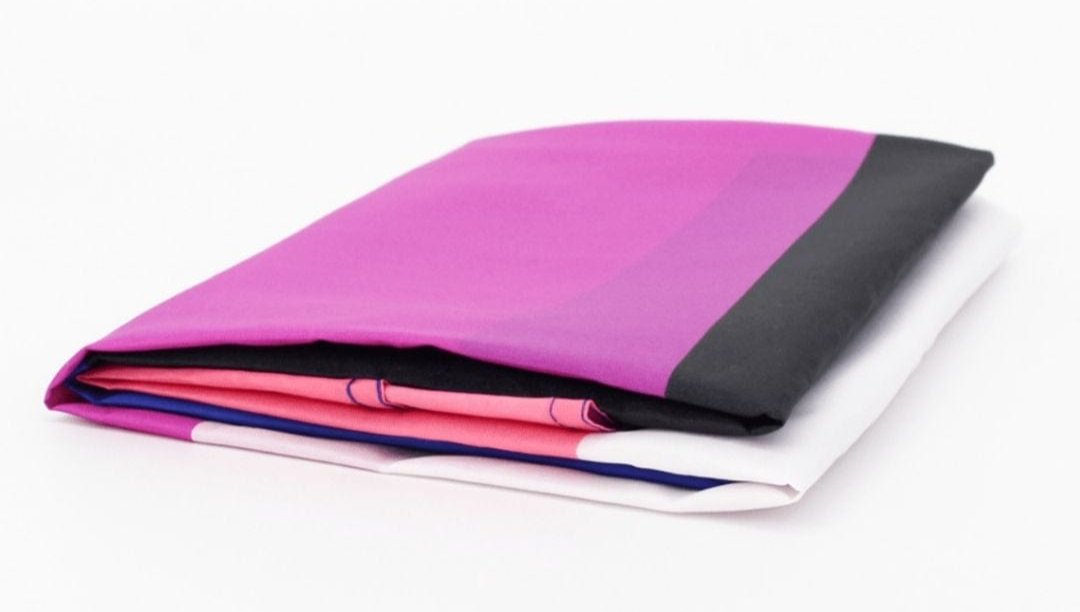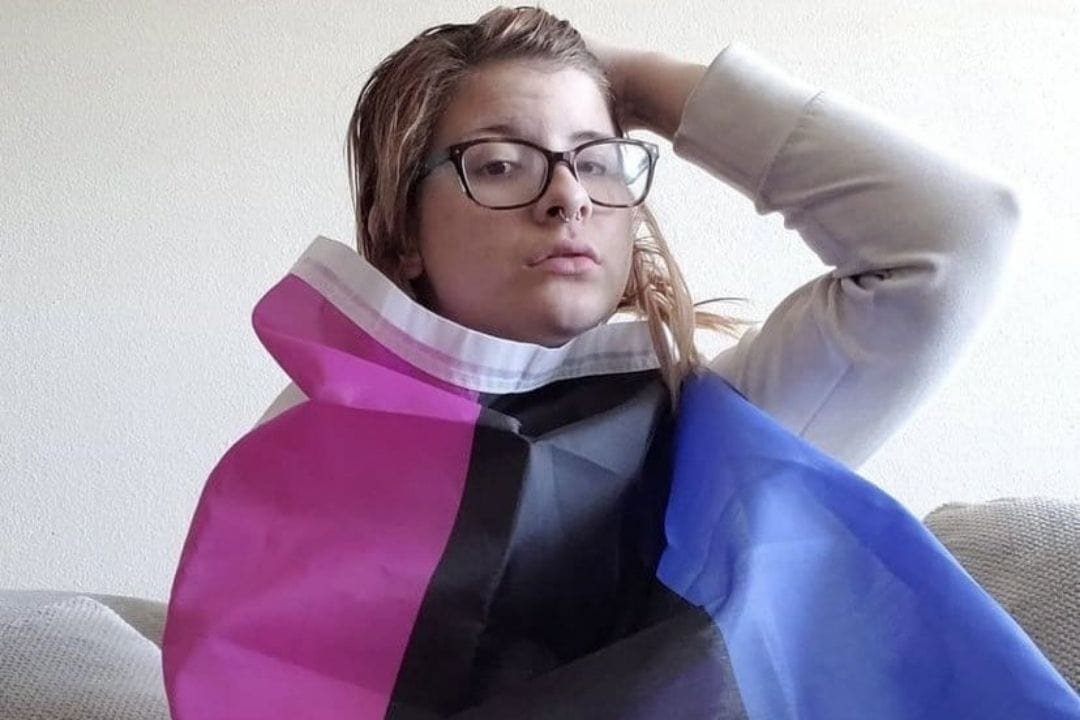

The pansexual pride flag is a three-stripe design in pink, yellow, and cyan. It was created around 2010 to represent people whose attraction is not limited by the gender of the person they are attracted to. Each stripe names a specific part of that experience: attraction to women, attraction to non-binary people, and attraction to men.
| Year | 2010 |
| Stripes | 3 |
| Colors | Pink (top), yellow (middle), cyan (bottom) |
| Defines | Attraction without reference to gender as a limiting factor |
| Observance | Pansexual and Panromantic Awareness and Visibility Day, May 24 |
Who created the pansexual pride flag?
The pansexual pride flag appeared online around 2010 and spread through community sharing rather than through any organization or formal launch. Per the documented history on Wikipedia, the design is commonly attributed to a creator posting under the name Jasper V., though the origin has not been formally documented in the way that, say, the bisexual flag's 1998 debut at BiCafe's anniversary was.
What the spread of the flag does document is the demand. A design shared without promotion, without a launch event, and without an organization behind it became one of the most recognized symbols of pan identity because people needed it and adopted it themselves. That is not a marketing success story; it is a community naming something that was real.
The pansexual flag arrived about a decade after the bisexual flag, which matters for understanding why both exist. They are not competing for the same space; they are naming experiences that the community has consistently distinguished from each other.
What do the three stripes of the pansexual flag mean?
Each stripe does specific work:
- Pink represents attraction to women and femininity
- Yellow represents attraction to non-binary people and genders outside the binary
- Cyan represents attraction to men and masculinity
The yellow stripe is the design's defining choice. Bisexual attraction, as described in the community, encompasses two or more genders. Pansexual attraction, as the yellow stripe names it, extends specifically to genders that exist outside the binary that pink and cyan name. That is not a subtle distinction inside a design system; it is the reason the flag has three stripes in those colors rather than two.
The pan part is hard to get people to understand without getting more personal than I would like to get with most audiences.
That is from a Pride Palace customer survey (484 respondents, 2025-2026). The difficulty of explaining the distinction between pansexual and bisexual identity is not a terminology problem; it is a visibility problem, and the flag is one of the tools that closes the gap.
How is the pansexual flag different from the bisexual flag?
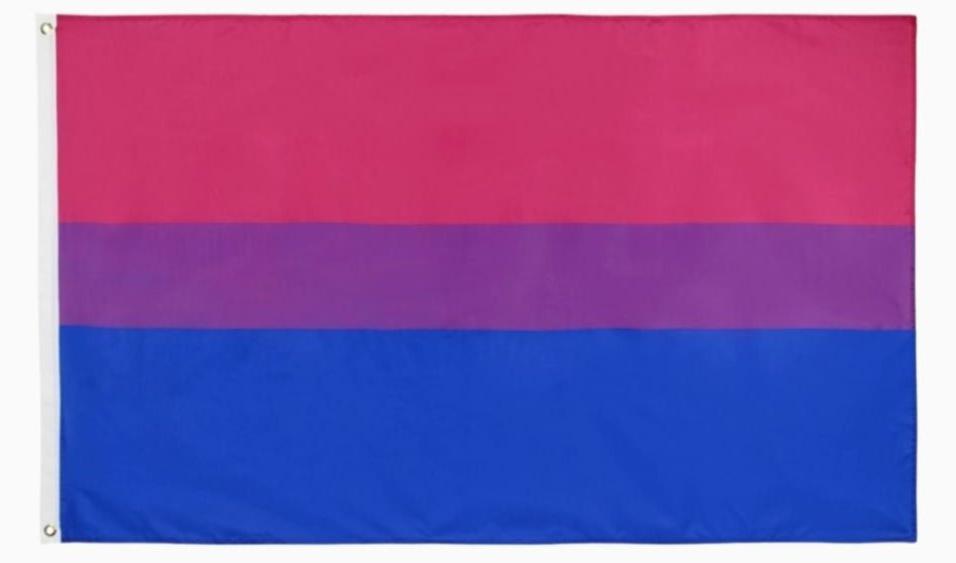
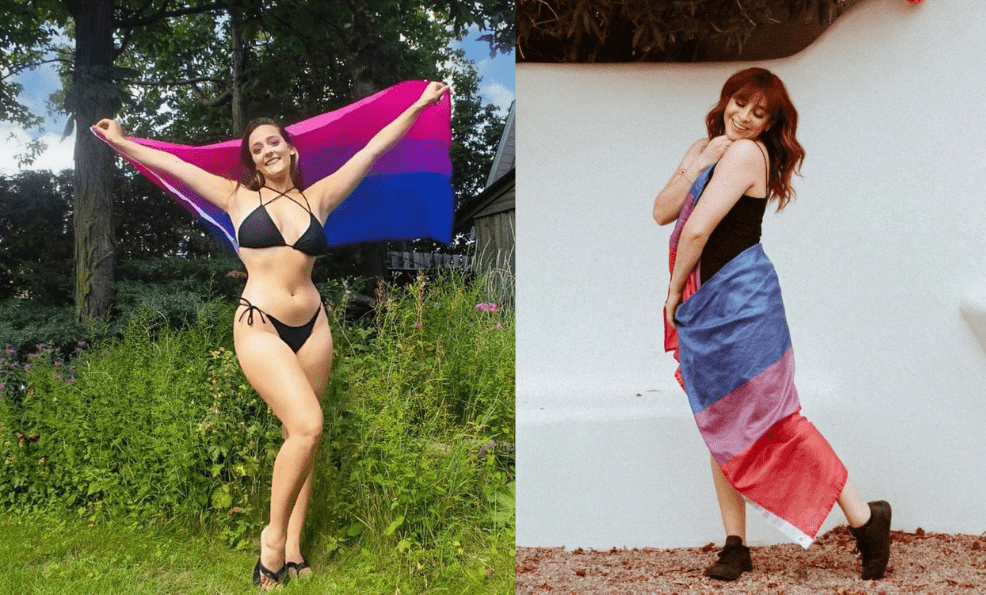
The bisexual pride flag uses pink, lavender, and royal blue, and was designed in 1998 by Michael Page, over a decade before the pansexual flag appeared. The two flags look different and represent related but distinct experiences.
Bisexual attraction is attraction to two or more genders. Pansexual attraction is described as gender-blind: the gender of the person you are attracted to is not the determining factor in the attraction. Many people hold both identities at once, and many use them interchangeably. Others distinguish them precisely because the difference in how attraction works is meaningful to them.
The flags reflect the identities: two designs, two communities, two experiences that the binary of gay and straight had no room for and that the community built its own vocabulary and symbols to name.
How many people identify as pansexual?
Surveys vary in how they ask about specific identity labels, and pansexual is often grouped with bisexual in aggregate counts. What the data does consistently show is growth in LGBTQ+ identification overall, with younger generations identifying at higher rates.
Gallup's 2026 data puts LGBTQ+ identification at 9% of U.S. adults, the highest recorded figure. Pew Research (2023) found that bisexual adults, broadly defined, make up the largest single share of the LGBTQ+ population in the United States. Pansexual people are counted within that broader category in most surveys, which means pan identity is consistently undercounted in the headline figures.
At Pride Palace, the pansexual pride flag sold 358 units over the trailing 90 days (Pride Palace internal sales data, 2026). That makes it one of the top-selling identity flags in the catalog, in a range that includes the bisexual flag at 599 units, the non-binary flag at 373 units, and the lesbian flag. No public source can tell you what flags people are actually buying; this ranking is ours alone.
How do people actually use it?
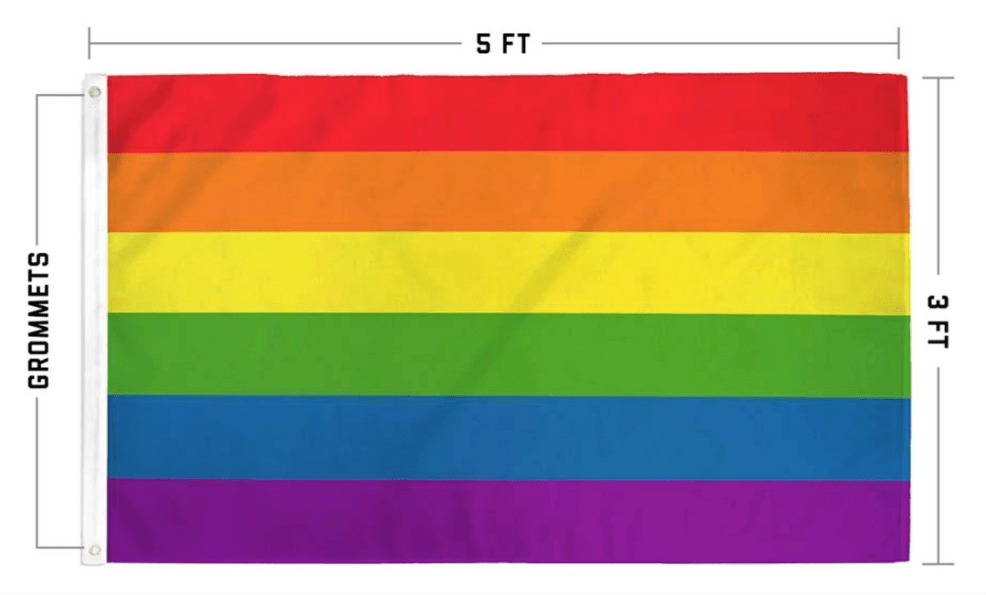
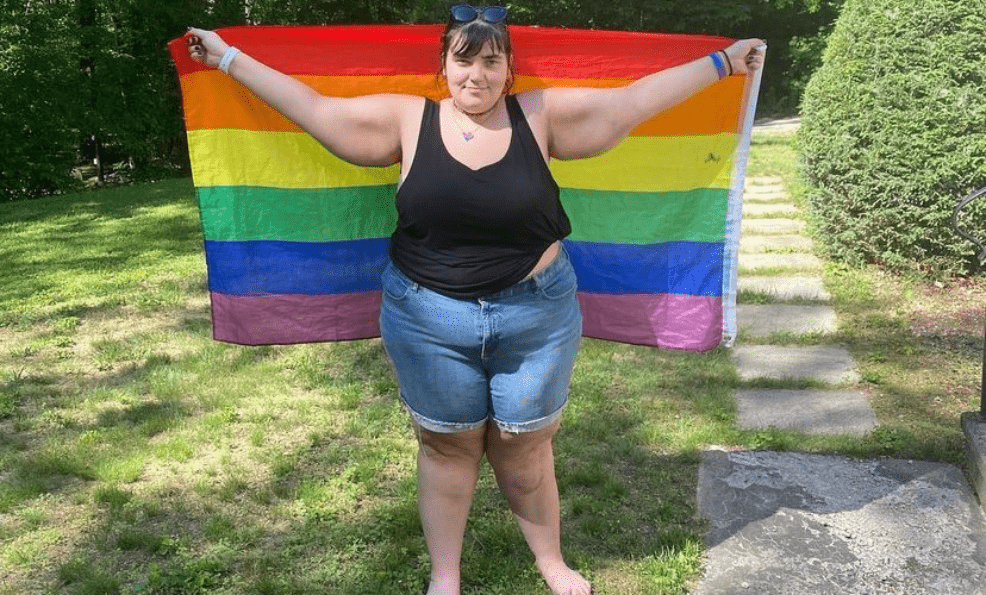
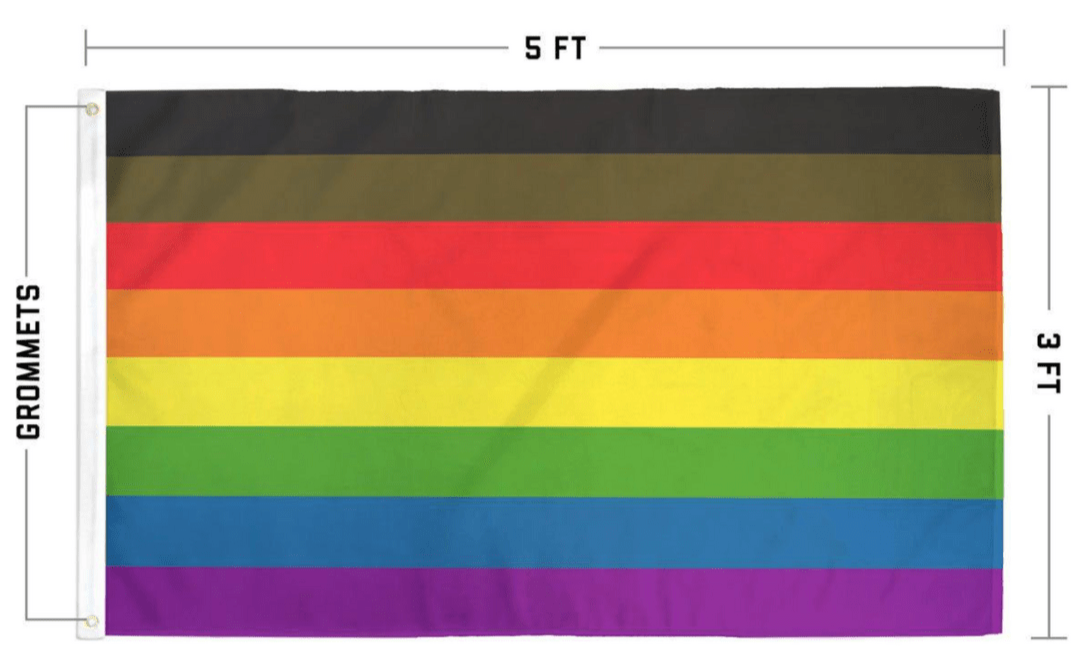
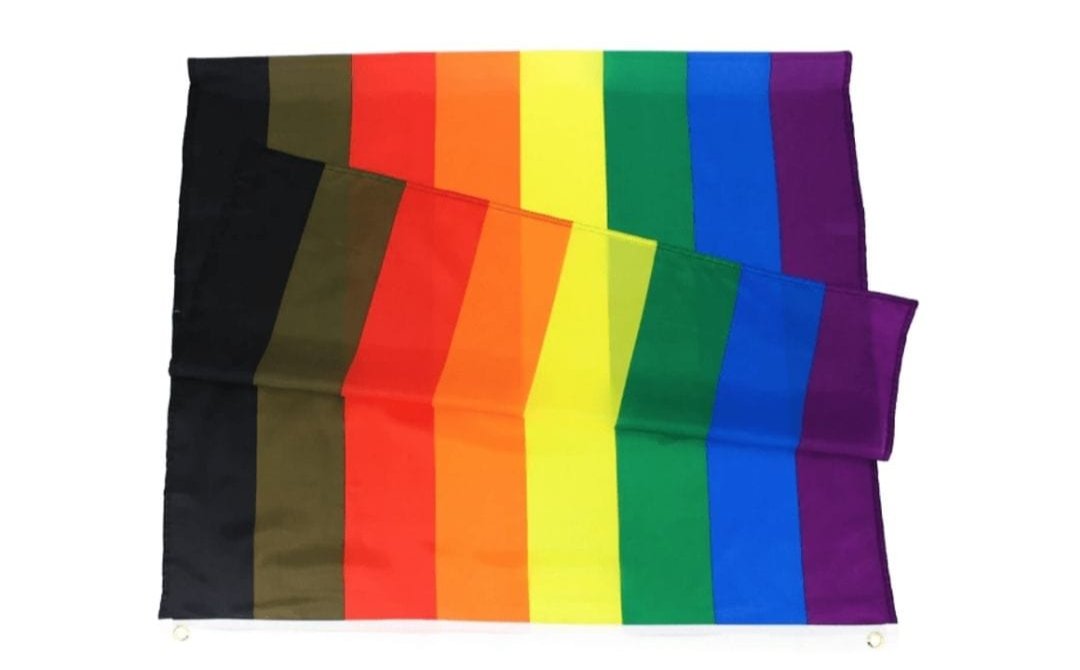
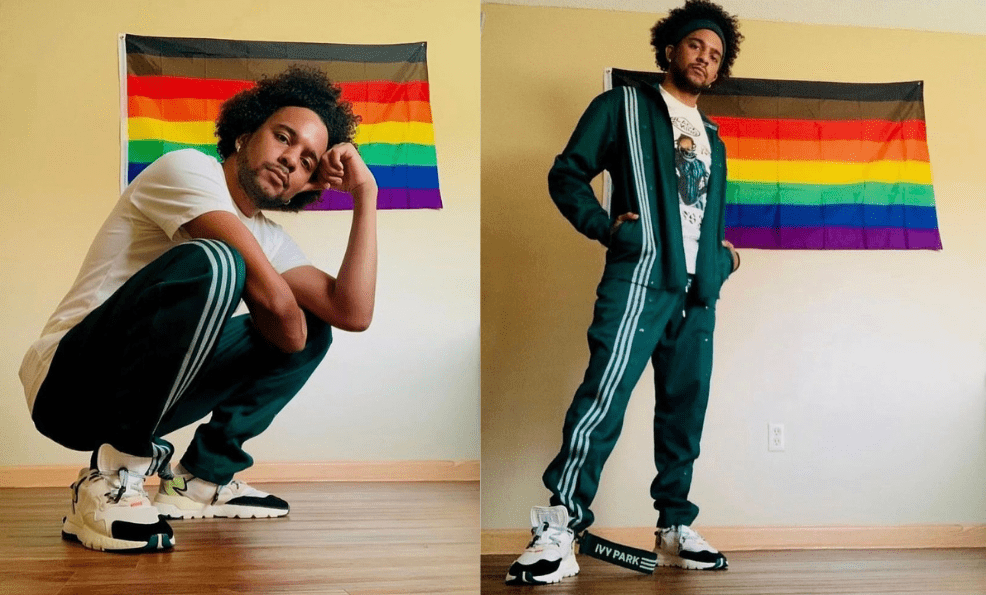
Most people display the pan flag at home, at pride events, or wherever naming their identity is safe and practical. The 3x5 foot Pansexual Pride Flag is the size that fits a bedroom wall, a window, or an outdoor bracket.
If a full flag is not the right format for your situation, a pin or piece of jewelry in the pan colors carries the same visibility at a smaller scale. All sales benefit LGBTQ+ charities.
For the flag covering adjacent identity territory, the non-binary pride flag article covers design history and color meaning in the same depth.
You can see every flag we carry if you are still working out which one is yours. The full guide to every Pride flag and its meaning covers all 33 designs in the collection.
Frequently asked questions
Who created the pansexual pride flag?
The pansexual pride flag was created in 2010 and appeared online around that time, where it spread through community adoption. The flag is commonly attributed to an anonymous creator posting under the name Jasper V., though the exact origin has not been formally verified. It gained wide recognition because it addressed a genuine representation gap for people whose attraction is not limited by gender.
What do the colors of the pansexual pride flag mean?
Pink represents attraction to women and femininity. Yellow represents attraction to non-binary people and genders outside the binary of male and female. Cyan represents attraction to men and masculinity. Together the three stripes name the defining feature of pansexual attraction: that it extends across all genders, not just two.
What is the difference between pansexual and bisexual?
Bisexual and pansexual both describe attraction to more than one gender, but the two identities are distinct. Bisexual attraction encompasses two or more genders; pansexual attraction is explicitly described as gender-blind, meaning gender is not a factor in the experience of attraction at all. Many people use both terms for themselves; others choose one precisely because the distinction matters to how they understand their own experience. The bisexual flag predates the pansexual flag by over a decade.
Is pansexual the same as omnisexual?
No. Pansexual attraction is described as gender-blind, meaning a person's gender is not a determining factor in the attraction. Omnisexual attraction encompasses all genders but does involve awareness of a partner's gender as part of the experience. The two identities are related but distinct, and each has its own community and flag.
What size pansexual pride flag should I buy?
A 3x5 foot flag is the standard size for flying outdoors or hanging on a wall indoors. A smaller hand flag or pin suits parades, events, or any situation where a full flag is not practical.
How do I display a pansexual pride flag?
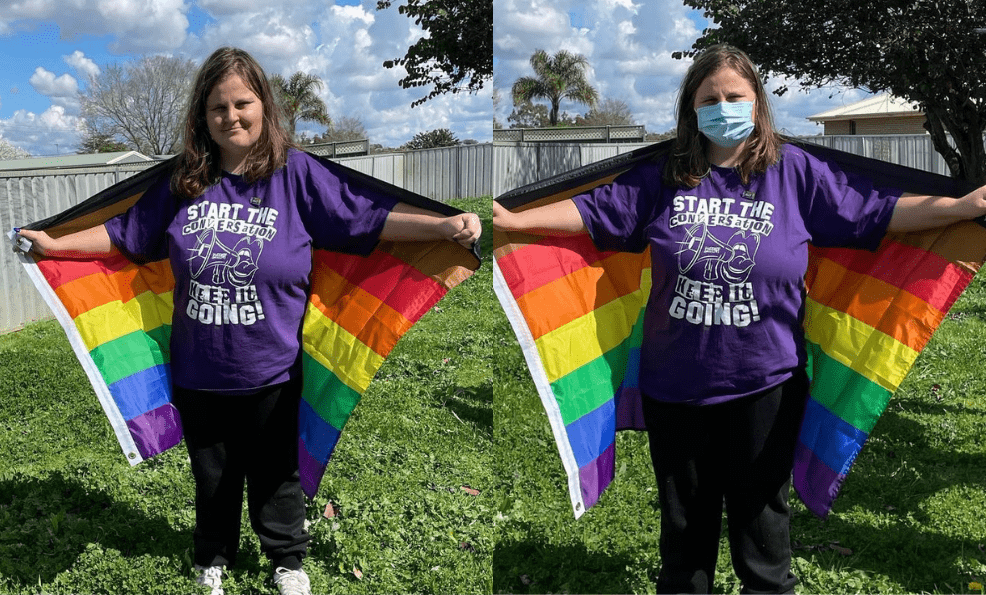
Most people wall-mount it indoors as a bedroom or window display, or fly it on a bracket outdoors. If a full flag is not safe or practical in your situation, a pin or piece of jewelry in the pan colors carries the same visibility at a smaller scale.
When is Pansexual and Panromantic Awareness and Visibility Day?
Pansexual and Panromantic Awareness and Visibility Day is observed on May 24 each year. It was established to increase visibility for pansexual and panromantic identities and to push back on the erasure of pan people in both mainstream and LGBTQ+ spaces.
Last updated: September 30, 2026