
Spirit Day is observed on the third Thursday of October. People wear purple as a visible sign of support for LGBTQ+ youth who face bullying. It was started in 2010 by Canadian teenager Brittany McMillan and is promoted annually by GLAAD. In 2026 it falls on October 16.
| Date | Third Thursday in October (Oct 16, 2026) |
| Founded | 2010, by Brittany McMillan |
| Color | Purple |
| Promoted by | GLAAD |
| Month | National Bullying Prevention Month |
Why does Spirit Day exist?
In 2010, a series of widely reported suicides of gay young people drew national attention to the specific bullying that LGBTQ+ youth face. Tyler Clementi, an 18-year-old Rutgers University student, was among those who died that year after being outed and humiliated by a roommate.
Brittany McMillan, a Canadian teenager who was following these stories, created Spirit Day as a response. The idea was simple: wear purple, be visible, make it harder for a young person to believe they are alone. GLAAD began promoting it and has run the campaign since.
What made the observance stick was not the color, it was the scale. Celebrities, politicians, companies, and media outlets taking the campaign further each year. By the time it became a Thursday-in-October fixture it had moved from a Tumblr post to a recognized annual campaign documented in Spirit Day's full history.
How bad is the bullying problem for LGBTQ+ youth?
The research is not subtle. According to the Trevor Project's 2025 National Survey, 48% of LGBTQ+ young people ages 13-17 reported being bullied in person within the past year. That is not a niche finding buried in a subgroup. It is close to half of all LGBTQ+ teenagers.
The outcome data is worse. According to the same survey, LGBTQ+ youth who experienced bullying reported more than three times the rate of attempting suicide in the past year compared to those who were not bullied, 16% versus 5%. That gap is not a coincidence. It is the specific consequence of a specific environment.
"Telling my trans teenager to hide their true self at school for their personal safety. Our family supports them but the majority of our small town in a red state does not."
That is from one of the 484 people who responded to our post-purchase survey. The parent is doing everything right inside the house. The environment outside it is the variable they cannot control.
The research also shows the environment is movable. LGBTQ+ young people who live in very accepting communities attempted suicide at less than one-third the rate of those in very unaccepting communities. Purple on a lapel is not a policy change. But visible support from the adults around a young person is a measurable protective factor, and Spirit Day is one concentrated moment to add it.
Who is Spirit Day actually for?
Both LGBTQ+ young people and the adults around them.
For LGBTQ+ youth the purpose is direct: a visible reminder on a specific day that people see them, that the bullying they are experiencing is not a private matter, and that there are adults willing to say so publicly.
For everyone else it is a legible, low-barrier entry point. Wearing purple does not require expertise or an explanation. It is the kind of visible support that a parent, a teacher, or a coach can offer without navigating a harder conversation first. That matters because many of the people who most need to signal their support are the ones who are still figuring out how.
From our own survey data, approximately 23% of Pride Palace customers identify as allies rather than LGBTQ+ themselves. The most common motivation among them is supporting a family member, often a child or sibling, who came out. Those are the people Spirit Day is also asking to show up. One of them wrote:
"I have many friends and coworkers throughout my life who identify in the LGBTQ+ community and have always supported them. But when my then 12 year old, now 15, came out as bi/lesbian to us I knew I needed to have a louder ally voice. I'm still learning all the time the best way to be an ally."
Learning takes time. Spirit Day does not require you to be finished learning. It requires you to be visible today.
What does wearing purple actually do?
The immediate thing: it is a signal to any LGBTQ+ young person in your environment that you are not neutral, and that you know what the day is. For a kid who has been wondering whether the adults around them are safe to talk to, that is not a small thing.
The structural thing is slower. Workplaces and schools that visibly observe Spirit Day are more likely to have the conversations and policies that make a difference year-round. The day is a visible threshold. Organizations that cannot clear it rarely have the harder infrastructure in place either.
The Trevor Project's data identifies a few specific things that reliably reduce risk for LGBTQ+ youth: LGBTQ+-affirming spaces, access to people who accept their identities, and adults who advocate for them. Spirit Day is not a substitute for any of those. But it is a legible signal about which category you are in.
How to mark it this year
The simplest thing is the thing: wear purple on October 16.
Beyond that:
- Post about it. A social post naming Spirit Day and why it matters to you reaches people in your network who may not have heard of it.
- If you are a teacher, coach, or employer, ask whether your institution has visible LGBTQ+-inclusive policies in place, not just a wearing-purple acknowledgment.
- The Trevor Project runs free, confidential, 24/7 support for LGBTQ+ young people. Sharing that number is something you can do any day, including October 16.
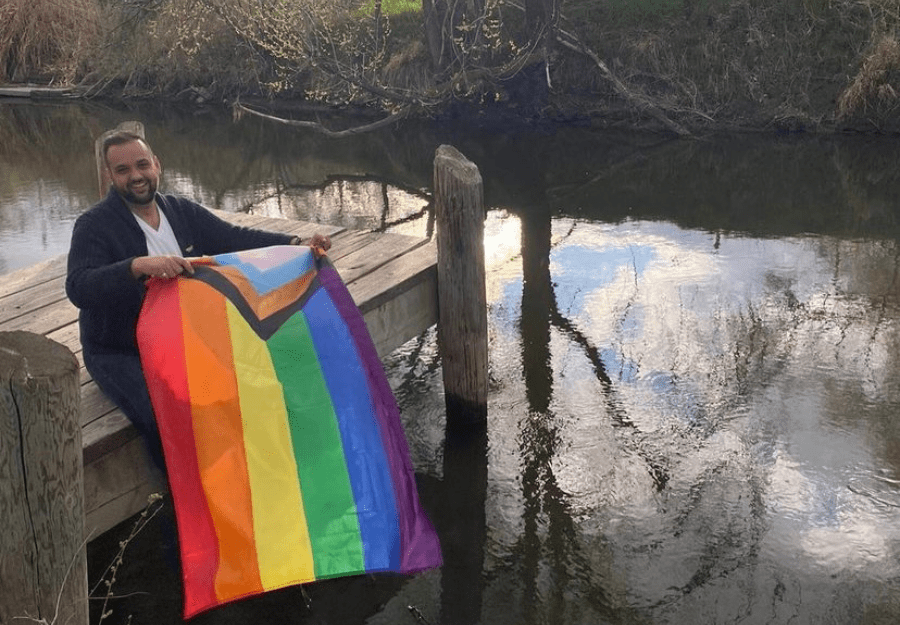
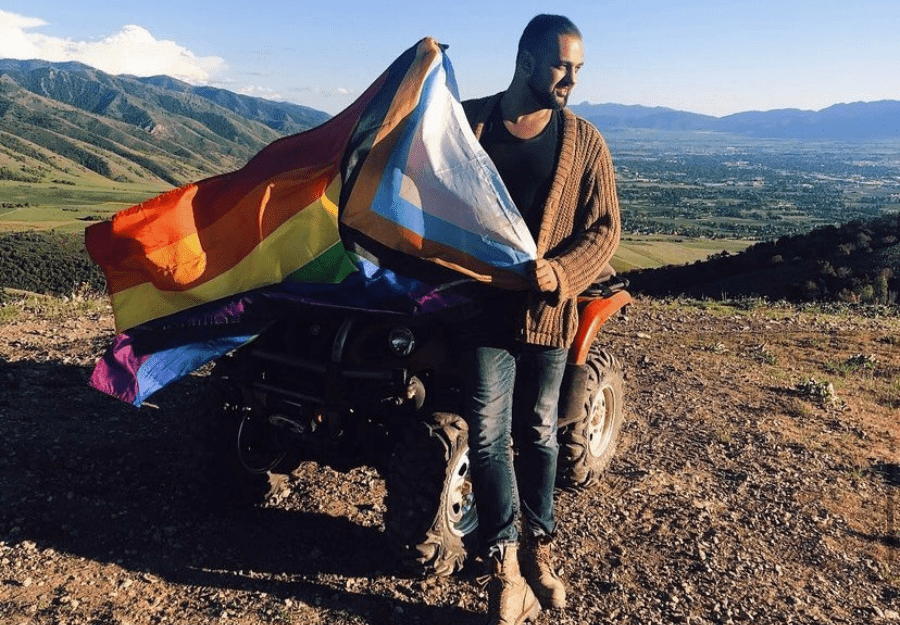
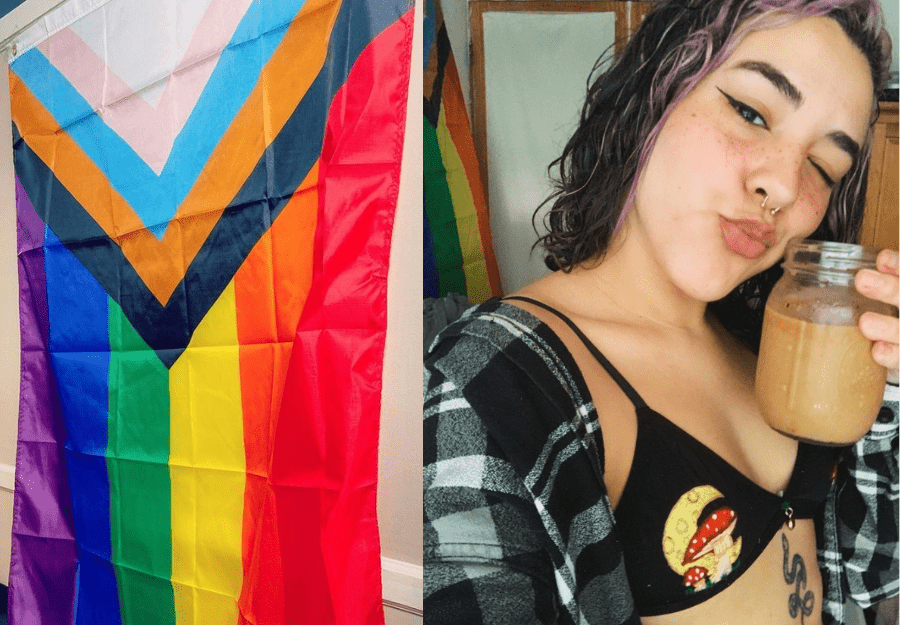
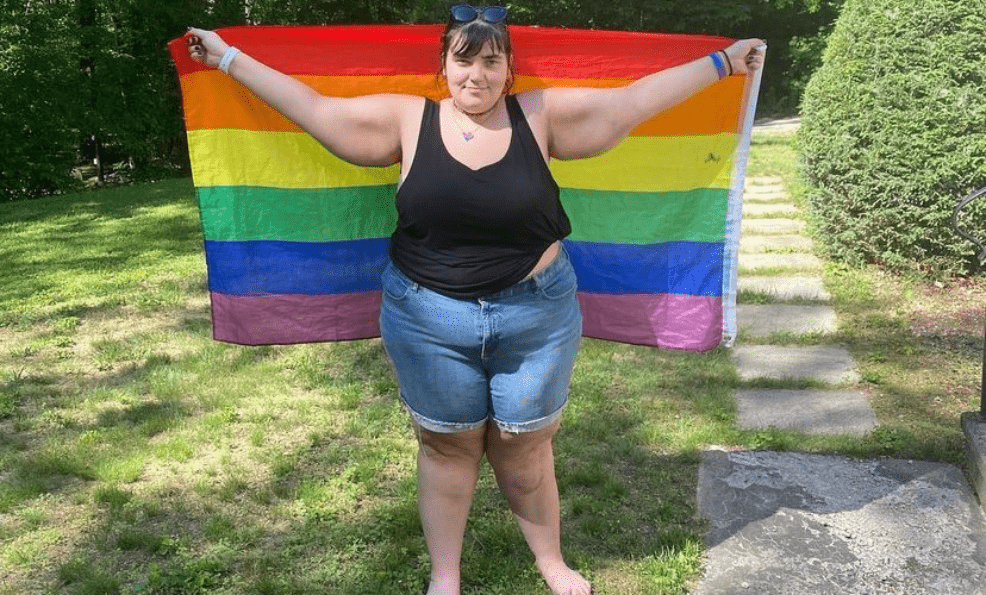
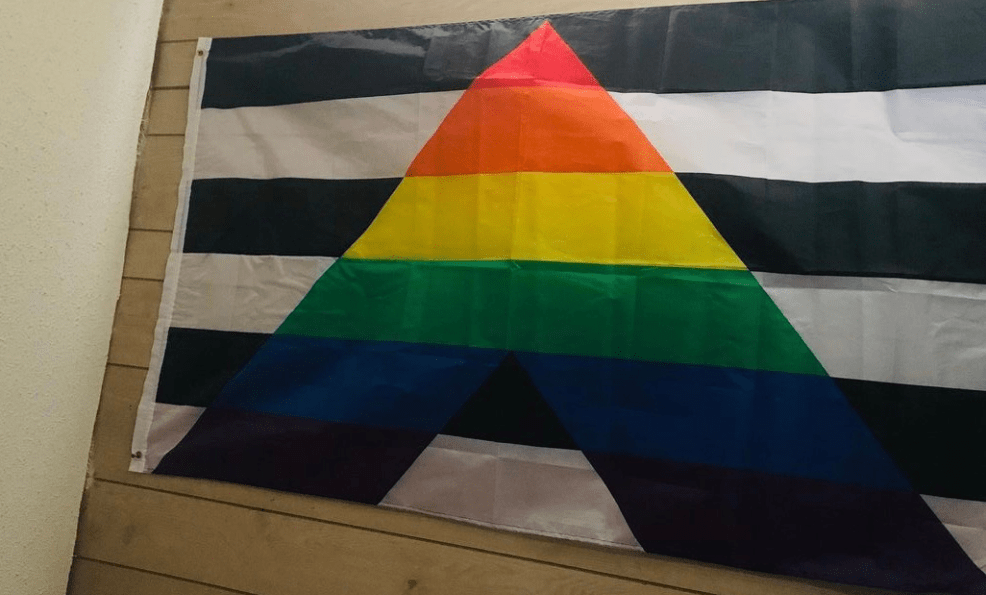
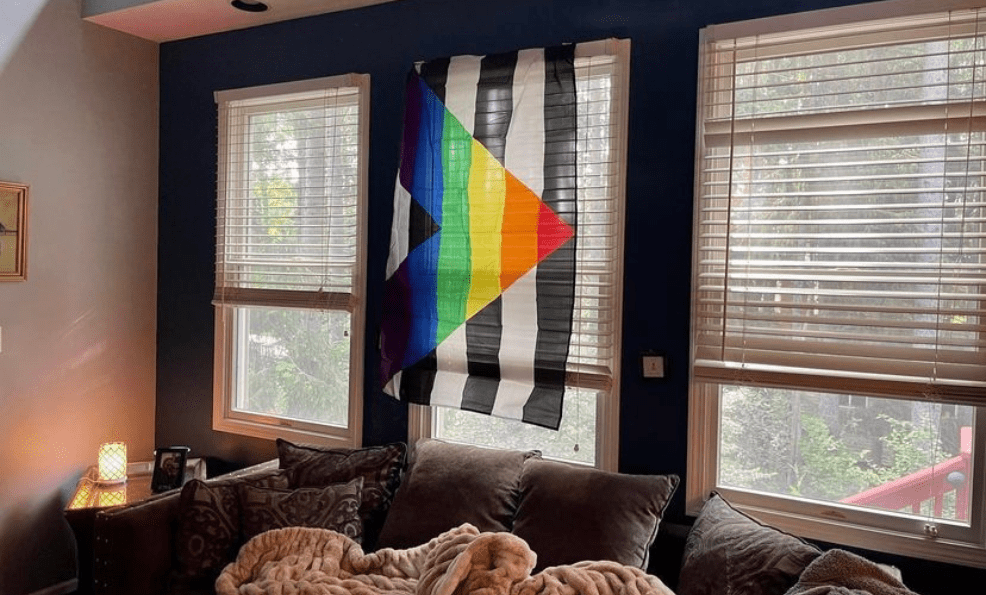
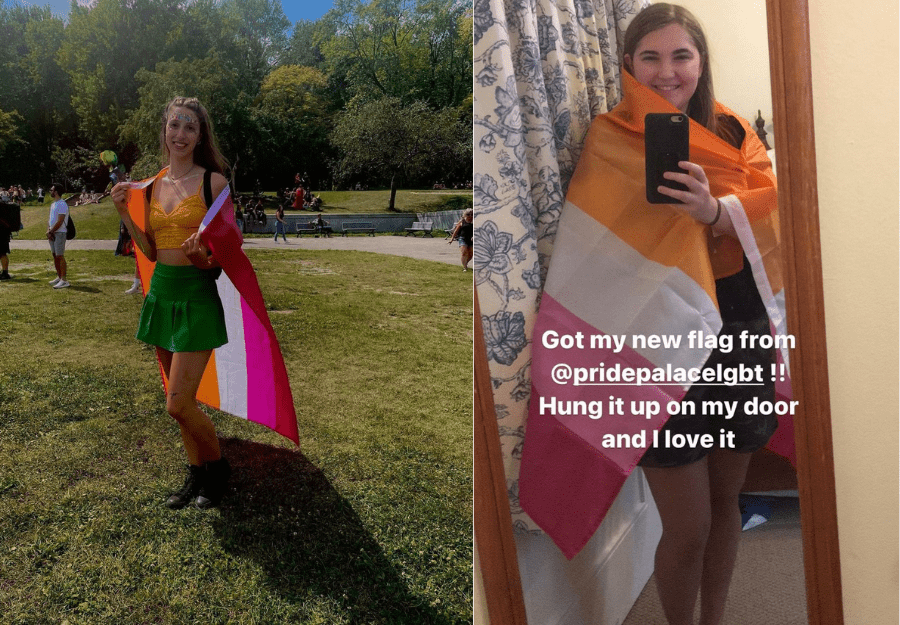
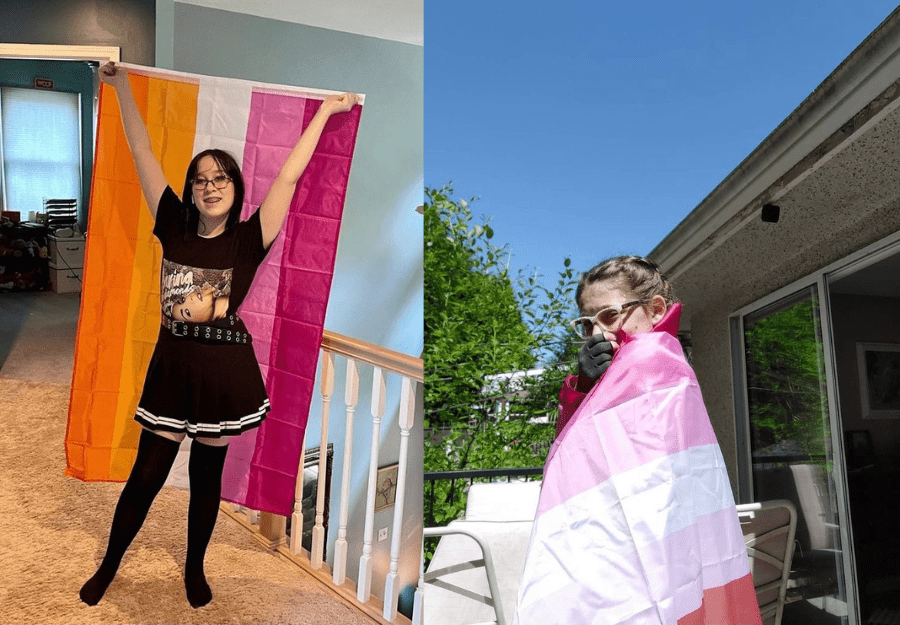
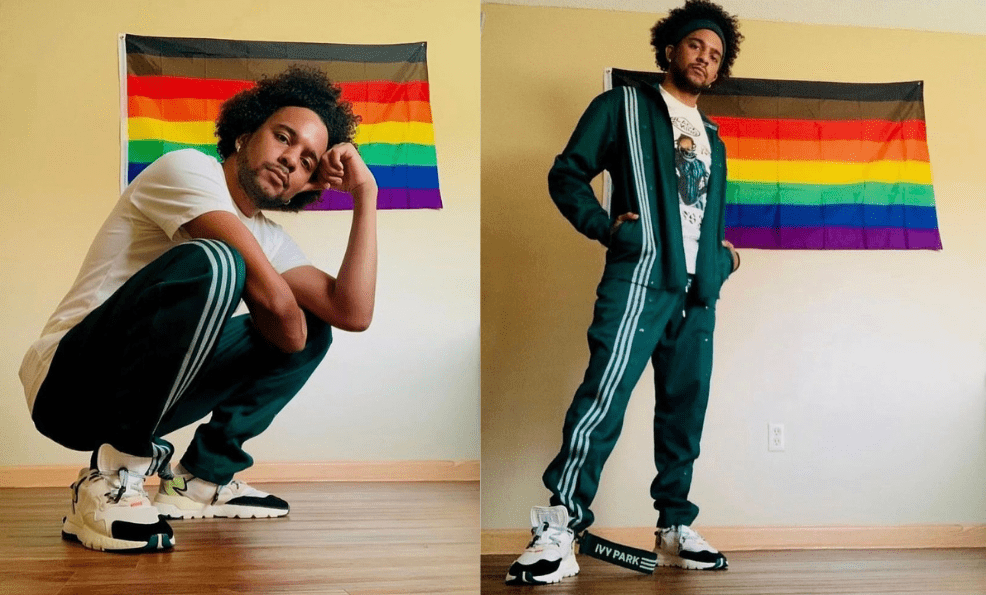
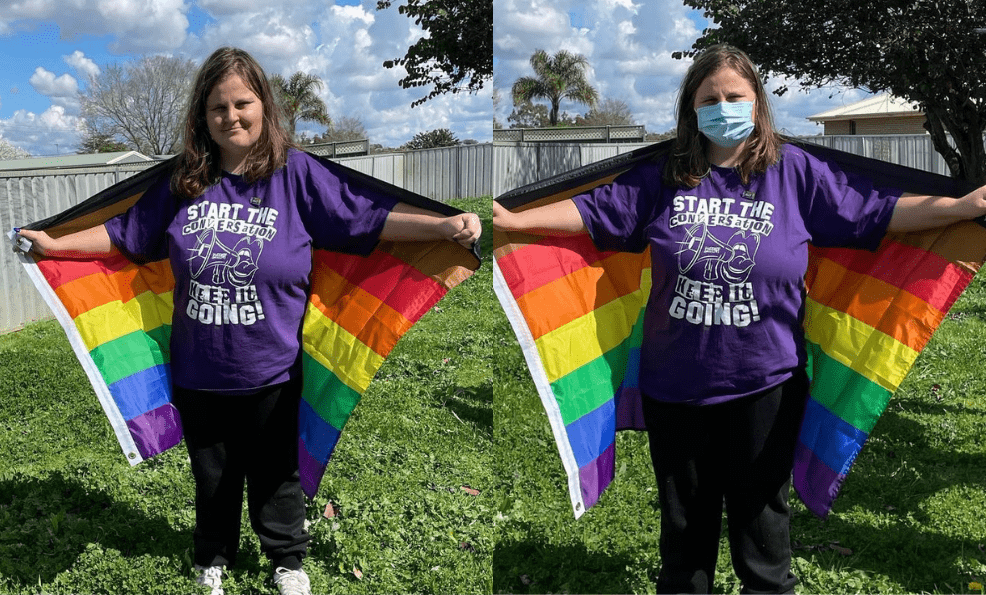
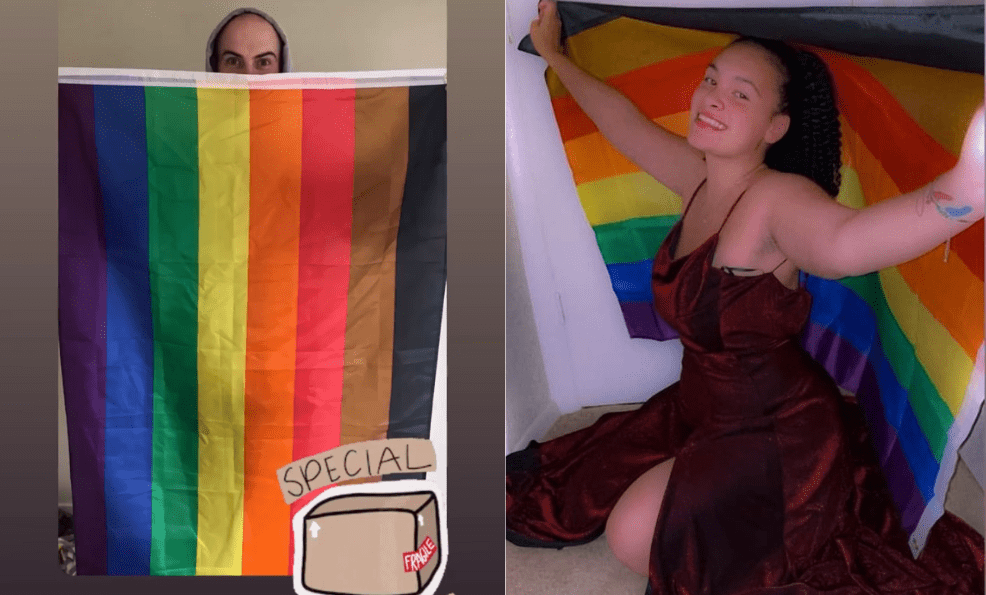
Visibility is the mechanism. Flags on walls, purple in classrooms, an adult who said the thing out loud -- all of it is the same argument: you are not alone, and we are not going anywhere.
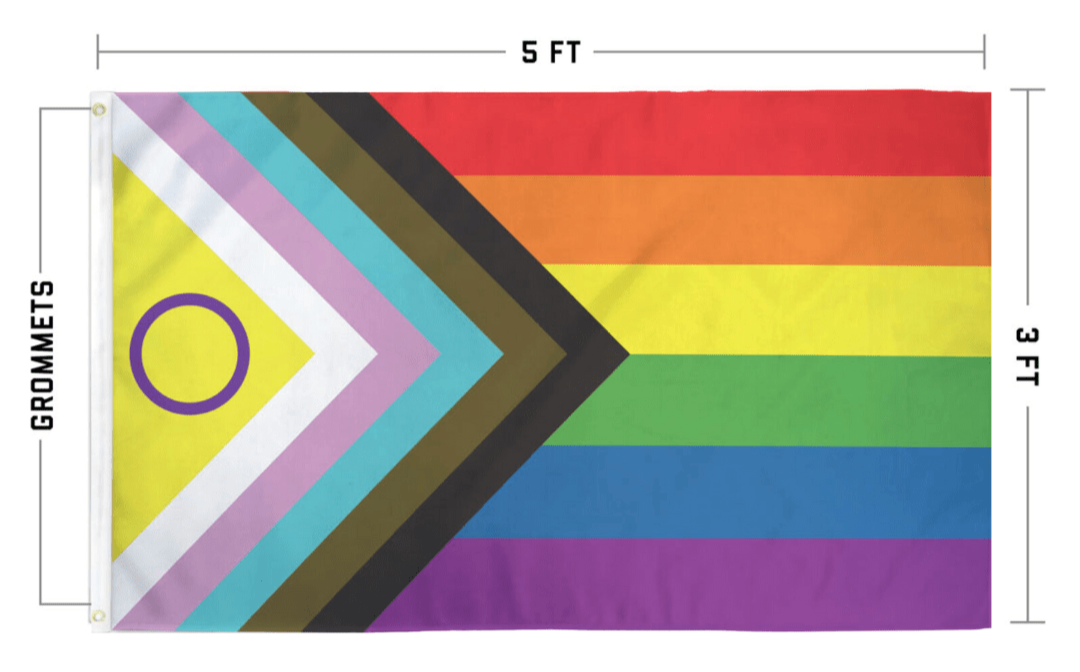
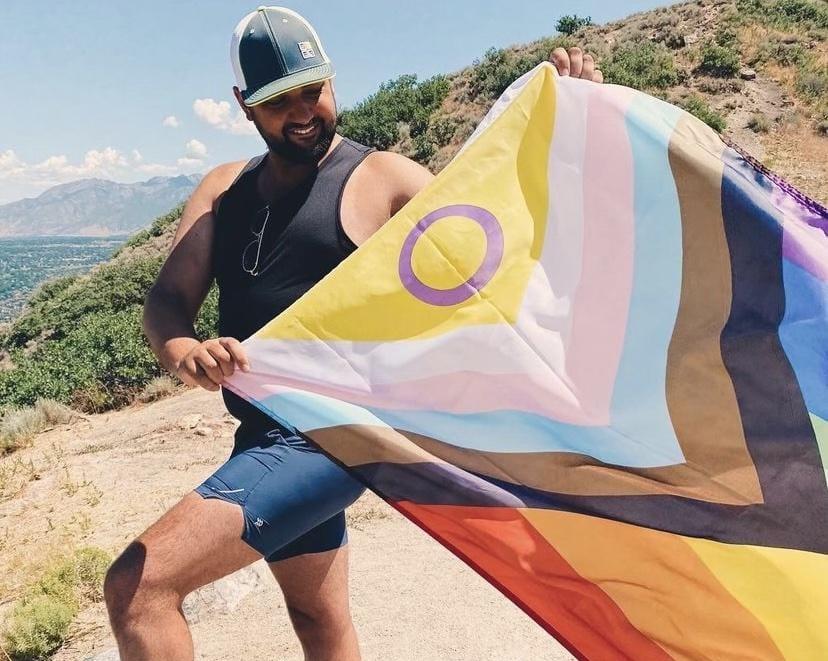
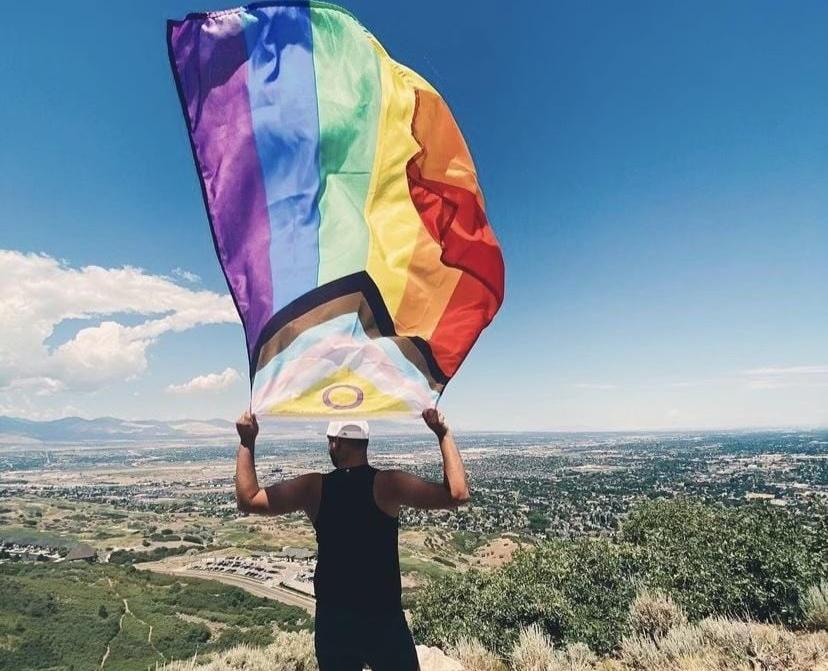
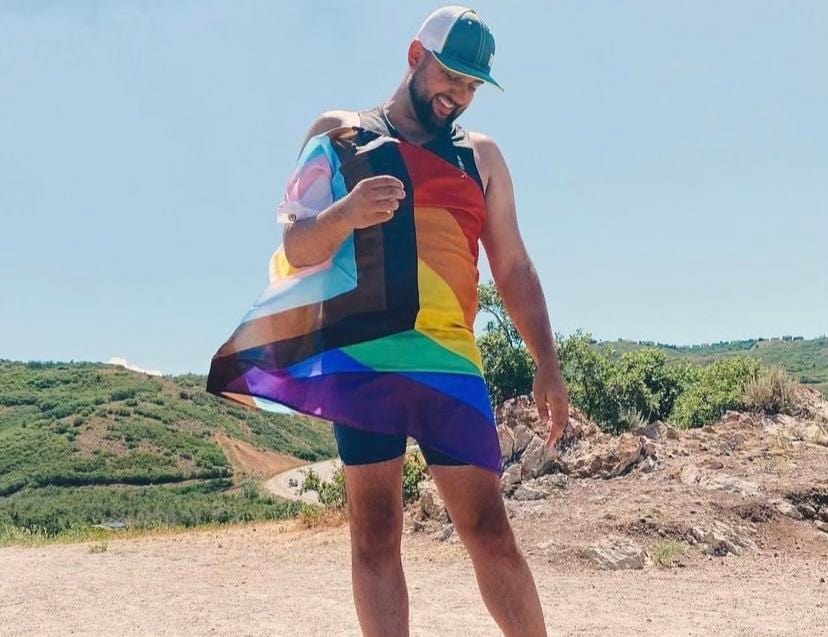
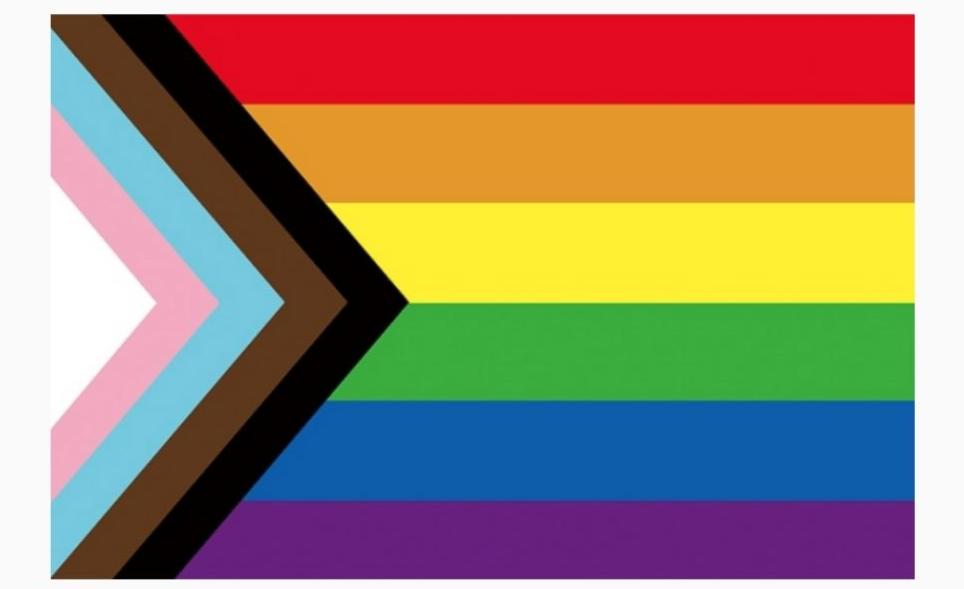
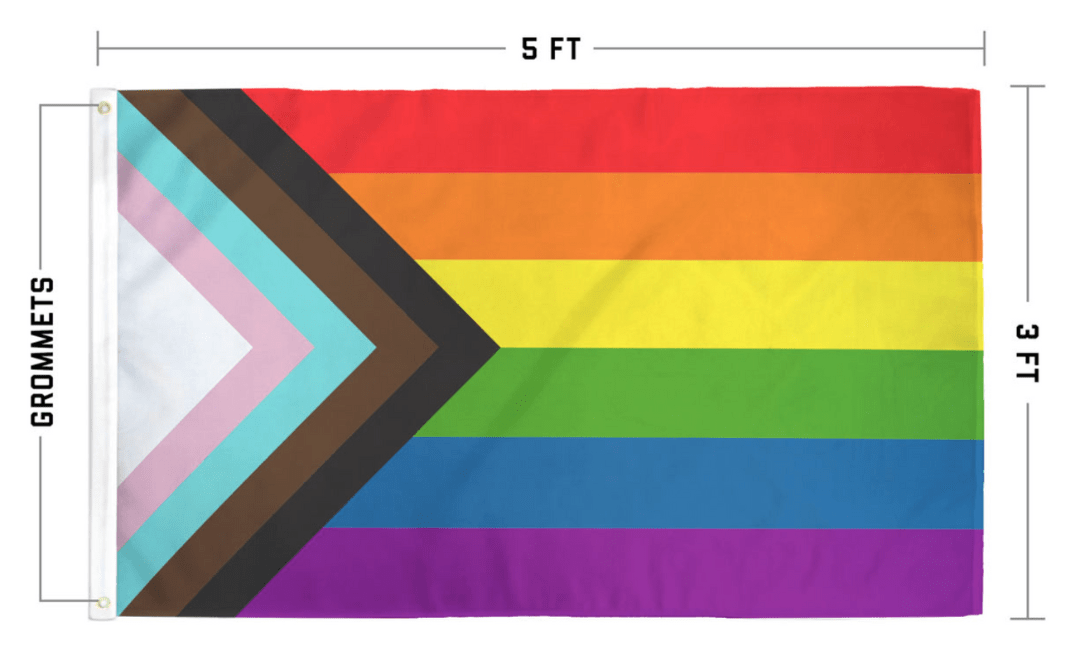
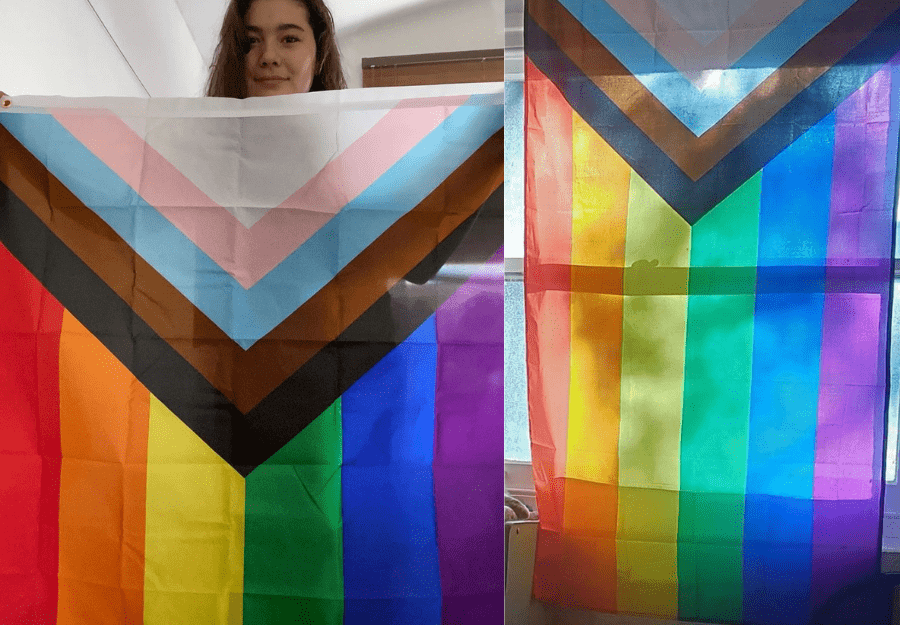
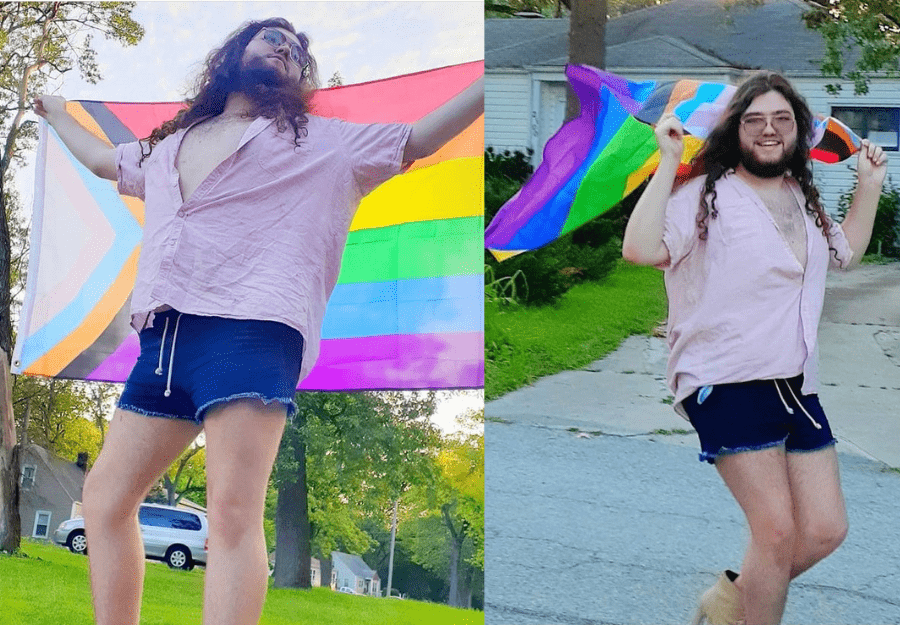
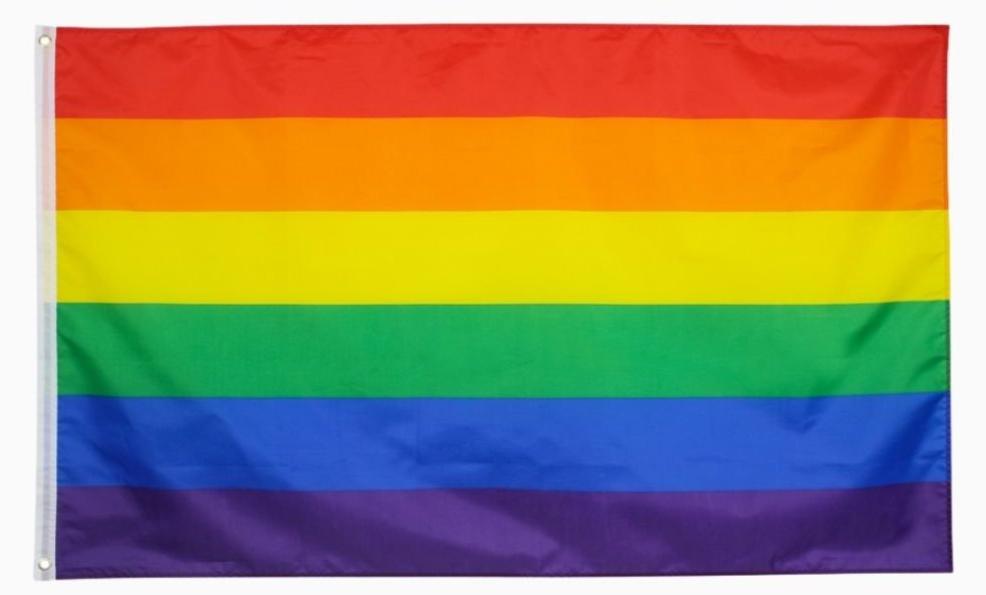
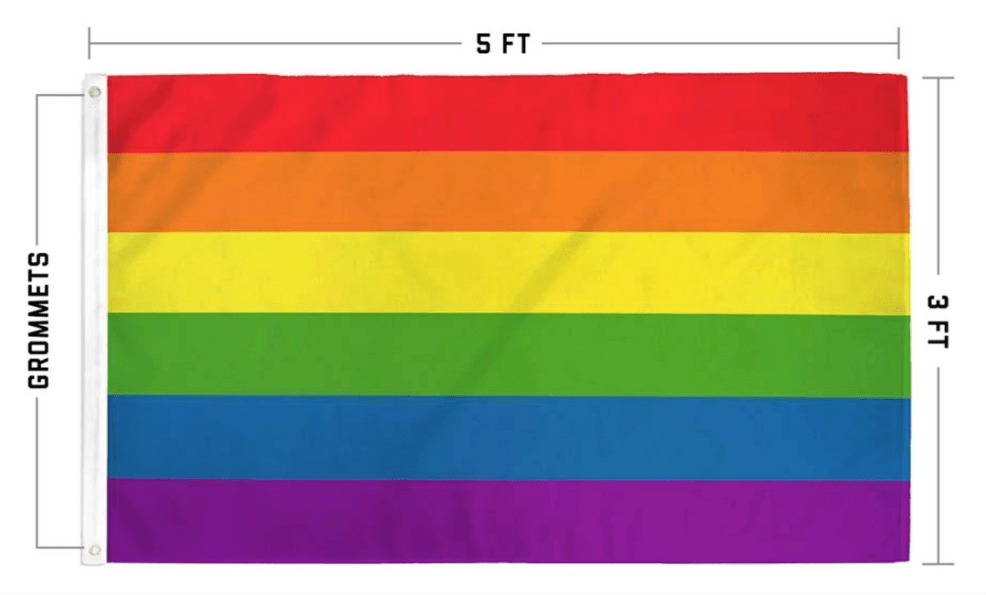
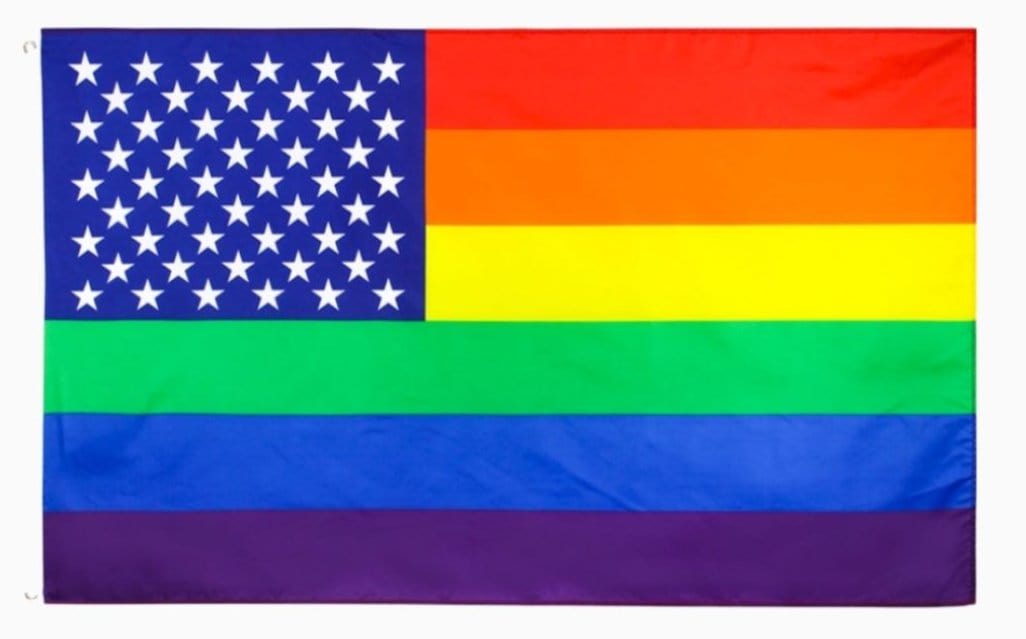
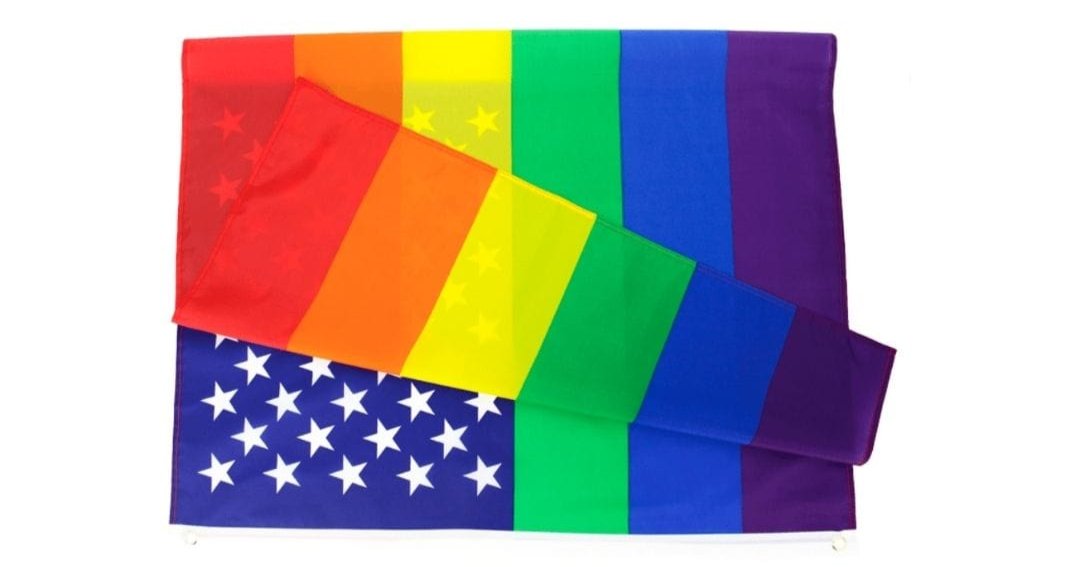
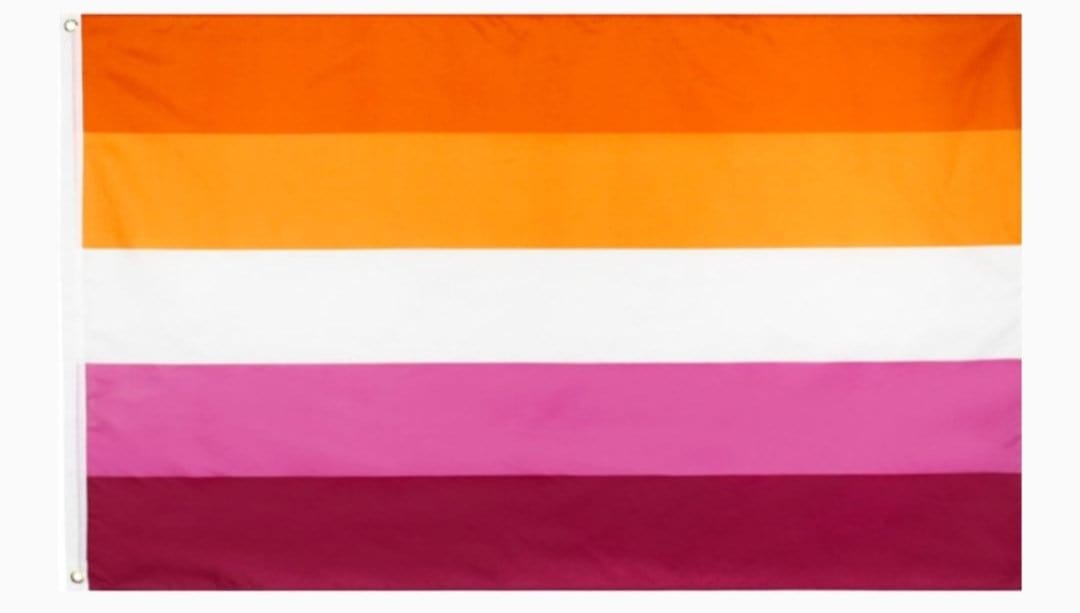
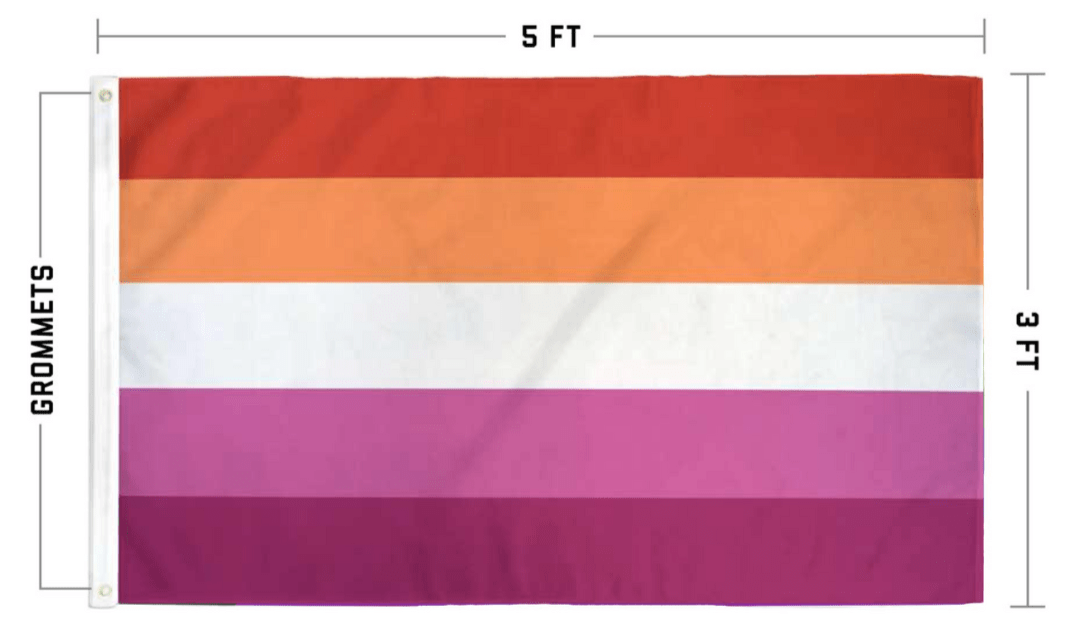
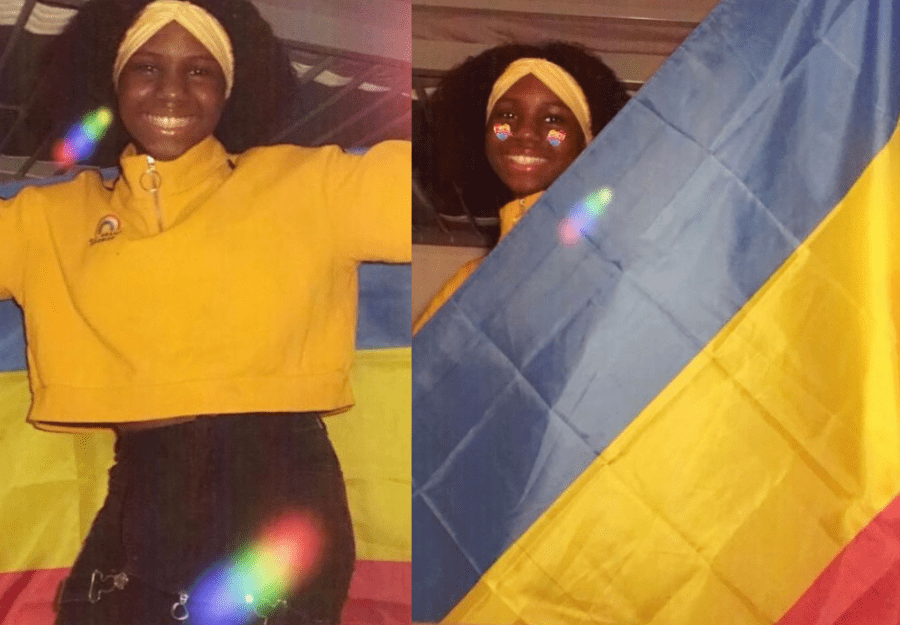
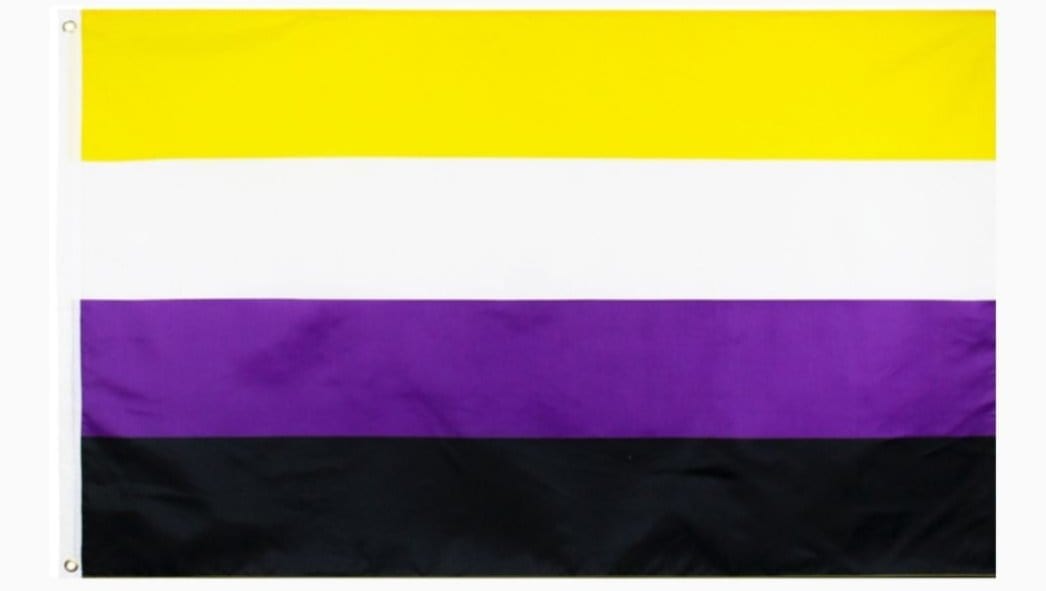
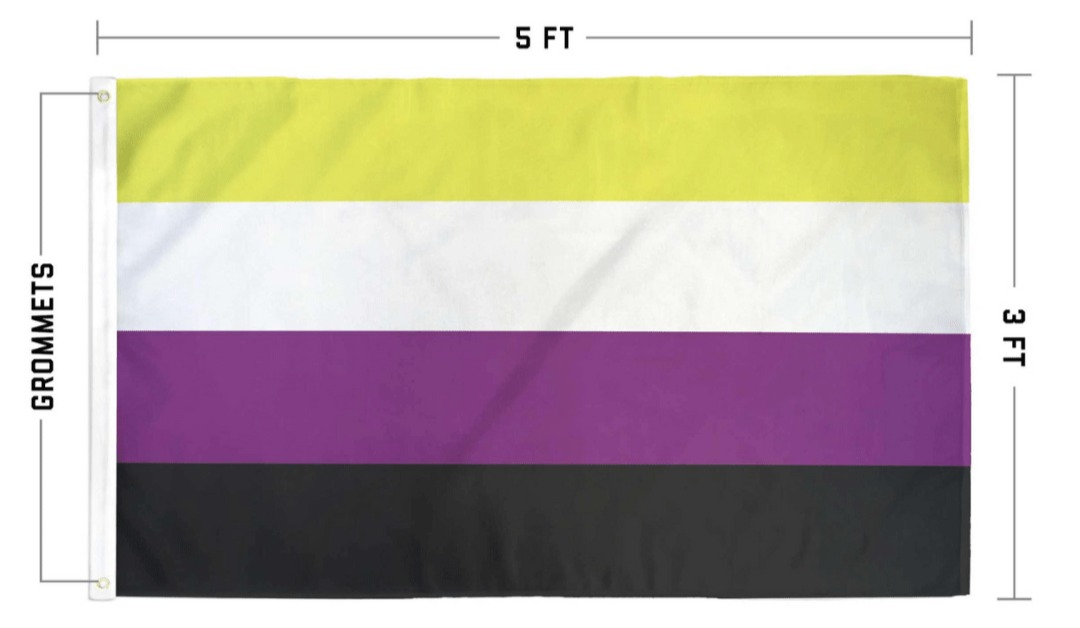
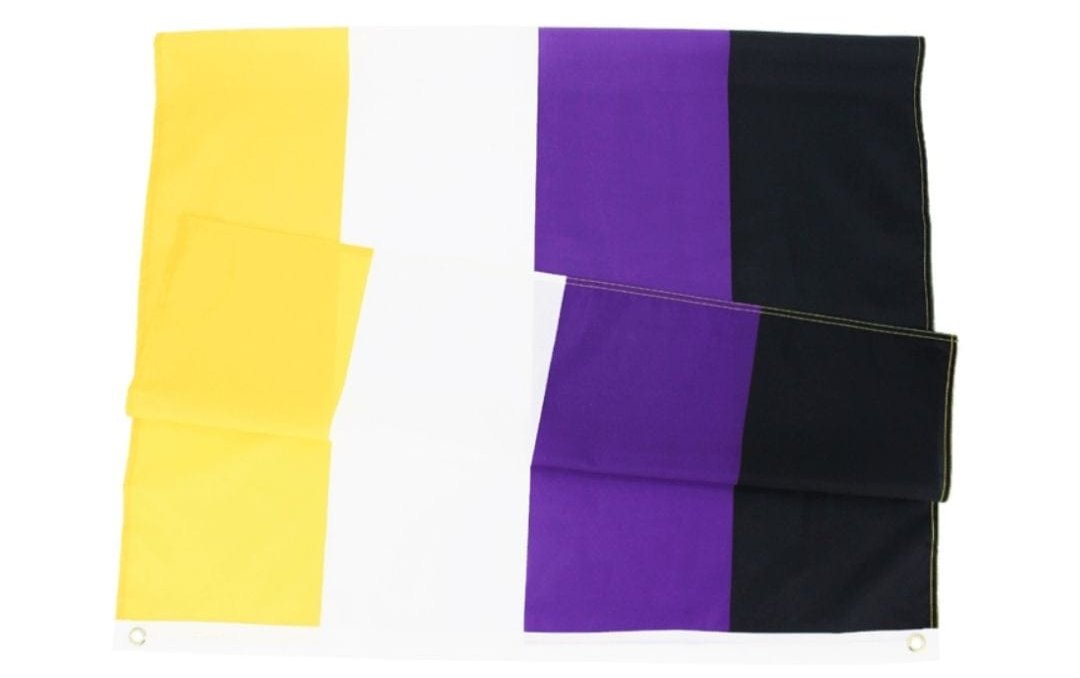
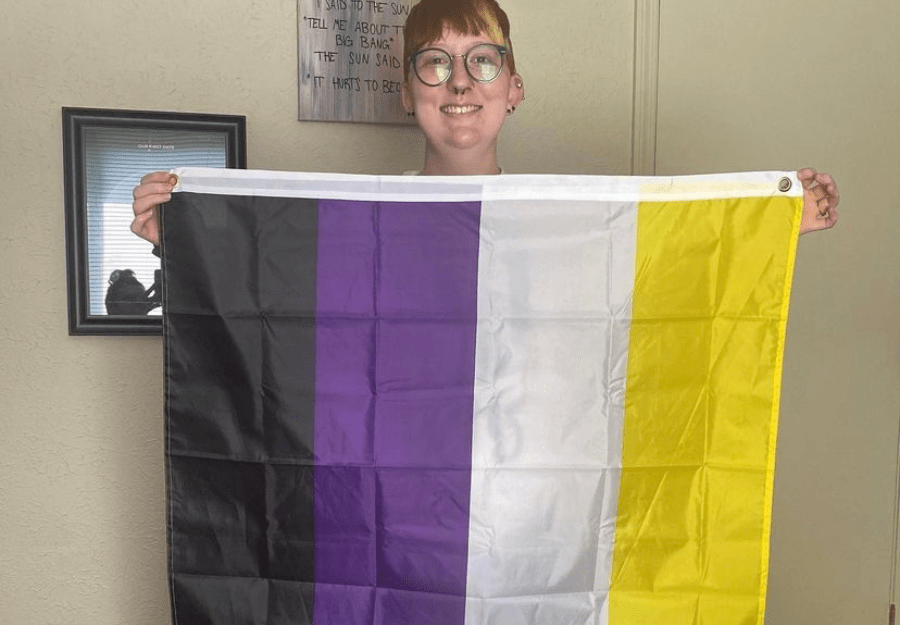
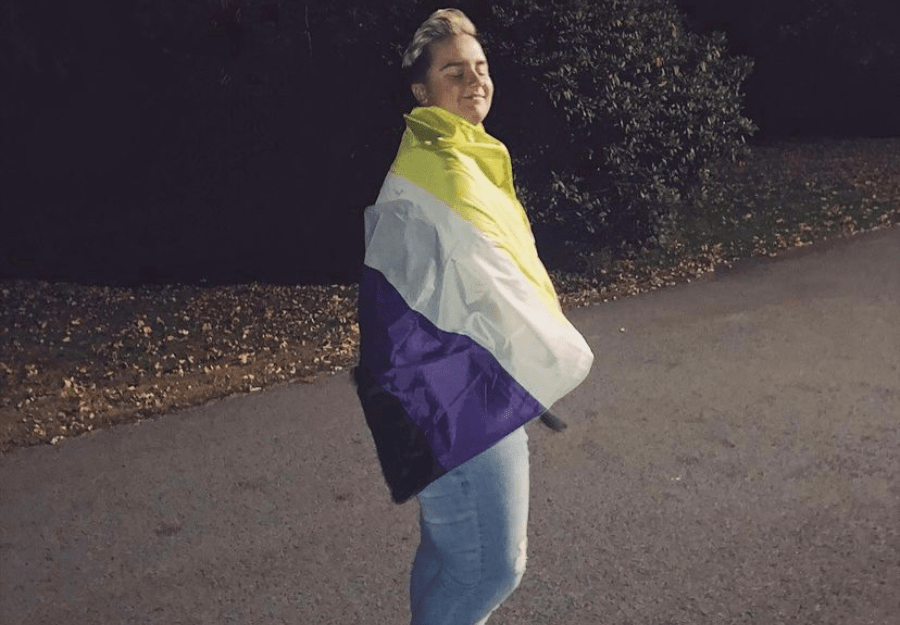
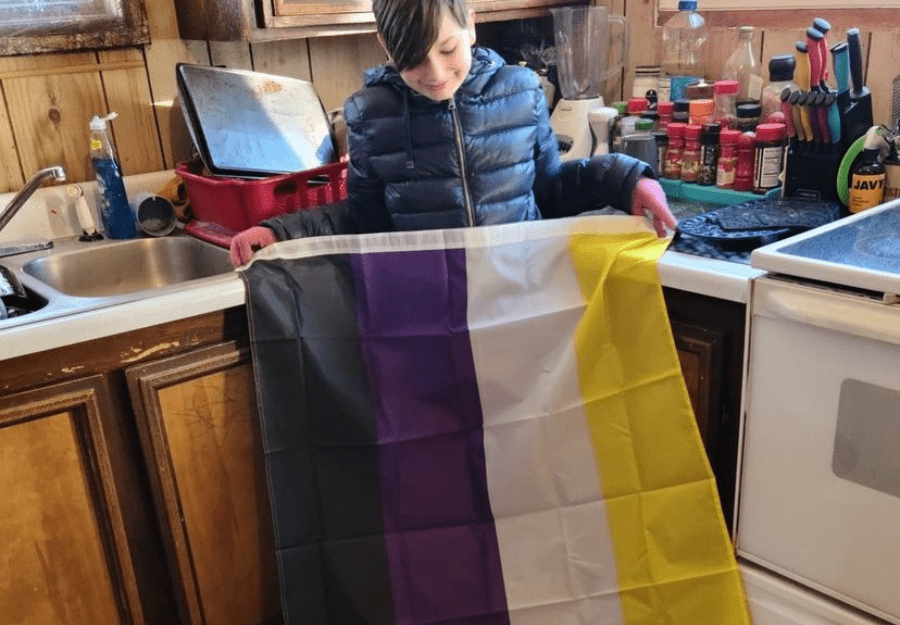
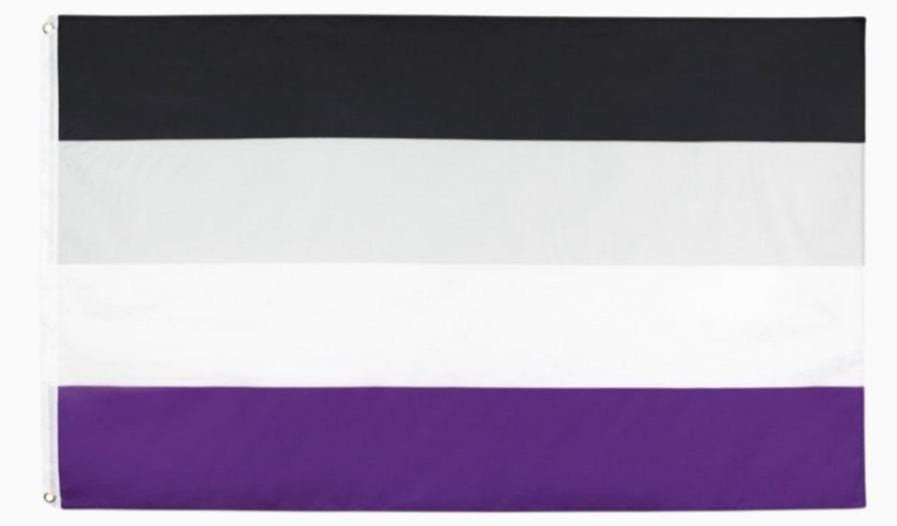
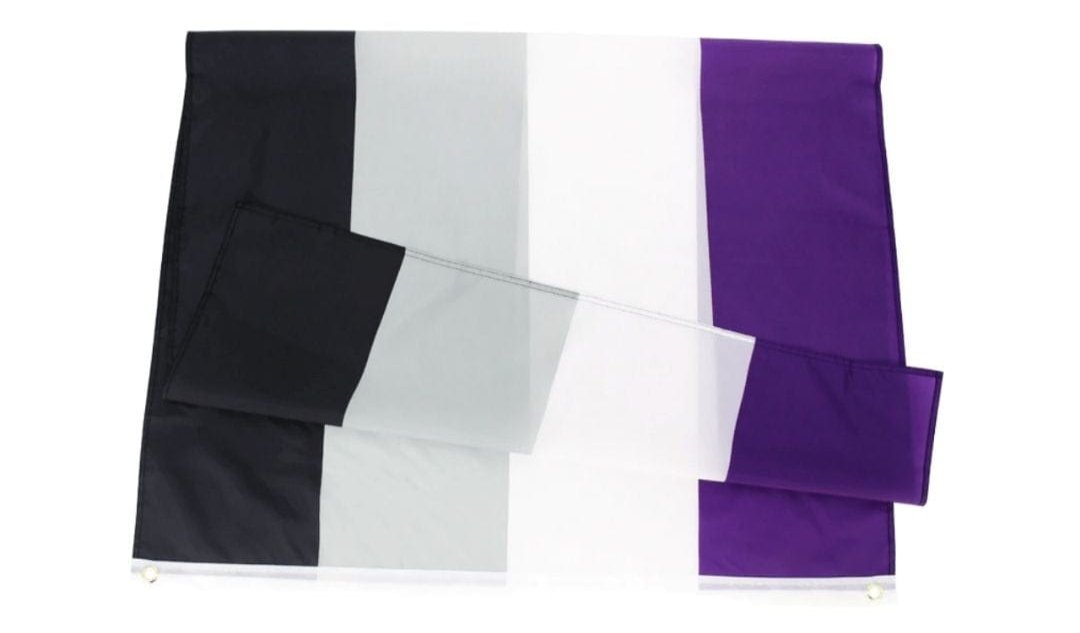
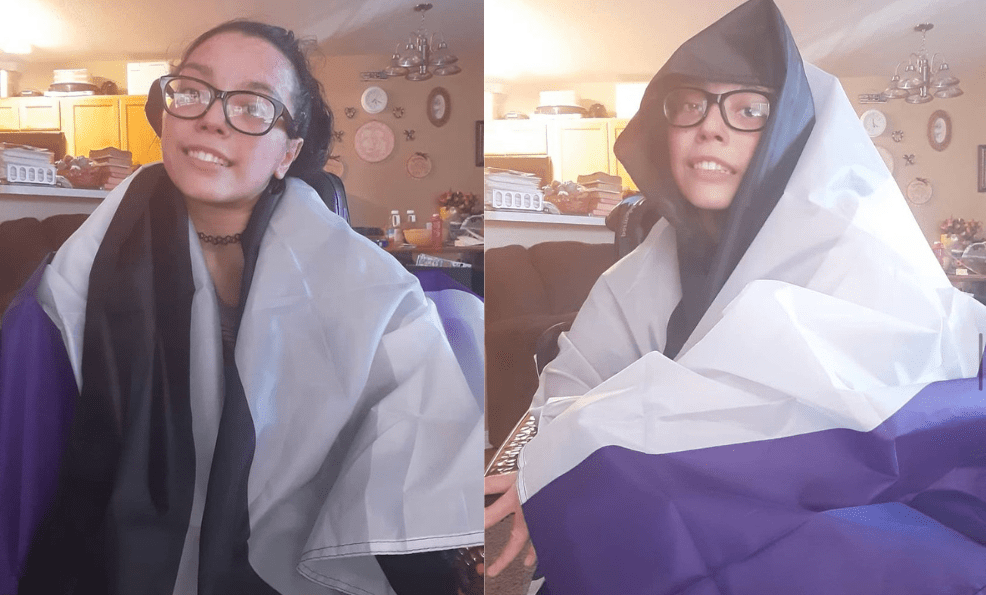
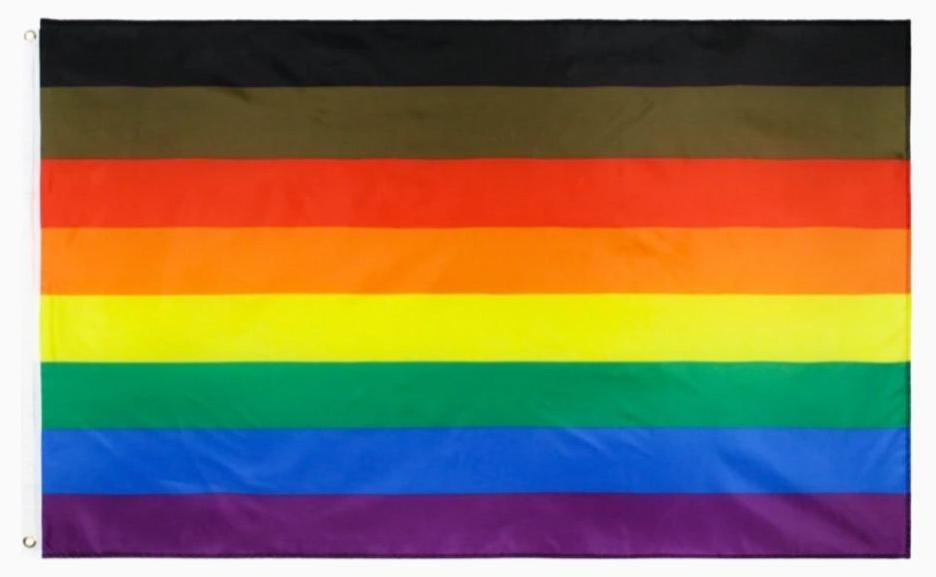
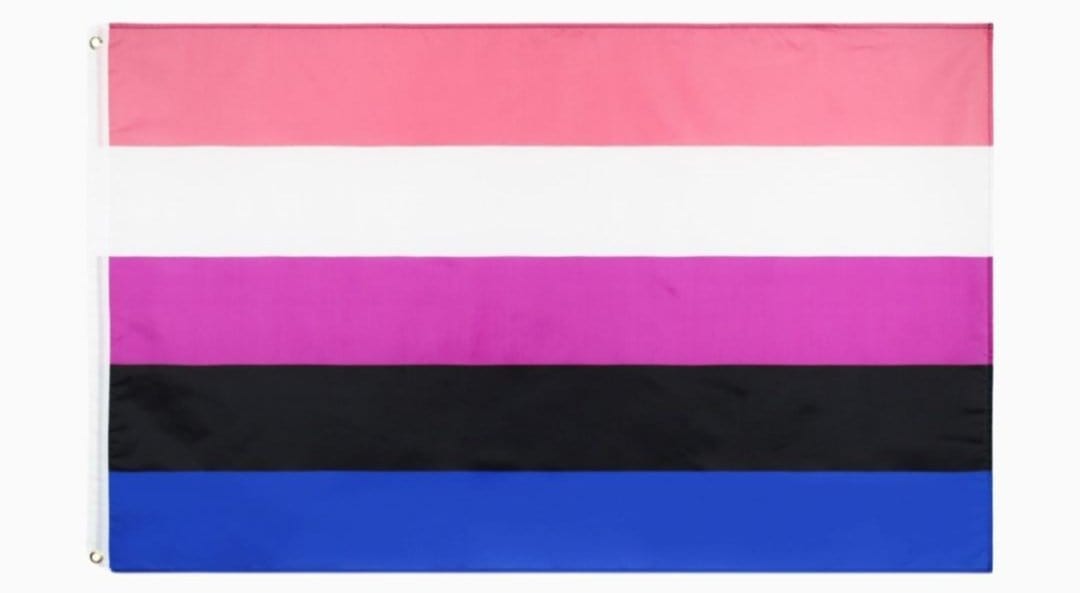
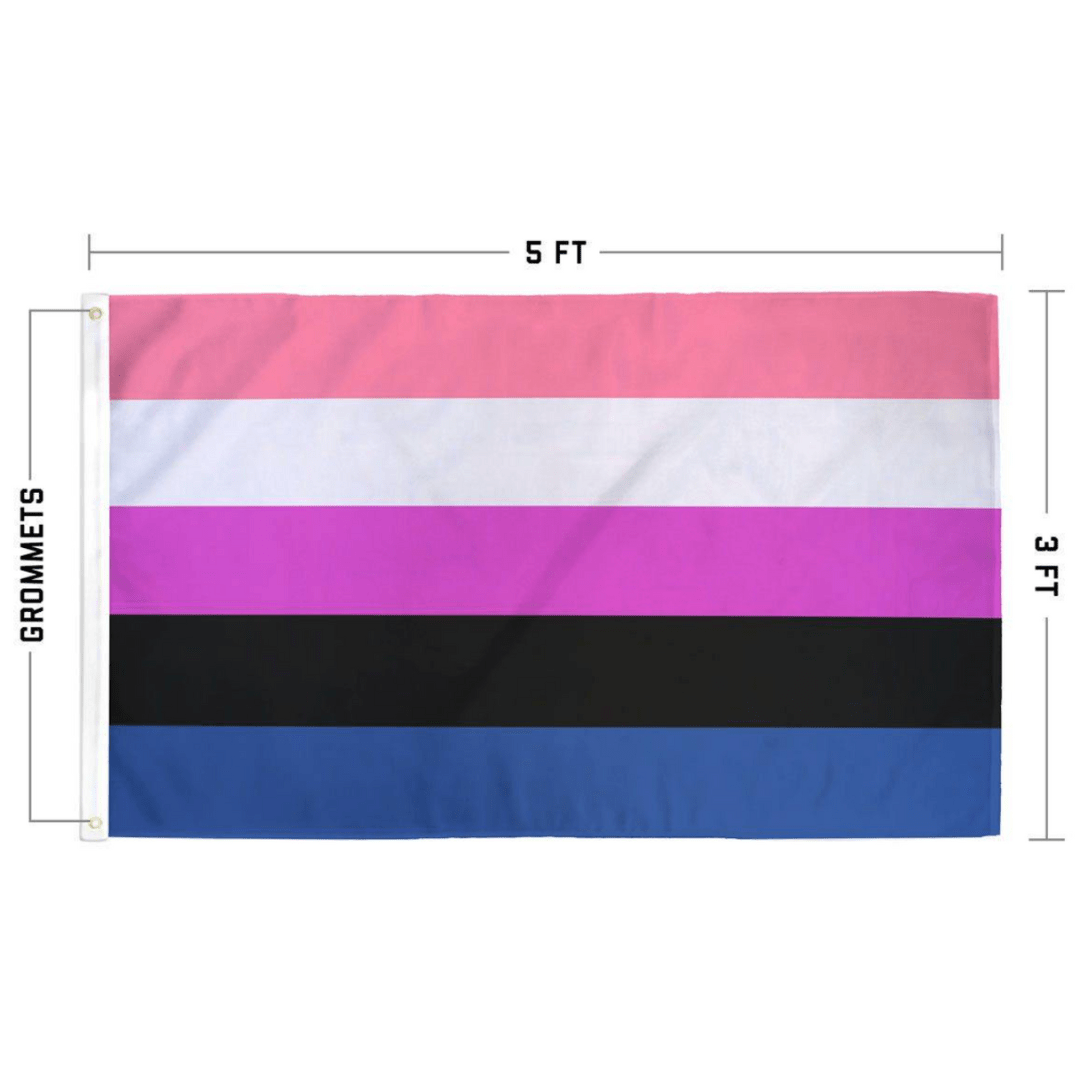
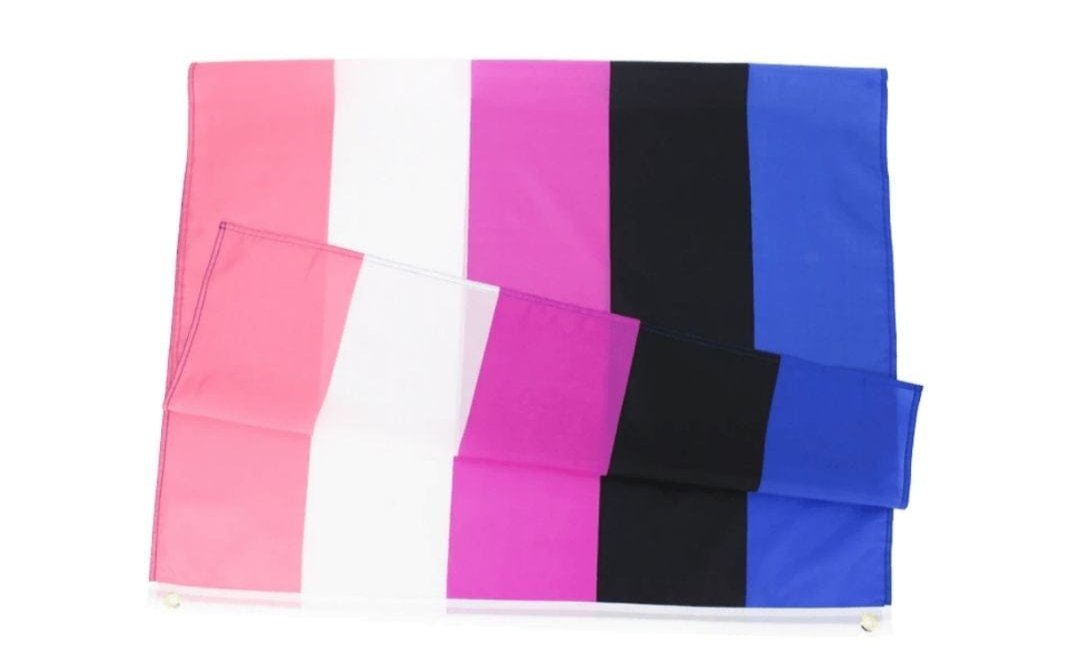
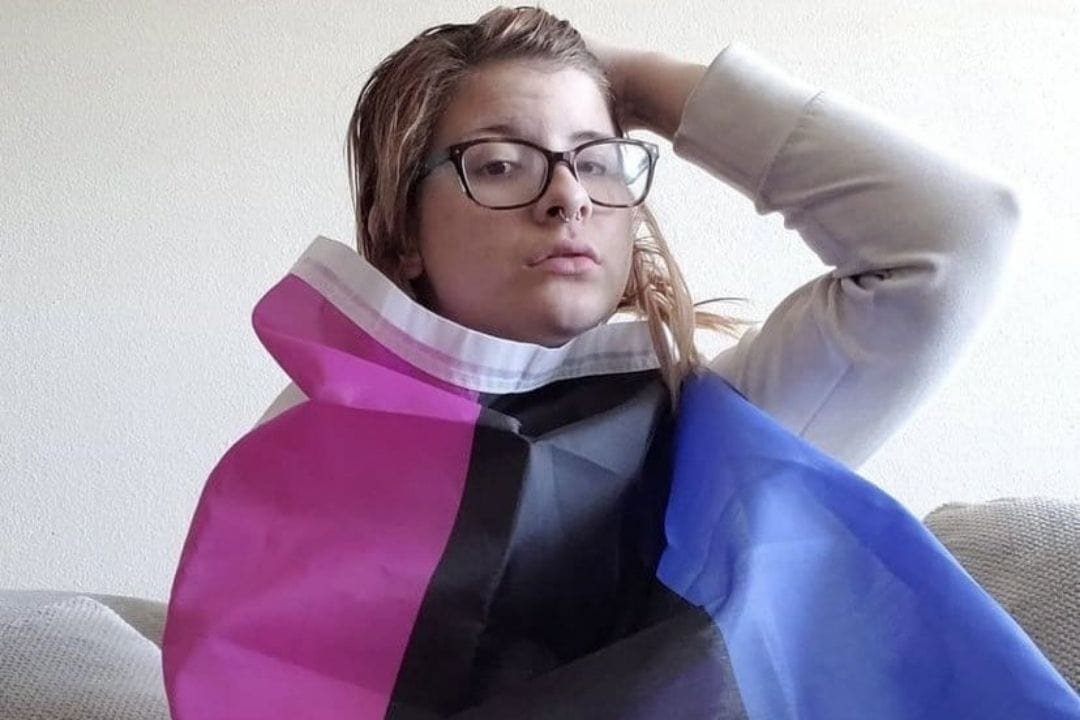
Every Pride flag we carry is in the shop. The full guide to every flag and its meaning is at the flag guide. For Spirit Day specifically, the non-binary flag carries purple as its primary color -- which is not a coincidence, since both the observance and the flag are doing the same work. All sales benefit LGBTQ+ charities.
If you want more context on what the day before Spirit Day can look like, the National Coming Out Day guide covers the visibility question from a different angle.
Frequently asked questions
When is Spirit Day?
Spirit Day is observed on the third Thursday of October each year. In 2026 that falls on October 16. The date shifts by a day or two each year because it is tied to the weekday, not a fixed calendar date.
Why do people wear purple on Spirit Day?
Purple is the color associated with Spirit Day as a visible sign of support for LGBTQ+ youth who face bullying. It is also a nod to the "spirit" stripe on the original rainbow Pride flag, which represented the human spirit. Wearing it publicly signals that you stand with LGBTQ+ young people.
Who started Spirit Day?
Spirit Day was started in 2010 by Brittany McMillan, a Canadian teenager. She created it in response to a series of widely reported suicides of gay young people that year, including Tyler Clementi's death. GLAAD began promoting it and has led the campaign since.
What does GLAAD have to do with Spirit Day?
GLAAD became the organizational home of Spirit Day after Brittany McMillan created it in 2010. GLAAD runs the annual campaign, works with media and entertainment partners to amplify it, and maintains the Spirit Day website and resources.
Do you have to be LGBTQ+ to participate?
No. Spirit Day is explicitly designed for both LGBTQ+ people and their allies. Wearing purple is one of the most visible and accessible things a family member, teacher, or friend can do to show LGBTQ+ young people they are not alone.
Is Spirit Day the same as Purple Day?
No. Purple Day is observed on March 26 and is focused on epilepsy awareness. Spirit Day is the LGBTQ+ anti-bullying observance on the third Thursday of October. Both happen to use the color purple but they are unrelated observances.
What is the connection between Spirit Day and National Bullying Prevention Month?
Spirit Day falls during October, which is National Bullying Prevention Month in the United States. The timing is intentional. Spirit Day adds a specific LGBTQ+ lens to a month already focused on the broader problem of bullying.
How can I observe Spirit Day at work or school?
Wear purple. Post about it. If you are in a position to do so, check whether your workplace or school has visible policies protecting LGBTQ+ students and employees, not just a dress code for one day. The Trevor Project has resources for how adults can make a lasting difference beyond the observance itself.
Last updated: September 22, 2026