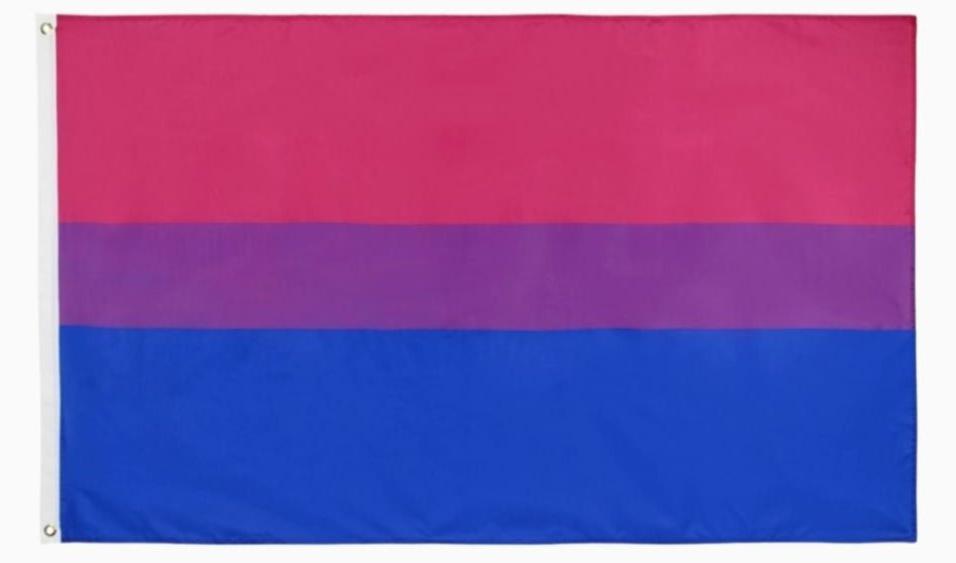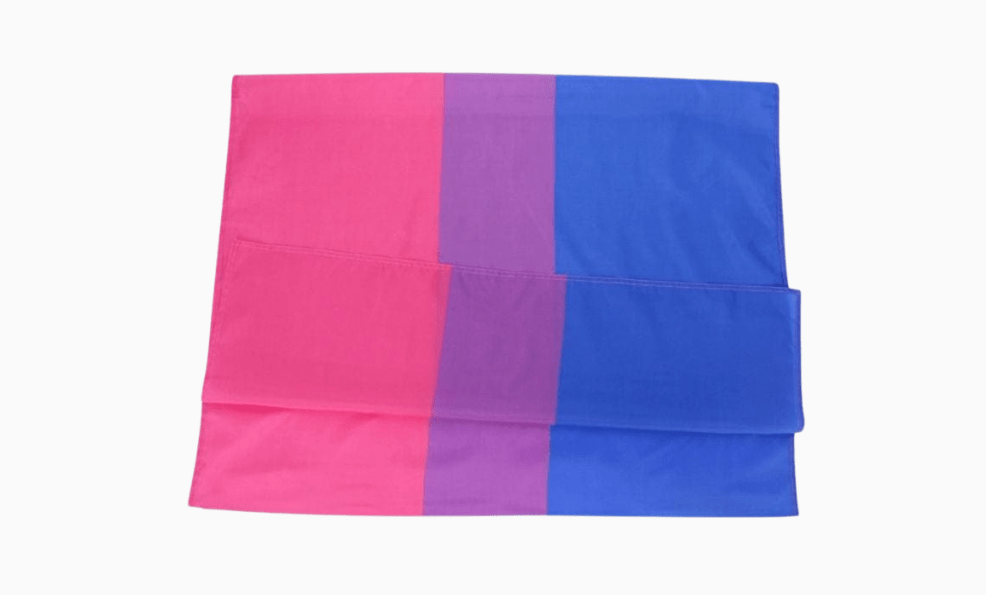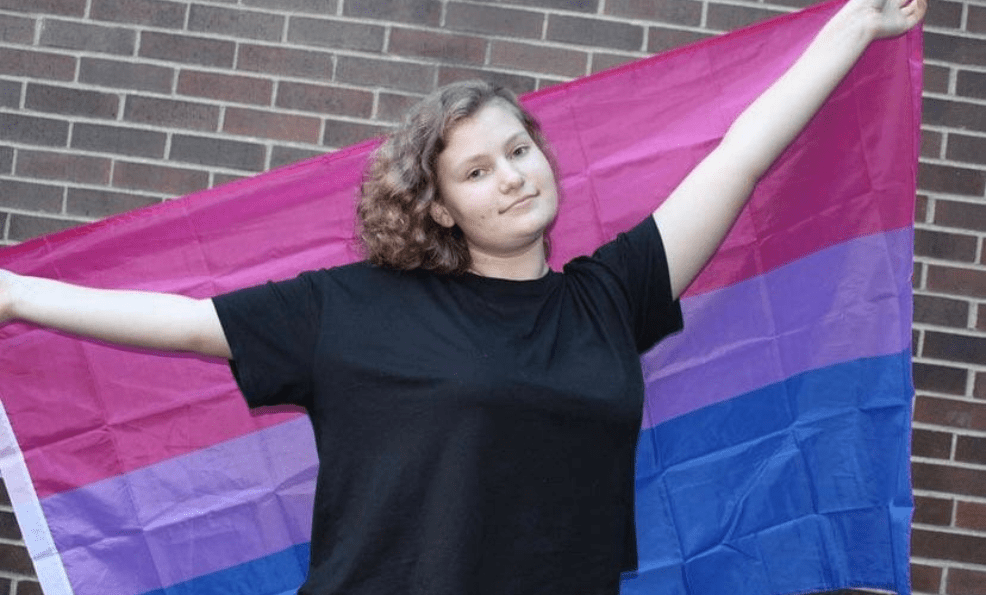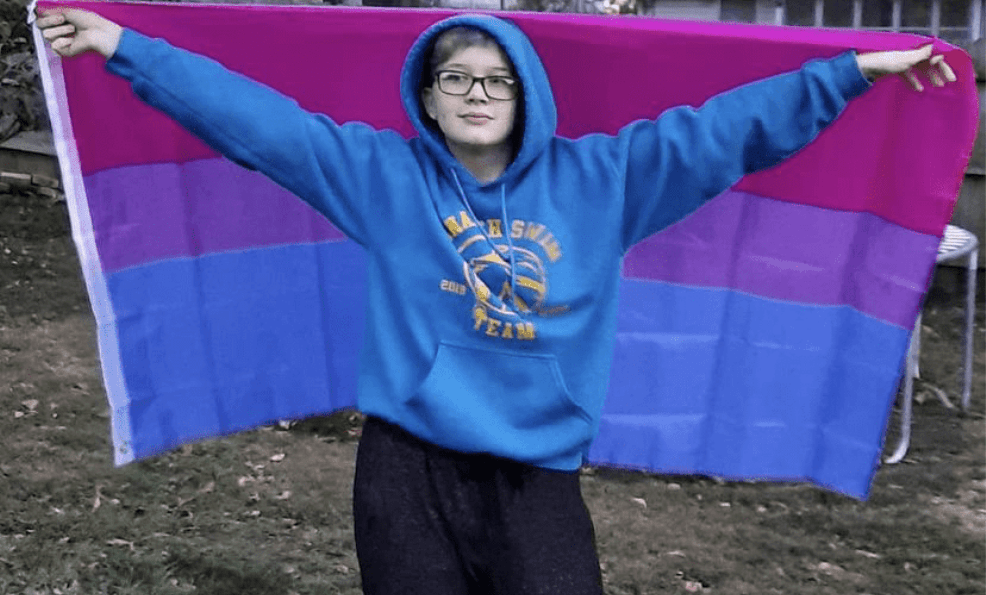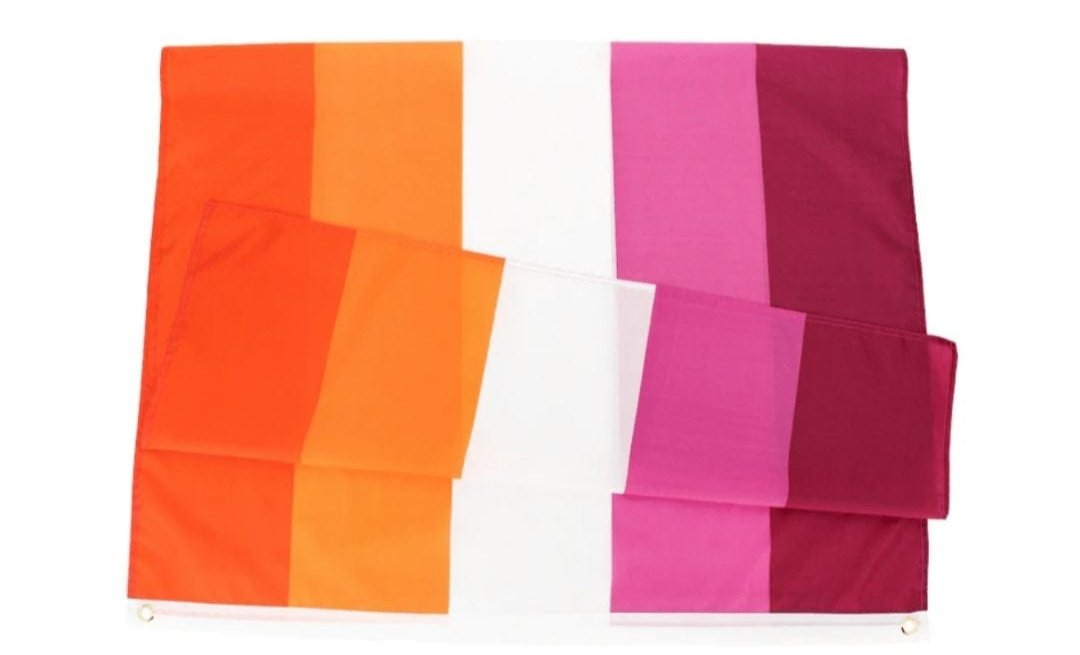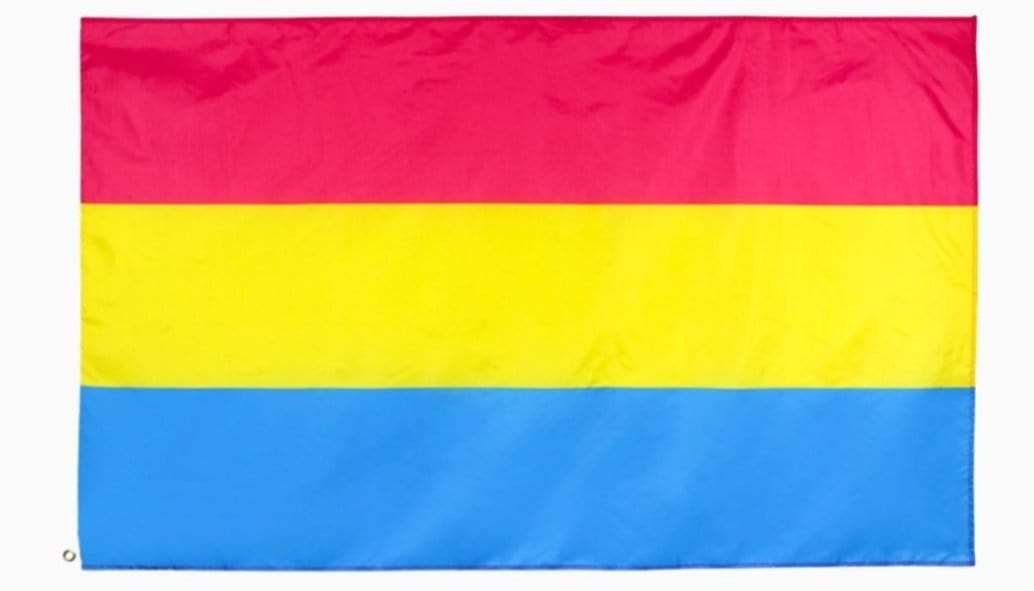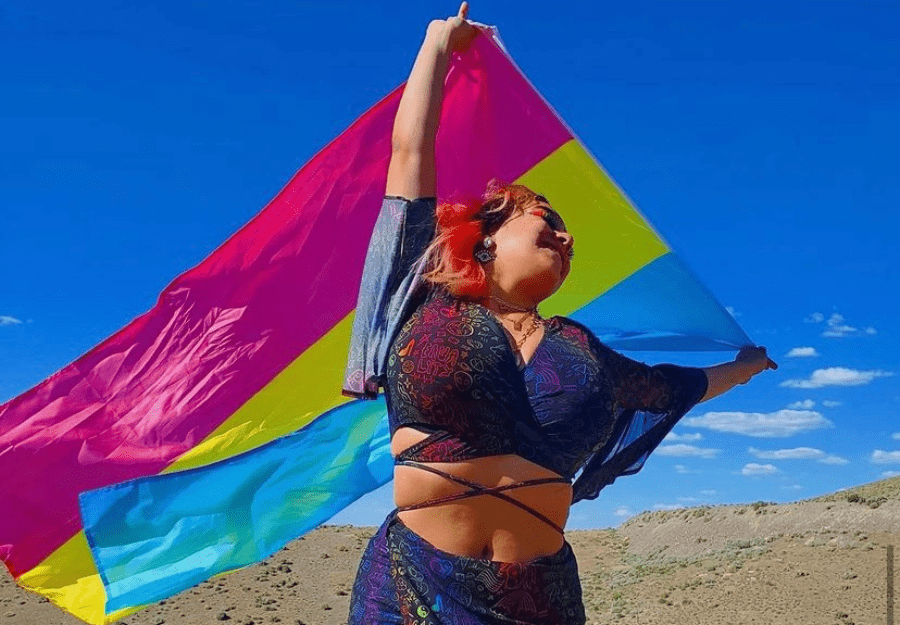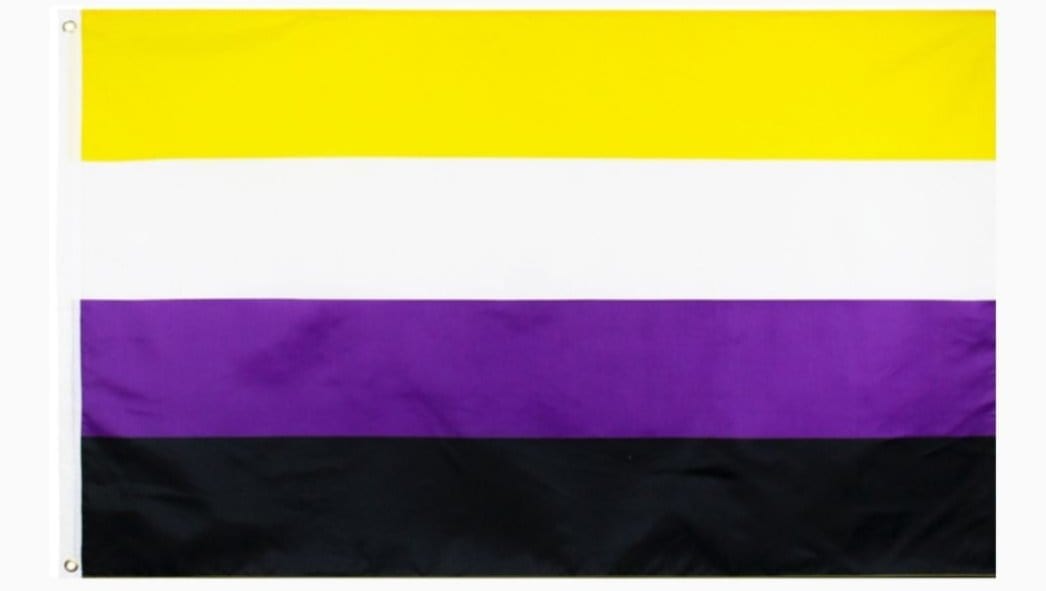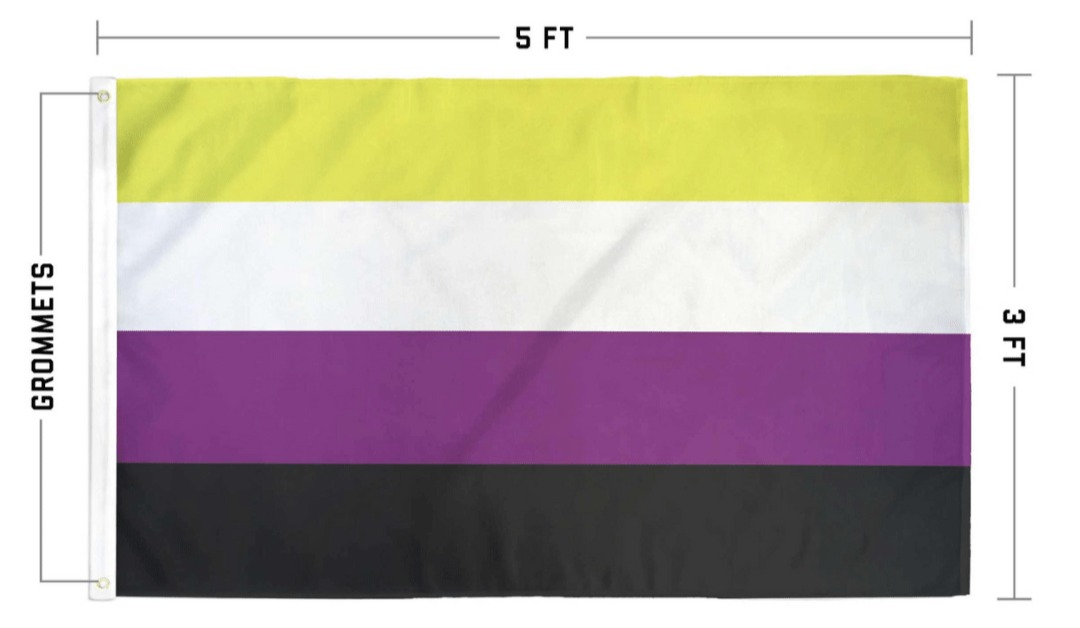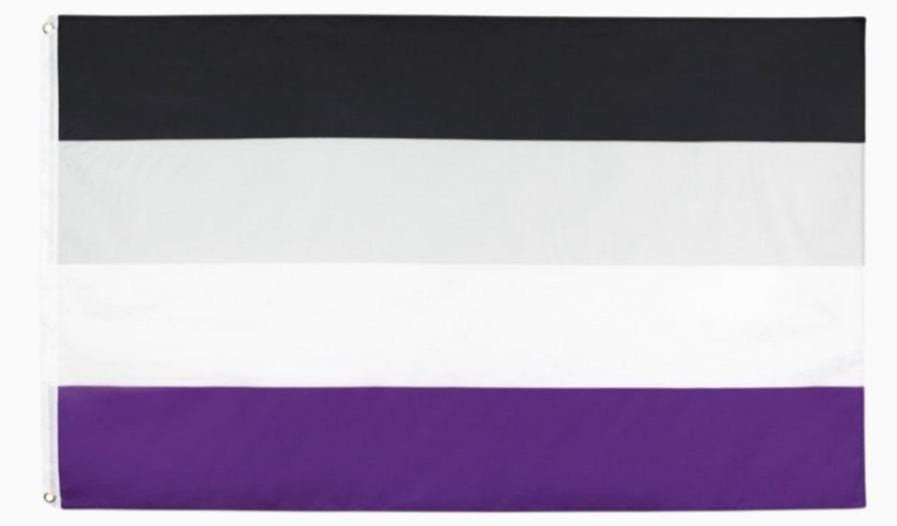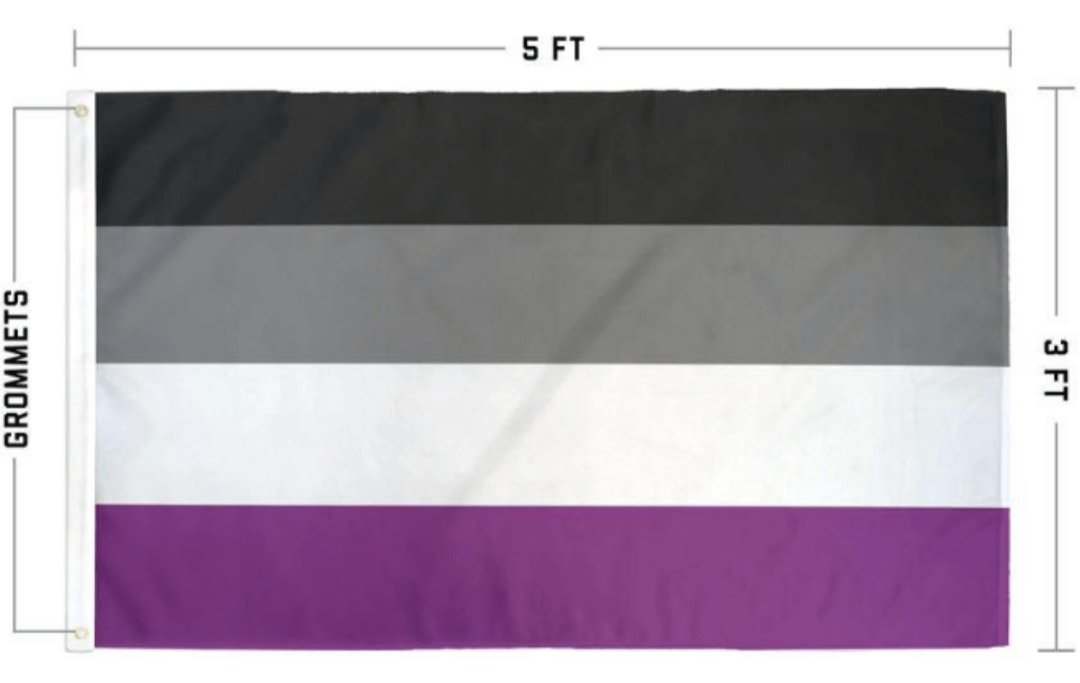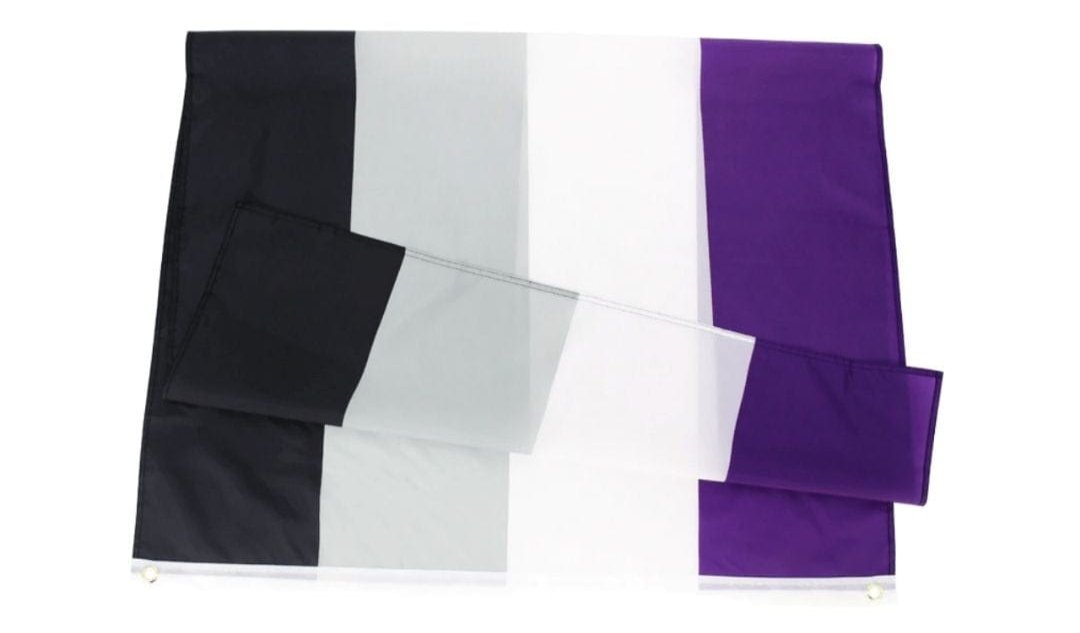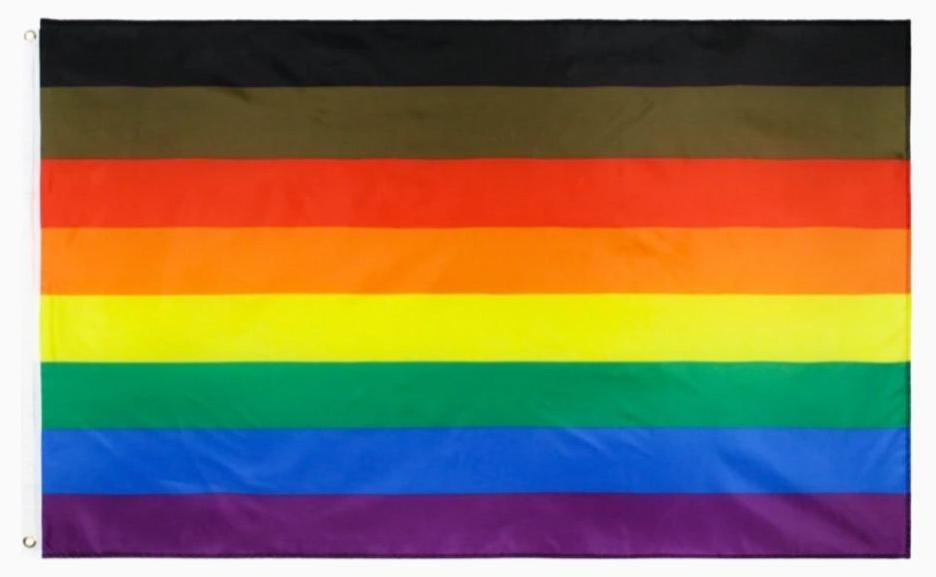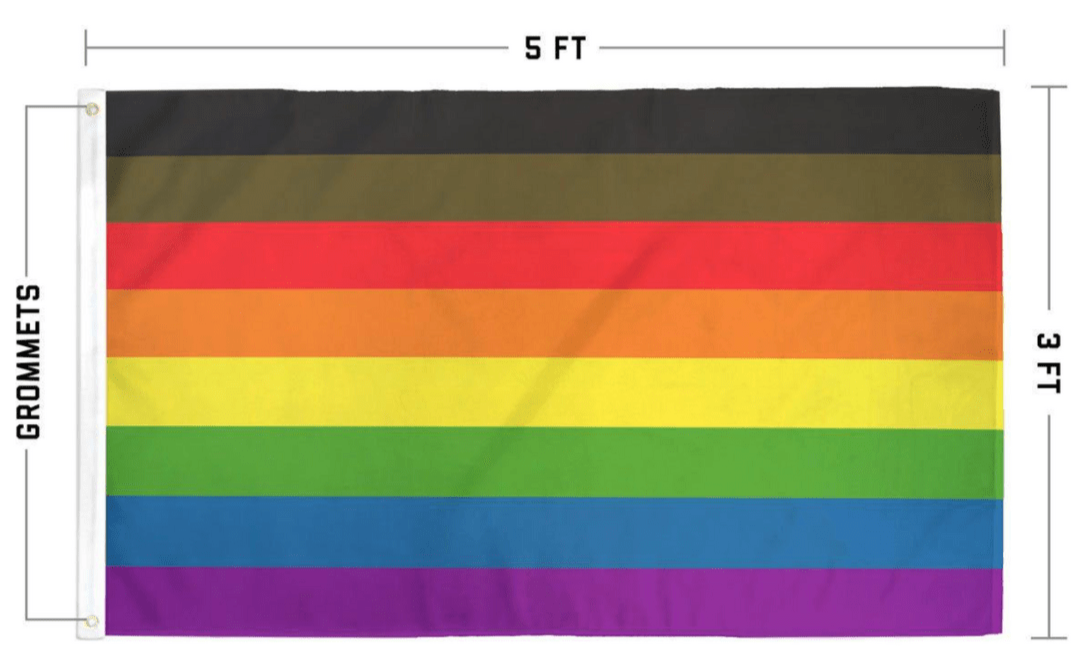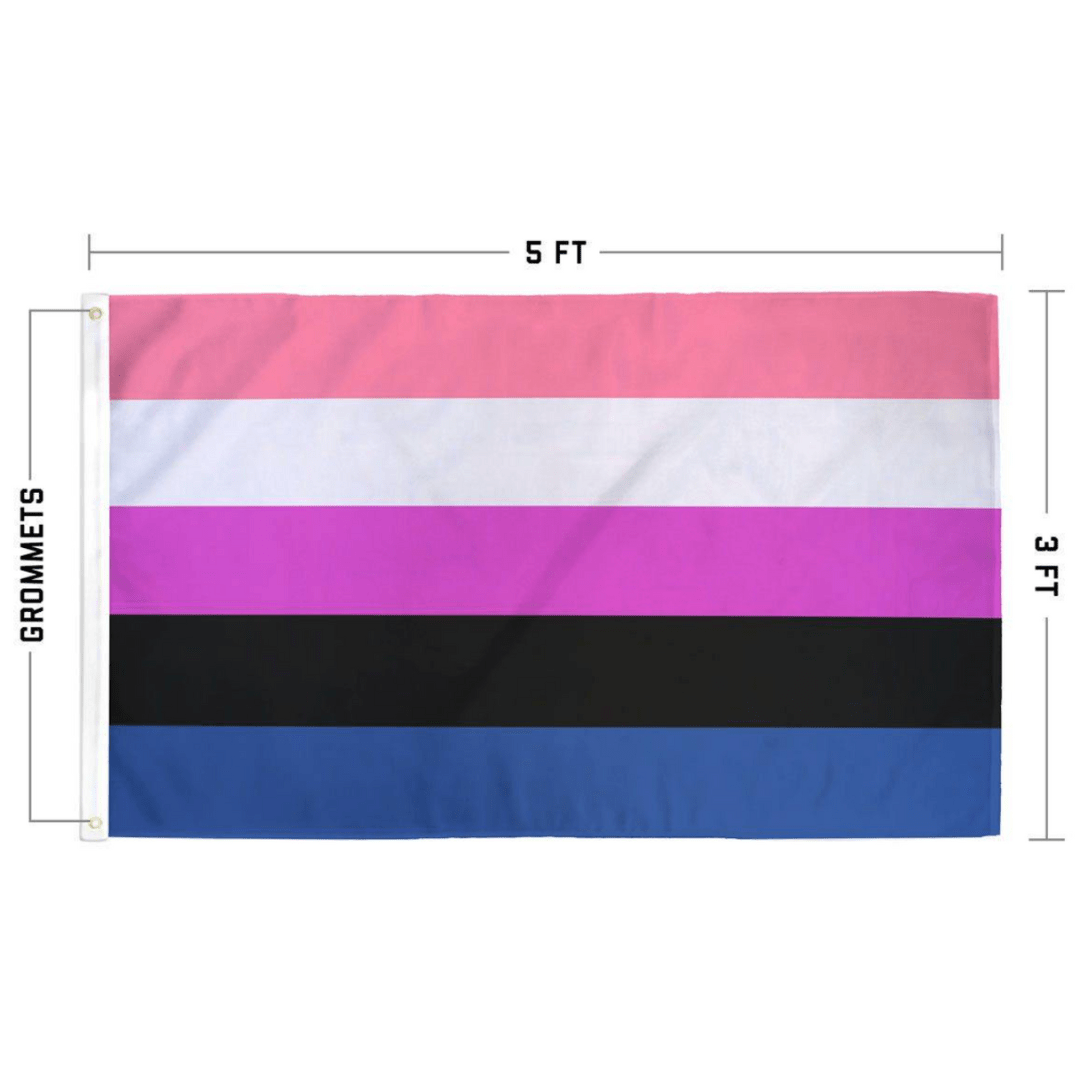

The asexual Pride flag has four horizontal stripes: black for asexuality, gray for gray-asexuality, white for allosexuality, and purple for community. It was created in 2010 through an open vote on the AVEN forums, where community members submitted and chose the final design. Each stripe is doing a specific job.
| Adopted | 2010, via online community vote |
| Organized by | AVEN (Asexual Visibility and Education Network) |
| Stripes | 4 horizontal |
| Colors | Black, gray, white, purple |
| Spectrum | Asexual, gray-asexual, allosexual, community |
What do the colors mean?
The flag works as a spectrum from top to bottom rather than as a set of unrelated symbols. Reading it stripe by stripe:
Black is asexuality itself. The absence of sexual attraction.
Gray is gray-asexuality and the ace spectrum as a whole. The gray stripe is explicitly intended to represent people who experience limited or conditional sexual attraction, including demisexual people. It is not filler between two other colors. The gray stripe is the part of the flag that says the spectrum is real.
White is allosexuality. The majority of people experience sexual attraction, and including their color in the flag acknowledges them rather than treating asexuality as simply "opposite" to everyone else.
Purple is community. It carries the same meaning it holds in several other Pride flags, including the demisexual flag: not a description of who you are attracted to, but a statement about belonging.
The colors were decided by the Asexual Visibility and Education Network through an open-access online vote in 2010, after a period of community debate about whether and how the community should have a flag at all, documented in the full history of asexuality as an identity.
Who made the flag?
AVEN was founded in 2001 by David Jay, who was 18 years old and a freshman in college when he built the first version of the network. By 2010, AVEN had become the primary organizing space for the global asexual community, with tens of thousands of members.
The flag design process was deliberately open: community members submitted proposals, debated them, and voted. The four-stripe design won a clear majority in the final poll. That process matters because it means the flag was not handed down by a founder or claimed by a single designer. It was chosen by the people it represents.
According to the documented history of asexuality, asexual individuals may represent about one percent of the population. In 2009, AVEN members marched in the first asexual contingent in an American Pride parade, at San Francisco Pride, before the flag existed. The flag followed the community, not the other way around.
What do asexual people say about navigating identity?
The difficulty is usually not hostility. It is the absence of recognition.
Sexual attraction is treated as a baseline in most of the culture around it. Advertising, dating apps, the structure of social relationships in late adolescence and early adulthood, most of it assumes a foundation that asexual people do not share. That creates a particular kind of loneliness: not being targeted, but being invisible.
From our own post-purchase survey of 484 customers, asexual-spectrum respondents identified being understood as the central difficulty, not being rejected. One wrote:
"Getting people to understand what being Asexual truly is. I am dating, have told him, but he doesn't seem to comprehend things."
That is the ordinary weight of an ace-spectrum identity. Not a confrontation. A conversation that has to happen again, with every person, and still may not land.
The Trevor Project's 2025 National Survey found that 41% of LGBTQ+ young people seriously considered attempting suicide in the past year. The ace spectrum is part of that community. The visibility work the flag does is not separate from the mental health reality. It is a response to it.
How is the asexual flag related to the demisexual flag?
They are closely linked. The demisexual flag borrows its palette directly from the asexual flag. A black triangle at the hoist, white and gray fields, and a purple stripe through the center. The demisexual flag is a rearrangement of the ace palette, not a separate invention, because demisexuality is a position on the asexual spectrum rather than a neighboring identity.
The gray stripe on the asexual flag includes demisexual people explicitly. If you have read about demisexuality and found yourself here, both flags are making the same argument in slightly different forms.
Both the asexual and demisexual flags, and every other Pride flag in the guide, are at the full flag guide. The asexual Pride flag is in the shop in the standard 3x5 ft size. Every flag we carry is there. All sales benefit LGBTQ+ charities.
Frequently asked questions
What do the colors of the asexual Pride flag mean?
The asexual Pride flag has four horizontal stripes, from top to bottom: black for asexuality, gray for gray-asexuality, white for allosexuality, and purple for community. The colors were decided by an online vote among AVEN members in 2010.
When was the asexual Pride flag created?
The asexual Pride flag was formally announced in 2010 after an open vote on the AVEN forums. Community members submitted designs and voted on the final version. The Asexual Visibility and Education Network, founded in 2001 by David Jay, organized the process.
What is asexuality?
Asexuality describes experiencing little or no sexual attraction to other people. It is a sexual orientation, not a choice, a medical condition, or a phase. Researchers generally estimate that asexual people represent about one percent of the population.
Is asexuality the same as not having sex?
No. Asexuality describes sexual attraction, not sexual behavior. Asexual people make their own decisions about what they do or do not do. Some are in romantic relationships, some are not. The identity describes a feeling, not a rule.
What is the asexual spectrum?
The asexual spectrum, sometimes called the ace spectrum or acespec, covers a range of identities that share the characteristic of limited or conditional sexual attraction. It includes asexuality, gray-asexuality, and demisexuality, among others. The gray stripe on the asexual flag represents the full spectrum, not just asexuality at one end.
What is AVEN?
AVEN stands for the Asexual Visibility and Education Network. It was founded in 2001 by David Jay and is the largest online asexual community. AVEN coordinated the process that produced the asexual Pride flag in 2010 and remains the most widely recognized asexual organization.
Is asexuality part of the LGBTQ+ community?
Yes. Asexuality is included in the LGBTQ+ acronym as part of the broader + category, and increasingly as the A in expanded versions such as LGBTQIA+. AVEN members marched in the first asexual contingent in an American Pride parade in San Francisco in 2009.
What size asexual Pride flag should I buy?
A 3x5 foot flag is the standard size for flying outdoors or hanging on a wall. It is the size most people picture when they imagine a Pride flag, and it is what we ship. The flag reads correctly at that size: the stripe order runs black to gray to white to purple, top to bottom.
Last updated: September 30, 2026