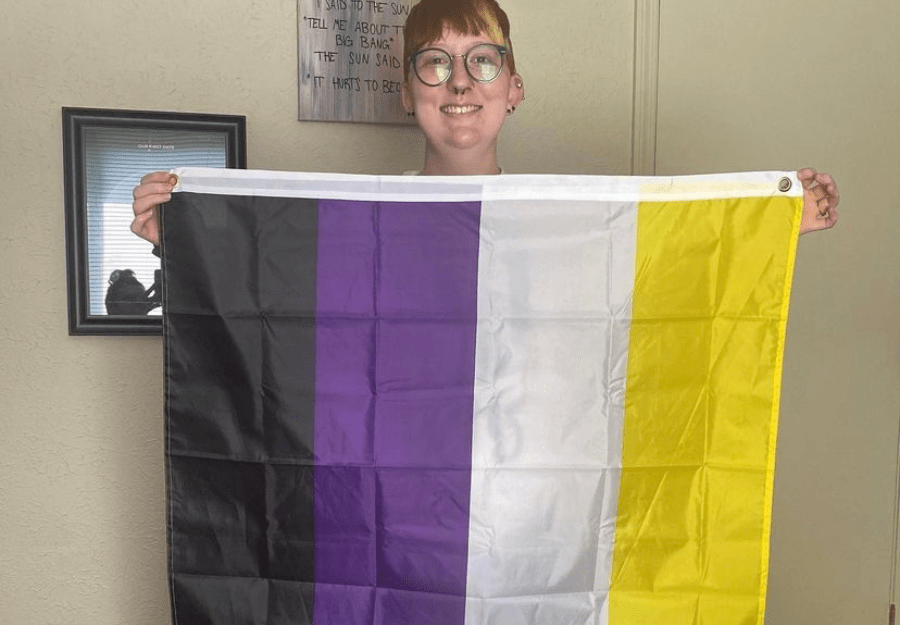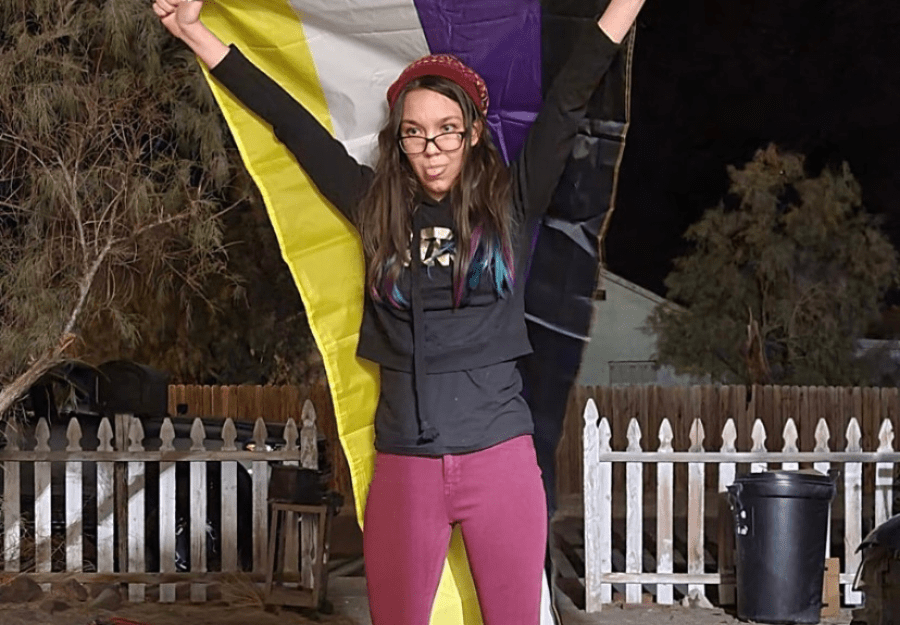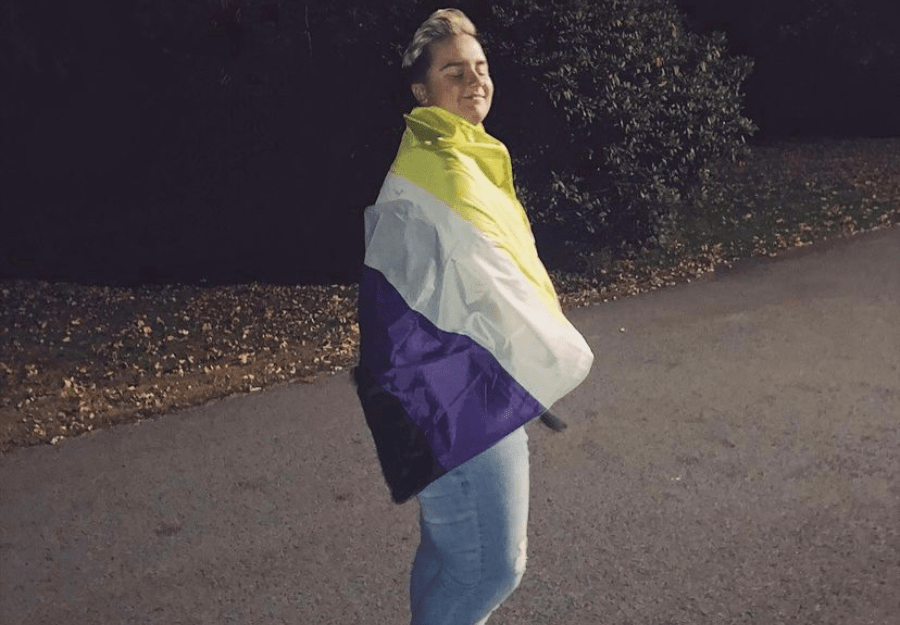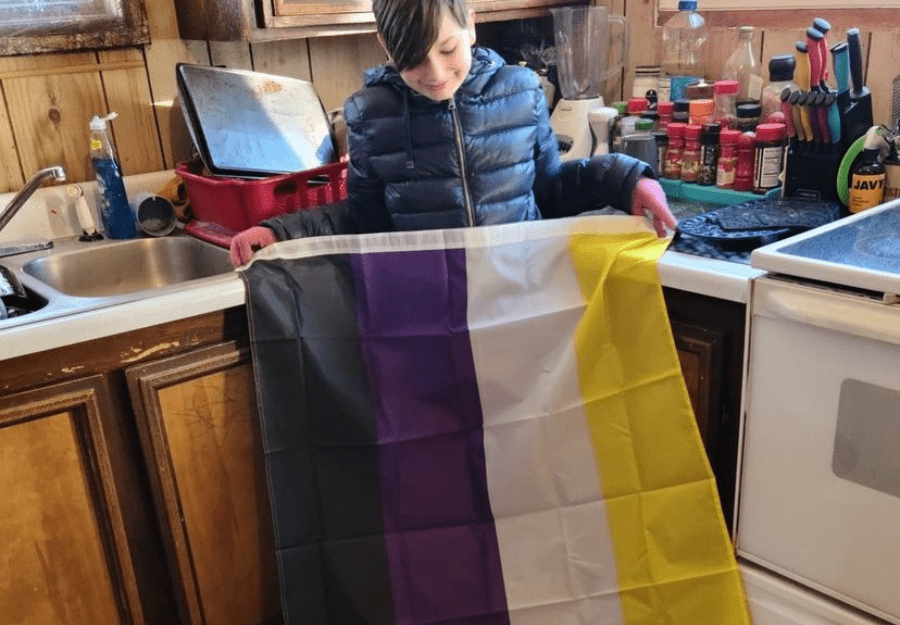

National Coming Out Day is an annual LGBTQ+ observance on October 11. Rob Eichberg and Jean O'Leary founded it in 1988 to mark the anniversary of the 1987 National March on Washington for Lesbian and Gay Rights. It celebrates LGBTQ+ people who live openly and recognizes that coming out happens repeatedly, across a lifetime.
| Date | October 11 (annual) |
| Founded | 1988 |
| Founders | Rob Eichberg and Jean O'Leary |
| Commemorates | 1987 National March on Washington for Lesbian and Gay Rights |
| Theme | Coming out as a lifelong act of courage and visibility |
Who founded National Coming Out Day, and why?
Rob Eichberg and Jean O'Leary launched National Coming Out Day in 1988, one year after roughly 500,000 people marched on Washington demanding equal rights for lesbian and gay Americans. The choice of October 11 as the date was deliberate: it marks the anniversary of that march, grounding a personal act in a political history.
Eichberg's reasoning went straight to the mechanism: "Most people think they don't know anyone gay or lesbian, and in fact, everybody does. It is imperative that we come out and let people know who we are and disabuse them of their fears and stereotypes."
That logic still holds. Visibility is not just an individual act. It is the thing that makes homophobia and transphobia harder to sustain.
"Without representation, all most people know about the trans community is what the fascists tell them."
By 1990, the observance had spread to all 50 states and seven other countries. The full history of National Coming Out Day is documented by Wikipedia.
What does coming out look like in 2026?
The political landscape has shifted the calculus for a lot of people. Coming out is not harder in theory; it is harder in practice, in specific places, for specific people. Anti-LGBTQ+ legislation has moved from fringe positions into mainstream policy debates in multiple states and countries. That is not a backdrop to wave away in an observance post.
The Trevor Project's 2025 National Survey on LGBTQ+ Youth Mental Health found that 90% of LGBTQ+ young people said recent anti-LGBTQ+ laws caused them stress or anxiety, and 78% felt unsafe as a result of those policies. These are not feelings. They are reasonable assessments of a measurable environment.
Coming out in 2026 means navigating that environment. For some people it means a conversation with a parent in a safe home. For others it means weighing whether to be visible at work, in a small town, or in a state where healthcare access or legal recognition is under active threat. No two coming-out decisions are the same, and none of them can be evaluated from the outside.
Does visibility make you safer, or less safe?
Both. And this is the question the community is actually debating right now, not performing a consensus that doesn't exist.
Visibility can attract hostility. Non-passing trans and nonbinary people describe making concrete safety calculations about which protests to attend, which neighborhoods to walk through, which bathrooms to use. This week, community members on Bluesky were explicit: "Visibility has extreme danger too, but invisibility is not this magical shield that makes us safer."
The Trevor Project's data confirms the other side of this. LGBTQ+ youth in very accepting communities attempted suicide at 6% -- compared to 18% in very unaccepting communities. The 2025 survey identifies community acceptance as one of the strongest protective factors against suicidality. Hiding does not produce safety. It produces isolation, which produces its own harm.
Visibility matters at a community level even when it carries individual risk. That is the tension the observance was built to hold, and it is worth sitting with rather than resolving too quickly.
"The same as before, but I don't have to edit myself or omit things when I have a feeling toward someone of the same sex or a person who is trans. I feel more free... If I don't know whether it's safe I may not say anything, or might test it a little to see what kind of reaction it elicits and whether I can handle the backlash."
That is what navigating visibility actually looks like for a lot of people. Not a single brave moment. A continuous read of each environment.
What role does family play?
The research is unambiguous: family acceptance is one of the most powerful variables in LGBTQ+ outcomes, particularly for young people. A parent who accepts their child's identity does not just make that child feel better. They materially reduce the probability of a crisis.
From our own customer voice bank of 484 Zigpoll respondents, some of the most quietly powerful responses came from parents:
"I have many friends and coworkers throughout my life who identify in the LGBTQ+ community and have always supported them. But when my then 12 year old, now 15, came out as bi/lesbian to us I knew I needed to have a louder ally voice. I'm still learning all the time the best way to be an ally. Finding Pride Palace made me feel included as a supporter. Thank you!"
That parent was already an ally. The child's coming out changed the scale of what they needed to do. This is what coming out asks of families: not just acceptance, but active, visible presence. The Human Rights Campaign's coming out resources cover how to be a better listener and supporter for someone who is disclosing.
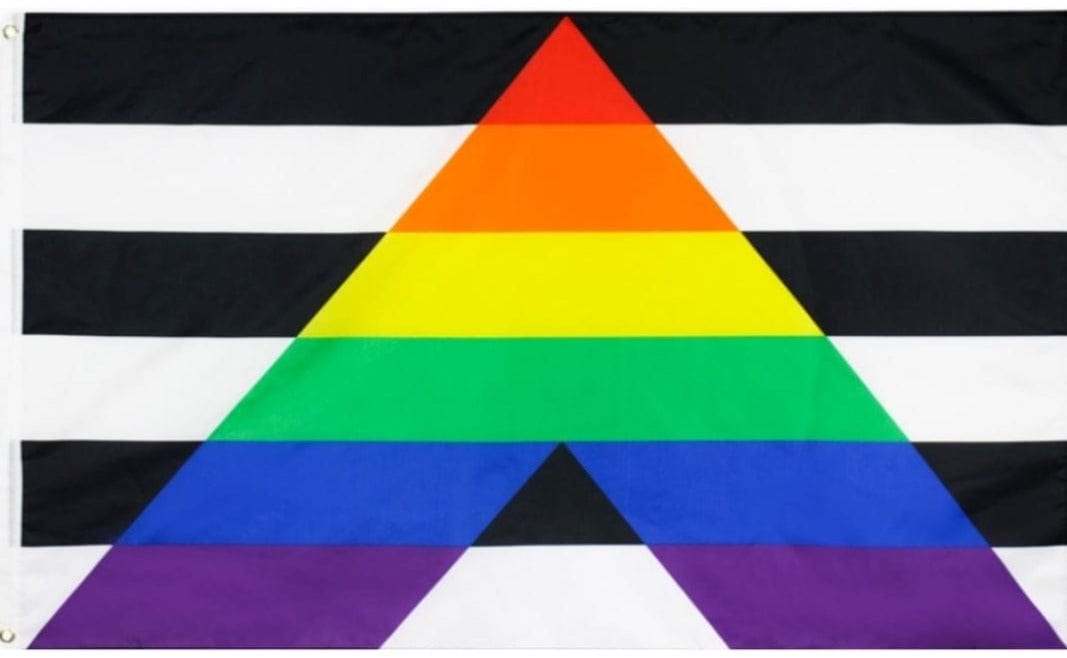
For LGBTQ+ adults supporting younger family members, the bar is not just "I love you no matter what." The bar is showing up. Wearing a pin. Putting up a flag. Going to a Pride event. Making the acceptance visible so that others in that family or community know where you stand.
How do people use Pride flags as visibility tools?
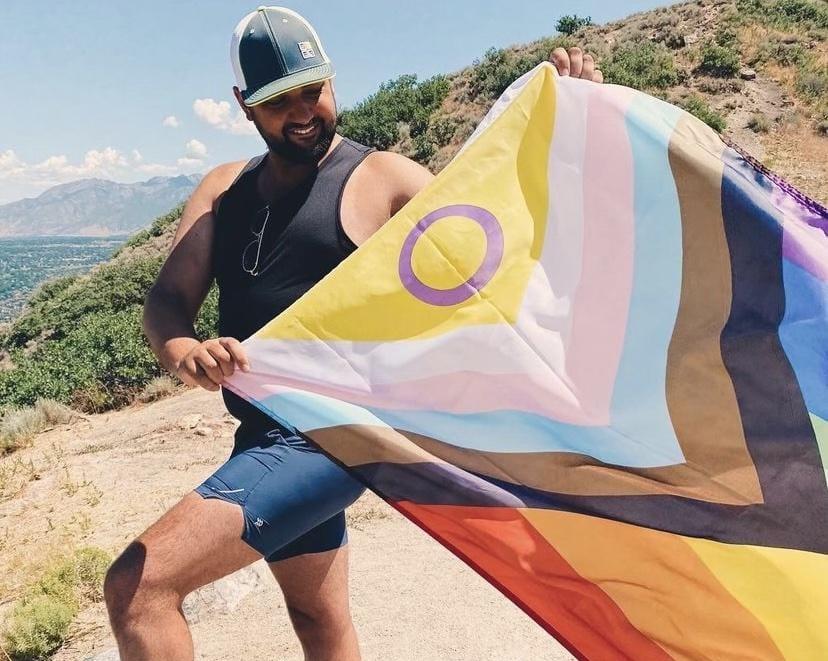
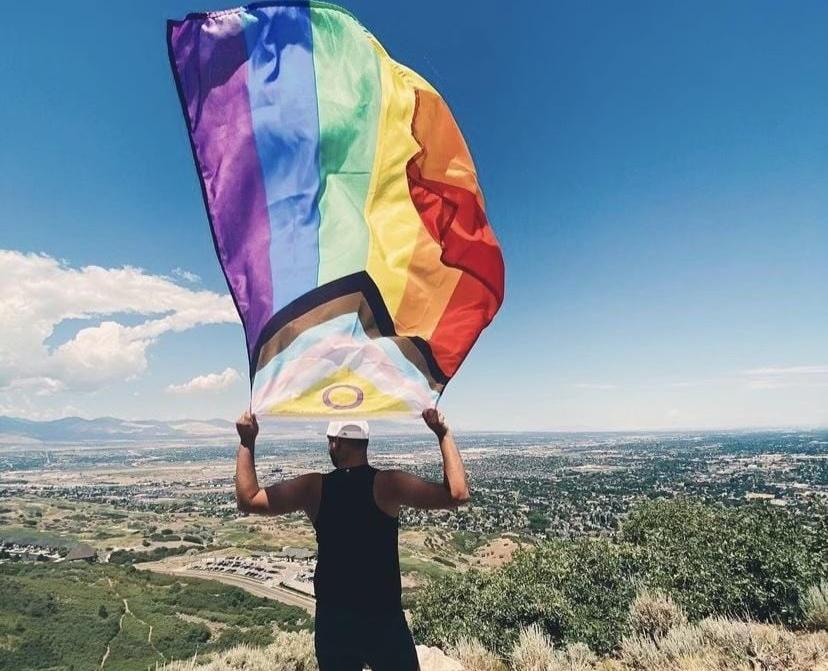
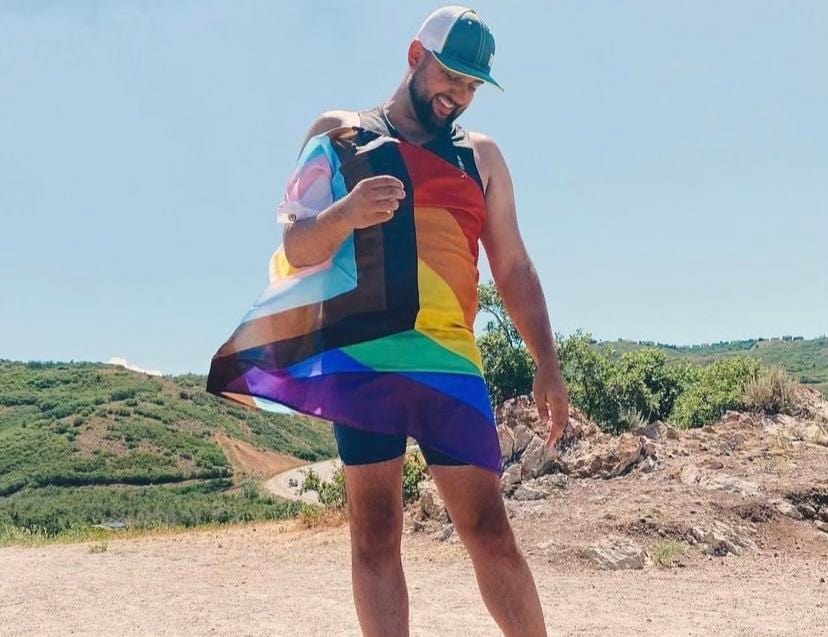
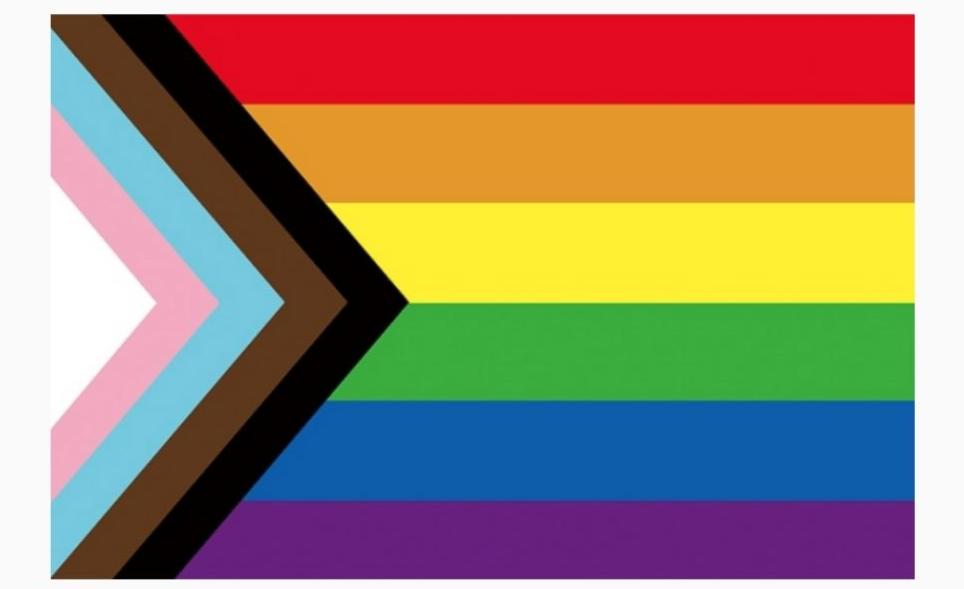
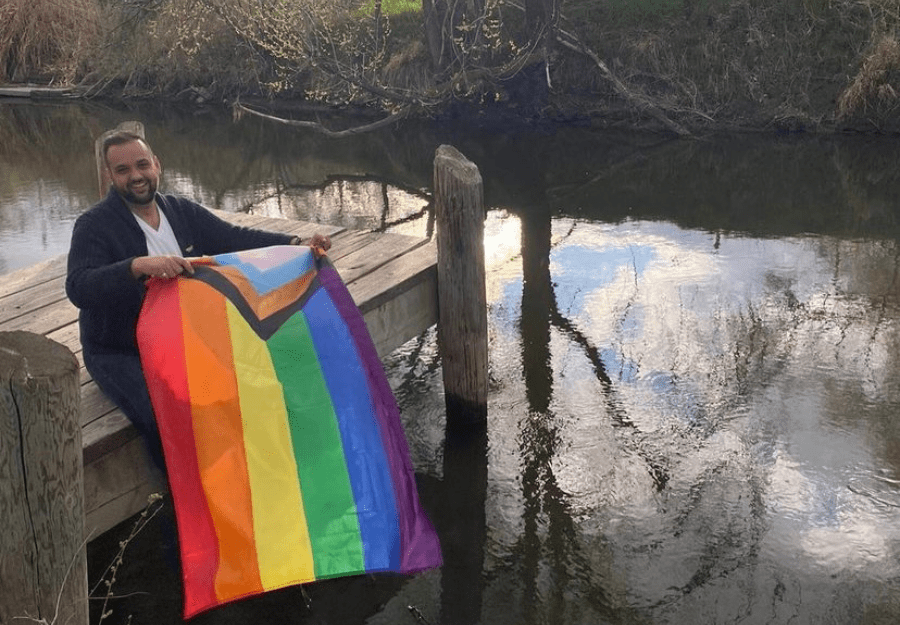
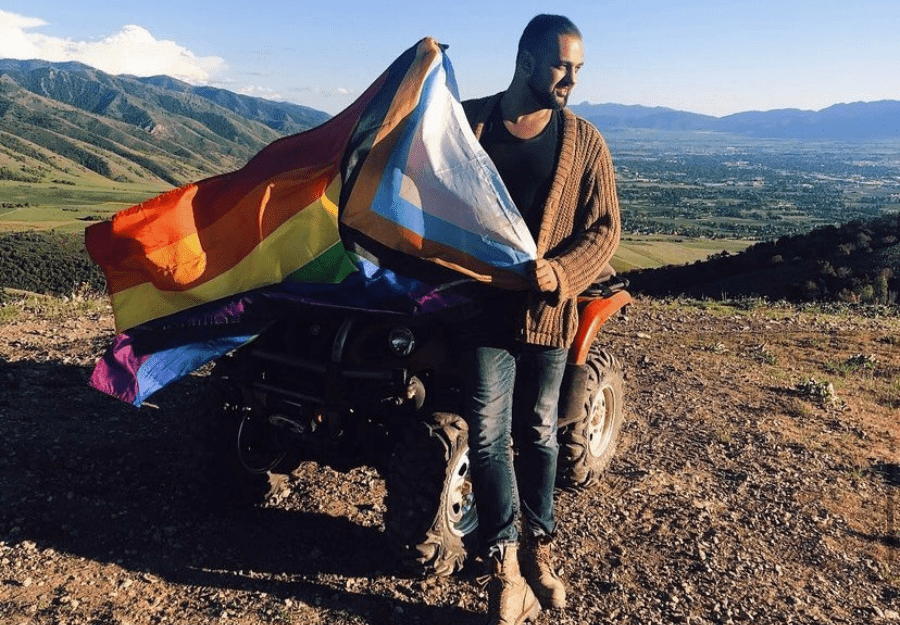
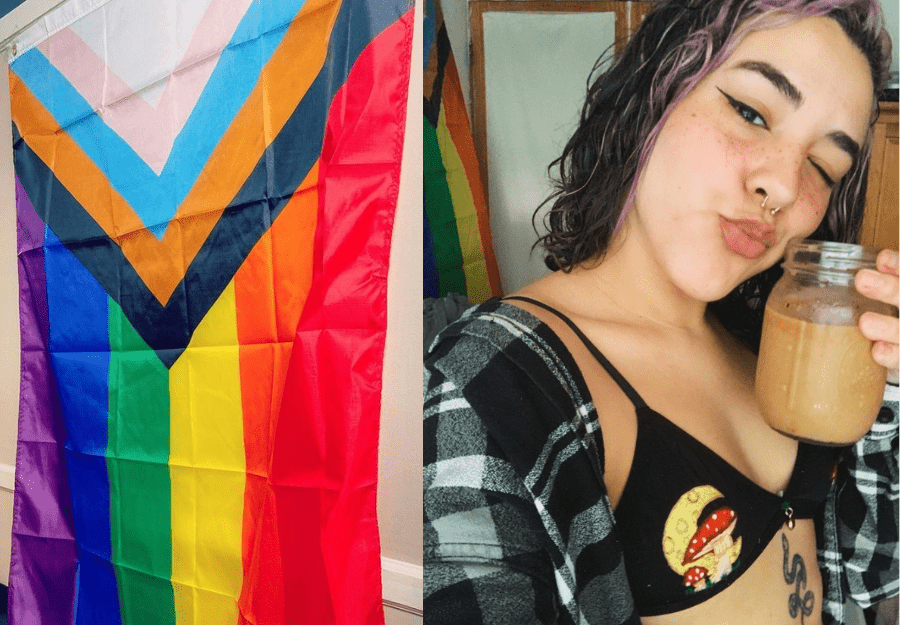
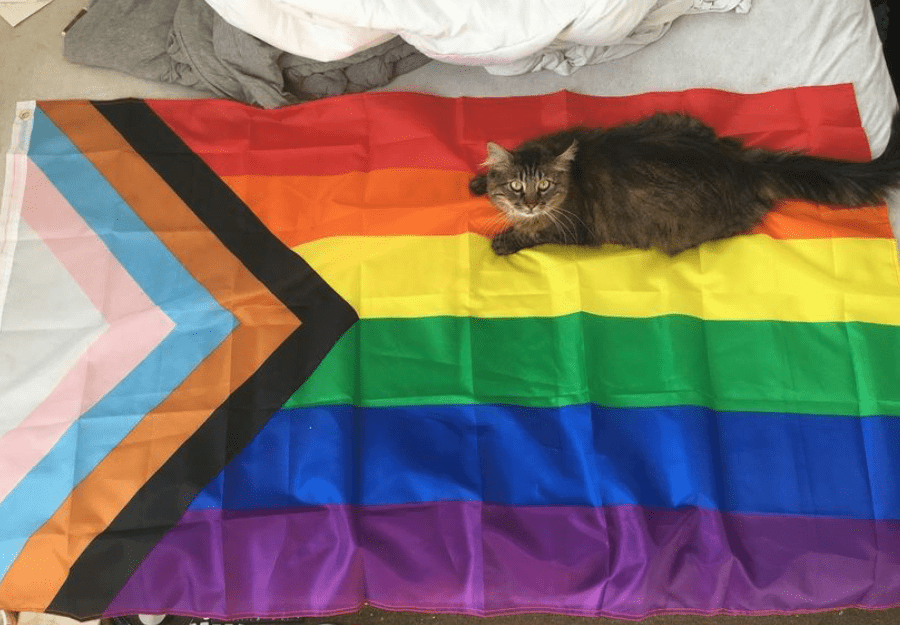
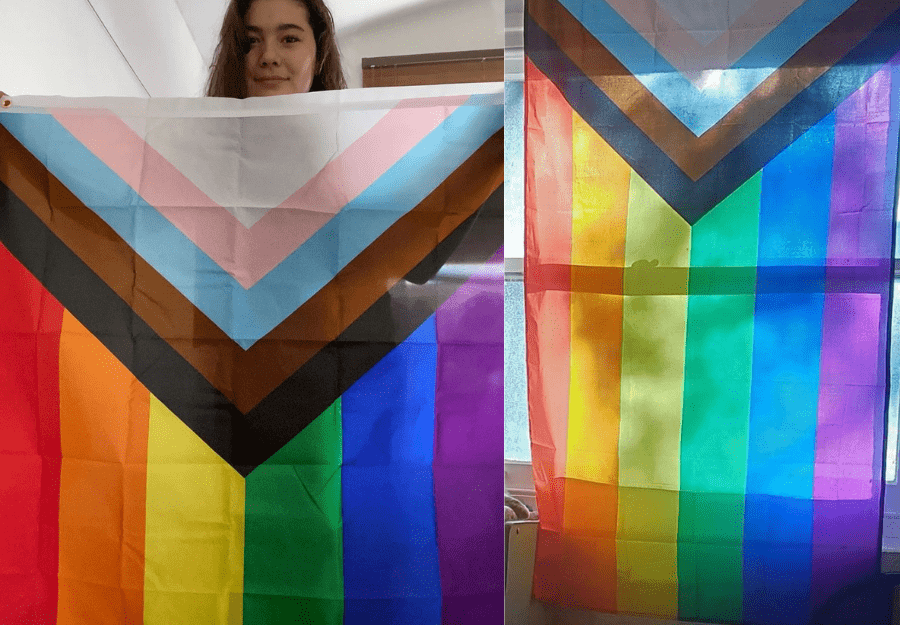
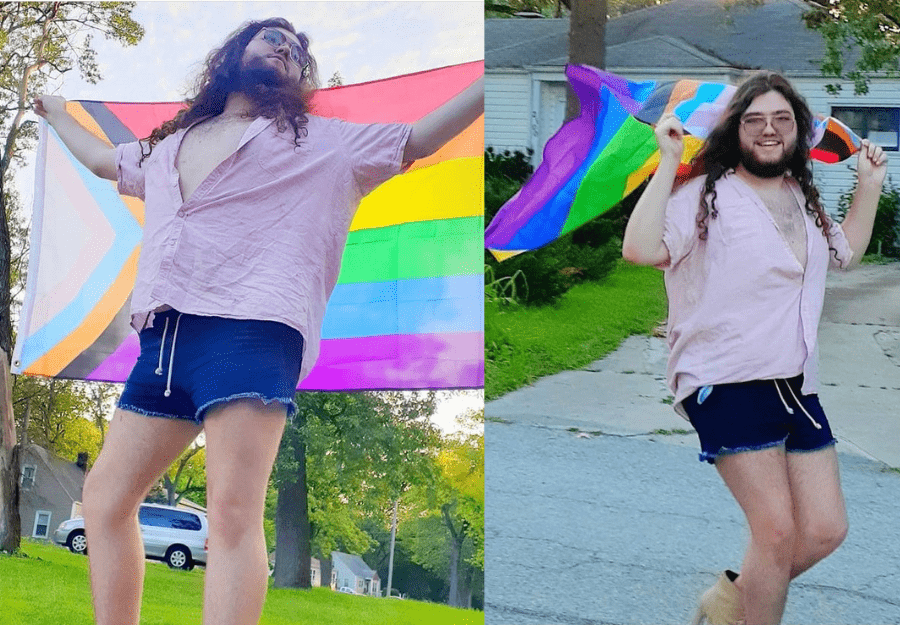
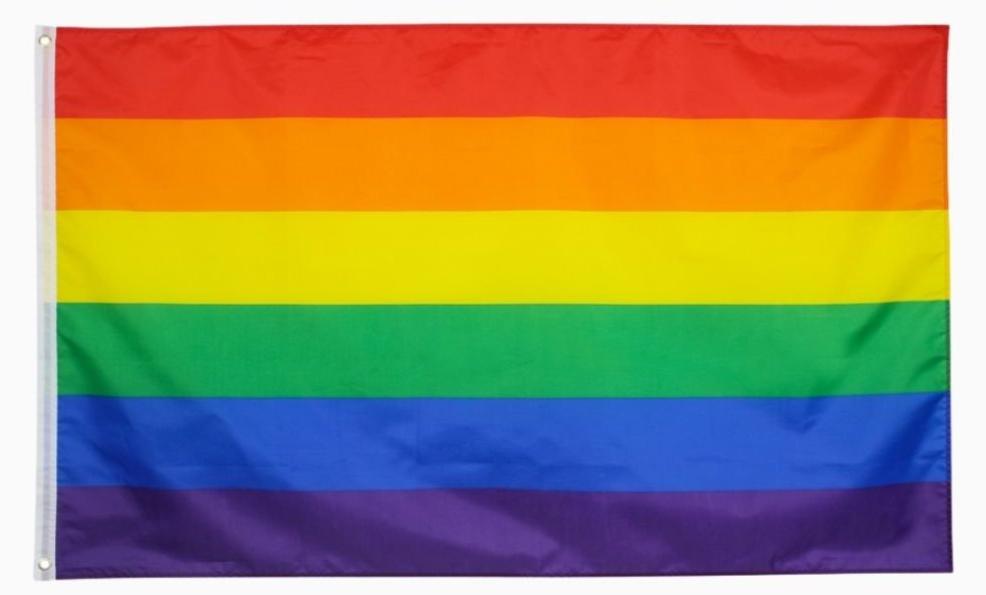
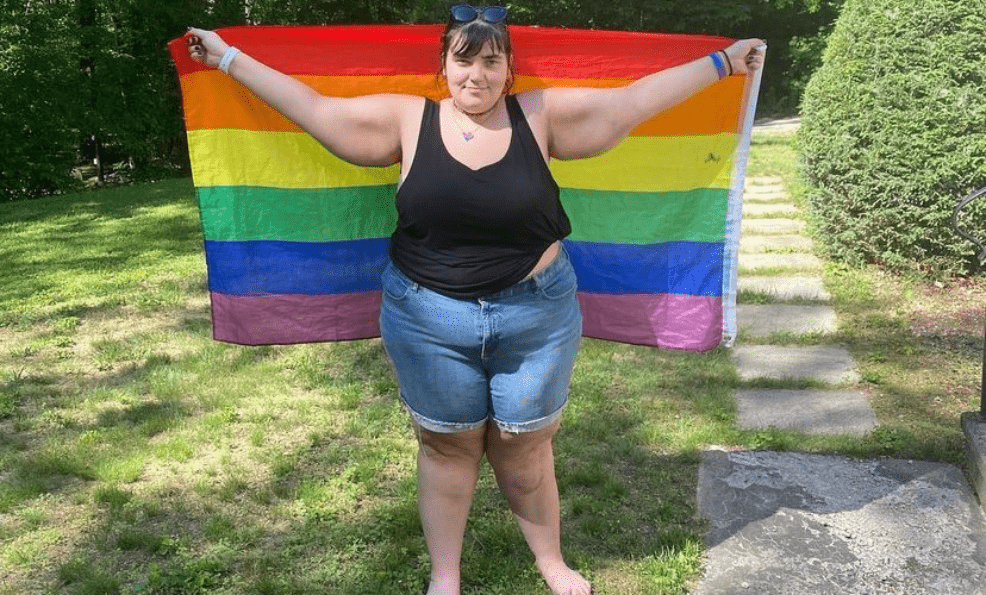
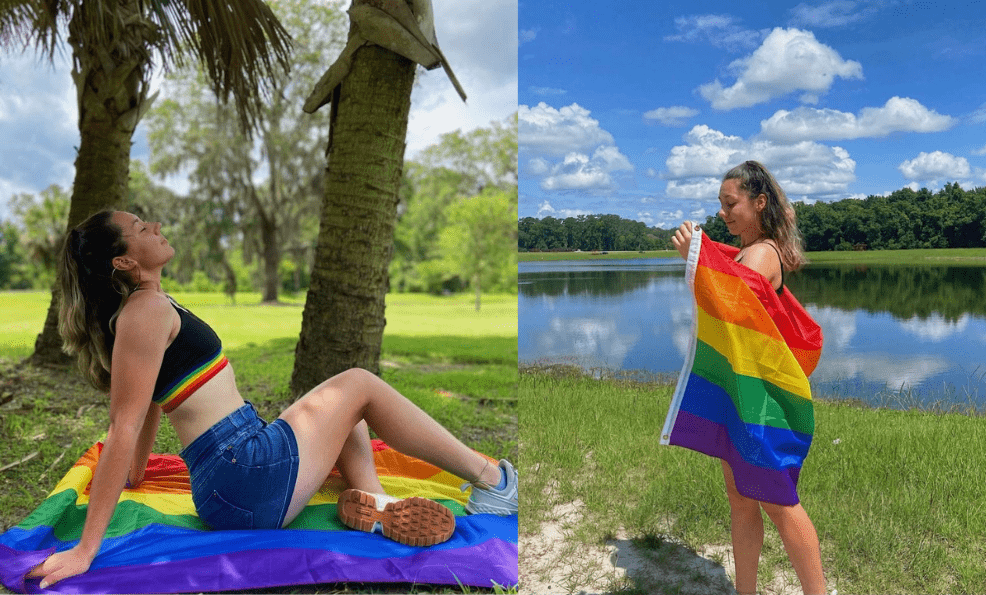
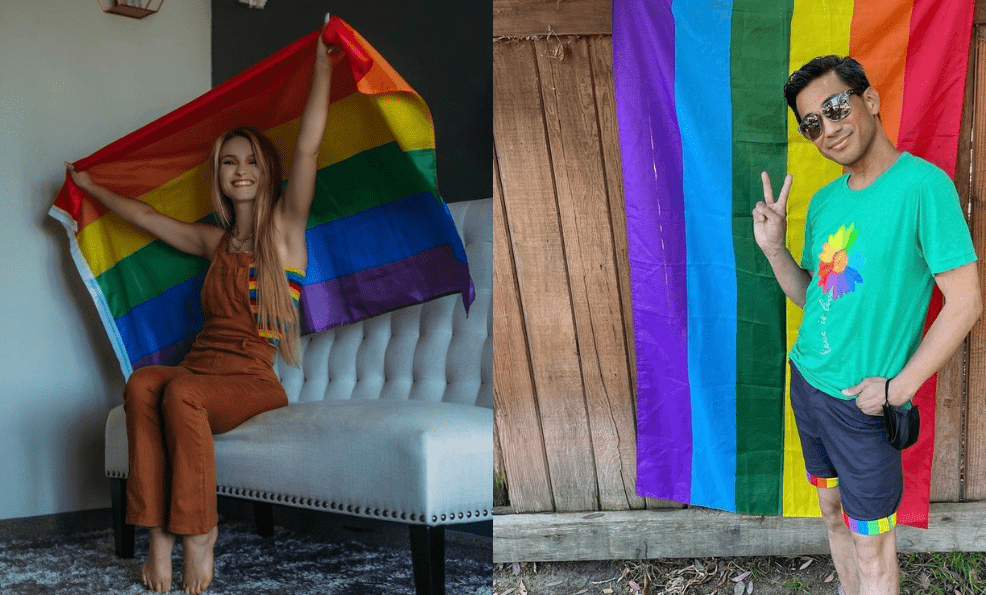
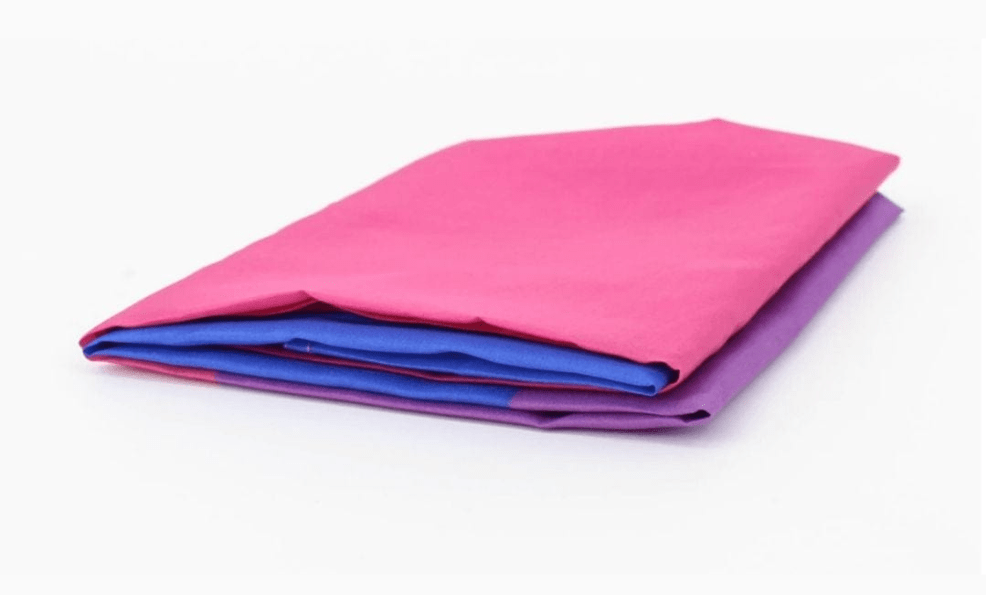
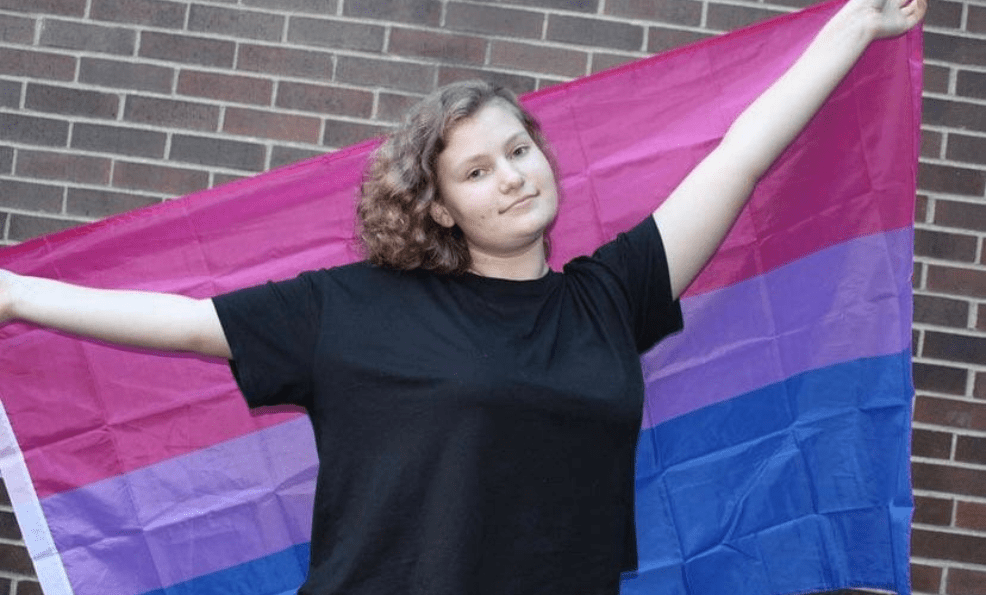
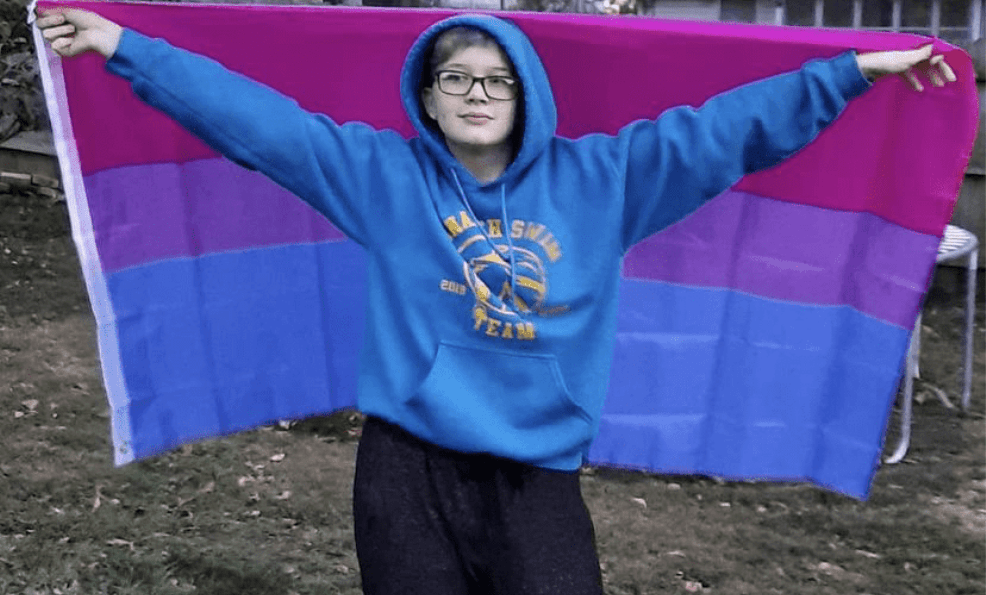
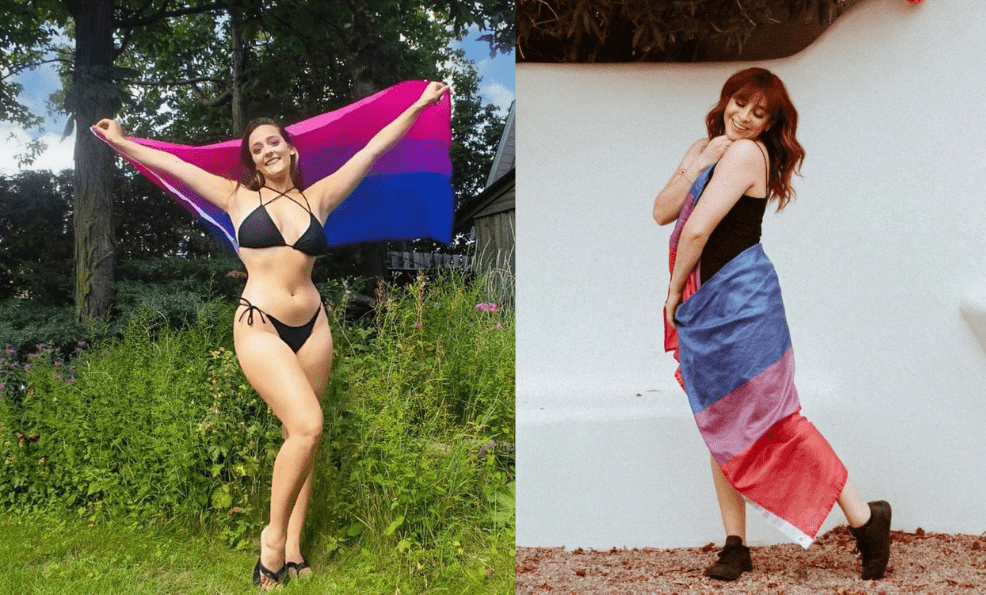
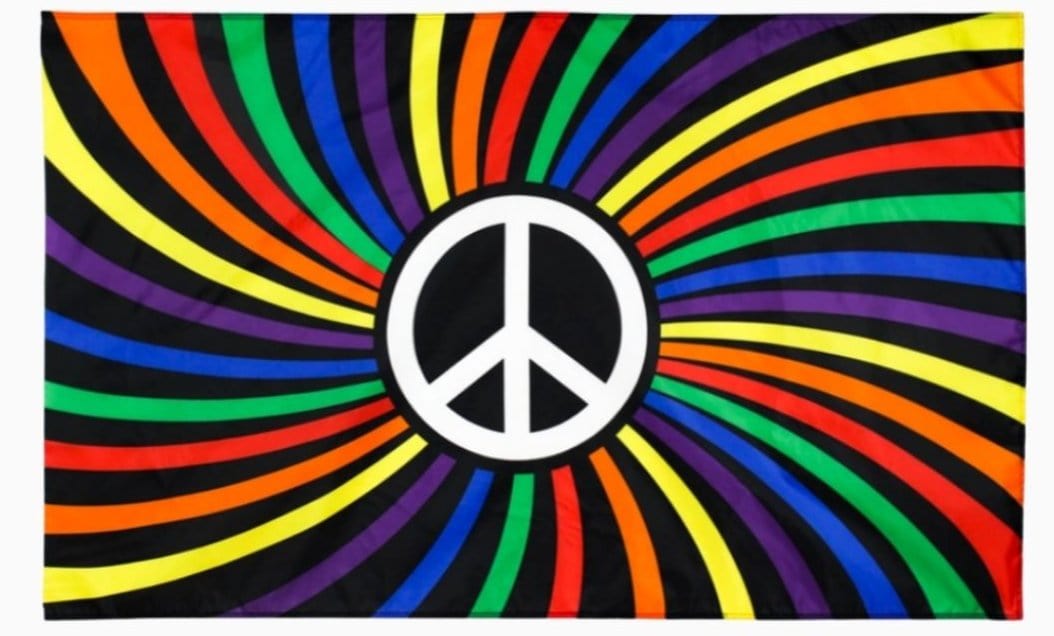
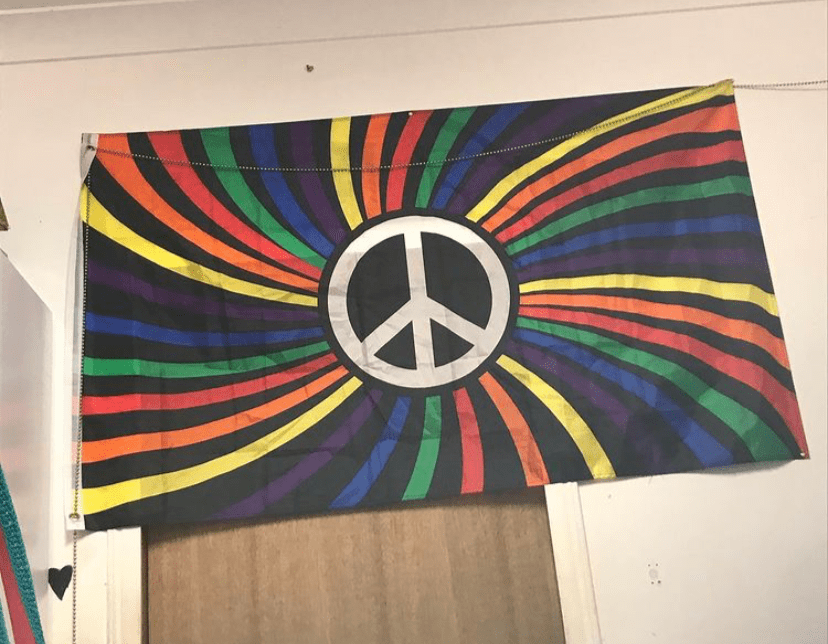
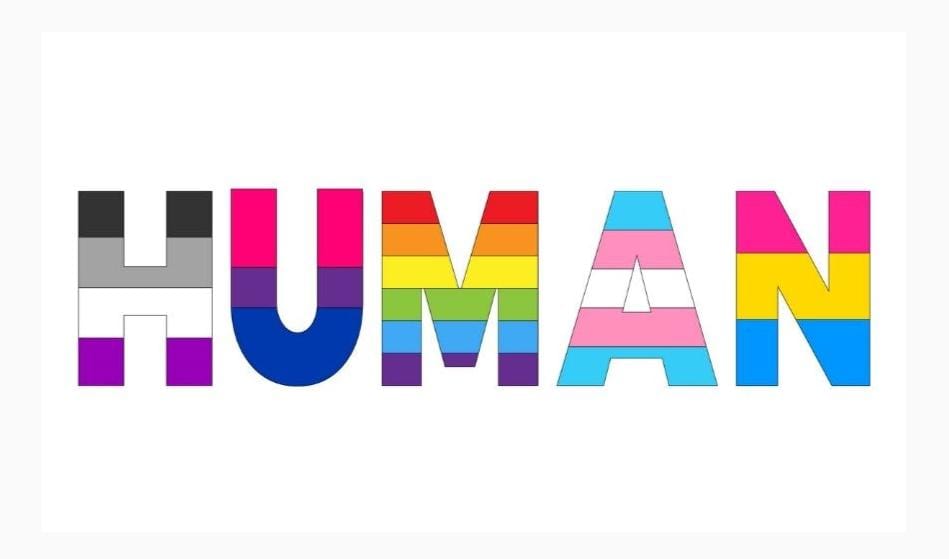
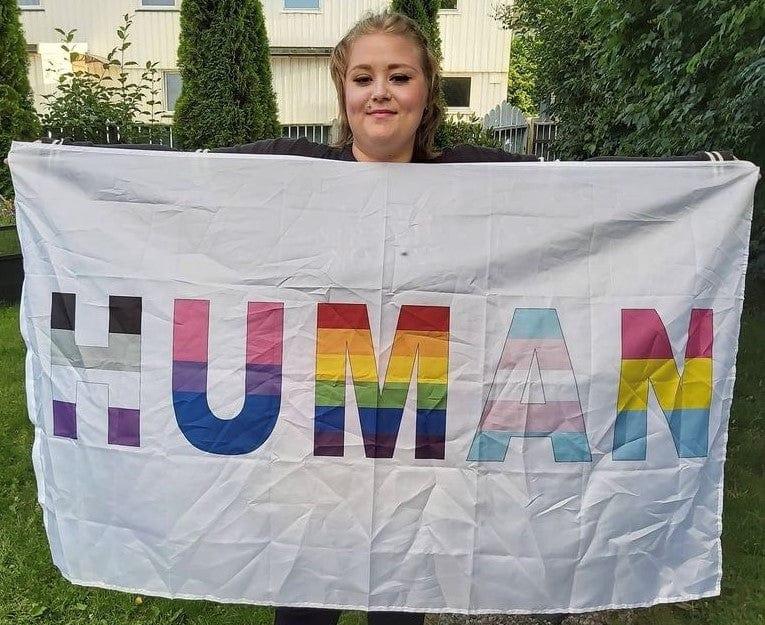
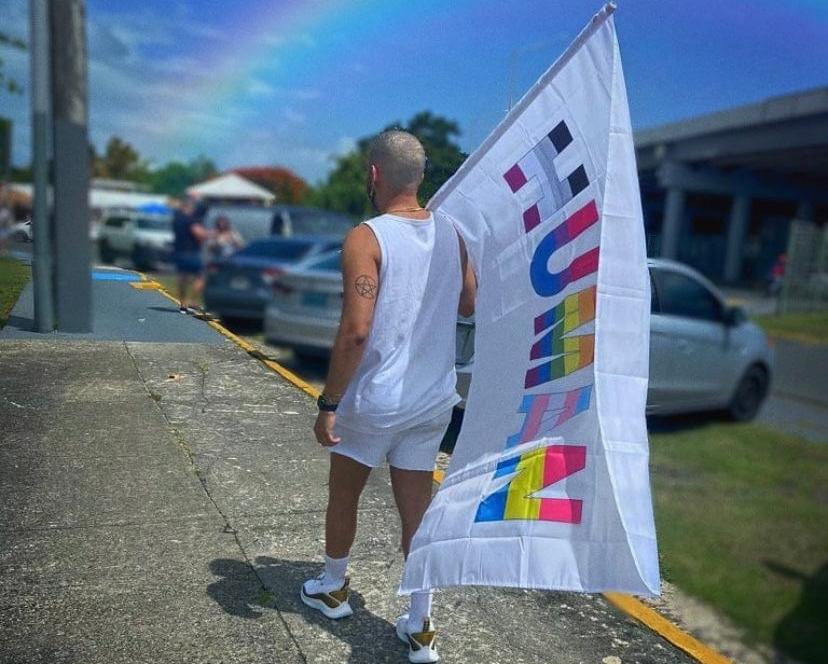
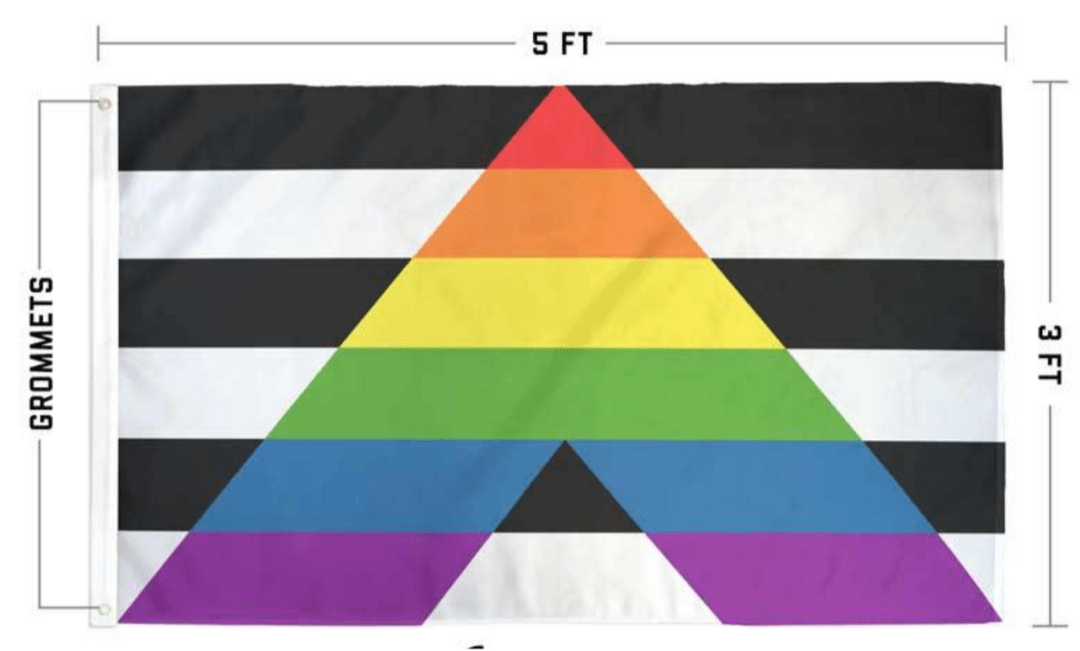
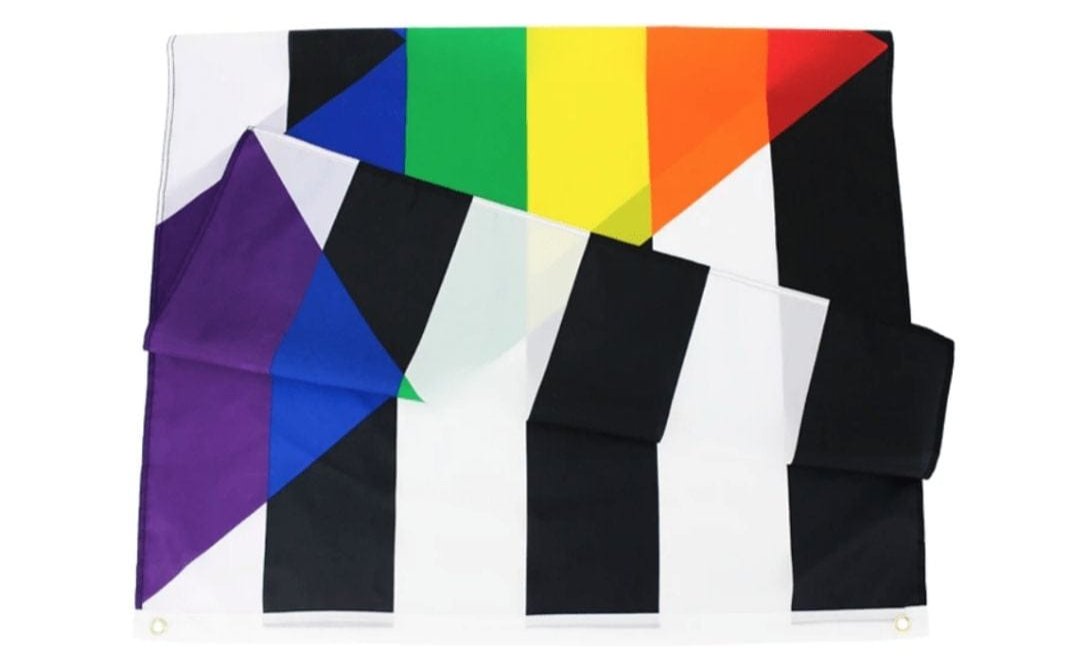
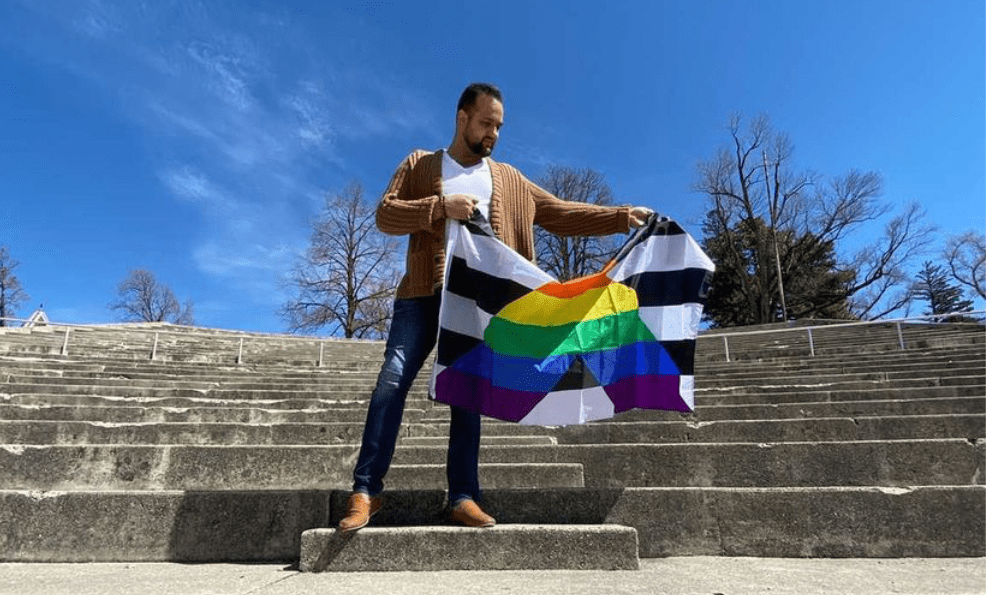
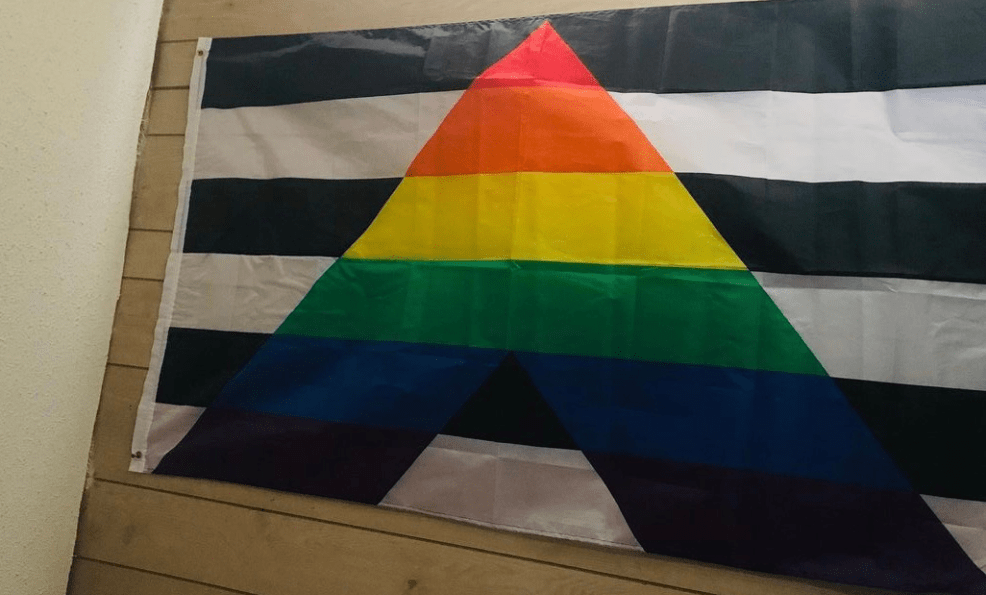
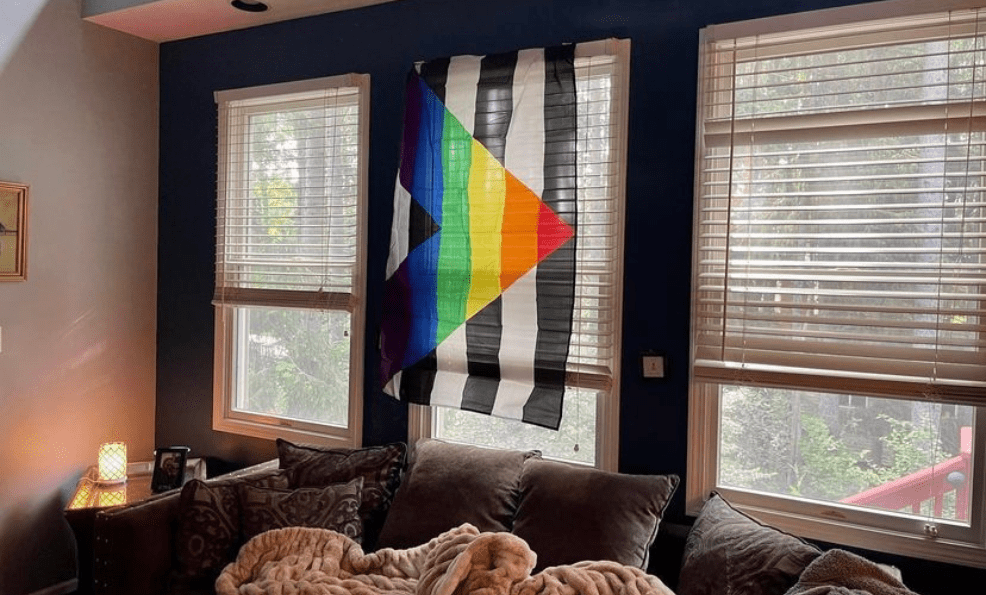
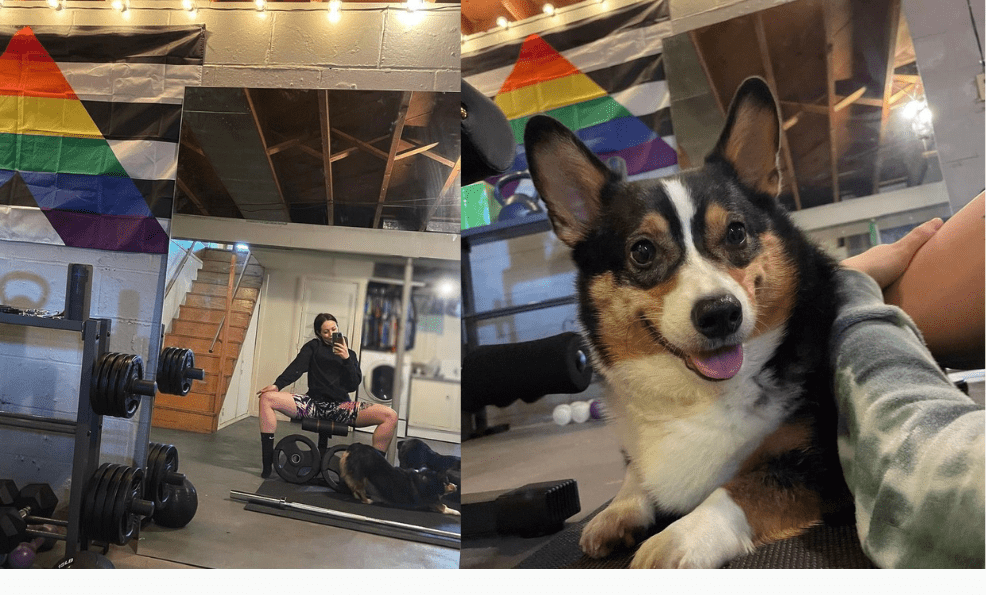
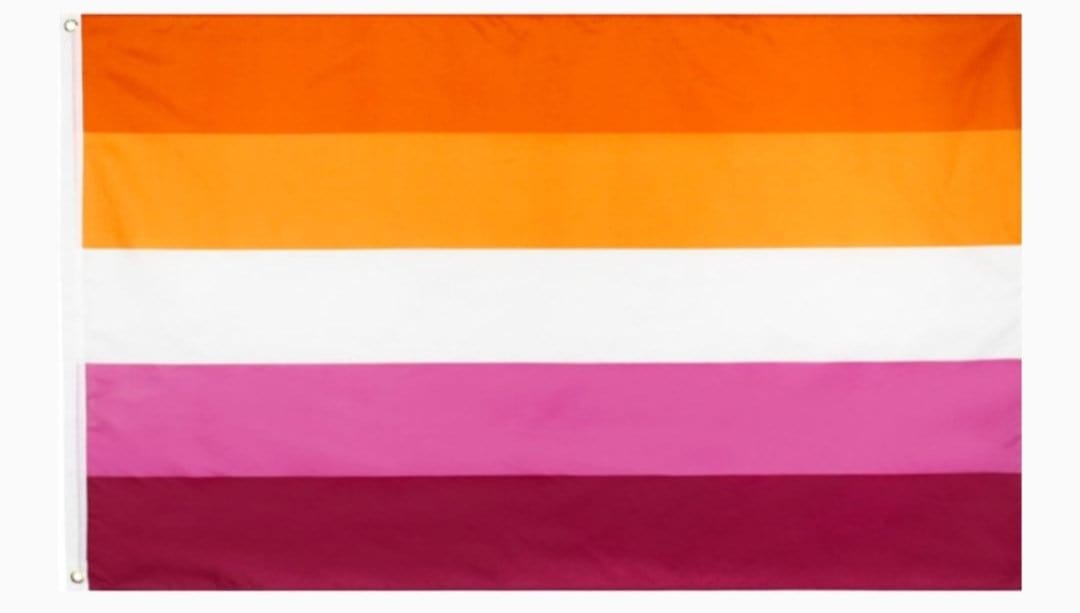
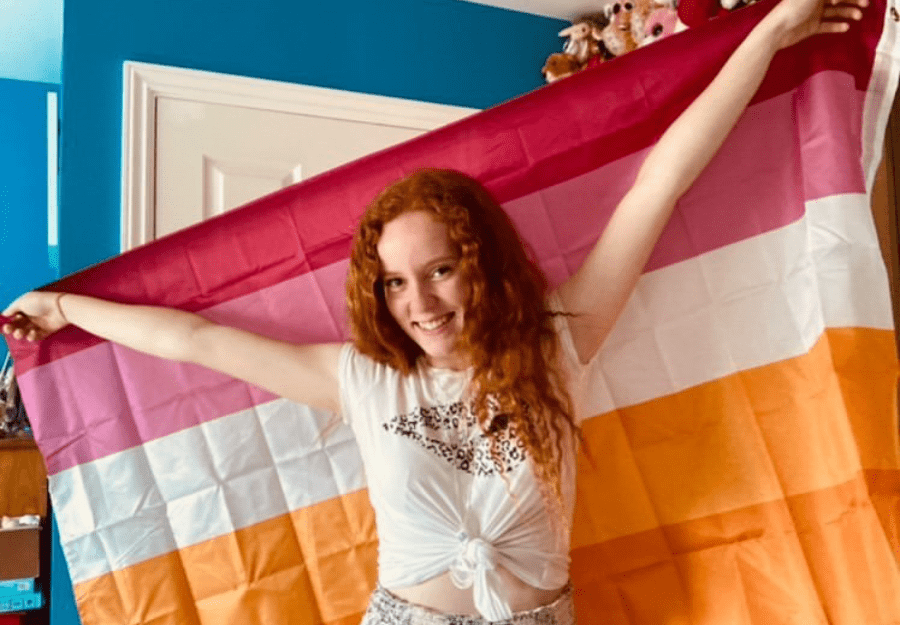
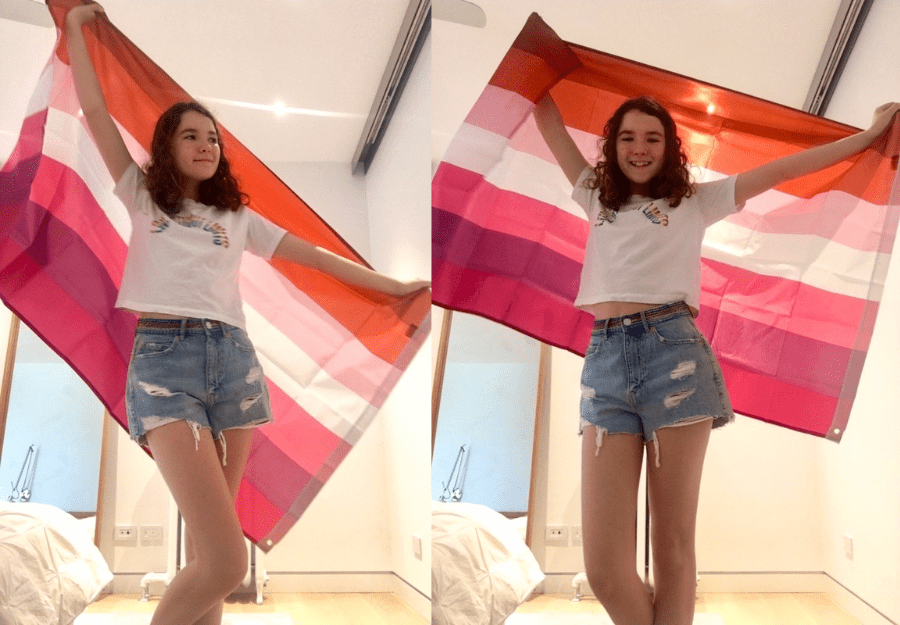
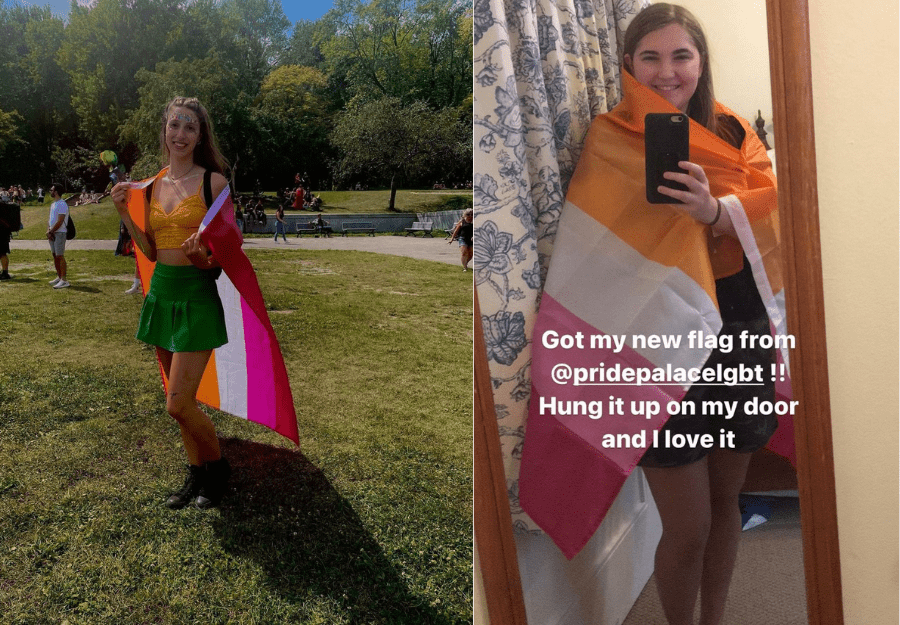
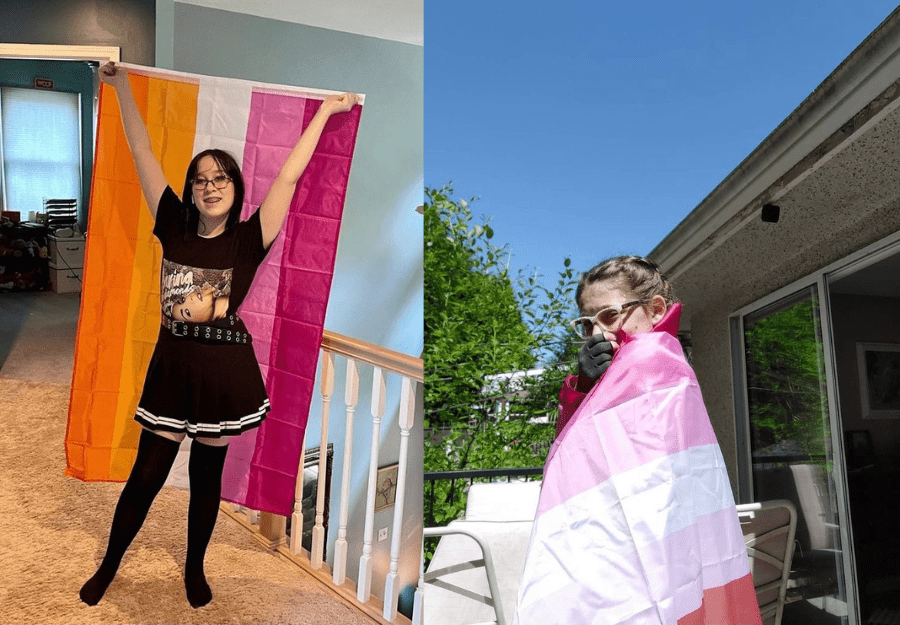
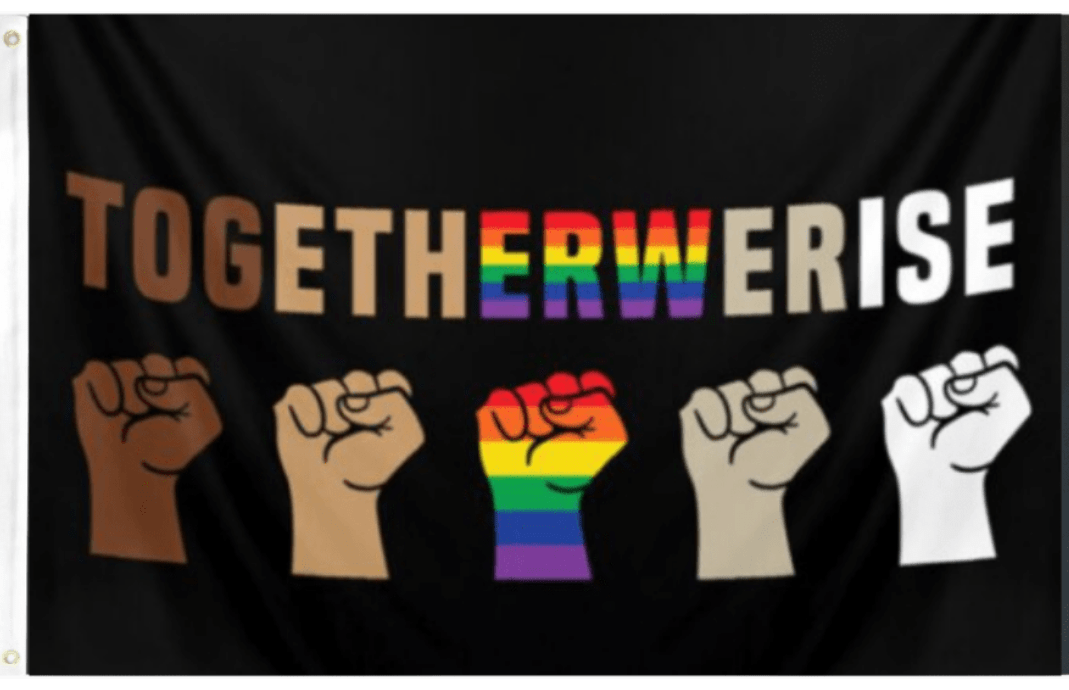
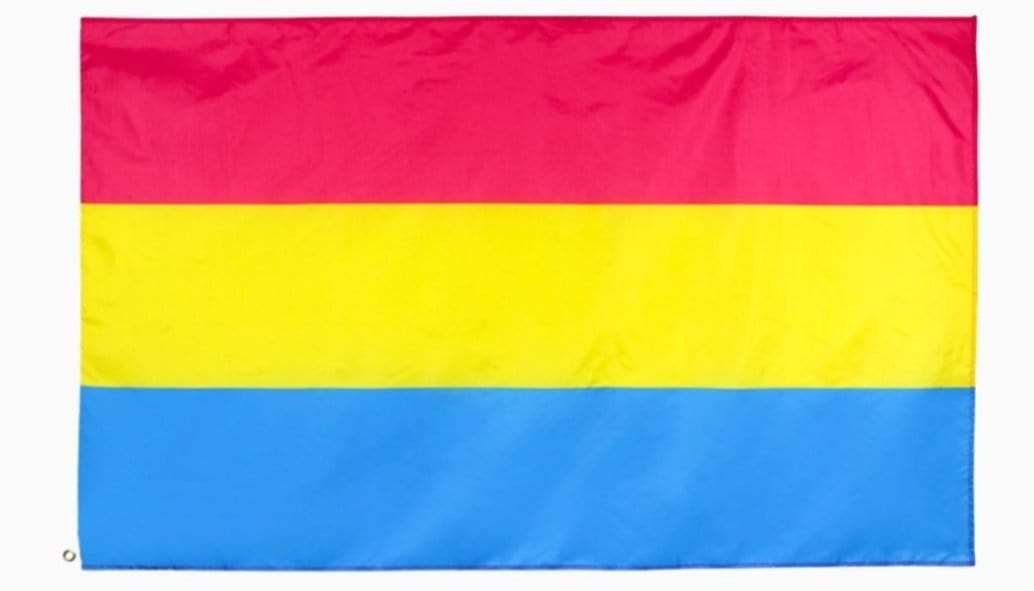
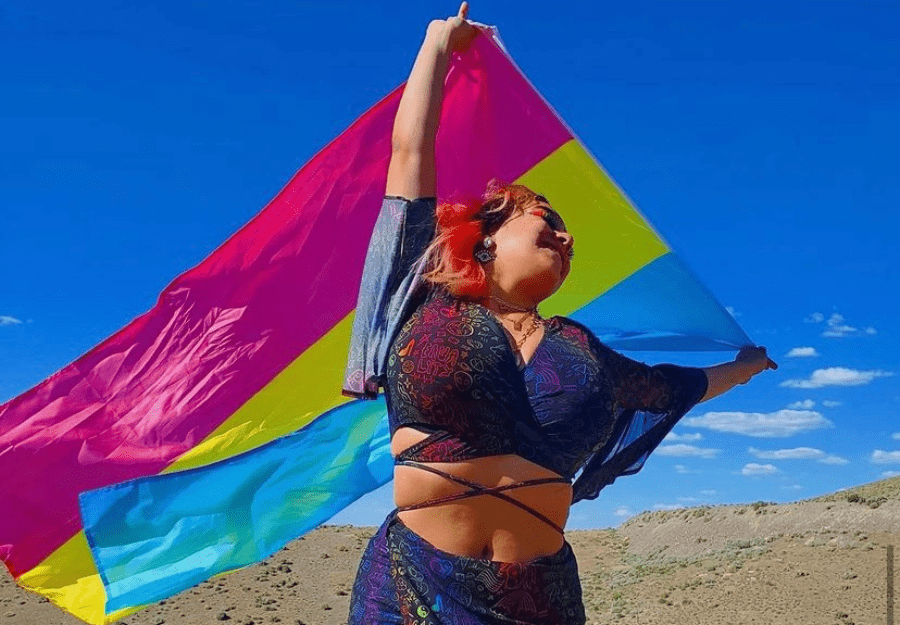
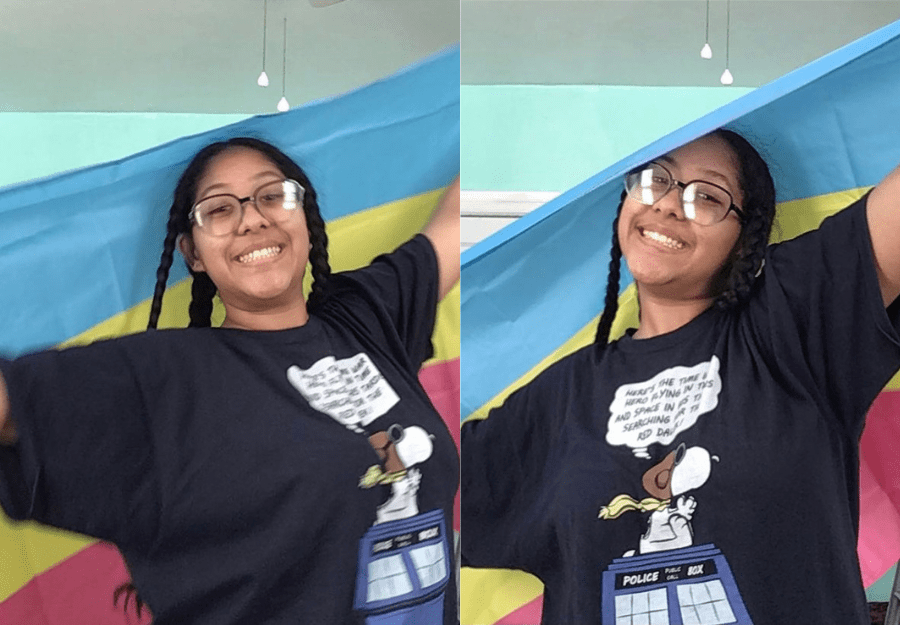
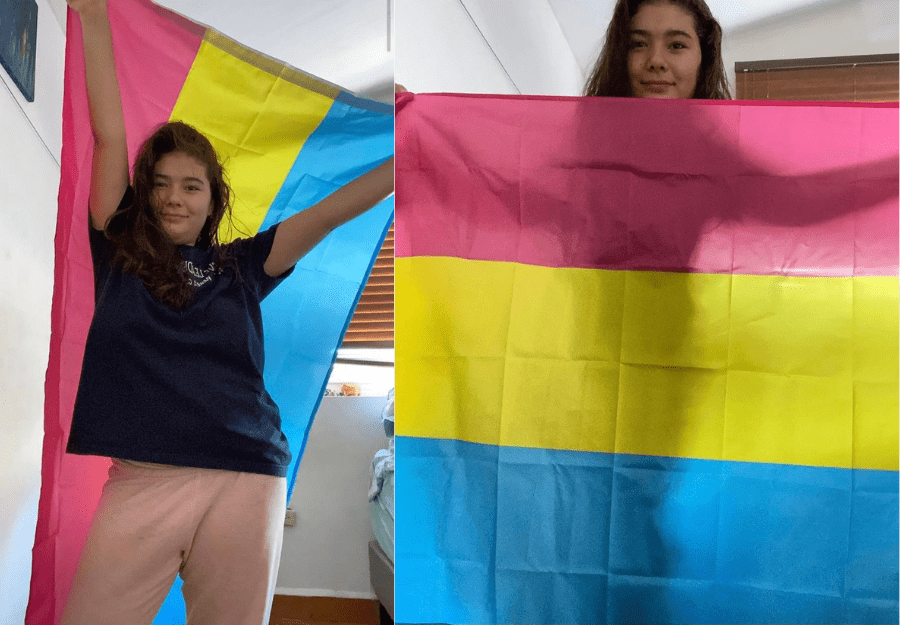
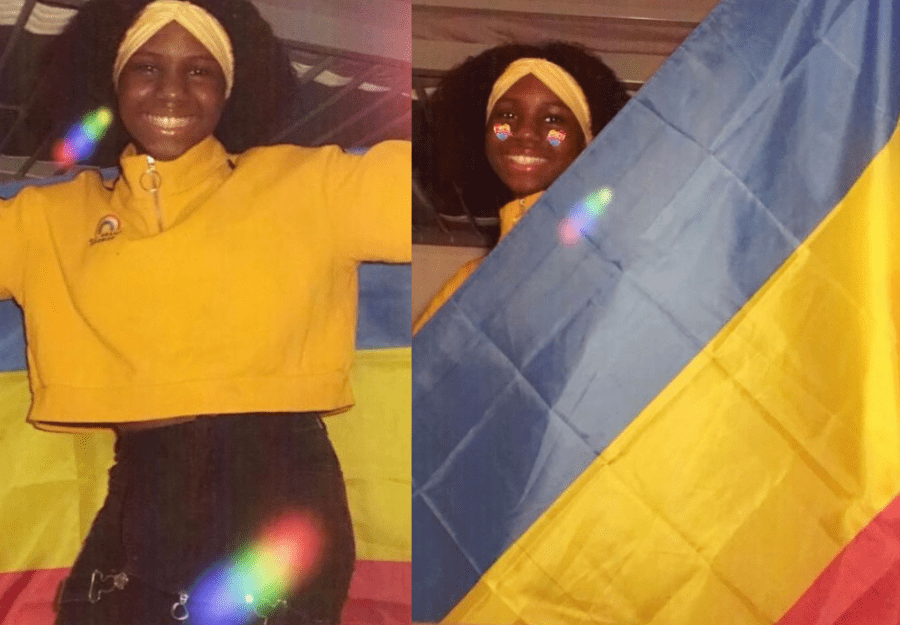
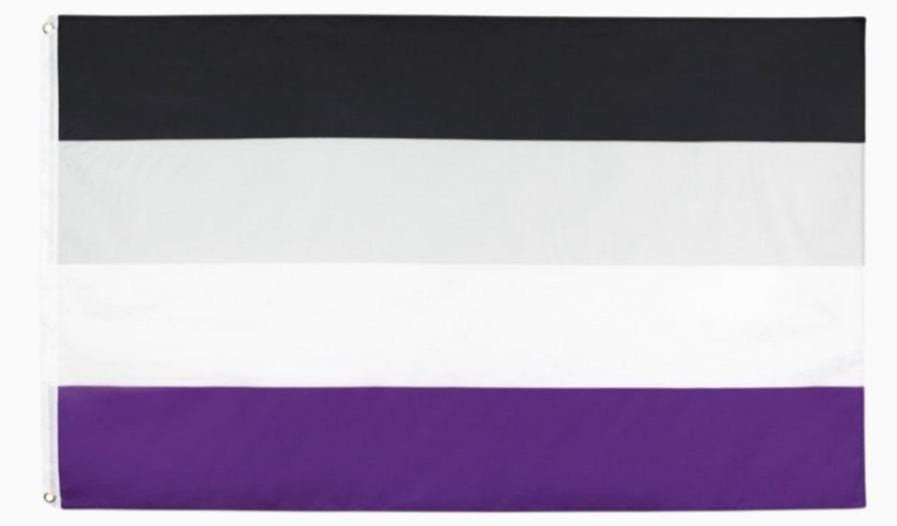
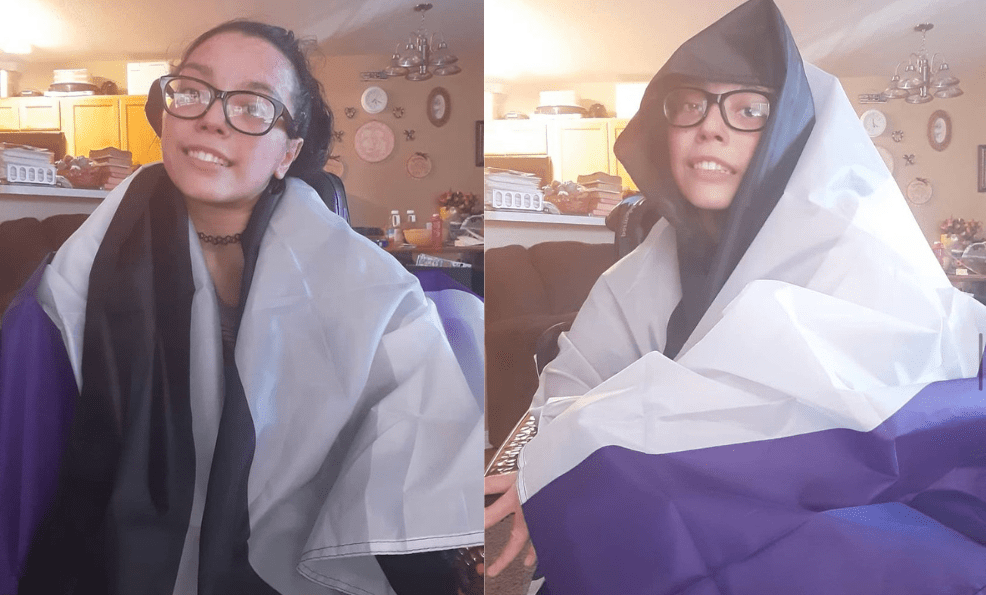
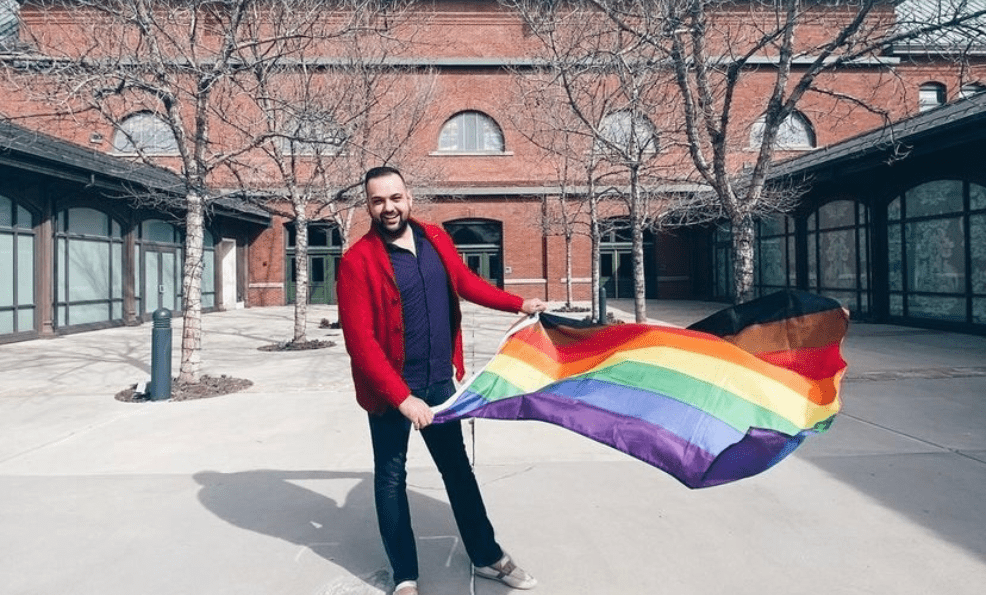
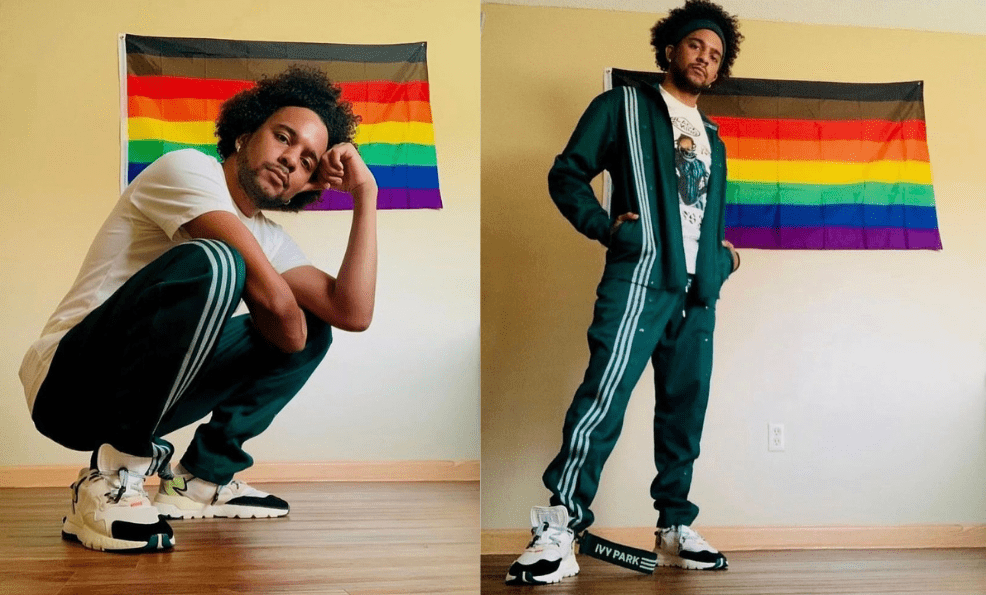
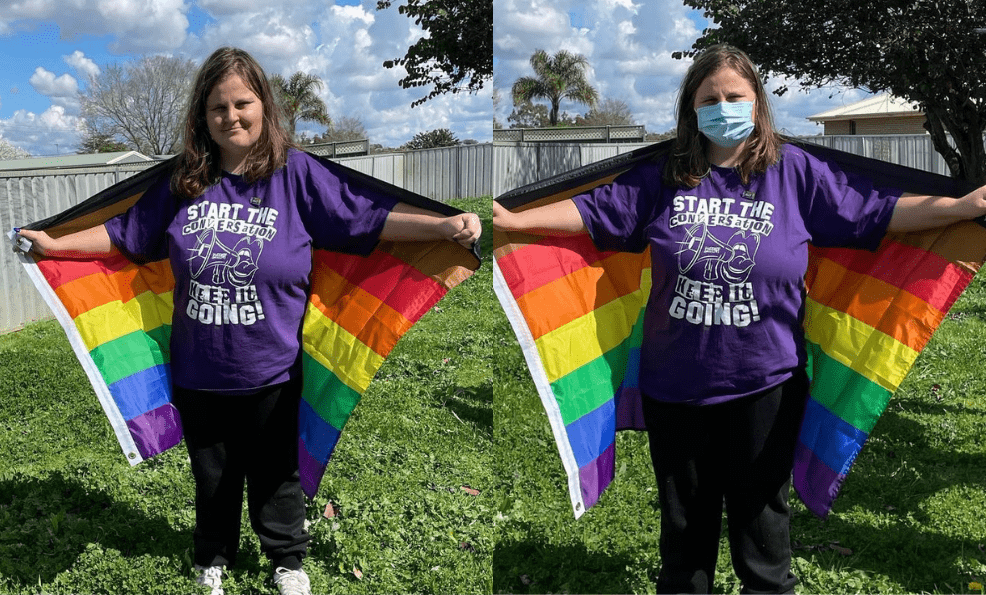
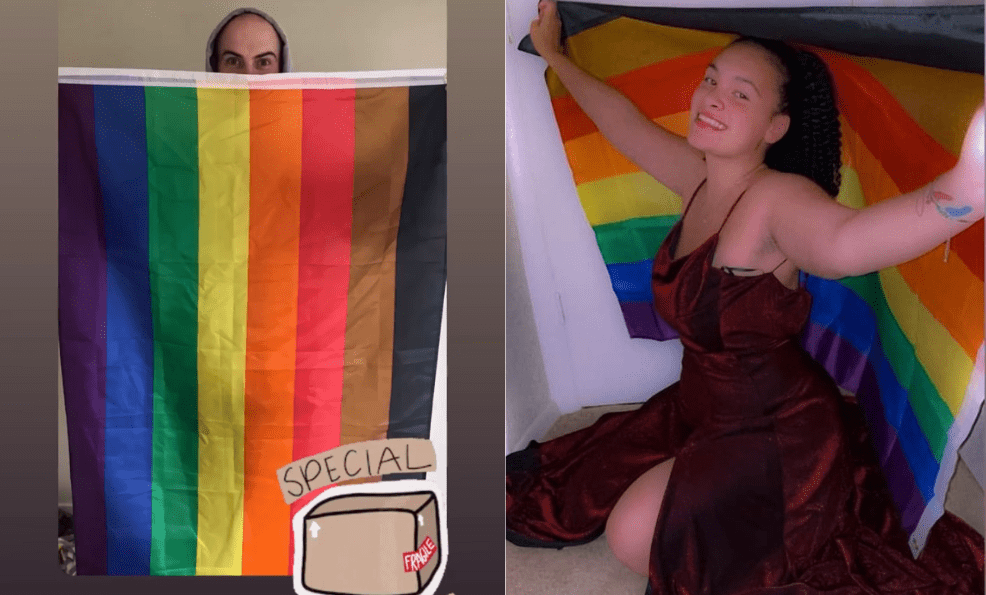
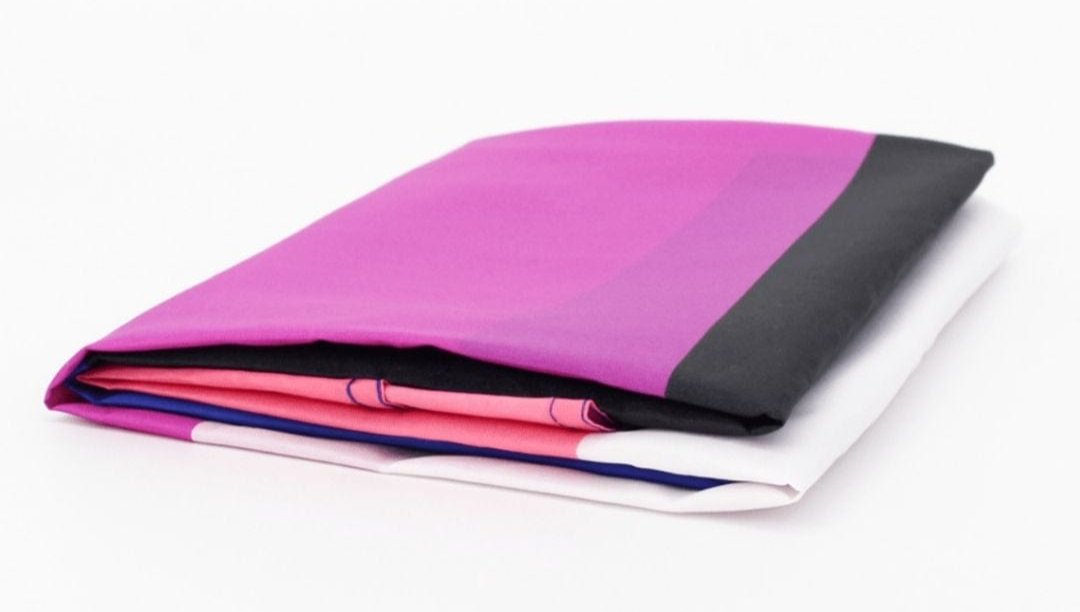
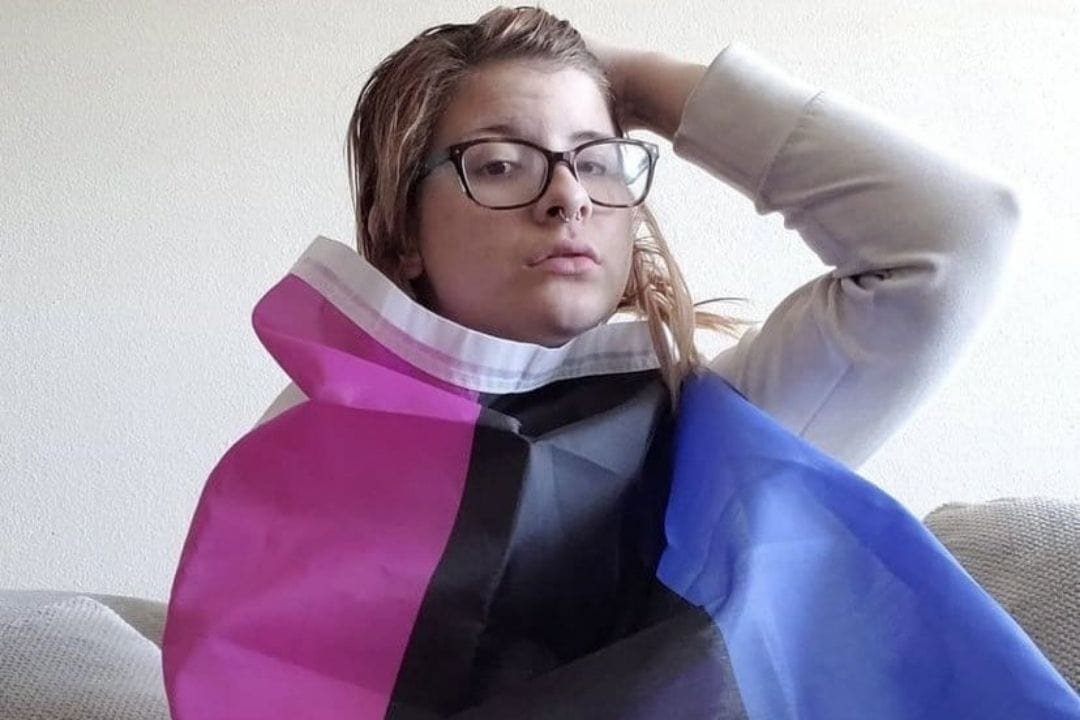
A flag is not decoration. It is a declaration. For a lot of people, flying a Pride flag is their first visible act of coming out -- safer than a conversation, more durable than a social media post, readable to other LGBTQ+ people in the neighborhood who are still figuring things out.
Our customers describe the utility plainly:
"I work at a college... I've made a point over the last year to wear as much pride gear as I can while working... now there are a few students and staff who always came specifically to me for help. It's very 'knowing look, small nod' but it feels nice to have even that small amount of community within the college."
That is not a flag in a window. That is a flag worn on a lanyard creating a signal that draws people who need a safe person toward one. The visibility is doing a job.
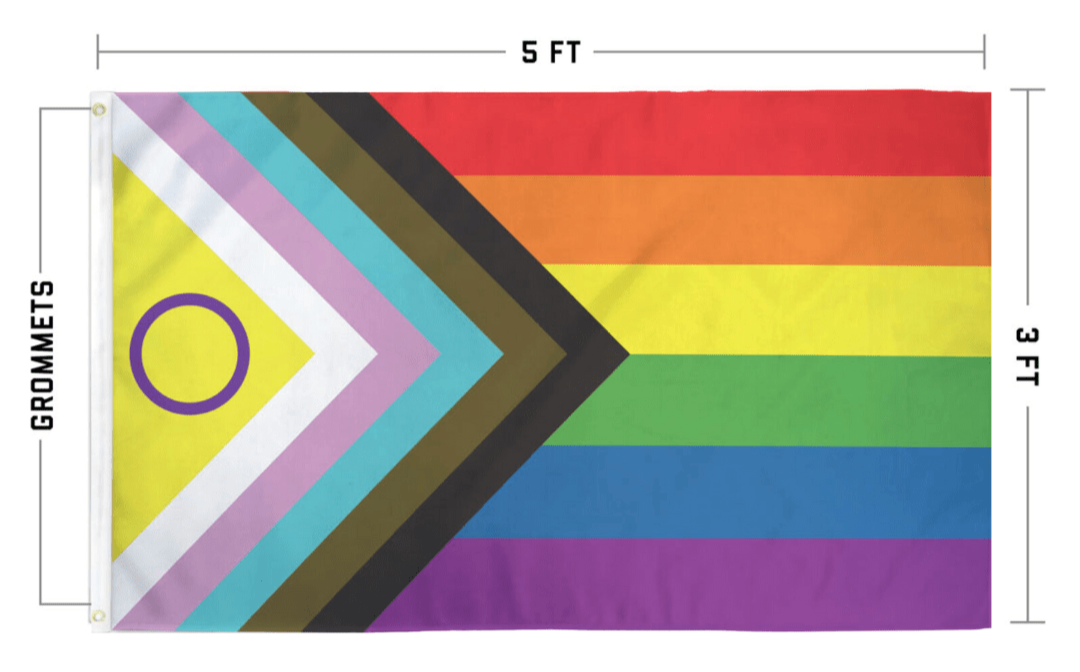
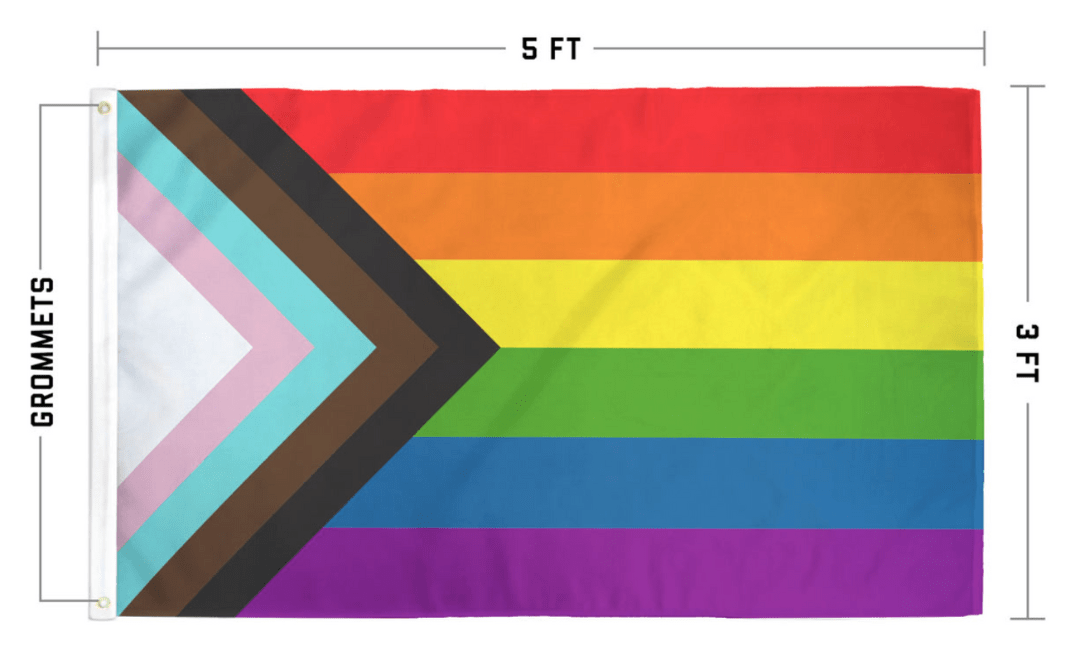
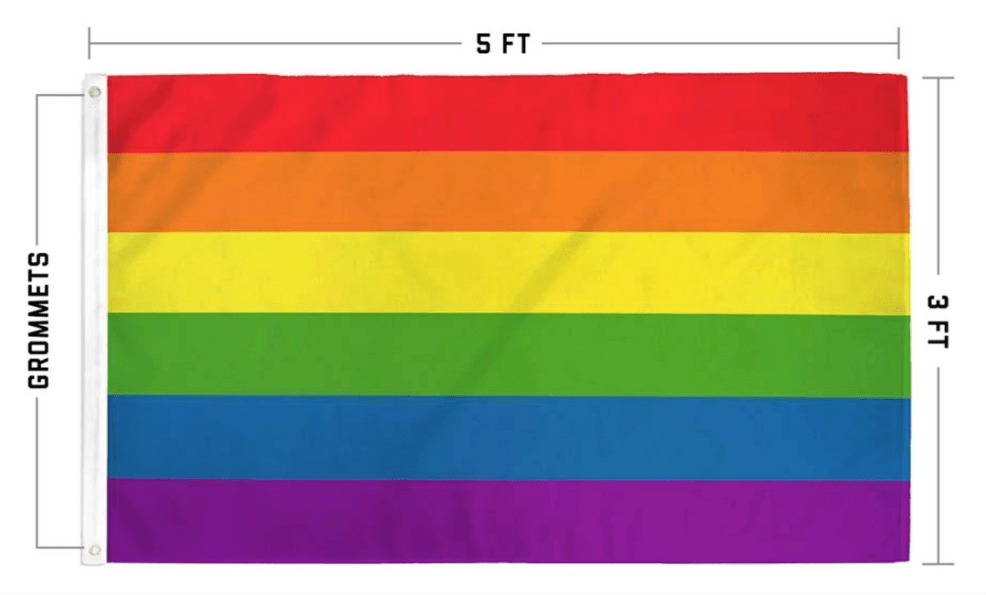
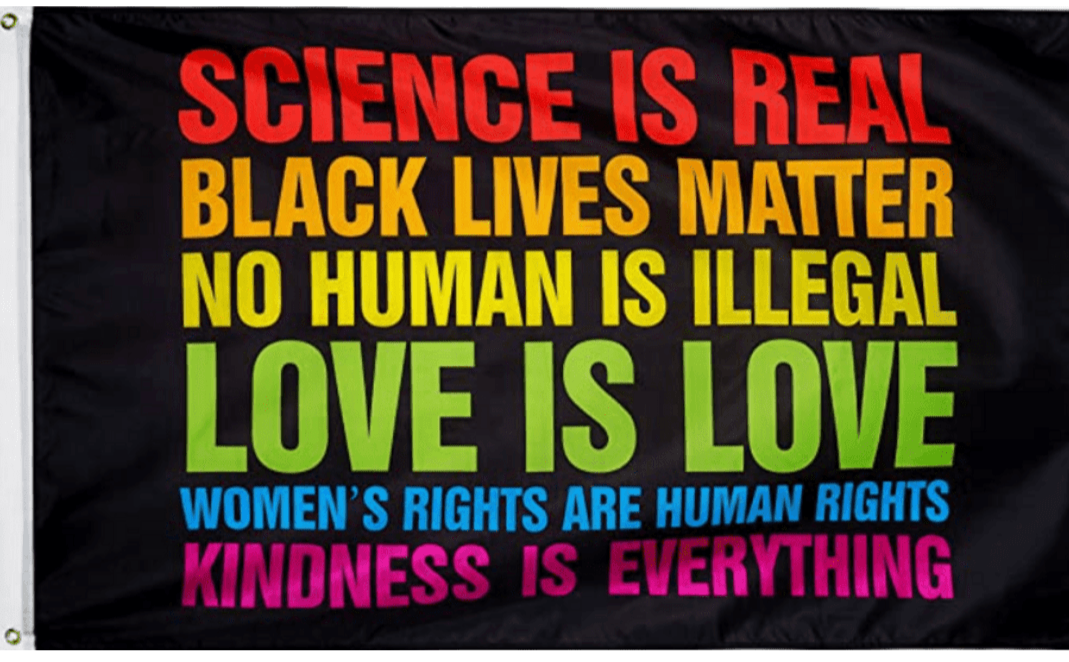
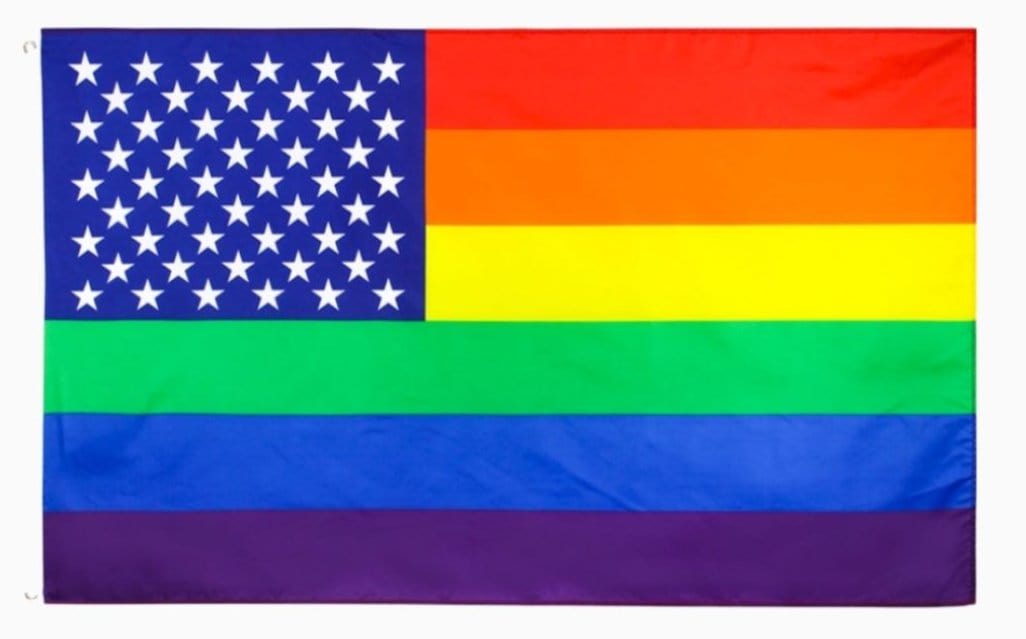
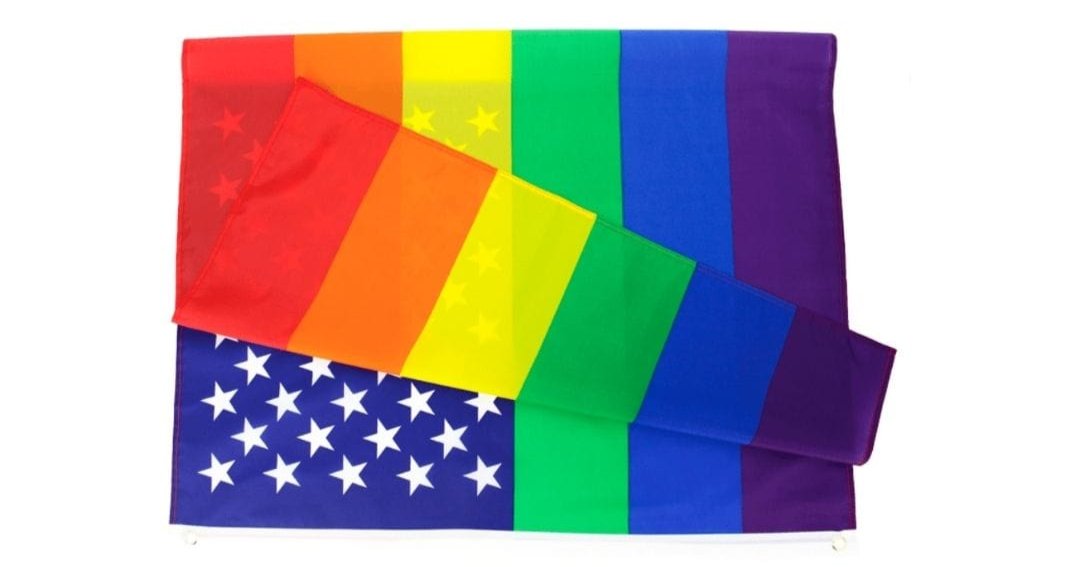
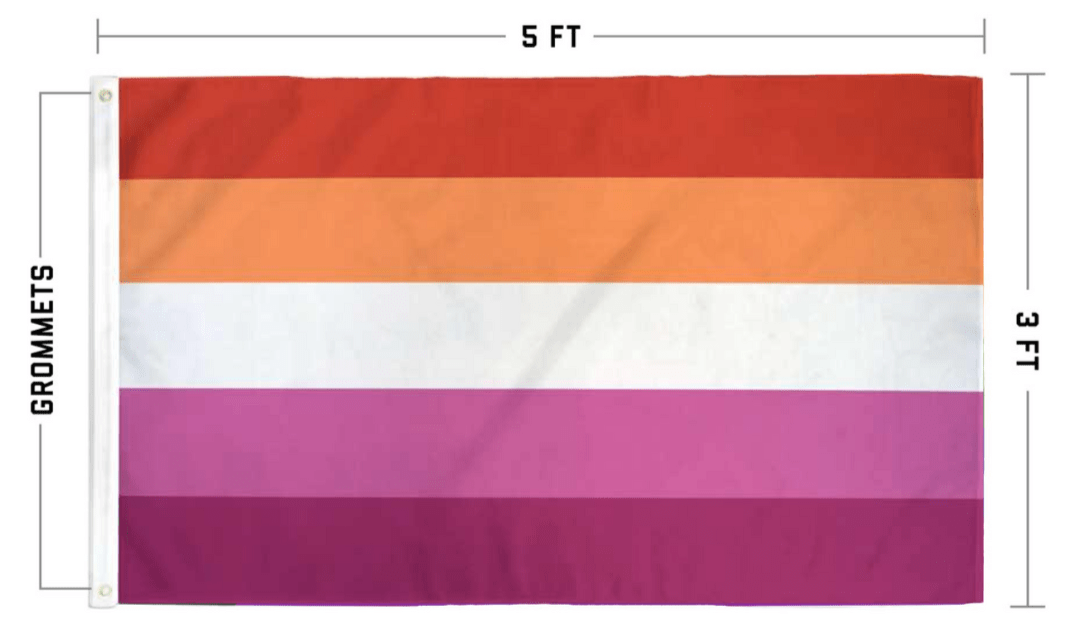
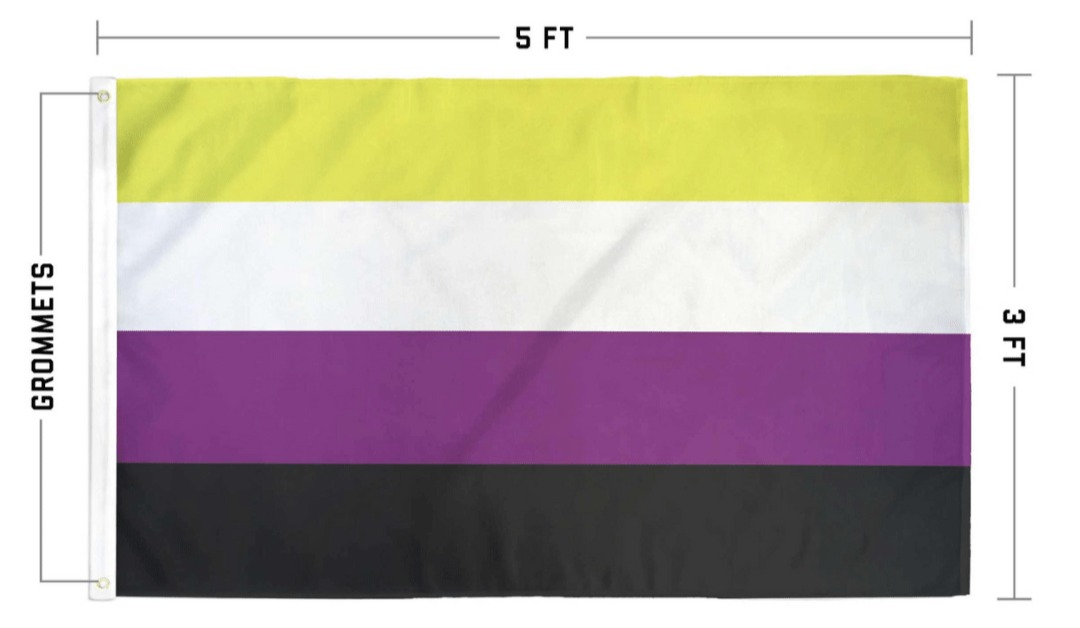
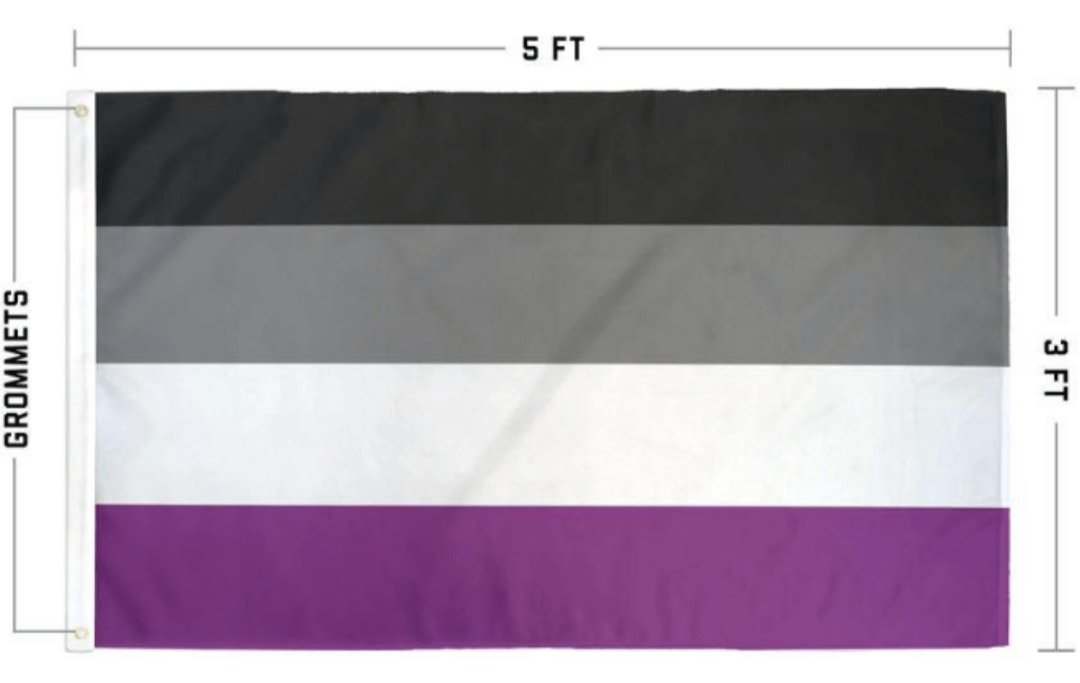
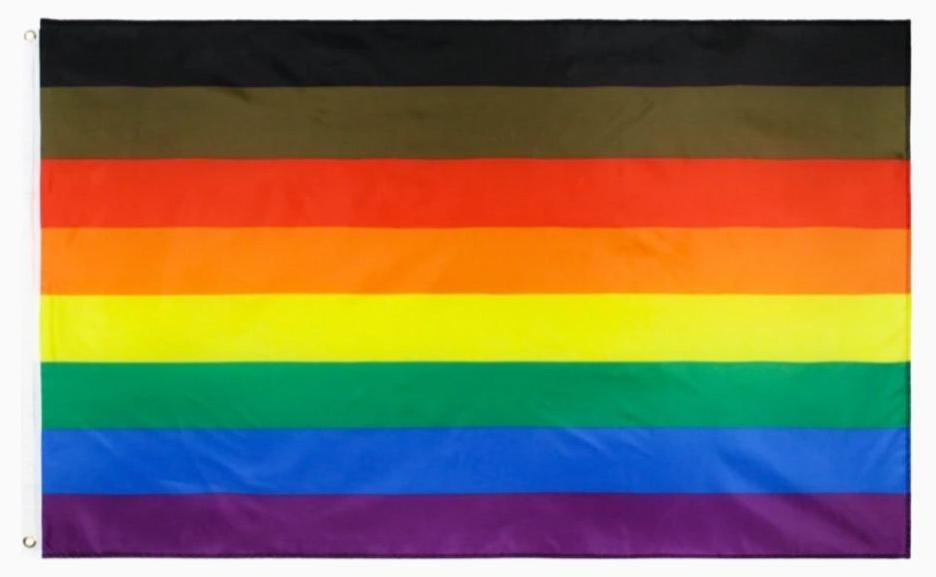
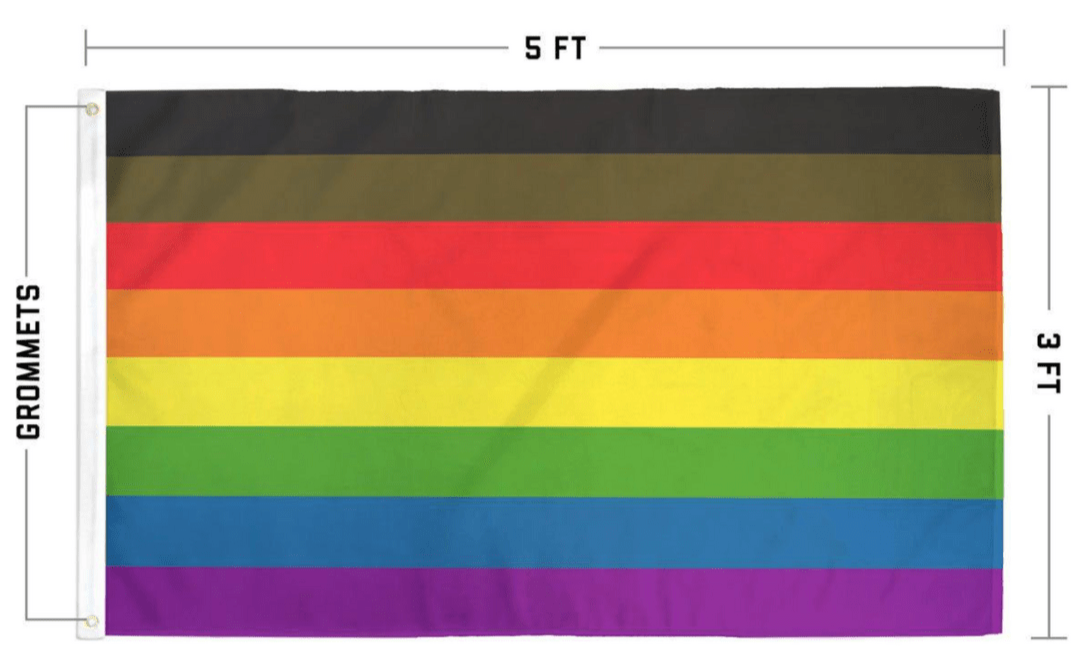
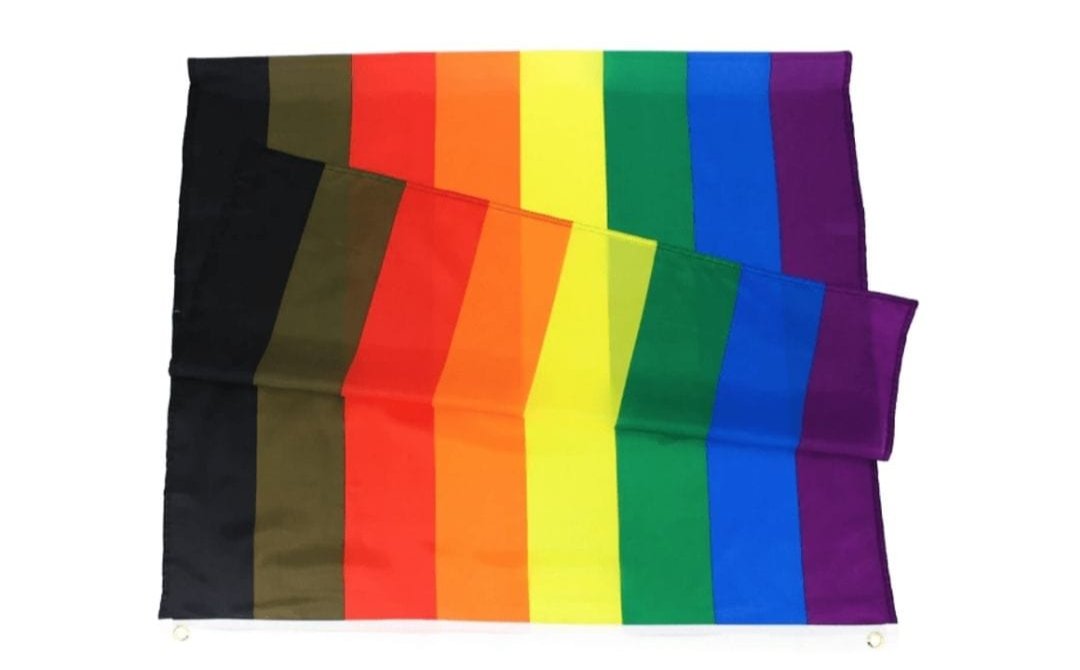
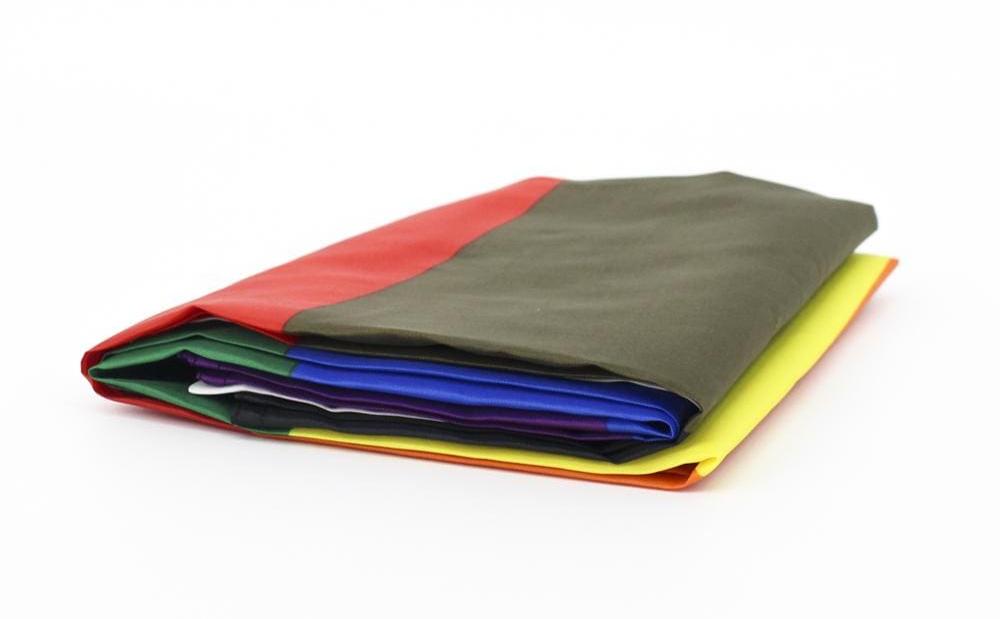
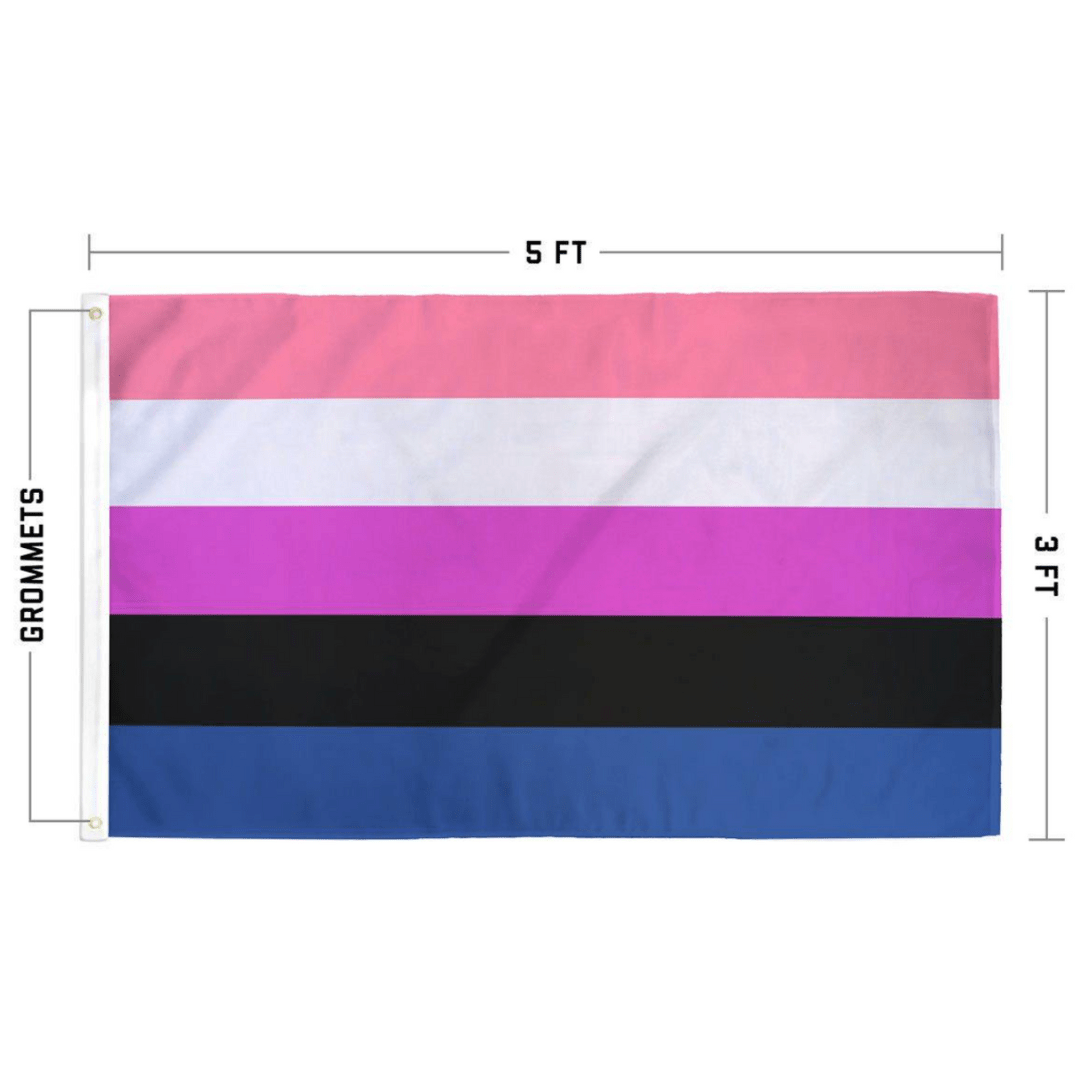
All 33 Pride flags in the collection are $19.95. A standard 3x5 foot flag is the size that works outdoors on a bracket, indoors wall-mounted, or in a window. Not every coming-out moment is public. All sales benefit LGBTQ+ charities.
What if coming out is not safe right now?
Then it is not the right time, and National Coming Out Day does not change that. The observance celebrates courage, but the courage to protect yourself while you wait for safer ground is real courage too.
A few practical things worth naming:
- Coming out to one person first is valid. The first conversation is usually the hardest. Finding one trusted person before going wider is not being half-hearted; it is how most coming-outs actually happen.
- Online community comes first for many people. Discord servers, Reddit communities, and platforms like Bluesky give LGBTQ+ people a space to explore identity before bringing it into a physical environment where the stakes are higher.
- Smaller visibility is still visibility. A pin. A piece of jewelry. A flag in a space only you see. These are not lesser versions of coming out. They are the form coming out takes when the full version is not safe.
The Trevor Project's crisis services are available 24/7 for LGBTQ+ young people who need support: call or text 988 and say you are LGBTQ+, or reach TrevorLifeline at 1-866-488-7386.
See every Pride flag we carry and the full guide to LGBTQ+ Pride flags and their meanings.
Frequently asked questions
What is National Coming Out Day?
National Coming Out Day is an annual LGBTQ+ awareness observance on October 11. It celebrates the courage it takes to live openly as a lesbian, gay, bisexual, transgender, queer, or nonbinary person, and it marks the anniversary of the 1987 National March on Washington for Lesbian and Gay Rights.
When is National Coming Out Day?
National Coming Out Day is observed every year on October 11.
Who founded National Coming Out Day?
Rob Eichberg and Jean O'Leary founded National Coming Out Day in 1988, one year after the 1987 National March on Washington for Lesbian and Gay Rights. They chose October 11 to mark the anniversary of that march, which drew approximately 500,000 people.
Do I have to come out on National Coming Out Day?
No. Coming out is a personal decision and there is no obligation tied to any date on the calendar. National Coming Out Day is meant to celebrate those who are out and to support those who are not ready or for whom coming out is not safe. Your timeline is yours.
Is coming out safe?
It depends heavily on your environment. The Trevor Project's 2025 survey found that LGBTQ+ youth in very accepting communities attempted suicide at 6%, compared to 18% in very unaccepting communities -- a threefold difference tied directly to how safe a person's environment is. Safety planning before coming out is a real and practical step, not a sign of weakness.
What if coming out is not safe for me right now?
Not coming out when it is not safe is not a failure -- it is self-protection. Visibility matters at a community level, but your individual safety matters more. A Pride flag in a window, a piece of identity jewelry, a pin -- these are visibility tools that work on a smaller scale when a public coming out is not possible.
How do I support someone who is coming out?
Lead with acceptance and follow their pace. Let them control the conversation and what they share. Do not tell others without permission. Ask what they need. The Human Rights Campaign offers a free coming out guide at hrc.org that covers how to be a supportive listener.
What Pride flags are connected to coming out?
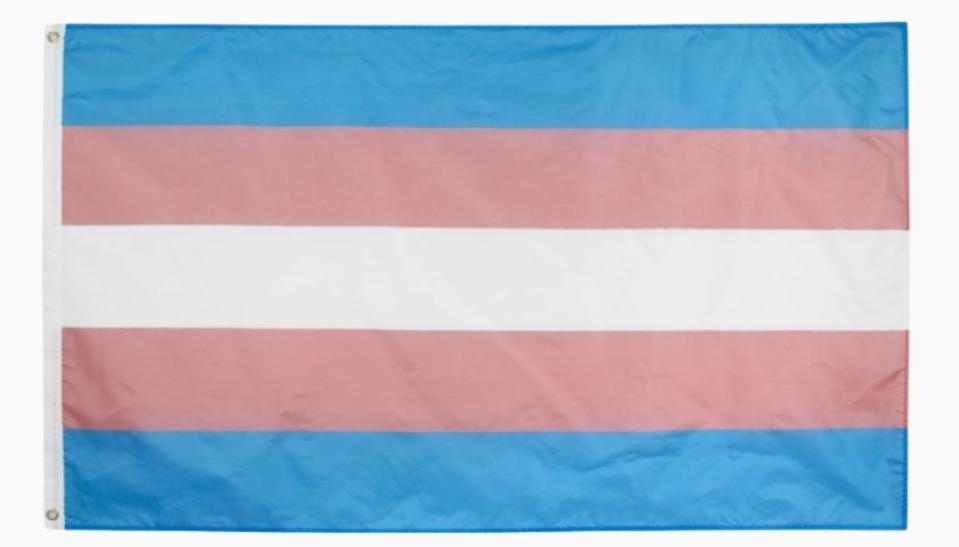
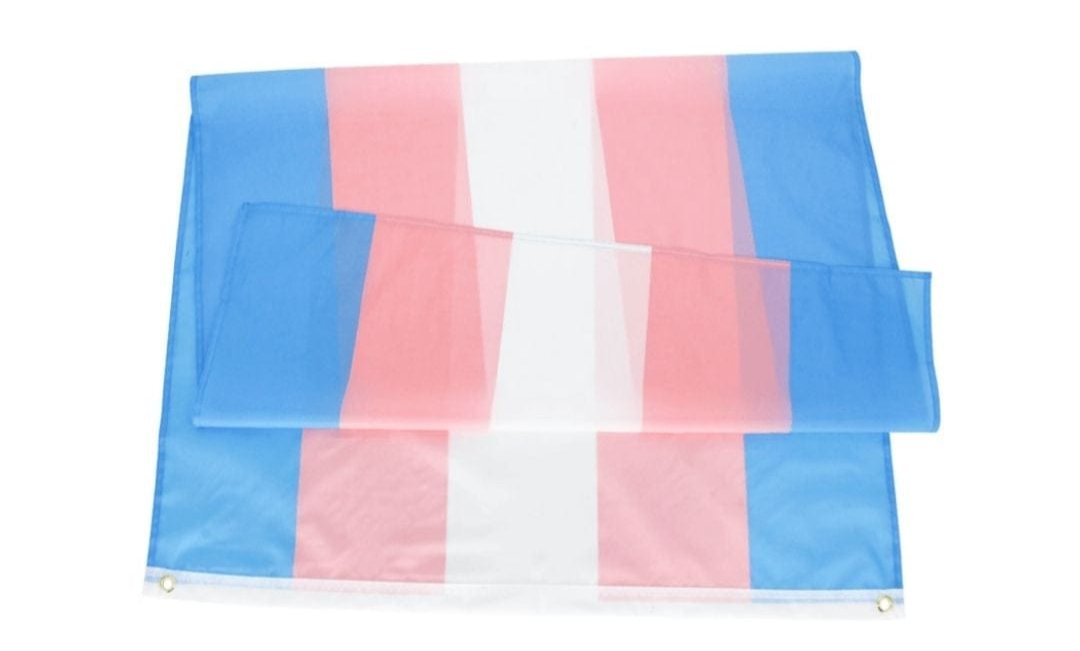
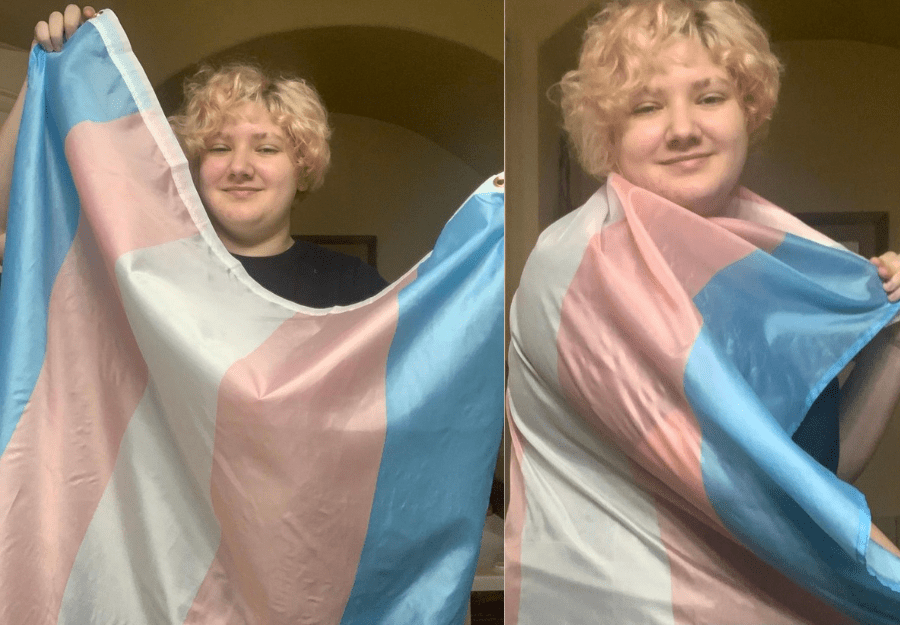
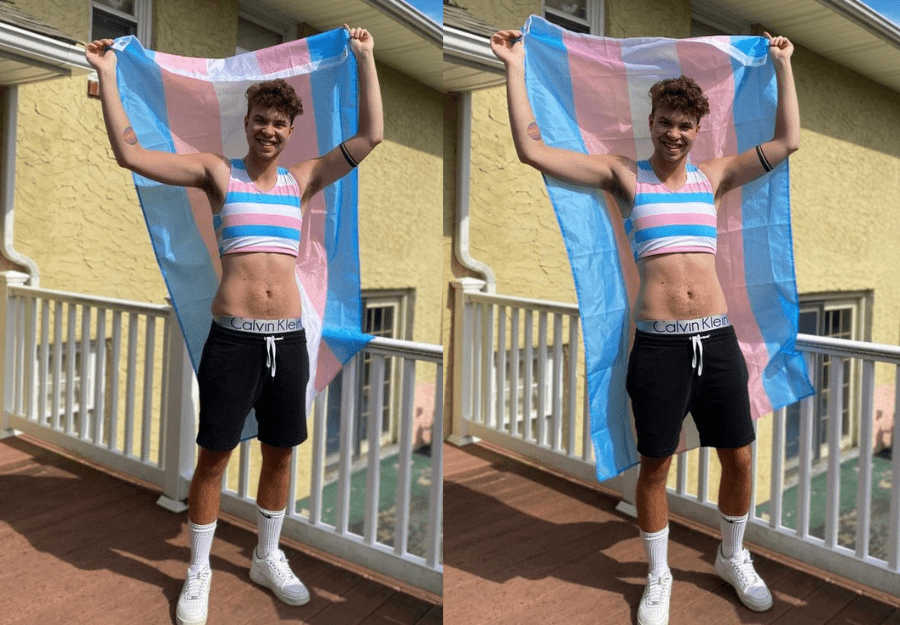
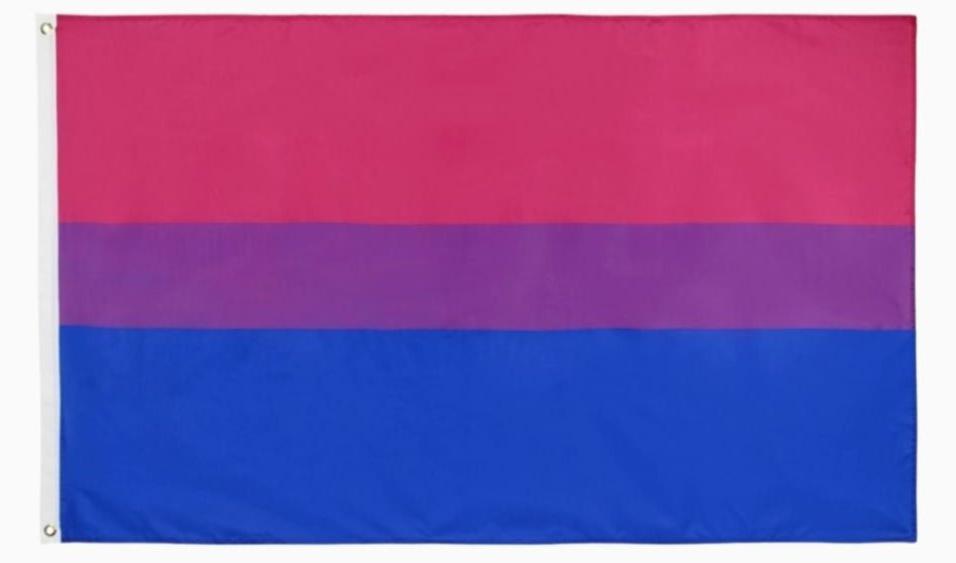
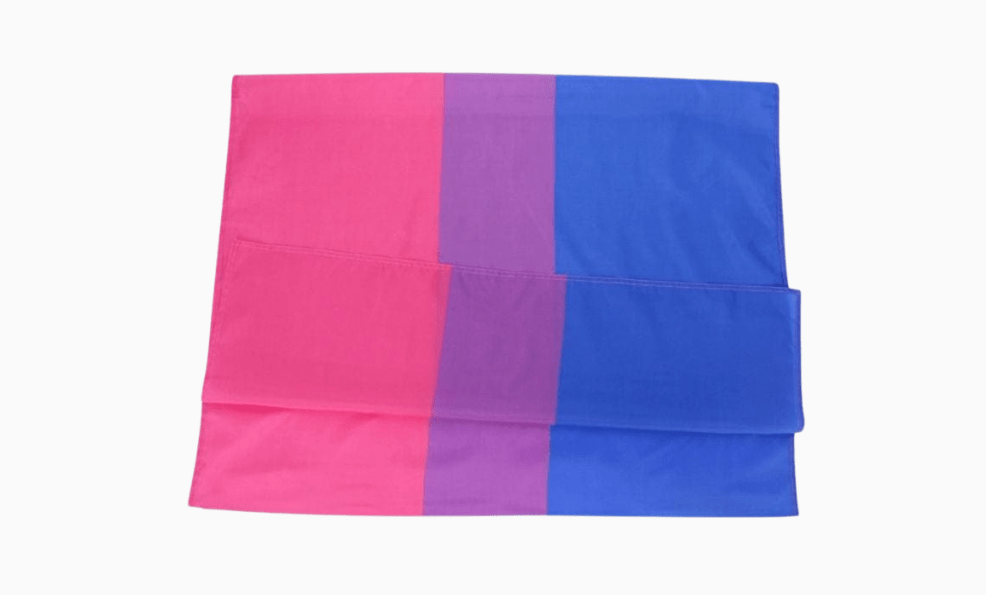
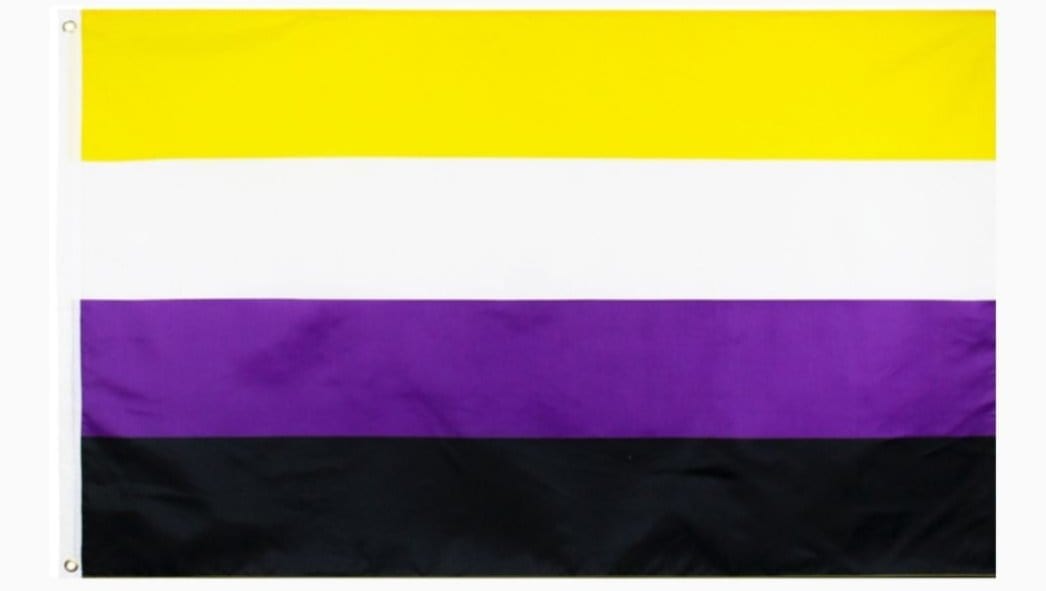
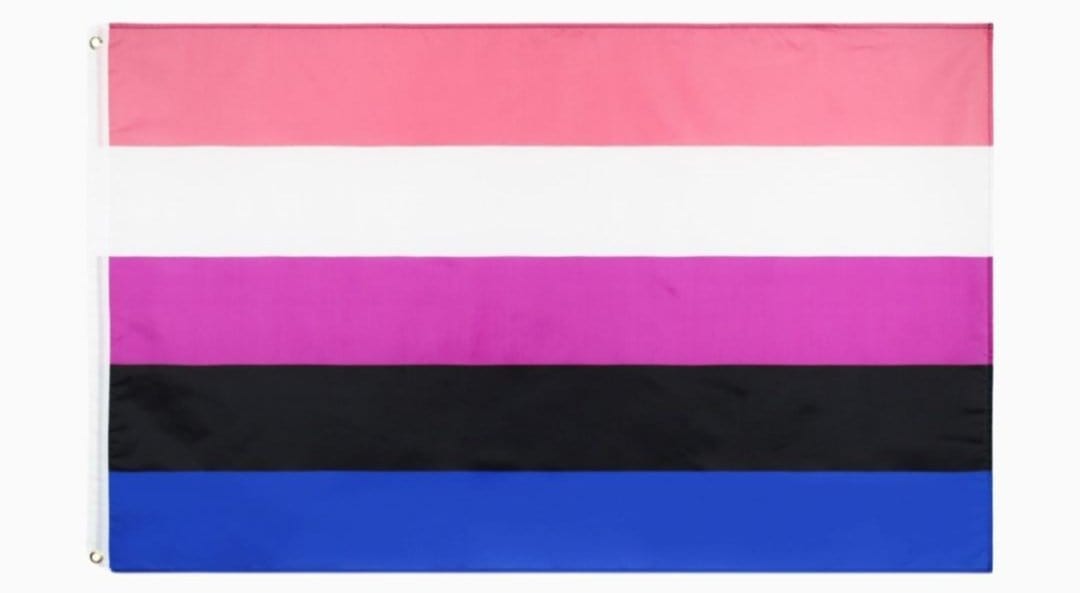
Any flag can be part of a coming out -- it is a visibility tool for whatever identity a person is claiming. The most commonly displayed are the rainbow Pride flag, the transgender Pride flag, the bisexual Pride flag, and the nonbinary Pride flag.
Last updated: September 14, 2026