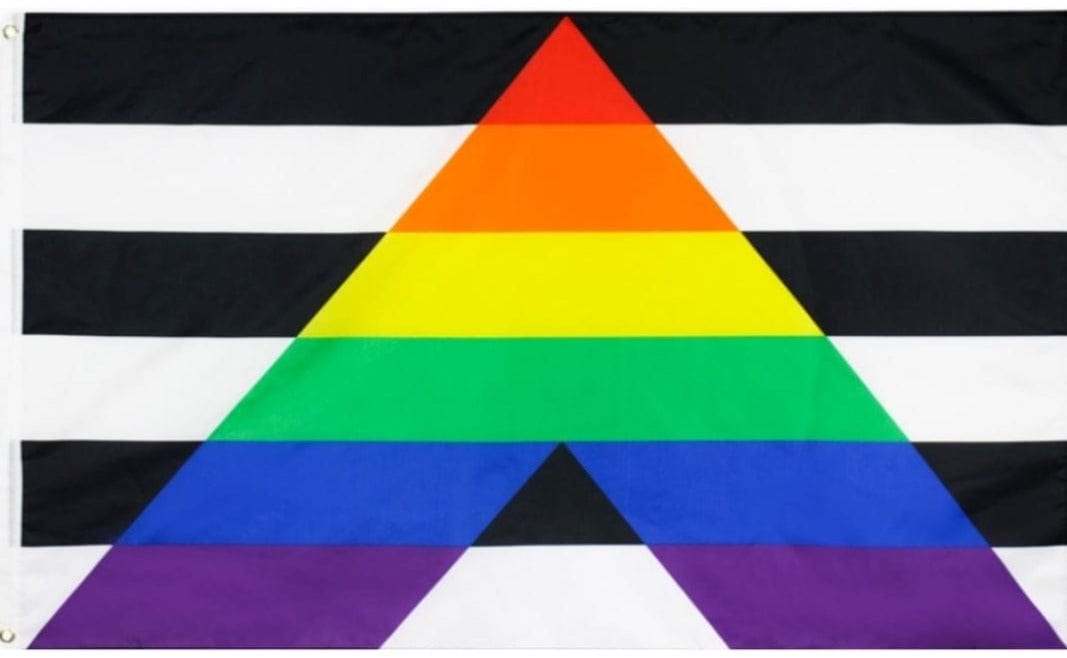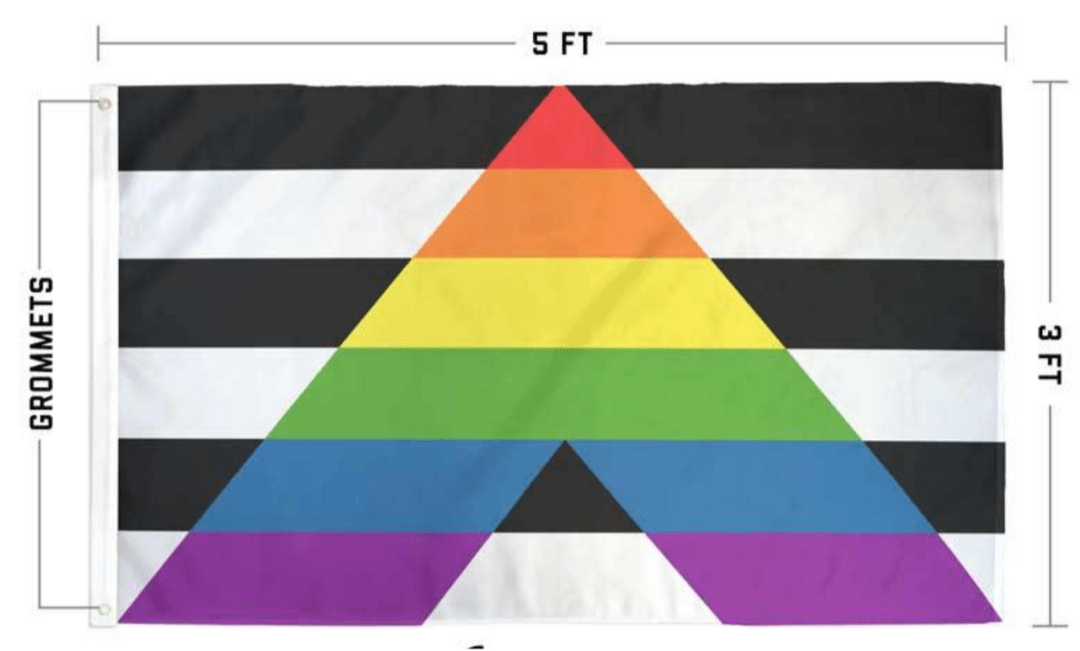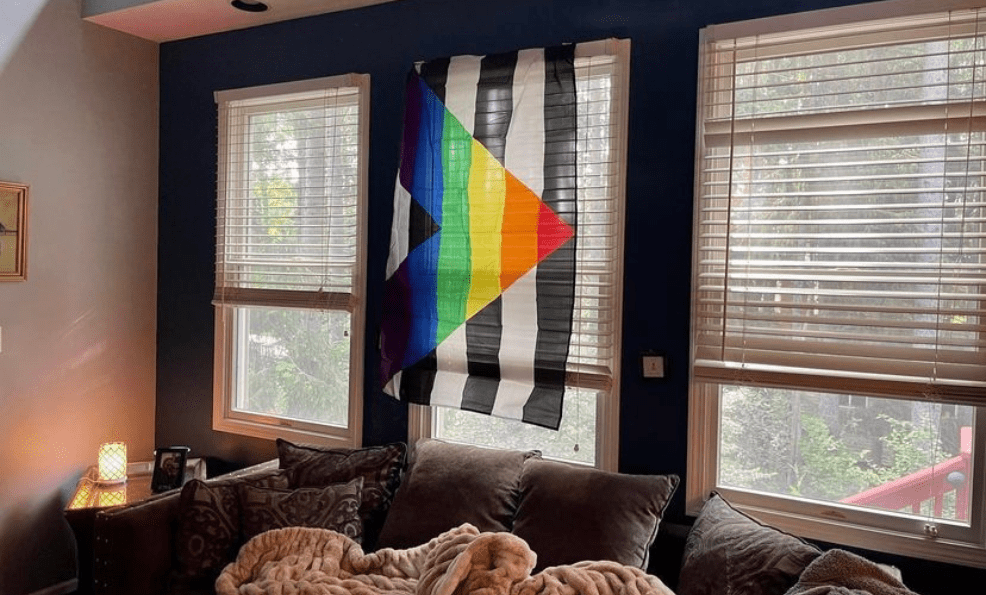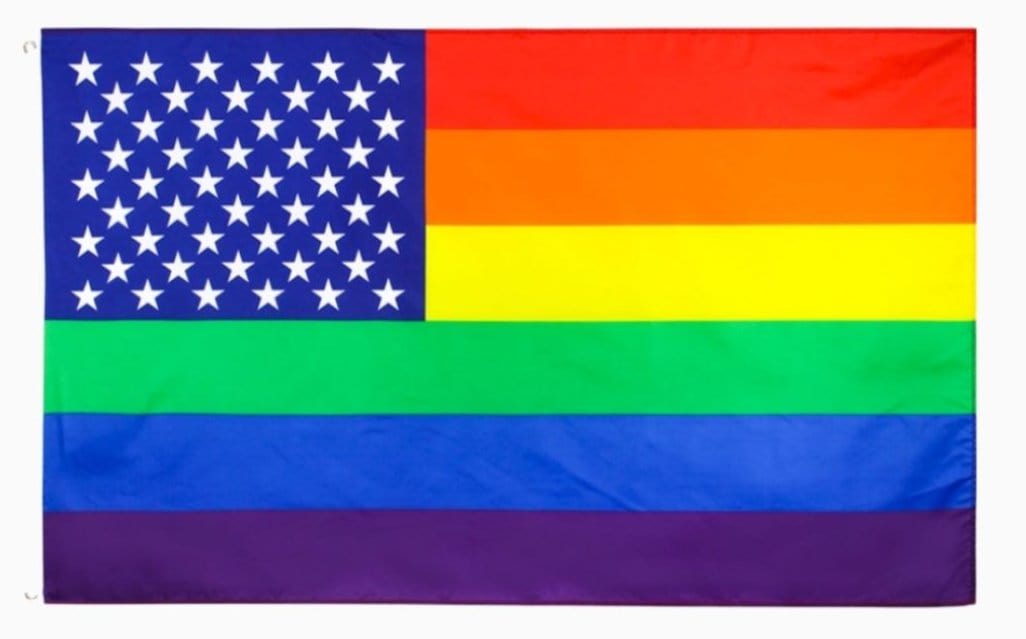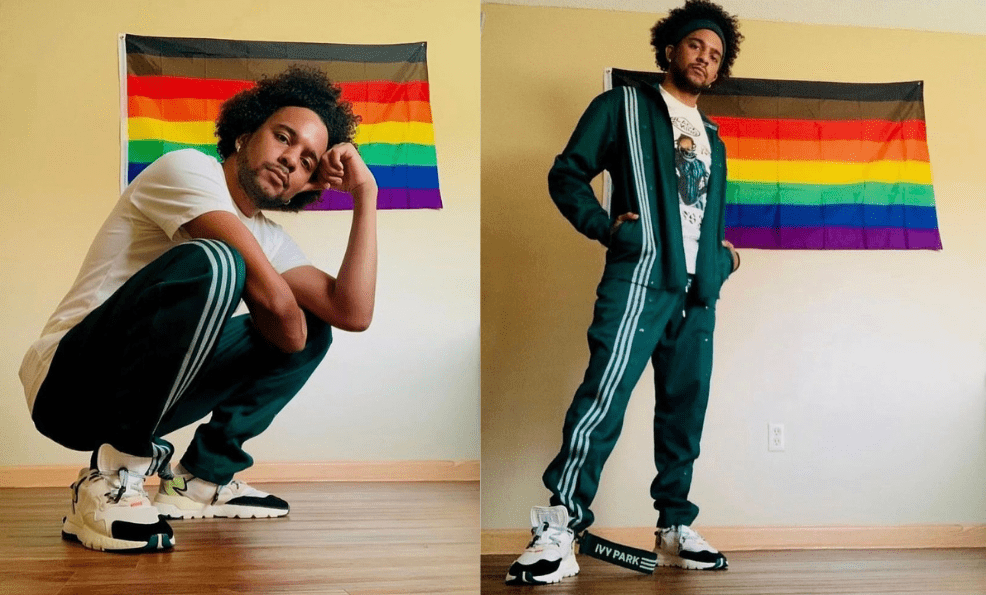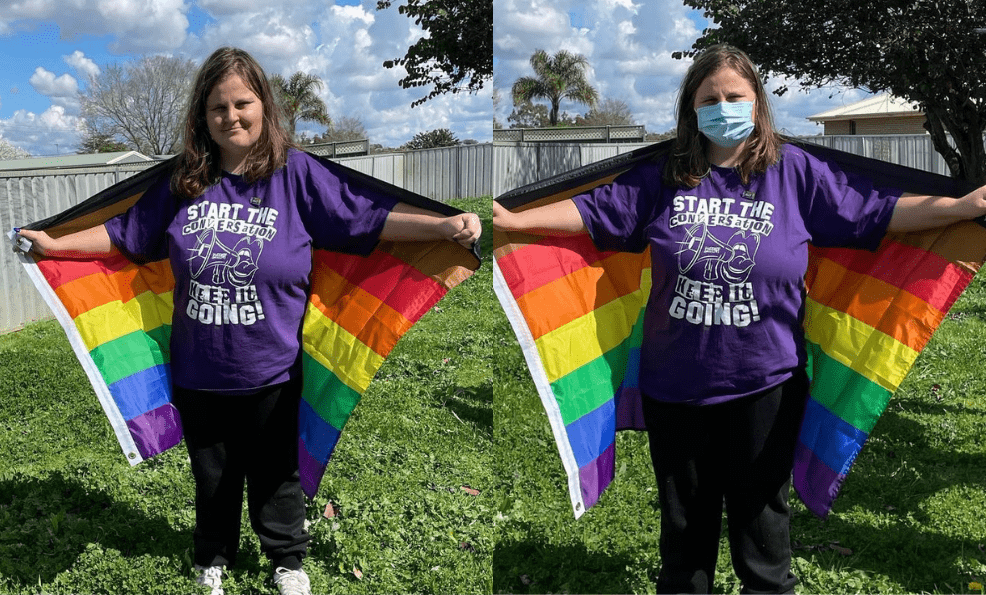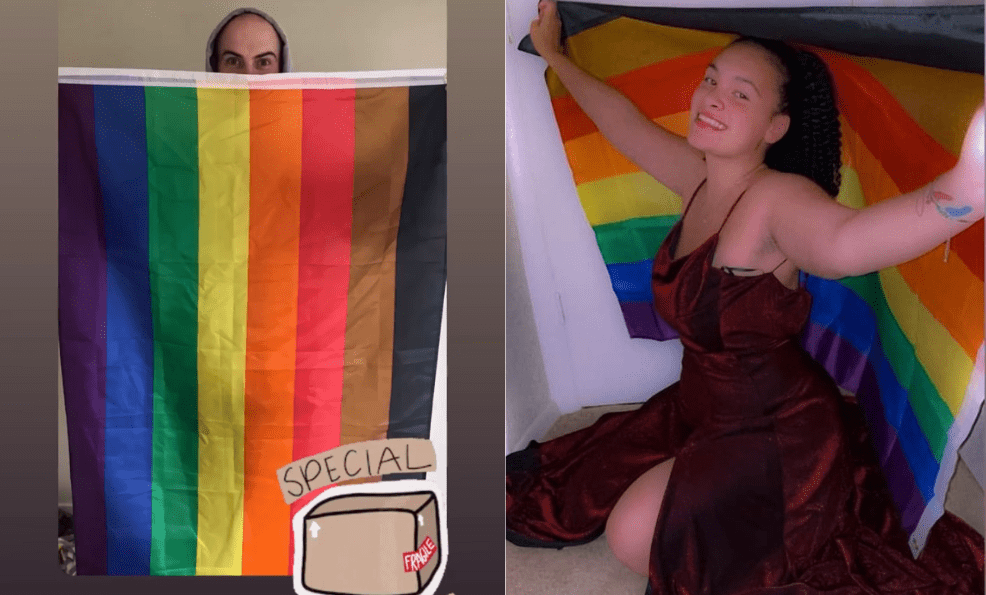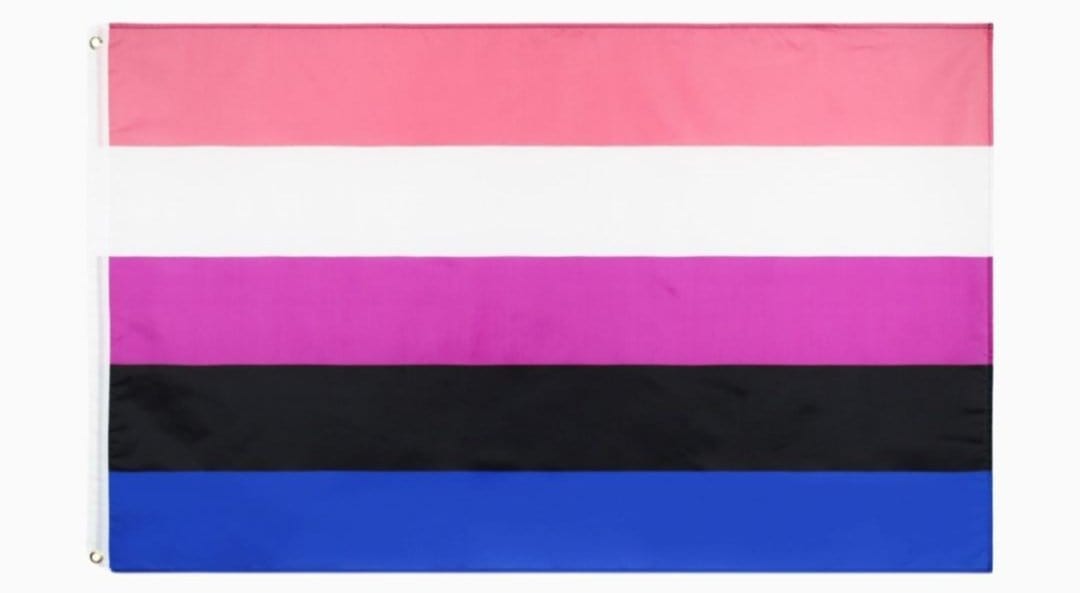

Pride flags are more than colorful symbols — they are visual declarations of identity, resistance, visibility, and community. For many LGBTQ+ people, seeing their flag for the first time is an emotional moment: a reminder that they are not alone, that their identity has a name, a history, and a place in the world.
At Pride Palace, we believe visibility saves lives. Pride flags help people express who they are — whether loudly at Pride or quietly in their personal space.
Introduction to Pride Flags
Flags have long been used to represent nations, movements, and shared values. Within the LGBTQ+ community, pride flags serve a similar purpose: they communicate belonging, solidarity, and self-acceptance.
Each pride flag carries intention. Colors represent concepts like freedom, love, healing, spirit, and resistance. Some flags were born from activist movements, others from online communities demanding recognition.
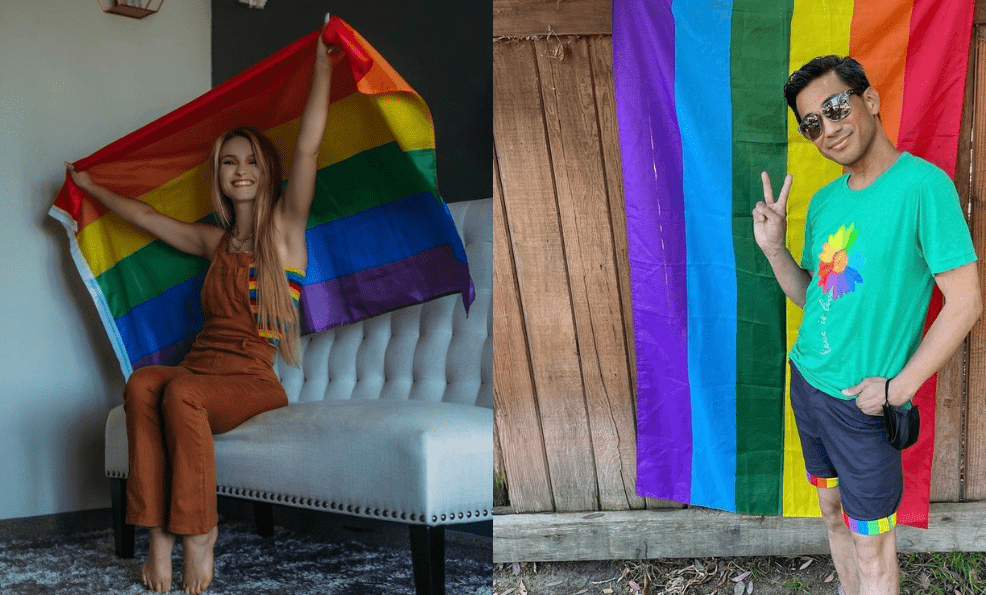
Today, pride flags appear in marches, homes, classrooms, dorm rooms, workplaces, and social media bios. They can be bold or subtle — but their meaning is always powerful.
The History of the Rainbow Flag
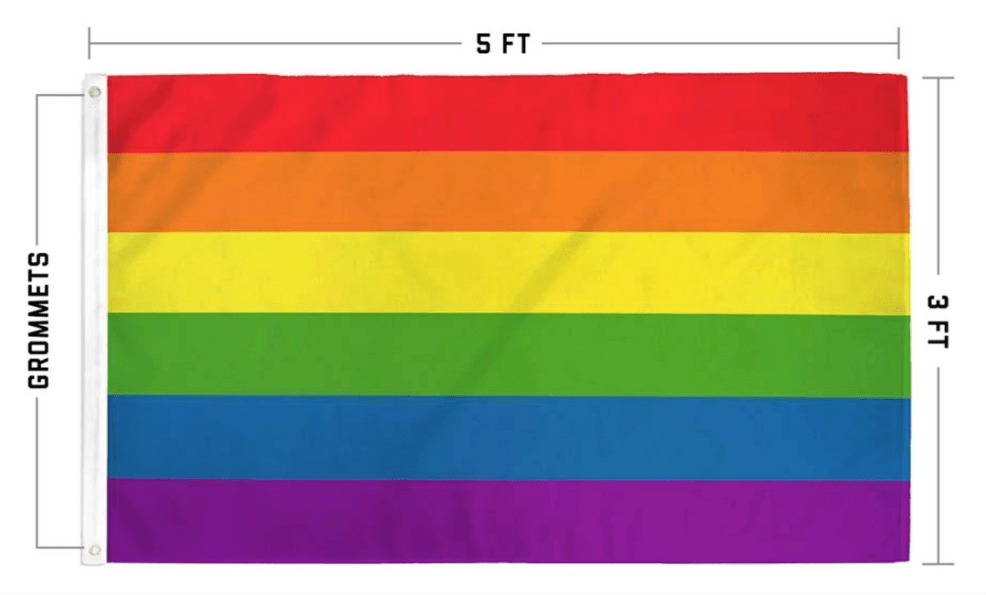
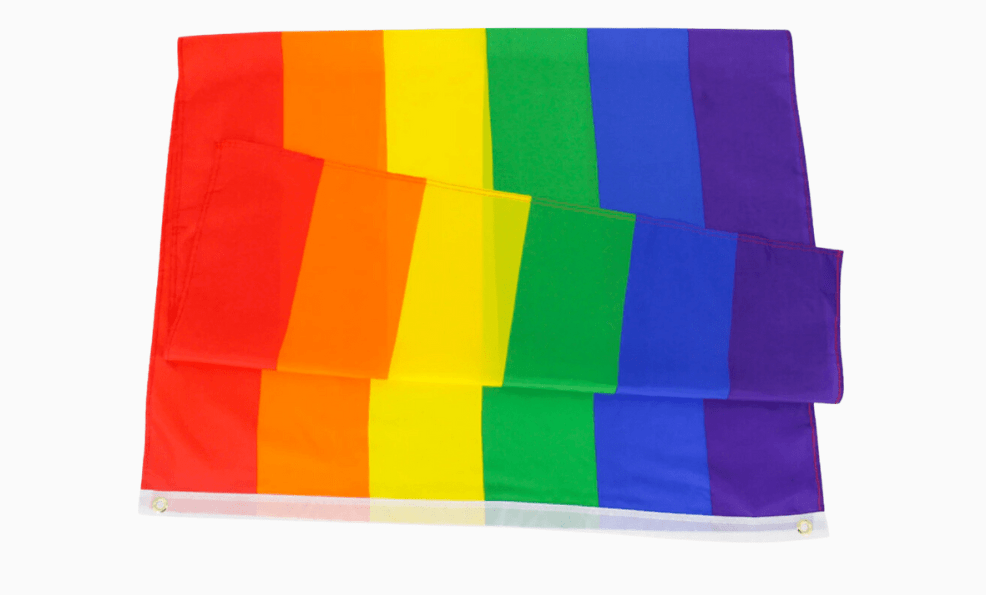
The Rainbow Pride Flag is the most recognized LGBTQ+ symbol worldwide.
Created in 1978 by artist and activist Gilbert Baker, the rainbow flag was designed as a symbol of hope and unity. Commissioned by Harvey Milk, it represented a community that needed visibility during a time of political struggle.
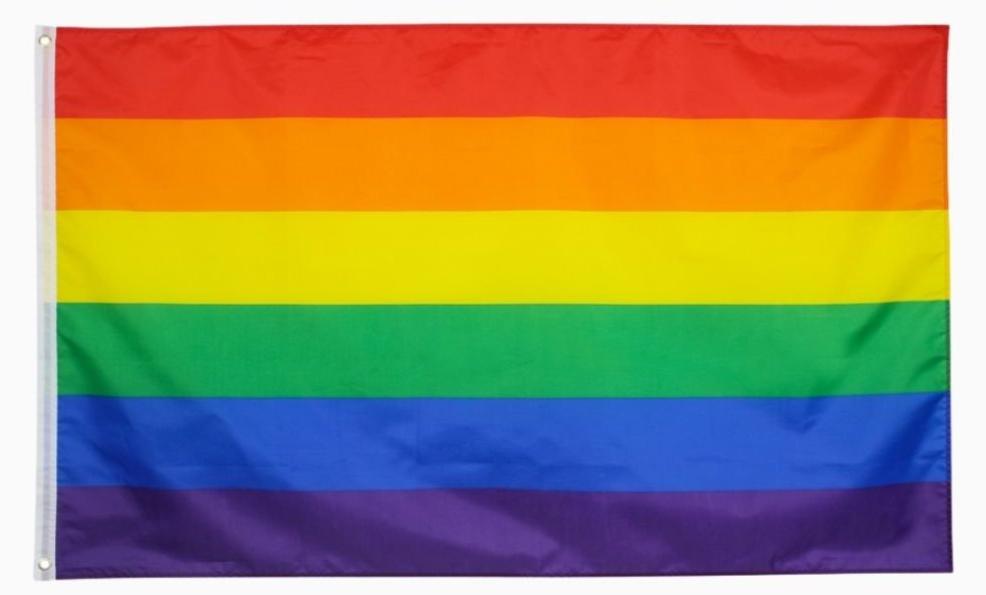
The original flag featured eight colors, each with meaning — from life and healing to magic and spirit. Over time, it evolved into the six-color version most commonly seen today.
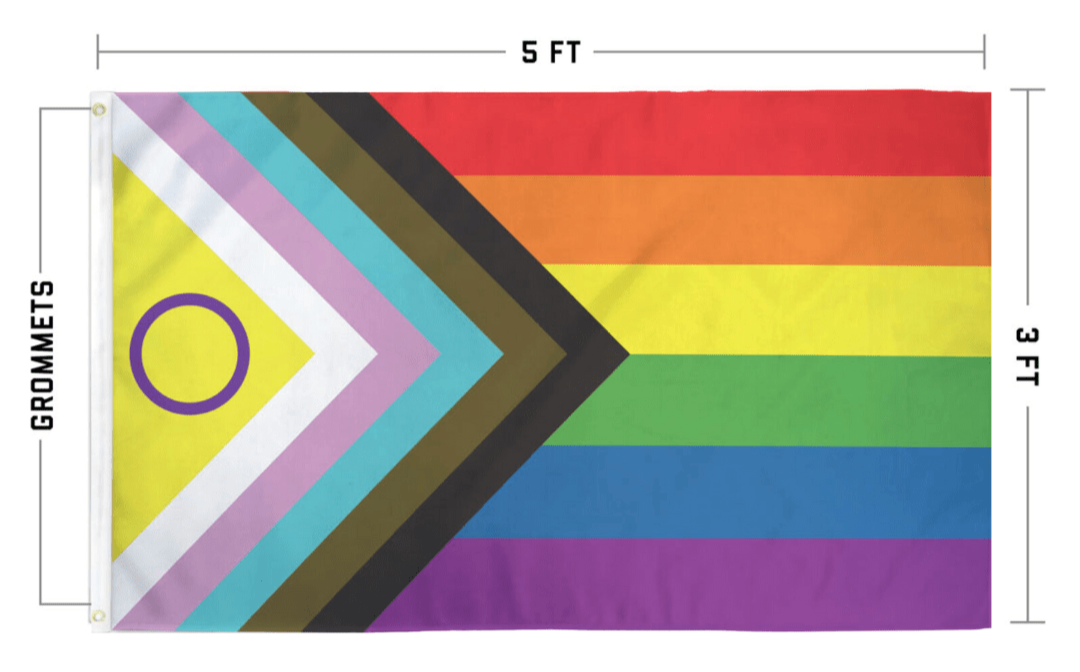
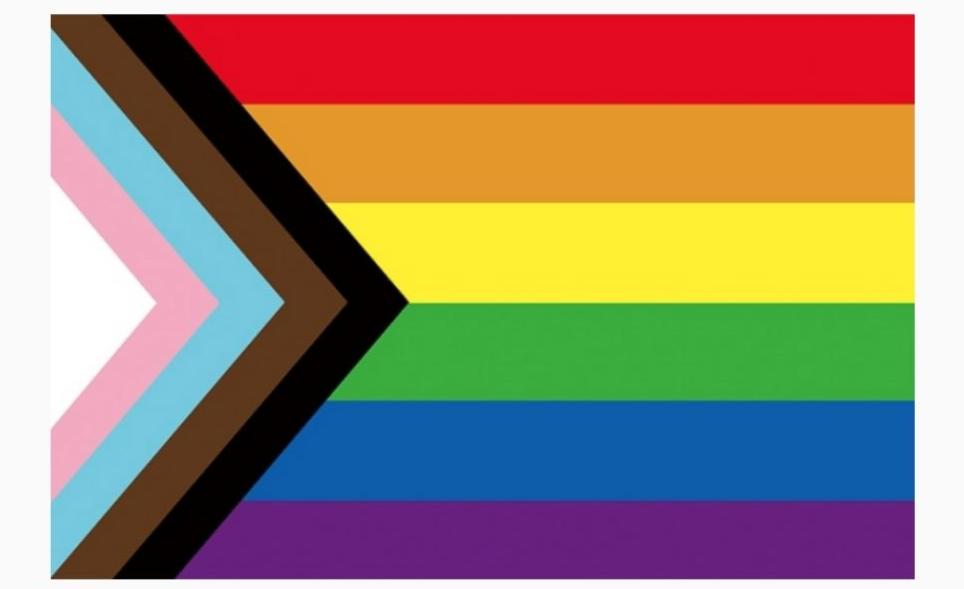
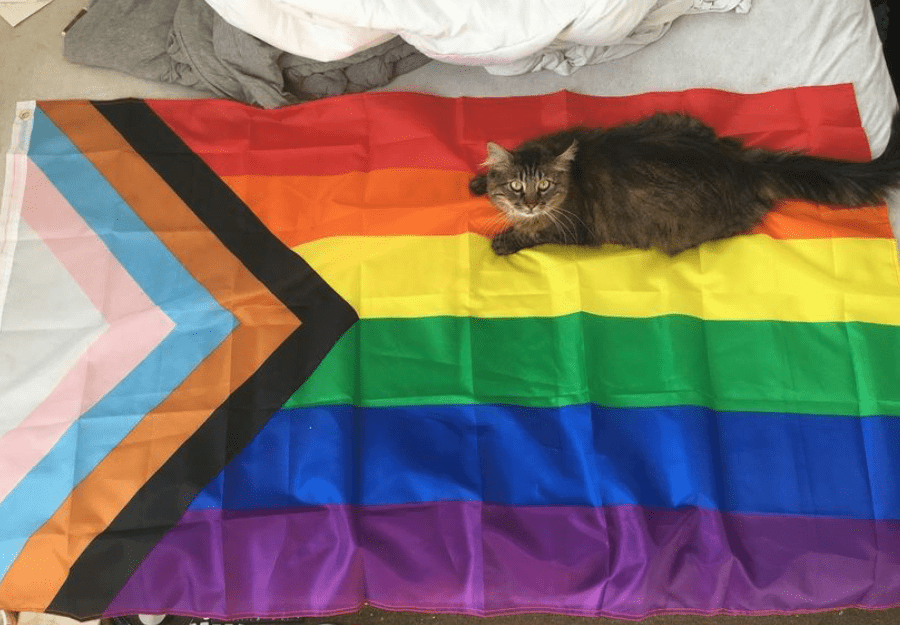
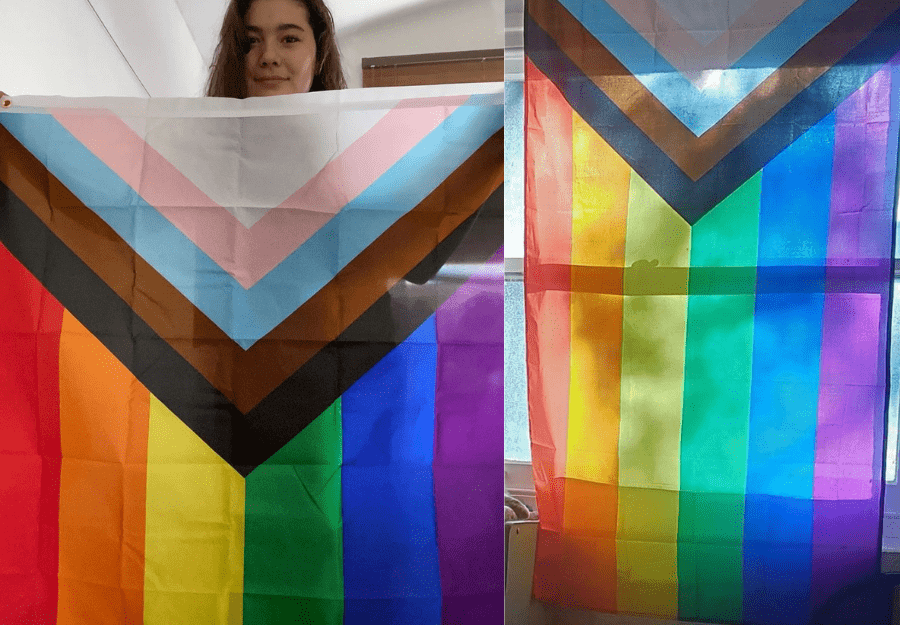
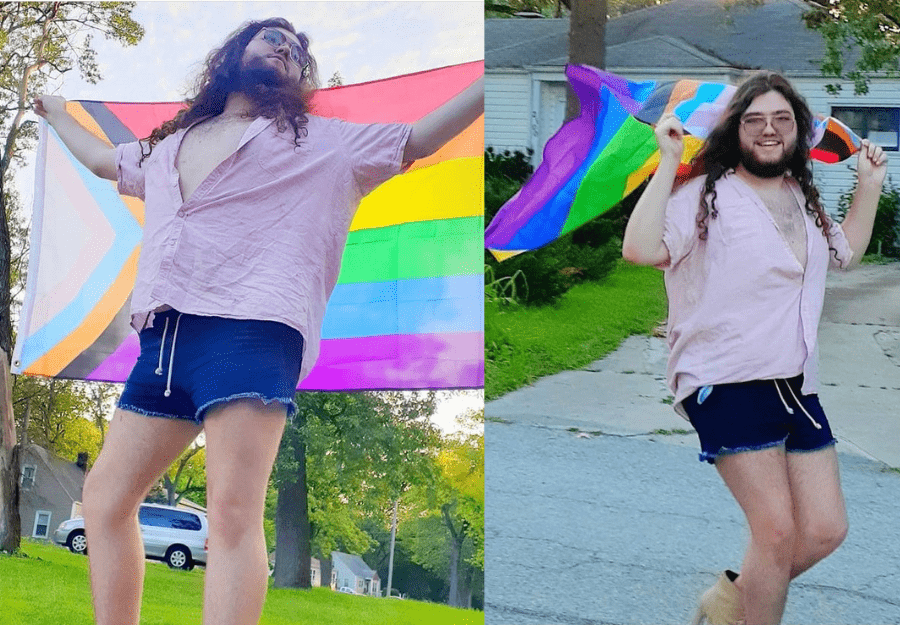
As the community grew, so did the flag. New designs emerged to better represent marginalized voices, including the Progress Pride Flag, which centers inclusion and intersectionality.
Pride Flag Meanings & Breakdown
Rainbow Pride Flag
A universal symbol of LGBTQ+ pride, diversity, and resistance. It represents unity across identities and celebrates love in all forms. Shop Rainbow Flag
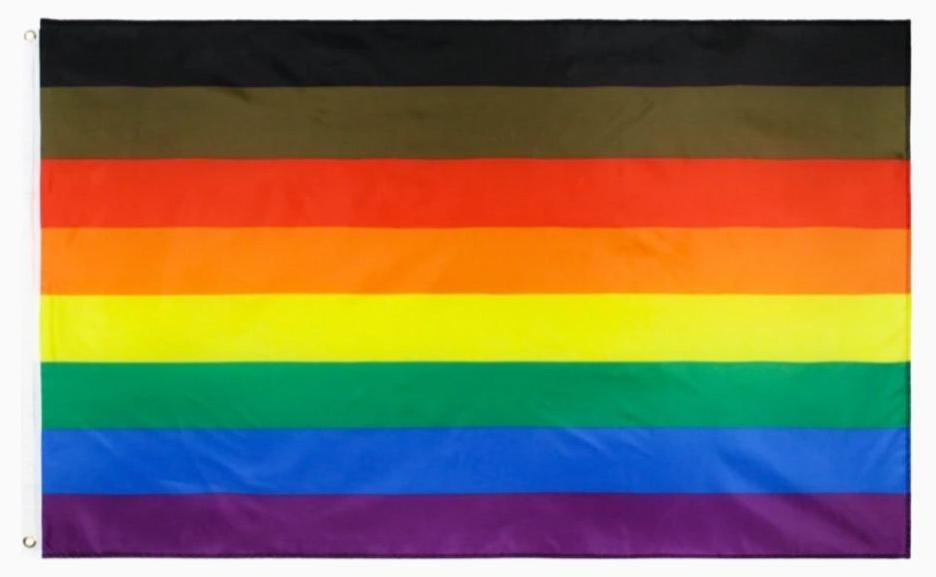
Progress Pride Flag
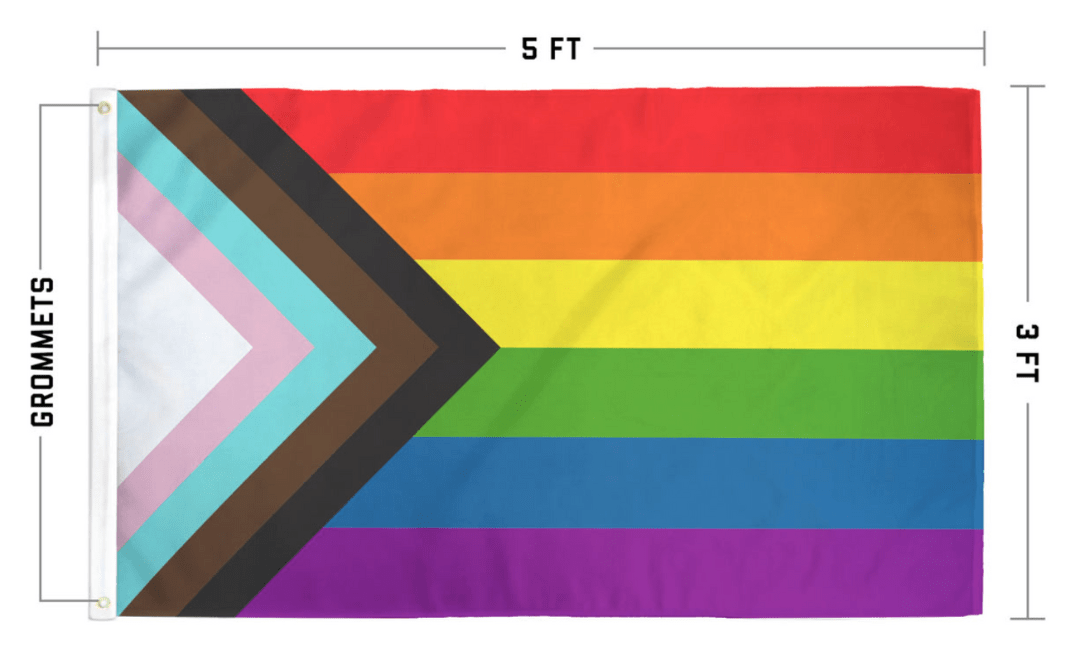
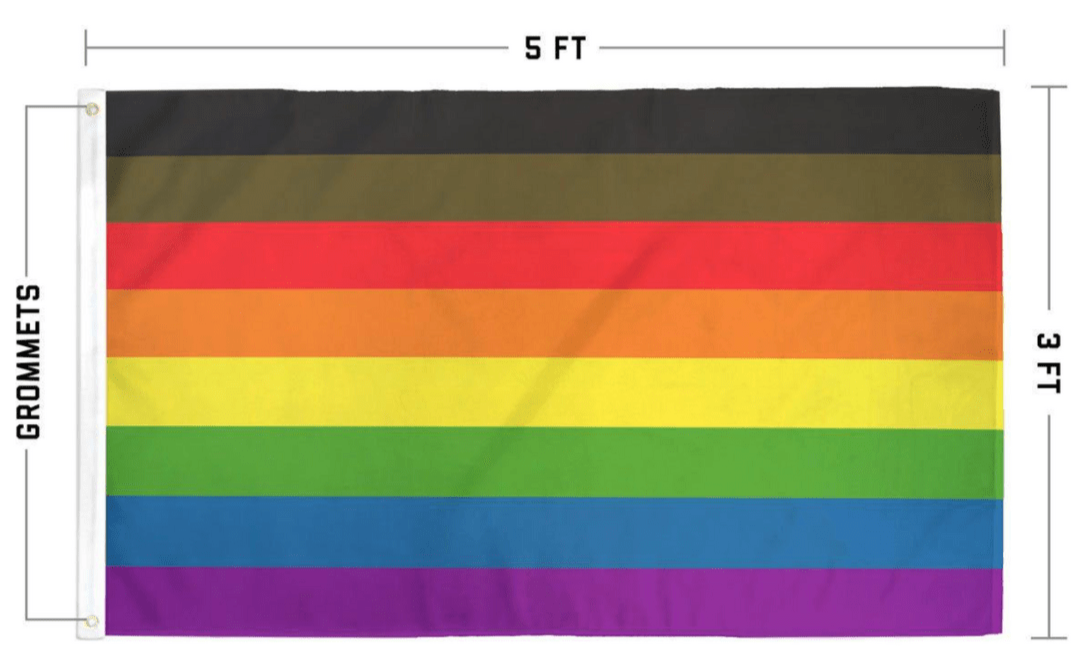
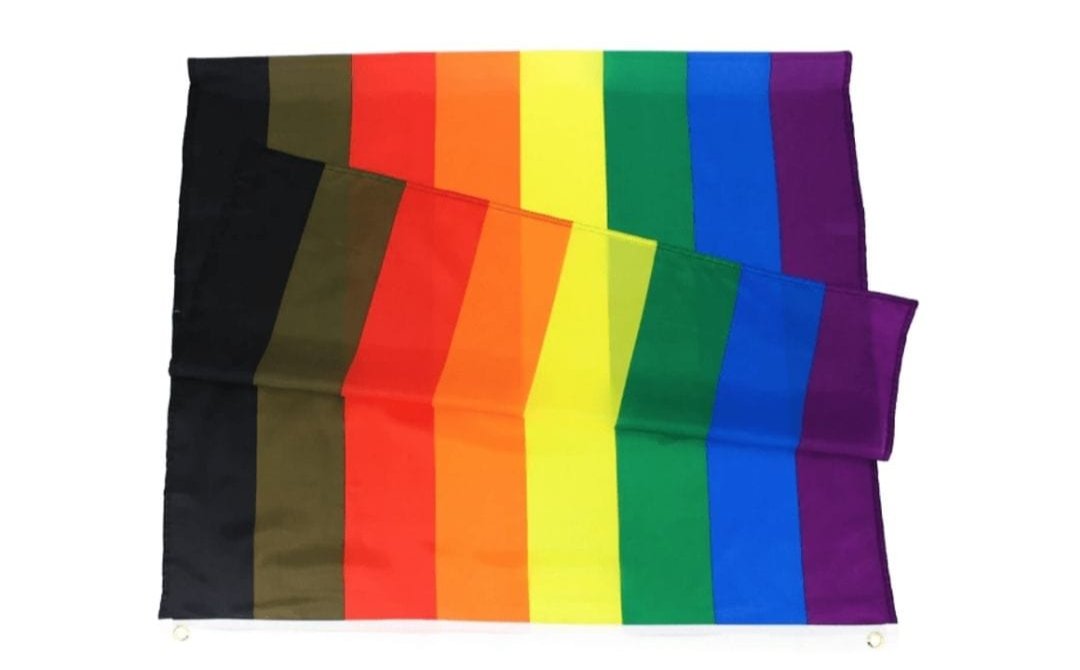
This updated design includes black and brown stripes for LGBTQ+ people of color, plus trans flag colors. It highlights progress, inclusion, and justice. Explore Progress Flag
Transgender Pride Flag
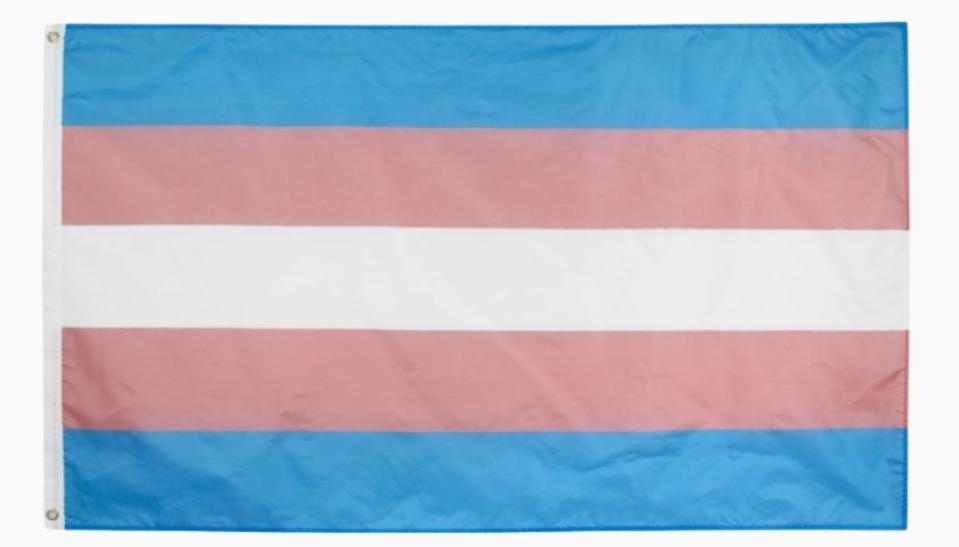
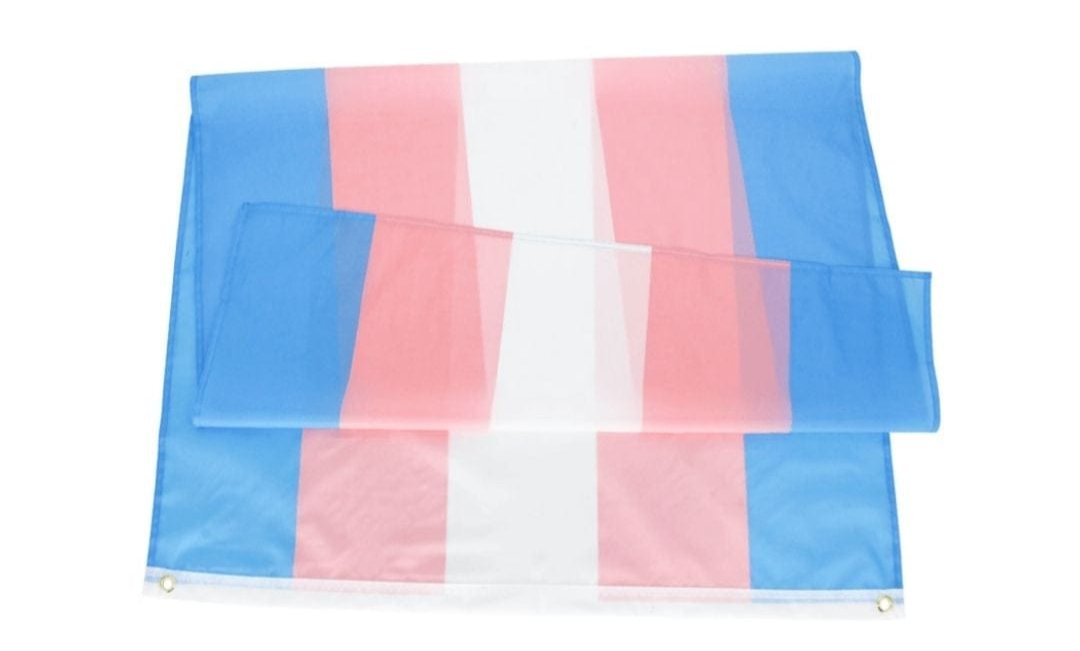
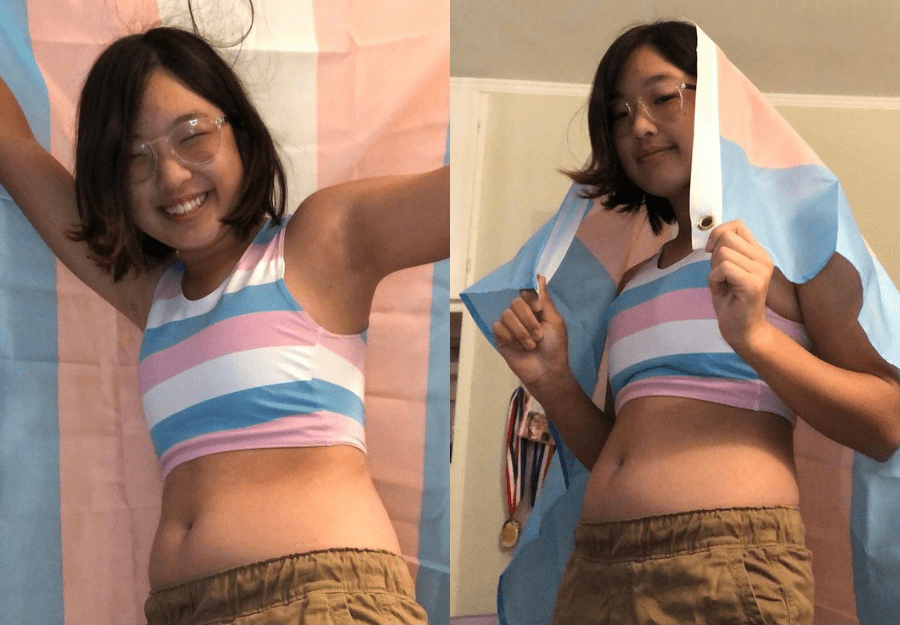
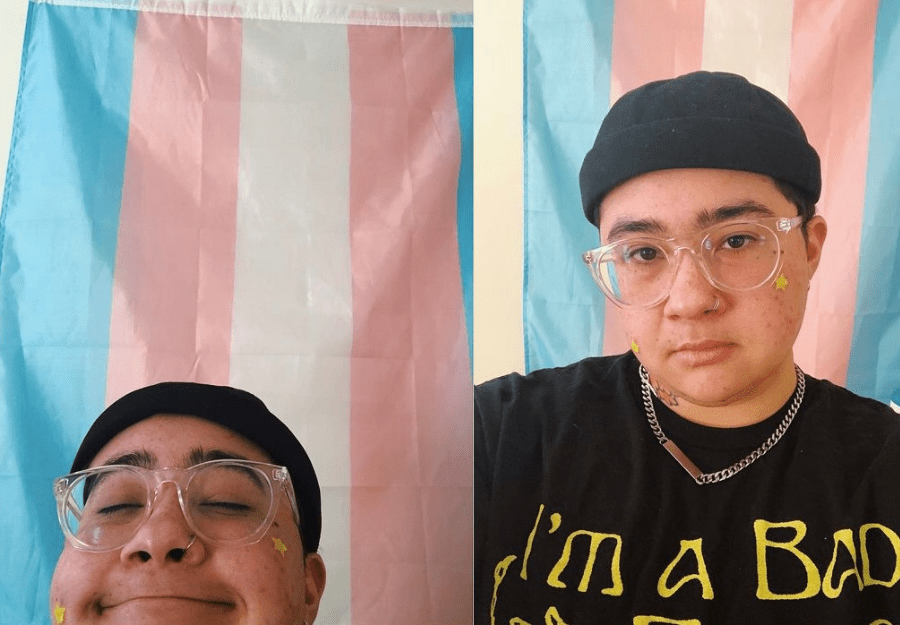
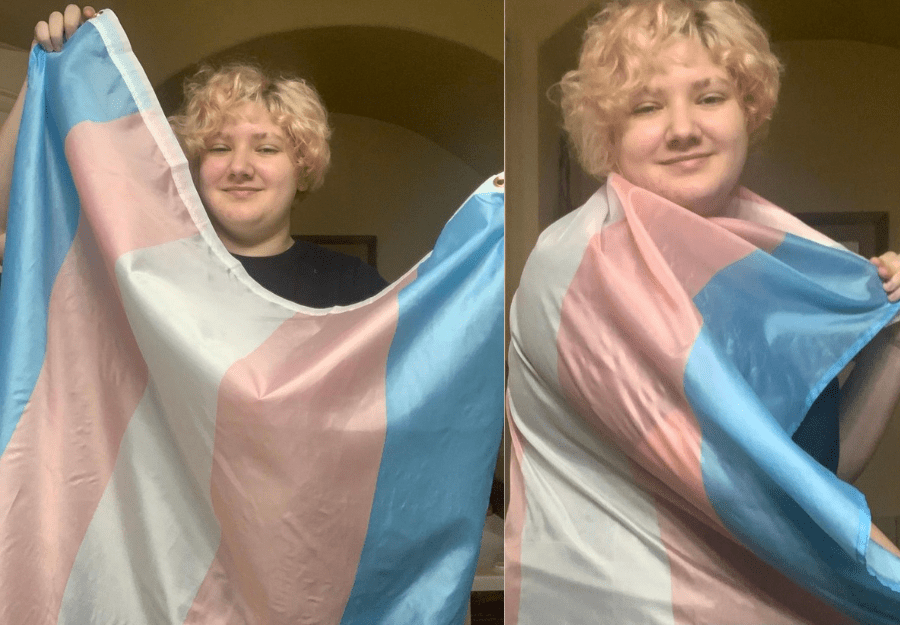
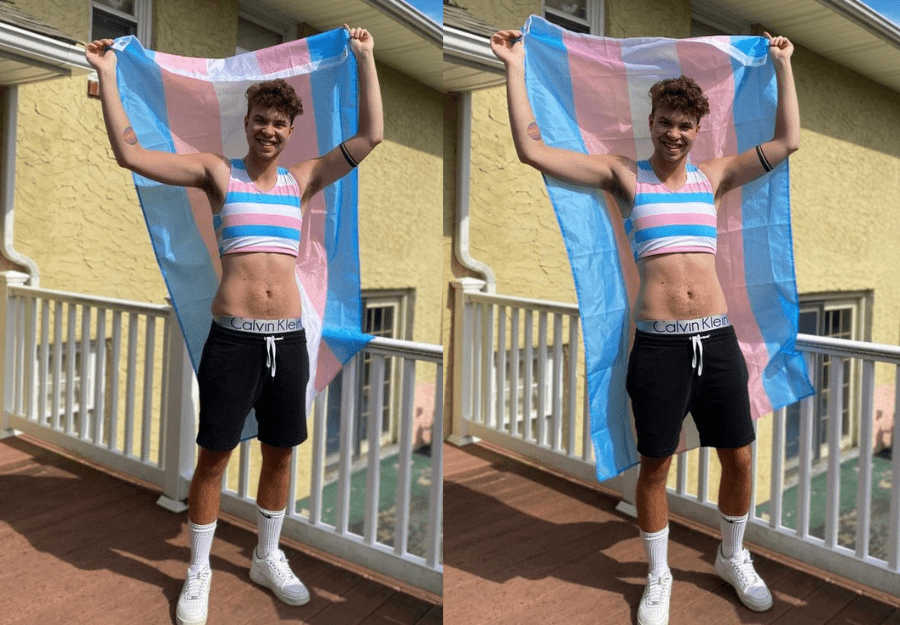
Designed by Monica Helms, the trans flag represents trans men, trans women, non-binary people, and those questioning. View Trans Flag
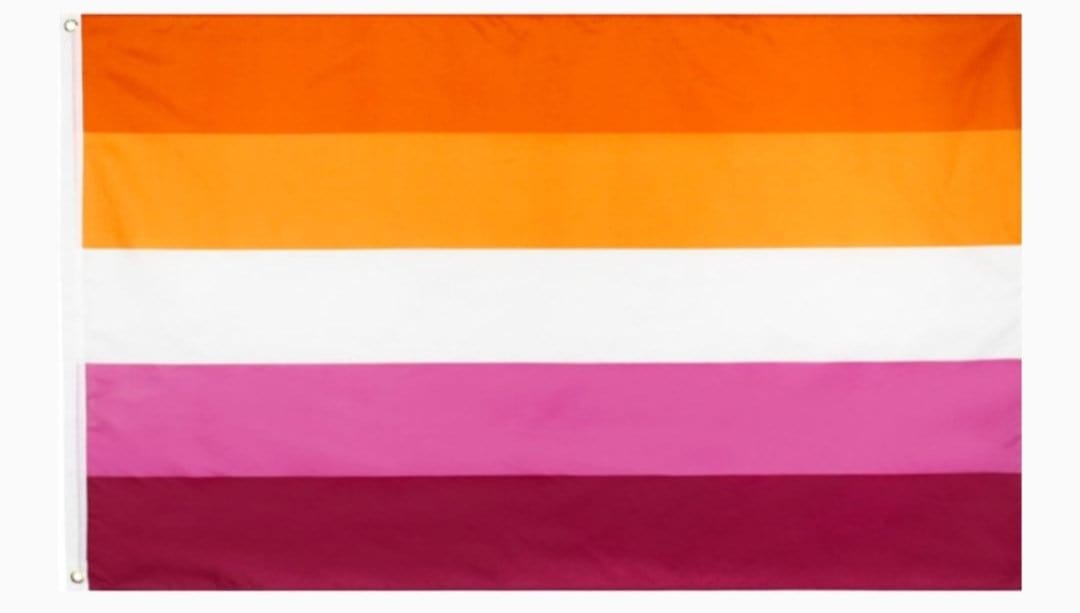
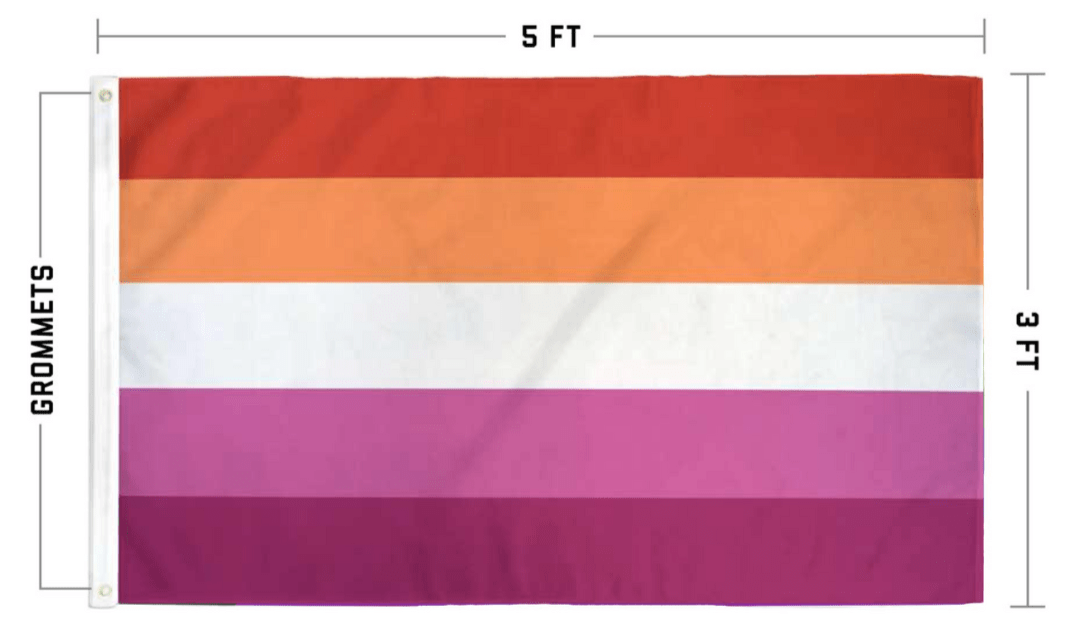
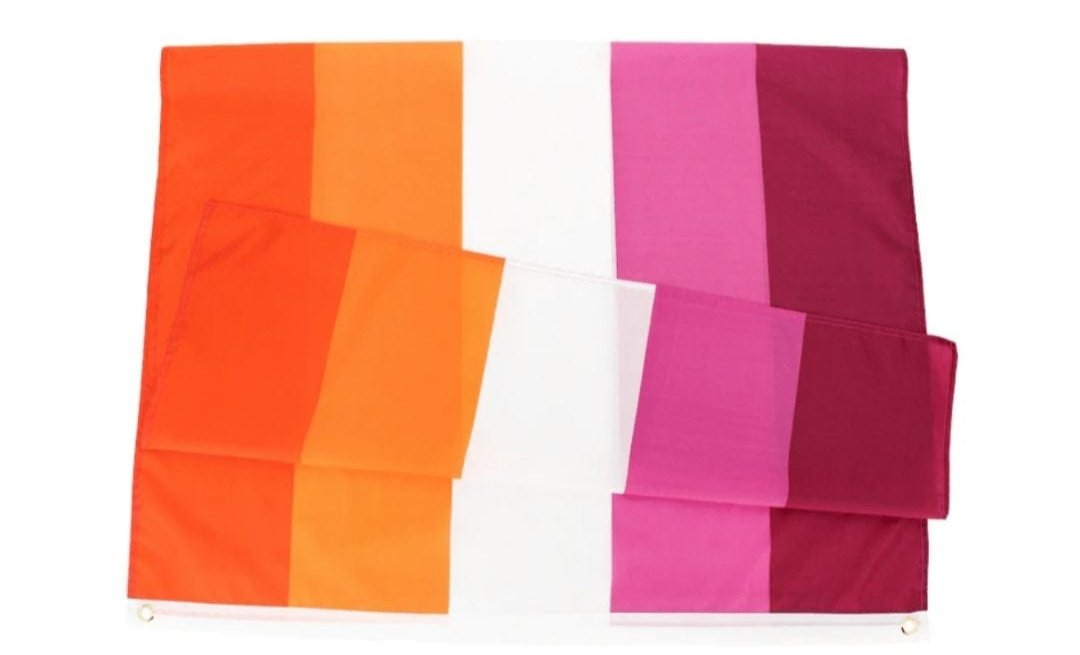
Lesbian Pride Flag (Sunset)
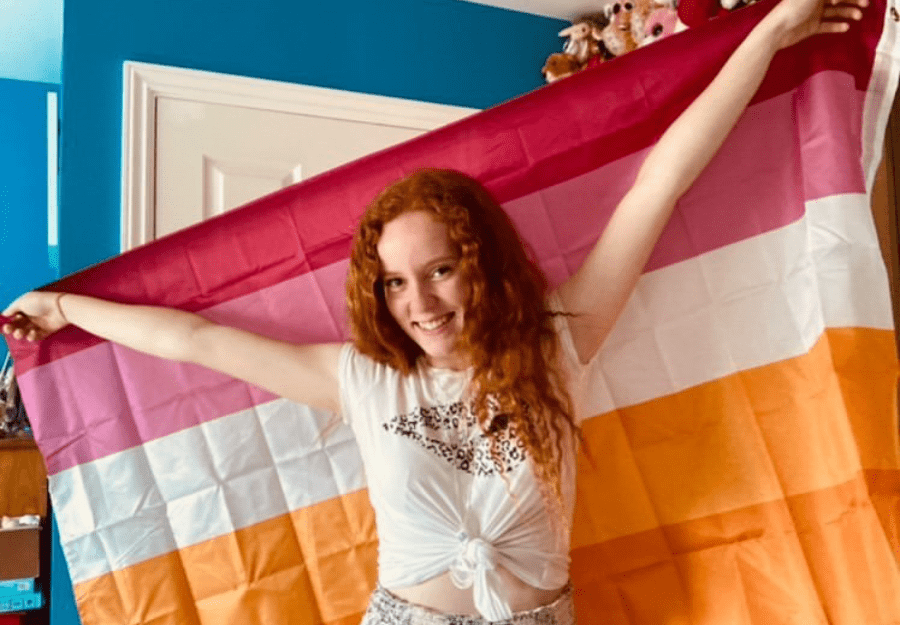
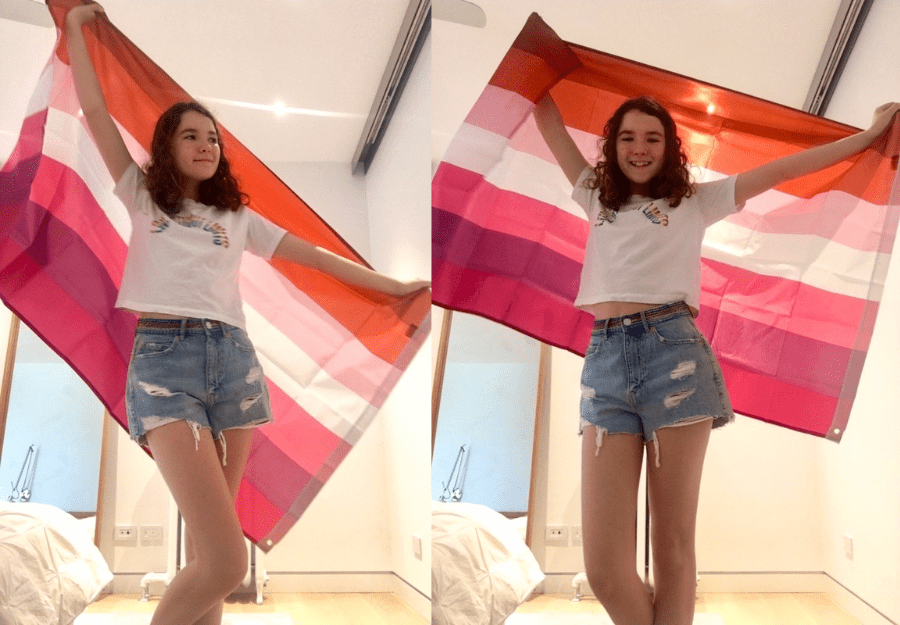
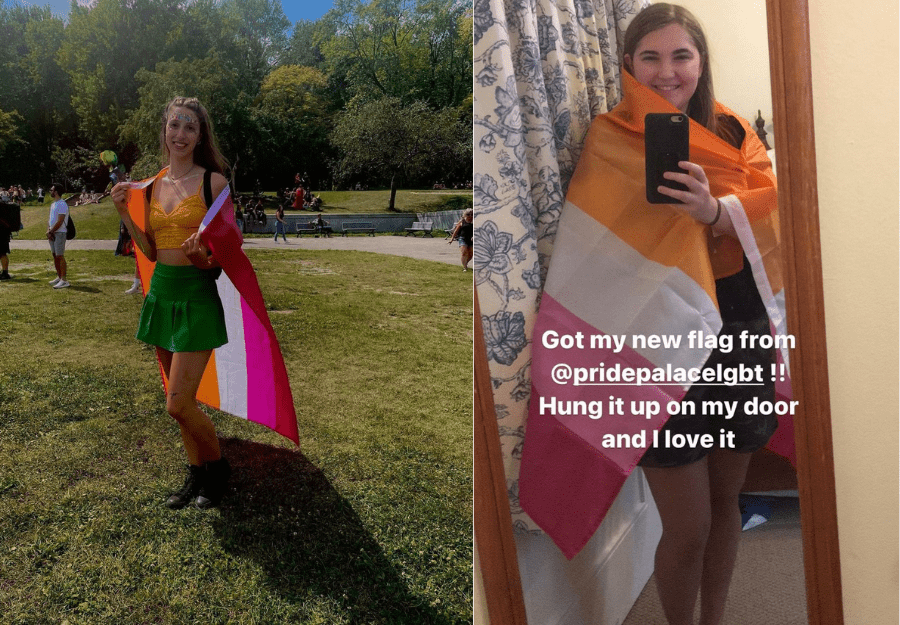
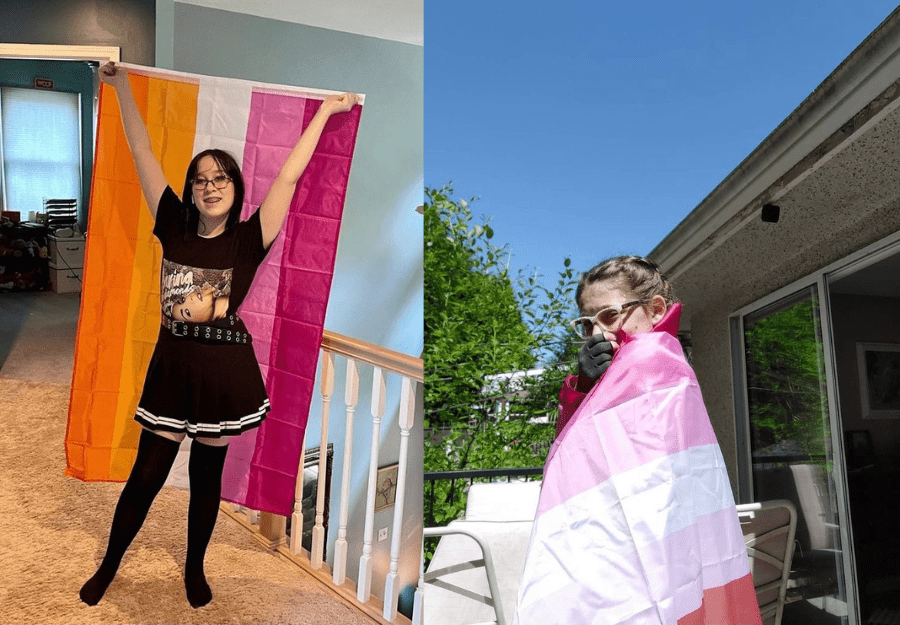
Featuring shades of orange, pink, and white, this flag represents femininity, community, and love. Shop Lesbian Flag
Bisexual Pride Flag
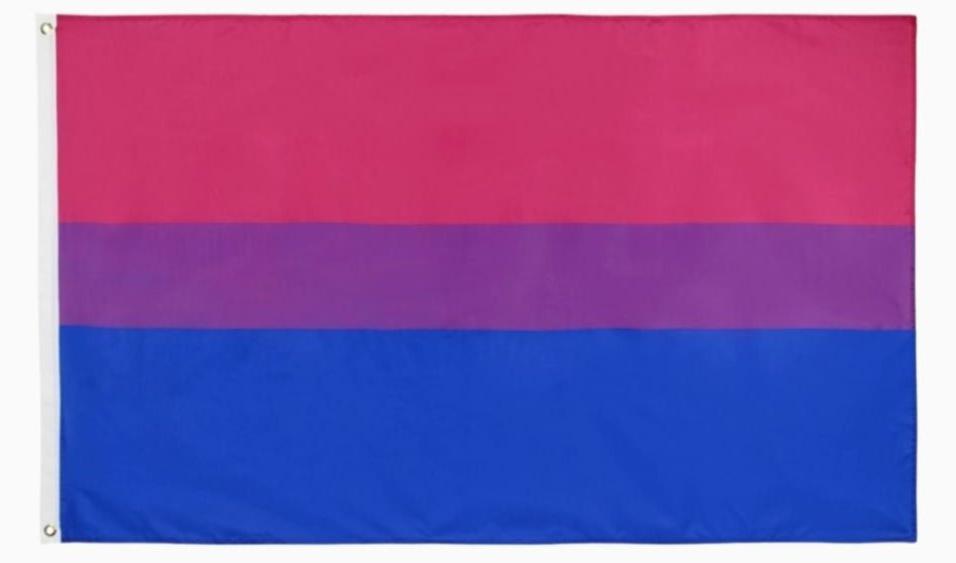
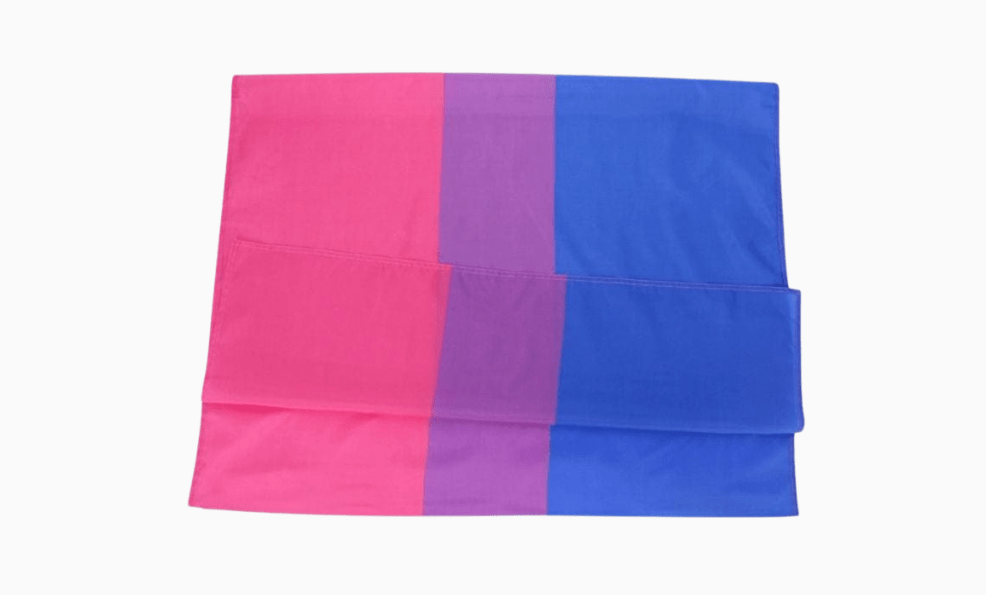
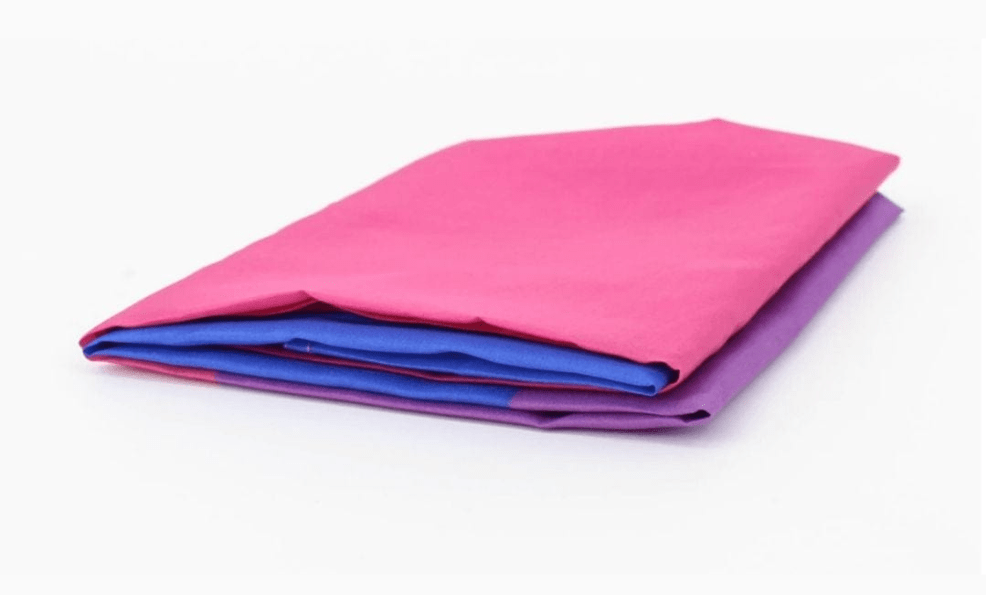
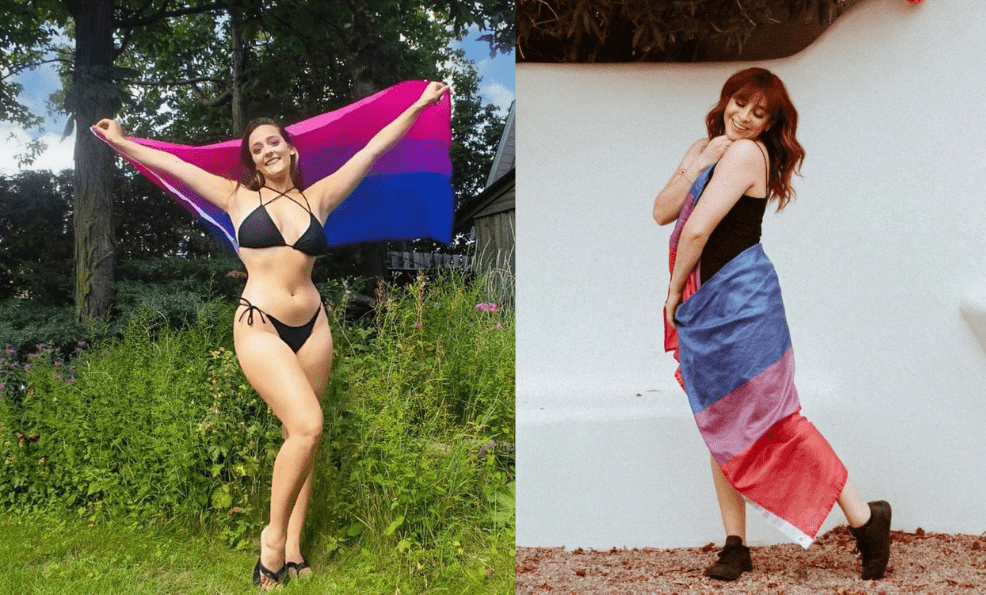
Created by Michael Page, the bi flag represents attraction to more than one gender and identity blending. View Bi Flag
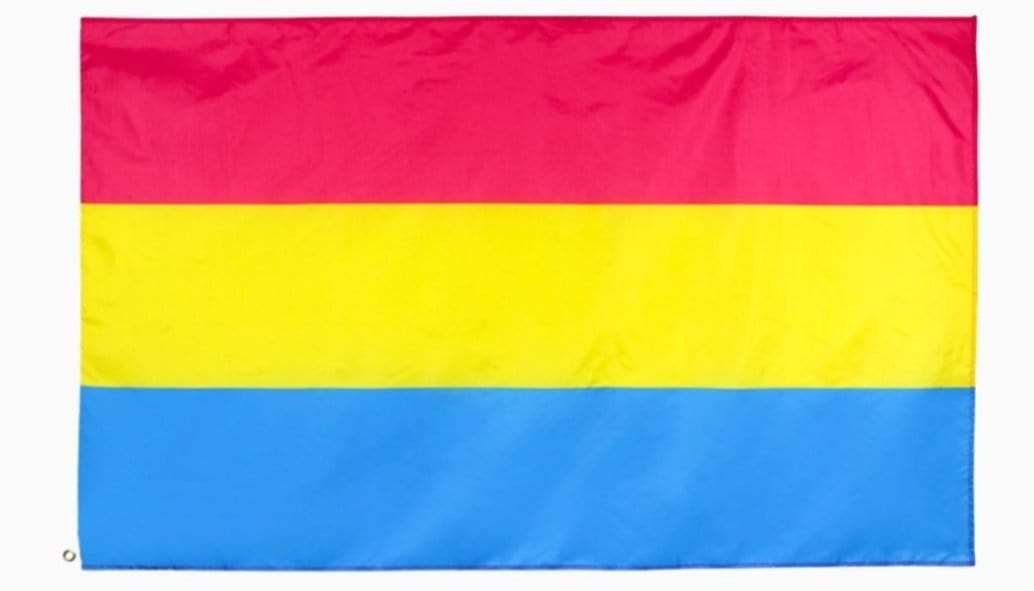
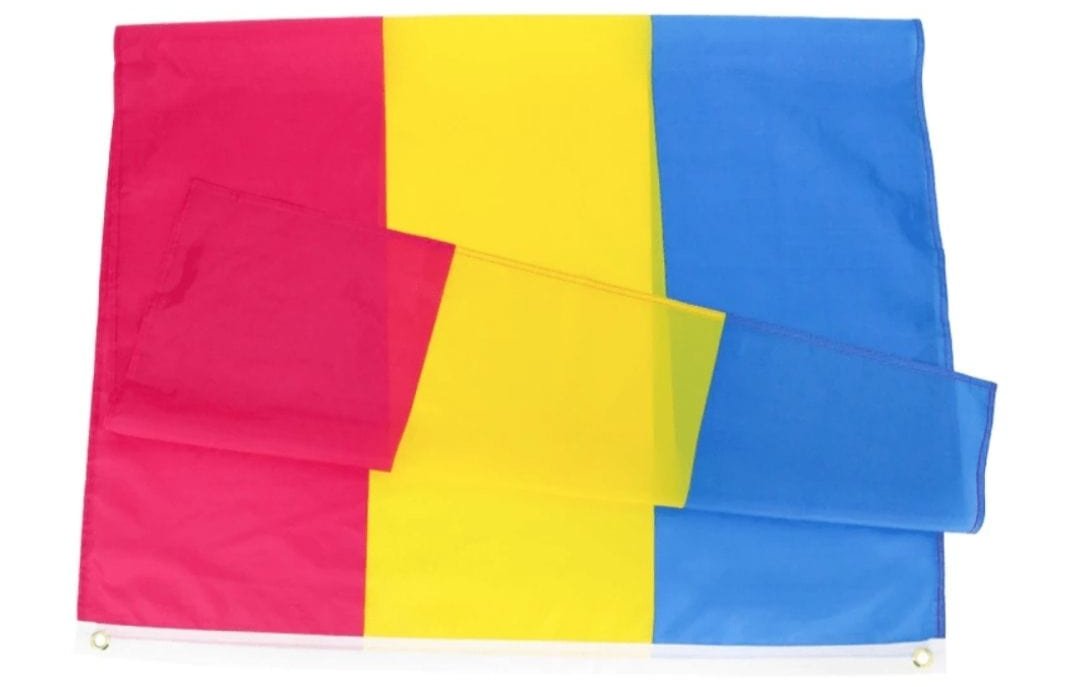
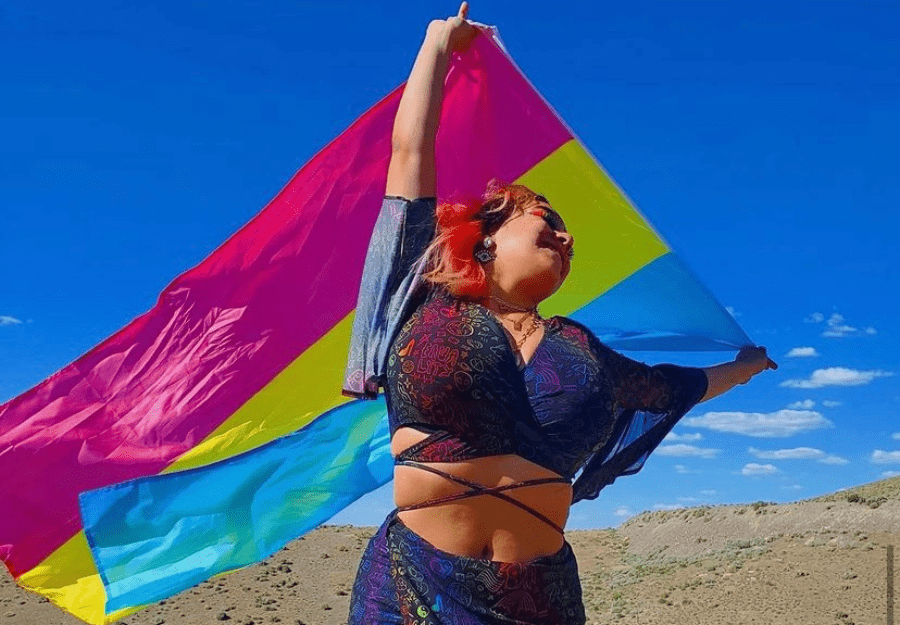
Pansexual Pride Flag
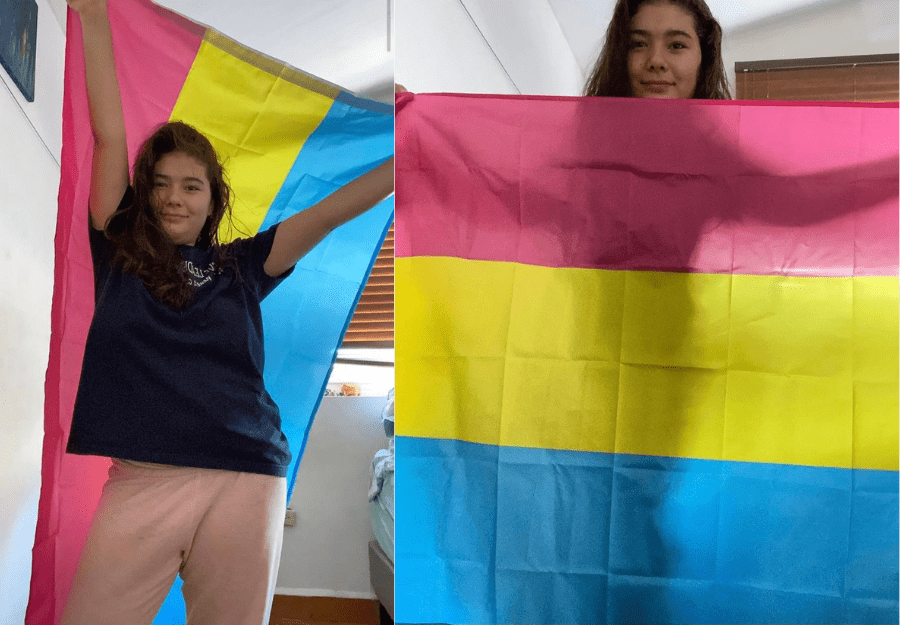
The pan flag symbolizes attraction regardless of gender identity. Explore Pan Flag
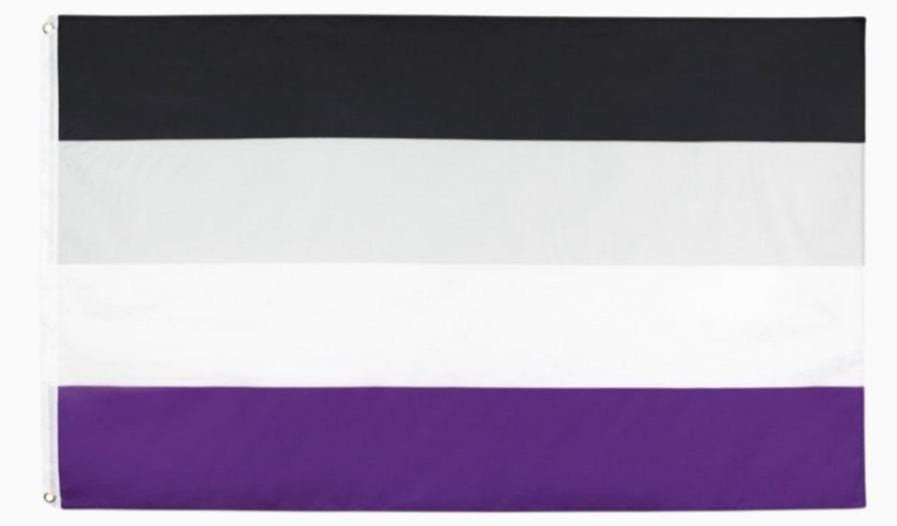
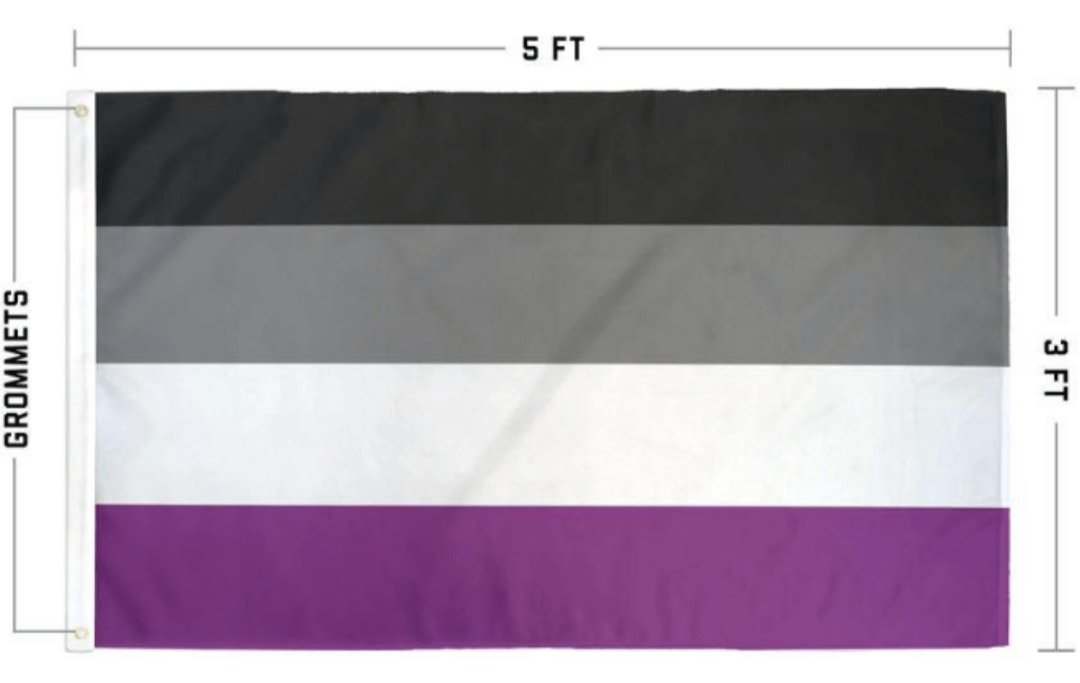
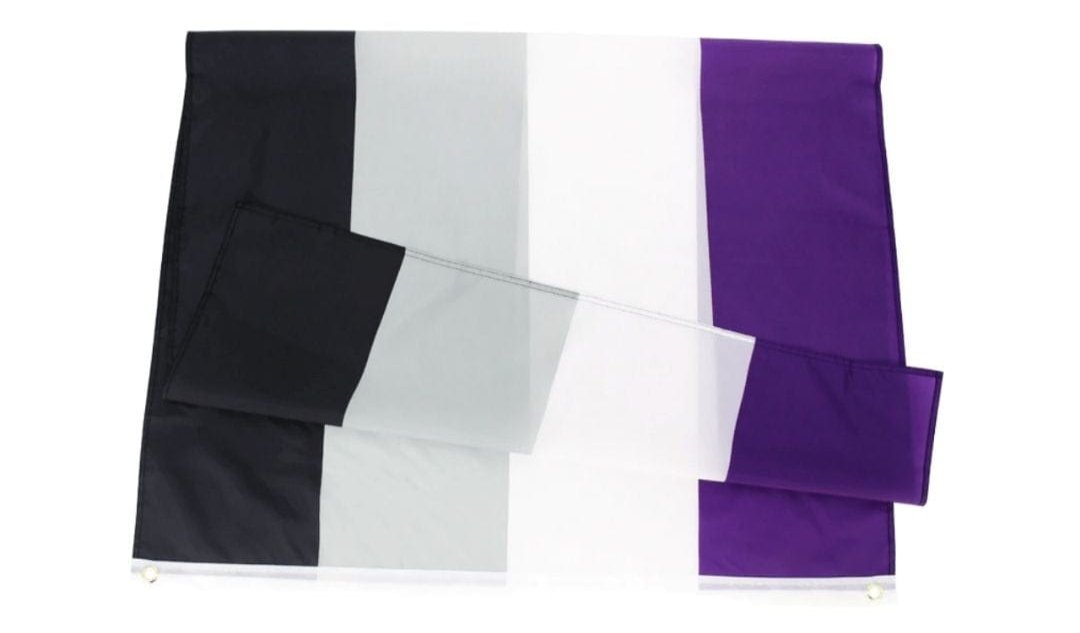
Asexual Pride Flag
This flag represents the asexual spectrum, including demisexuality and gray-asexual identities. Shop Ace Flag
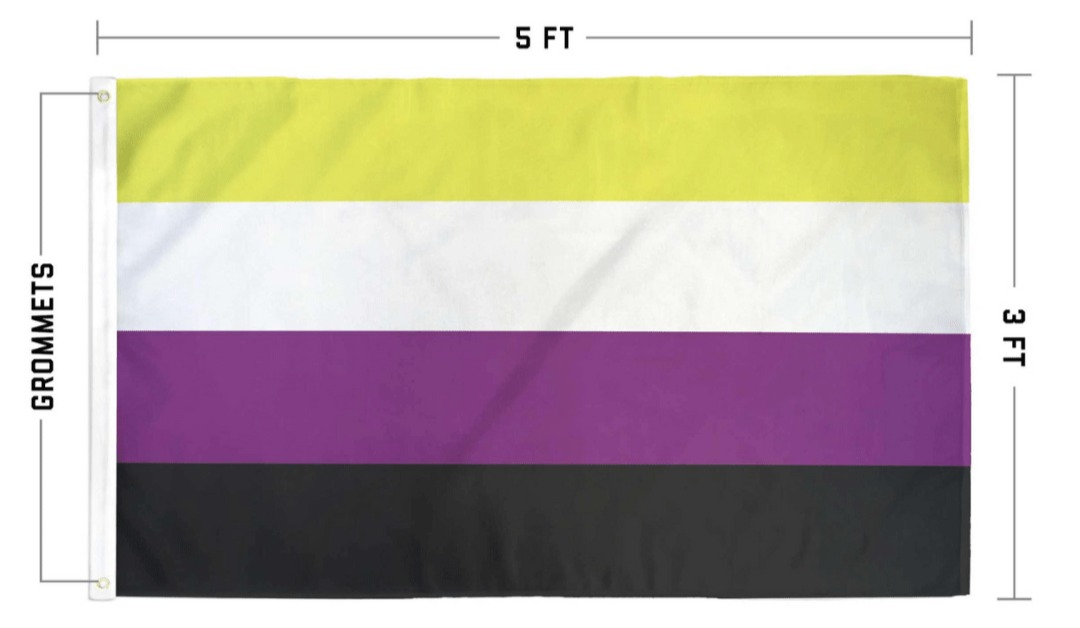
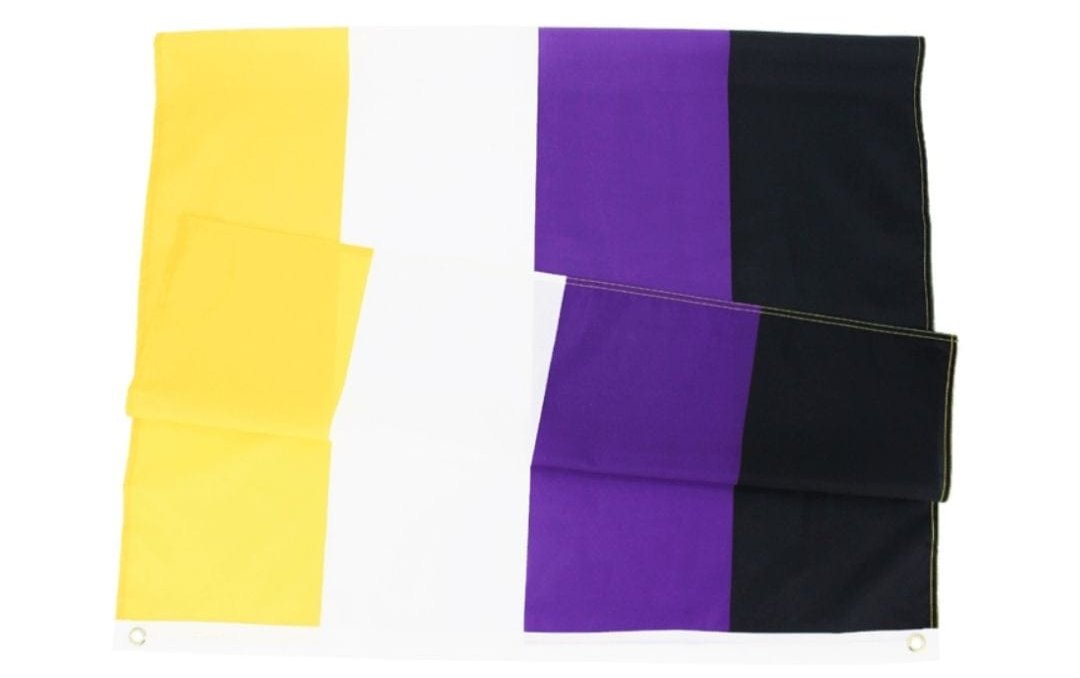
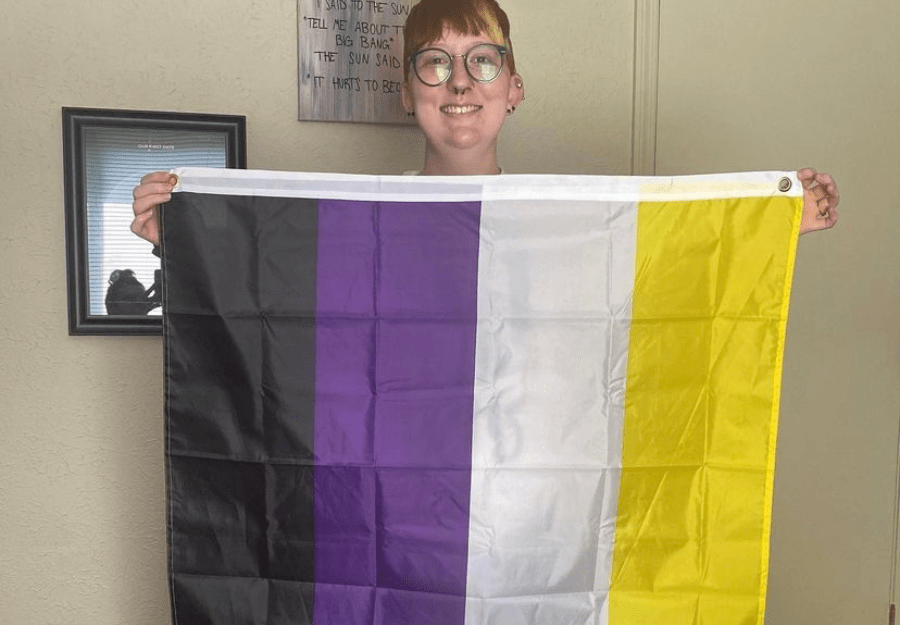
Non-Binary Pride Flag
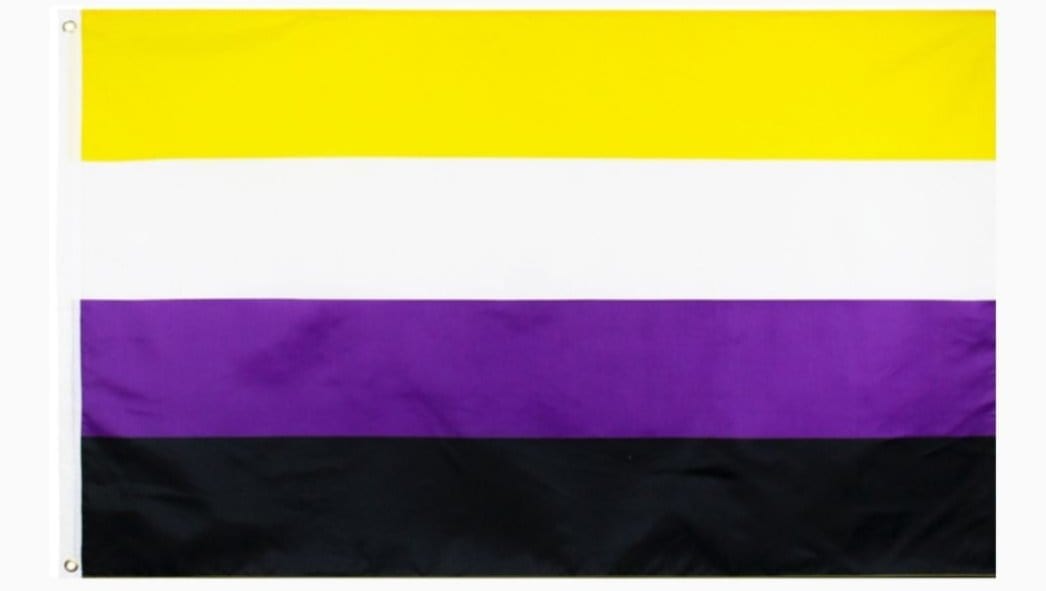
Representing identities outside the gender binary. View Non-Binary Flag
Intersex Pride Flag
The intersex flag symbolizes bodily autonomy and wholeness. Explore Intersex Flag
How to Choose Your Pride Flag
Your pride flag should feel affirming — not restrictive. Some people connect deeply with one identity flag, while others display multiple flags that represent different aspects of who they are.
You might choose based on identity, values, or visibility needs. And it’s okay if that choice changes over time.
Need inspiration? Explore our full Pride Flag Collection.
Celebrate Pride Your Way 🌈
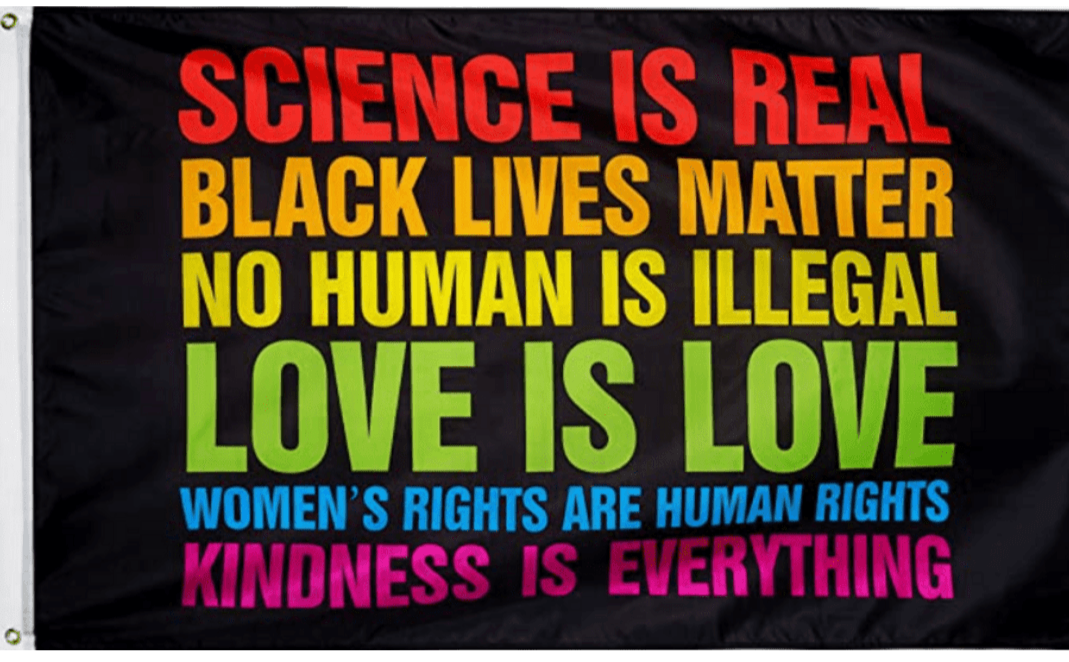
Pride flags are more than décor — they’re statements of existence, love, and resistance.
Every identity deserves visibility.
👉 Shop All Pride Flags and find the one that represents your story.