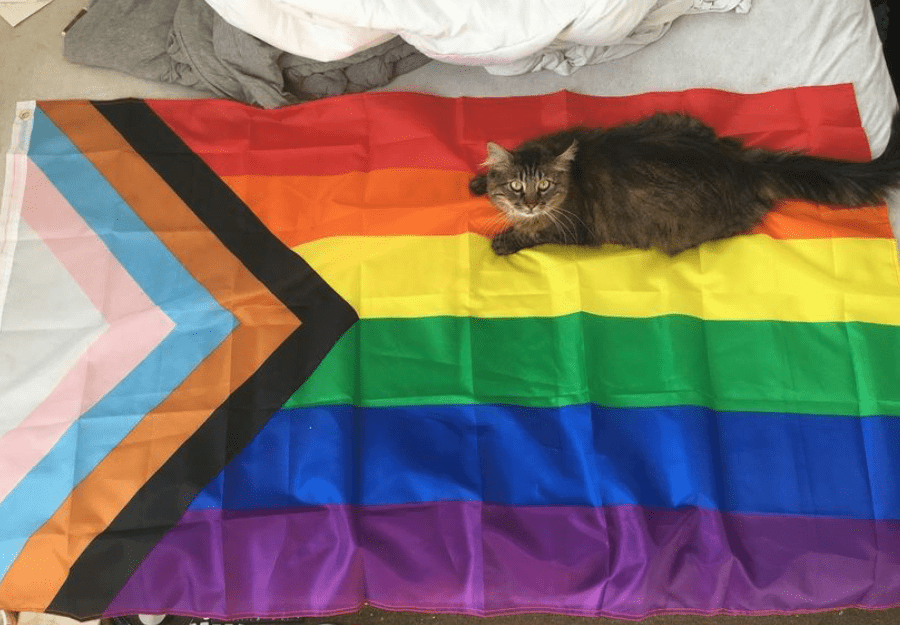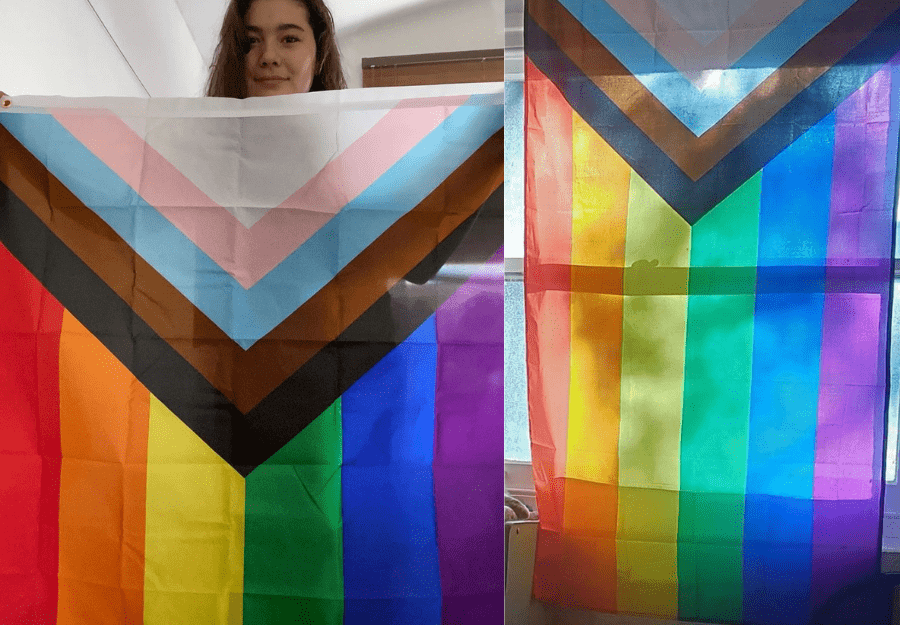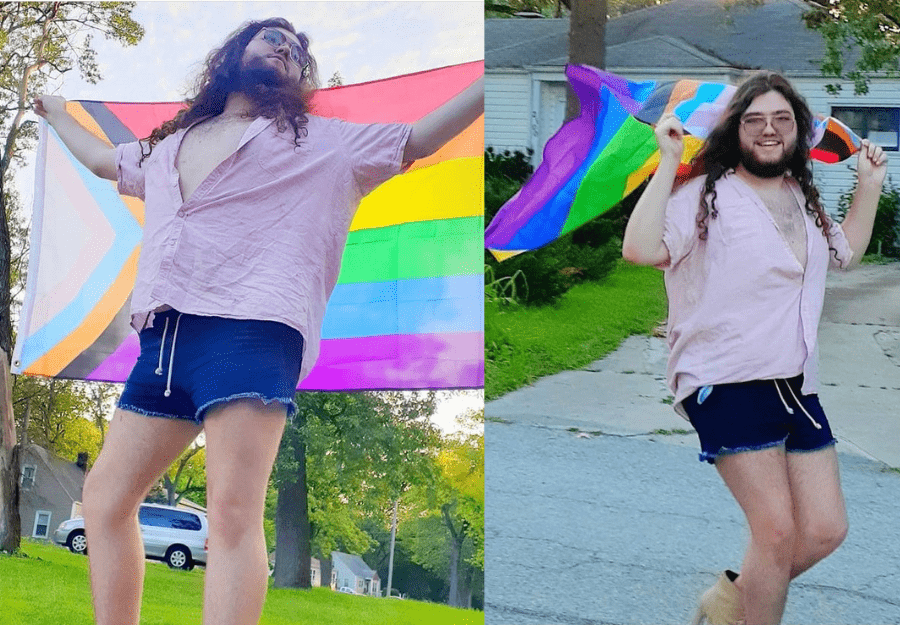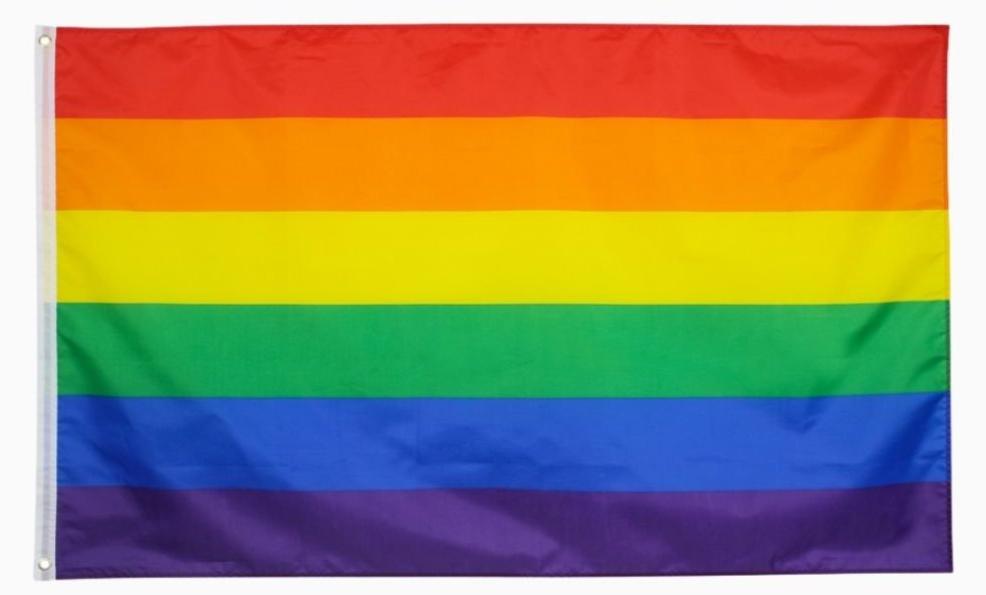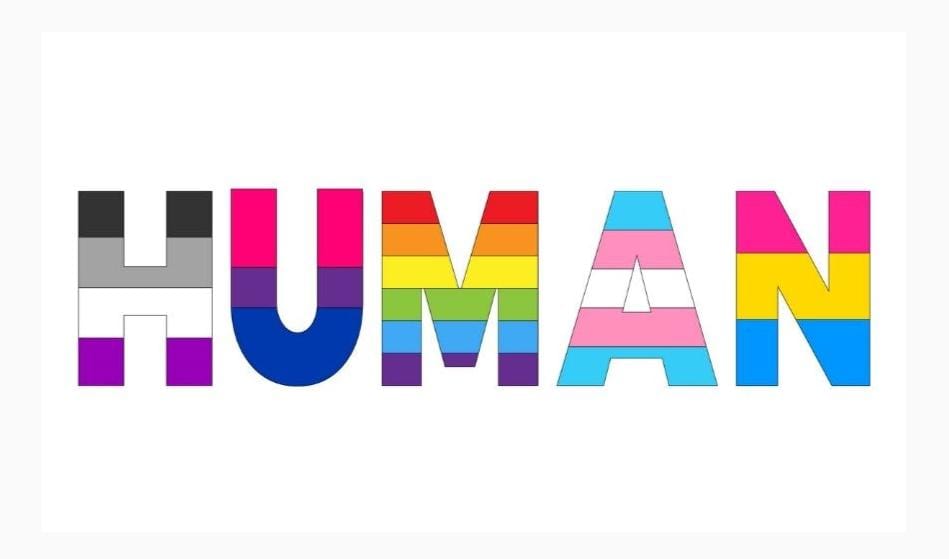

Gender and sexuality are often discussed together — and while they can be connected for some people, they are not the same thing.
Understanding the difference isn’t about labels or putting people in boxes. It’s about respect, clarity, and allowing everyone the space to define themselves on their own terms.
What Is Gender?
Gender is about how you understand and experience yourself. It’s an internal, deeply personal sense of identity that may or may not align with the sex assigned at birth.
Gender can relate to:
- Gender identity (how you identify)
- Gender expression (how you express yourself, if you choose to)
- Social expectations around gender — which many people challenge or reject
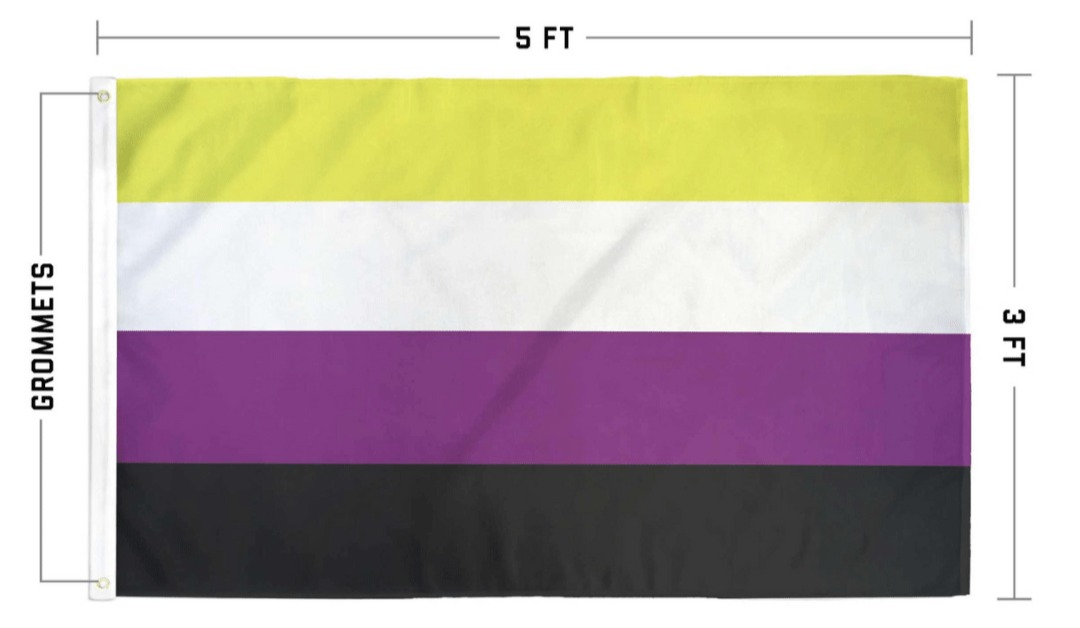
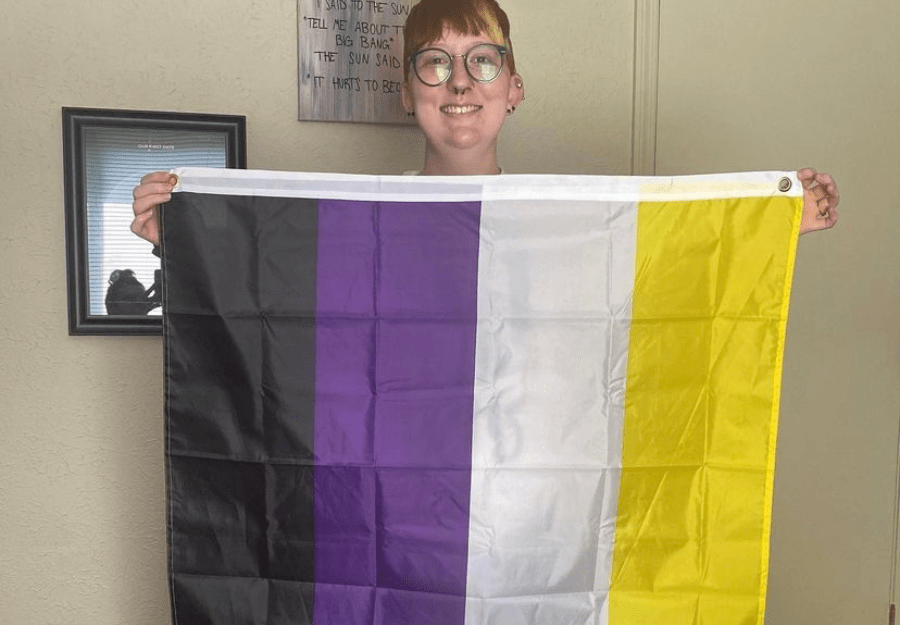
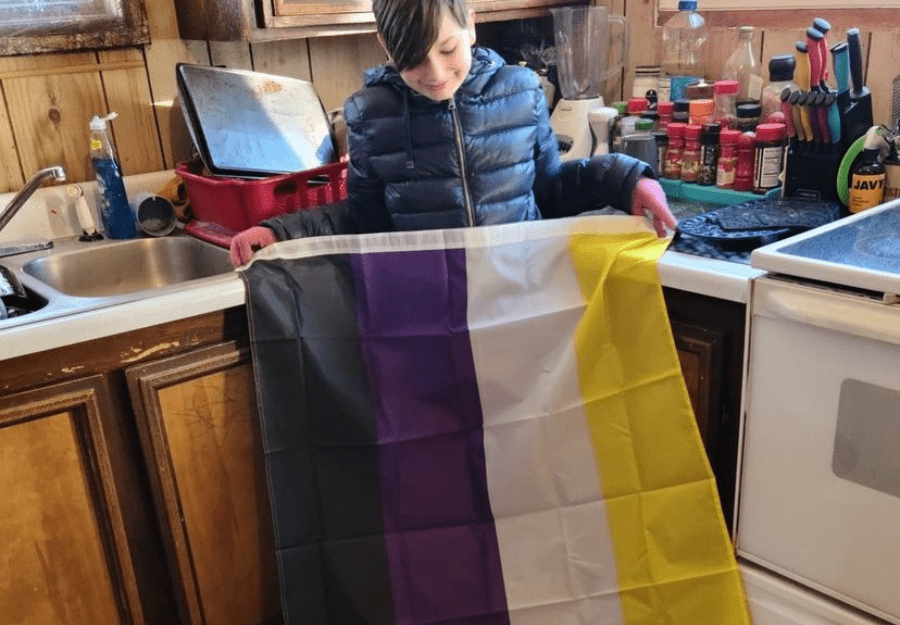
Some people identify as women or men, others as non-binary, genderqueer, agender, genderfluid, or with terms that feel right to them — and some people don’t use labels at all.
There is no single or “correct” way to experience gender. The most important thing is self-identification.
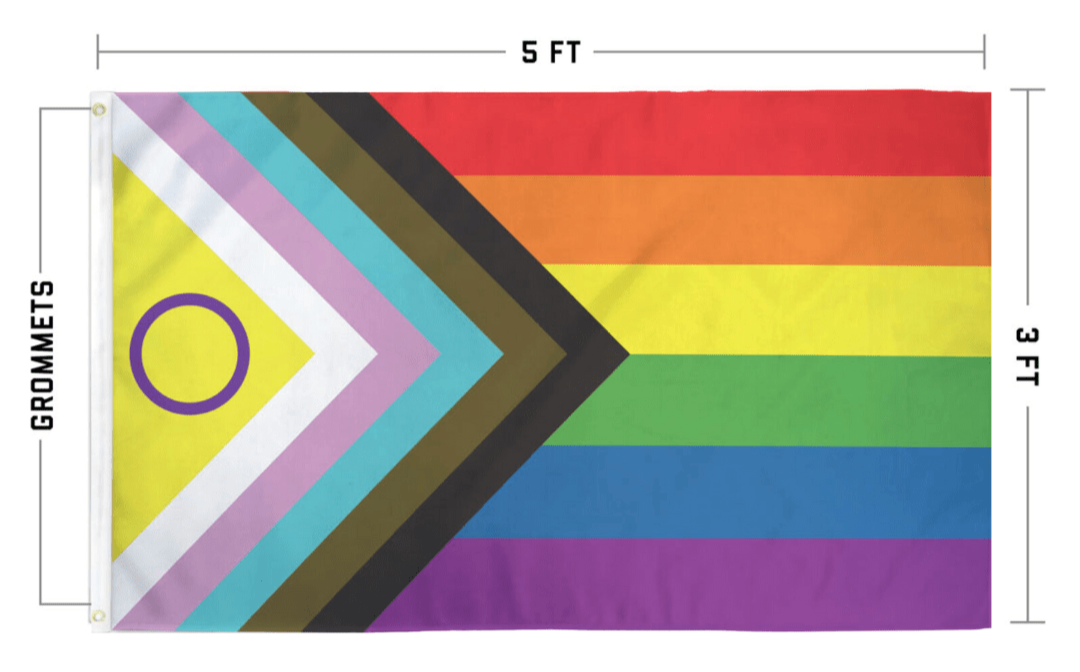
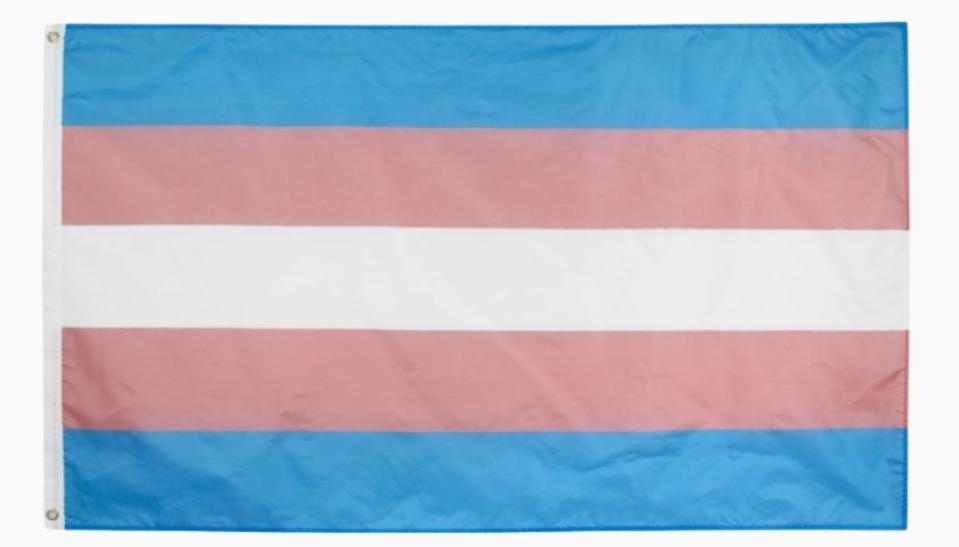
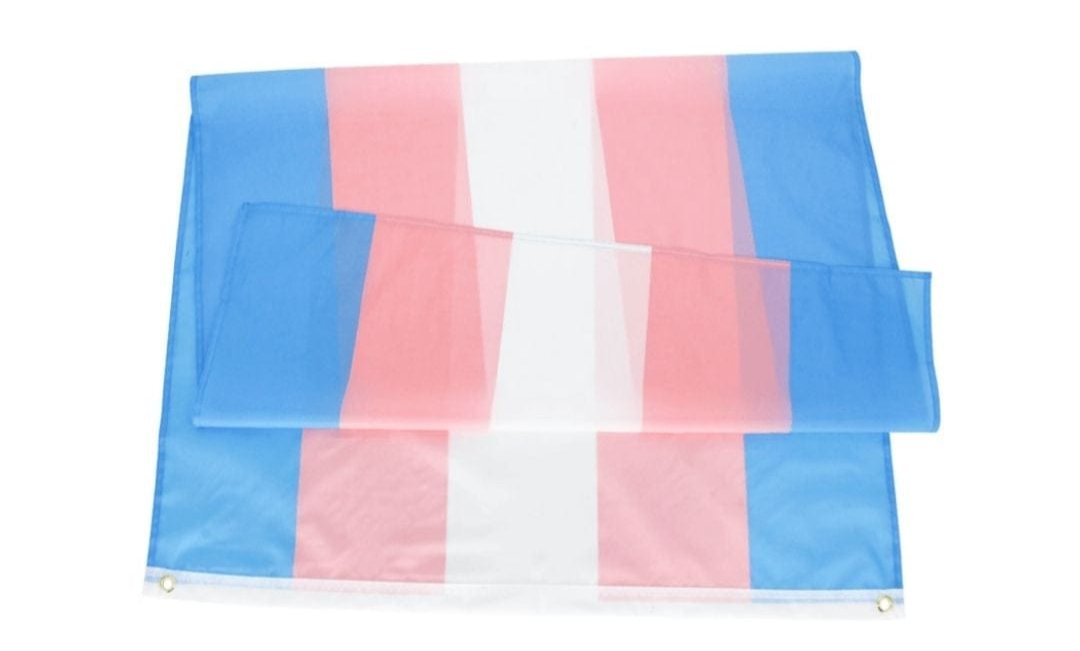
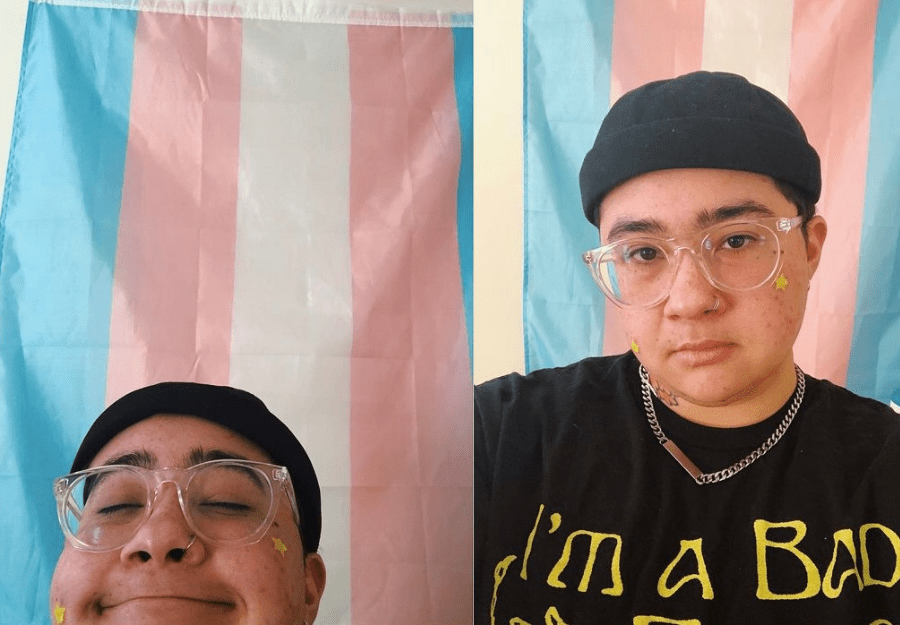
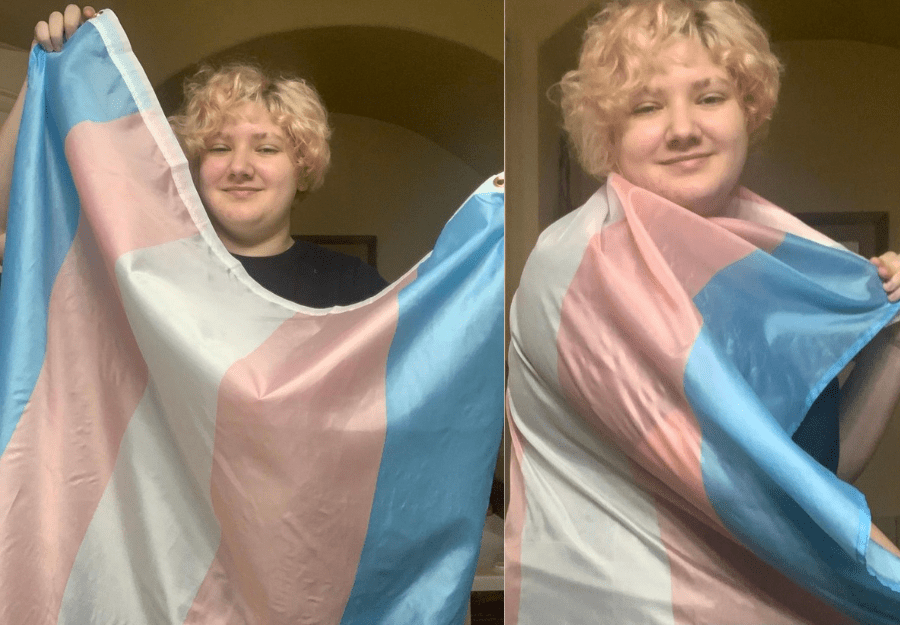
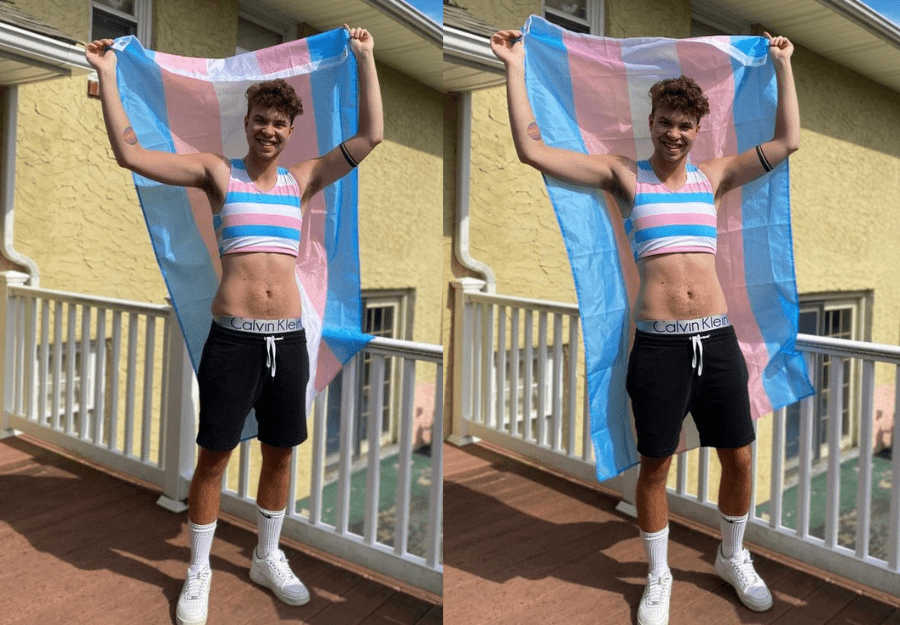
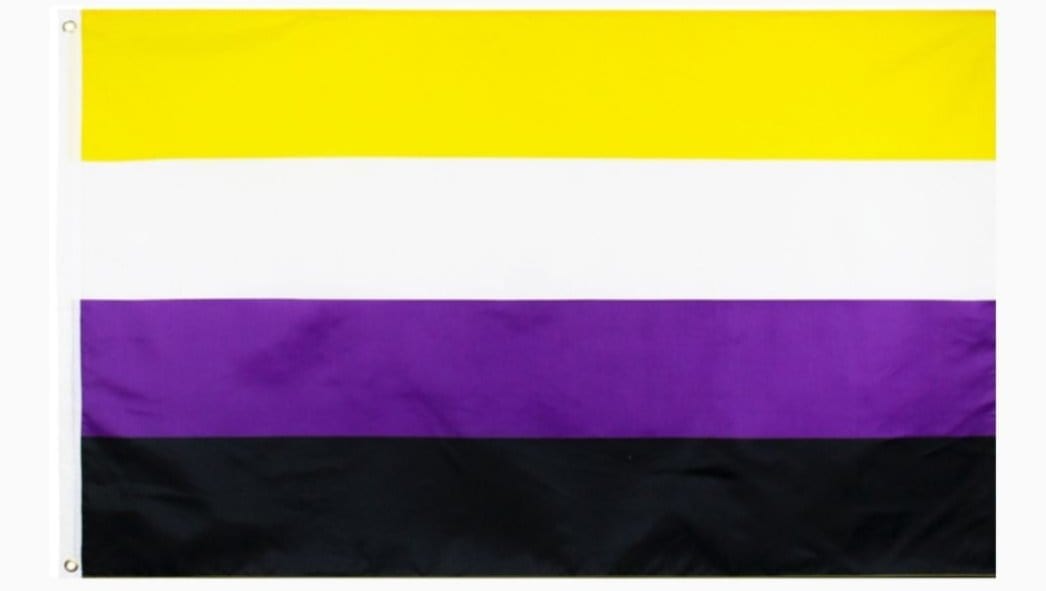
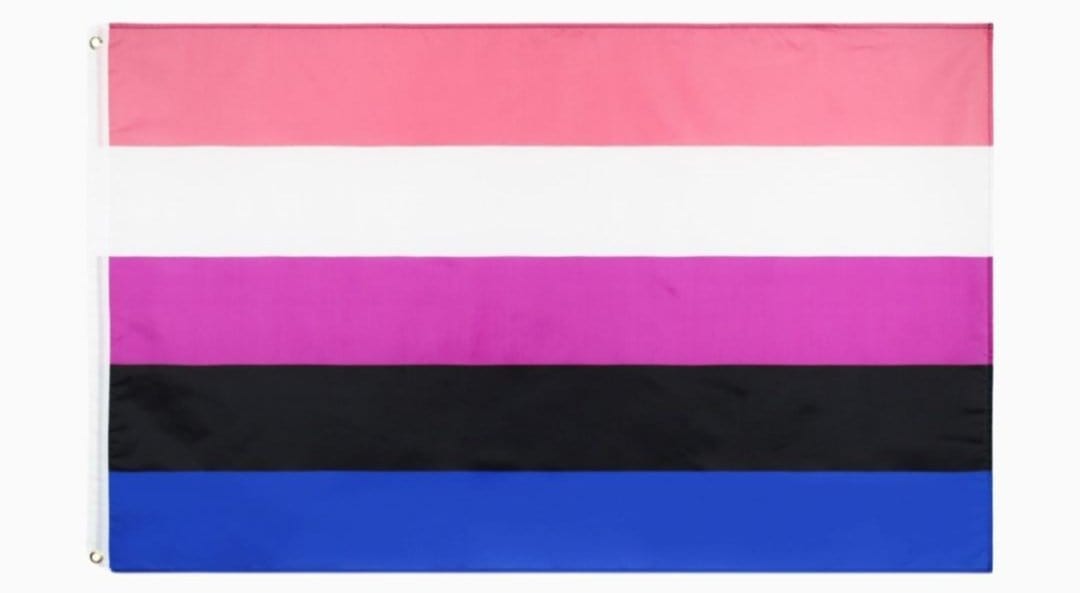
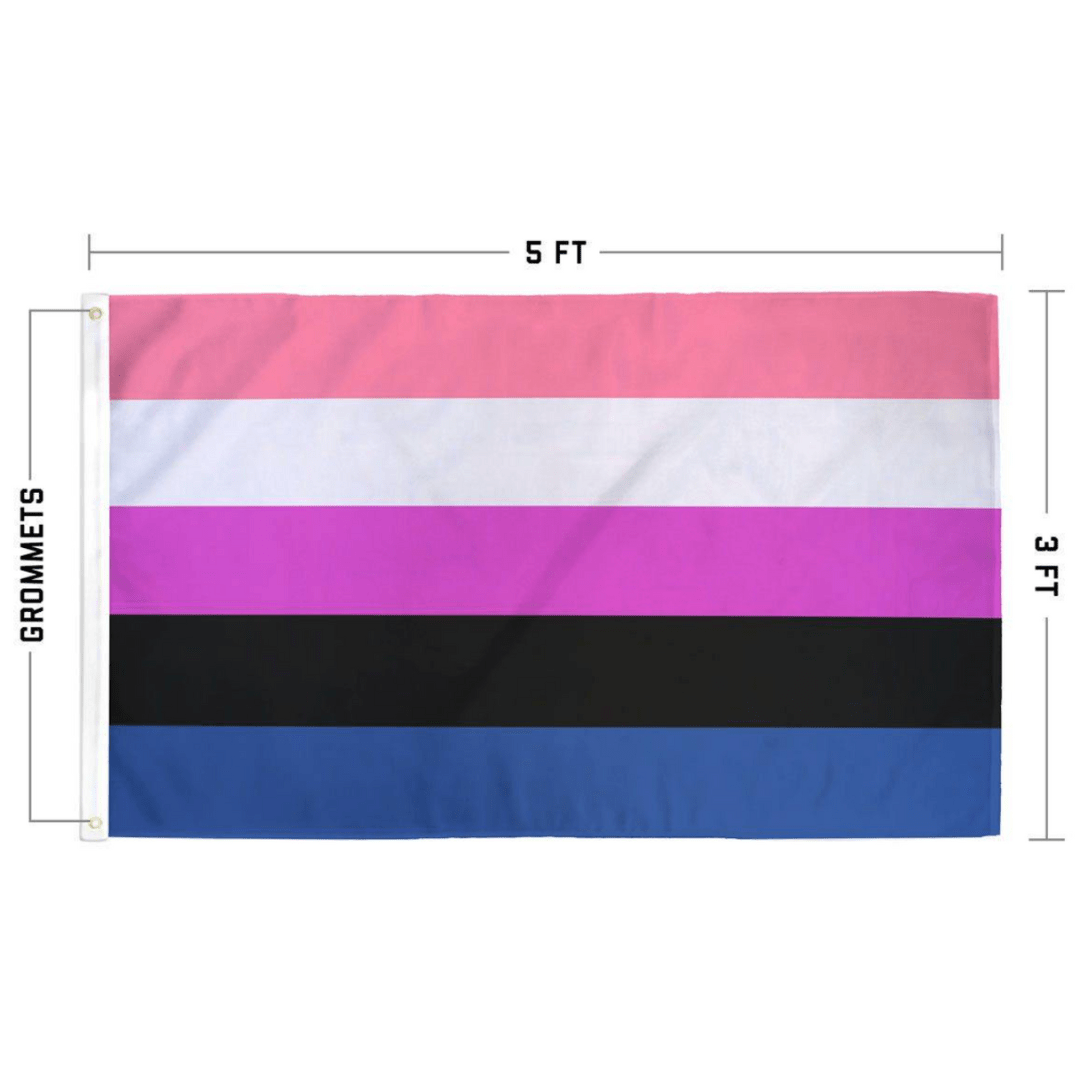
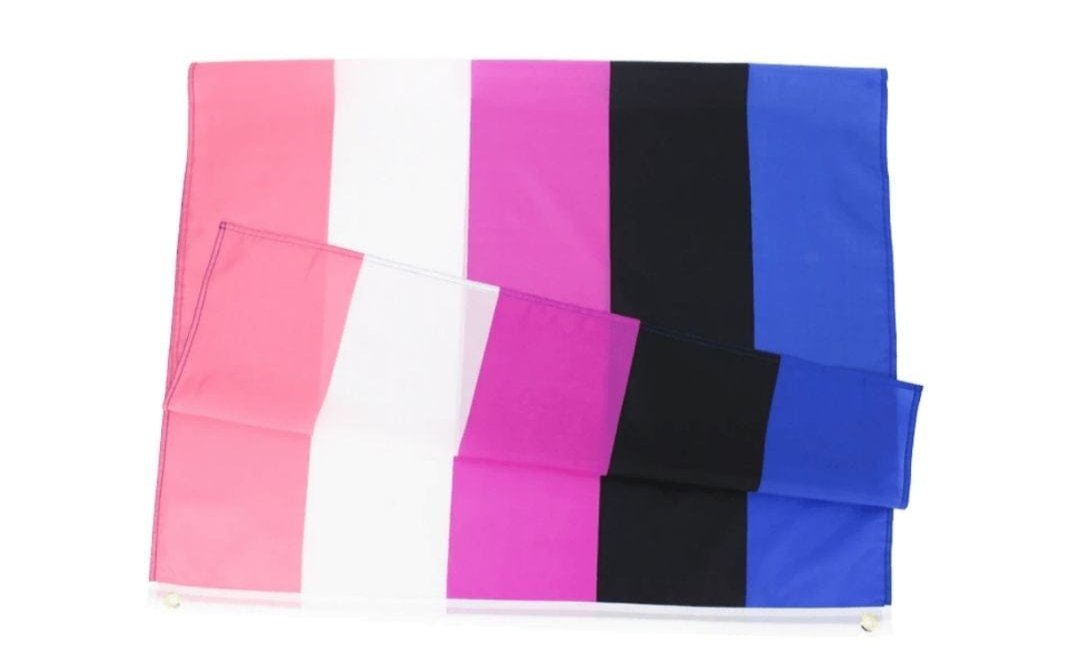
You can explore symbols created for visibility and representation in our Gender Identity Flags collection.
What Is Sexuality?
Sexuality refers to patterns of attraction — which can be emotional, romantic, sexual, a combination of these, or none at all.
It describes who someone may feel attracted to, if anyone, and how they experience those feelings.
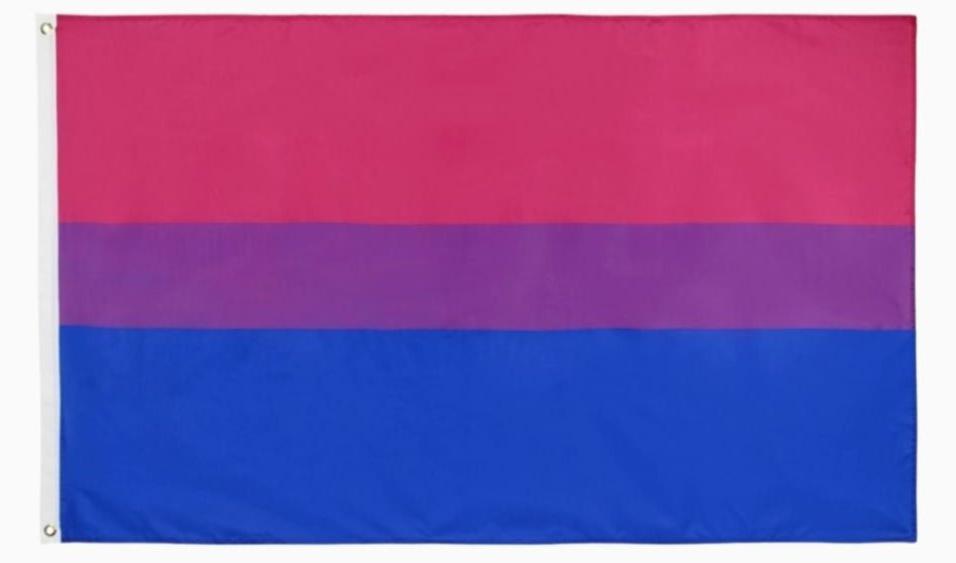
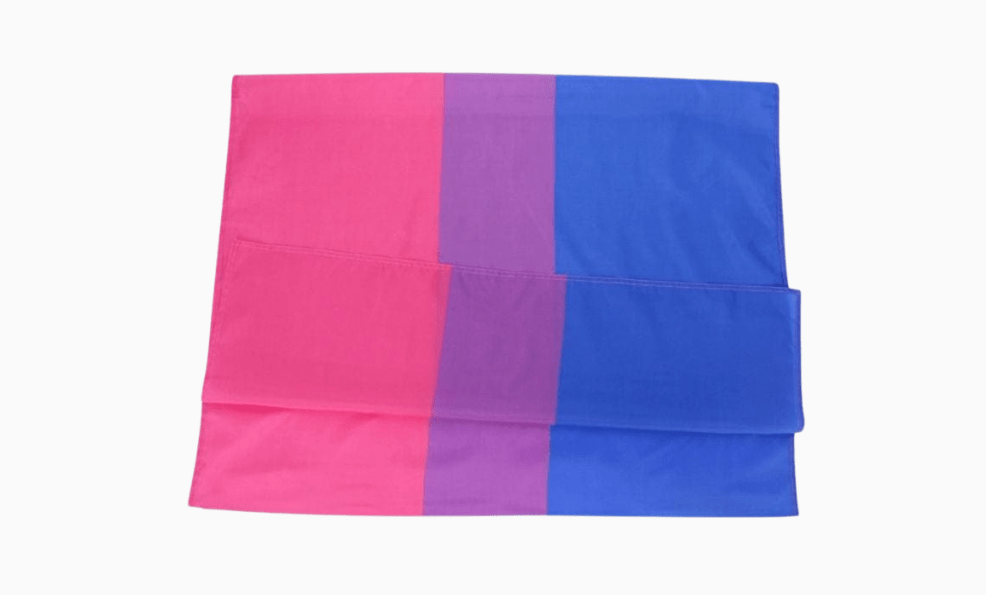
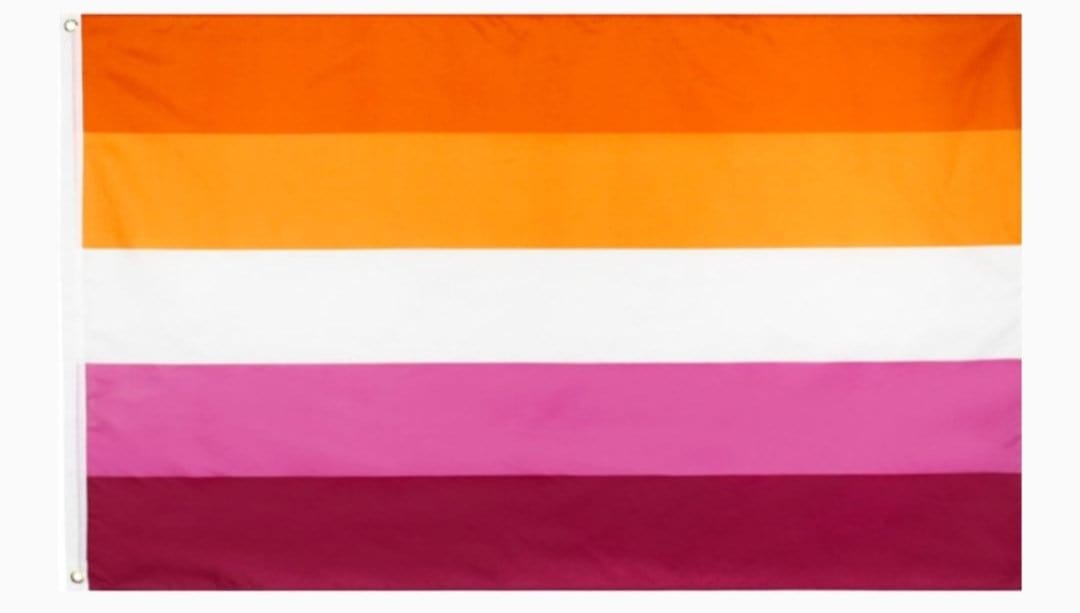
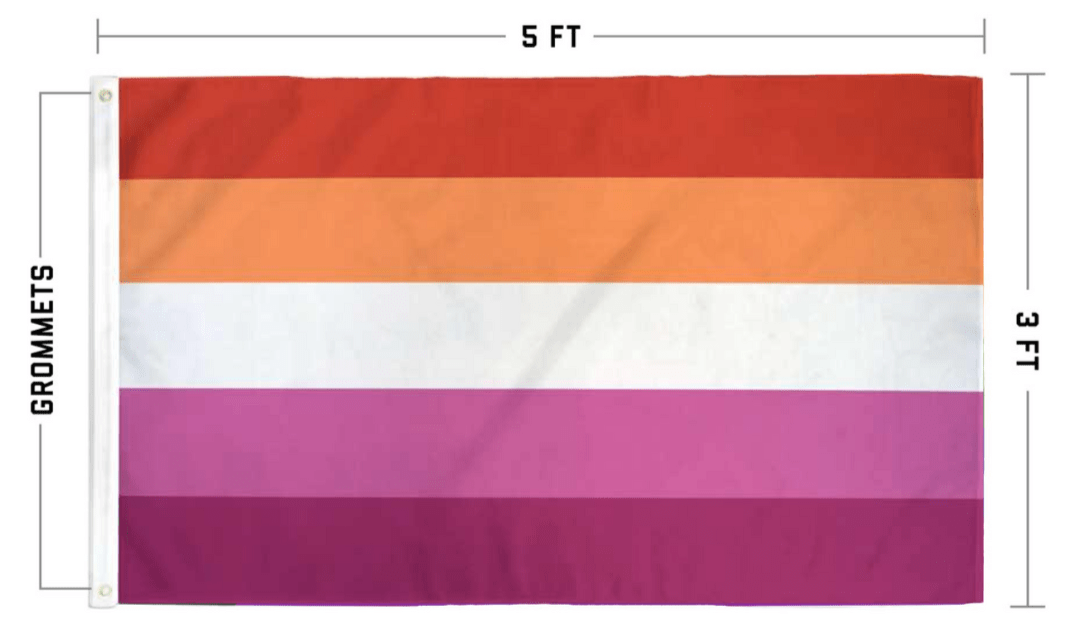
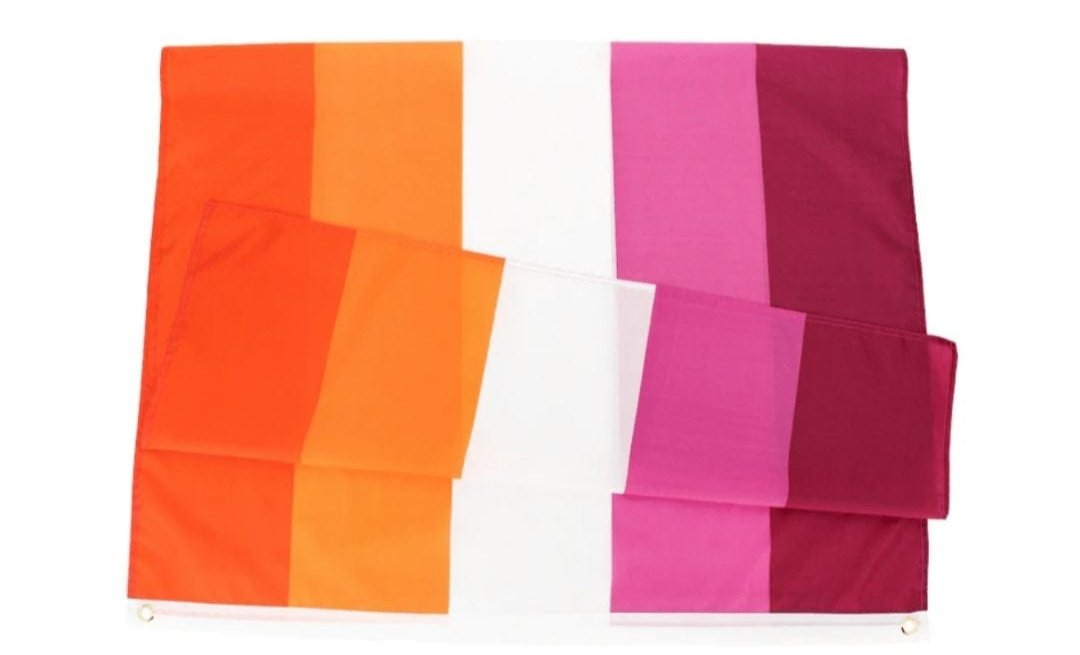
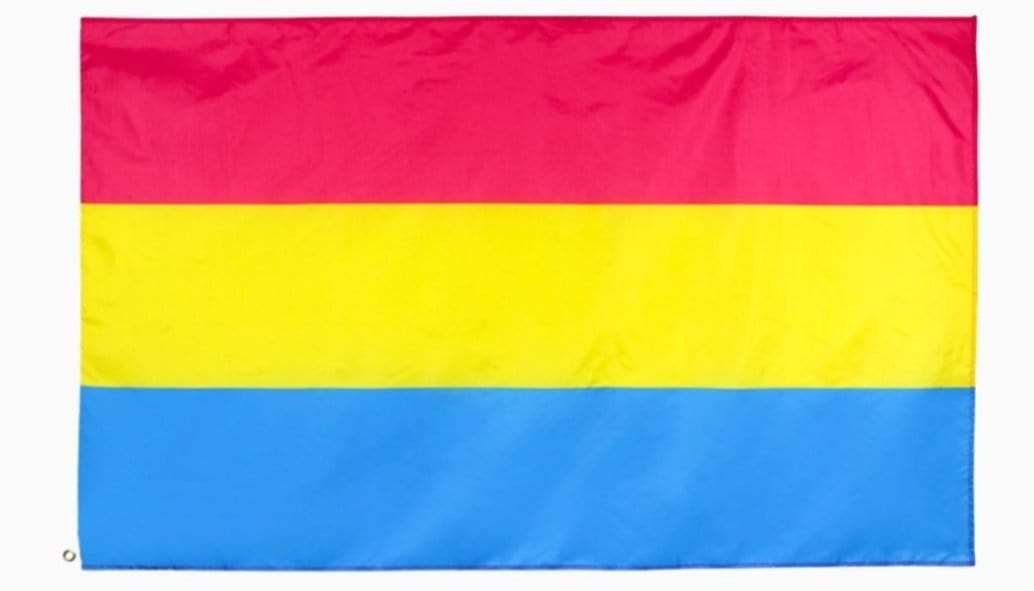
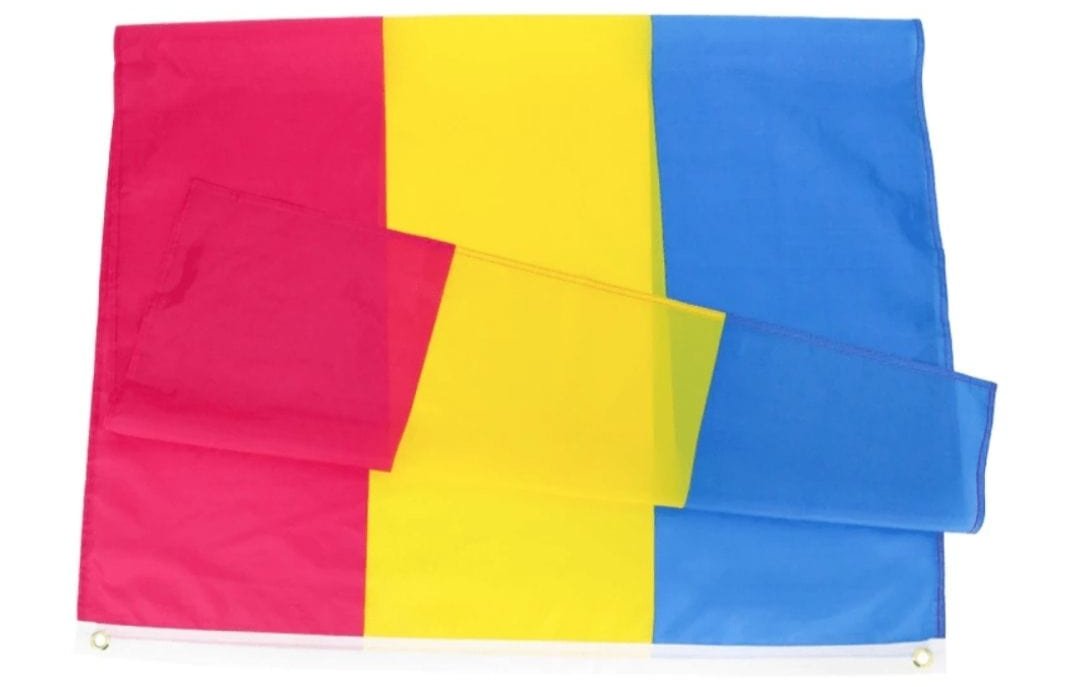
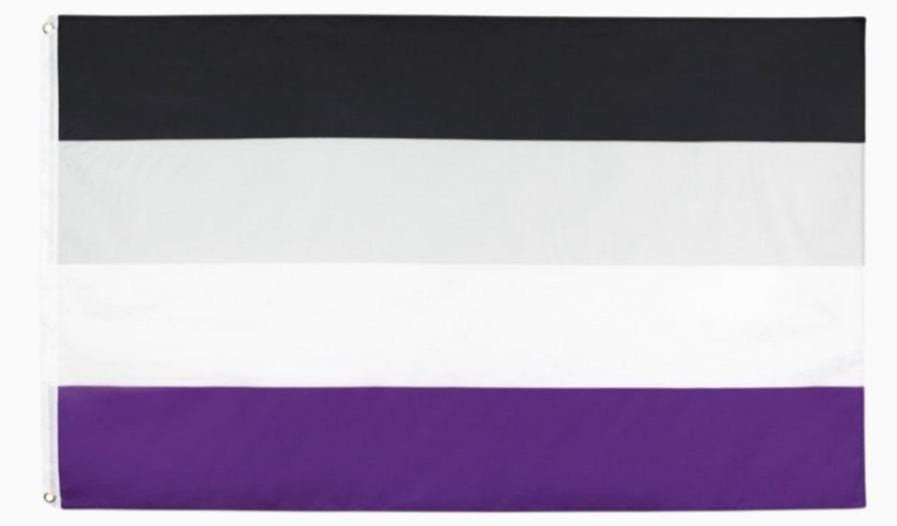
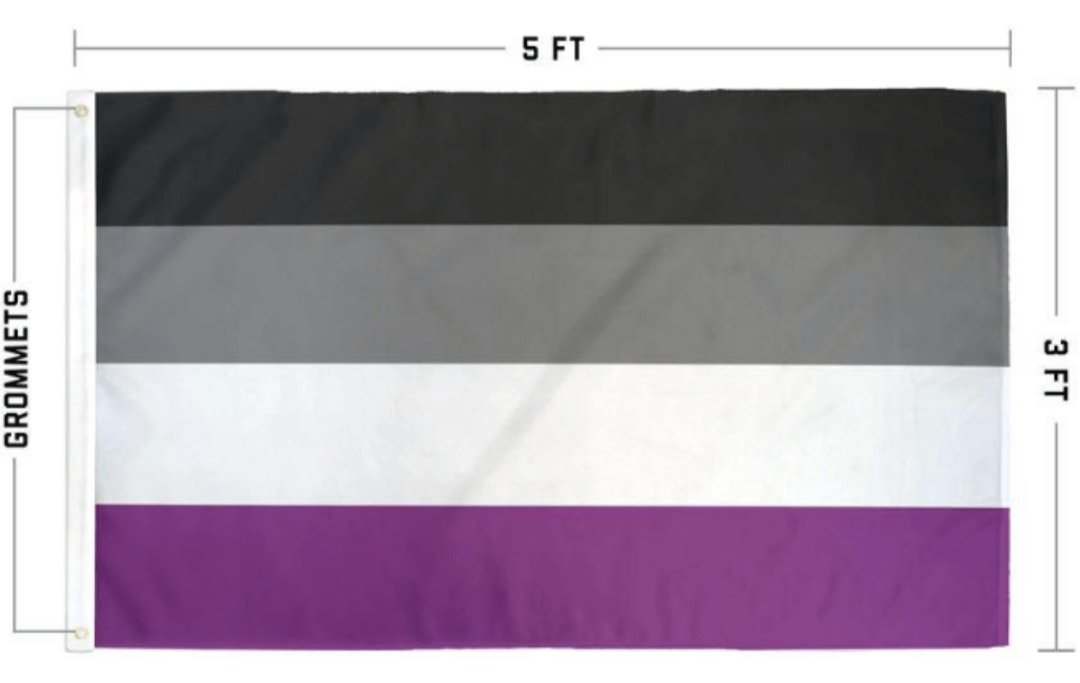
Sexual orientations can include identities such as lesbian, gay, bisexual, pansexual, asexual, queer, and many others — but not everyone feels the need to label their sexuality.
Attraction can also be fluid, change over time, or remain consistent. All of these experiences are valid.
To learn more about symbols connected to sexual orientation, visit our Sexual Orientation Flags collection.
How Gender and Sexuality Are Different
A helpful way many people understand the distinction is:
- Gender relates to who you are
- Sexuality relates to who you’re attracted to — if anyone
These aspects of identity are independent from one another. One does not determine or limit the other.
People of any gender can have any sexual orientation, and vice versa. Each identity stands on its own.
Why This Distinction Matters
Confusing gender and sexuality can lead to misunderstandings, stereotypes, and assumptions that don’t reflect people’s lived experiences.
Understanding the difference helps create:
- More respectful conversations
- Safer and more inclusive spaces
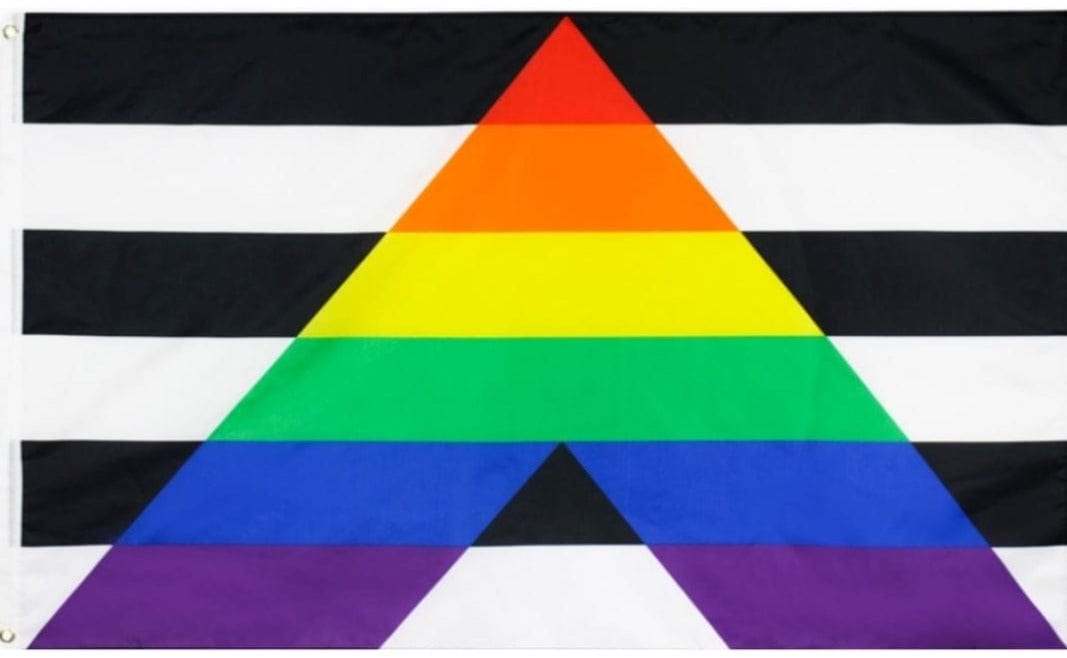
- Better allyship within and outside the LGBTQ+ community
Learning is an ongoing process — and it’s okay to still be figuring things out.
Pride, Visibility, and Self-Definition
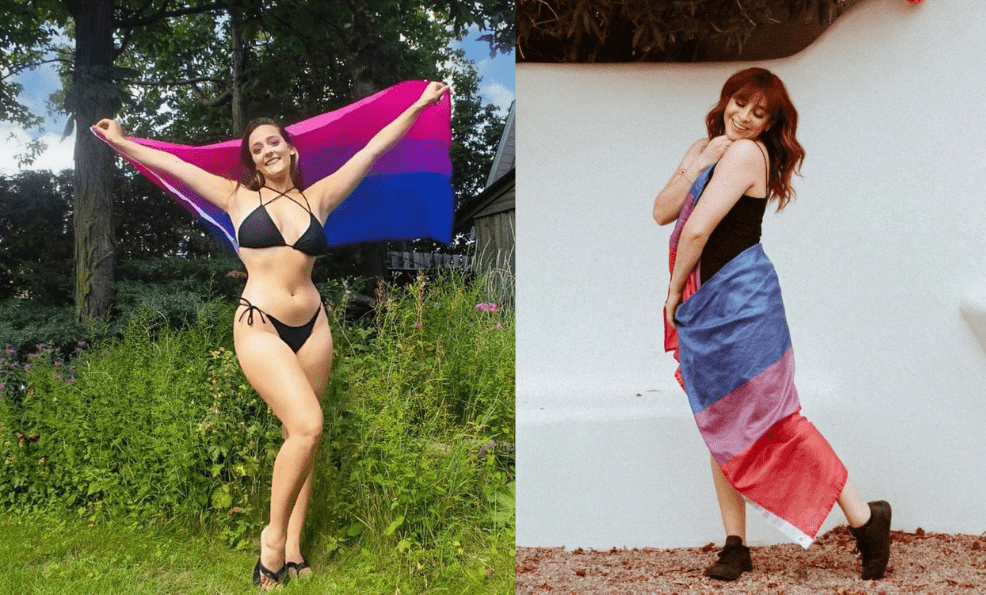
Pride is about visibility, history, resistance, and community — but also about the freedom to define yourself in your own way.
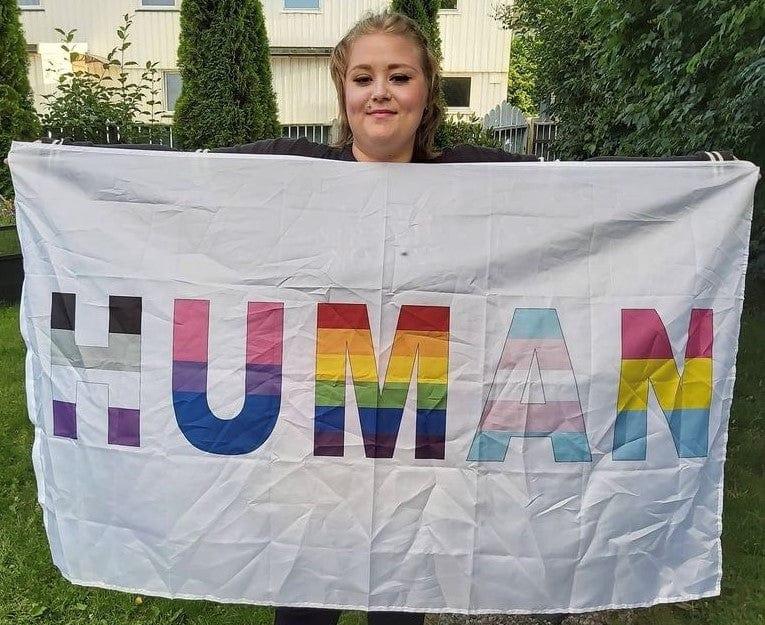
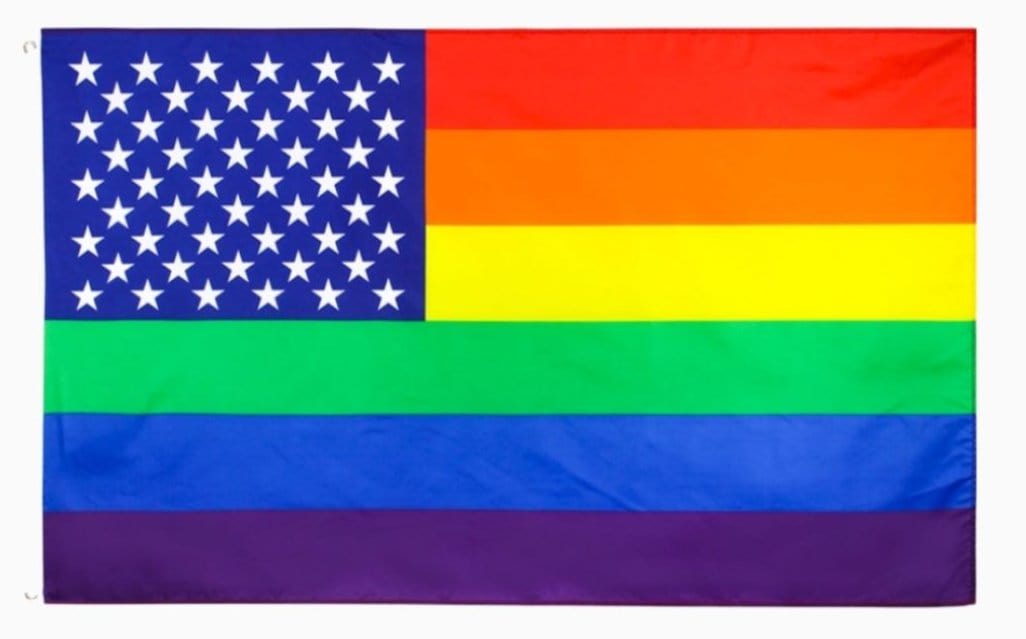
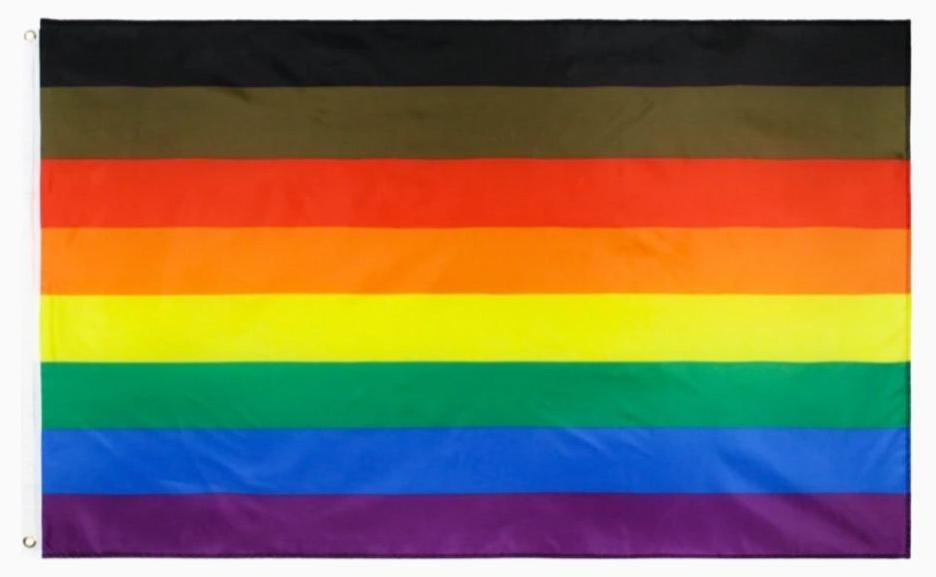
Pride flags exist to honor that diversity of experiences, identities, and journeys.
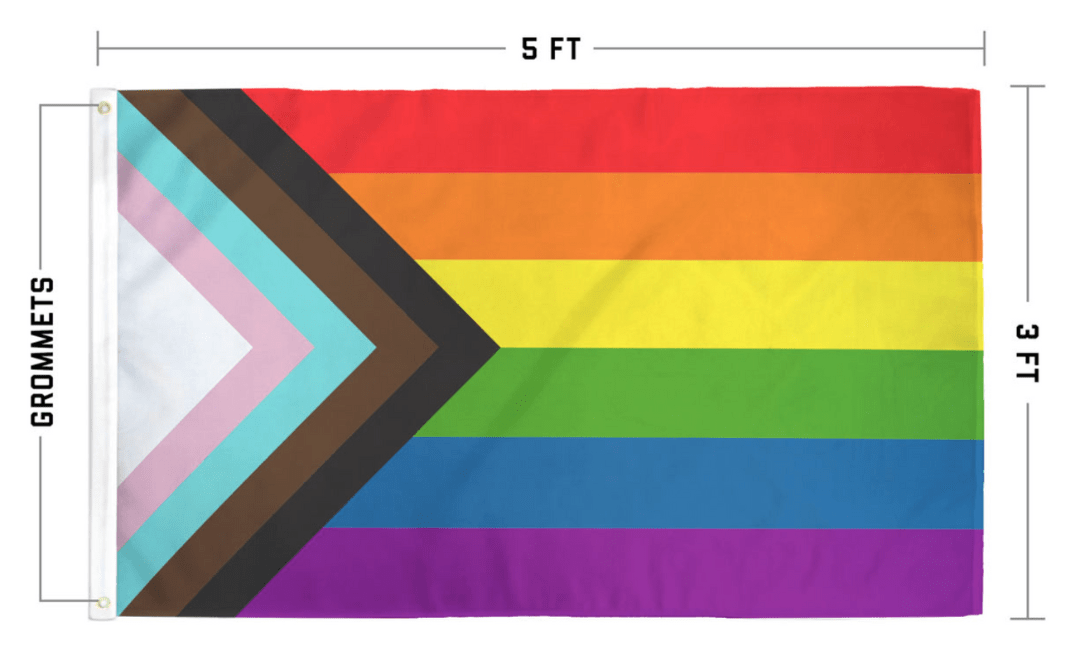
If you want to learn more about the meaning behind different flags, you can read our Complete Guide to LGBTQ+ Pride Flags .
You Don’t Owe Anyone an Explanation
Whether you’re exploring, questioning, confident, or simply learning — your identity is valid exactly as it is.
Pride Palace exists to celebrate that diversity and support visibility for everyone.
Explore our full collection here: All Pride Flags