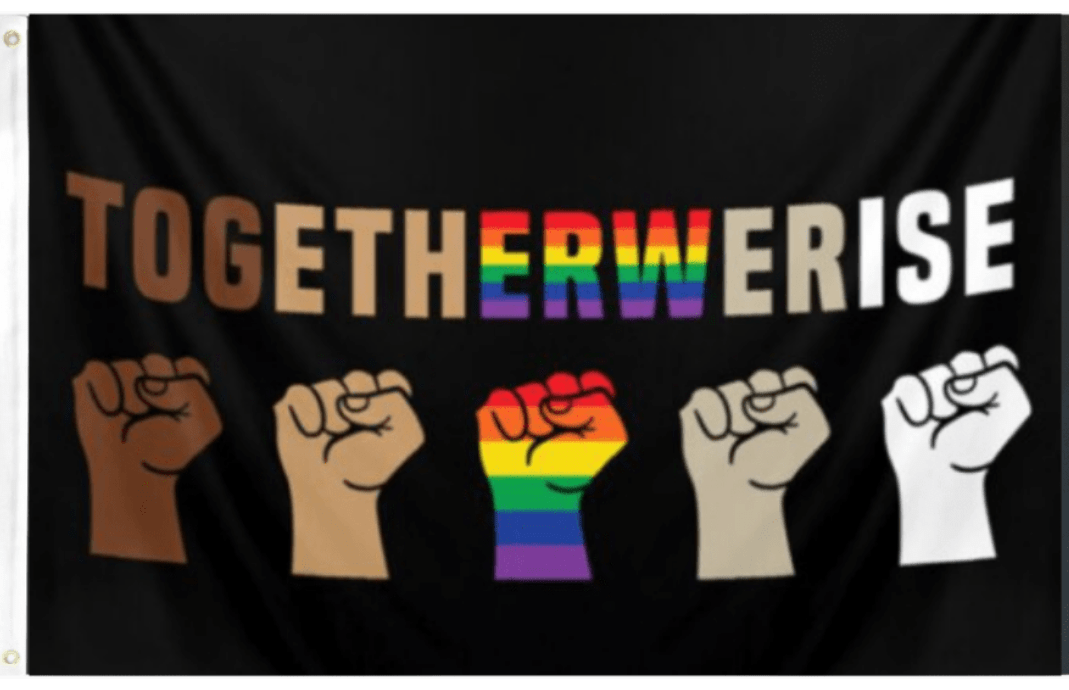

You can’t fight for freedom selectively.
When we think about the U.S. Civil Rights Movement, certain names are repeated over and over again. But history has a habit of erasing the people who didn’t fit neatly into what society was ready to accept.
Bayard Rustin was one of them.
A brilliant strategist. A nonviolent activist. A Black gay man. And the architect behind some of the most influential moments in American history.
Who was Bayard Rustin?
Bayard Rustin was a civil rights leader, organizer, and advisor to Martin Luther King Jr.. He was the main organizer of the 1963 March on Washington , where King delivered his iconic “I Have a Dream” speech.
Rustin believed deeply in nonviolent resistance, inspired by Gandhi, and helped shape the strategies that defined the movement. Yet despite his impact, he was often pushed into the background.
Why?
Because he was openly gay.
The cost of being both Black and gay
During the 1950s and 60s, being openly gay was considered a liability — even within progressive movements. Rustin was frequently told to stay out of the spotlight so his identity wouldn’t “distract” from the cause.
His queerness was used against him by political opponents and, at times, by allies who feared backlash.
Still, Rustin refused to disappear.
He continued organizing, advising, and building movements from behind the scenes — proving that visibility is powerful, but so is strategy.
Myths we need to unlearn
❌ “Queer activism didn’t exist during the civil rights era”
Bayard Rustin is living proof that queer people have always been part of liberation movements — even when history tried to erase them.
❌ “You have to hide who you are to make change”
Rustin lived authentically in a world that tried to silence him. His life shows us that change doesn’t require shrinking yourself — it requires courage.
Why Bayard Rustin still matters today
Rustin understood something that still resonates deeply:
Justice cannot be divided.
You cannot fight for freedom while excluding others.
His legacy lives at the intersection of Black liberation and LGBTQ+ rights — reminding us that movements are strongest when they are inclusive.
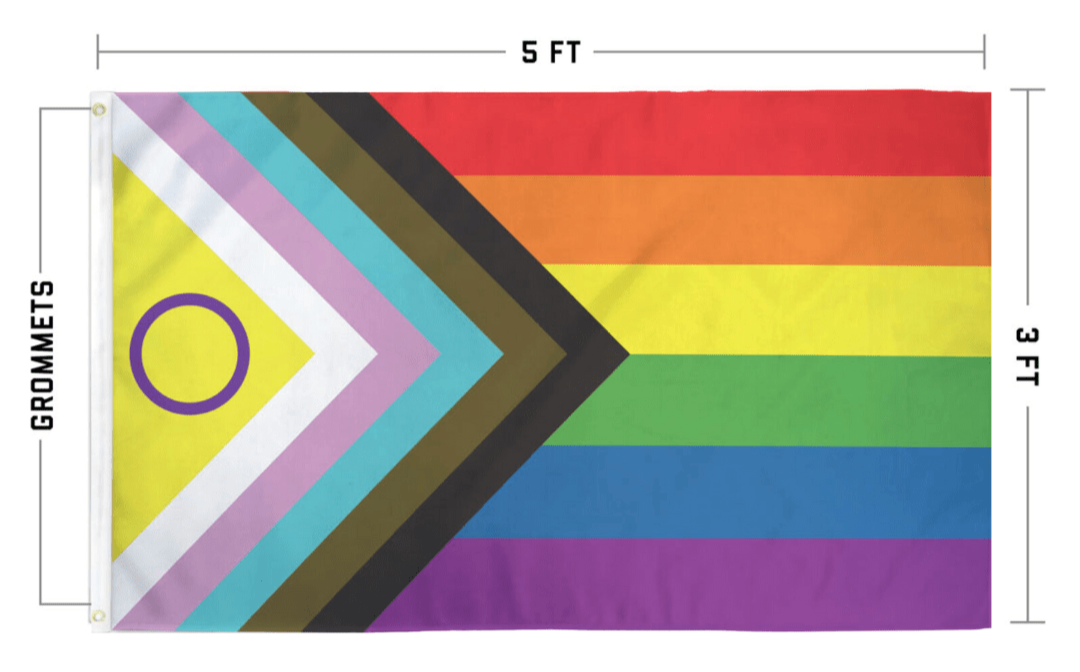
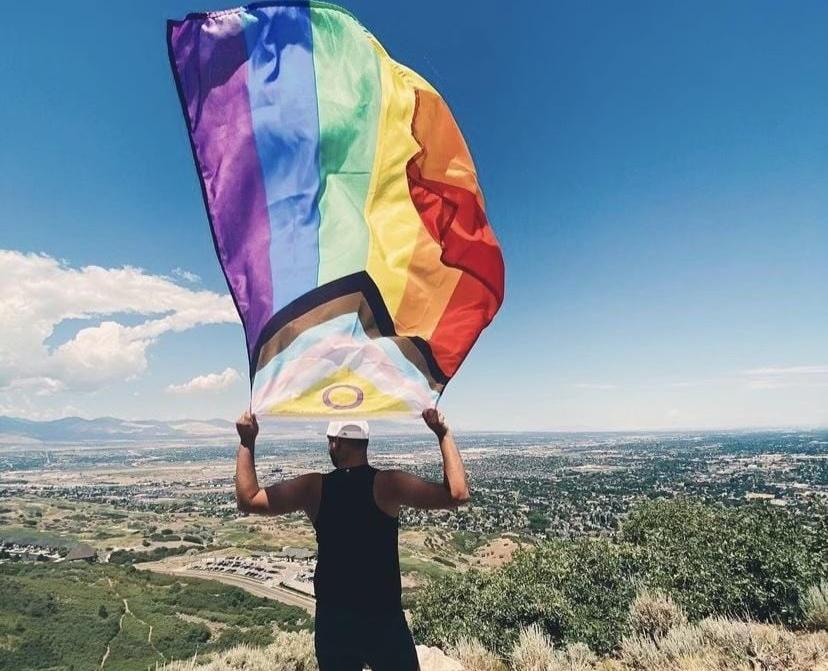
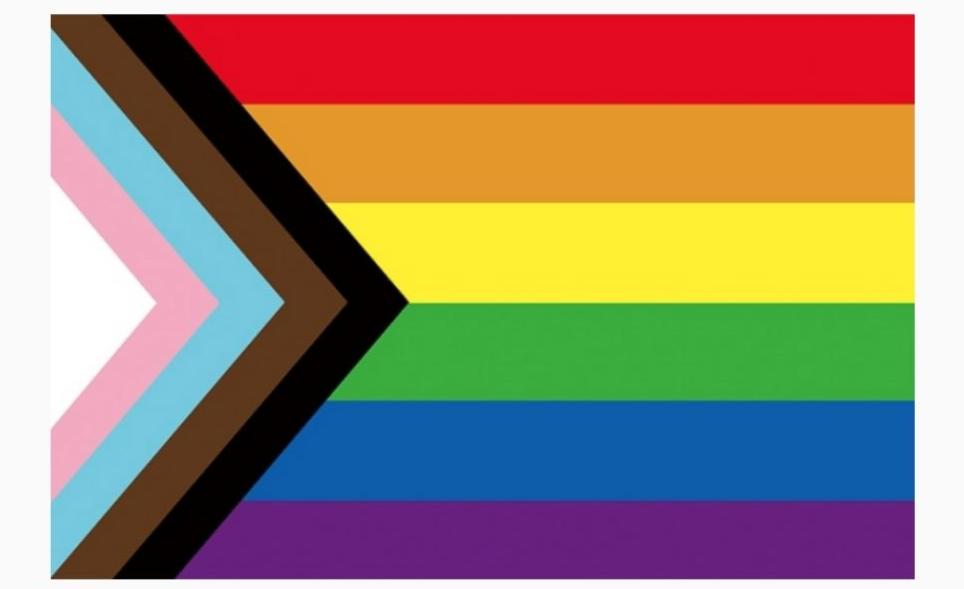
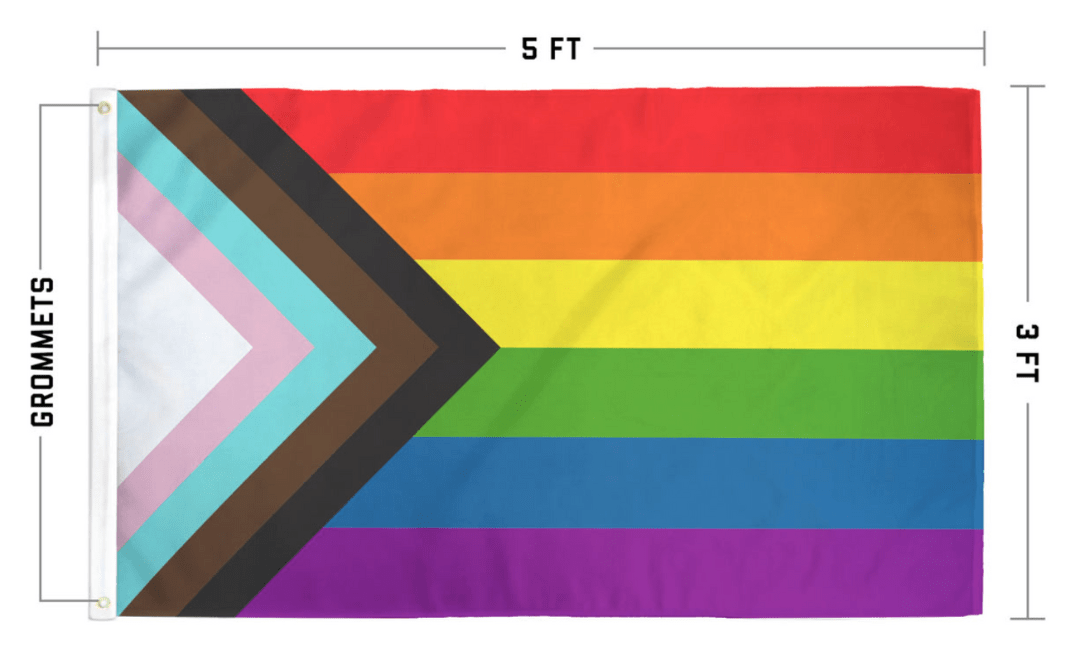
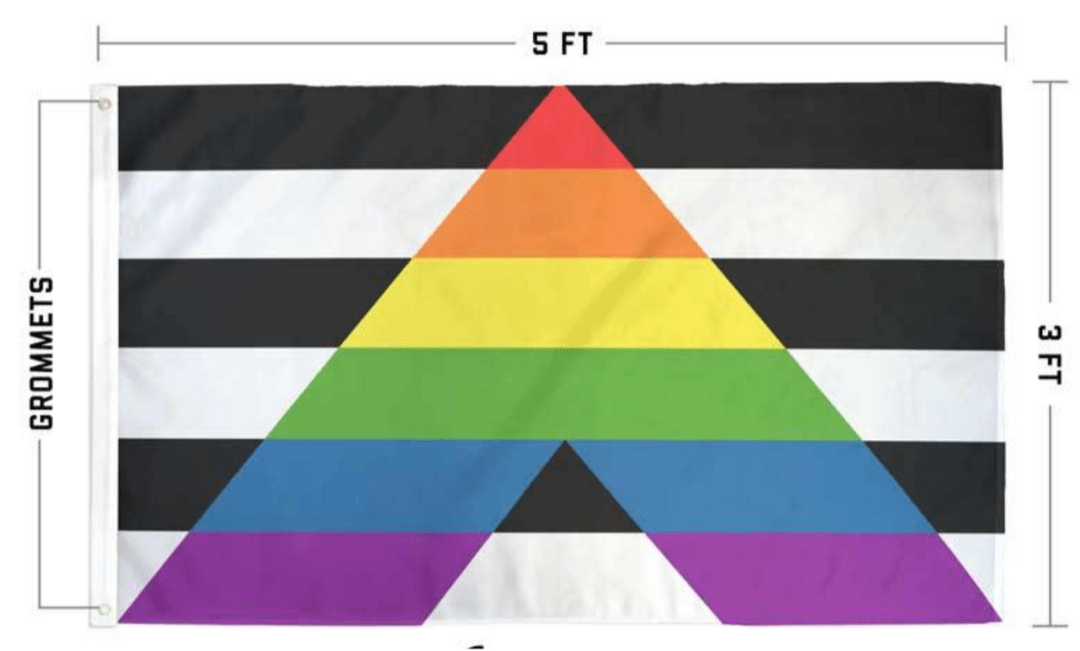
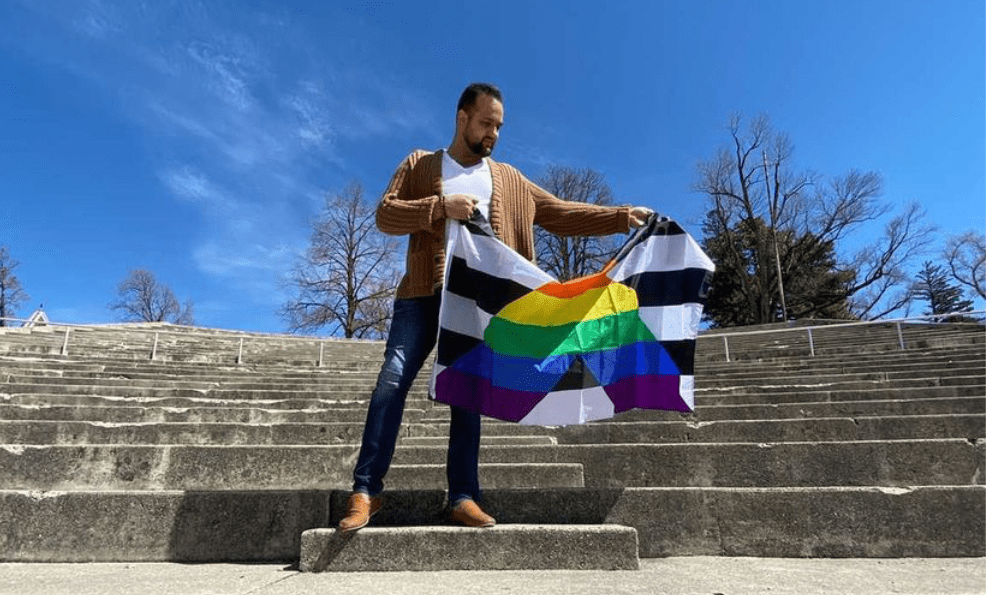
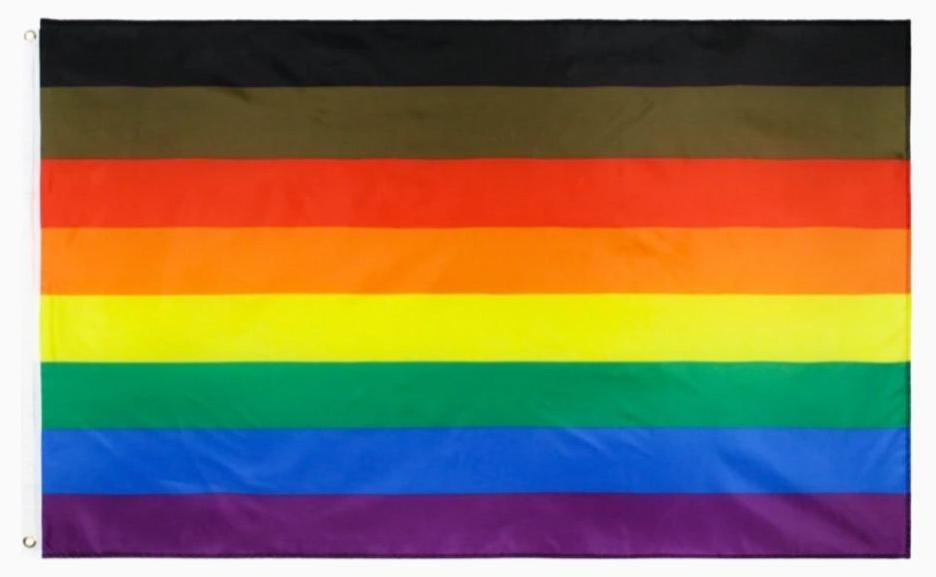
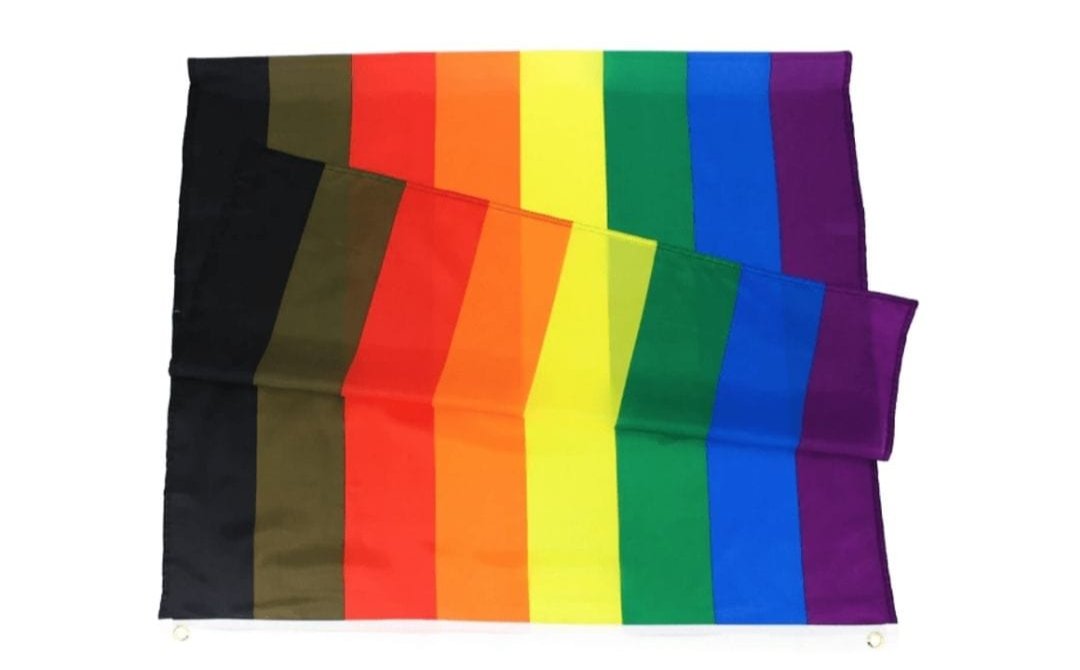
Every Pride flag raised today, every march, every act of resistance carries echoes of his work.
Discover the man who built movements from behind the scenes
Bayard Rustin may not always be the face you see in history books, but he is one of the minds that shaped justice movements as we know them.
Honoring his story means recognizing that freedom is not selective — and neither is history.
Learn more about Bayard Rustin here.