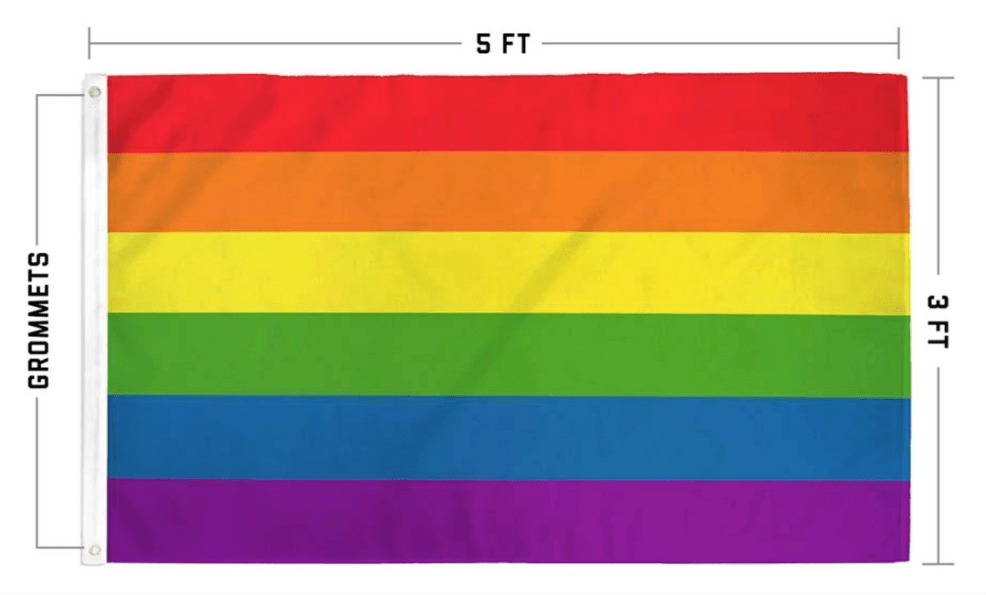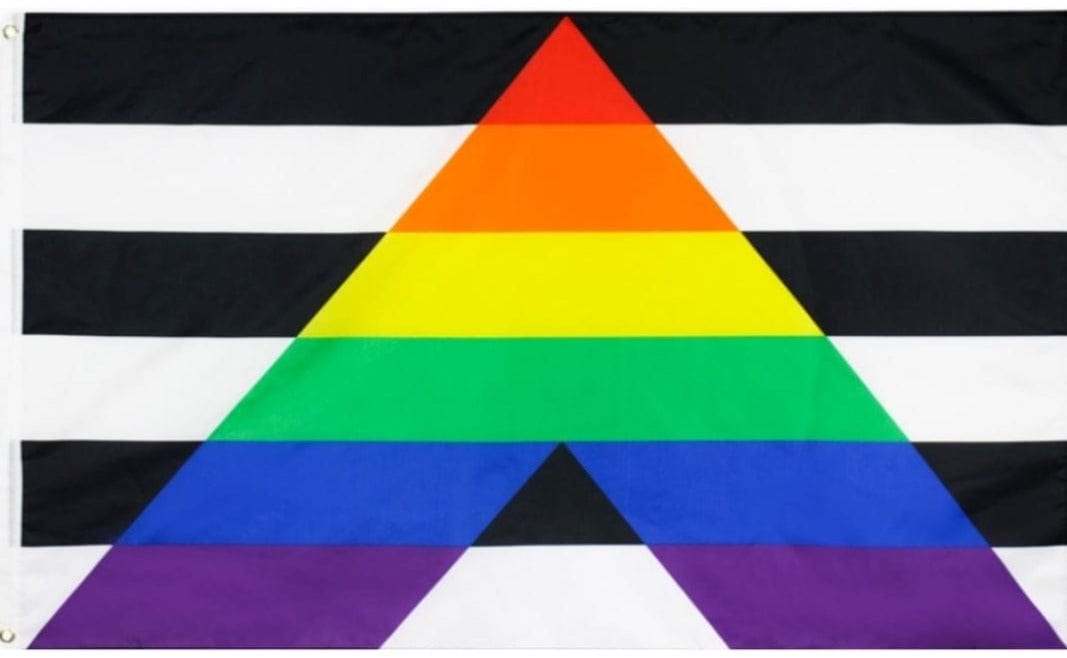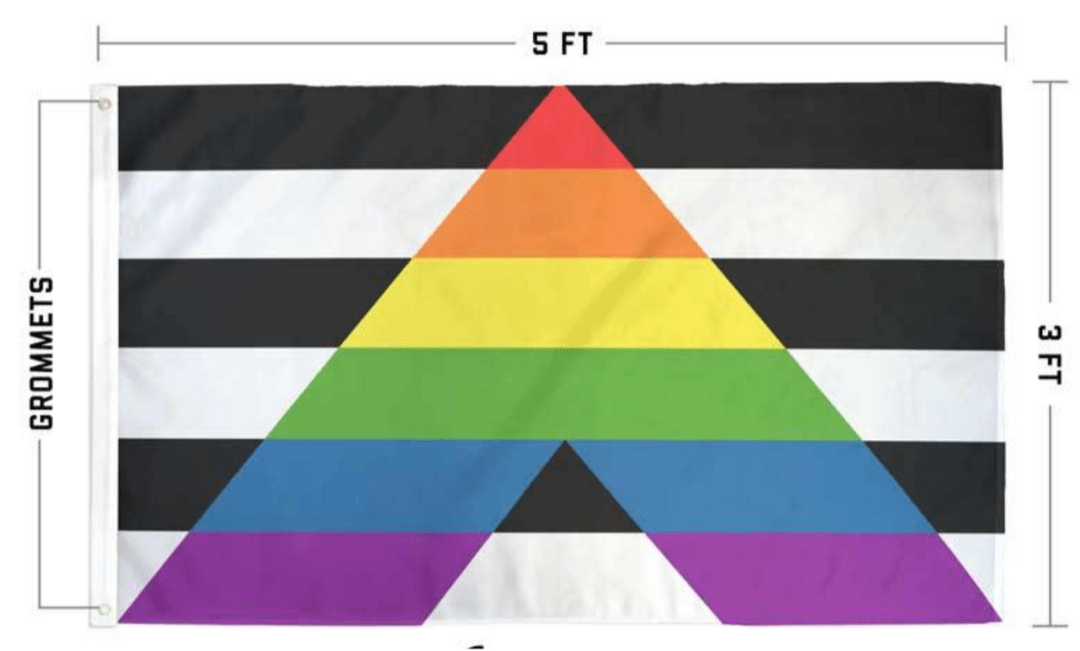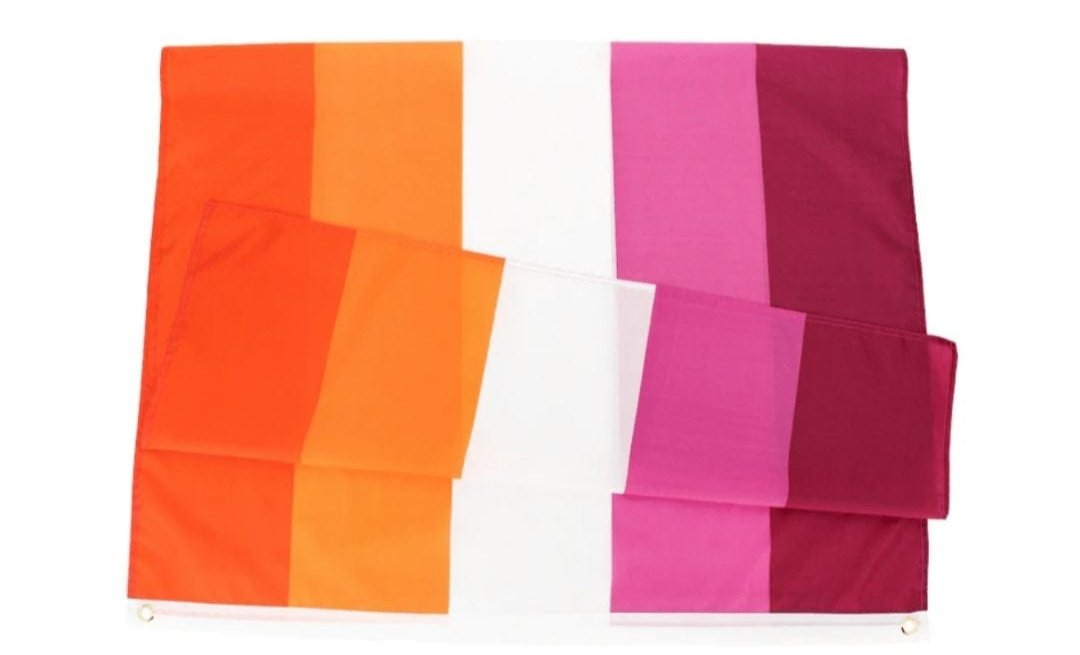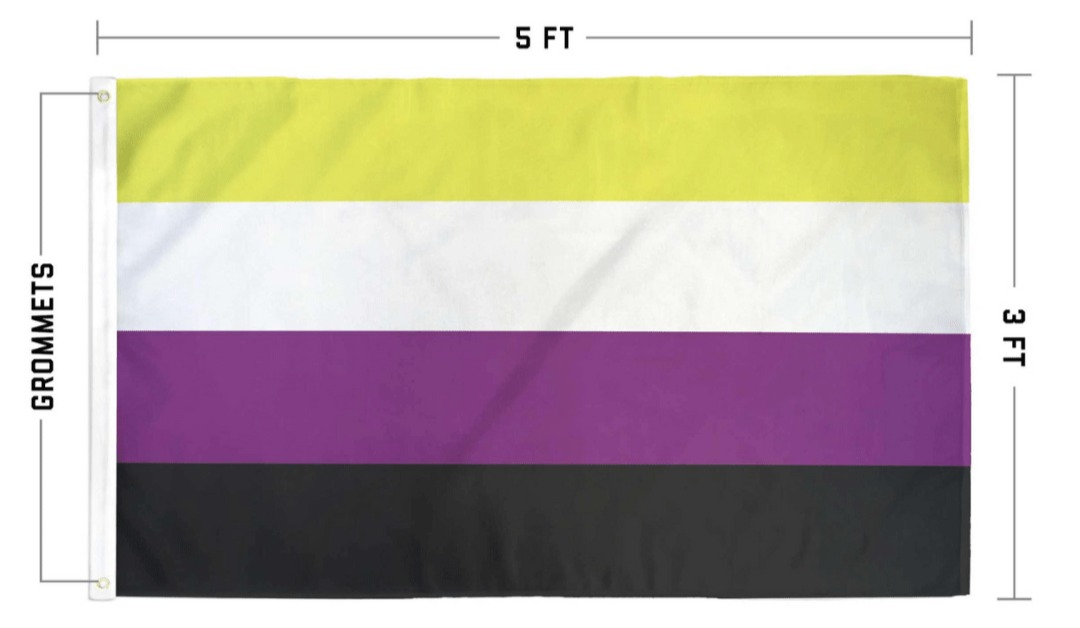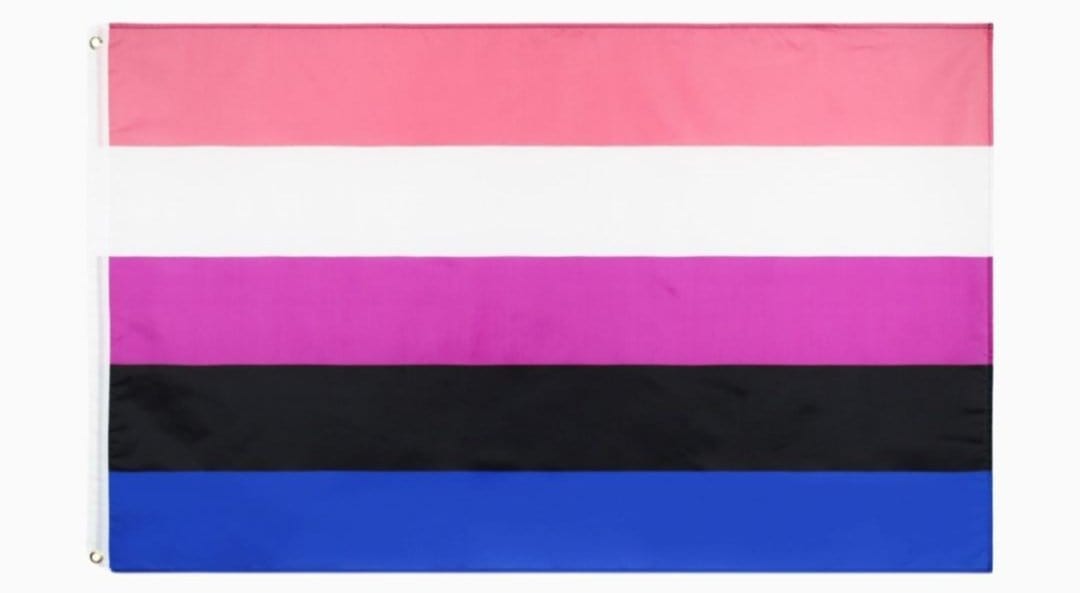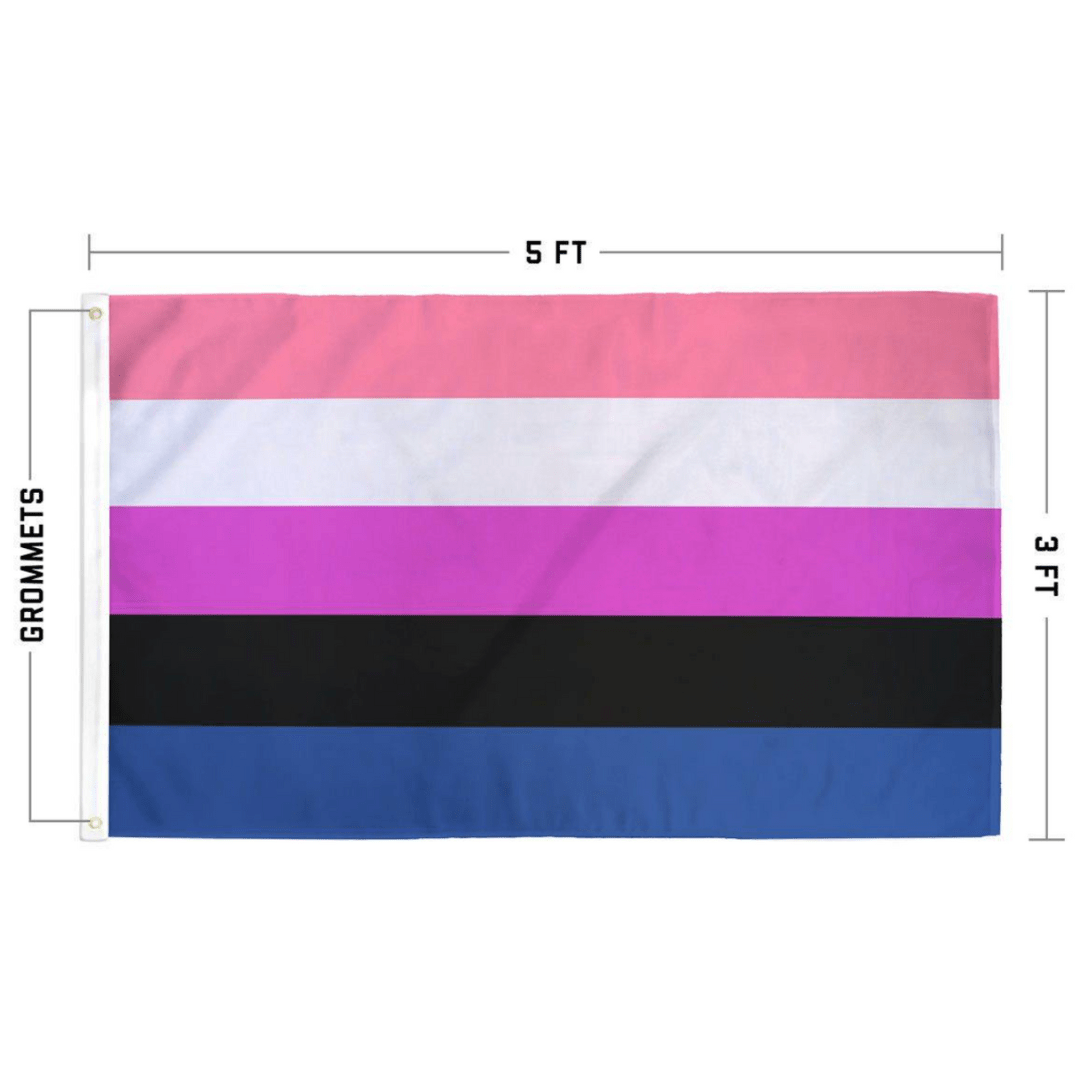

The aromantic Pride flag has five horizontal stripes: dark green, light green, white, gray, and black. It was designed by Cameron Whimsy and shared on Tumblr in November 2014. Green represents the aromantic spectrum, white represents platonic love and friendship, and gray and black represent the sexuality spectrum, because aromantic people hold every kind of sexual orientation.
| Designer | Cameron Whimsy |
| Year | 2014 |
| Stripes | 5 horizontal |
| Colors | Dark green, light green, white, gray, black |
| Community | Aromantic spectrum |
What do the colors of the aromantic flag mean?
The flag works as two parallel arguments running left to right: one about romantic attraction, one about sexual attraction.
The dark green and light green stripes represent the aromantic spectrum in its full range. Dark green is aromanticism itself. Light green covers the identities that sit on the spectrum alongside it: grayromantic (experiencing romantic attraction rarely or weakly) and demiromantic (experiencing romantic attraction only after a strong emotional bond has formed). Both stripes are doing active work.
The reason green was chosen is documented in Cameron Whimsy's original Tumblr post: green sits opposite red on the color wheel, and red is the color most associated with romantic love. The choice names what aromanticism is not defined by without using words to say it.
White represents platonic love, friendship, and queerplatonic relationships. Queerplatonic relationships are committed partnerships that fall outside the romantic or sexual framework, and they are part of aromantic community life in a way the flag was designed to acknowledge.
Gray and black represent the sexuality spectrum. This is the part of the flag most often misunderstood. Aromanticism is a romantic orientation, not a sexual one. An aromantic person can be heterosexual, gay, bisexual, asexual, or any other sexual orientation. The gray and black stripes are there because the flag is about romantic attraction, and the community it represents is not defined by sexual attraction in any one direction.
According to the documented history of the aromantic flag, all five meanings were present in Cameron Whimsy's original post in 2014 and have remained stable since.
Who made the flag, and how was it adopted?
Cameron Whimsy designed the flag and shared it on Tumblr in November 2014. Unlike the asexual flag, which was produced through a formal community vote organized by AVEN, the aromantic flag spread through organic adoption. Community members picked it up, shared it, and it became the standard.
Every Pride flag that has stuck was adopted this way. Nobody voted on the rainbow flag either. Community recognition is what makes a flag real, and the aromantic community gave this one that recognition.
The early aromantic community formed on AVEN, the same network where asexual identity had organized, before the two communities developed more distinct spaces. Cameron Whimsy's design came out of that online world, at a moment when the aromantic community was building its vocabulary and its symbols at the same time.
AUREA, the Aromantic-Spectrum Union for Recognition, Education, and Advocacy, was later formed to increase recognition of aromanticism beyond online spaces. AUREA leads Aromantic Spectrum Awareness Week, held annually during the first full week after Valentine's Day. The week after Valentine's Day is not a coincidence.
What do aromantic people say about navigating their identity?
The difficulty is usually not hostility. It is the absence of recognition.
Romantic attraction is treated as a near-universal baseline in most of the culture around it. The structure of adult social life, the way relationships are tracked and valued, the assumption that everyone is searching for a romantic partner, all of it presumes something that aromantic people do not necessarily experience. That creates a particular kind of loneliness: not being targeted, but being invisible.
In our own post-purchase survey, 484 Pride Palace customers answered open-ended questions about their experience as LGBTQ+ people. Among asexual-spectrum respondents, whose experience closely parallels that of aromantic people, the pattern that emerged was being understood as the central difficulty, not being rejected. One wrote:
"Getting people to understand what being Asexual truly is. I am dating, have told him, but he doesn't seem to comprehend things."
That is the ordinary weight of an ace- or aro-spectrum identity. Not a confrontation. A conversation that has to be started again, with each person, and still may not land.
A 2021 community survey specifically targeting allosexual aromantic people (those who experience sexual attraction but not romantic attraction) had 647 responses. Of those, only 8.8% identified as heterosexual, and 43% identified as queer, according to the data compiled in the Wikipedia article on aromanticism. The aromantic community is overwhelmingly not straight. The flag is part of LGBTQ+ visibility, not parallel to it.
The Trevor Project's 2025 National Survey found that 41% of LGBTQ+ young people seriously considered attempting suicide in the past year. Aromantic and aro-spectrum young people are part of that community. The flag is not decorative. It is recognition, and recognition is the thing the data says is missing.
How is the aromantic flag related to the asexual and demisexual flags?
They share a community origin and a design logic.
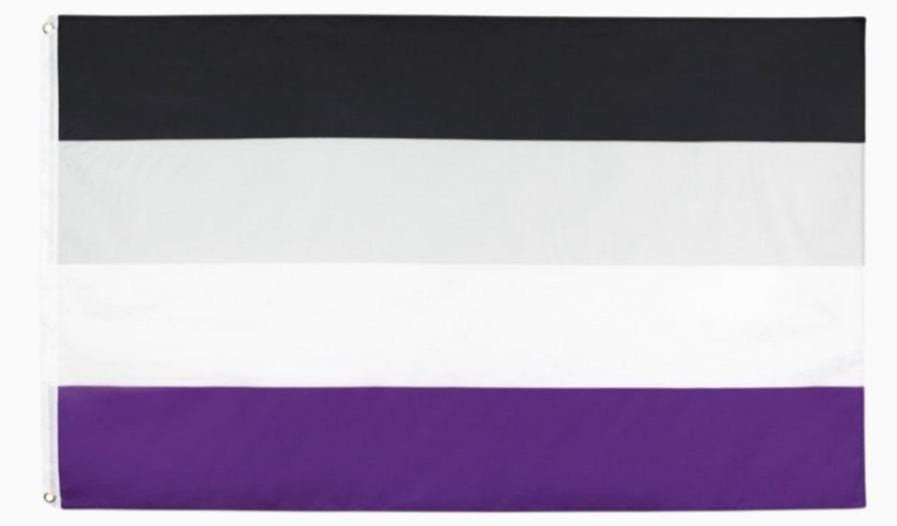
The asexual Pride flag was created in 2010 through an AVEN community vote. It has four stripes: black, gray, white, and purple. The early aromantic community grew out of the same AVEN network, and the aromantic flag shares the gray and black stripes with it. That is not a coincidence. Gray and black carry the same meaning in both flags: the sexuality spectrum, which both communities exist across.
The demisexual flag also draws from the ace palette. A black triangle, white and gray fields, and a purple stripe, because demisexuality is a position on the asexual spectrum.
Aromanticism and asexuality are different things. Asexuality is about sexual attraction; aromanticism is about romantic attraction. Many people are both, identifying as aromantic-asexual or aroace. Many are one and not the other. The overlapping design vocabulary in these flags reflects real overlap in community experience without collapsing the distinction.
If you have been reading about asexuality or demisexuality and found yourself here, the aromantic flag is making an adjacent argument in its own terms. Both are worth knowing.
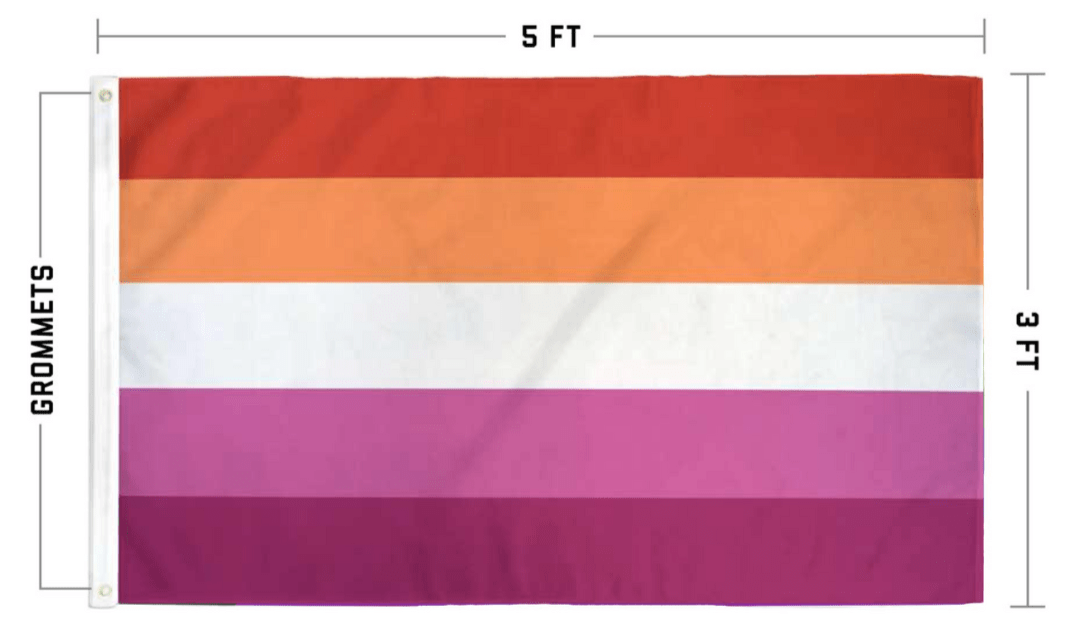
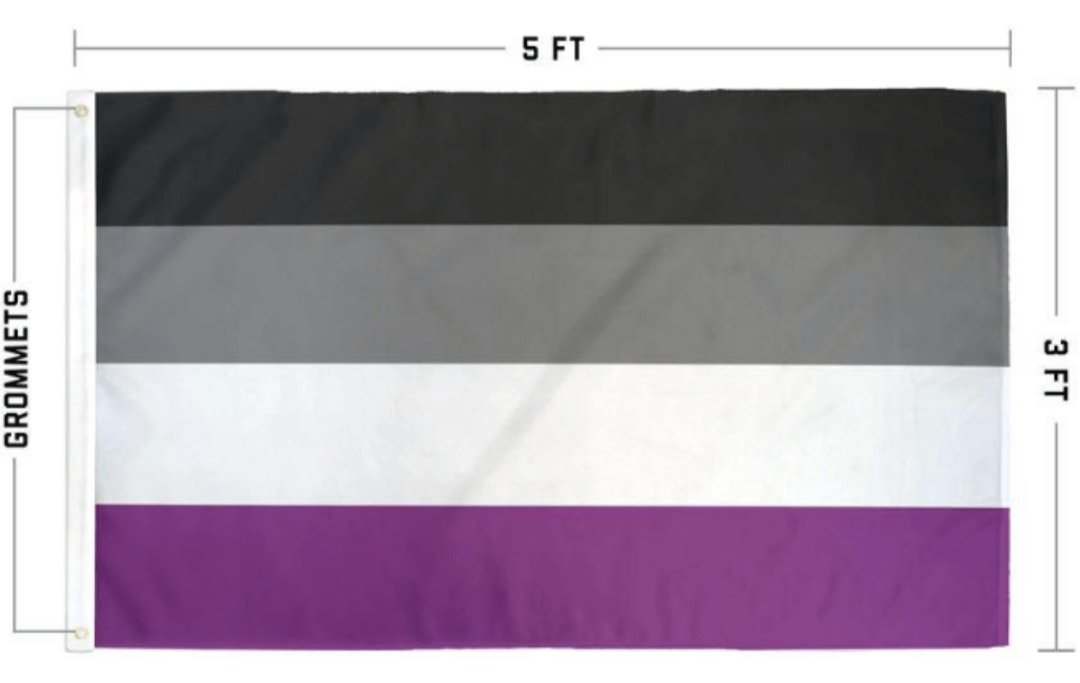
The aromantic Pride flag is at the shop in the standard 3x5 ft size. All three flags in this cluster, and every other Pride flag, are at the full guide to every Pride flag. Every flag we carry is there. All sales benefit LGBTQ+ charities.
Frequently asked questions
Who designed the aromantic Pride flag?
The aromantic Pride flag was designed by Cameron Whimsy and shared on Tumblr in November 2014. It was adopted by the aromantic community through organic spread across online spaces rather than through a formal vote.
What do the colors of the aromantic Pride flag mean?
The five stripes from top to bottom: dark green and light green represent the aromantic spectrum, including identities like grayromantic and demiromantic. White represents platonic love and friendship, including queerplatonic relationships. Gray and black represent the sexuality spectrum, acknowledging that aromantic people hold a range of sexual orientations.
Why is the aromantic flag green?
Green was chosen because it sits opposite red on the color wheel, and red is most commonly associated with romantic love. The choice was deliberate: it distinguishes aromantic identity visually while naming what aromanticism is not defined by.
What is aromanticism?
Aromanticism describes experiencing little or no romantic attraction to other people. It is a romantic orientation, not a rejection of relationships. Aromantic people can and do experience platonic love, close friendship, and sexual attraction. Some form committed non-romantic partnerships, sometimes called queerplatonic relationships.
Is aromanticism the same as not wanting a relationship?
No. Aromanticism describes romantic attraction, not relationship preference or behavior. Aromantic people make their own choices about relationships. Some form deep non-romantic partnerships. Some are in romantic relationships despite not experiencing romantic attraction. The identity describes a feeling, not a rule about how to live.
What is the aromantic spectrum?
The aromantic spectrum covers a range of identities that share limited or conditional romantic attraction. It includes aromanticism, grayromanticism (rare or weak romantic attraction), and demiromanticism (romantic attraction that only develops after a strong emotional bond). The light green stripe on the flag represents the full spectrum, not just aromanticism at one end.
Is aromanticism part of the LGBTQ+ community?
Yes. Aromanticism is part of the LGBTQ+ community, included under the broader + category and increasingly acknowledged in extended acronyms. AUREA, the Aromantic-Spectrum Union for Recognition, Education, and Advocacy, leads Aromantic Spectrum Awareness Week annually in the first full week after Valentine's Day.
What size aromantic Pride flag should I buy?
A 3x5 foot flag is the standard size for flying outdoors or hanging on a wall indoors. The stripe order reads clearly at that size: dark green, light green, white, gray, black, top to bottom.
Last updated: September 30, 2026