
“It’s just biology.”
It’s something we hear all the time in conversations about gender. It sounds simple, definitive, and even scientific. But the reality is, it leaves out a huge part of the story. Because while biology does play a role in how bodies develop, it doesn’t fully explain identity, experience, or how people understand themselves in the world.
Reducing gender to biology alone ignores the complexity of human existence — and more importantly, it ignores people.
Sex and Gender Aren’t the Same Thing
One of the biggest misunderstandings comes from treating sex and gender as if they’re identical. Sex is usually assigned at birth based on physical traits like anatomy or chromosomes, while gender is about identity — how someone experiences themselves internally and how they move through the world.
For many people, those two things align. But for others, they don’t. And that doesn’t make their experience any less real. If you want to understand this more clearly, you can read → gender identity vs. gender expression
Biology Is More Complex Than People Think
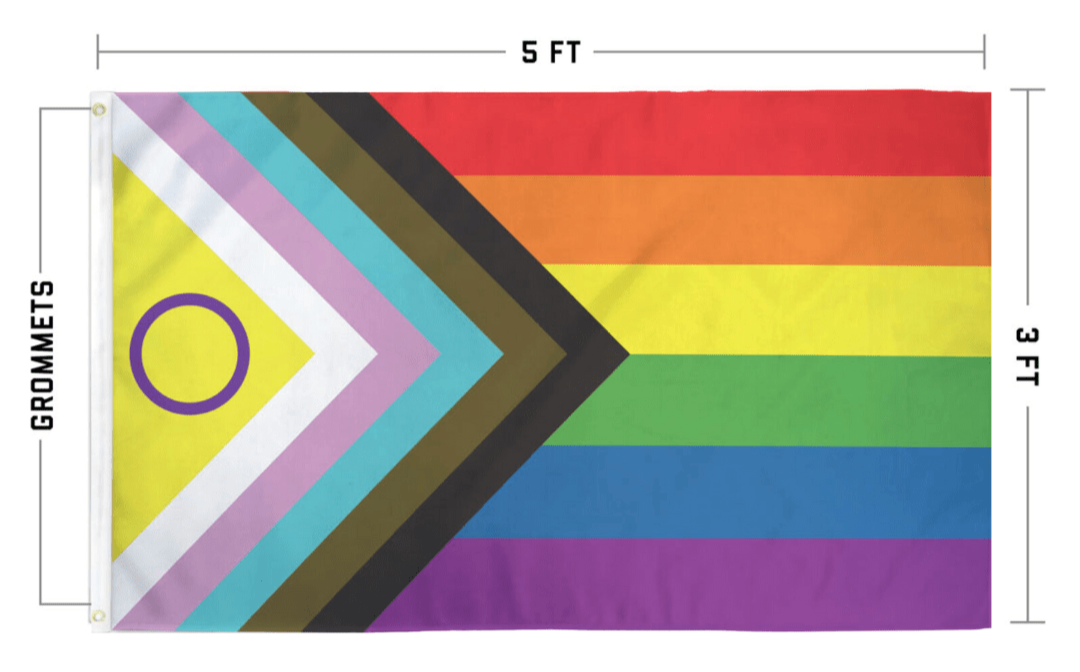
Even from a purely biological perspective, things aren’t as simple as “XX equals woman” and “XY equals man.” There are natural variations, including intersex people, whose bodies don’t fit neatly into those categories. Hormones, genetics, and physical traits don’t always align in predictable ways.
So when people say “it’s just biology,” they’re often simplifying something that is actually far more complex.
Gender Is Also Social and Personal
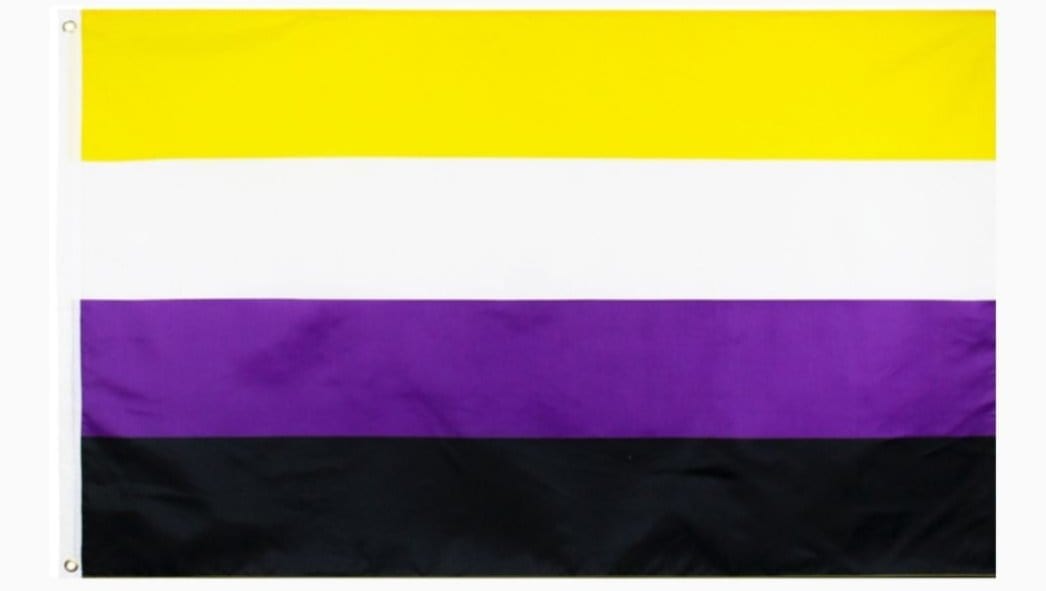
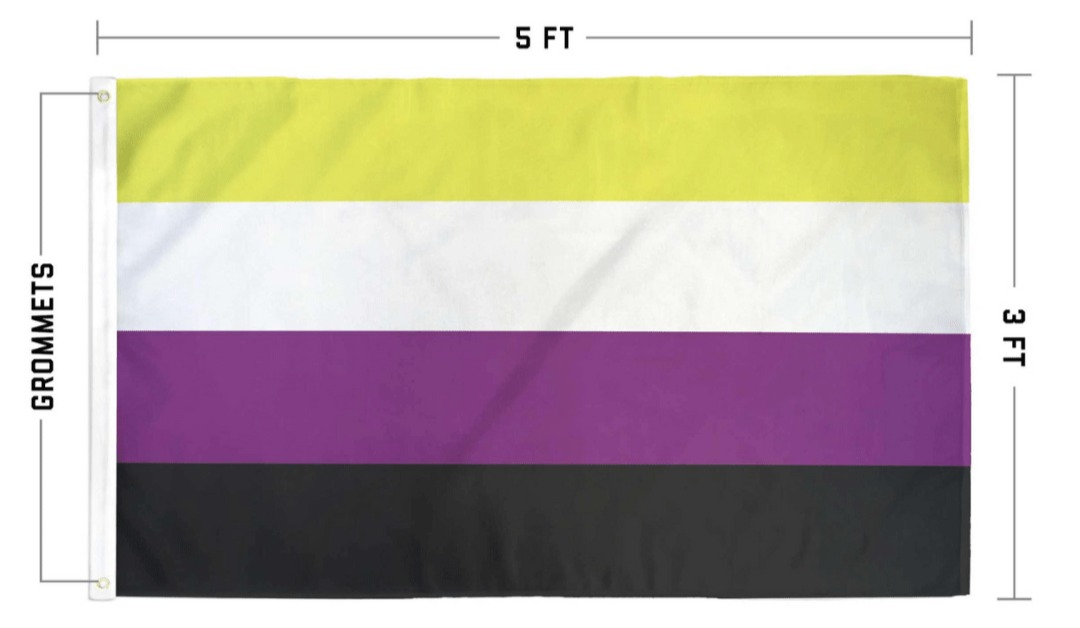
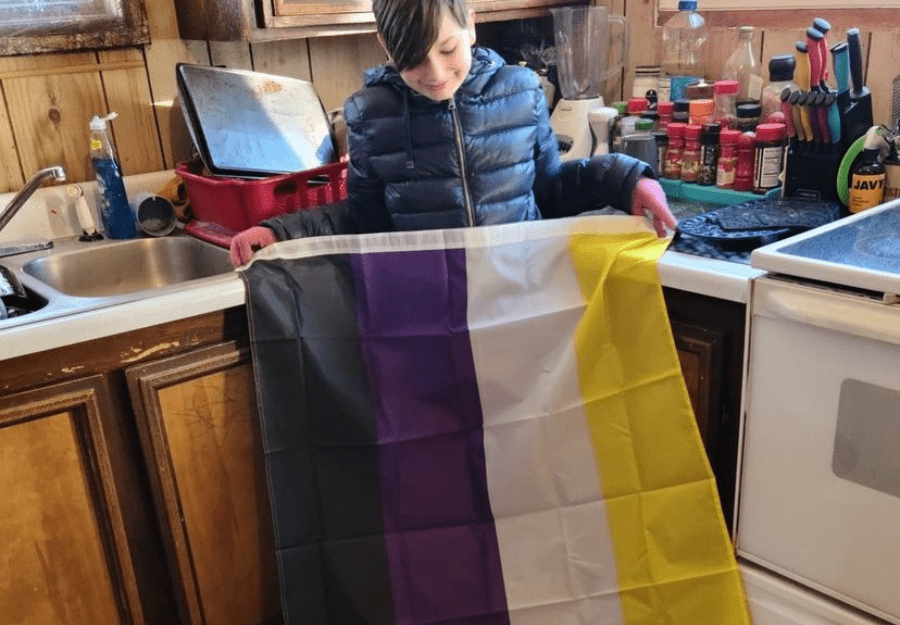
Gender isn’t only about the body — it’s also shaped by culture, language, and personal experience. It’s about how people understand themselves and how they are seen by others. That’s why identities like non-binary exist, because not everyone fits into traditional categories.
If this is something you’re exploring, this might help → signs you might be non-binary
It’s Not About “Changing Biology”
A common misconception is that people are trying to change their biology. But for many, it’s not about changing anything — it’s about aligning their external life with their internal sense of self. It’s about being recognized, respected, and understood for who they already are.
And often, it’s about reducing the disconnect that can cause real emotional distress.
Why This Matters
When gender is reduced to “just biology,” it can invalidate people’s identities and experiences. It can make it harder for people to be seen, supported, or even taken seriously. But when we acknowledge the full picture — biology, identity, and lived experience — we create space for understanding.
And that understanding can make a real difference.
Final Thought
Biology is part of the story, but it’s not the whole story. People are more complex than labels, more nuanced than categories, and more real than any simplified explanation.
And everyone deserves to be understood as they are — not reduced to something smaller.