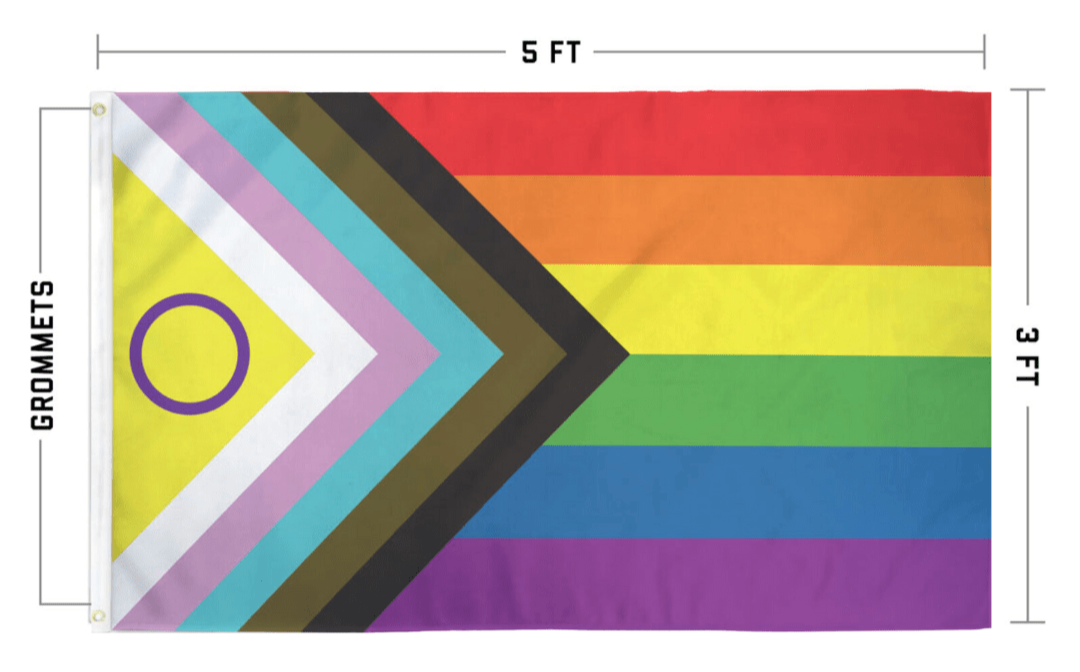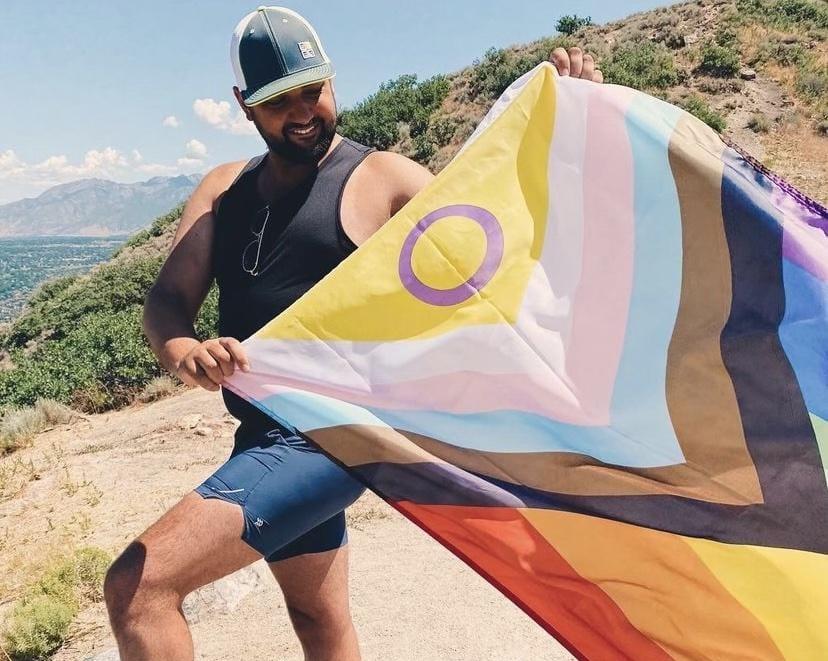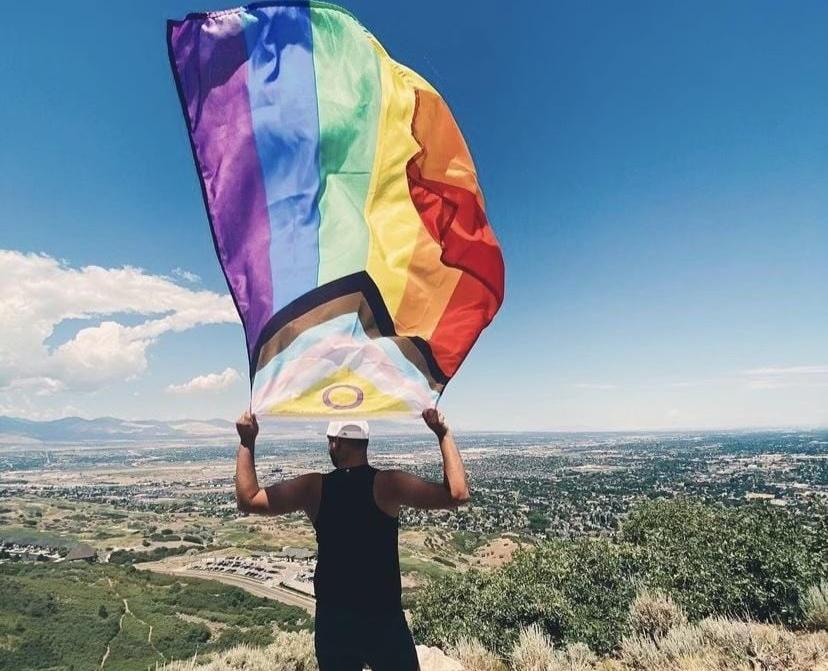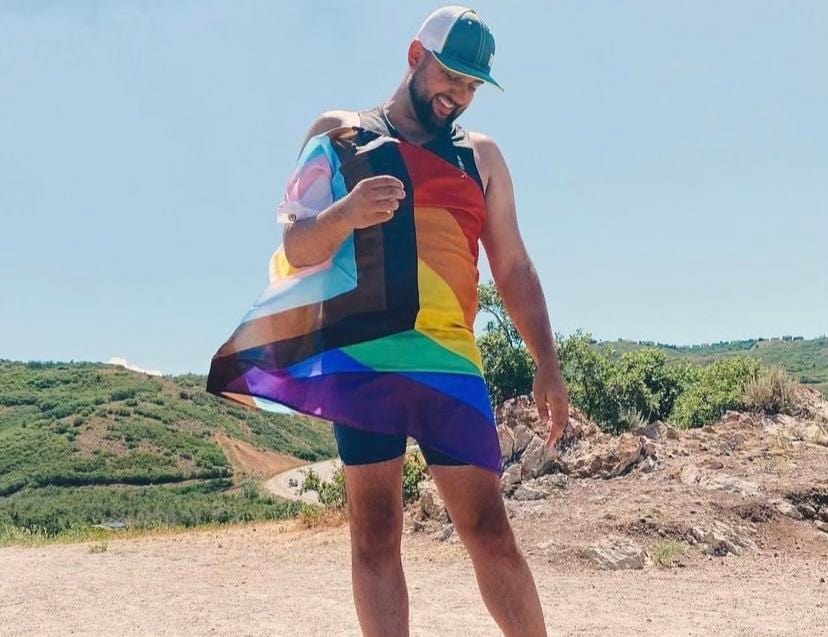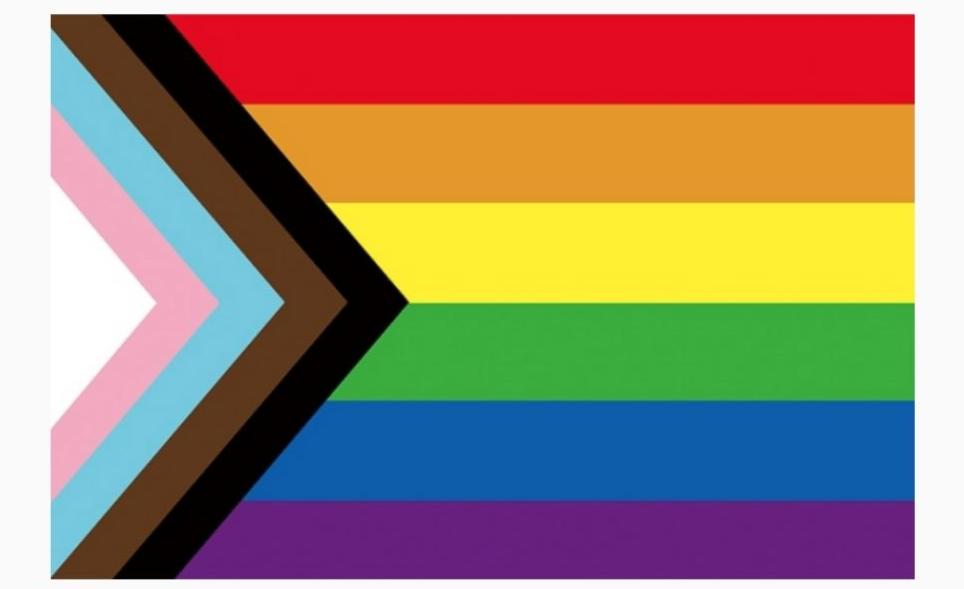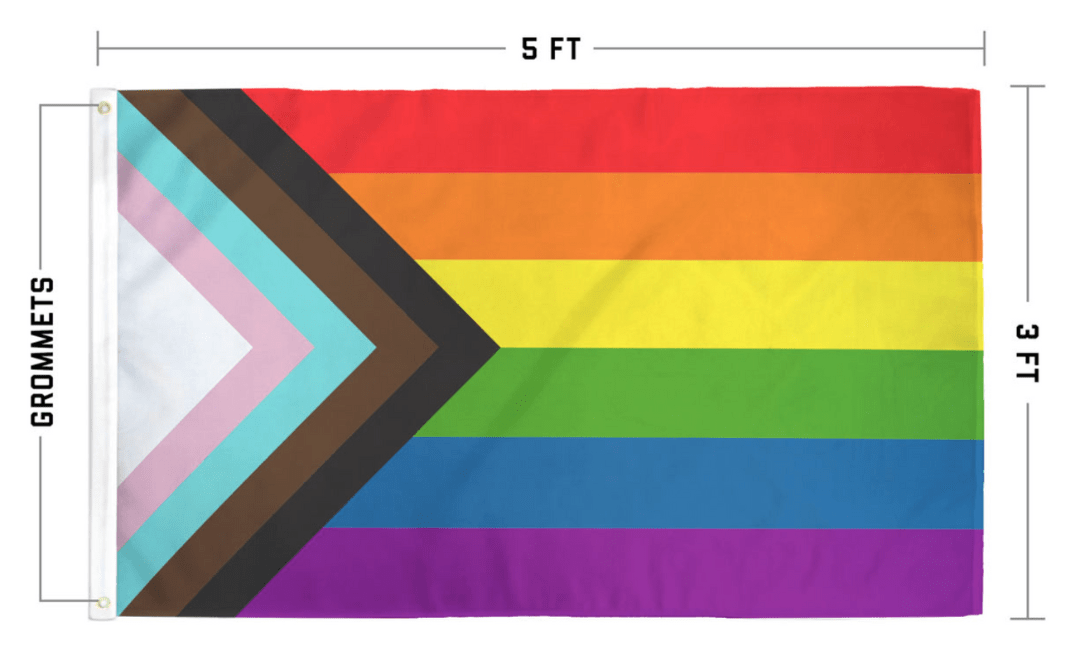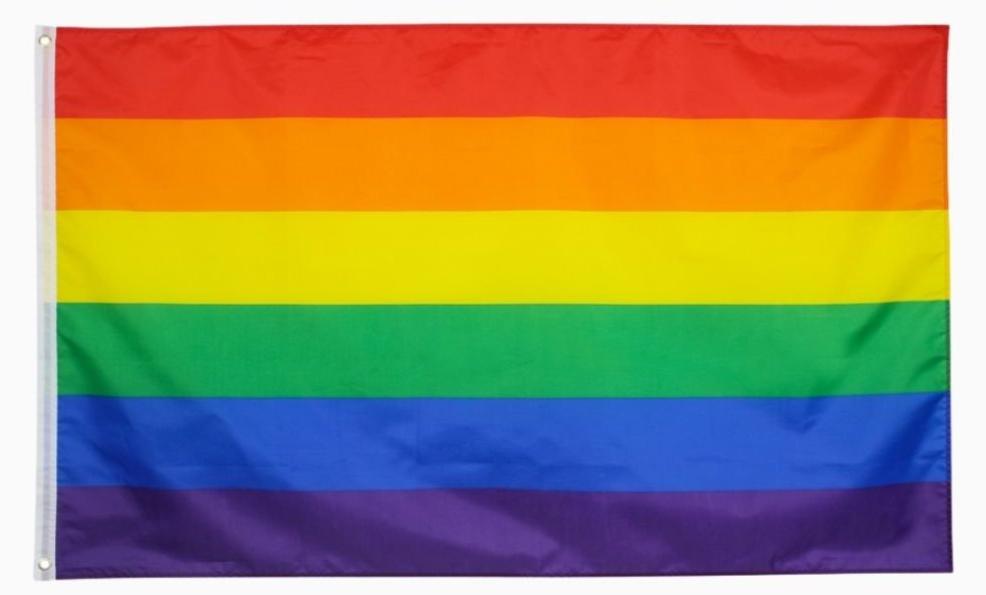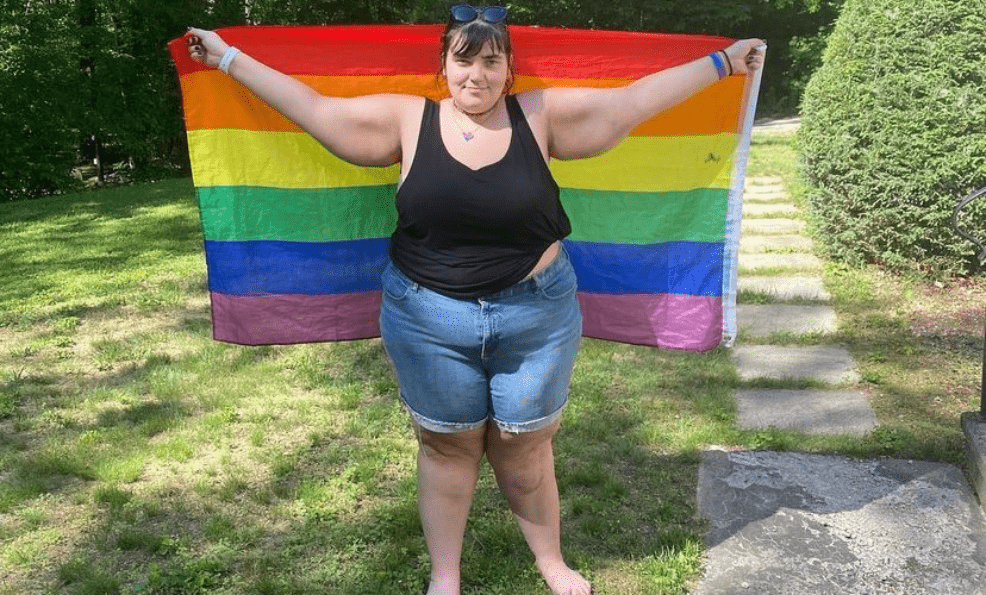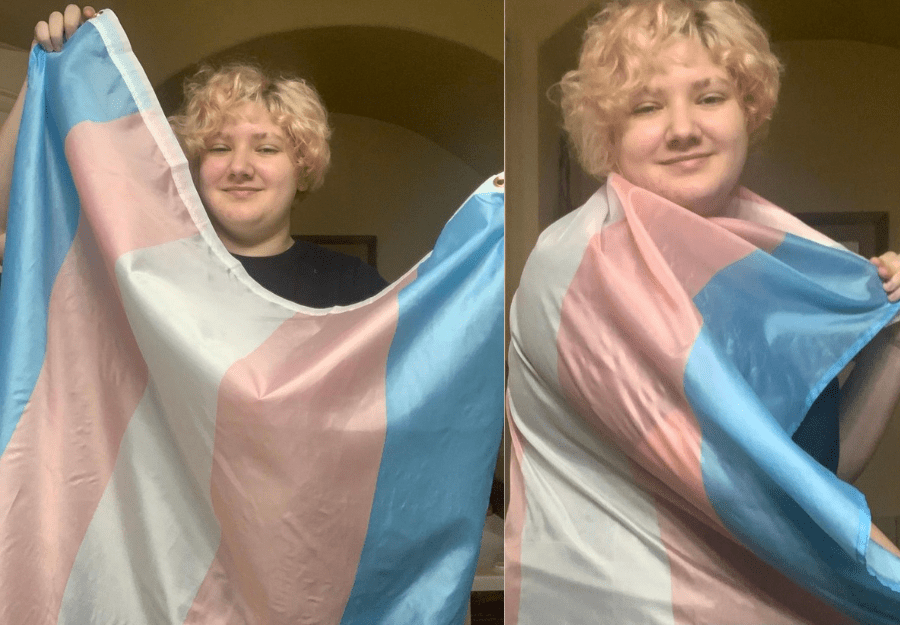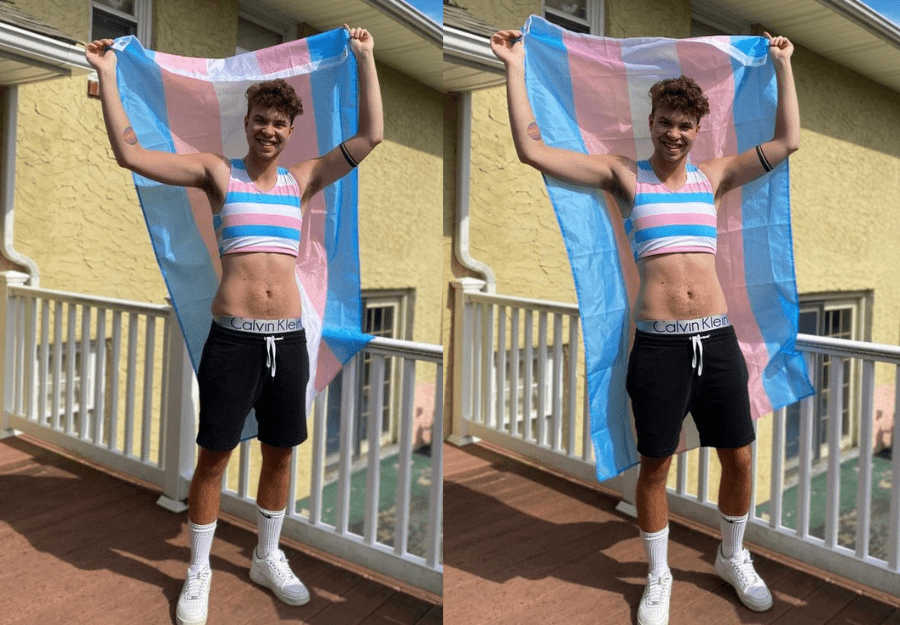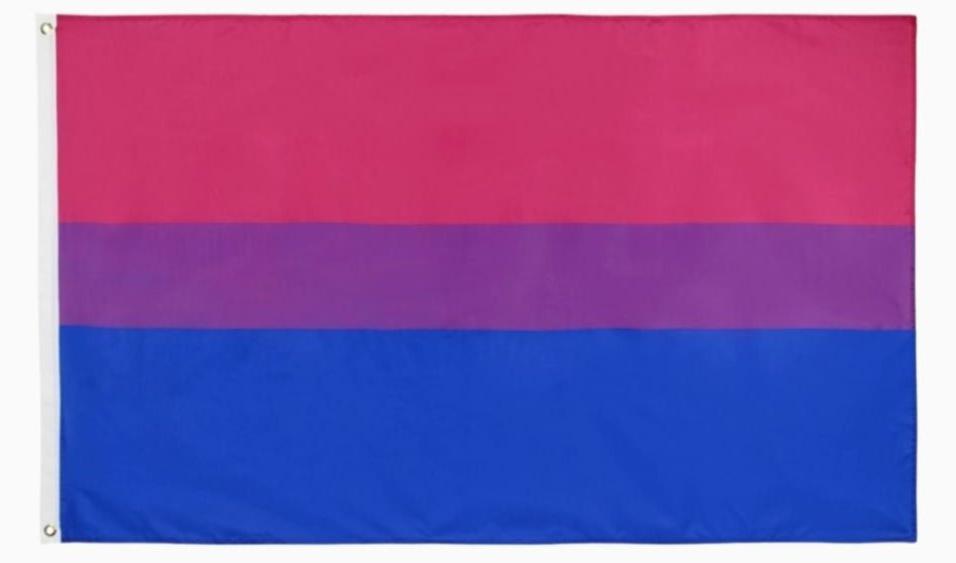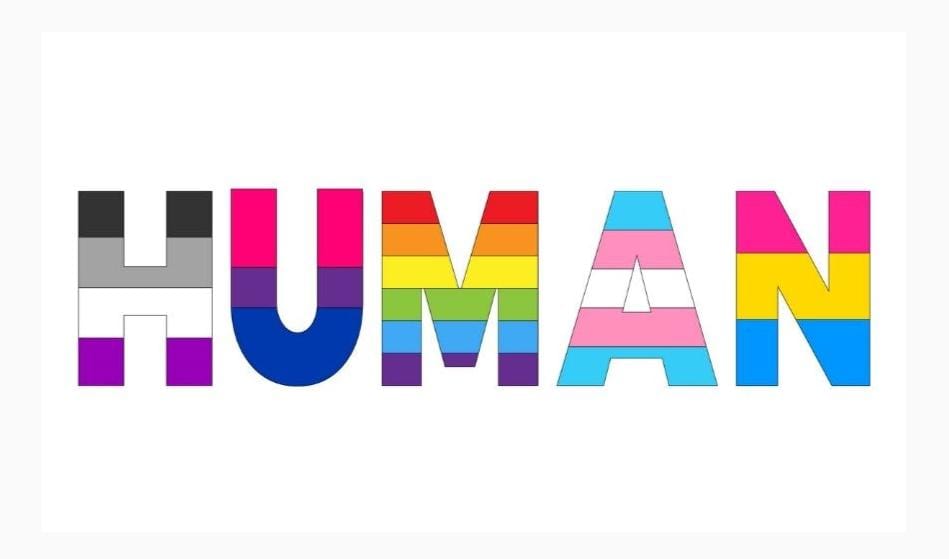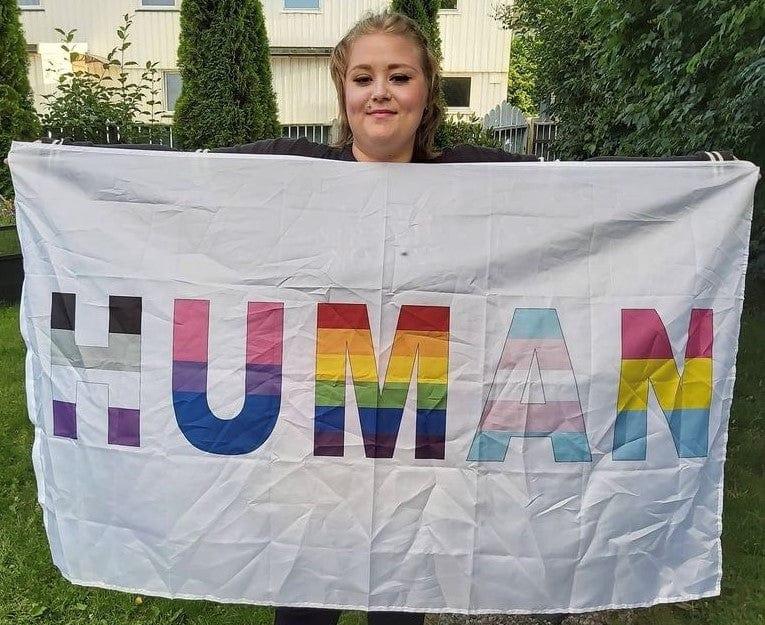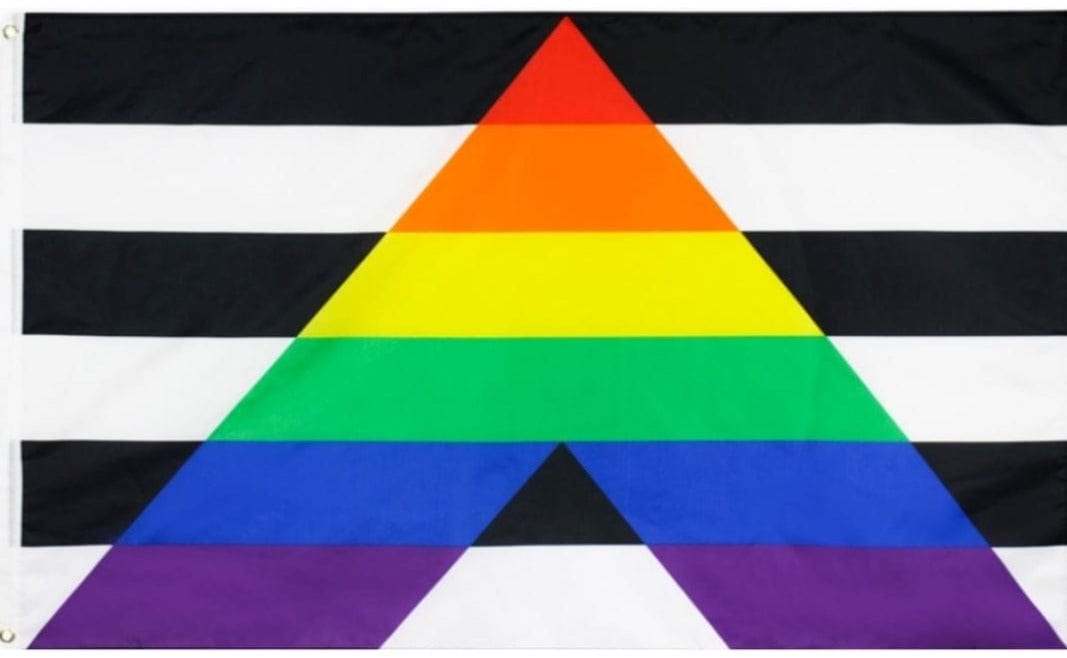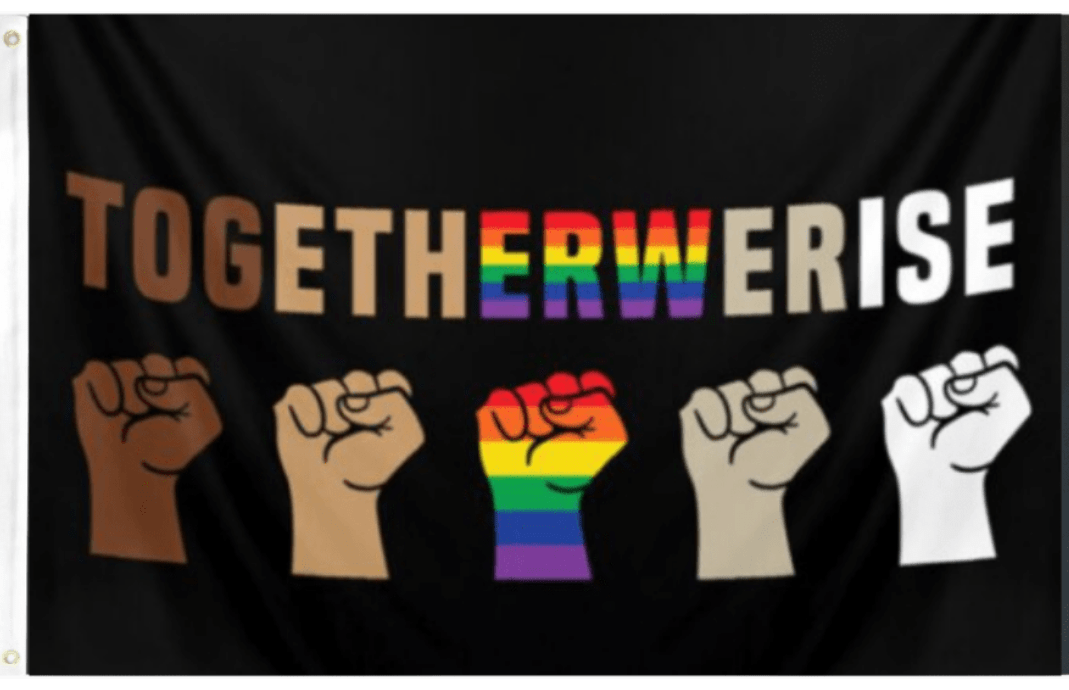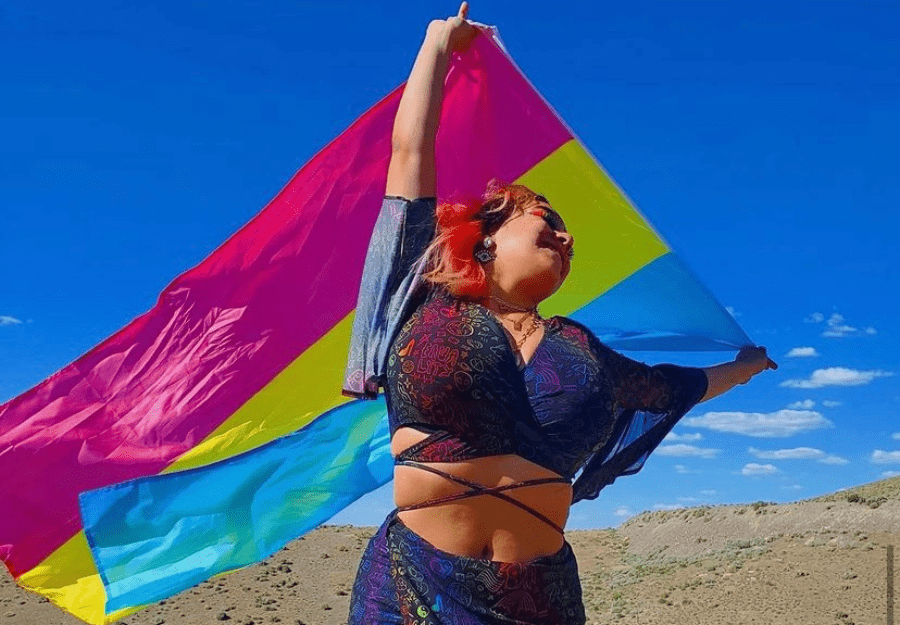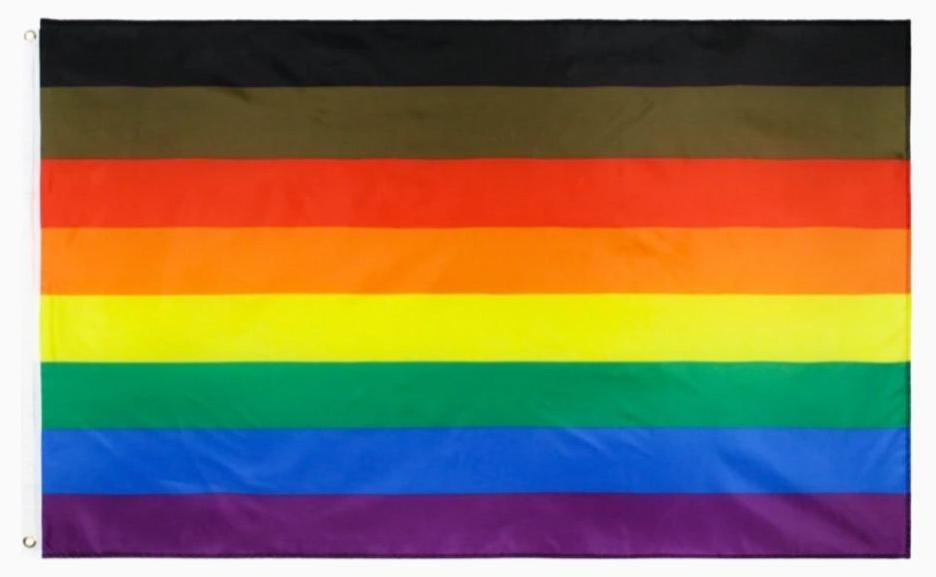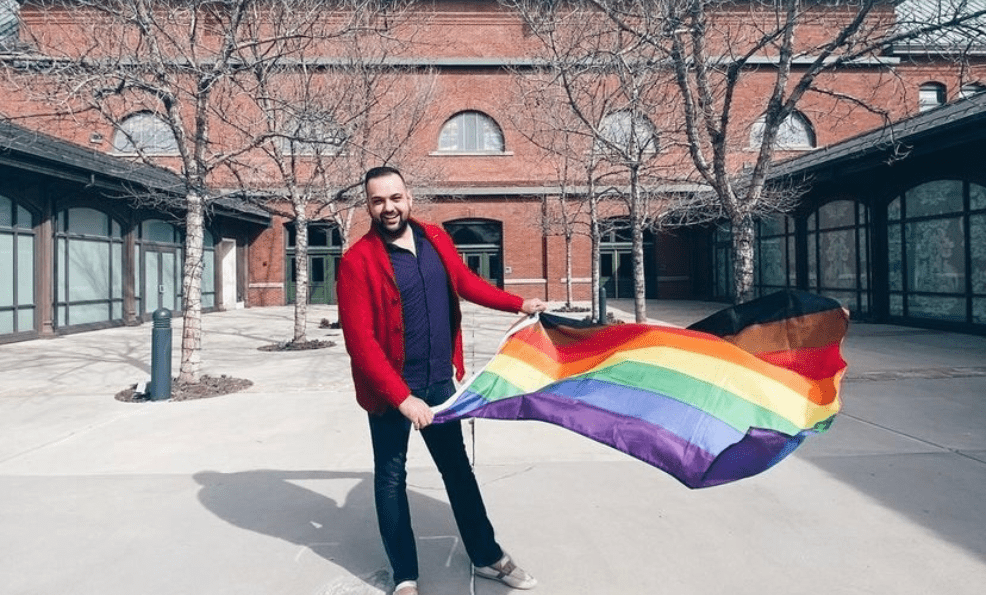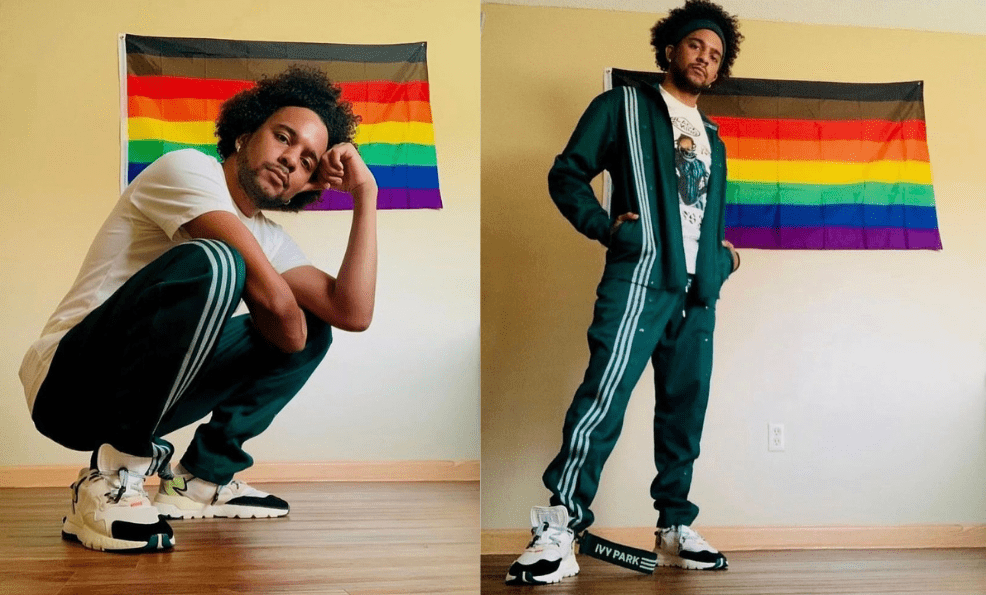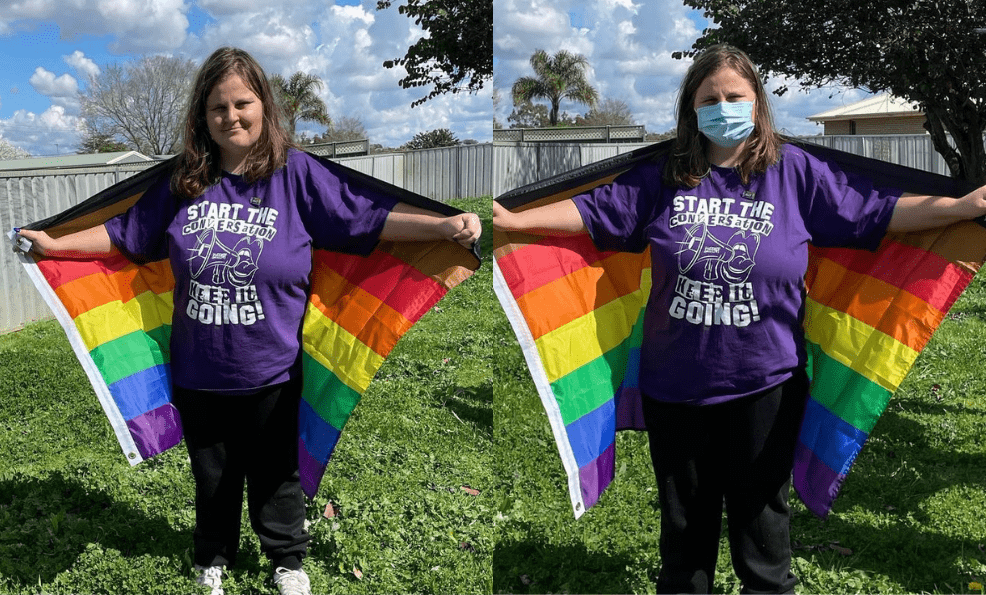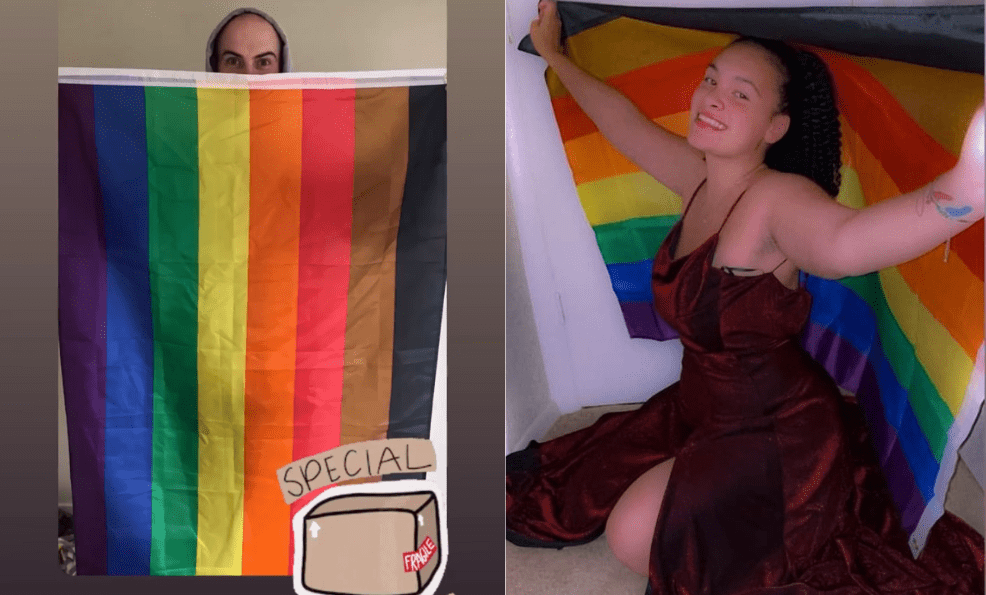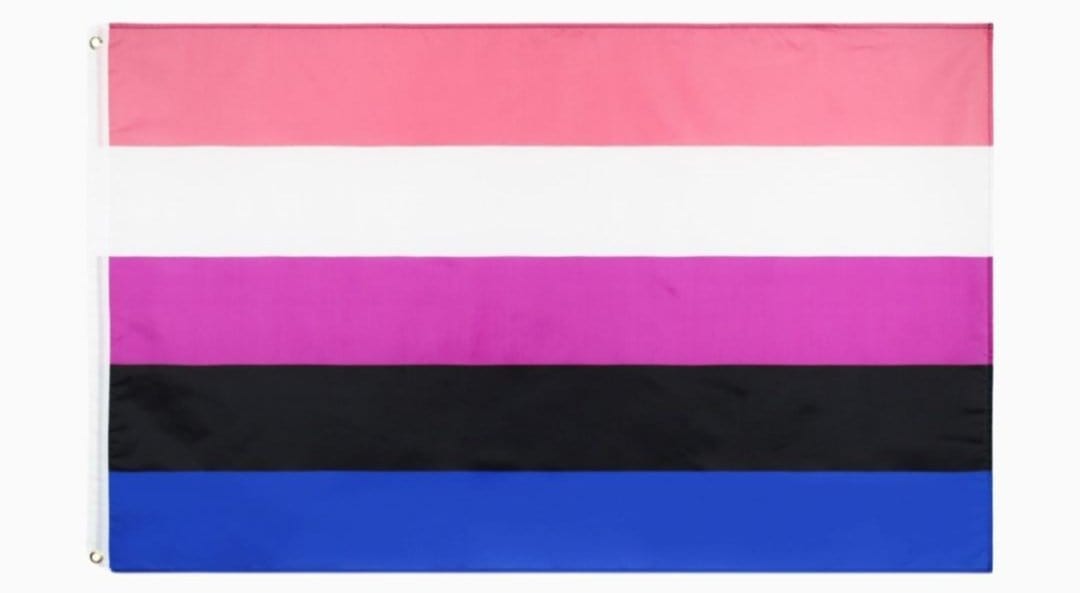

Pride didn’t start as a parade. It started as a riot.
In June 1969, at the Stonewall Inn in New York City, queer and trans people were once again being raided, harassed, and arrested by the police simply for existing. But that night was different. Instead of dispersing, people stayed, resisted, and fought back. What followed were six nights of protest led by members of the community who had been pushed to the margins for far too long, including Marsha P. Johnson, Sylvia Rivera, and Stormé DeLarverie. It wasn’t organized or polished, and it definitely wasn’t meant to be acceptable — it was anger, survival, and the beginning of something that refused to stay invisible.
If you’re starting to explore identity and why this history still matters today, it helps to understand the broader context of marginalized experiences → understanding marginalized LGBTQIA+ identities
The First Pride Was a Protest
One year later, in June 1970, people returned to the streets, not to celebrate but to remember. The first Pride march was a protest, a memorial, and a demand all at once — a demand to be seen, to be safe, and to exist without fear. Visibility at that time wasn’t about expression or aesthetics, it was about survival, something that continues to shape the community’s reality even today. If you want to go deeper into why being seen can be life-changing, you can read more here → why visibility saves lives
How Pride Became What We See Today
Over time, Pride began to shift. What started as resistance slowly became more visible, and with that visibility came attention. Eventually, brands and corporations joined in, bringing campaigns, rainbow logos, and seasonal support. While some of this helped normalize LGBTQ+ identities and made conversations more mainstream, it also softened the original message. Pride was never meant to be easy, digestible, or purely celebratory — it was meant to challenge systems, question norms, and create discomfort where silence once existed.
The Fight Never Ended
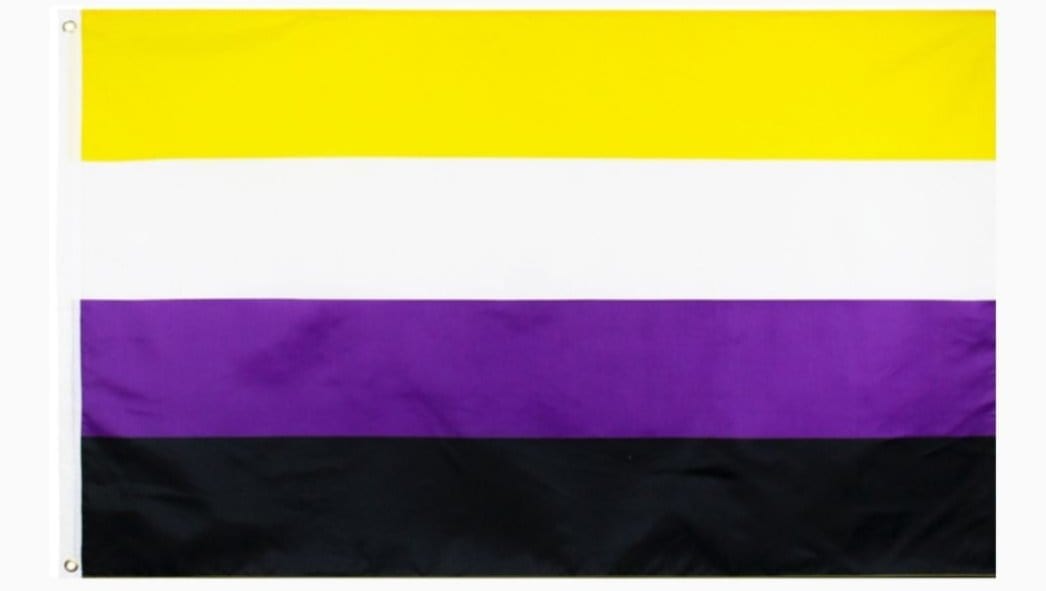
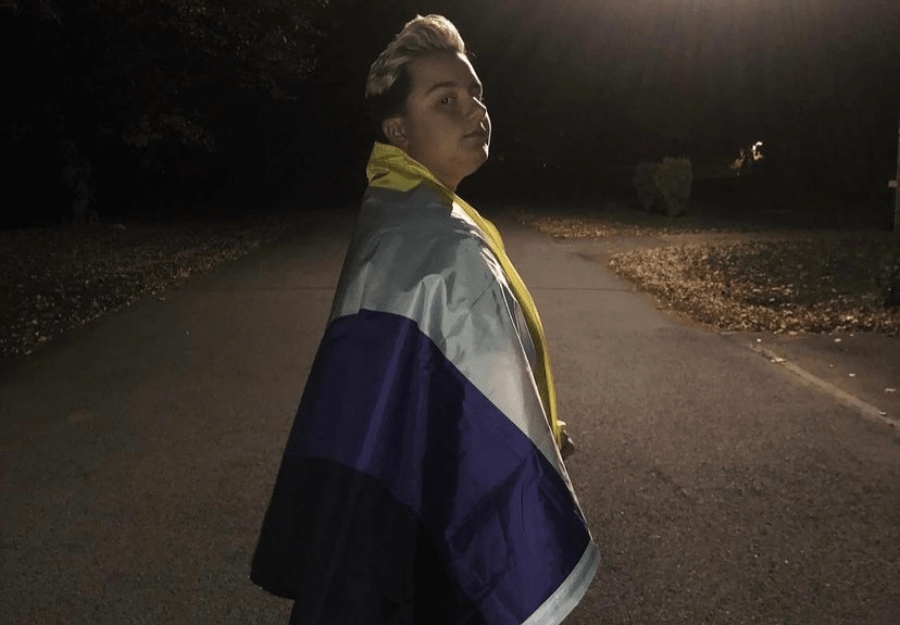
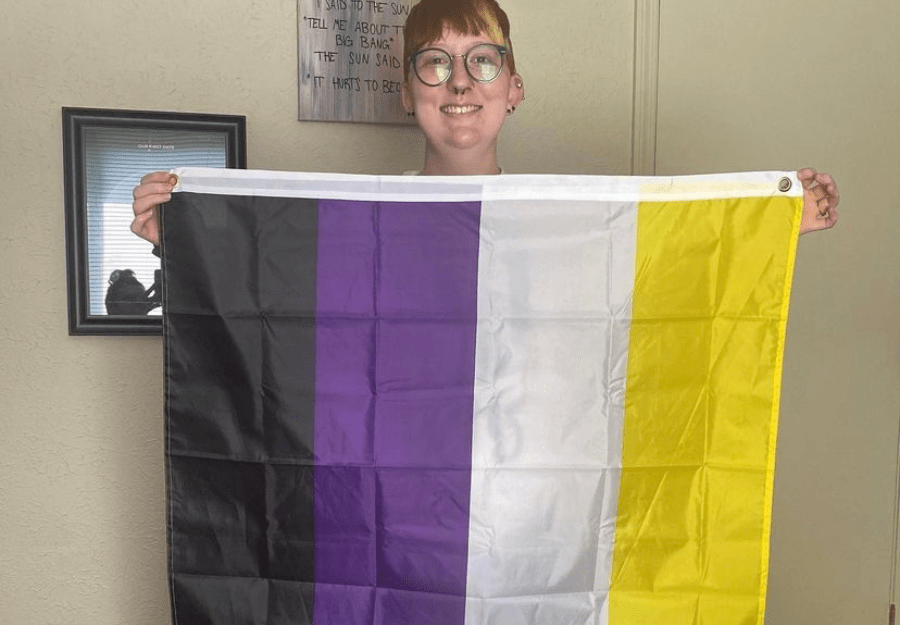
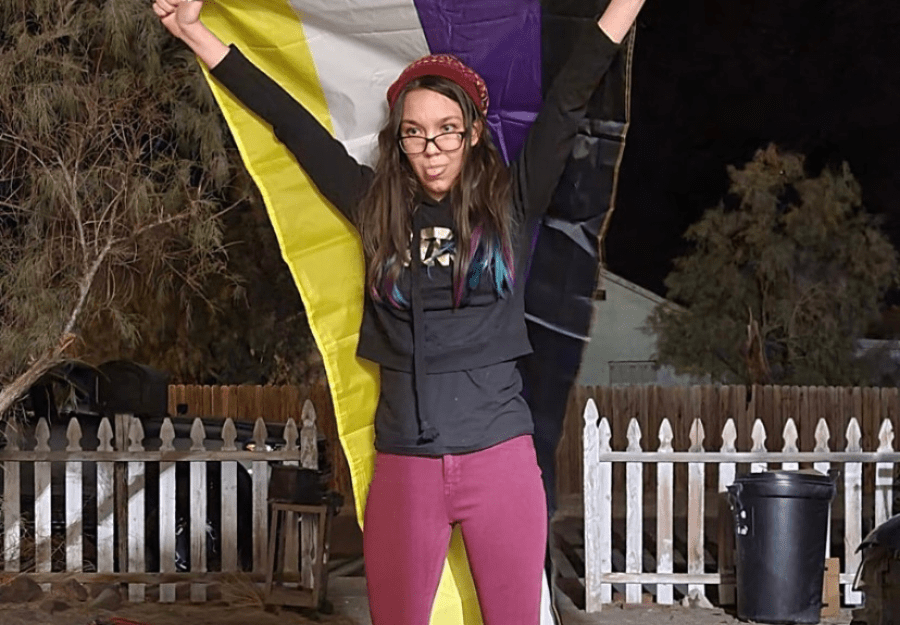
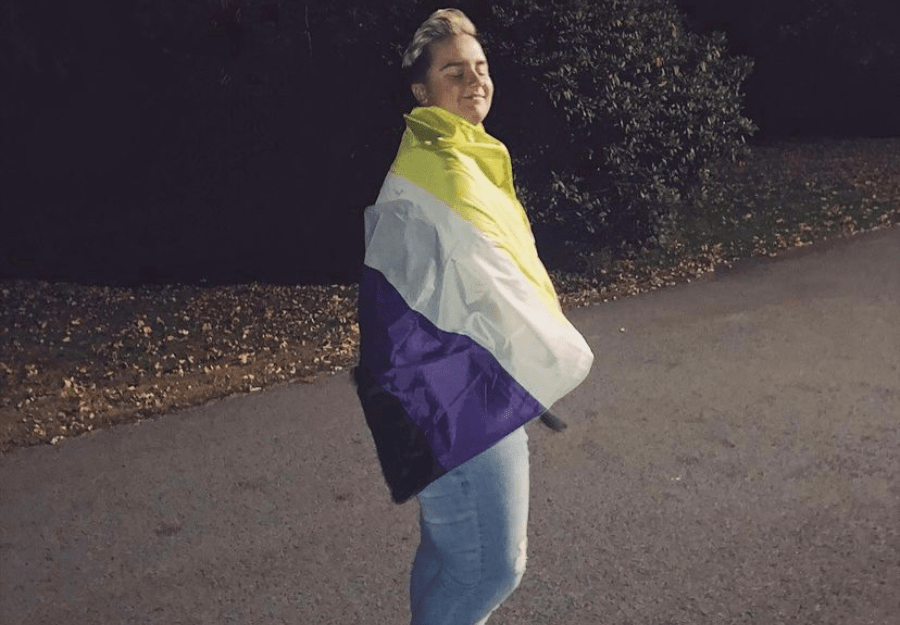
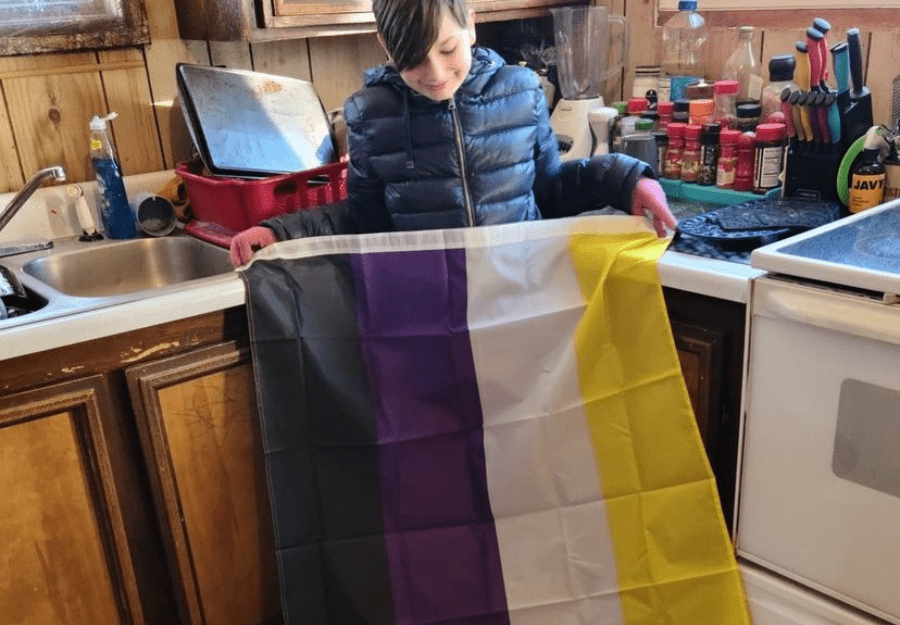
Even as Pride evolved, the movement behind it never stopped. From the AIDS crisis to the fight for marriage equality and the ongoing attacks on trans rights, activism has always remained at the core. Pride isn’t just about looking back at history, it’s about continuing that momentum forward. And for many people still navigating identity, that visibility and representation remain essential. If you’ve ever felt like you don’t fully “fit” into expectations, this might resonate → you don’t have to “look” non-binary
Pride Is Still a Demand
Pride is about existing safely, being respected, and being seen in a world that hasn’t always made space for that. It’s not just a celebration or a moment in June, it’s a reminder of what people fought for and what still isn’t guaranteed. So yes, celebrate, be visible, and take up space — but don’t forget where it all comes from.
Pride began as a riot. And in many ways, it still is.