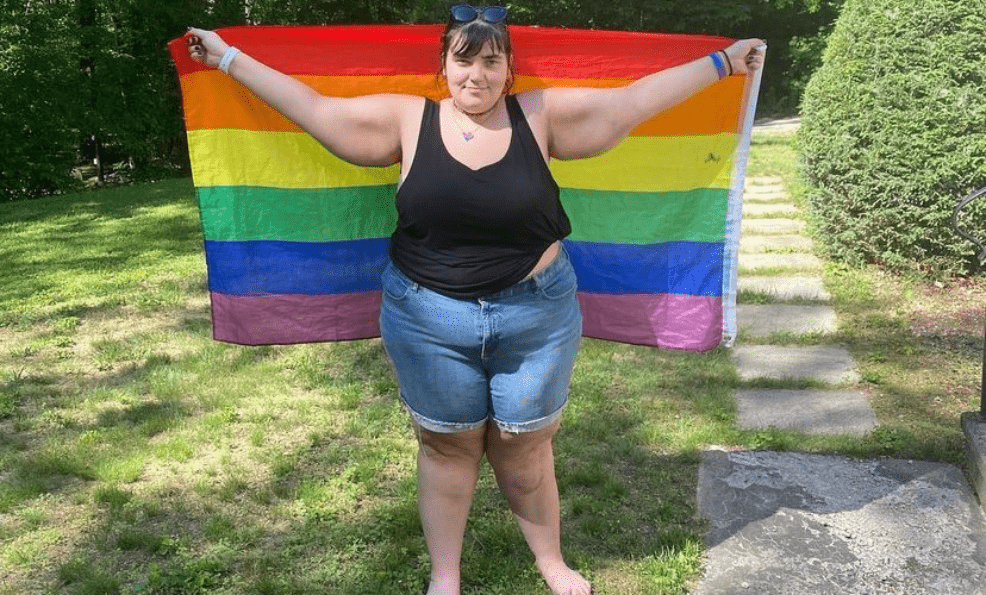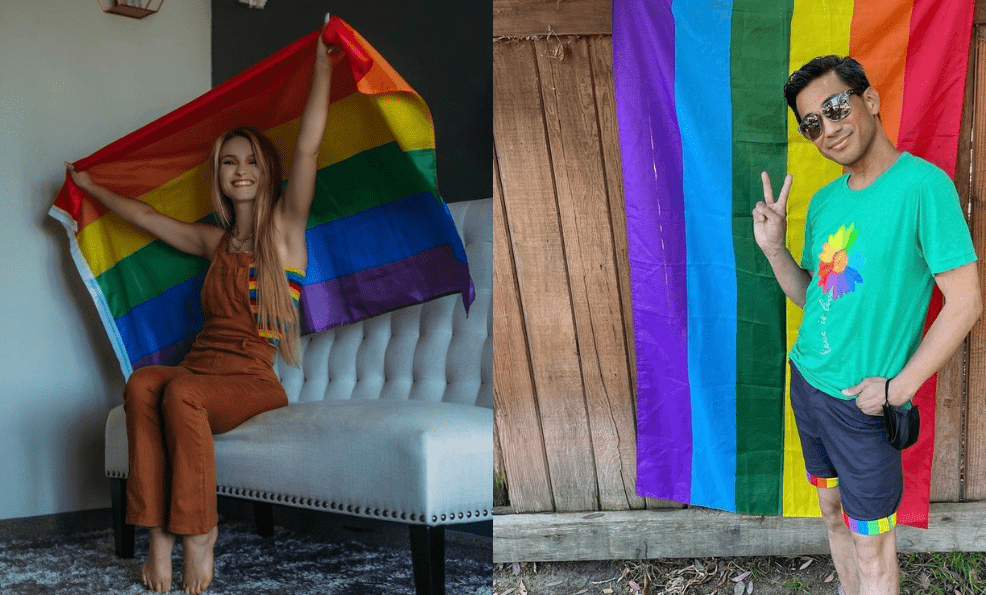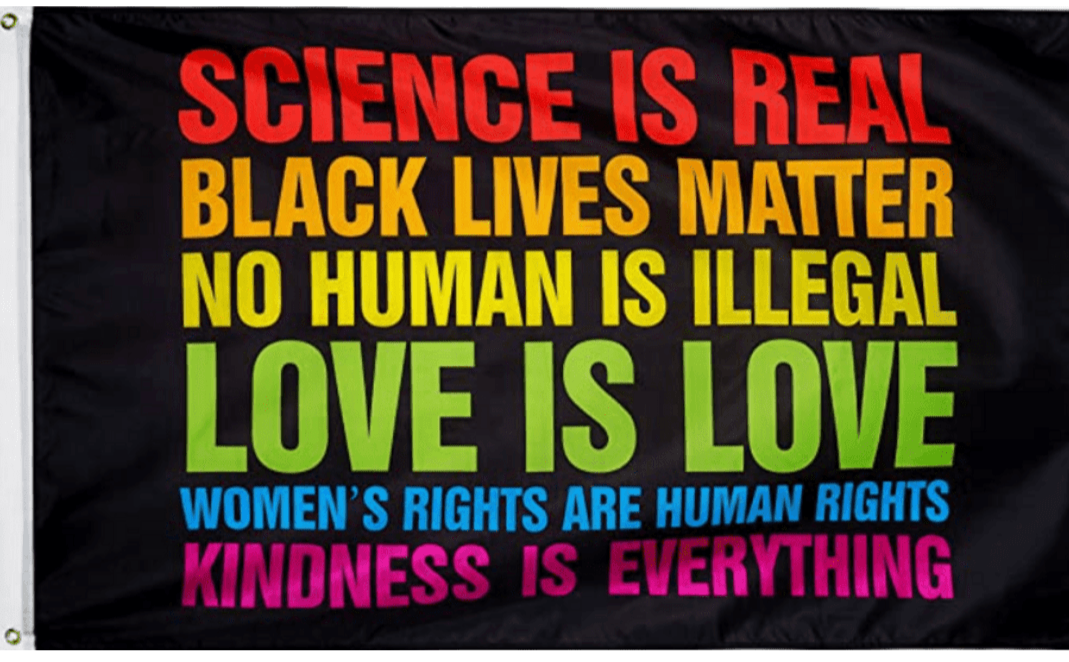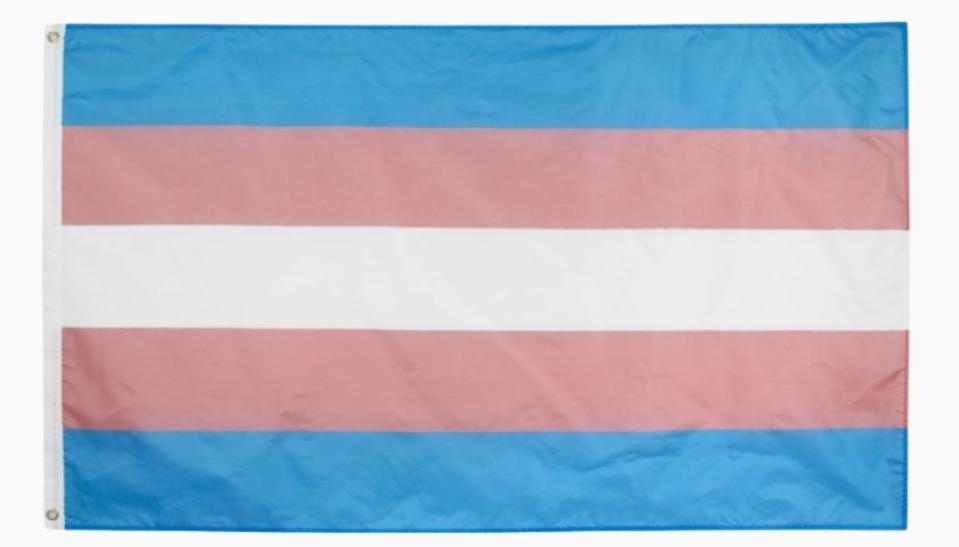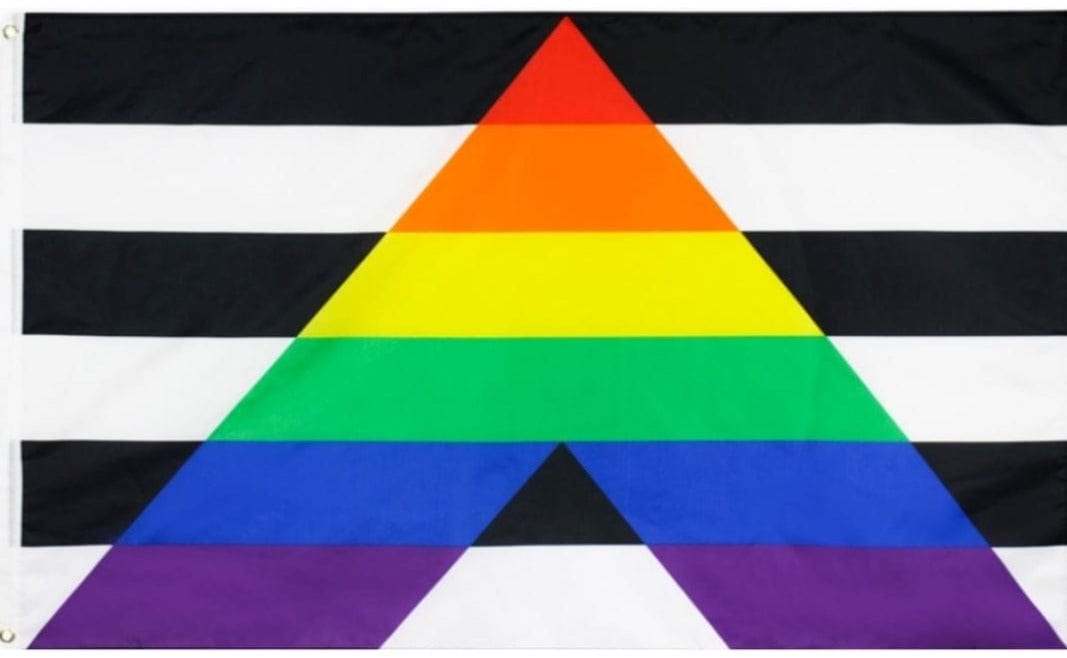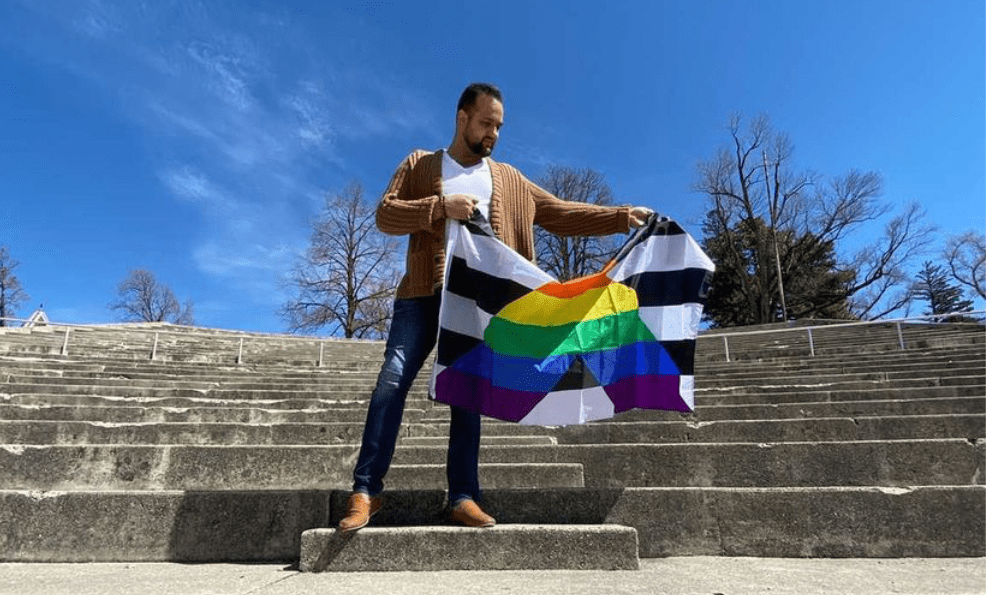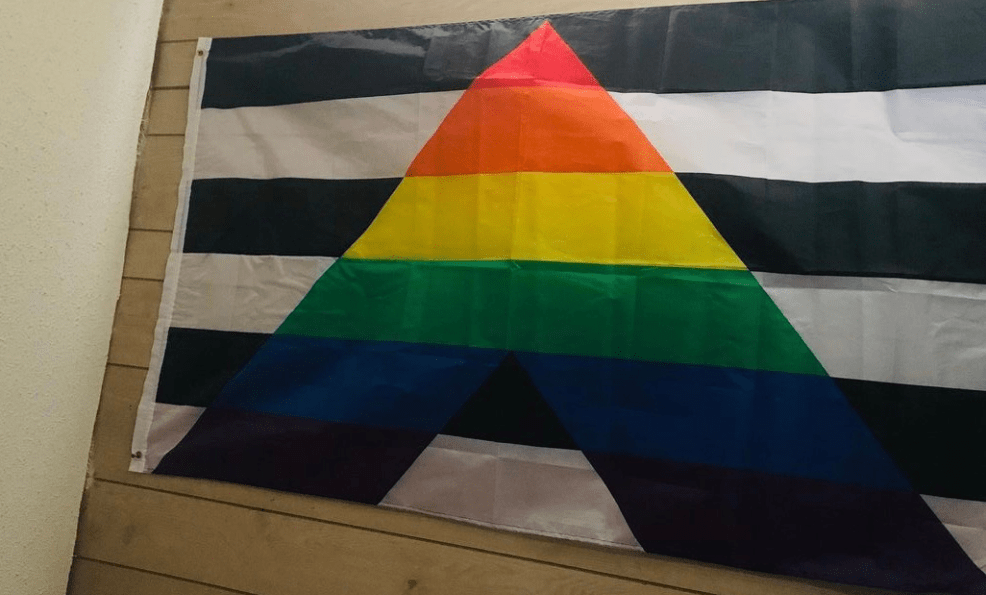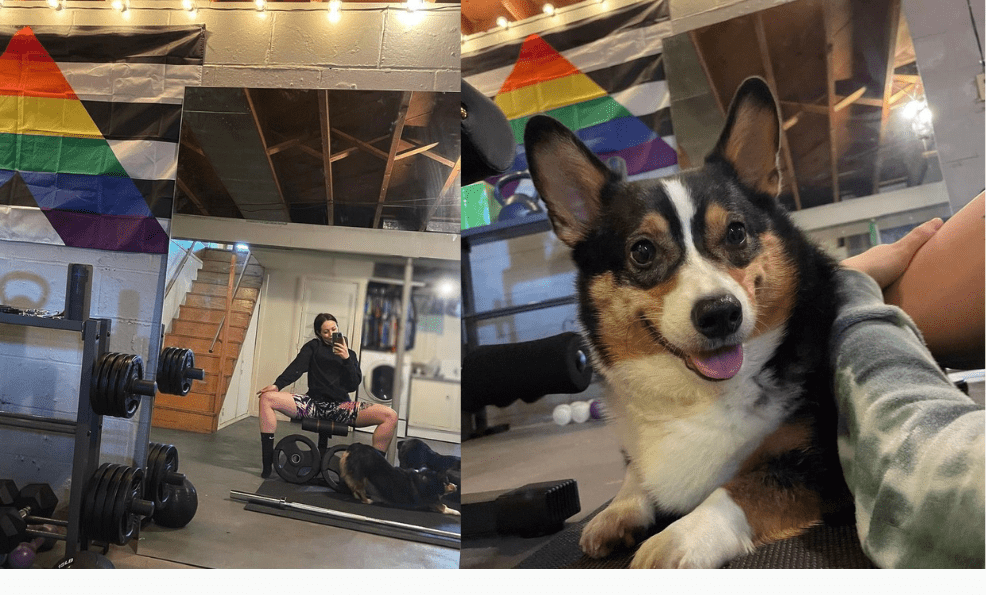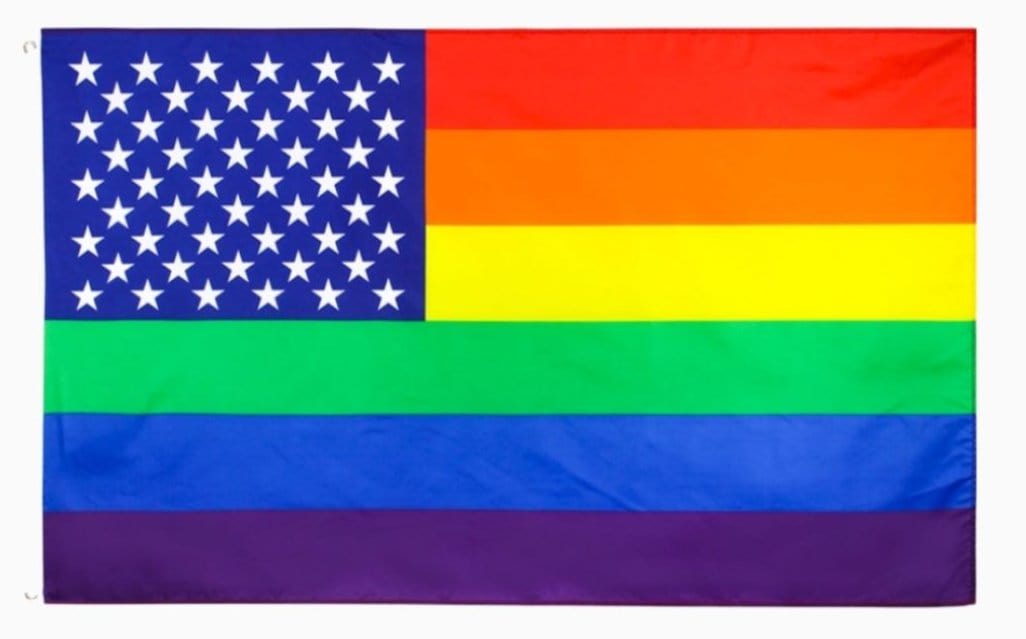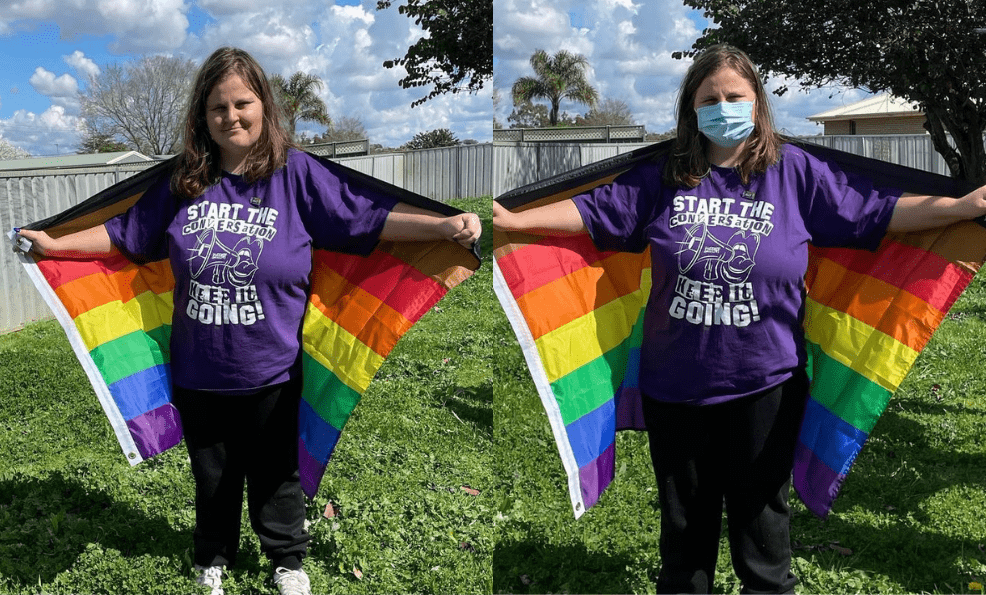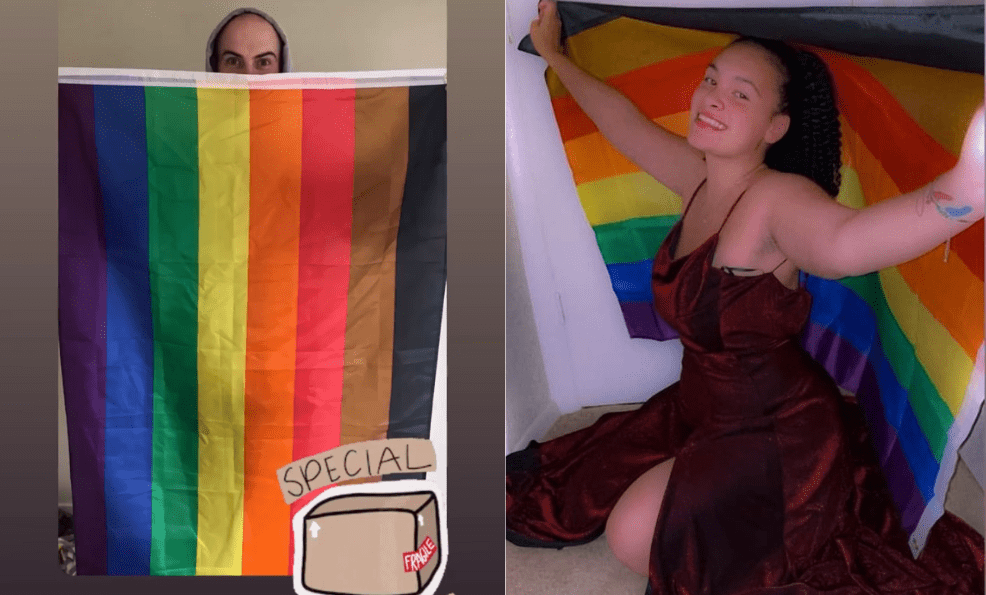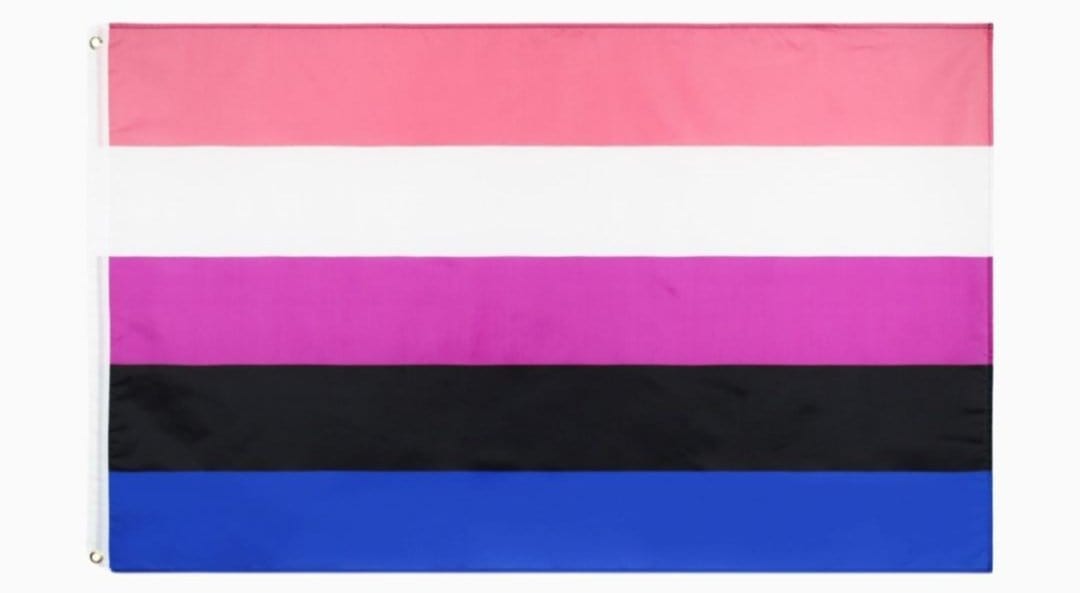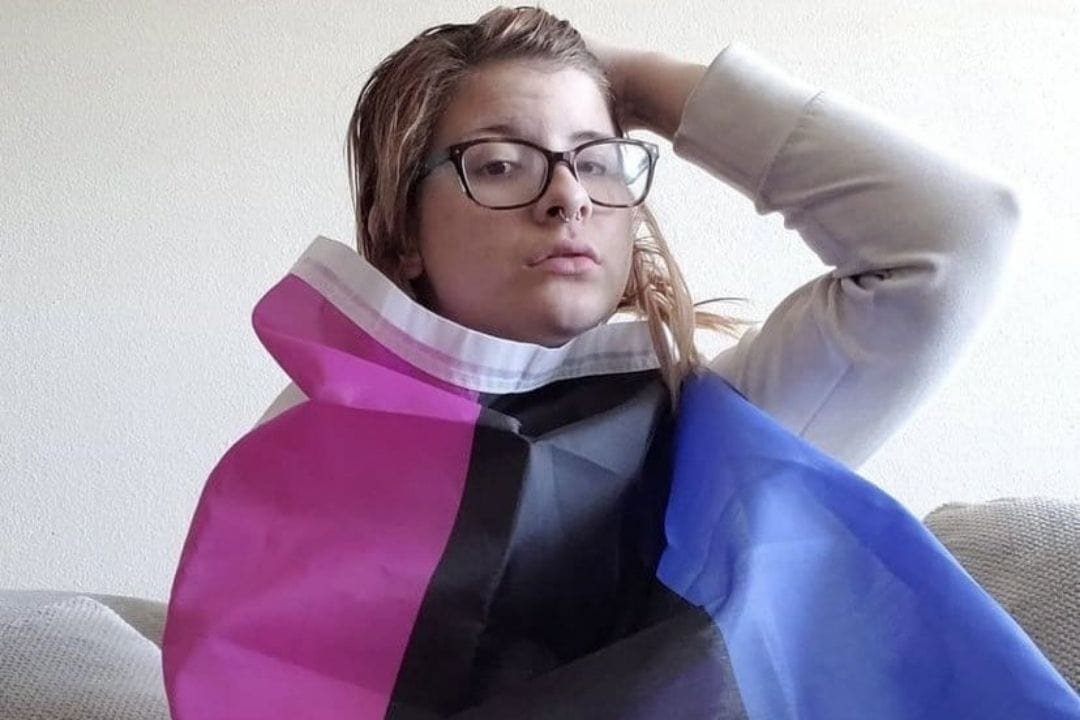

Allyship is a word we see everywhere, in bios, during Pride Month, and across social media. But real allyship goes far beyond rainbow aesthetics or once-a-year support.
To be an ally to the LGBTQ+ community means showing up consistently, listening when it’s uncomfortable, and taking action even when no one is watching. It’s not about being perfect — it’s about being committed.
This guide breaks down what allyship truly means, common mistakes to avoid, and how to keep growing as a supporter of LGBTQ+ rights and lives.
What Allyship Means (And What It Doesn’t)
At its core, allyship is an ongoing practice — not an identity you claim, but actions you take.
Real allyship means:
- Listening to LGBTQ+ voices without centering yourself
- Believing people’s lived experiences
- Using your privilege to challenge discrimination
- Showing up consistently — not just when it’s trending
Allyship does NOT mean:
- Speaking over LGBTQ+ people “on their behalf”
- Using queer issues for clout or aesthetics
- Only showing support when it’s convenient or celebrated
- Expecting praise for basic respect
Performative support often looks loud but does very little. True allyship can be quiet, uncomfortable, and deeply impactful.
Ally Dos and Don’ts
Being a good ally doesn’t require having all the answers — but it does require intention.
DO:
- Educate yourself instead of relying on LGBTQ+ people to teach you
- Speak up when you hear homophobia or transphobia — online and offline
- Respect names, pronouns, and identities without debate
- Support LGBTQ+ creators, organizations, and businesses
DON’T:
- Ask invasive or personal questions out of curiosity
- Out someone without their consent
- Dismiss concerns by saying “I didn’t mean it like that”
- Disappear once Pride Month ends
Intent matters — but impact matters more. If you make a mistake, acknowledge it, learn, and do better moving forward.
How to Improve Your Allyship
Allyship isn’t something you complete — it’s something you practice.
Here are meaningful ways to keep growing:
- Keep learning: Read LGBTQ+ history, follow activists, and stay informed about current issues.
- Know when to listen: Not every moment requires your opinion. Sometimes support means holding space.
- Know when to speak up: Use your voice in rooms where LGBTQ+ people may not feel safe to speak.
- Support year-round: Allyship doesn’t end when the flags come down.
Progress often happens through small, consistent actions — correcting a comment, showing up to vote, donating when you can, or simply choosing empathy.
Show Allyship That Includes Everyone
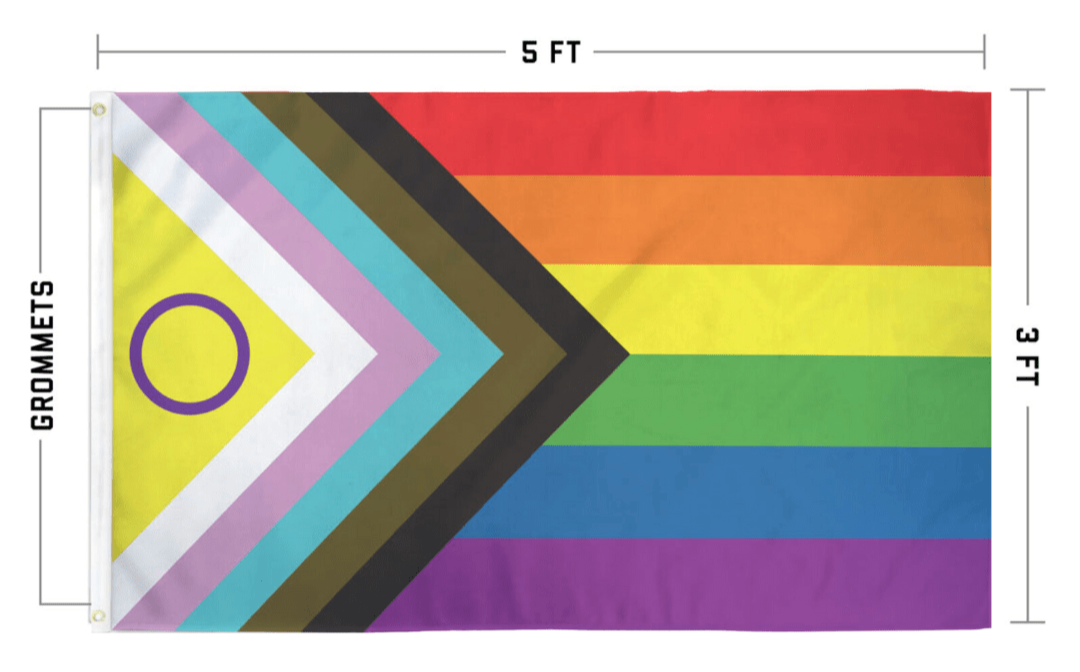
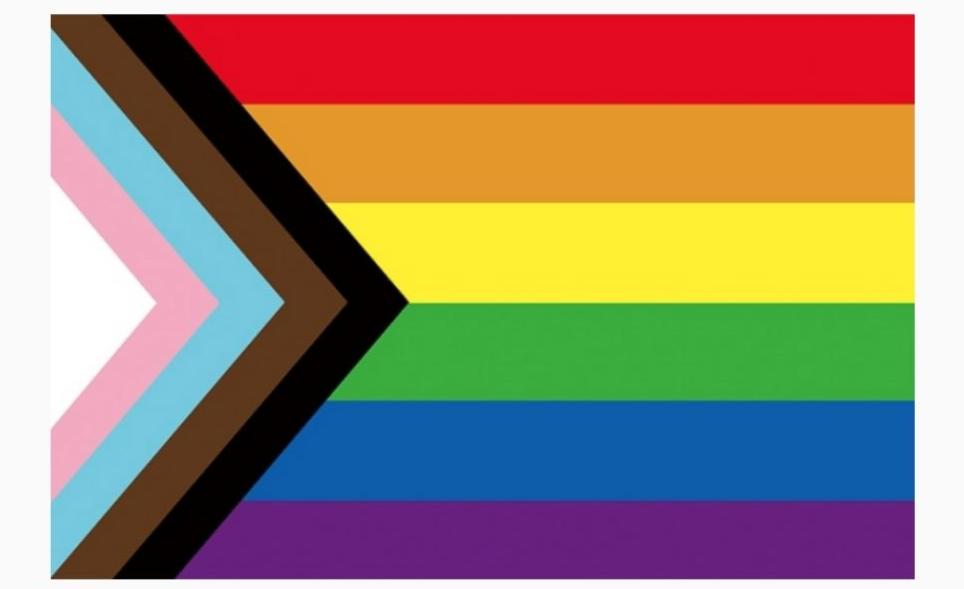
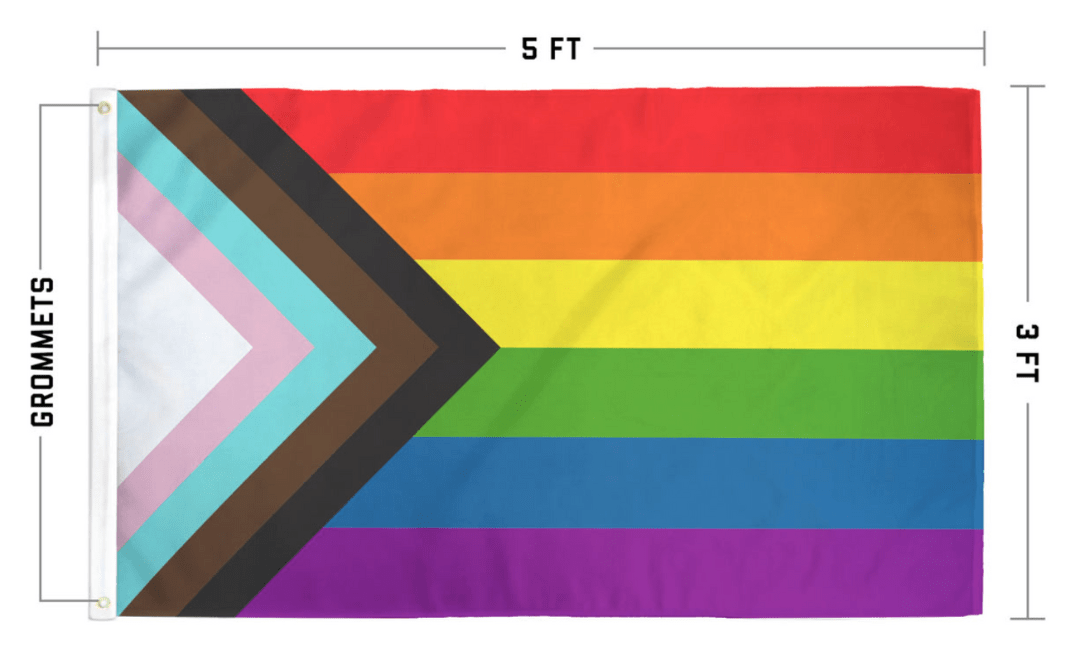
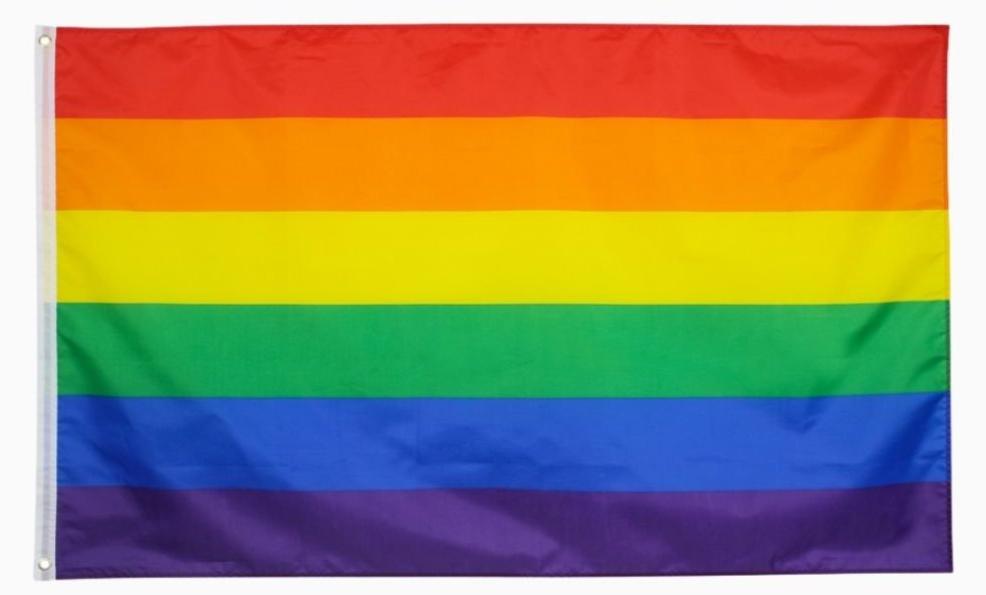
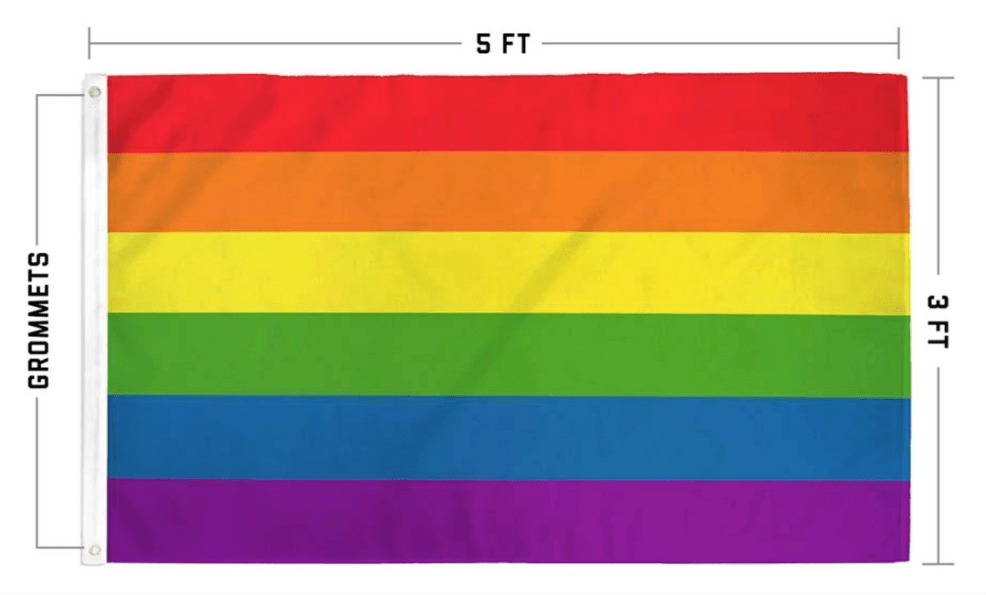
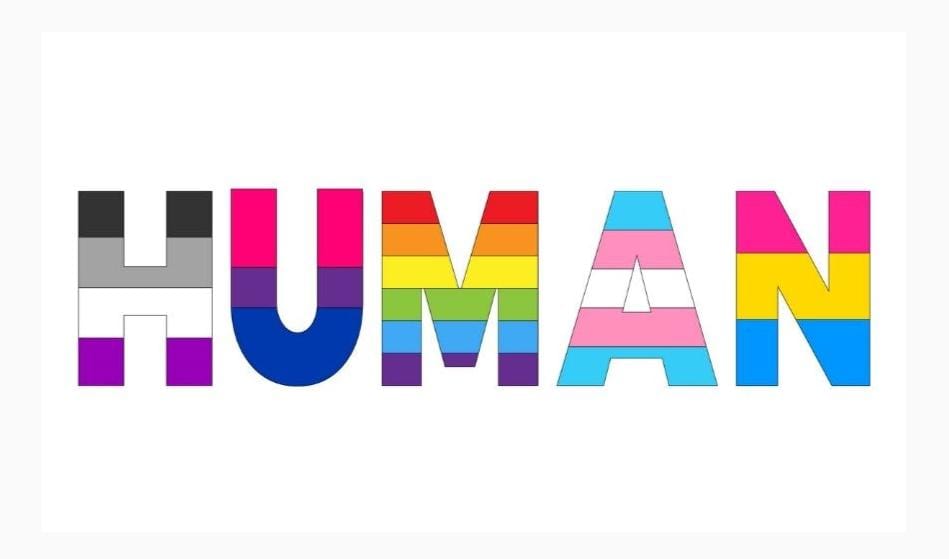
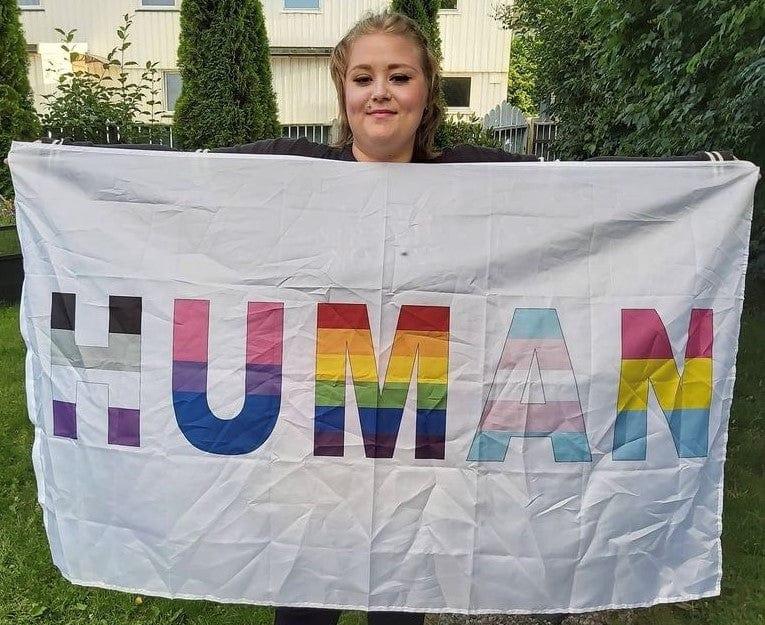
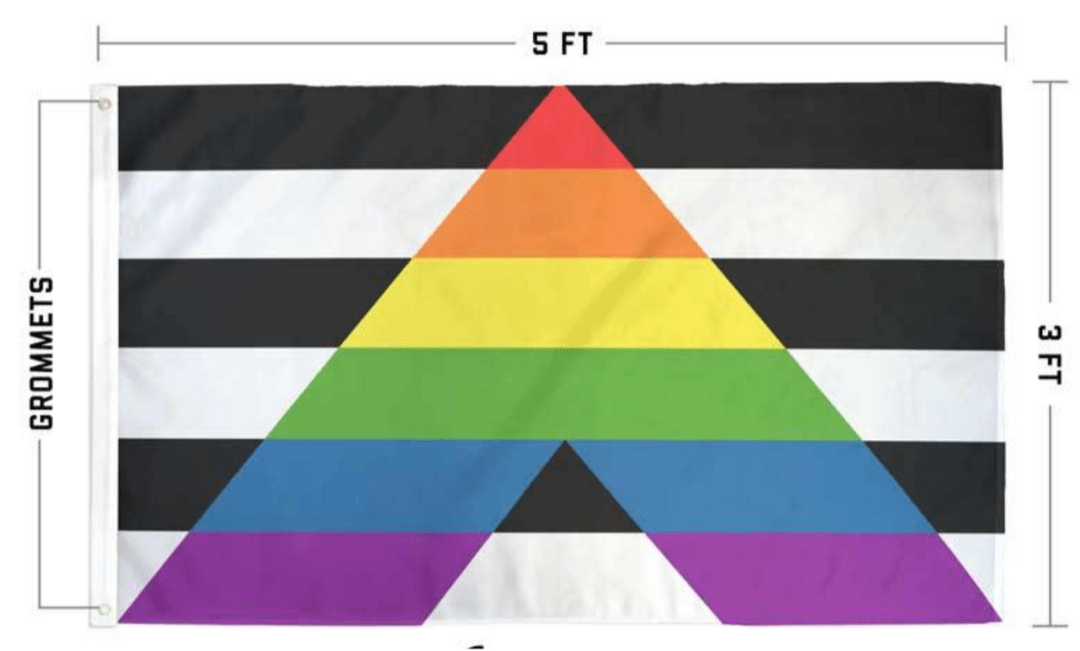
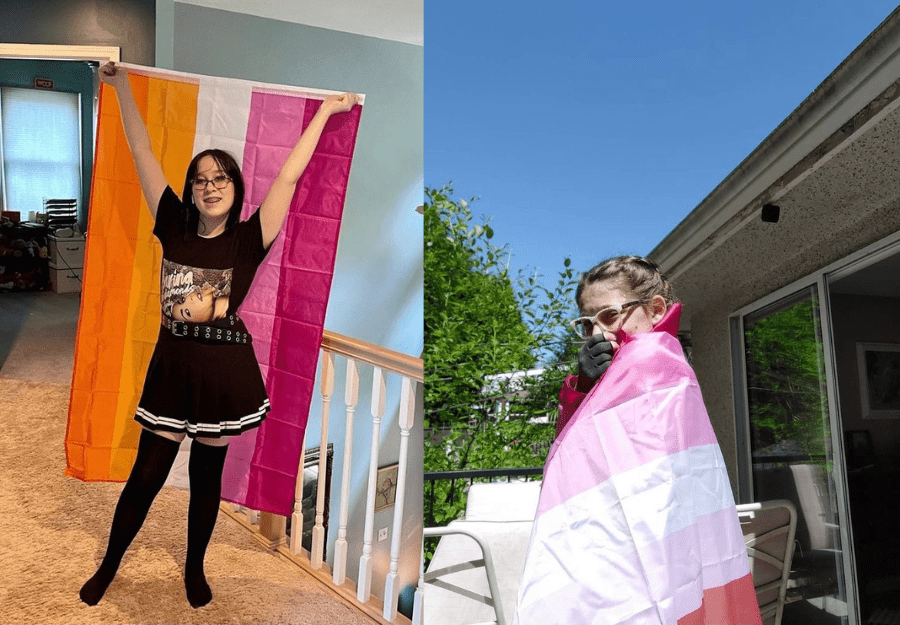
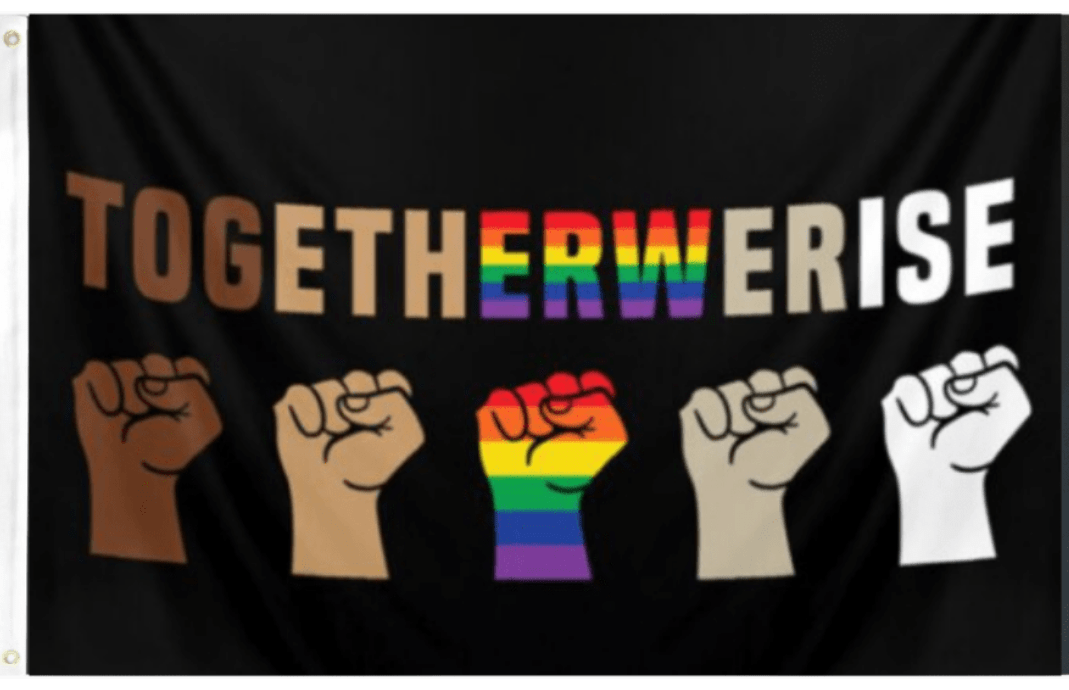
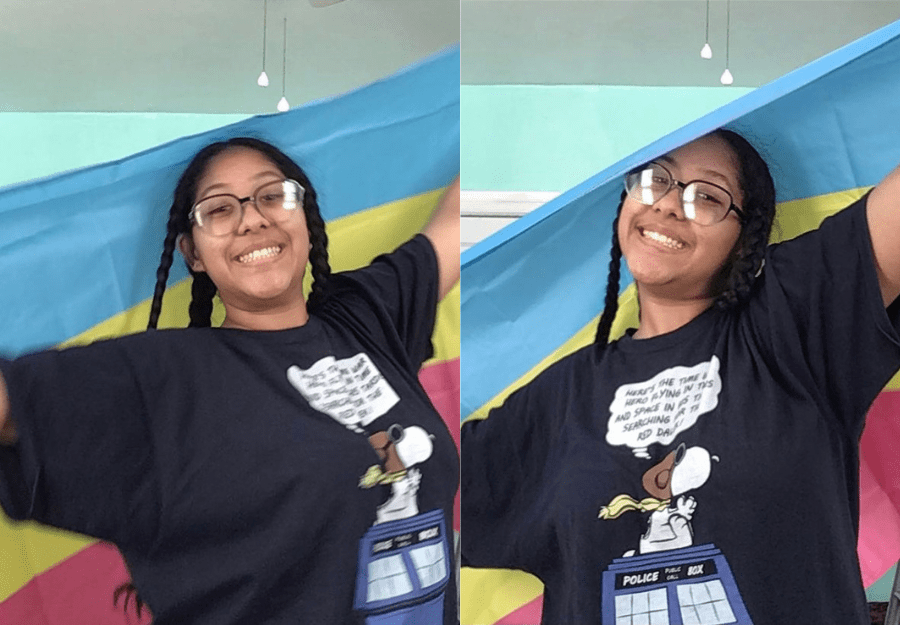
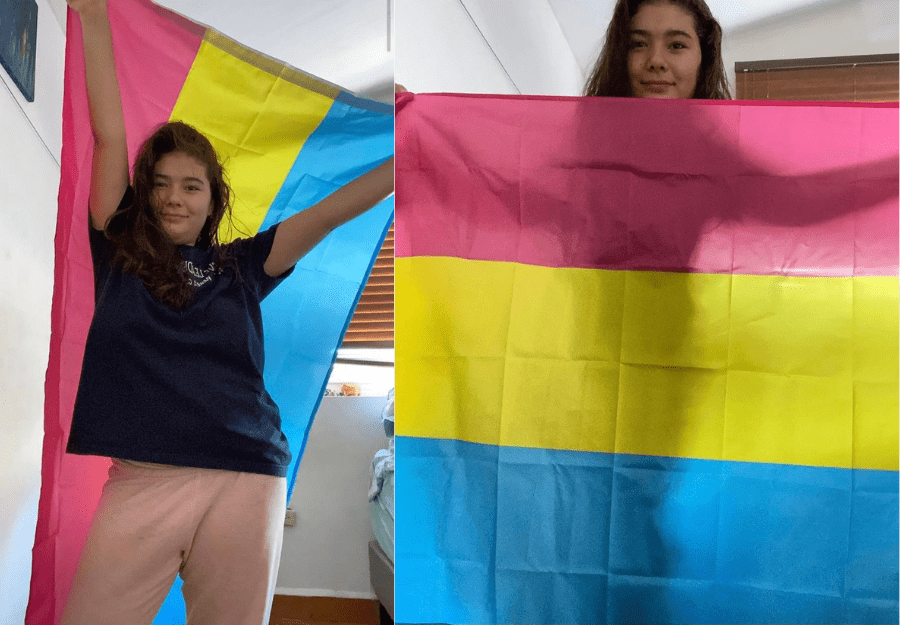
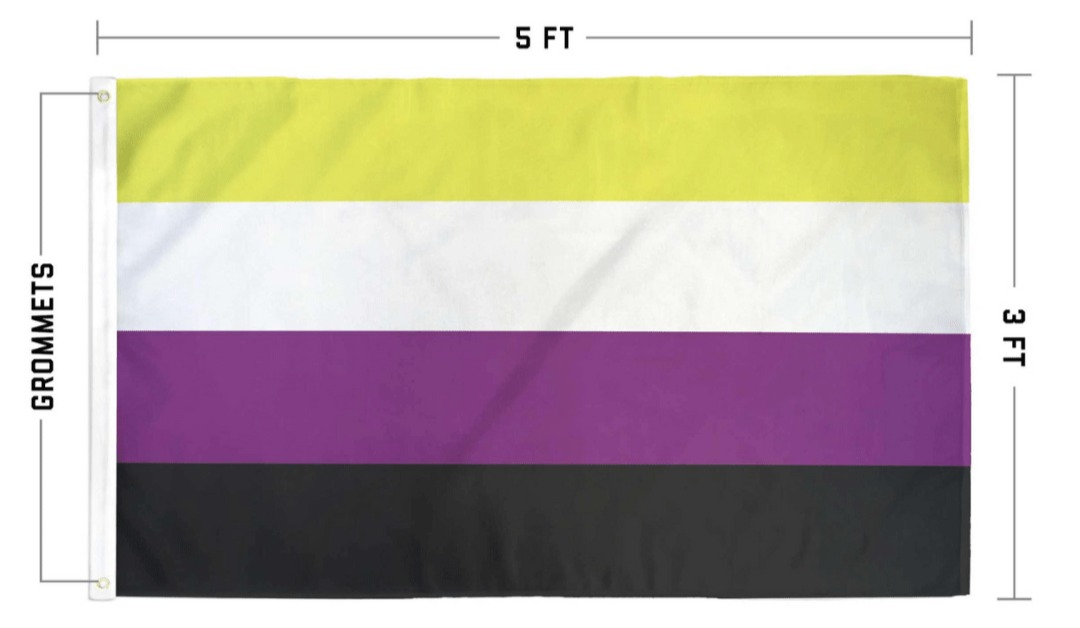
One visible way to express meaningful allyship is by supporting symbols that reflect the full diversity of the LGBTQ+ community.
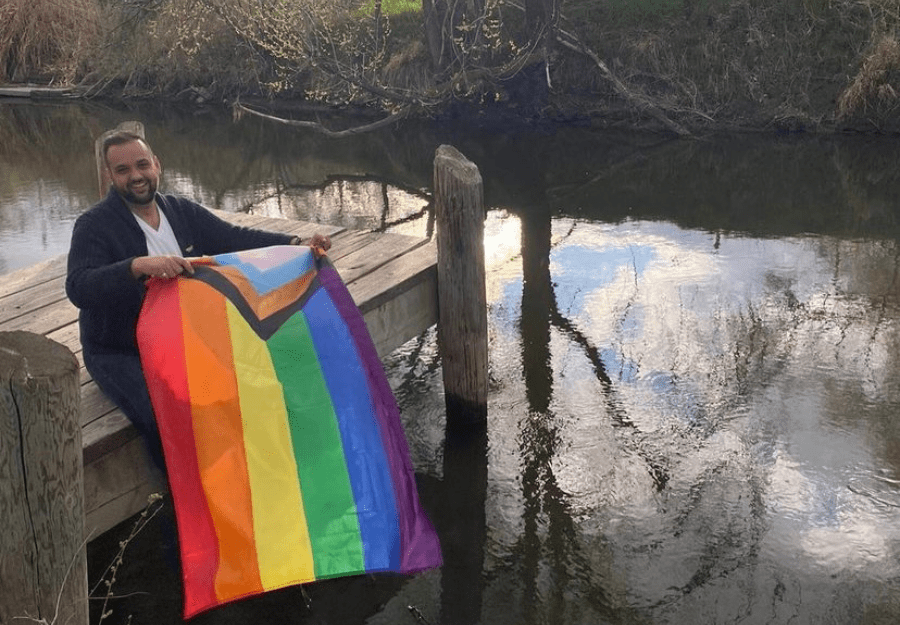
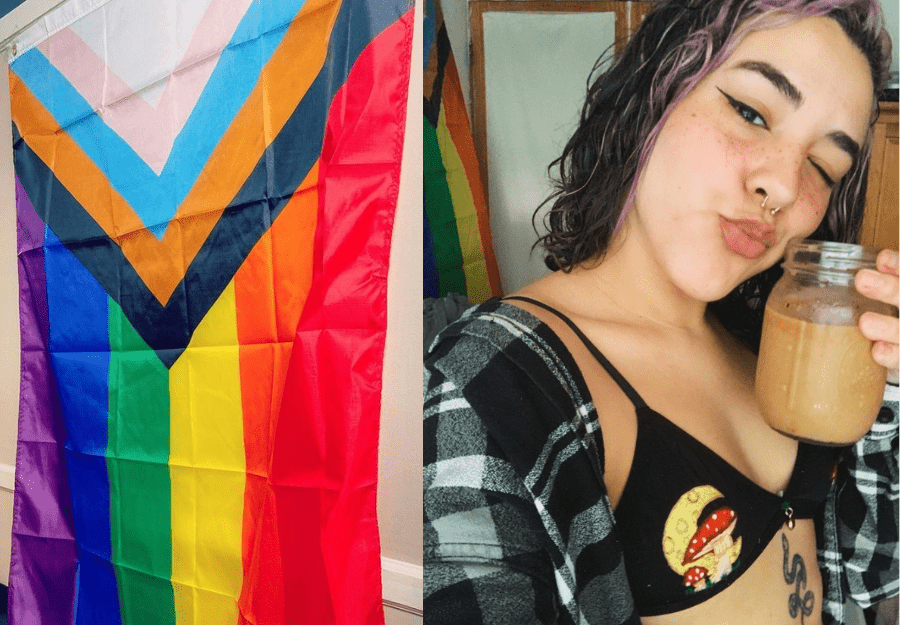
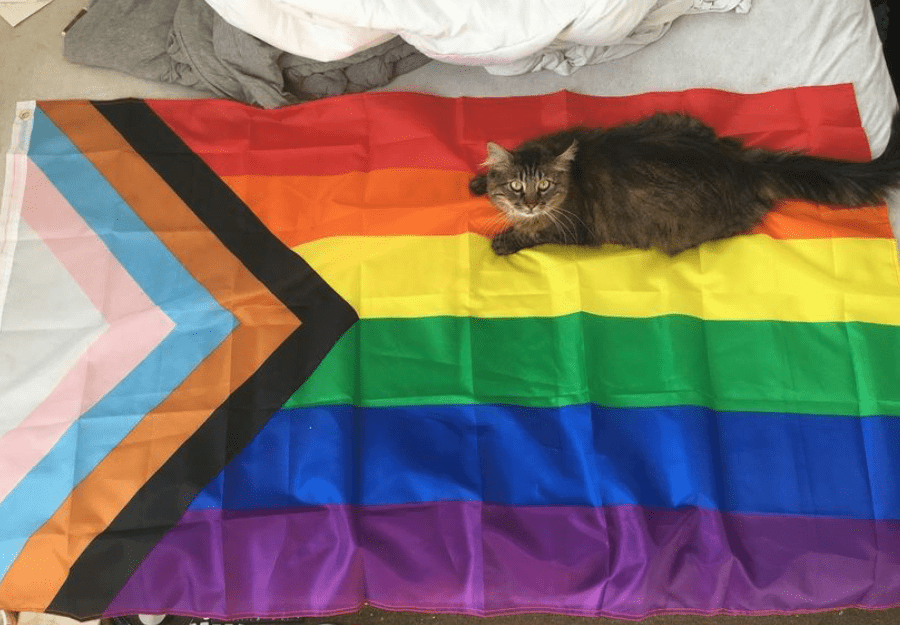
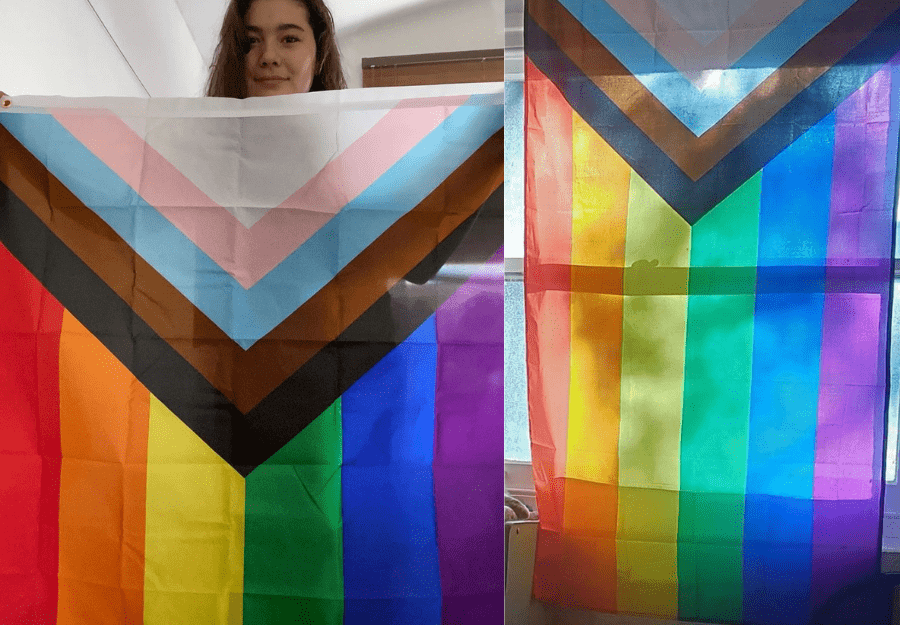
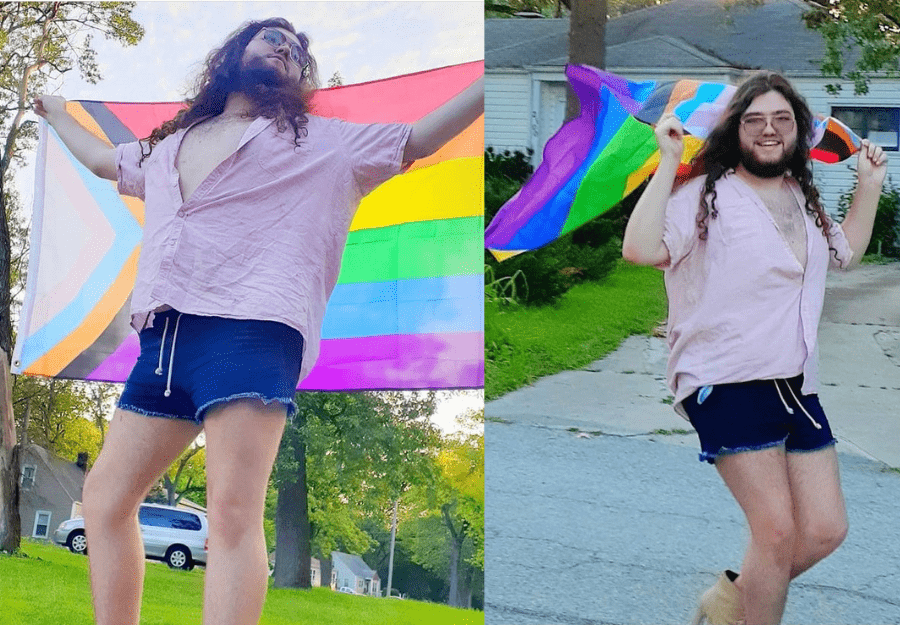
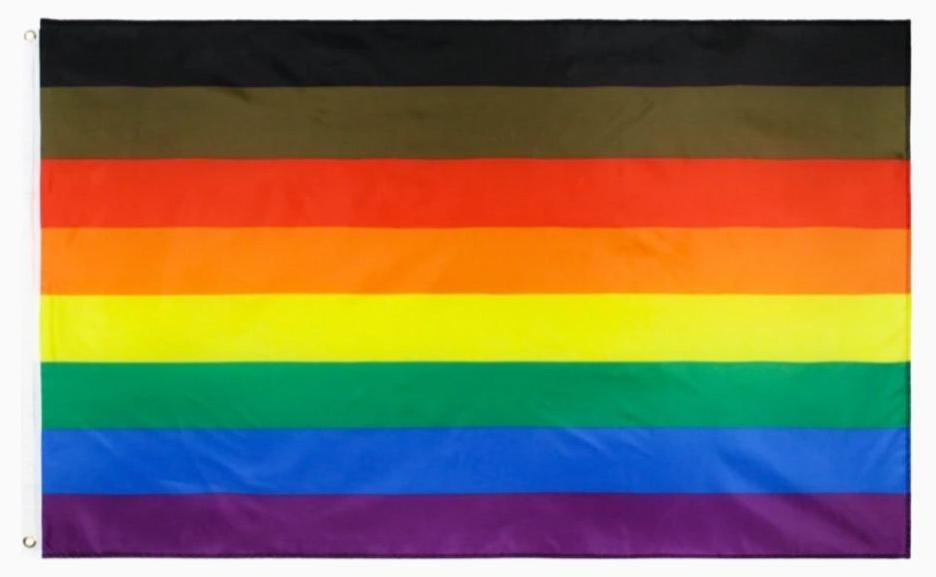
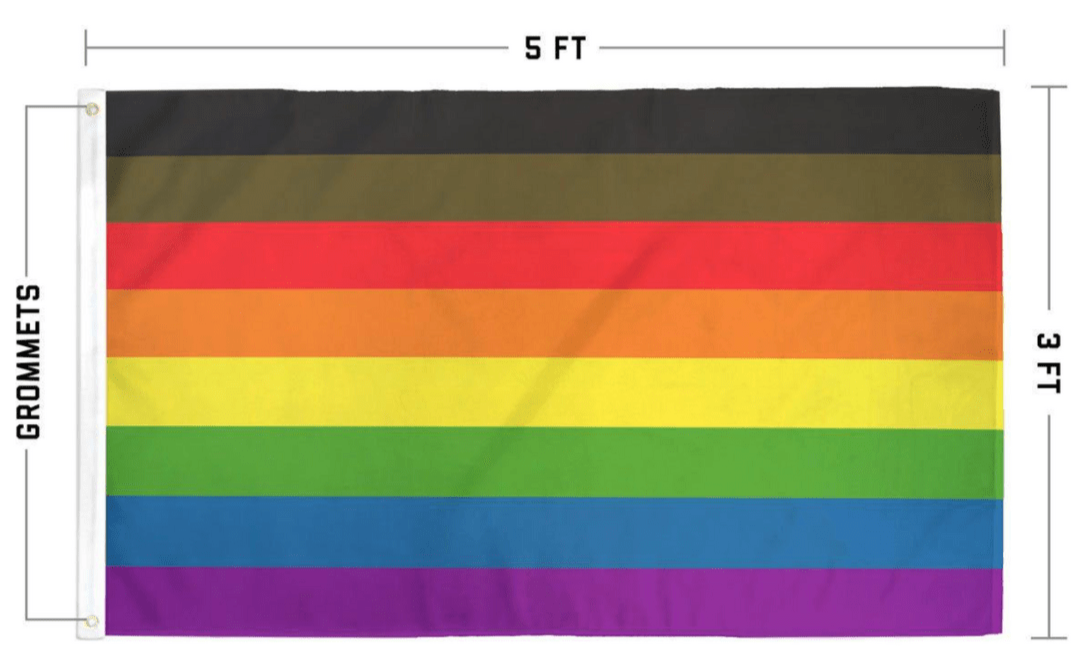
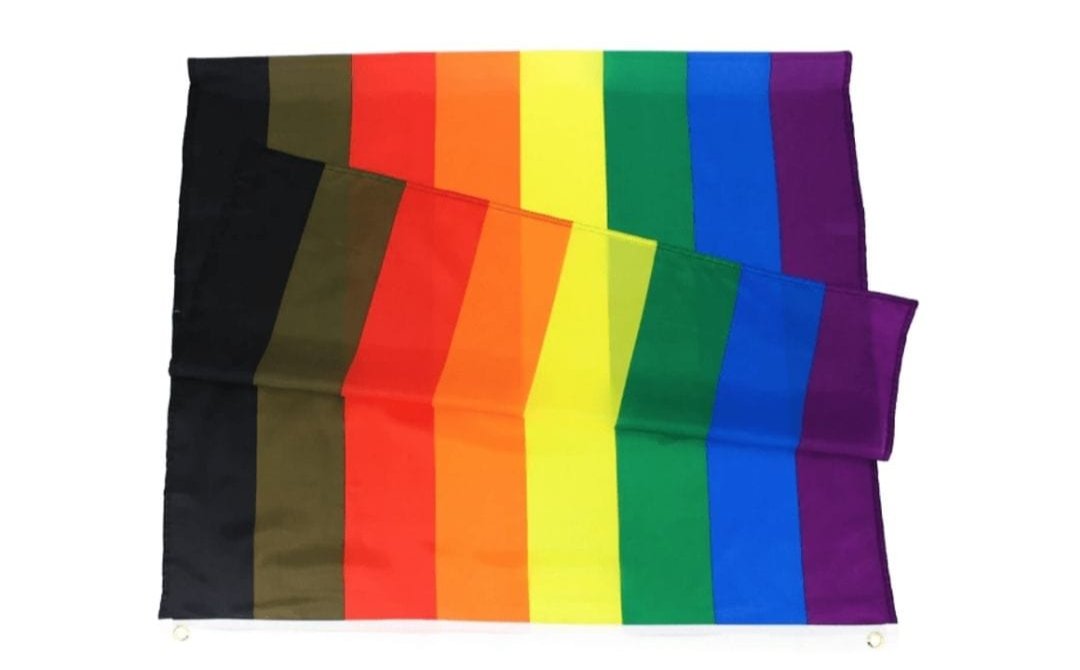
The Progress Pride Flag was created to highlight inclusion — centering trans people and LGBTQ+ people of color, who are often most impacted by discrimination.
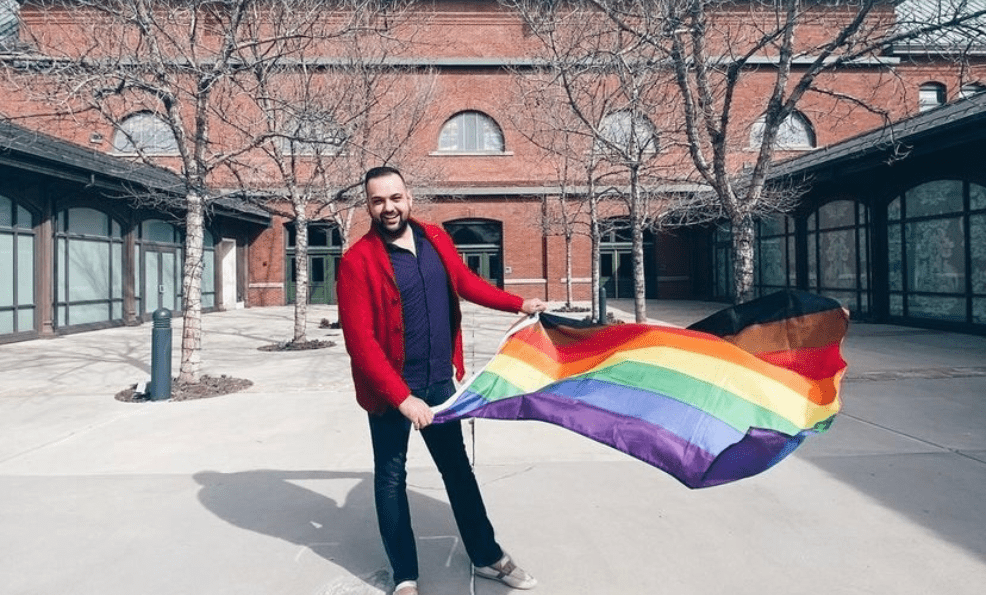
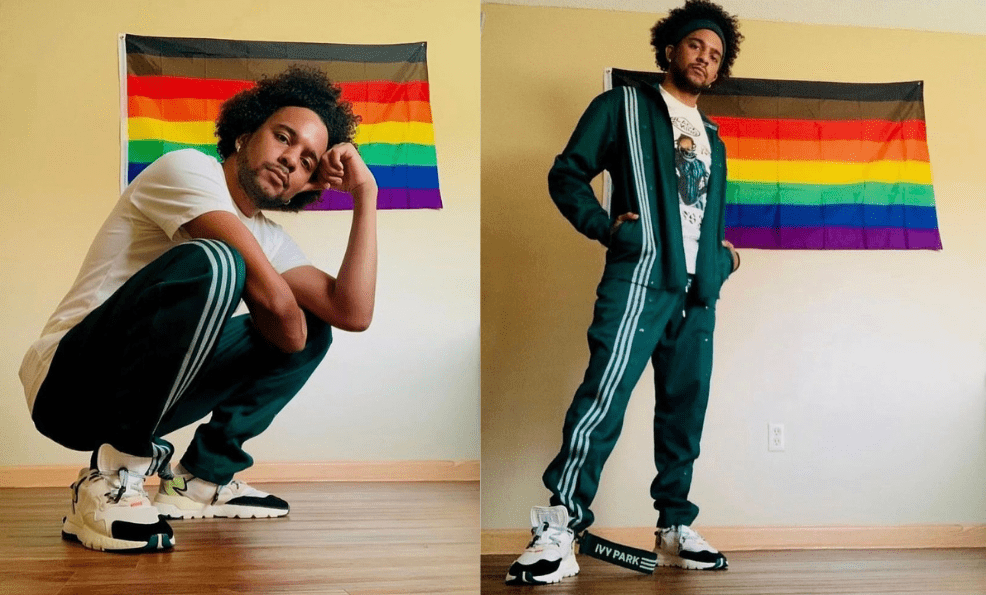
Displaying a Progress Pride Flag is a reminder that allyship must be intersectional, intentional, and ongoing.
Explore the Progress Pride Flag and other visibility-focused symbols that stand for real support.
Allyship isn’t about being seen as “one of the good ones.”
It’s about standing with the community — even when it’s uncomfortable.