
Transgender Awareness Week runs every year from November 13 to November 19. It is a week of education about transgender people and the issues they face, and it leads directly into Transgender Day of Remembrance on November 20, a vigil for trans people killed by anti-trans violence since the first one in 1999.
- What is Transgender Awareness Week?
- Why does it end on November 20?
- How many transgender people are there?
- Which flag do people fly for Trans Awareness Week?
- What do trans young people actually want from the people around them?
- How can you show up during Trans Awareness Week?
- Frequently asked questions
| Dates | November 13 to 19, every year |
| 2026 | Friday, November 13 to Thursday, November 19 |
| Ends with | Transgender Day of Remembrance, November 20 |
| Purpose | Education and visibility for trans and gender non-conforming people |
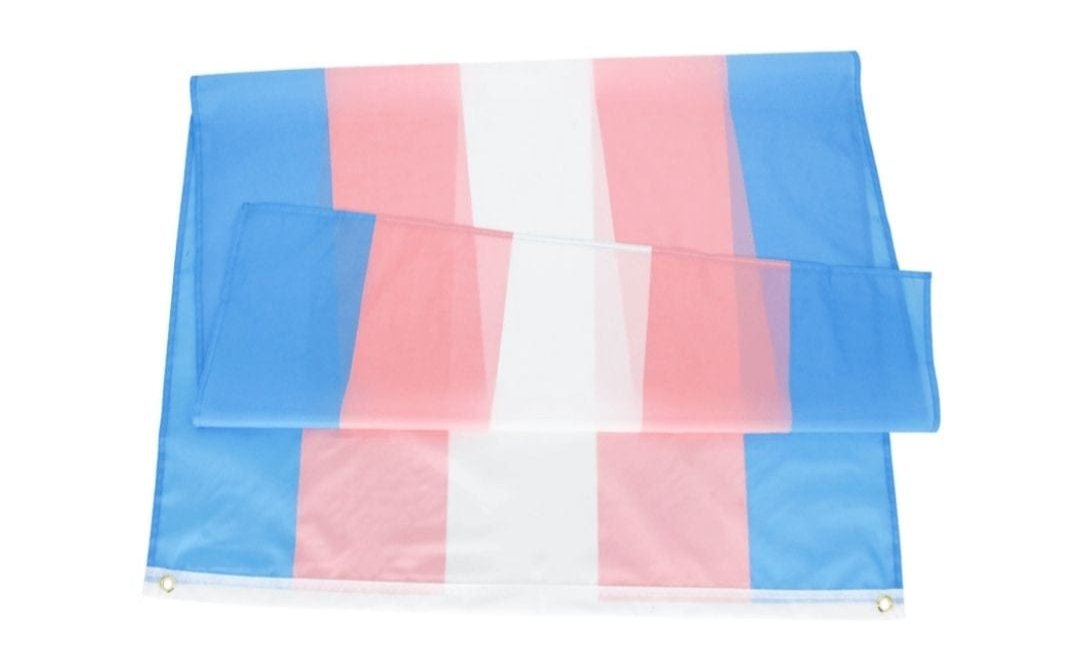
| Flag | Light blue, pink and white, by Monica Helms, 1999 |
What is Transgender Awareness Week?
Transgender Awareness Week is a week of events, teaching and visibility held each November. According to Wikipedia's entry on the week, its purpose is to educate people about transgender and gender non-conforming people and the issues tied to their identity and transition.
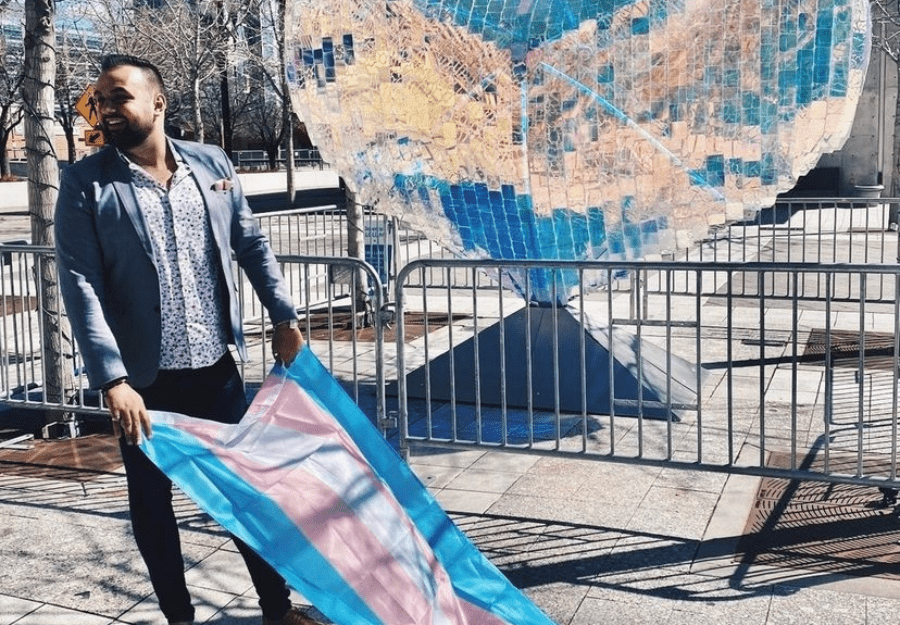
What that looks like on the ground is local. Community centers screen films like Paris Is Burning, trans people share their own stories in person or on video, schools and libraries run talks, and cities light buildings in blue, pink and white. San Francisco stretched it to the whole of November in 2018.
The week is for people who are not trans as much as for people who are. Its job is to replace what someone half-knows from a headline with what trans people actually say about their own lives.
Why does it end on November 20?
Because the week was built as a lead-up to Transgender Day of Remembrance, or TDOR.
On November 28, 1998, Rita Hester, a Black trans woman, was murdered in Allston, Massachusetts. Grief and anger over her death led trans writer and activist Gwendolyn Ann Smith and a small group to hold the first remembrance a year later, on November 20, 1999. Smith described it in her own words:
To that end, we held the first Transgender Day of Remembrance event in the Castro district of San Francisco, holding the names of those we'd lost in silent testimony.
That is the shape of the fortnight: a week about trans people's lives, then a night for the ones who were killed. Wikipedia's TDOR history records vigils held every year since. Awareness Week is the reason the names read out on November 20 are not the only thing people learn about trans lives. We wrote more about the history of Transgender Day of Remembrance.
It is a different day from Trans Day of Visibility on March 31, which Rachel Crandall Crocker started in 2009 to celebrate trans people who are alive.
How many transgender people are there?
More than most people guess. The Williams Institute at UCLA estimates that over 2.8 million people aged 13 and older in the US identify as transgender, about 1.0% of that population. That is about 2.1 million adults and about 724,000 young people aged 13 to 17.
Two more numbers from the same 2025 report explain why so much of this fight is about young people. Among adults, the split is close to even: 32.7% are trans women, 34.2% are trans men and 33.1% are nonbinary. And young people are far more likely to be trans. Youth aged 13 to 17 make up 25.3% of trans people aged 13 and older, against 7.7% of the population overall.
Which flag do people fly for Trans Awareness Week?
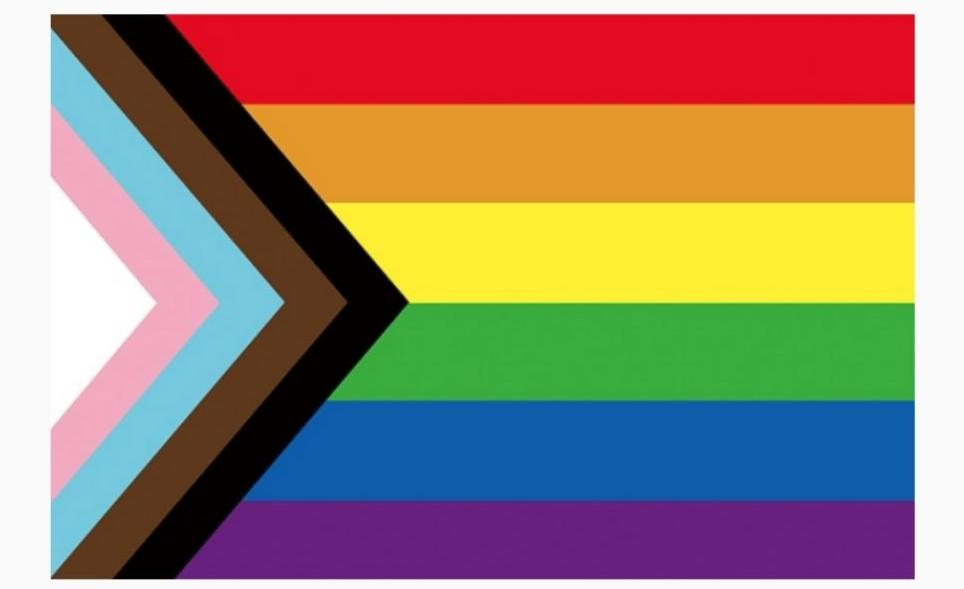
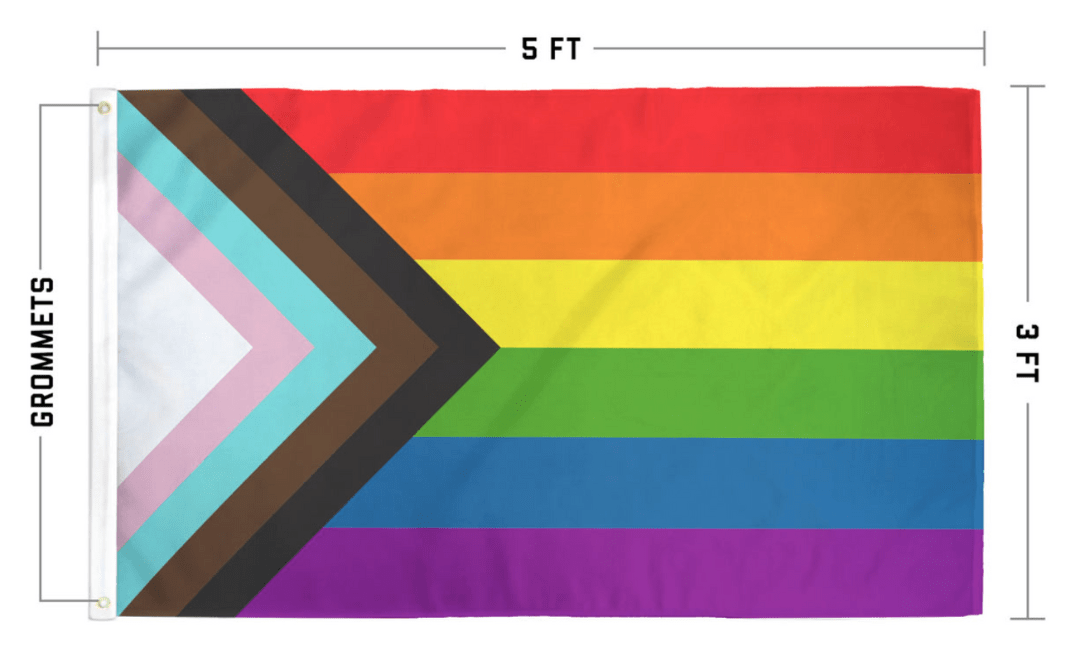
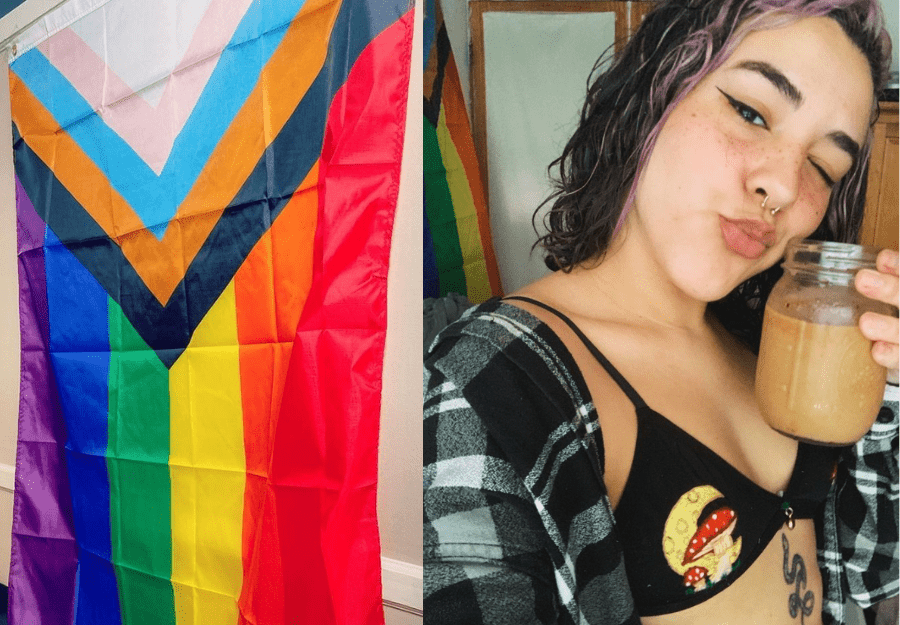
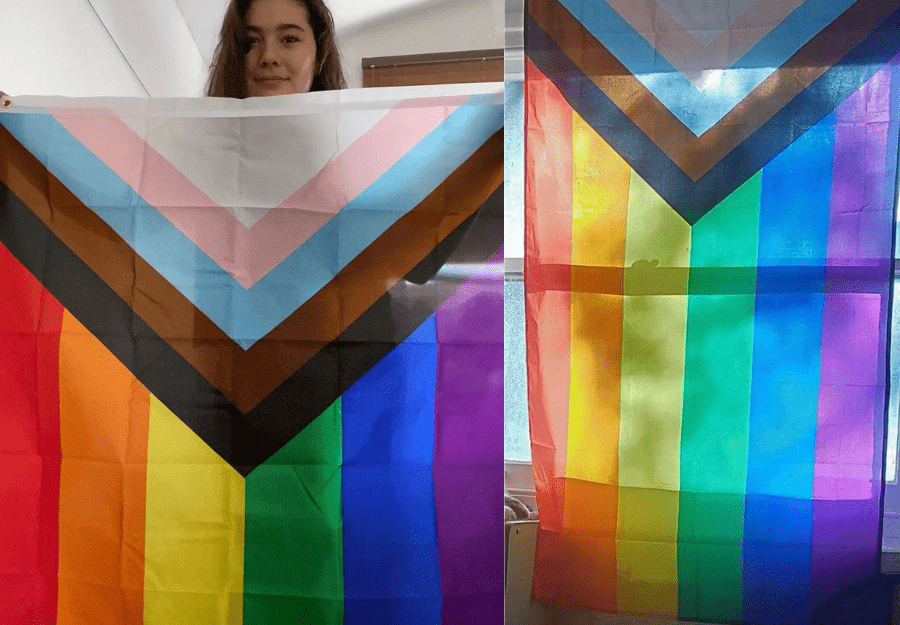
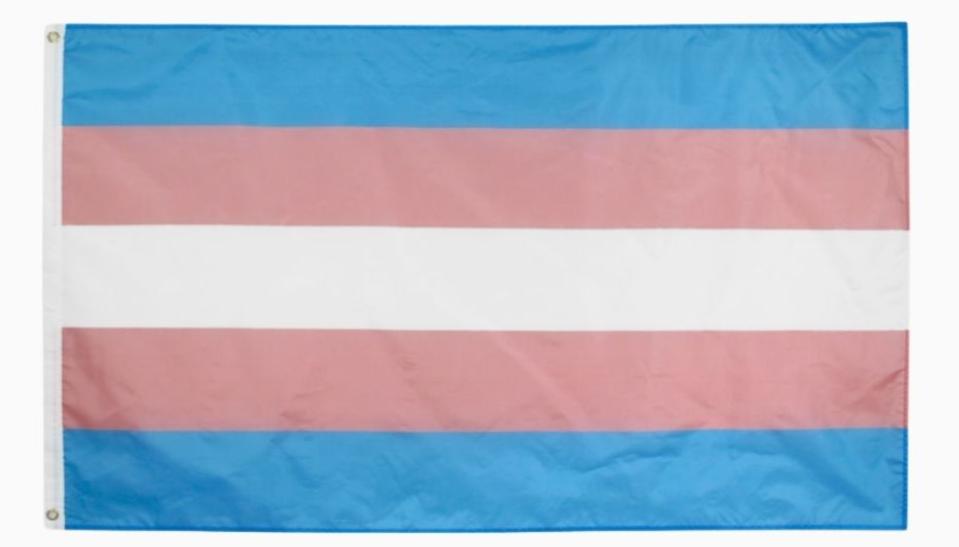
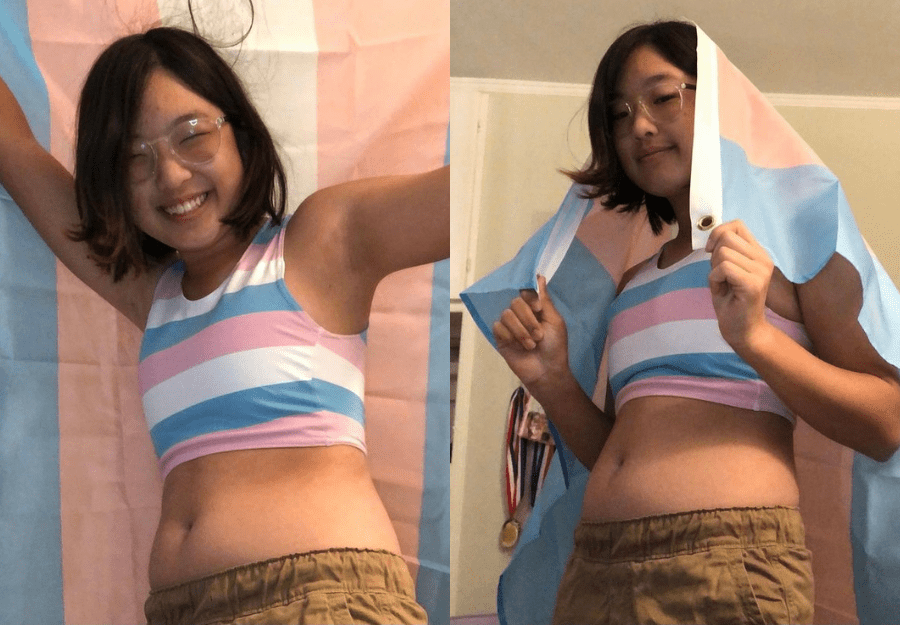
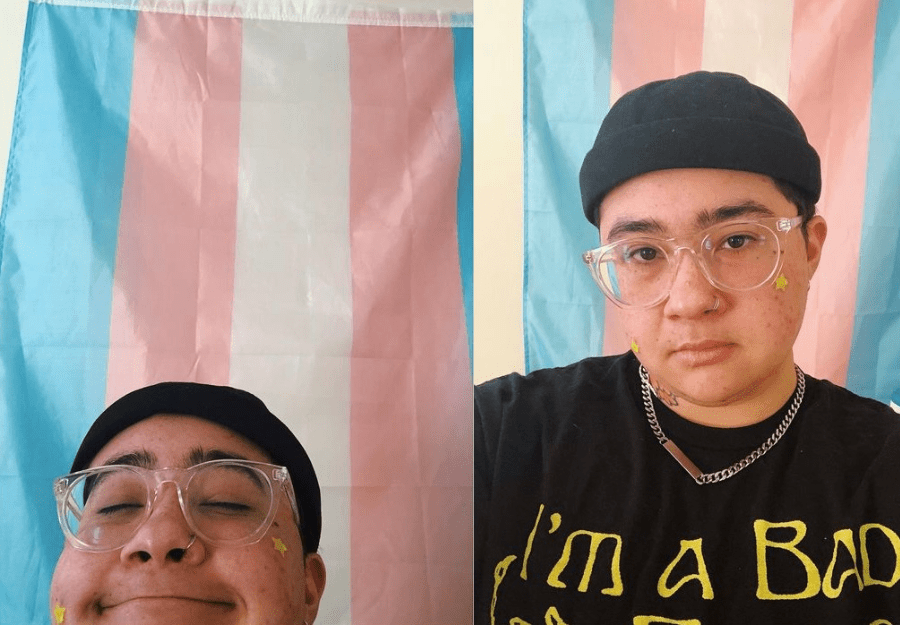
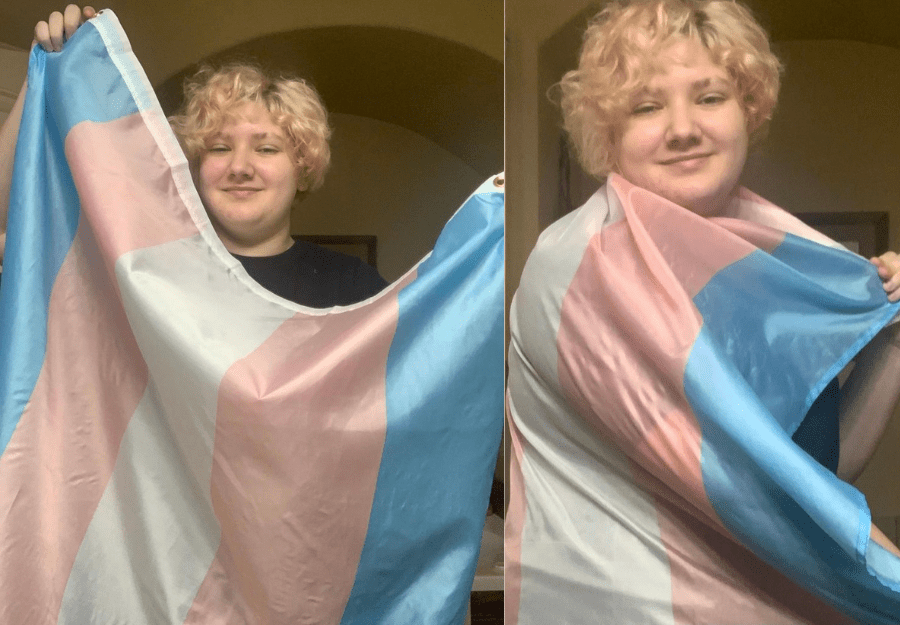
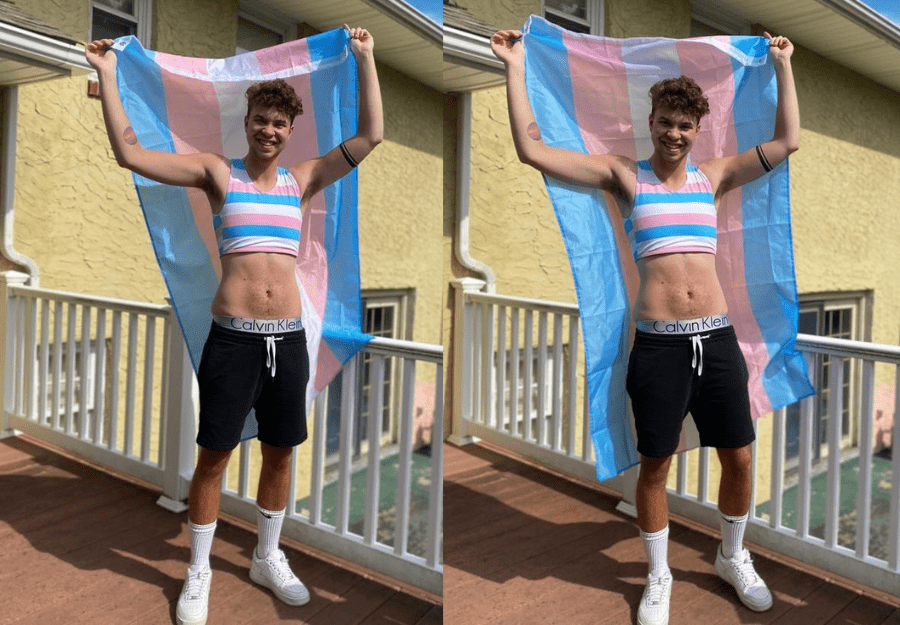
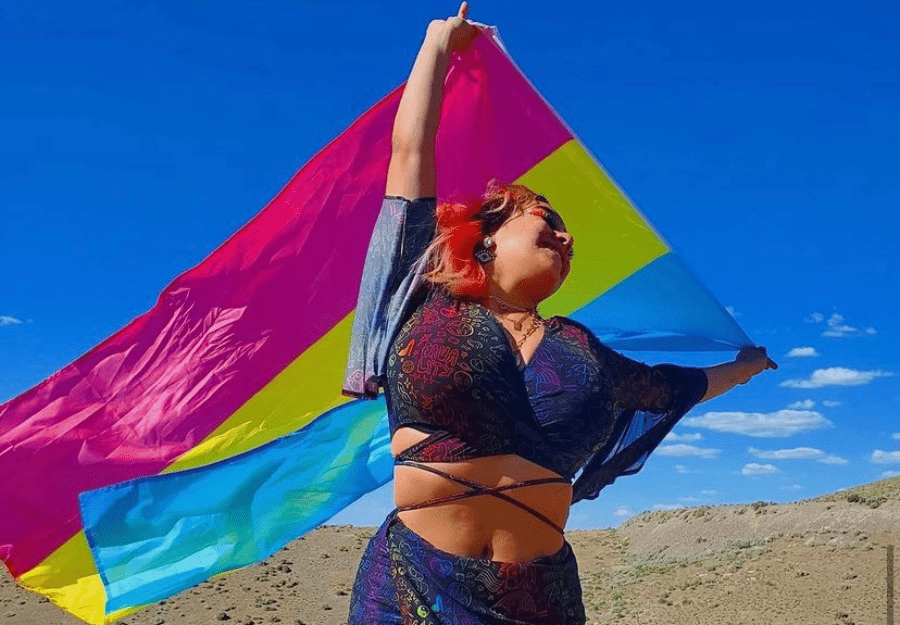
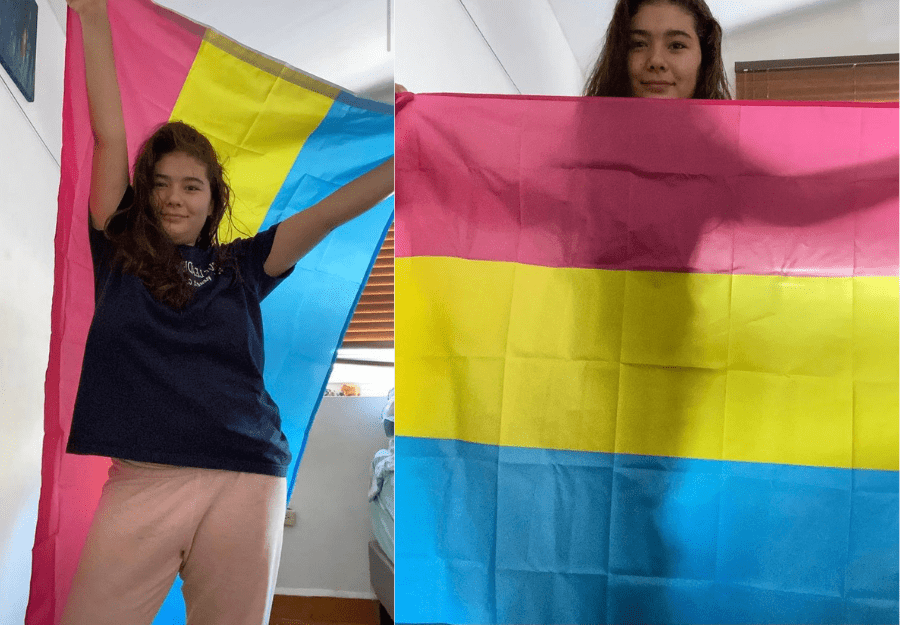
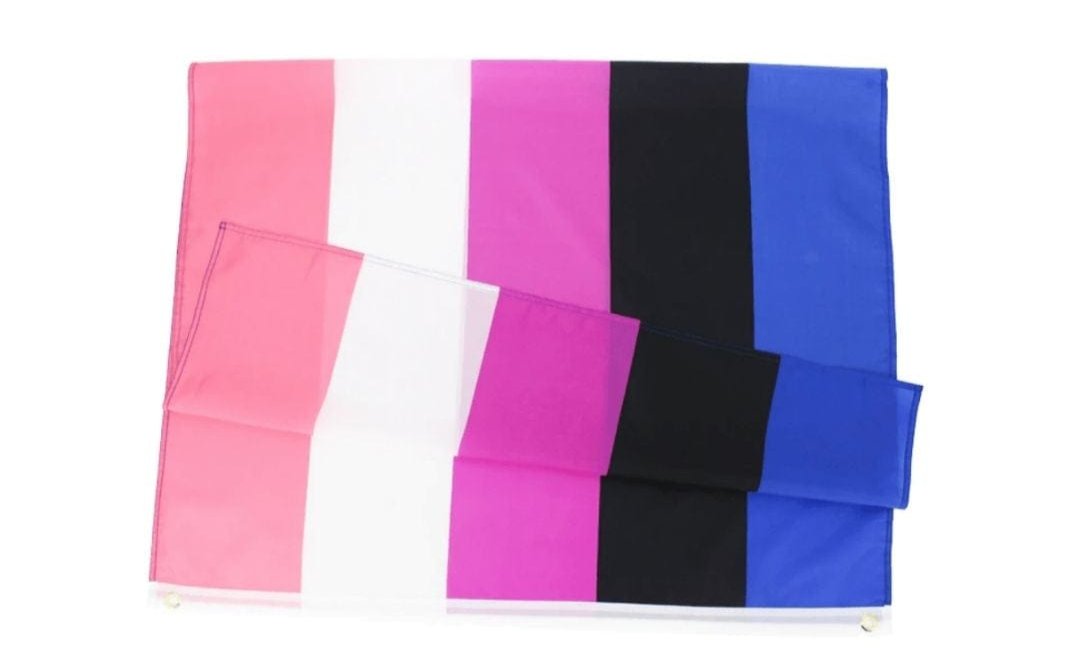
The transgender flag, by a wide margin. Monica Helms designed it in 1999: light blue and pink, the traditional colors for baby boys and girls, with a white stripe in the middle for people who are intersex, transitioning or who feel their gender is neutral or undefined. Helms made the pattern read the same whichever way up it flies. We go deeper in what the transgender pride flag means.
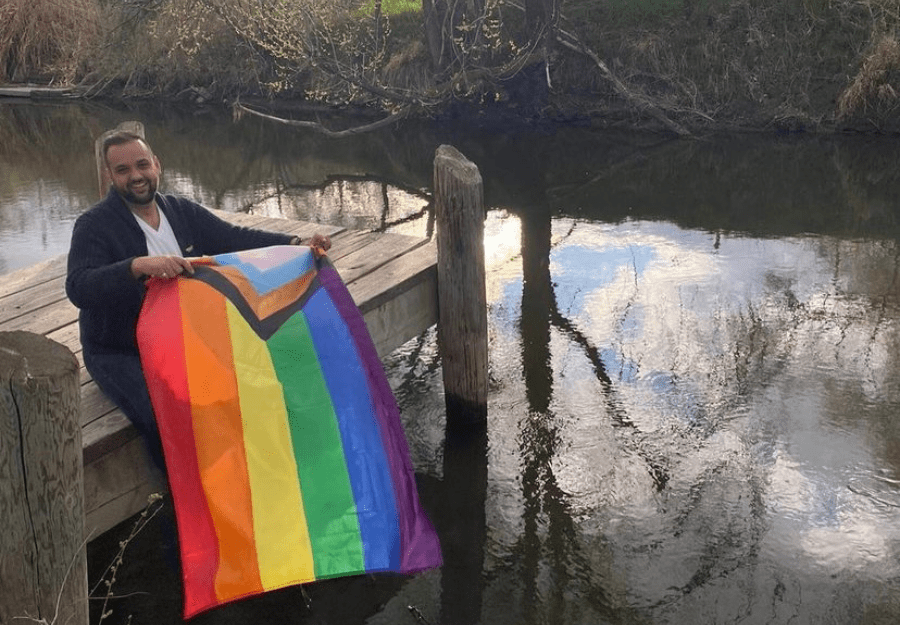
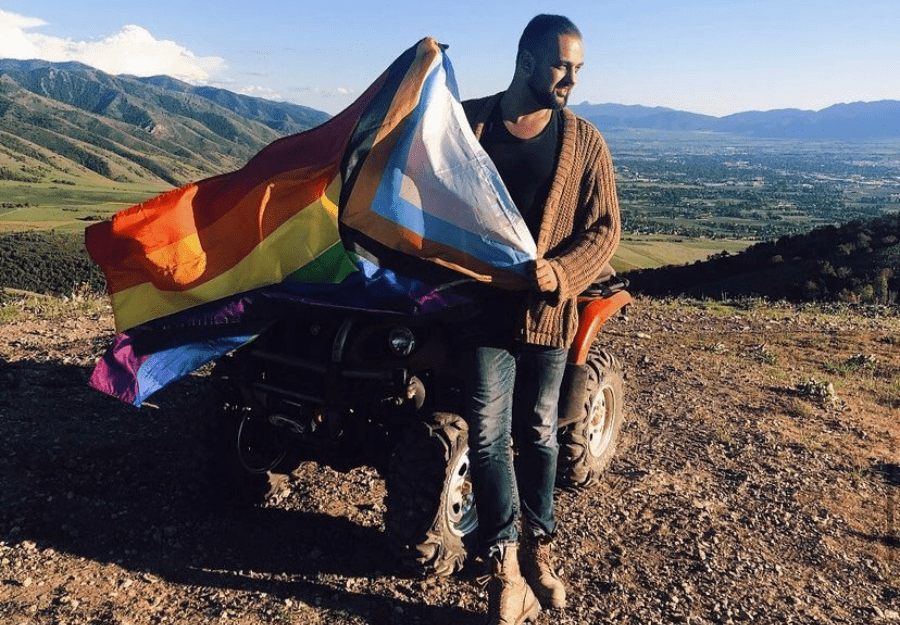
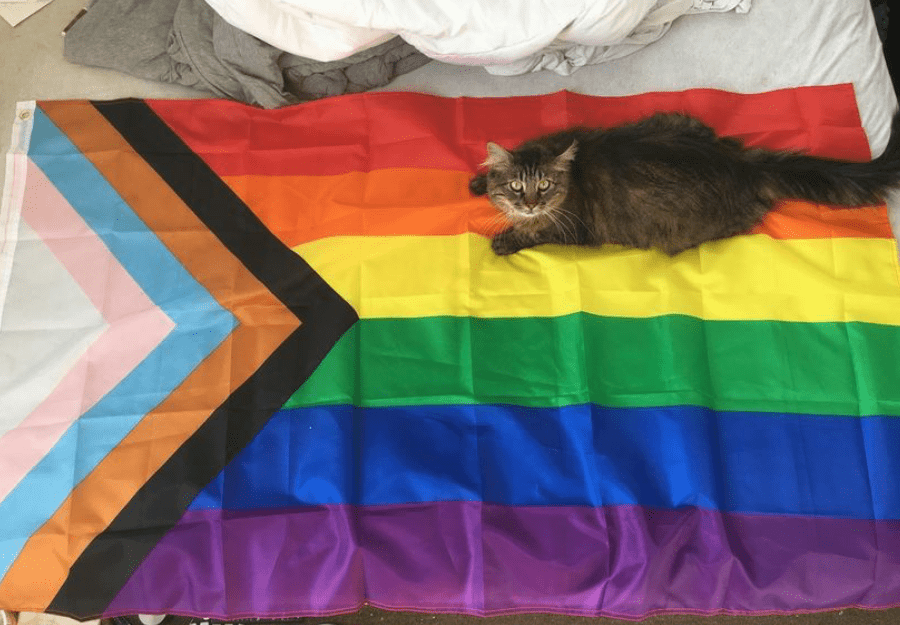
Our own order data shows how people use it. Between October 2025 and September 2026, Pride Palace customers ordered 1,791 trans flags: 1,590 transgender flags, 109 Trans Rights Are Human Rights flags and 86 Protect Trans Kids flags, plus a handful from an older listing.
1,248 of those 1,791 flags, 70%, were ordered outside June. In November 2025 customers ordered 114 trans flags, more than in any month from December through February, which averaged 70. People are not waiting for Pride Month to say this one out loud.
You can see every Pride flag we carry. All sales benefit LGBTQ+ charities.
What do trans young people actually want from the people around them?
They have been asked, and they answered. In The Trevor Project's 2024 national survey of LGBTQ+ young people, the top ways people can show support were:
- Trusting that I know who I am: 88%
- Standing up for me: 81%
- Not supporting politicians who push anti-LGBTQ+ laws: 77%
- Looking things up on their own to understand better: 62%
None of those cost money and none of them need a hashtag. The same survey found that trans and nonbinary young people who had their pronouns respected by the people they live with reported lower rates of attempting suicide than those who did not. Respect at home is not a nicety. It is protective.
If you or someone you know is struggling, The Trevor Project runs a free 24/7 line for LGBTQ+ young people, and in the US you can call or text 988.
How can you show up during Trans Awareness Week?
- Learn from trans people first. Read trans writers, watch trans-made films, follow trans-led groups. A week of listening beats a single post.
- Use the right name and pronouns, every time. It is the cheapest form of support there is, and the survey above says it matters.
- Go to something local. Most cities run Awareness Week events and a TDOR vigil on November 20. Showing up in person tells trans neighbors they are not alone.
- Speak up when trans people are the target. At the dinner table, in the group chat, at the ballot box.
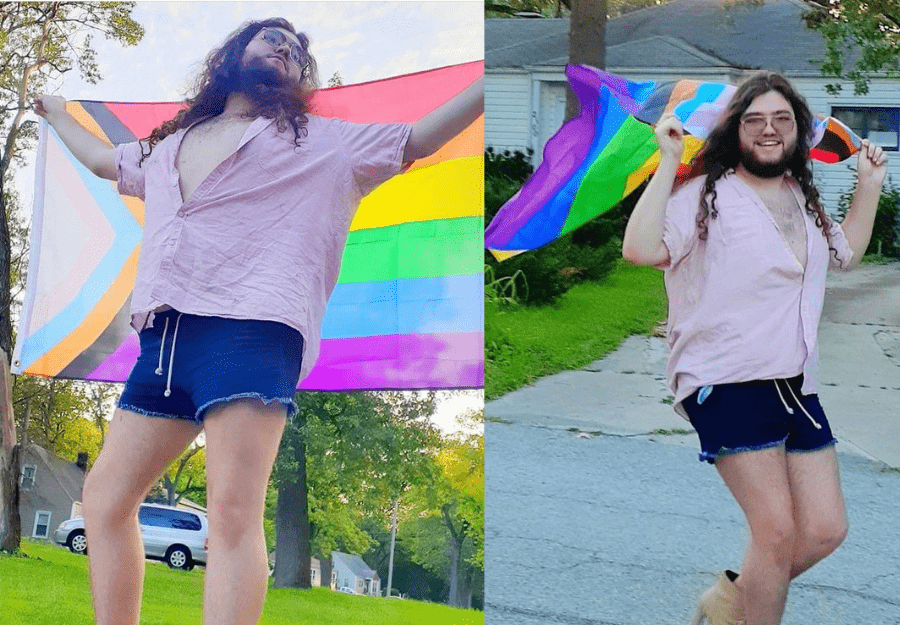
- Be visible past November. Trans people are trans all year, so a flag that stays up in December says more than one that comes down on the 21st.
If you want words to share during the week, we collected quotes from trans people to share during Transgender Awareness Week.
Frequently asked questions
When is Transgender Awareness Week in 2026?
Friday, November 13 to Thursday, November 19, 2026. It runs on the same dates every year and ends the day before Transgender Day of Remembrance on November 20.
What is the difference between Transgender Awareness Week and Trans Day of Visibility?
Trans Awareness Week is in November and builds toward Transgender Day of Remembrance, which honors trans people killed by anti-trans violence. Trans Day of Visibility is March 31 and celebrates trans people who are alive now.
What is Transgender Day of Remembrance?
An annual vigil on November 20 for people killed because of anti-transgender violence. Gwendolyn Ann Smith and a small group held the first one in San Francisco in 1999, a year after the murder of Rita Hester in Allston, Massachusetts.
How many transgender people are there in the US?
The Williams Institute at UCLA estimates over 2.8 million people aged 13 and older identify as transgender, about 1.0% of that population. That includes about 2.1 million adults and about 724,000 young people aged 13 to 17.
Can cisgender people take part in Transgender Awareness Week?
Yes. The week exists to educate people who are not trans. Allies take part by learning, listening to trans people, showing up to local events and speaking up when trans people are targeted.
What colors represent Transgender Awareness Week?
The transgender flag's light blue, pink and white. Monica Helms designed it in 1999. Blue and pink are the traditional colors for baby boys and girls, and the white center stripe stands for people who are intersex, transitioning, or who feel they have a neutral or undefined gender.
Is it okay to post about Trans Awareness Week if I am not trans?
Yes, if what you post centers trans people. Share trans voices and trans-led organizations, use correct names and pronouns, and skip anything that turns the week into a story about you.
- Wikipedia, Transgender Awareness Week
- Wikipedia, Transgender Day of Remembrance
- Gwendolyn Ann Smith, Transgender Day of Remembrance, Why We Remember (HuffPost, 2012)
- Williams Institute, How Many Adults and Youth Identify as Transgender in the United States? (2025)
- The Trevor Project, 2024 U.S. National Survey on the Mental Health of LGBTQ+ Young People
Last updated: October 26, 2026