

Why LGBTQ+ Health Awareness Week Matters
LGBTQ+ individuals face unique healthcare challenges, from discrimination in medical settings to a lack of knowledgeable providers. National LGBTQ+ Health Awareness Week (March 22-26) brings attention to these disparities and advocates for solutions. While progress has been made, many LGBTQ+ people—especially transgender individuals —still struggle with barriers to quality healthcare, mental health support, and insurance coverage. Together, we can push for change while also prioritizing our own well-being.
The Problem: Barriers to Healthcare
Despite advancements in LGBTQ+ rights, healthcare remains an area where discrimination persists. Common challenges include:
- Limited access to LGBTQ-affirming providers, leading to misdiagnoses and poor care.
- High costs of gender-affirming care and limited insurance coverage.
- Invisibility in medical records, with many forced to use incorrect names and pronouns.
- Stigma around mental health, making it harder for LGBTQ+ individuals to seek support.
We asked our Pride Palace community what changes they wanted to see in the healthcare system. This were the top responses.

Taking Action: How We Can Improve LGBTQ+ Health
While systemic change takes time, there are steps we can take today to improve LGBTQ+ health and well-being.
1. Advocate for Healthcare Equality
We can push for change by using our voices to demand better policies and protections. This includes:
- Supporting LGBTQ+ organizations that fight for inclusive healthcare.
- Encouraging medical schools to include LGBTQ+ competency training.
- Signing petitions and calling representatives to promote equality in healthcare laws.
2. Prioritize Mental & Emotional Well-Being
Taking care of our mental health is just as important as physical health. Some ways to do this include:
- Finding LGBTQ-affirming therapists who understand our unique experiences.
- Building a support network of chosen family, friends, and community members.
- Practicing self-care through creative expression, journaling, or mindfulness.
3. Celebrate & Express Your Identity
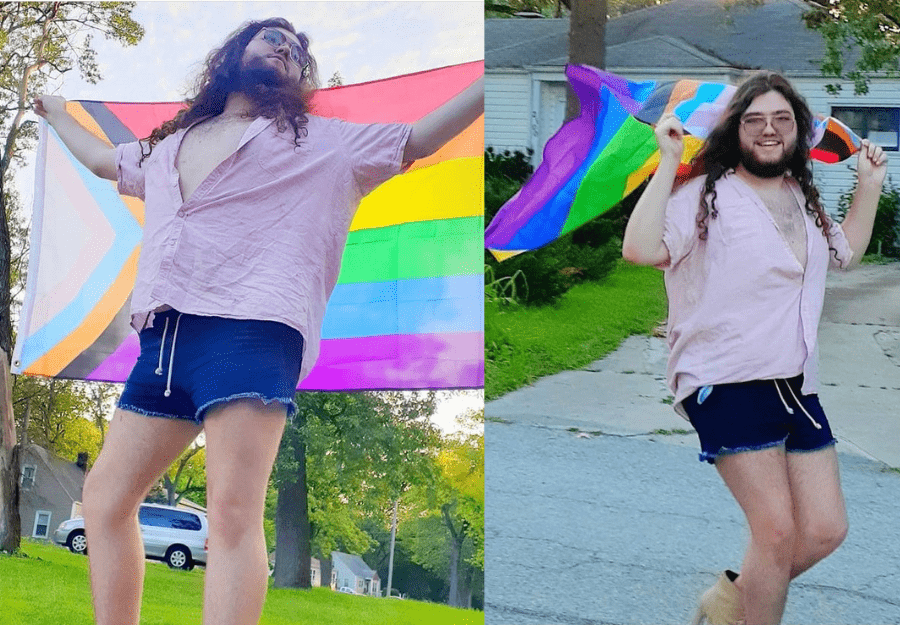
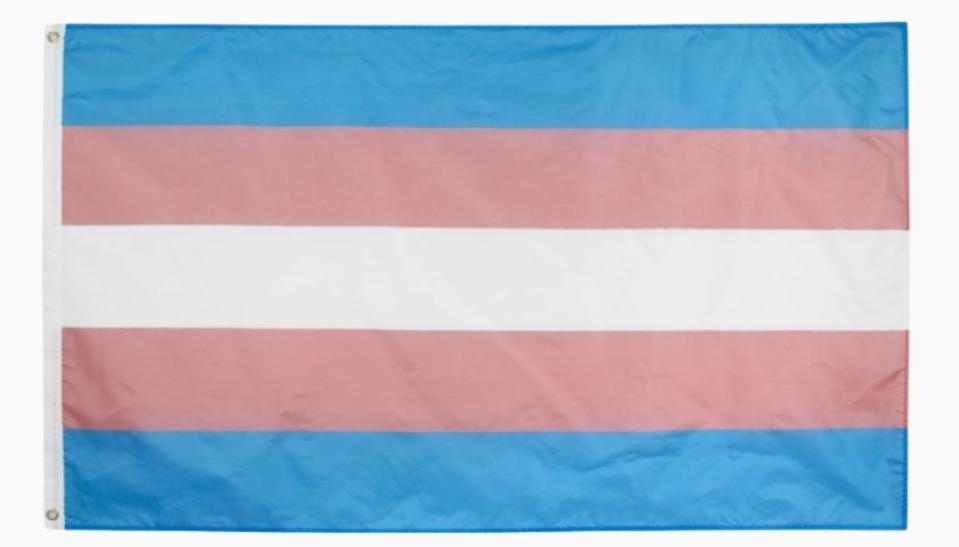
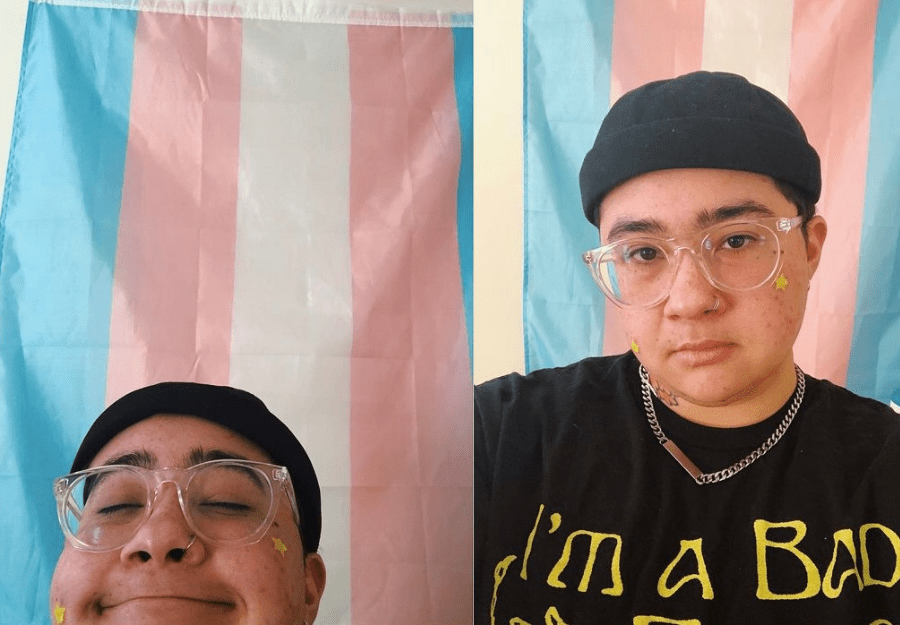
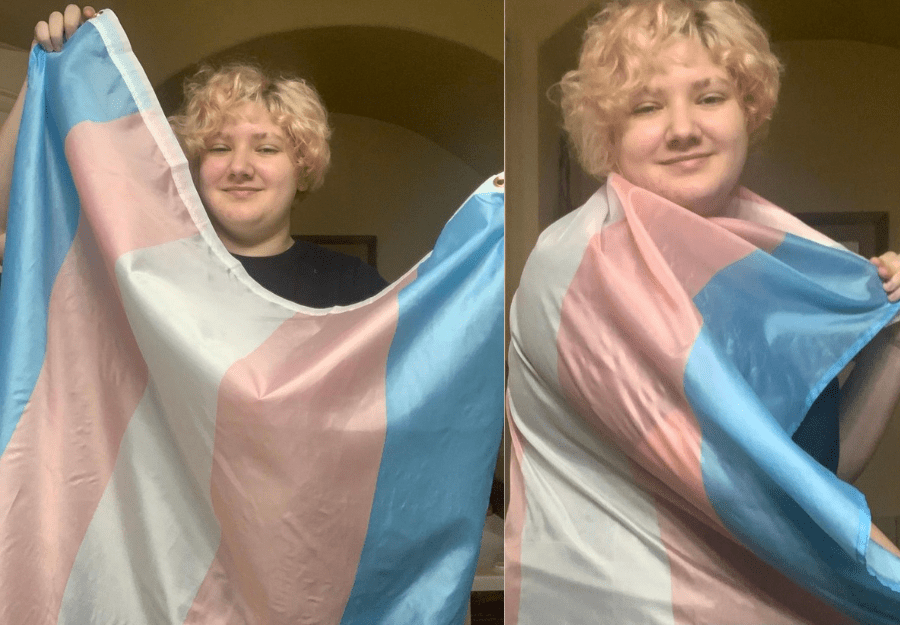
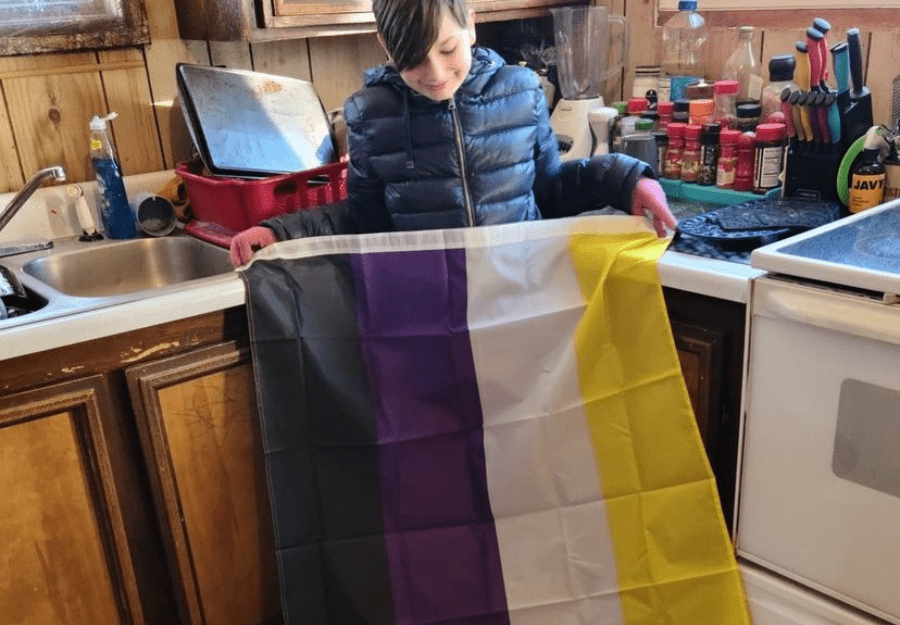
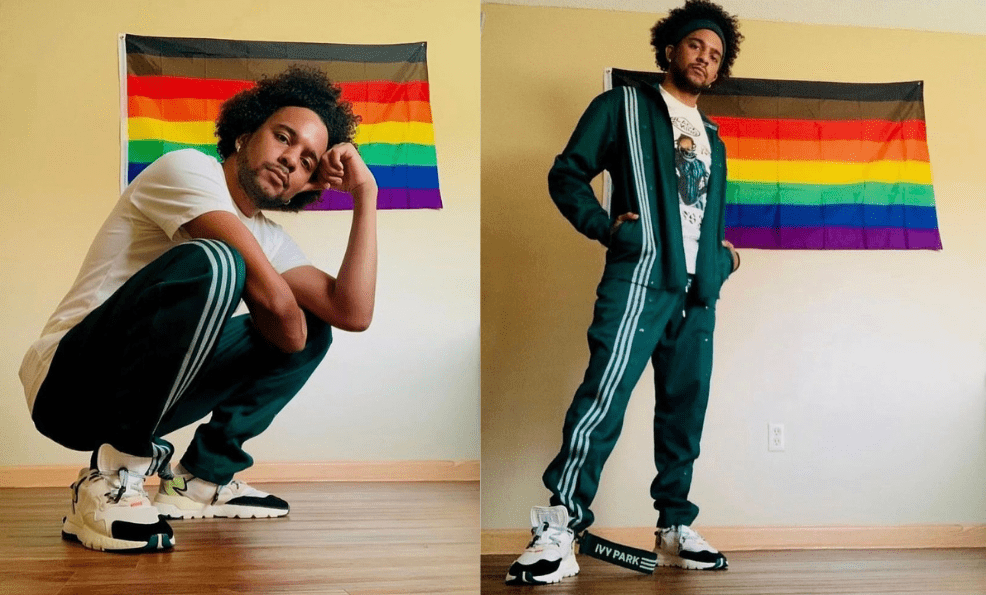
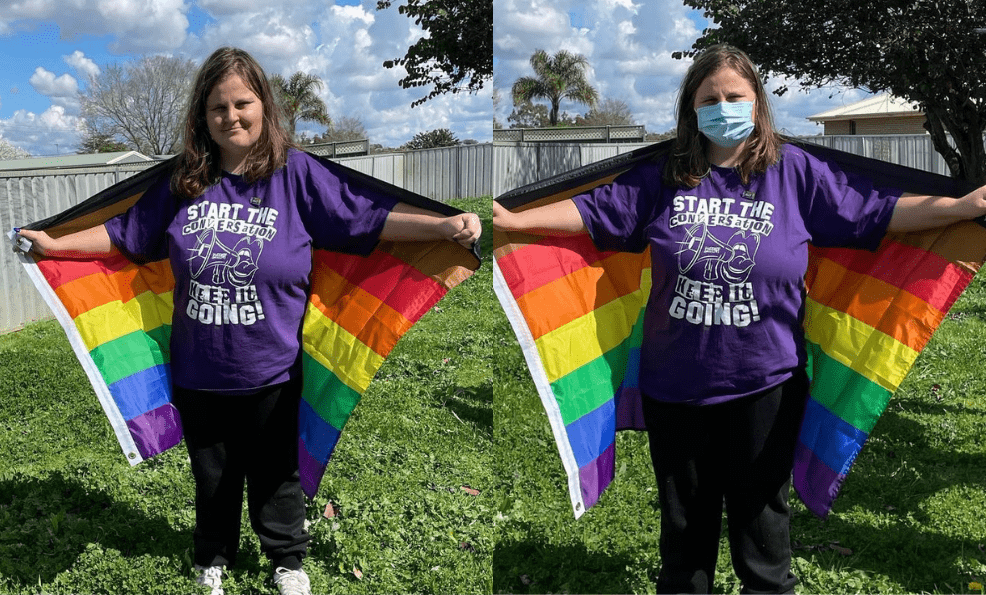
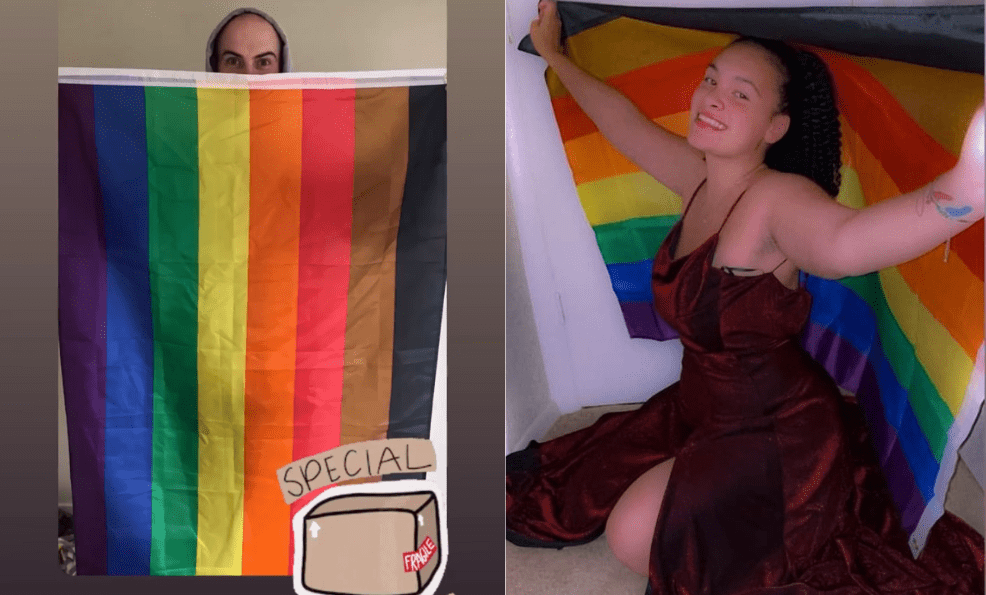
Affirming our identities is a crucial part of self-care. Whether it’s through fashion, art, or activism, visibility matters. Wearing LGBTQ+ symbols like a Pride flag or Pride ring can be a powerful way to embrace and celebrate who we are.
4. Support LGBTQ+ Businesses & Communities
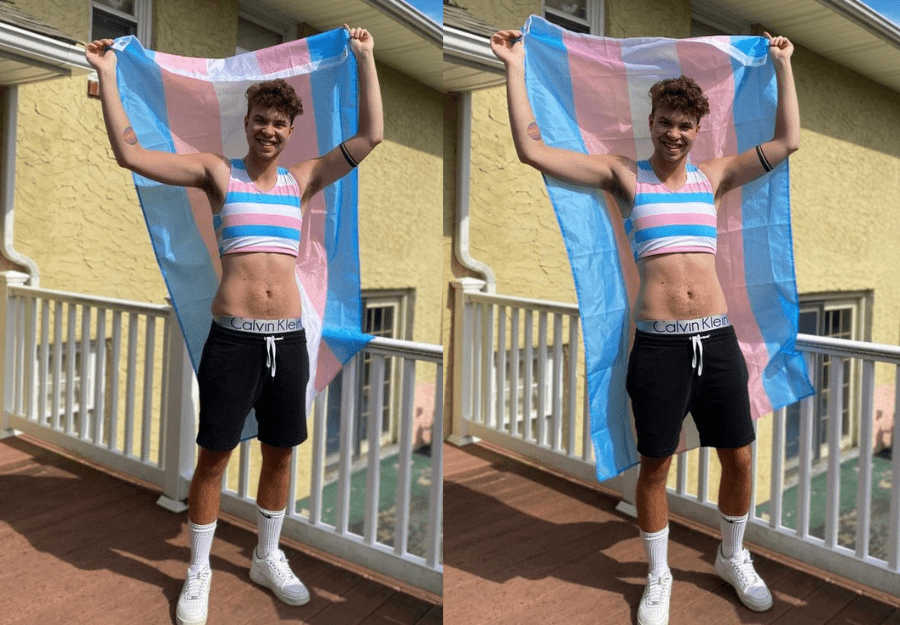
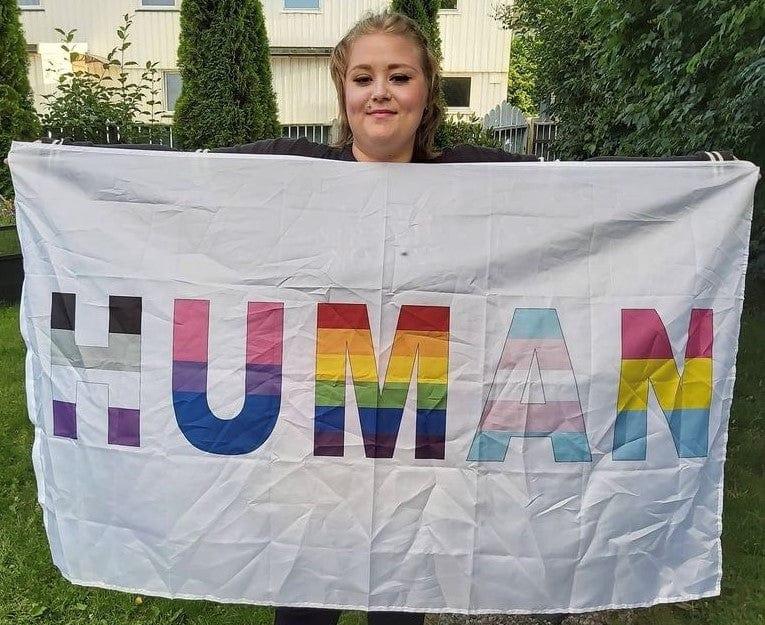
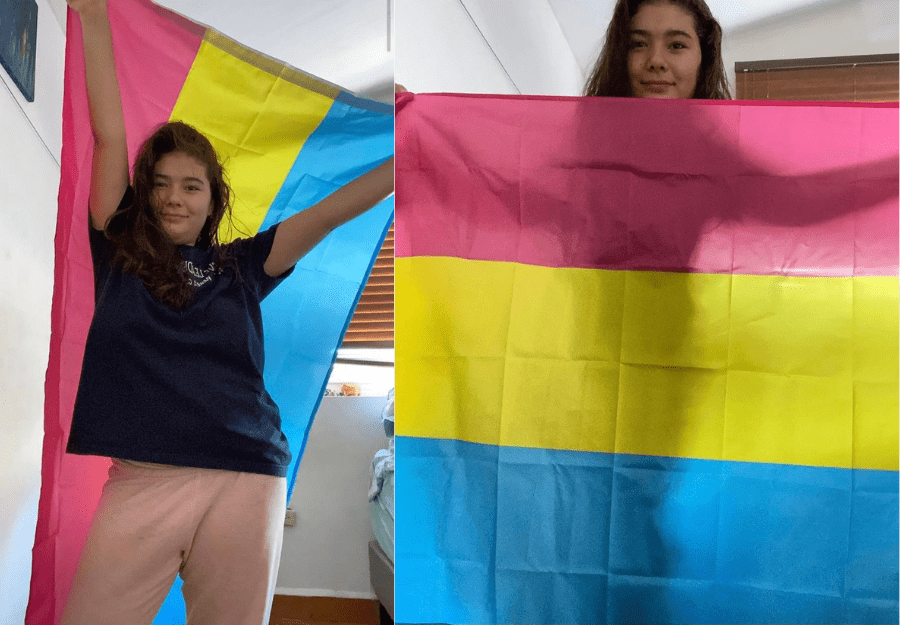
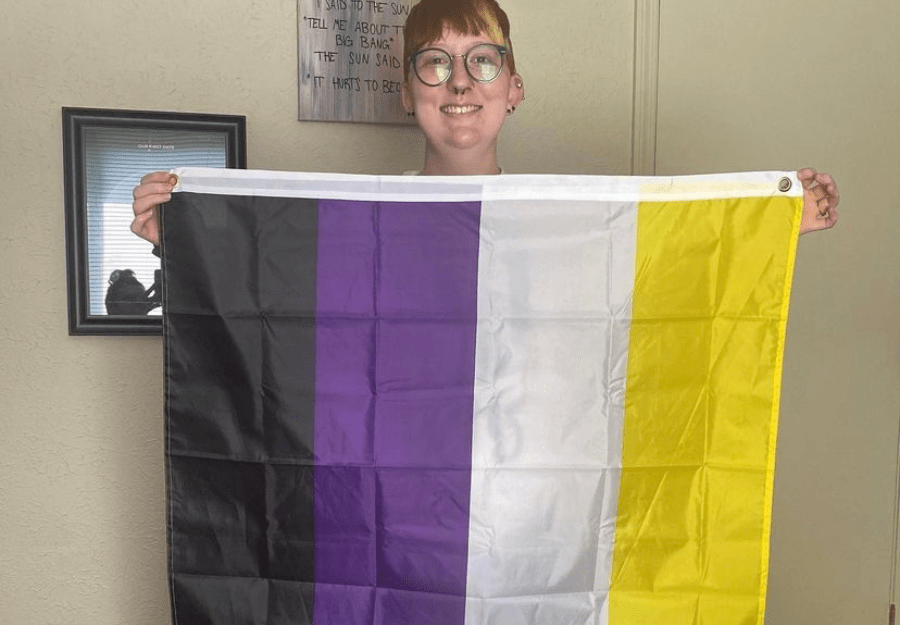
Supporting businesses that uplift the LGBTQ+ community helps create a more inclusive economy. At Pride Palace, we provide safe, affirming spaces where people can express themselves proudly. Want to see real people embracing their pride? Check out our Instagram community to see inspiring stories of LGBTQ+ visibility and self-expression.
Join the Movement for LGBTQ+ Health
LGBTQ+ Health Awareness Week is a reminder that healthcare should be accessible, affirming, and free of discrimination. While we fight for change, it’s also important to take care of ourselves and support one another. To learn more about how political changes—like the attack on DEI programs—are affecting LGBTQ+ health, check out our latest blog post: The Termination of DEI Programs: Implications for the LGBTQIA+ Community. Together, we can create a future where LGBTQ+ health is a priority—not an afterthought. Stay proud, stay strong, and take care of yourself.
























































































Comments
Many times, those of us in the medical care arena DO educate our colleagues on LGBTQ+ concerns and fears of discrimination. Those colleagues who are not interested in being educated, solidify their biases, and view lifestyles other than heterosexual as wrong and despicable, I prefer they NOT care for my LGBTQ+ patients!
However, I also don’t appreciate my LGBTQ+ patients lying to me about their substance use (alcohol or drug), and the potential of adverse effects can be heightened when “withdrawal” or “combined use” occur!
Give me a chance to prove myself! I don’t retaliate, I only make recommendations. It’s their life, do what they want with it, but check your anger at the door when you come to me with health issues! All lives matter, and genetics play a part in development of some health issues, but social habits often play a larger role!
Fortunately, I’m employed by a healthcare provider that embraces the LGBTQ+ community. Everyone deserves to be approached with respect, maintain one’s dignity, and have open dialogue about concerns, fears, diagnostics and recommended treatment modalities. However, it has to be a 2-way relationship. I take my oath of “firstly, do no harm” to heart! I visualize my patients as myself — and ask, “what is the minimum I would require?” I get to know my patients as individuals, not a disease, condition, test result, or another number! I ask questions for better clarity of my patient’s wants, needs, goals, and not wants!
Work with us … not against us. Ask questions of us — always ask for a second opinion, or discuss with your insurance provider who are LGBTQ+ providers. It’s your life and health, let’s make both the best possible!