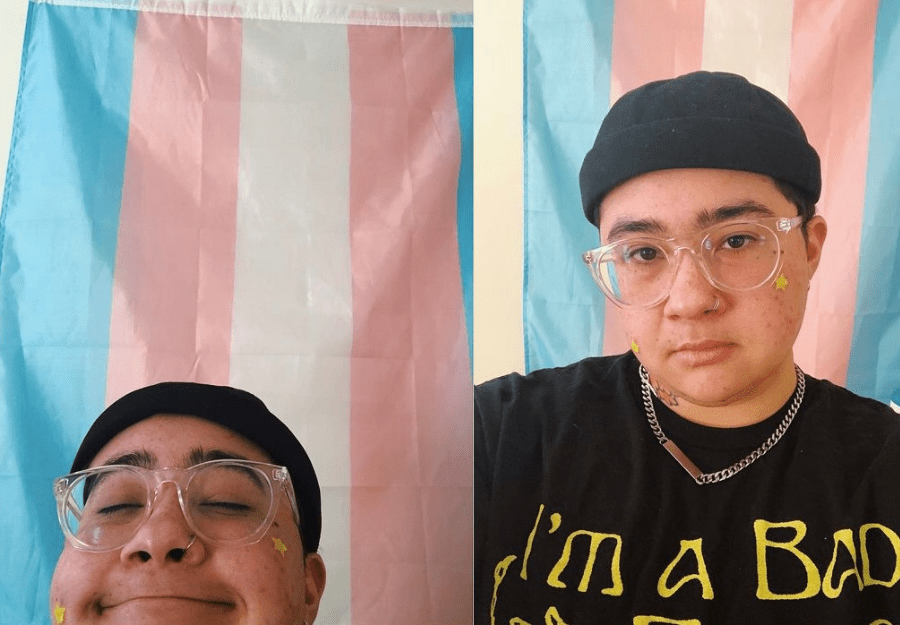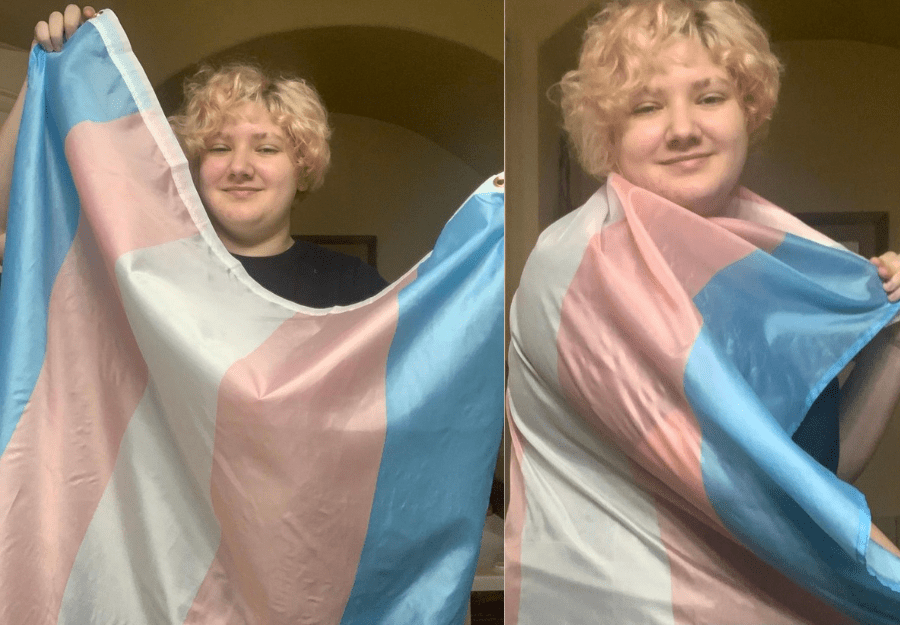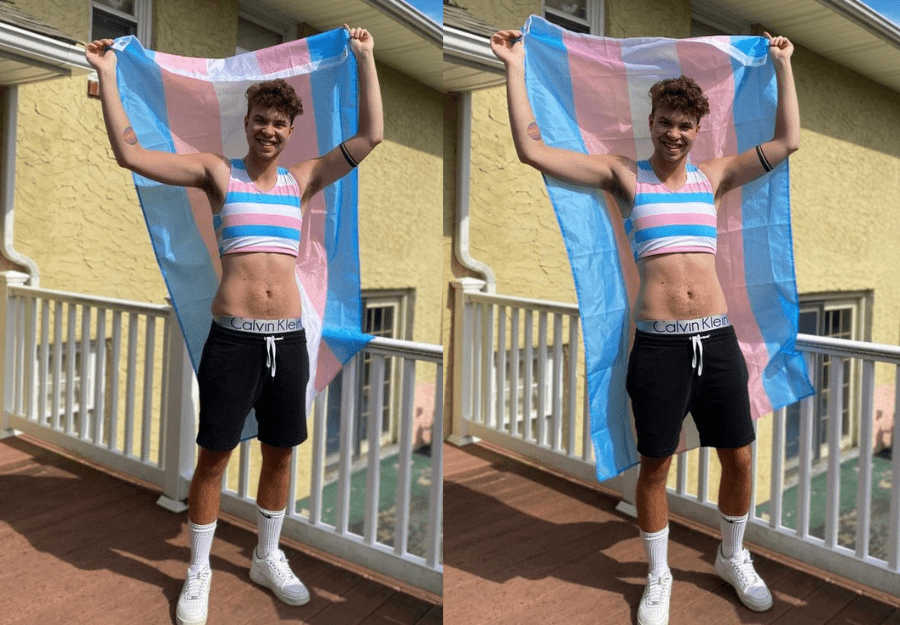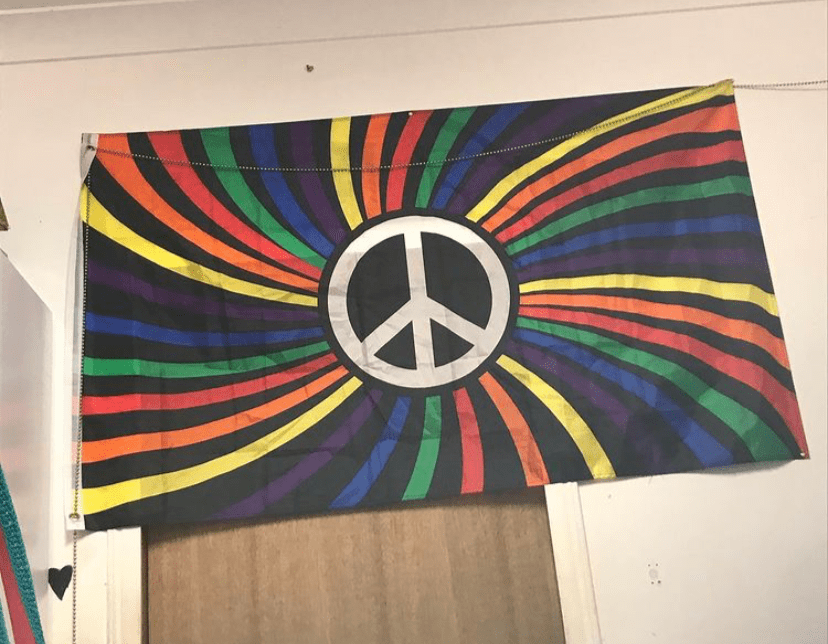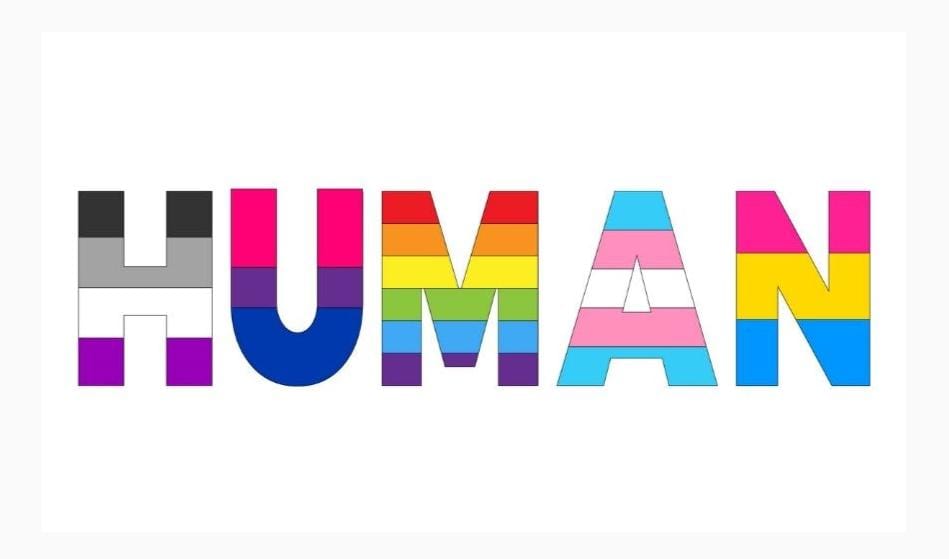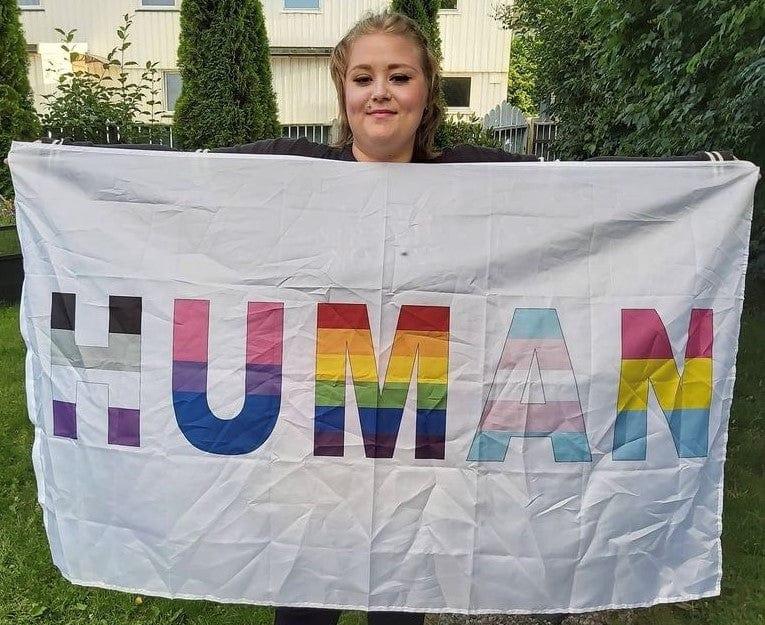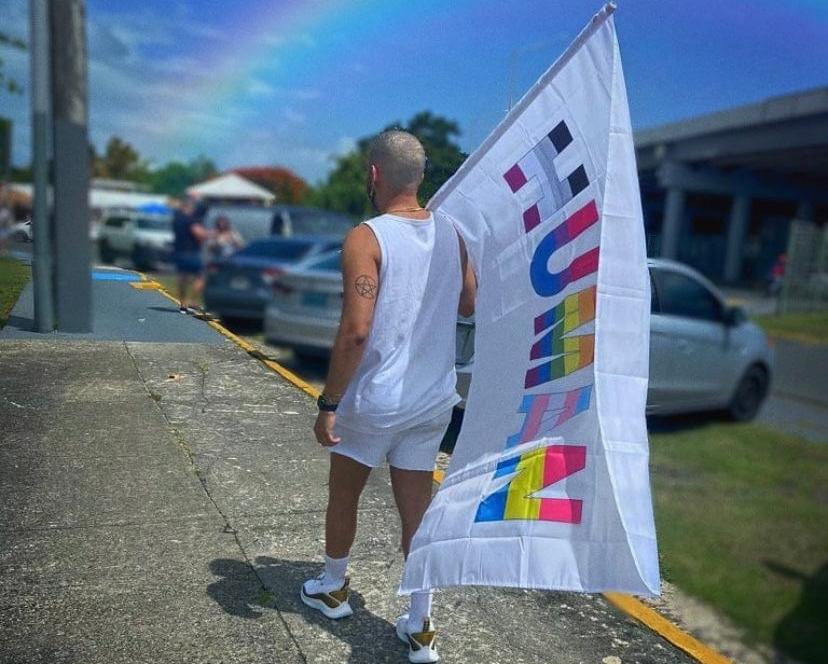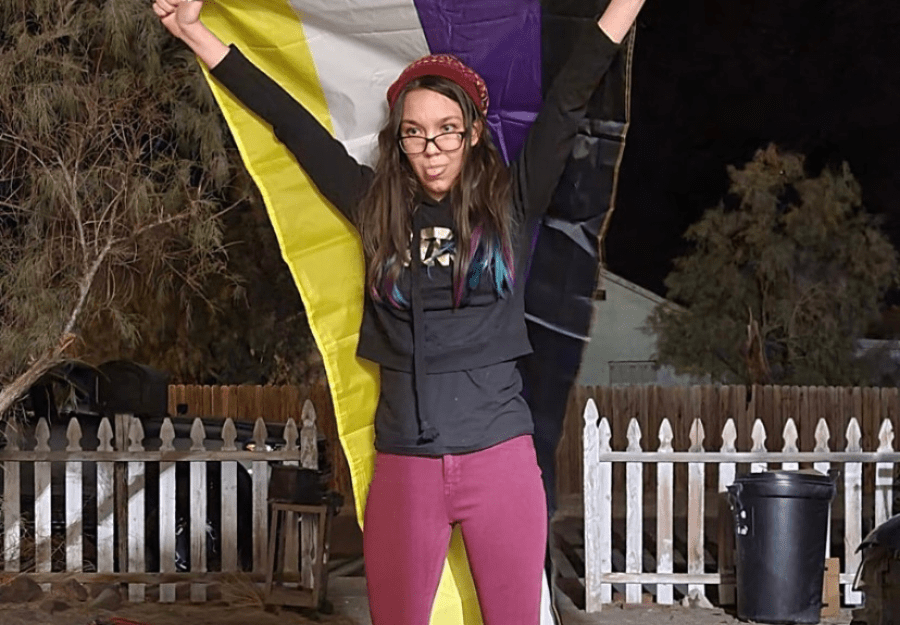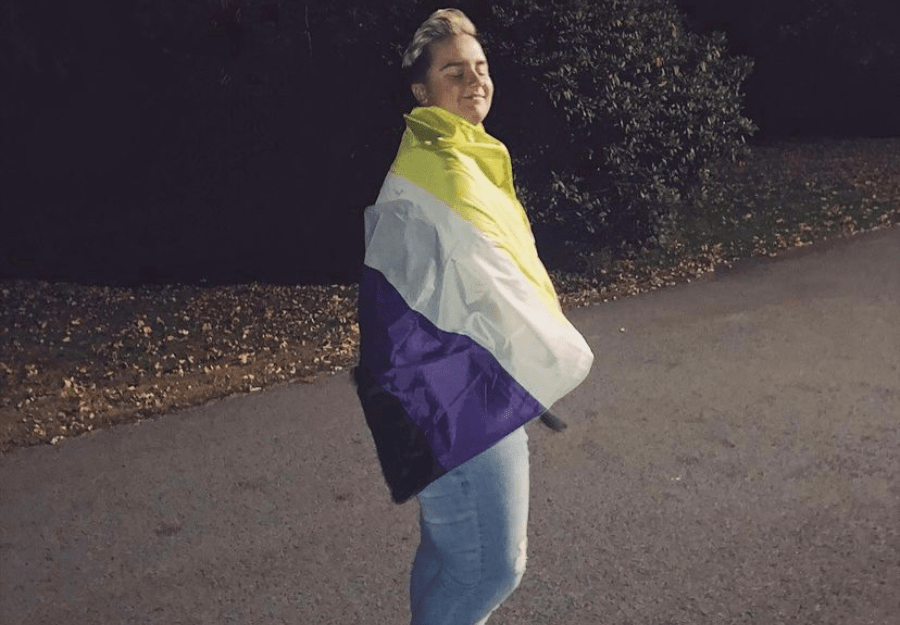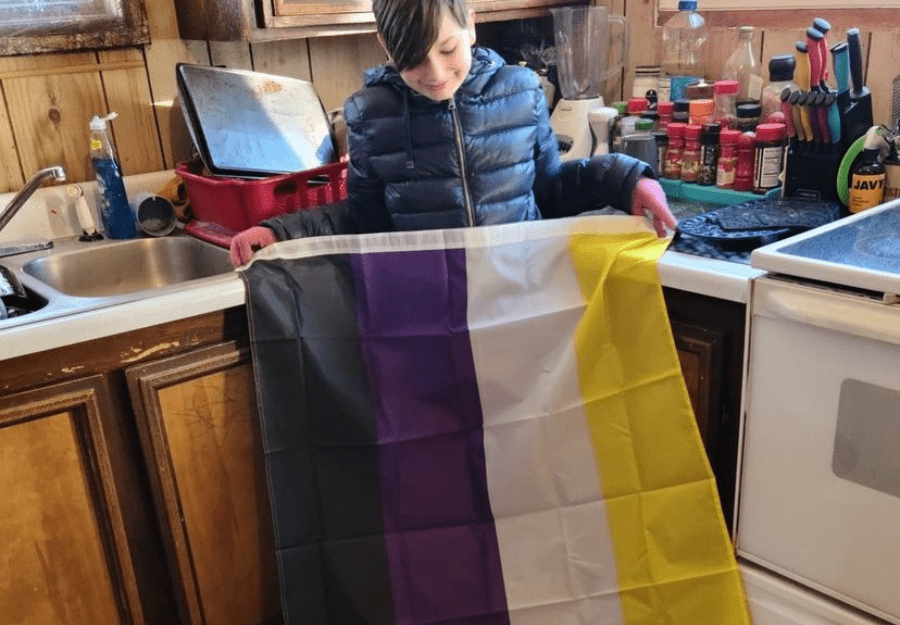

Every December 10th, the world stops to honor Human Rights Day — a reminder that dignity, freedom, and equality belong to every person, without exception. For the LGBTQ+ community, this day carries an especially powerful message: our rights are not “special rights,” political talking points, or subjects for debate. They are human rights.
✨ What Is Human Rights Day?
Human Rights Day marks the anniversary of the adoption of the Universal Declaration of Human Rights (UDHR) in 1948 — a document that states, in its very first article, that all human beings are born free and equal in dignity and rights.
While the UDHR doesn’t explicitly mention sexual orientation or gender identity (it was written long before the modern LGBTQ+ rights movement), its core principles apply universally: no one should face violence, discrimination, or inequality for who they are or who they love.
Human Rights Day is not just about history; it’s a yearly reminder that the fight for equality continues — and that LGBTQ+ people around the world still lack basic protections.
🌈 LGBTQ+ Rights *Are* Human Rights
Every major human rights organization, from the United Nations to Amnesty International, recognizes that LGBTQ+ rights fall directly under the umbrella of human rights. Why? Because the issues LGBTQ+ people face are violations of basic universal freedoms.
We're talking about the right to safety, health care, housing, employment, identity, expression, and family. We're talking about the right not to be criminalized, erased, or punished for existing.
In many countries, same-sex relationships are still criminalized. Transgender people face barriers to legal recognition. LGBTQ+ youth experience homelessness at disproportionate rates. These aren’t “political issues” — they are human rights emergencies.
⚠️ Current Threats and Why Activism Matters
Even in the United States — often assumed to be a safe haven — LGBTQ+ rights are under active attack. Over the past few years, hundreds of anti-LGBTQ+ bills have been introduced in state legislatures, many targeting trans youth, gender-affirming care, and public expression.
Schools, libraries, and even online spaces are becoming battlegrounds. Hate crimes have risen. Trans people, especially trans women of color, continue to face extreme violence and discrimination.
Globally, the situation can be even more severe: • In some countries, being LGBTQ+ is punishable by imprisonment or death. • Many LGBTQ+ refugees flee violence only to encounter new dangers in the asylum process. • Access to health care and legal recognition remains unequal and unsafe.
Human Rights Day serves as a wake-up call: progress isn’t guaranteed. Rights must be protected, defended, and expanded — or they can be taken away.
💪 How You Can Support the Fight
Supporting LGBTQ+ human rights doesn’t require being an activist full-time — small, consistent actions make a real difference. Here are meaningful ways to show up:
1. Stay informed. Follow trusted LGBTQ+ organizations and human rights groups that track legislation and global issues.
2. Speak up. Whether online or in person, silence helps oppressive systems thrive. Using your voice matters.
3. Support LGBTQ+ creators and businesses. Visibility and economic empowerment strengthen the community.
4. Donate or volunteer. Groups like the Trevor Project, ACLU, and Human Rights Campaign rely on community support to continue their work.
5. Vote. Local elections matter — many policies affecting LGBTQ+ people originate at the state level.
Human Rights Day is a reminder, not just a celebration. It calls us to protect each other, advocate fiercely, and refuse to accept anything less than equality — today and every day.