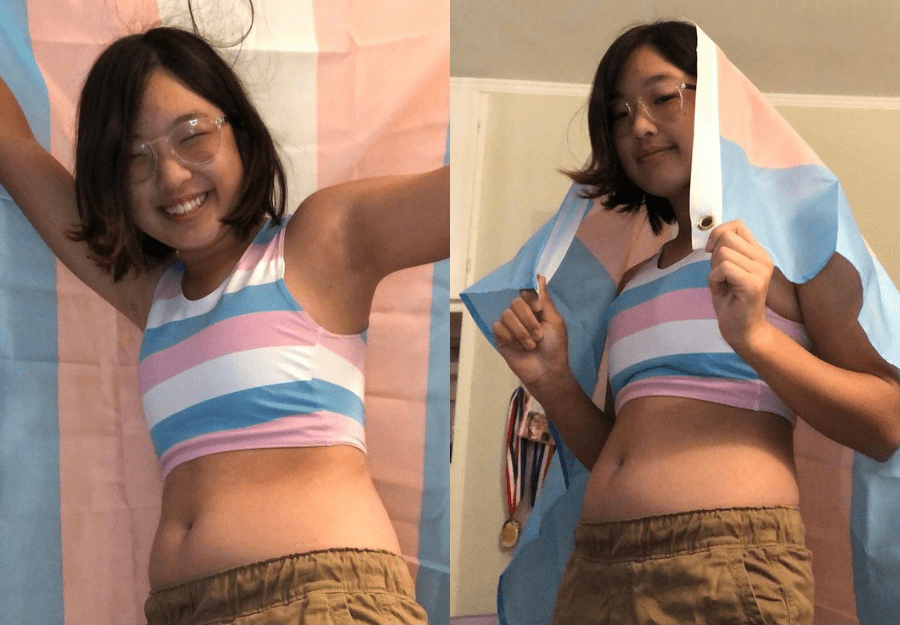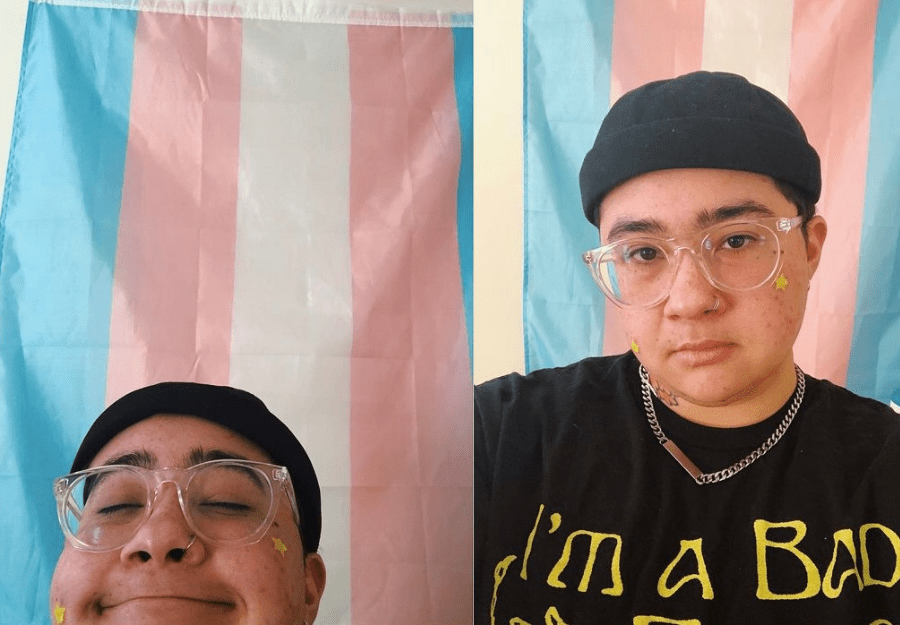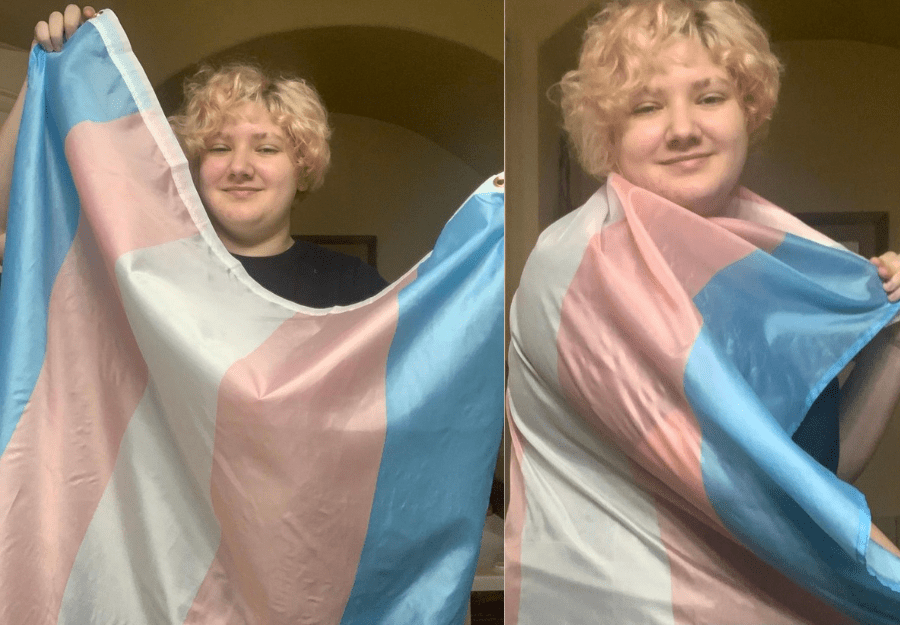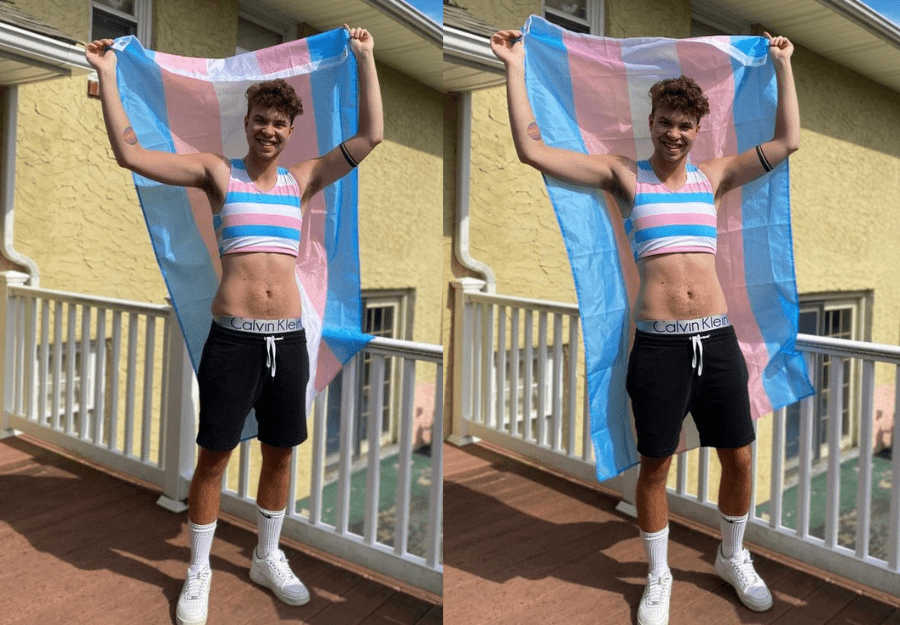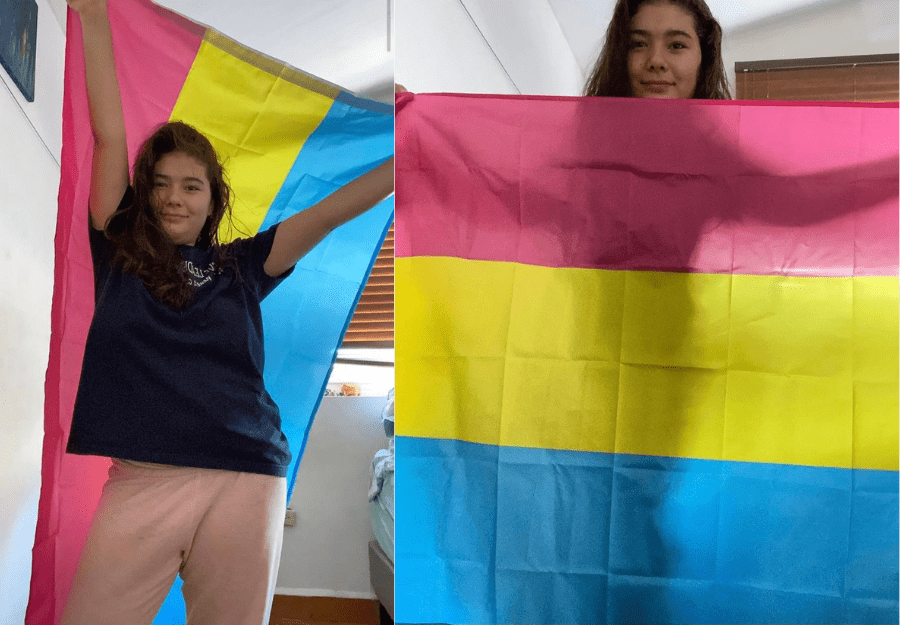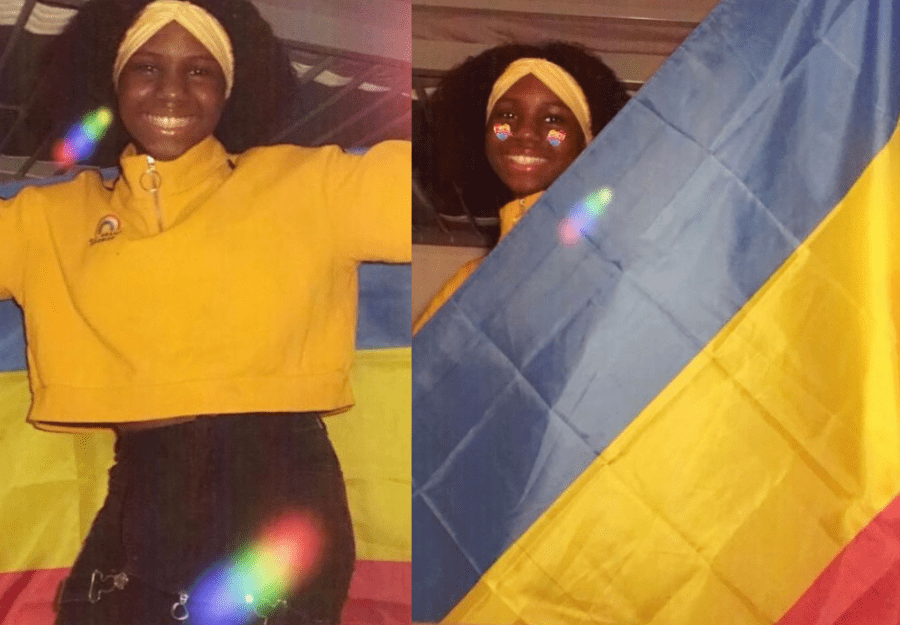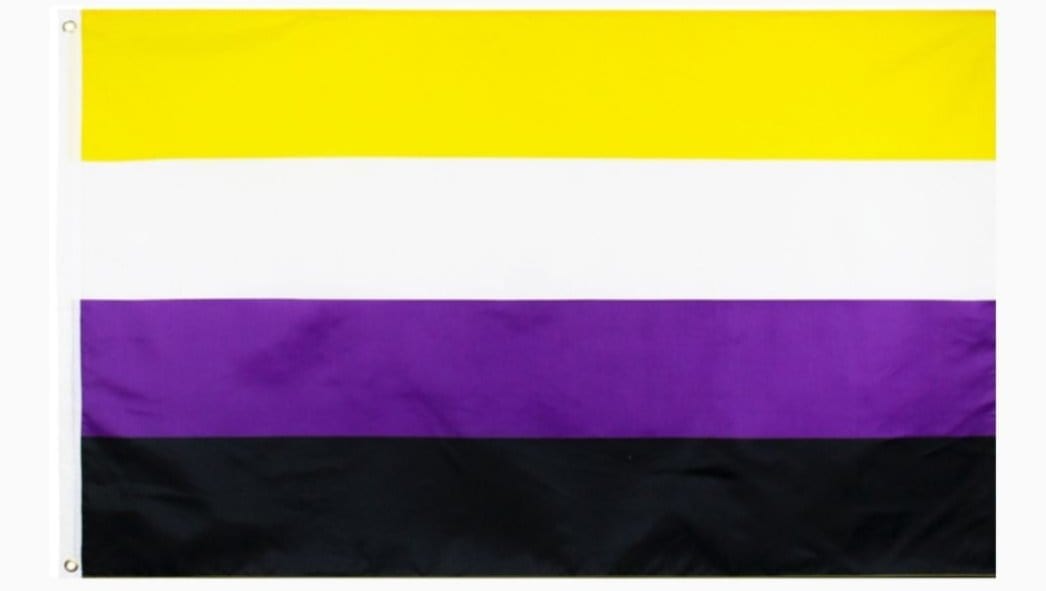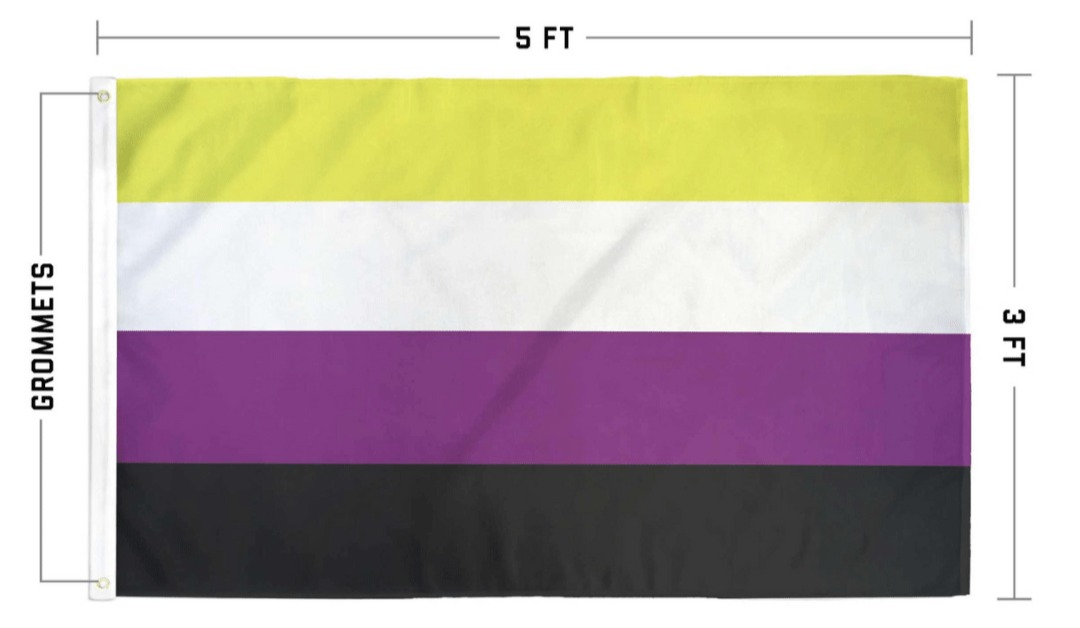

For a long time, gender was understood as something simple and fixed: you were either male or female. However, for many people, that definition has never fully reflected their lived experience. Today, more conversations around identity have helped us understand that gender is not a strict binary, but a broad spectrum that includes a wide range of identities, expressions, and ways of existing. Recognizing this is not about changing reality, but about better understanding it and creating space for people to be who they truly are.
If you're new to these ideas, it can feel overwhelming at first, especially with so many terms and identities being discussed. A helpful starting point is learning the basics, which you can explore in our guide on LGBTQ+ Terms Everyone Should Know. From there, it becomes easier to see how different identities fit within the broader picture of gender as a spectrum rather than a fixed category.
What Does It Mean That Gender Is a Spectrum?
When we say that gender is a spectrum, we mean that it exists across a range rather than within two limited options. Some people identify strongly as male or female, while others may feel that their identity exists somewhere in between, shifts over time, or exists entirely outside those categories. This spectrum includes identities such as non-binary, genderfluid, and agender, among many others. Each of these reflects a unique and valid way of experiencing gender, and none is more “real” than another. The idea of a spectrum simply allows for a more accurate and inclusive understanding of human diversity.
Gender Identity and Biological Sex
One of the most important distinctions to understand is the difference between gender identity and biological sex. Biological sex is typically assigned at birth based on physical characteristics, while gender identity refers to a person’s internal sense of who they are. For some people, these align in a way that feels natural and unquestioned. For others, they do not, and that difference is an essential part of their identity. Recognizing this distinction helps create a more respectful and informed perspective. If you want to better support others, understanding how to use affirming language is key, and you can learn more in our guide on How to Use Correct Pronouns.
Understanding Non-Binary Identities
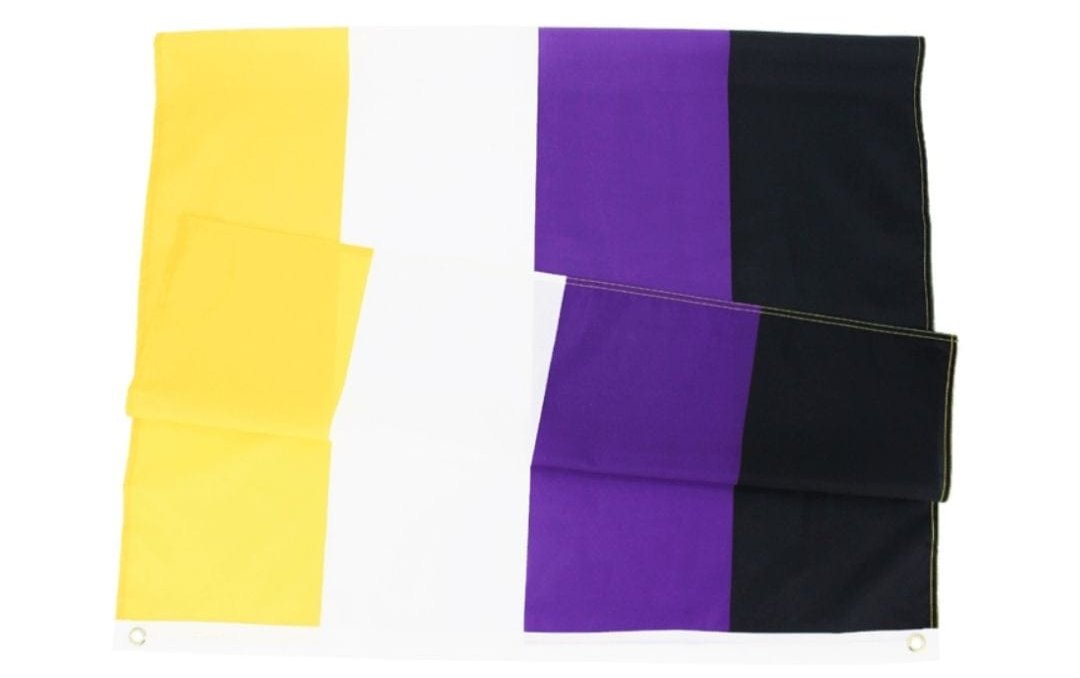
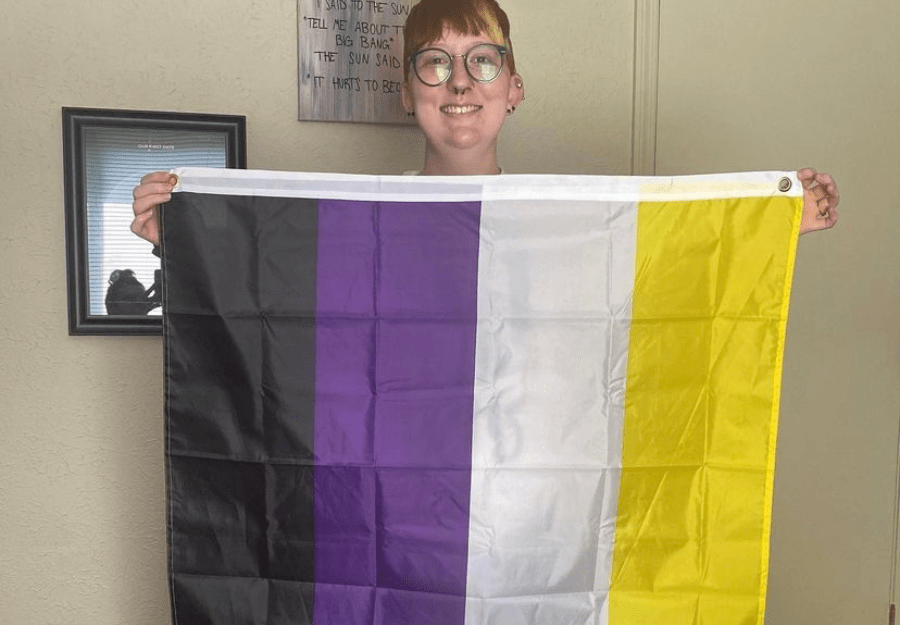
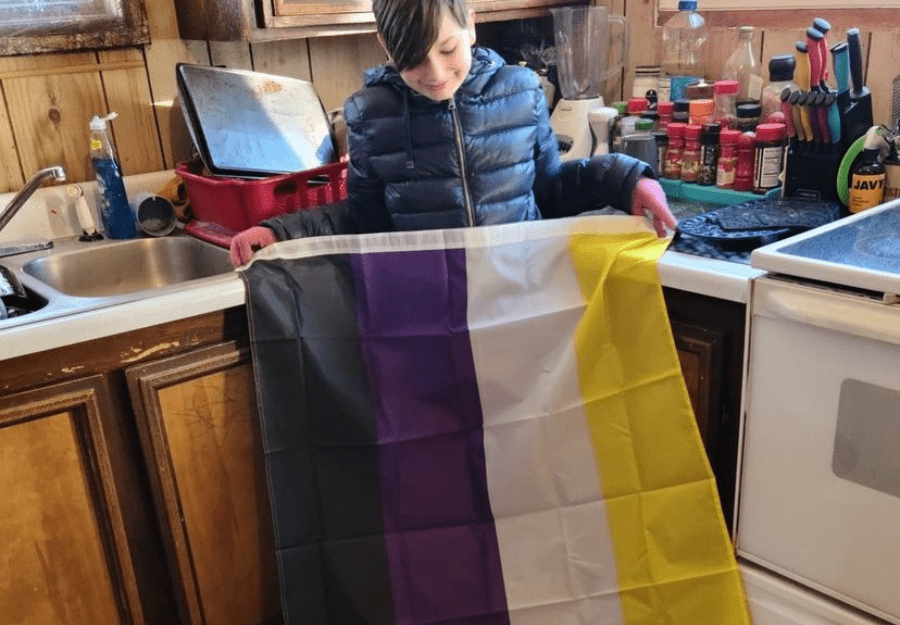
Non-binary is an umbrella term used by people whose gender identity does not fit strictly within male or female categories. This does not mean “both genders,” nor is it a trend or a phase. Instead, it reflects the reality that gender can exist beyond traditional definitions. For some people, being non-binary means existing somewhere between male and female, while for others it means existing completely outside of those categories altogether. What matters most is that each person has the right to define their identity in a way that feels authentic to them.
Gender Expression and Identity
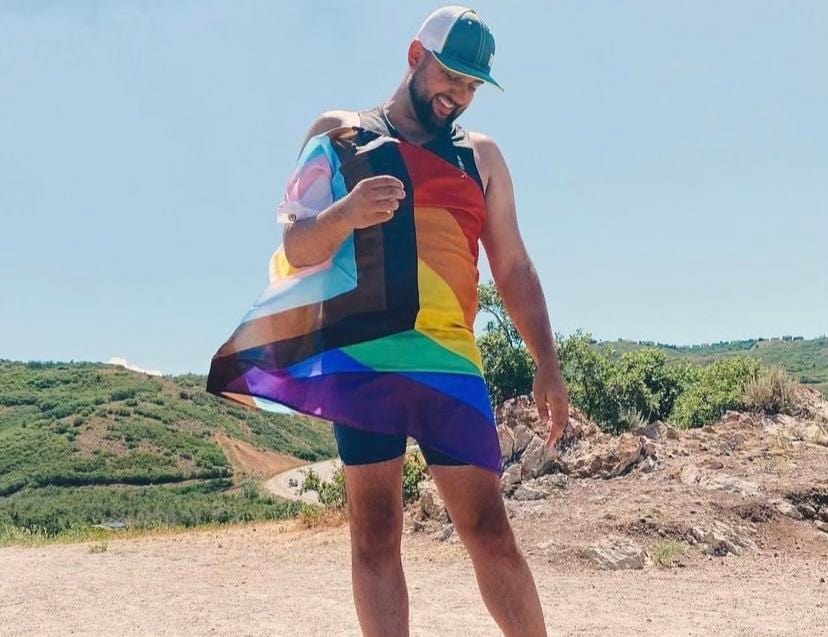
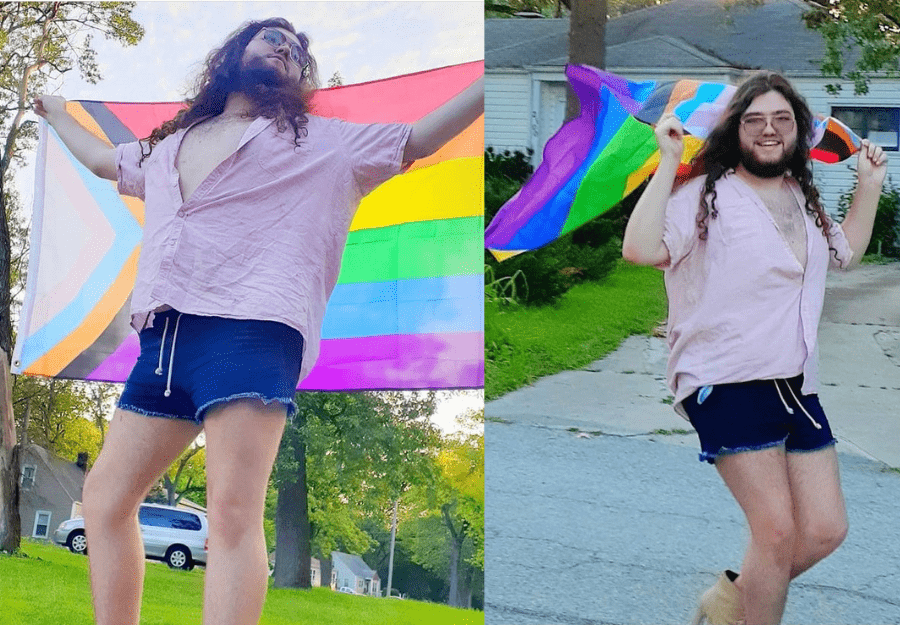
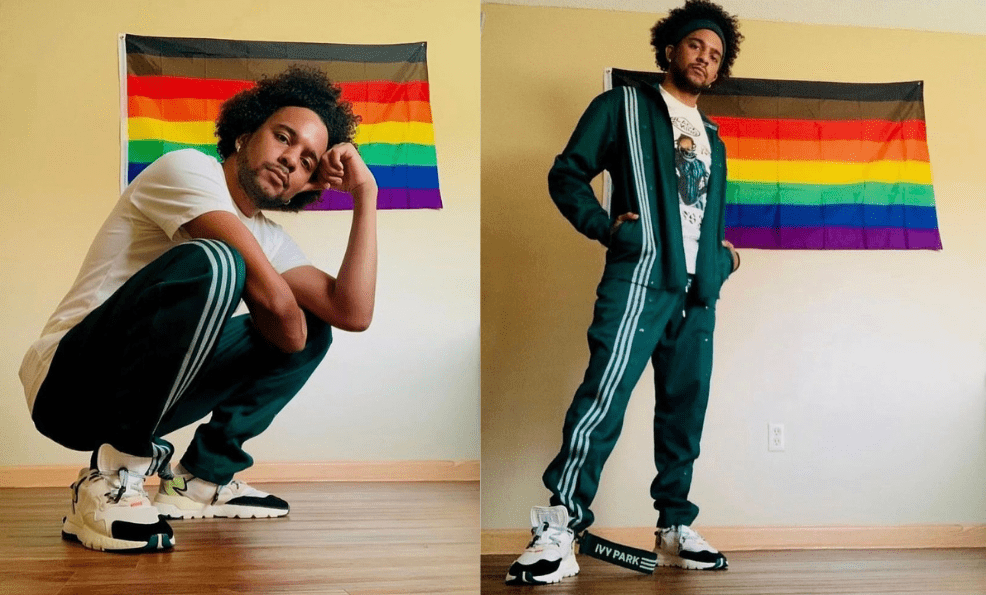
Gender is not only about identity, but also about expression. Gender expression includes how people present themselves through clothing, appearance, and behavior. It’s important to understand that expression does not define identity. Someone can present in a way that society labels as masculine, feminine, or androgynous, regardless of how they identify internally. Allowing people the freedom to express themselves without assumptions or judgment is a key part of respecting the full spectrum of gender.
Why Understanding the Gender Spectrum Matters
Recognizing gender as a spectrum creates space for people whose experiences have historically been ignored, erased, or misunderstood. It allows individuals to exist without being forced into categories that do not reflect who they are. This understanding also helps challenge outdated norms and encourages more inclusive environments in schools, workplaces, and communities. When people are seen and respected, it has a real impact on their well-being and sense of belonging.
Moving Toward a More Inclusive Perspective
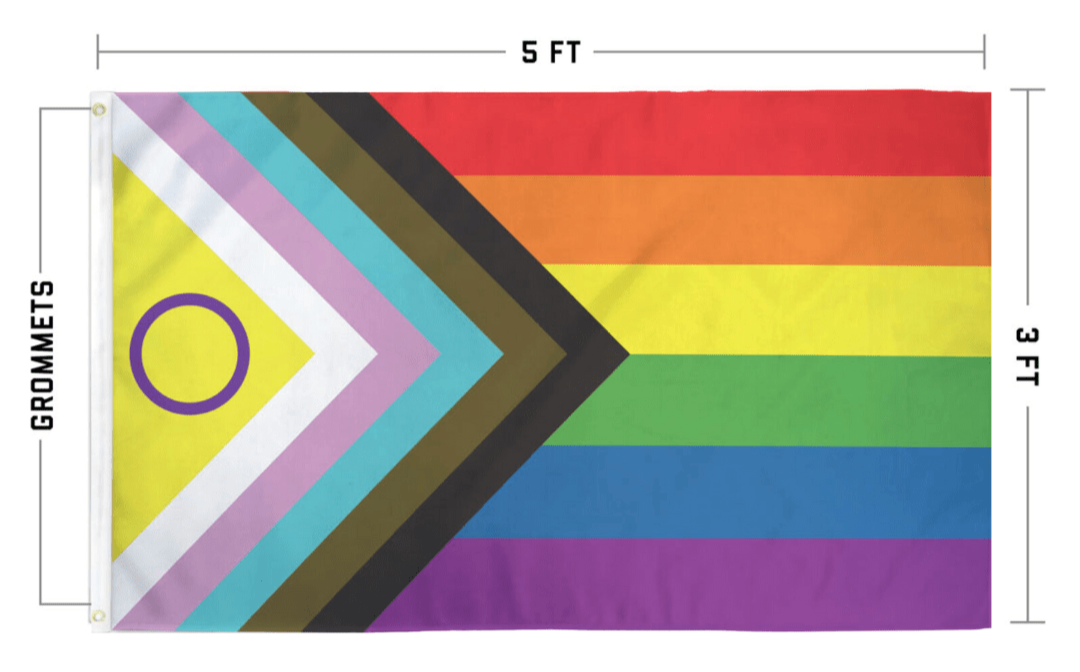
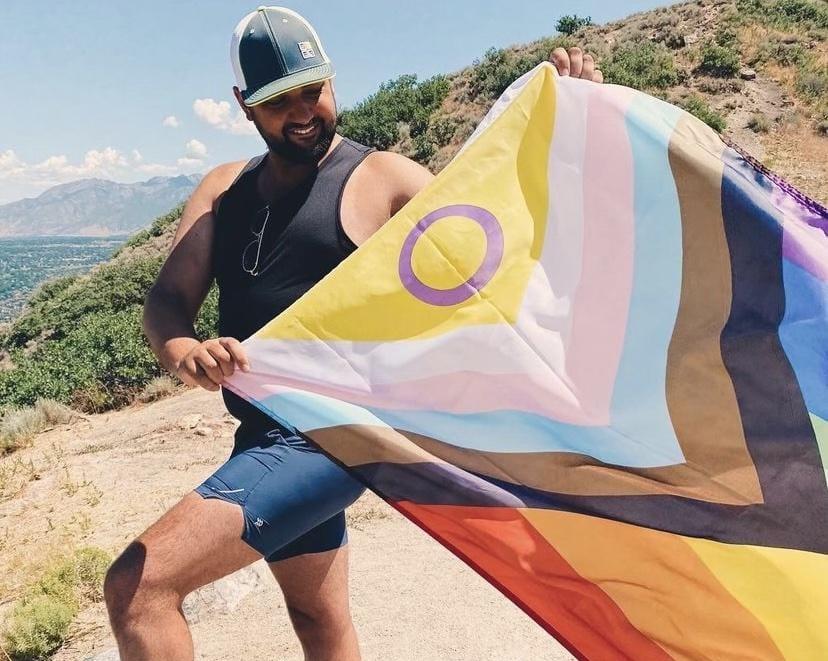
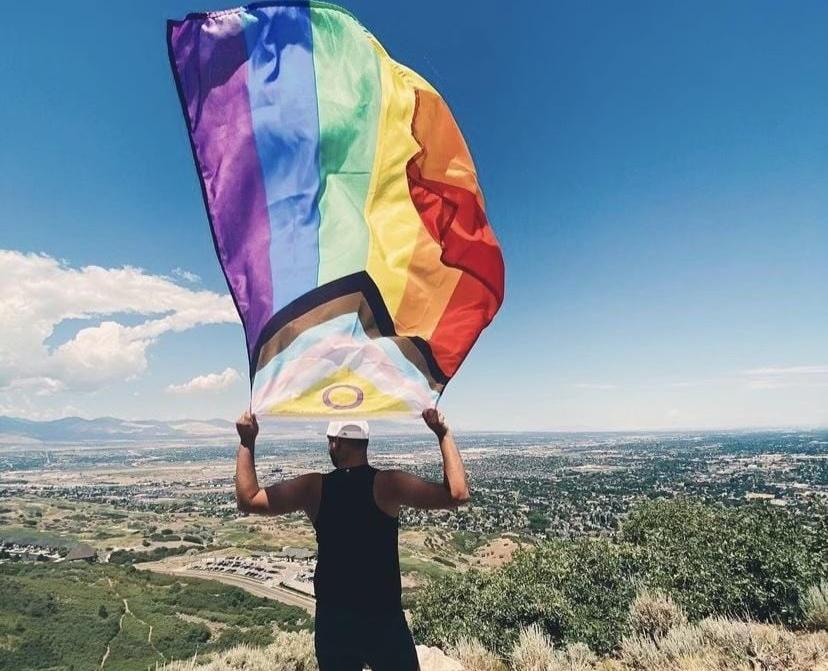
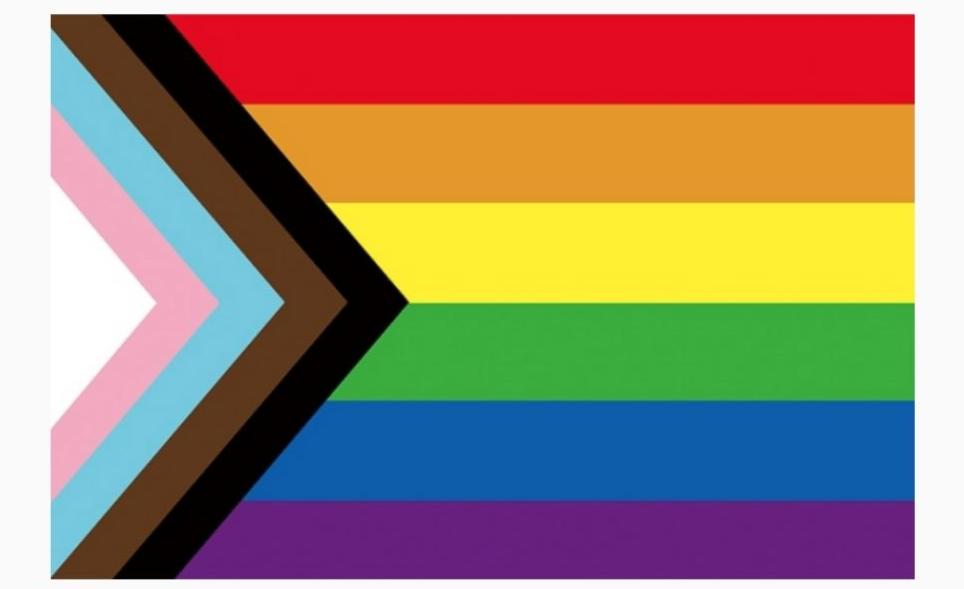
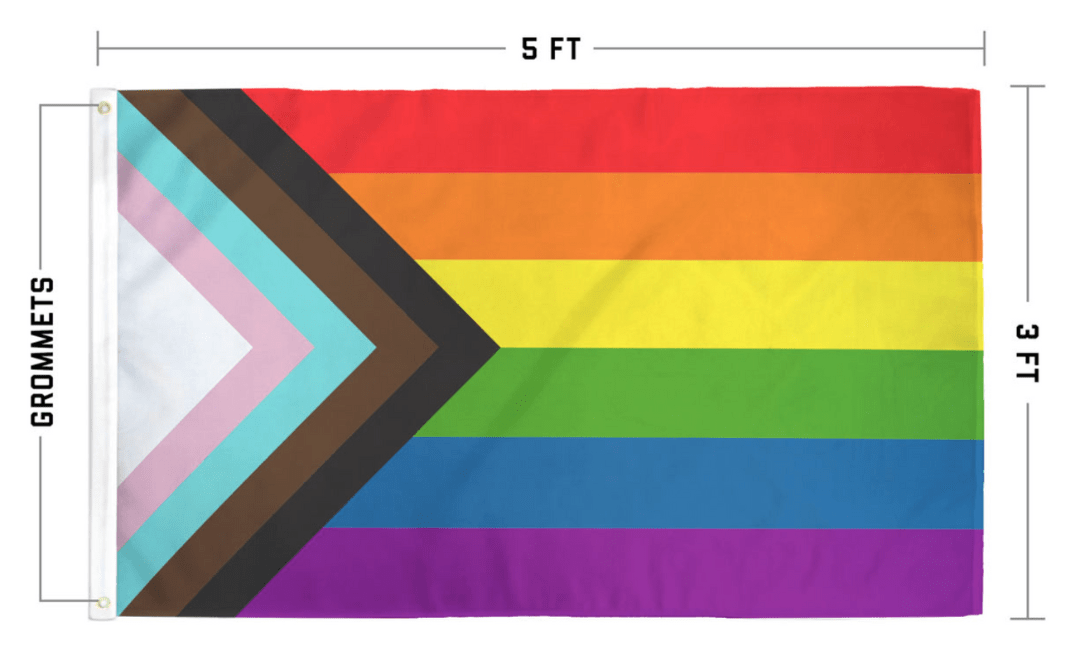
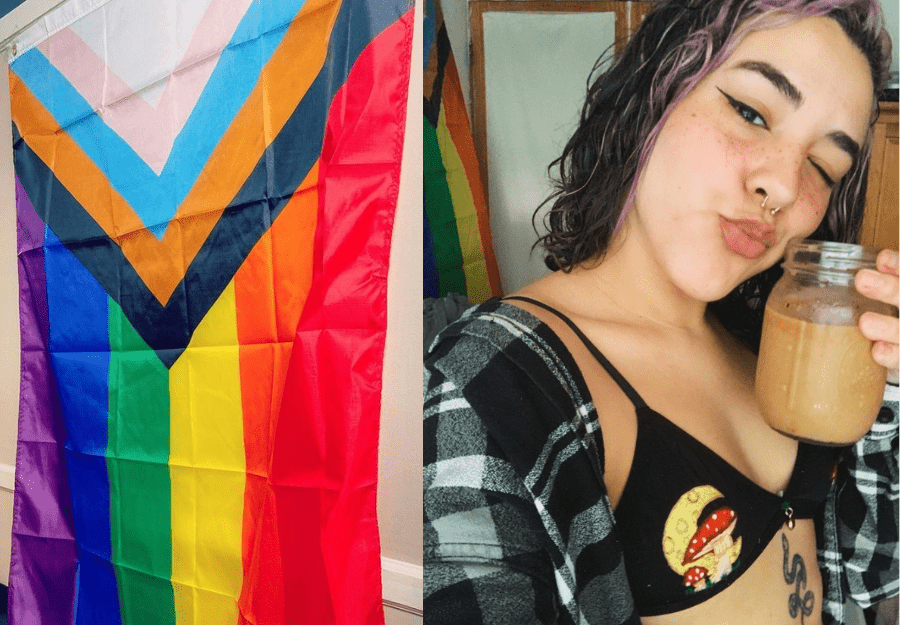
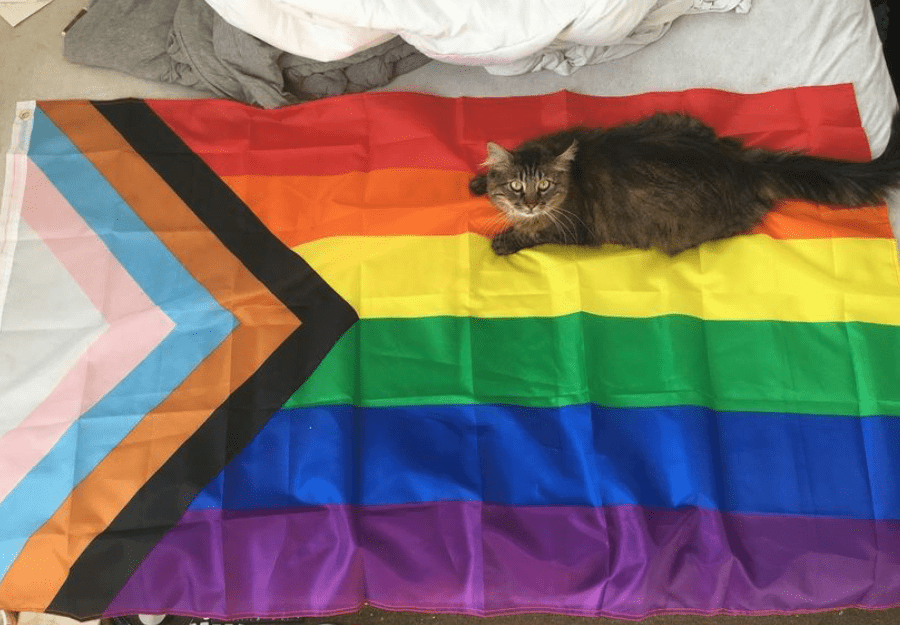
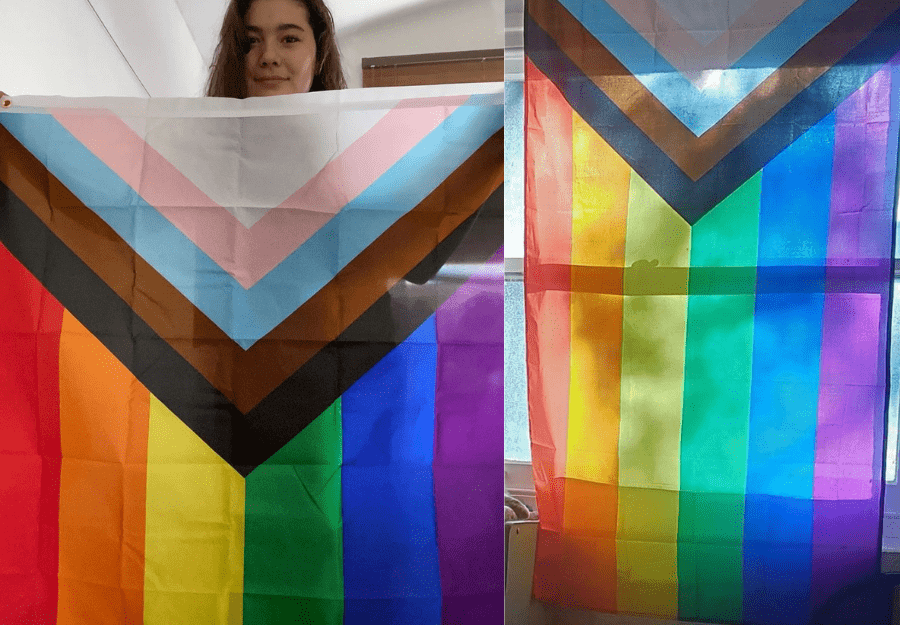
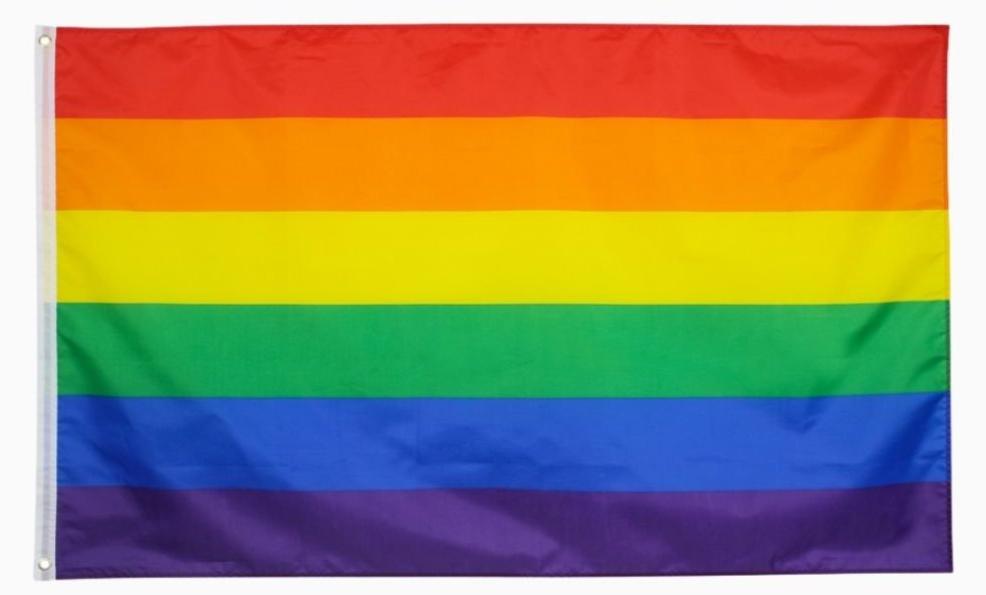
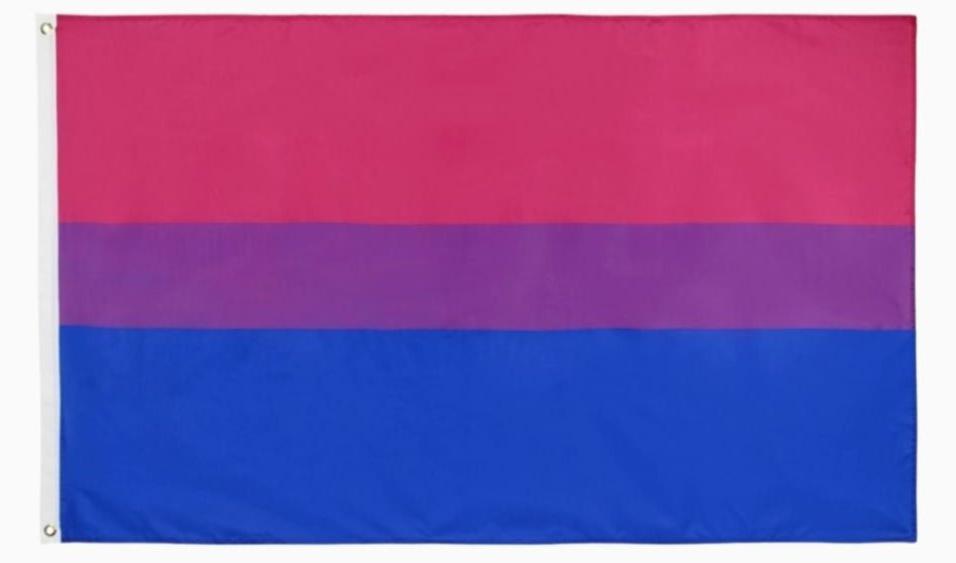
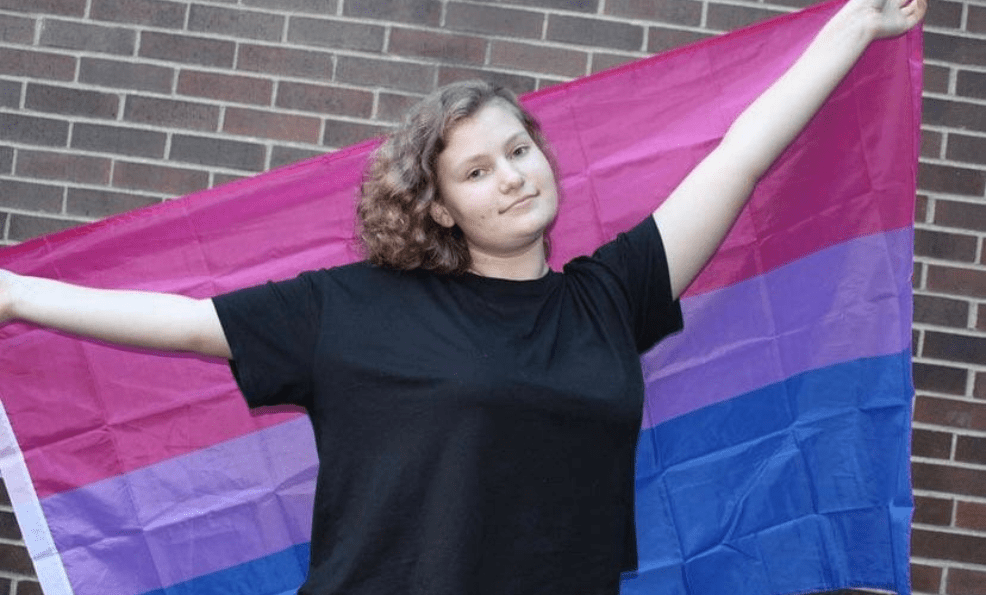
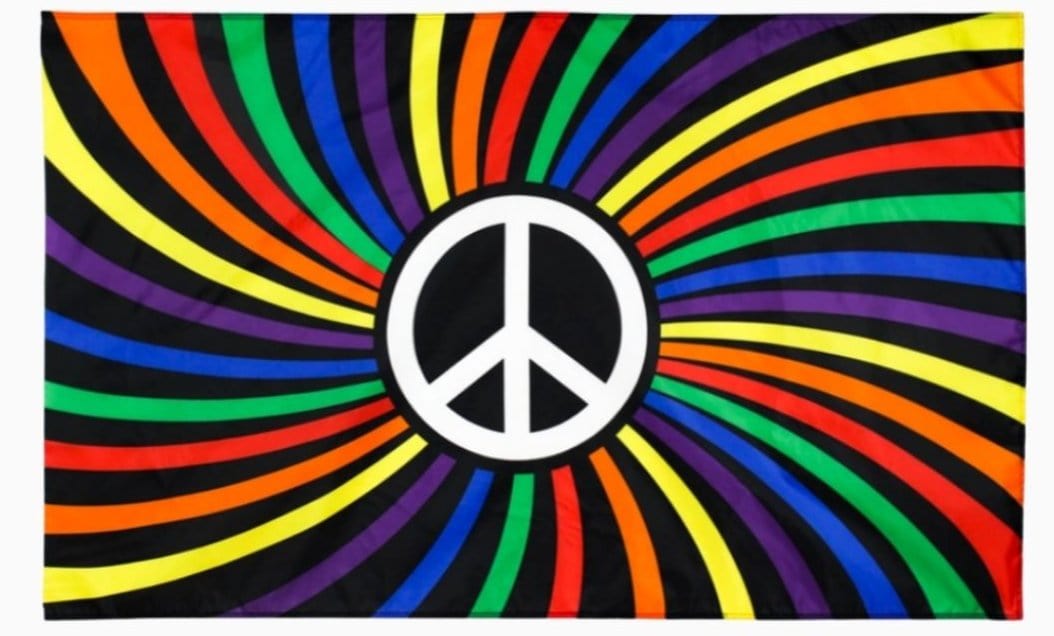
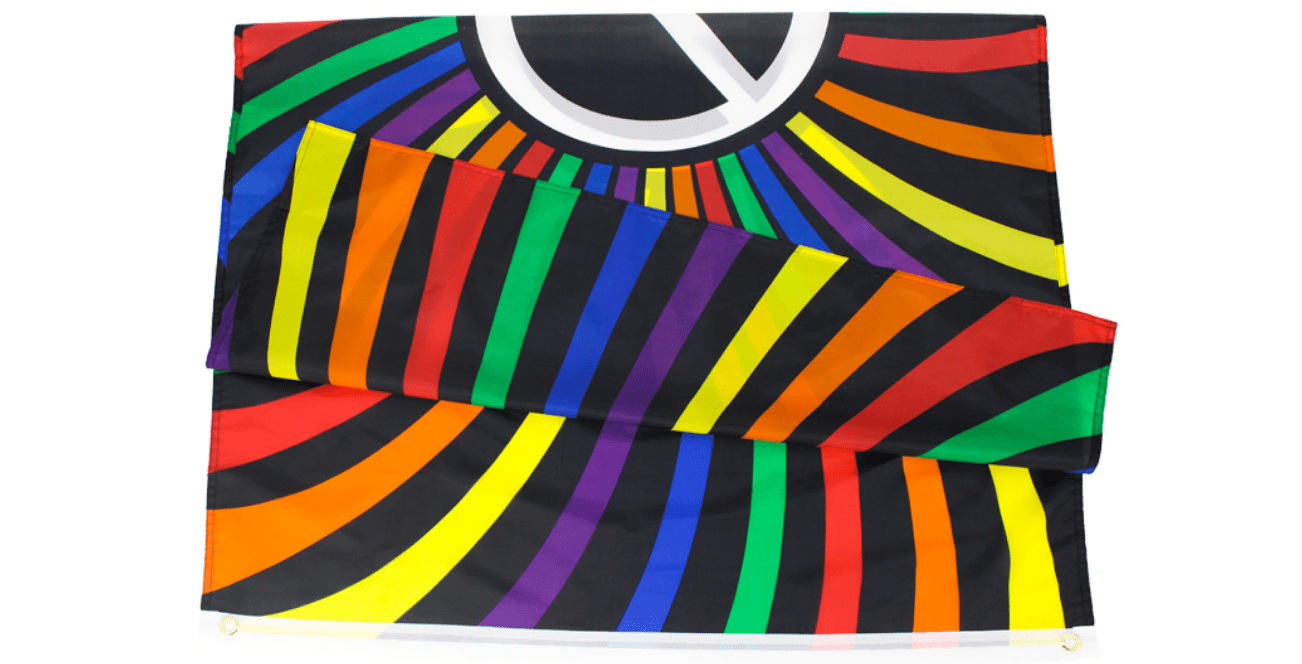
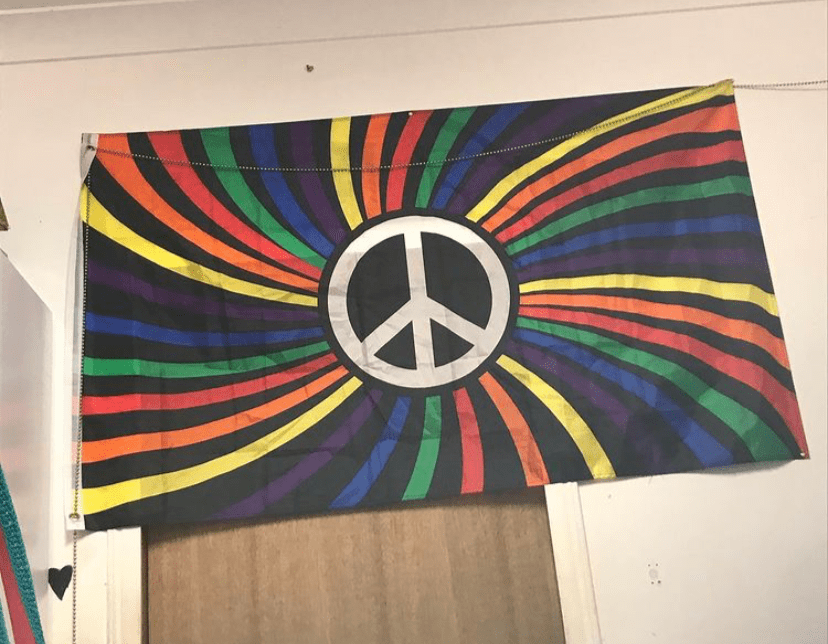
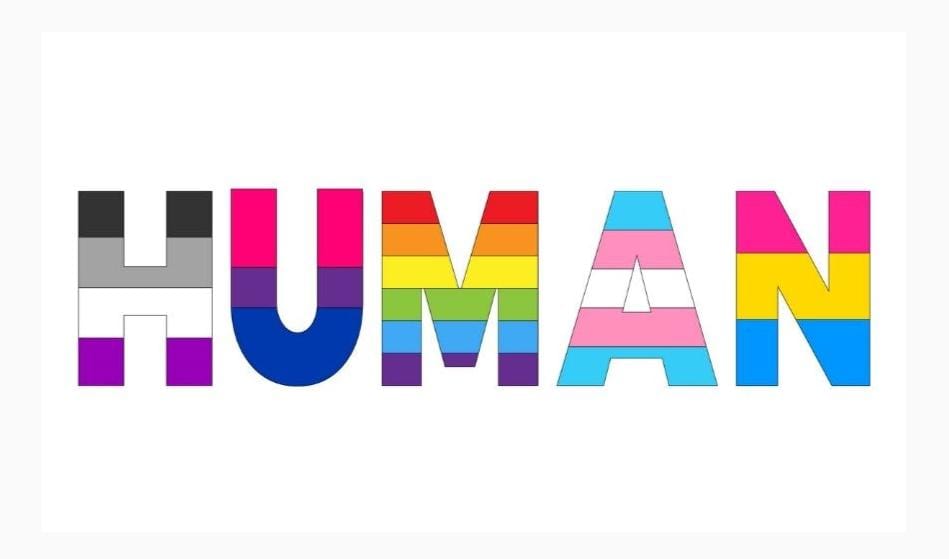
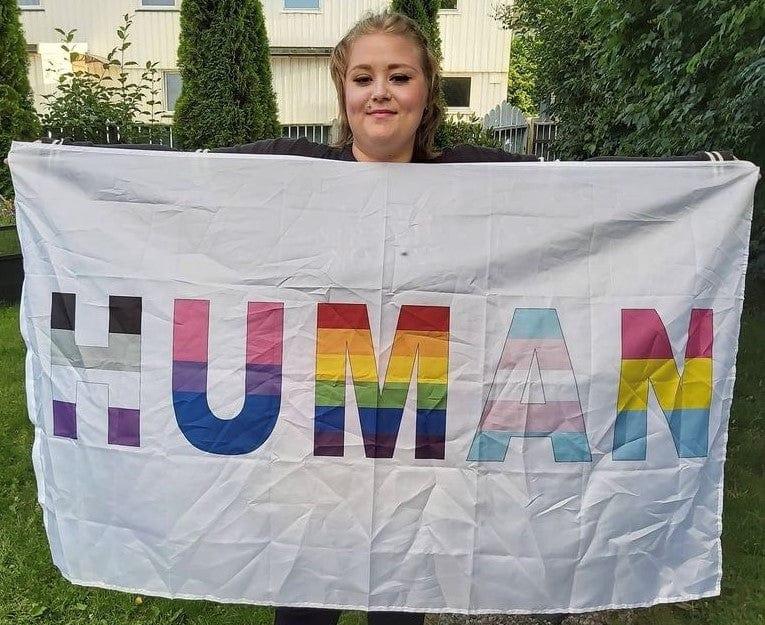
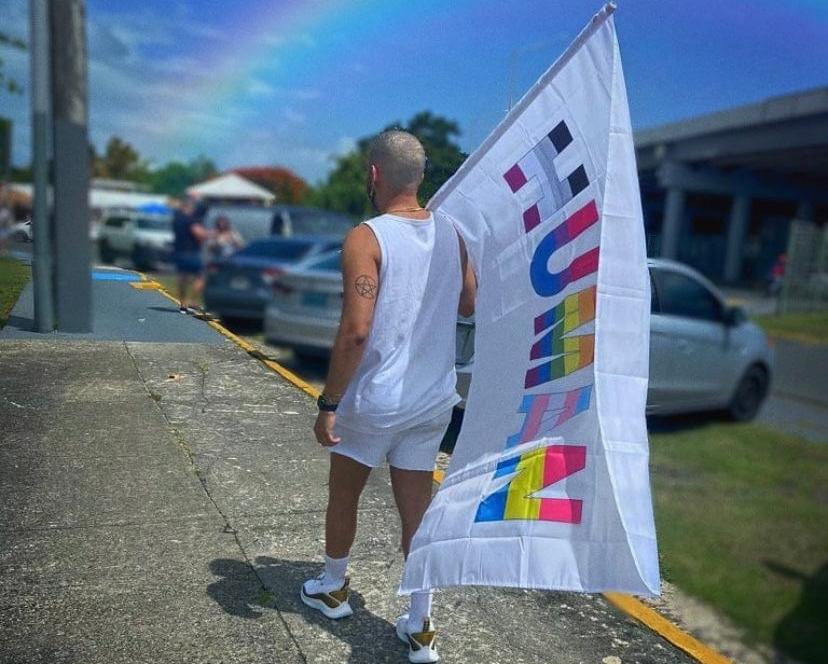
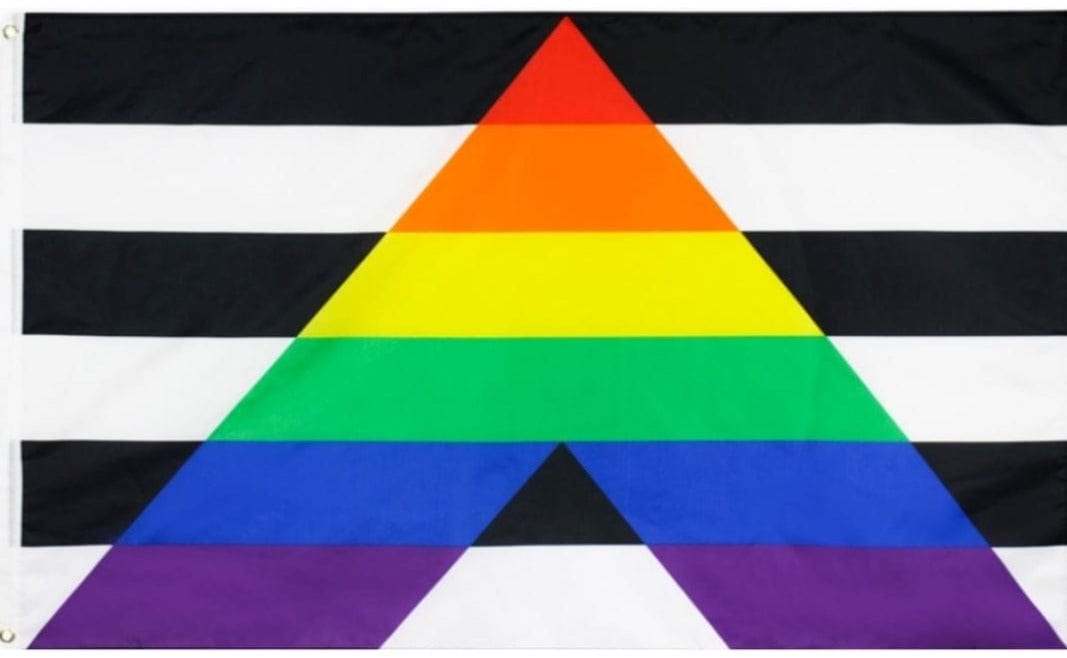
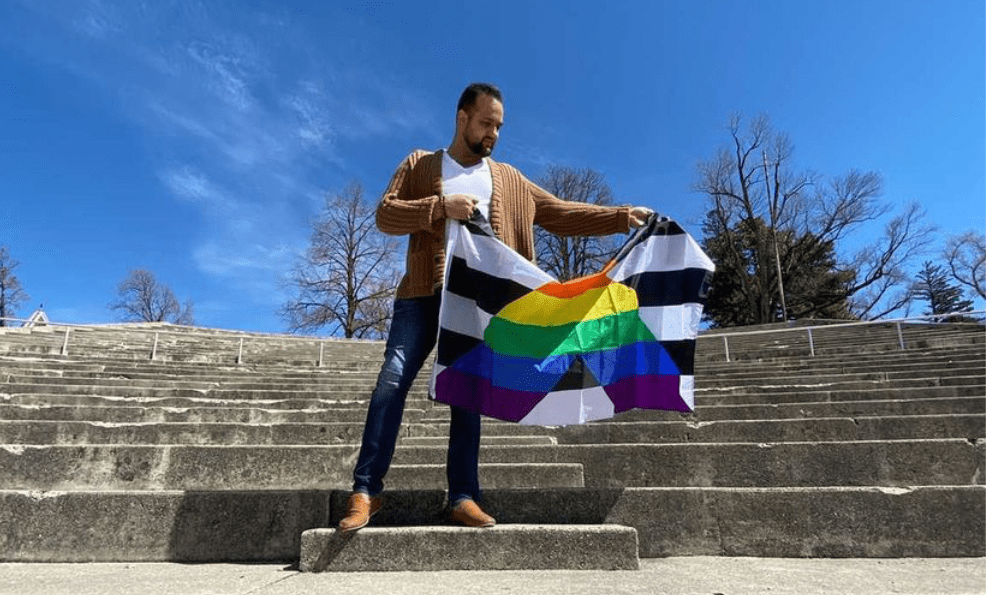
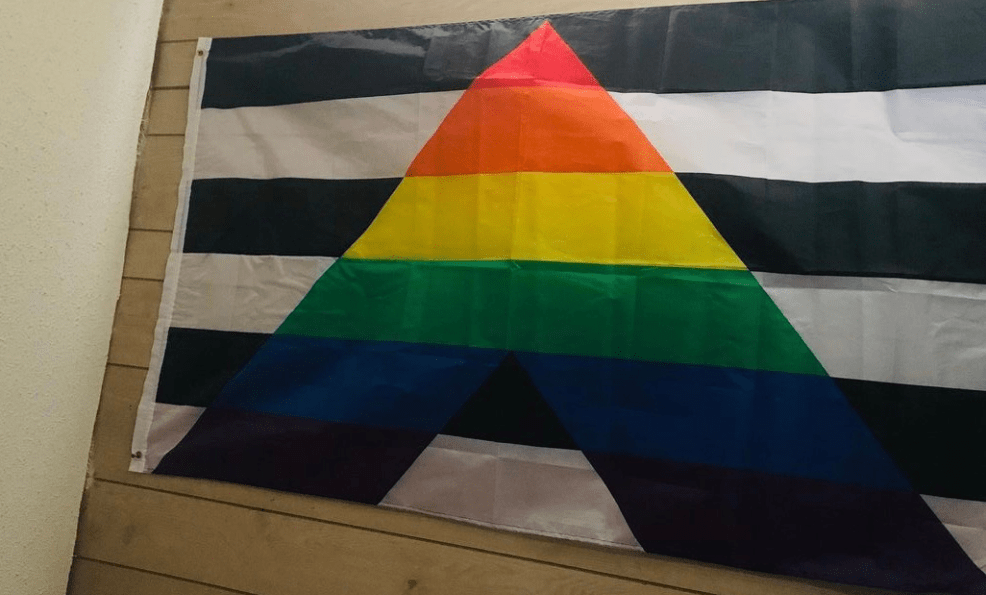
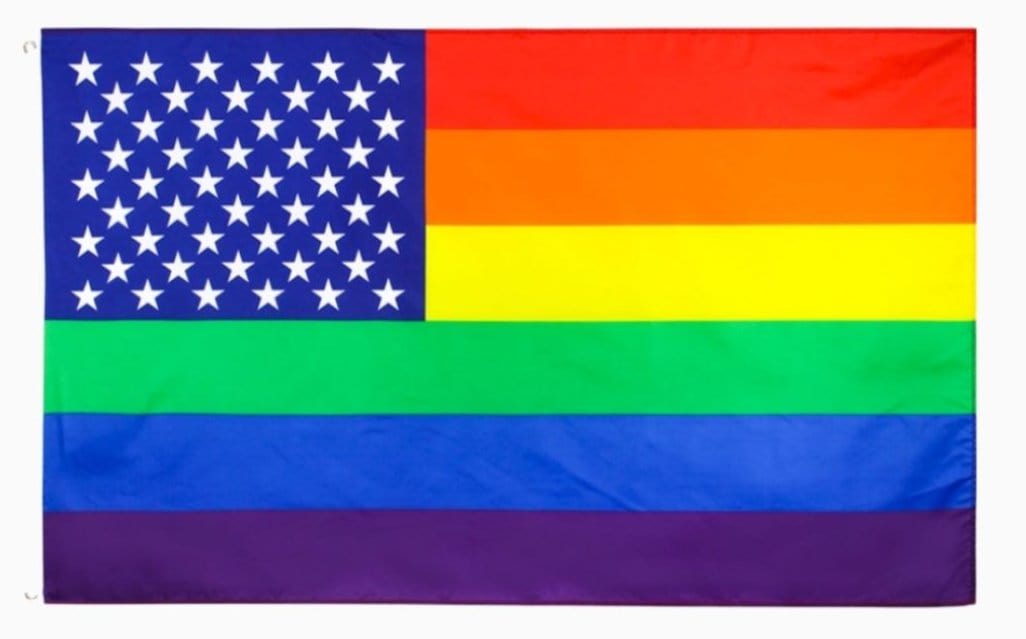
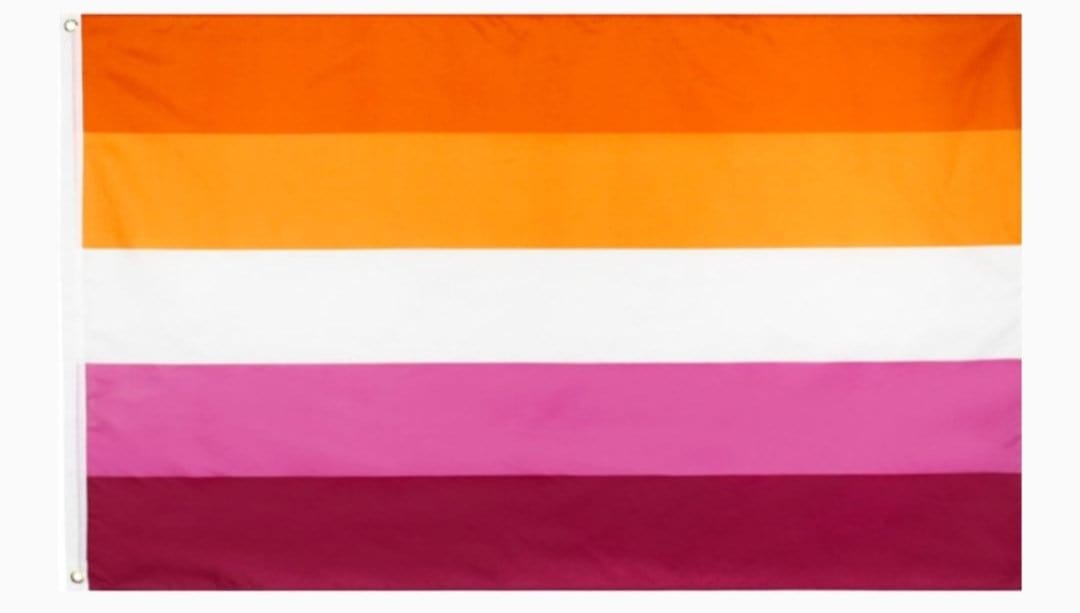
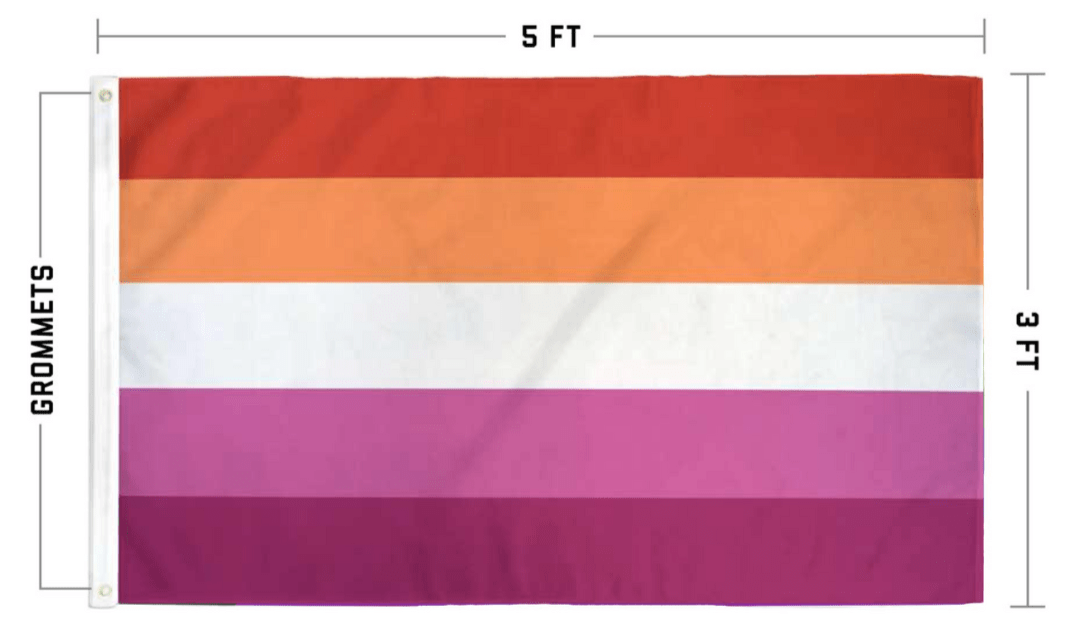
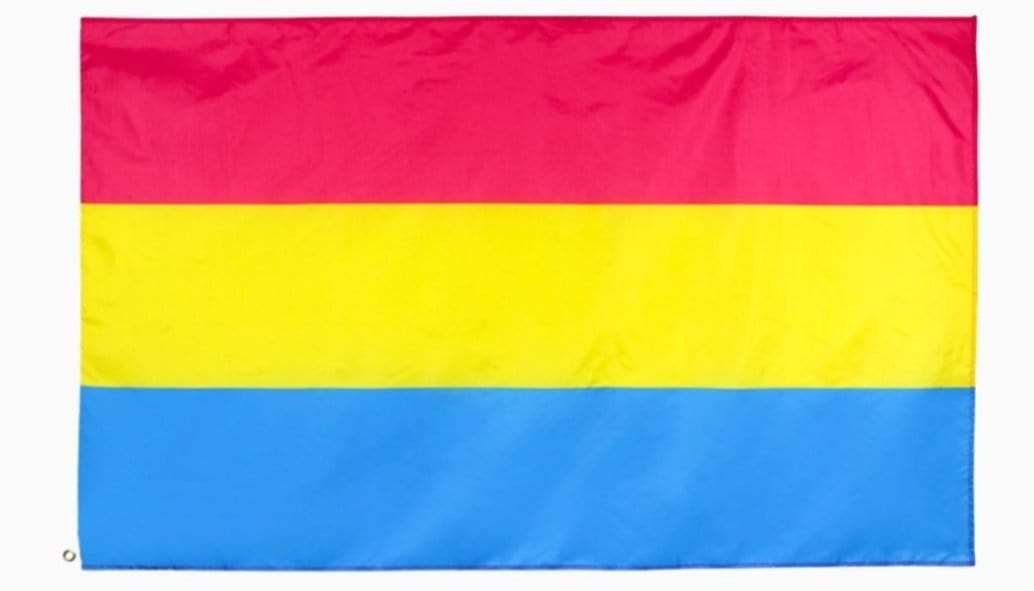
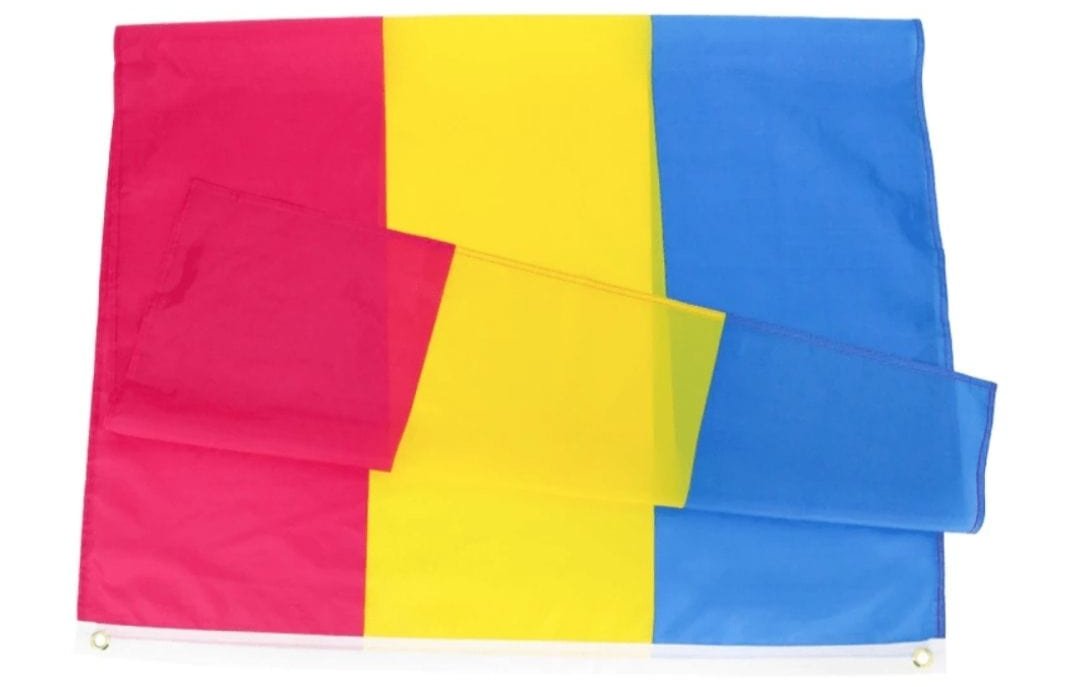
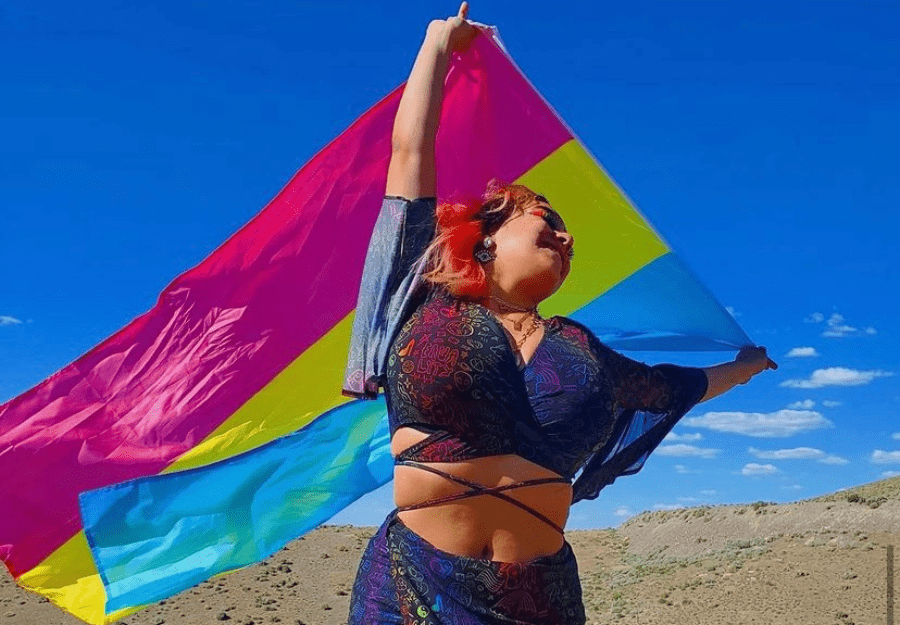
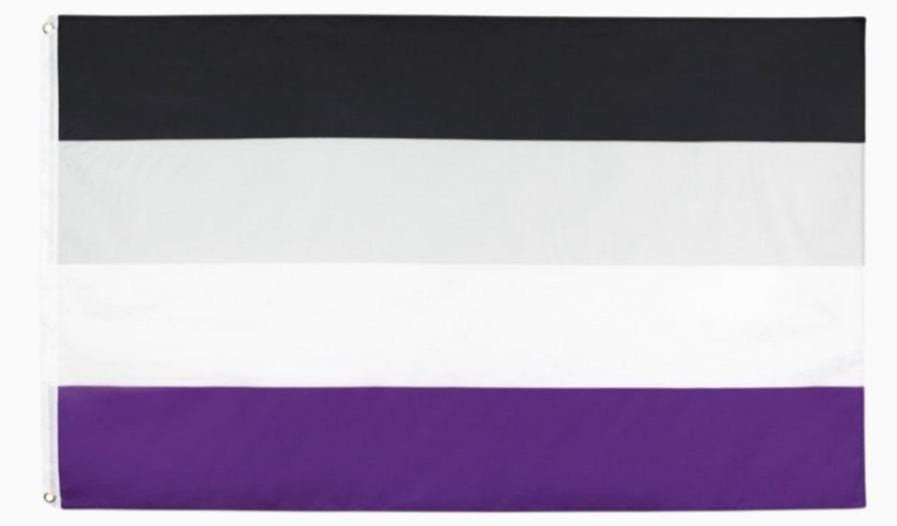
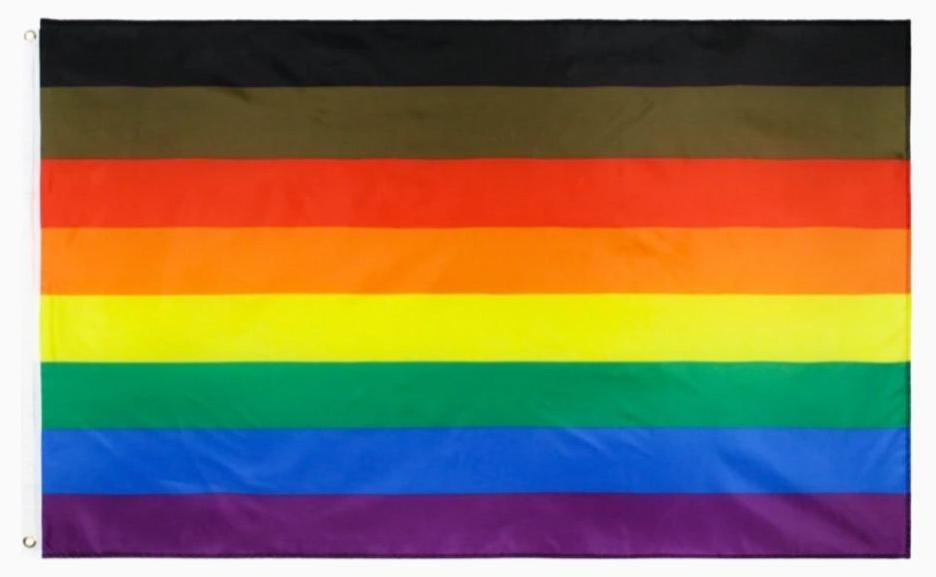
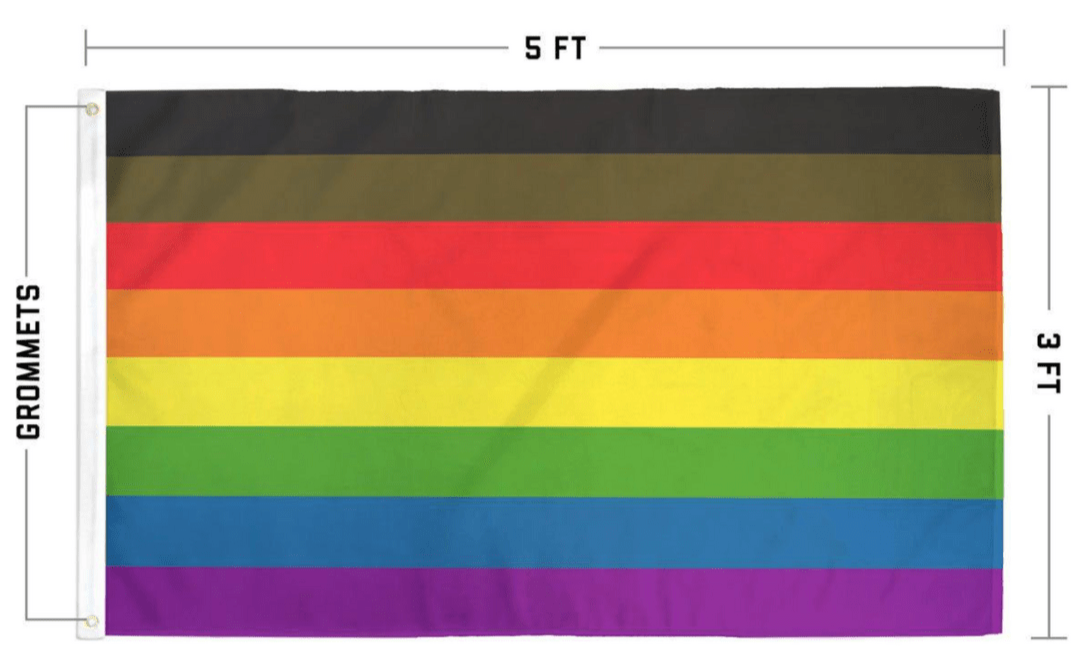
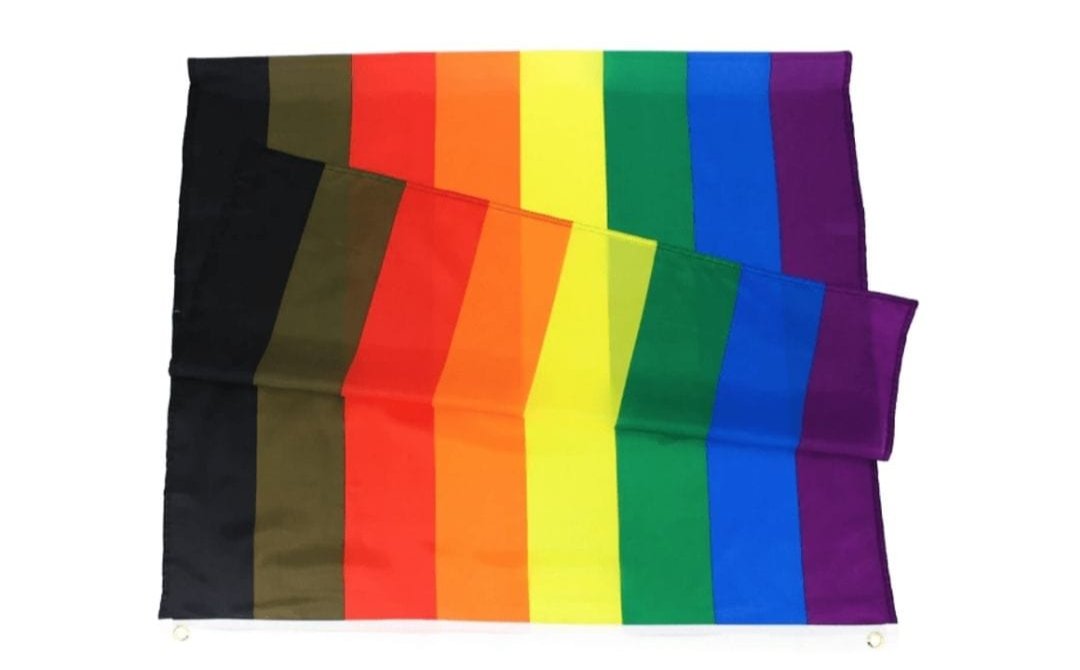
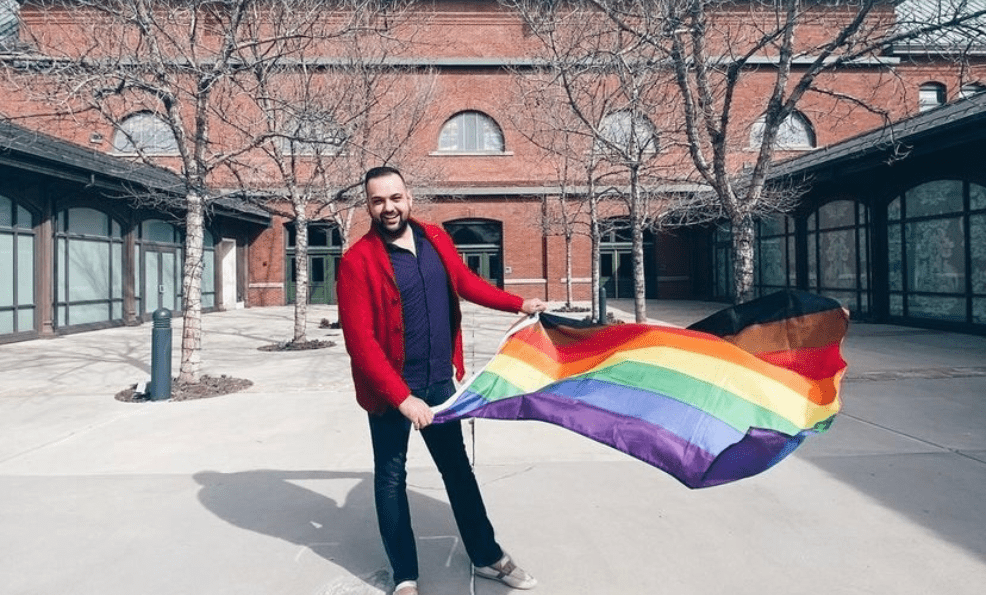
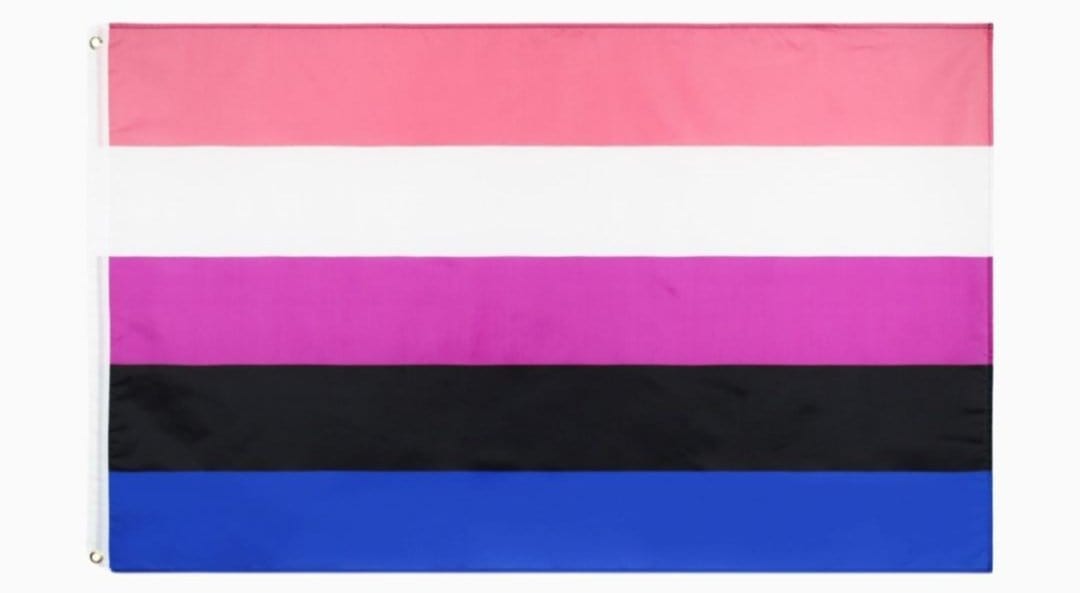
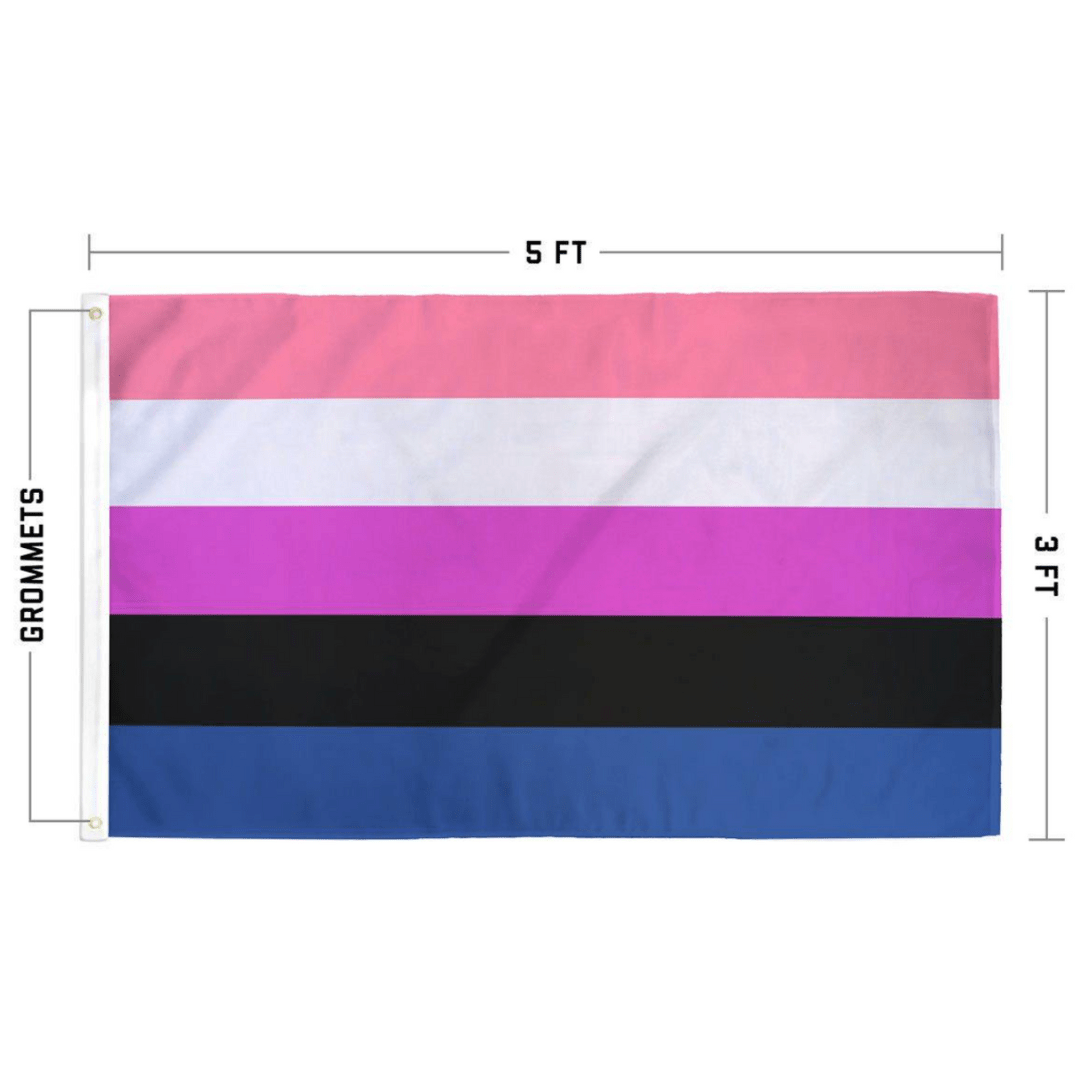
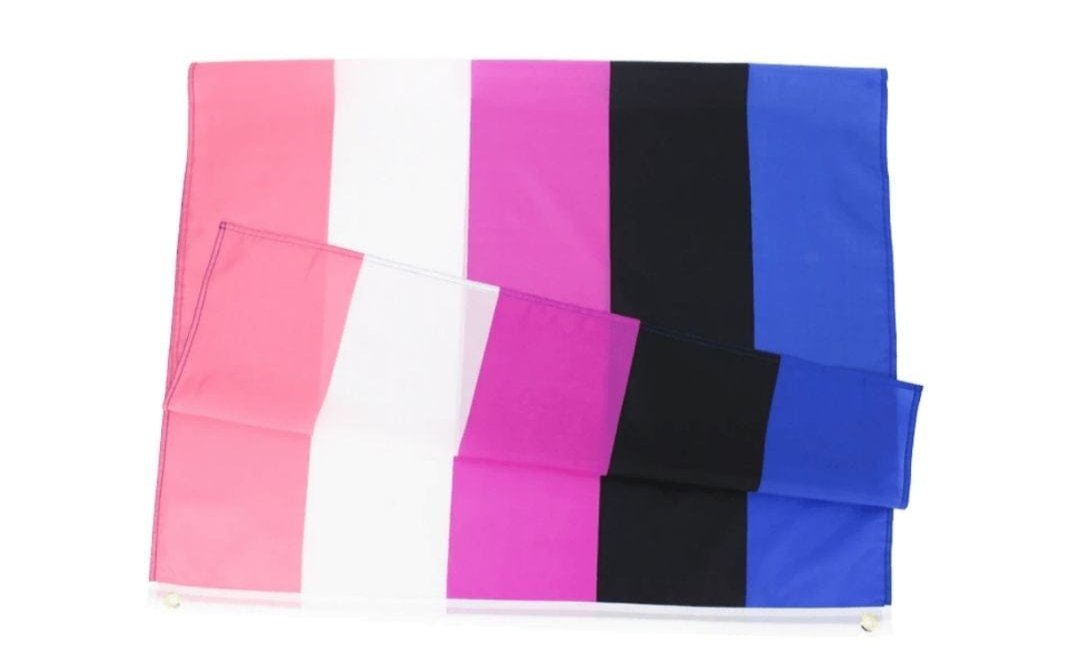
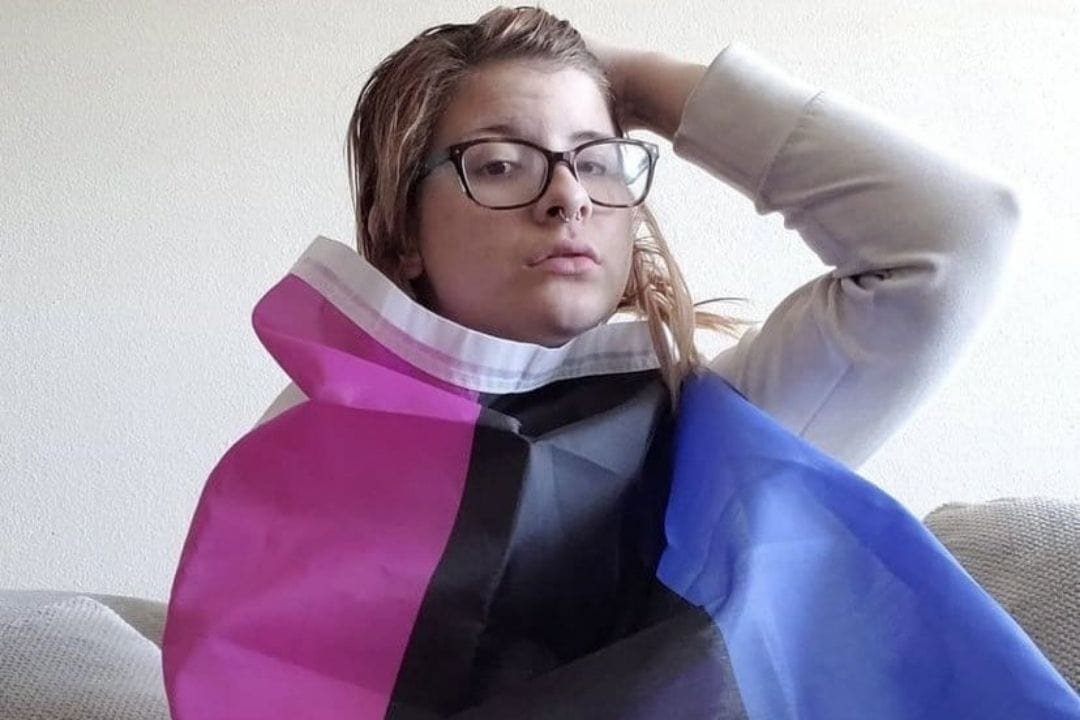
Understanding that gender is a spectrum is not about having all the answers or knowing every term. It’s about being open to learning, listening to people’s experiences, and respecting how they define themselves. Small actions, like using the correct name and pronouns, can make a significant difference. If you're looking for ways to celebrate gender diversity and show your support, you can explore our Pride Flag Collection, which represents identities across the spectrum. Because at the end of the day, everyone deserves to be seen, respected, and free to exist as they are.