
Language evolves, and within the LGBTQ+ community, words matter deeply. The terms we use help people describe their identities, find community, and feel seen. They also help create safer, more respectful spaces for everyone.
Whether you’re exploring your own identity, supporting someone you love, or simply wanting to be more informed, understanding LGBTQ+ terminology is an important step toward inclusion.
Here are essential LGBTQ+ terms everyone should know — explained clearly, respectfully, and without judgment.
Sexual Orientation
Sexual orientation refers to who someone is emotionally, romantically, or sexually attracted to.
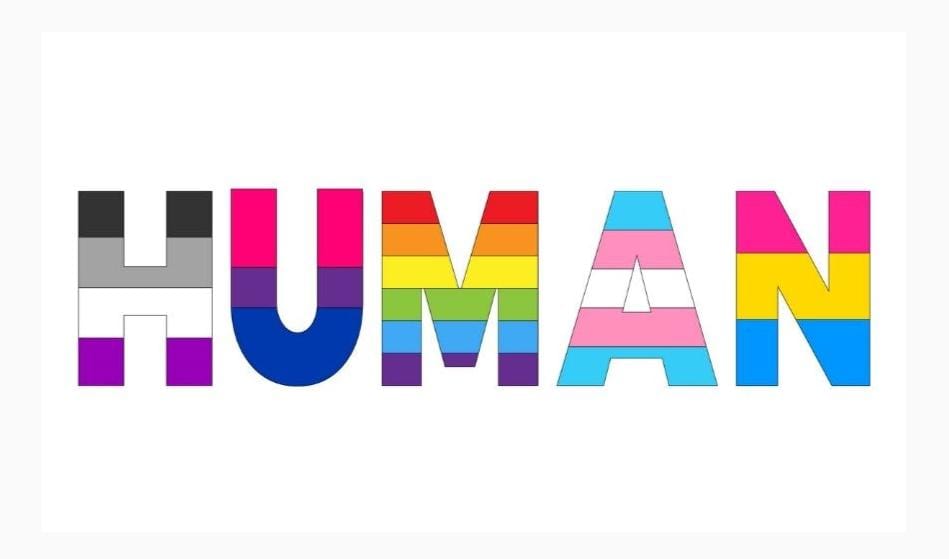
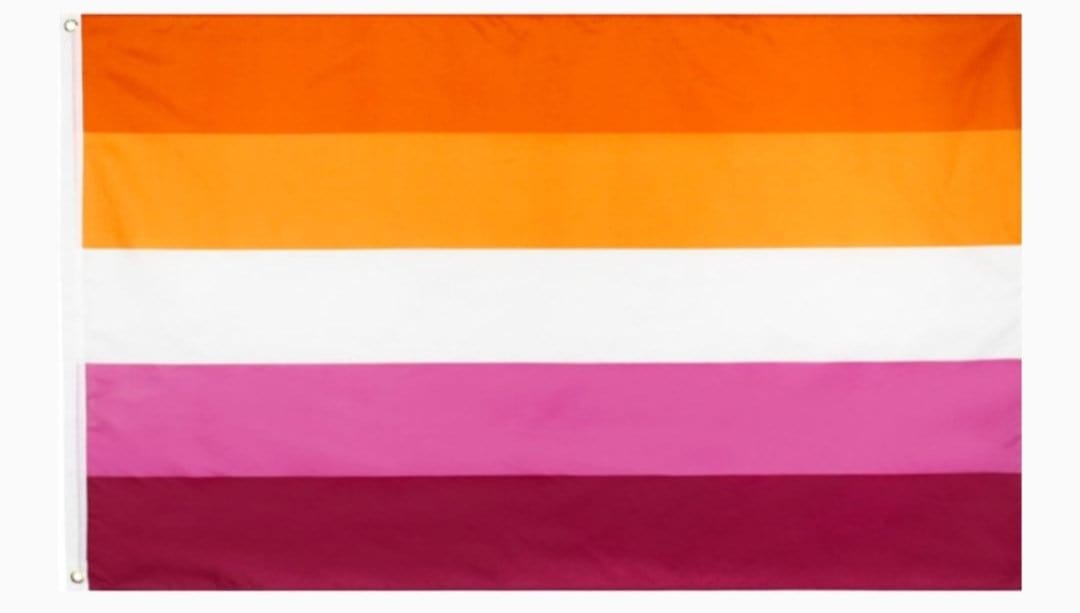
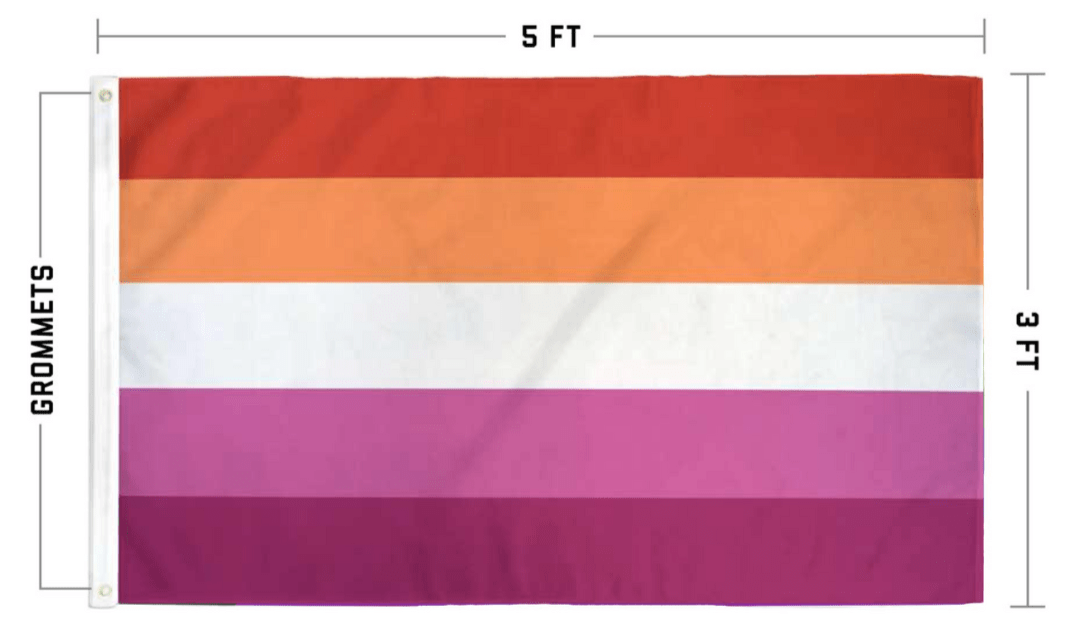
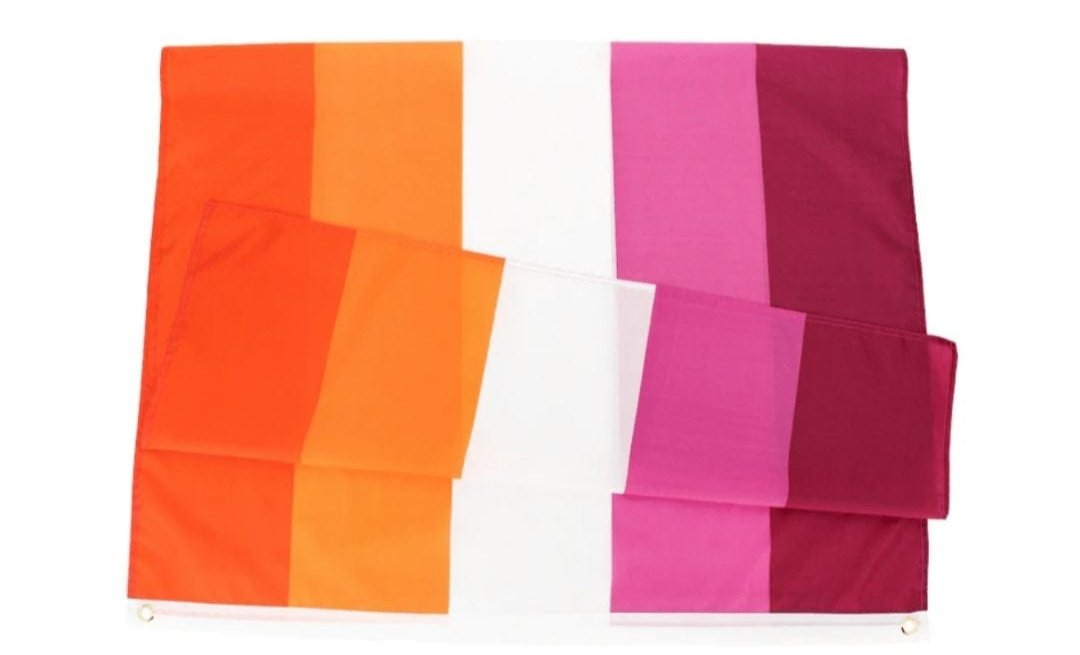
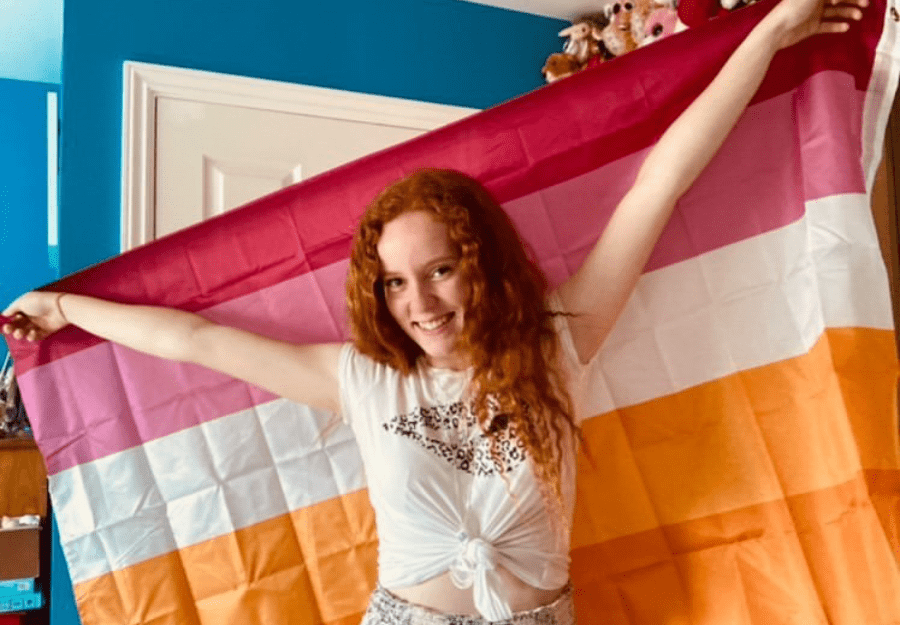
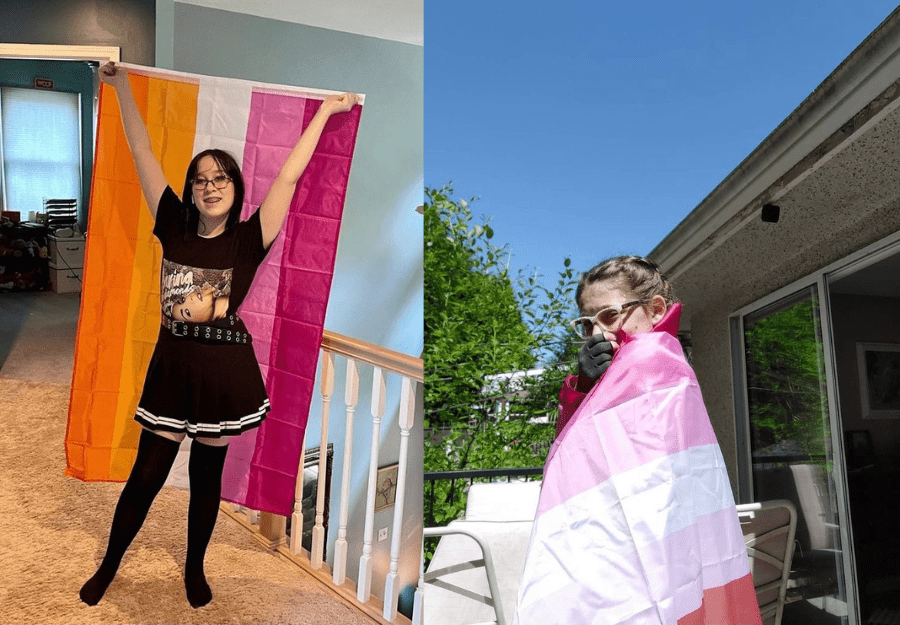
- Lesbian: A woman who is attracted to other women.
- Gay: A person who is attracted to people of the same gender (often used for men, but can be broader).
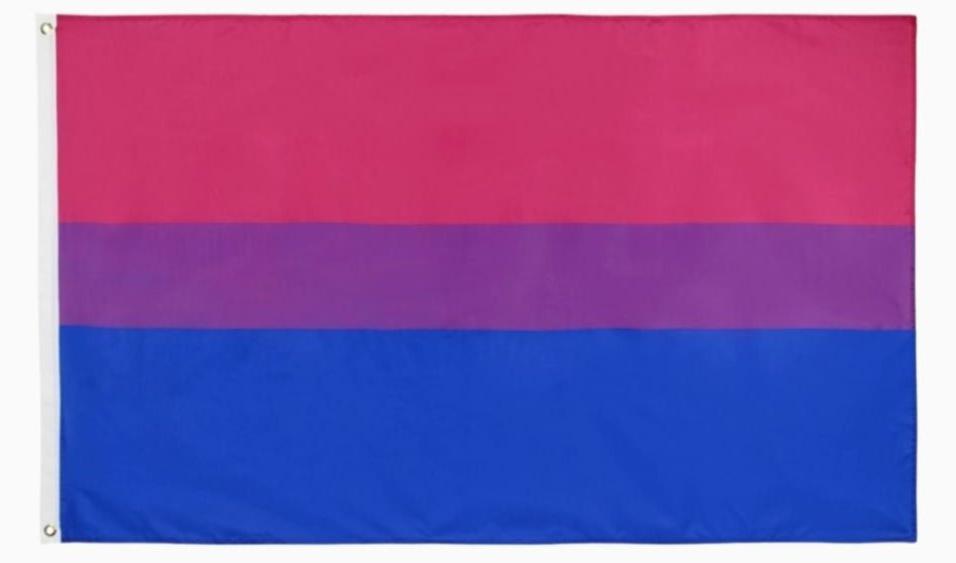
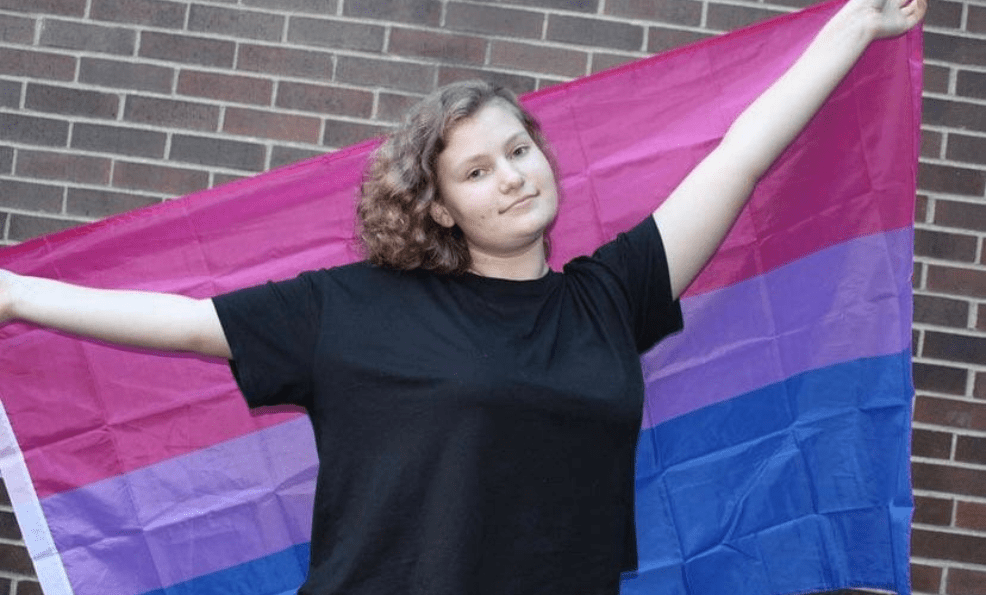
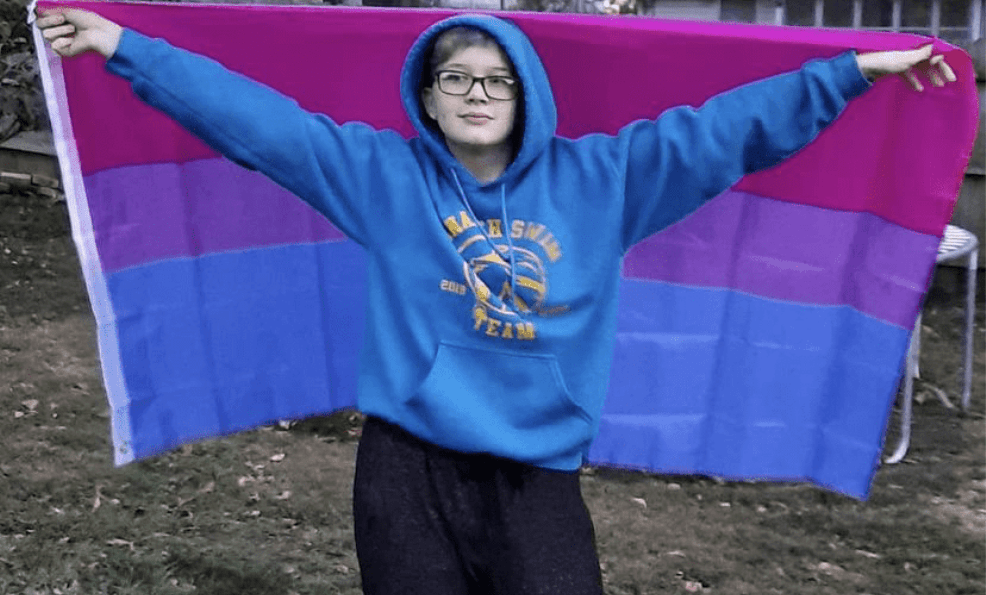
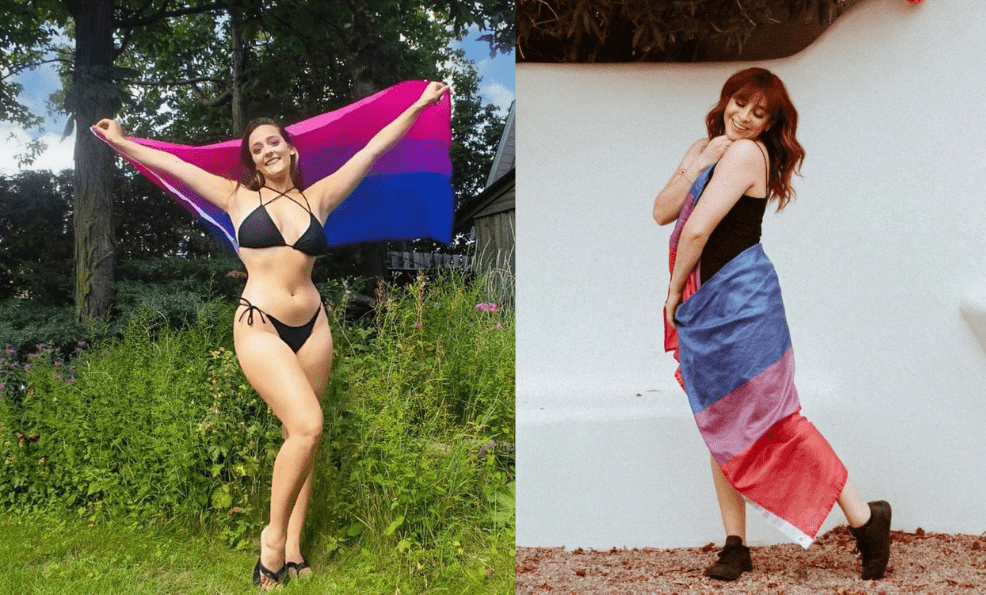
- Bisexual: Someone attracted to more than one gender.
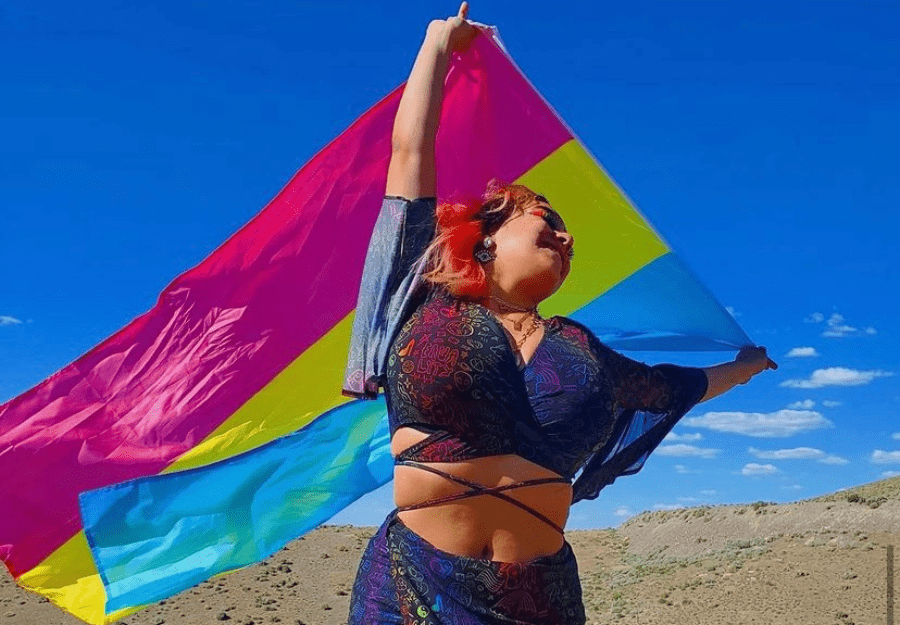
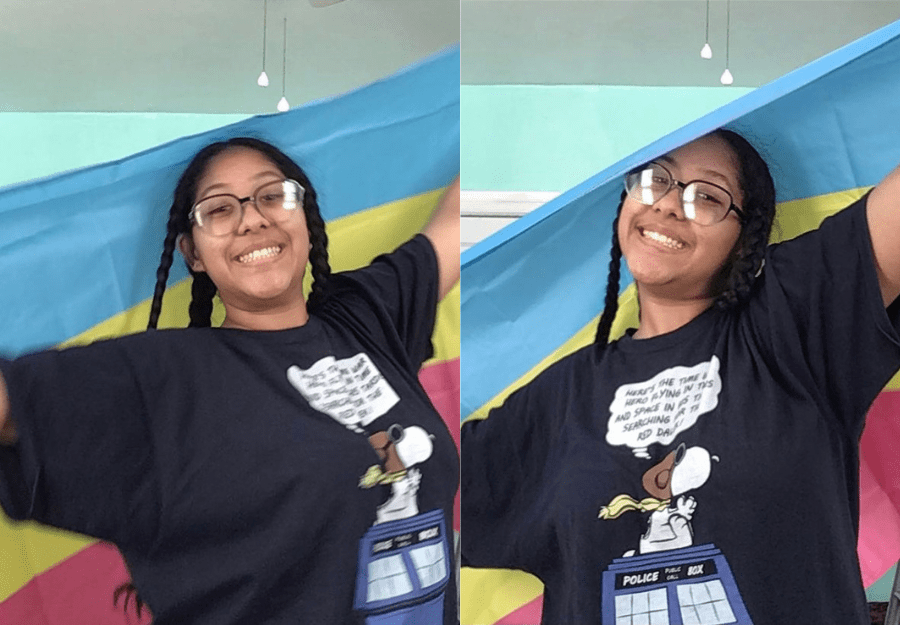
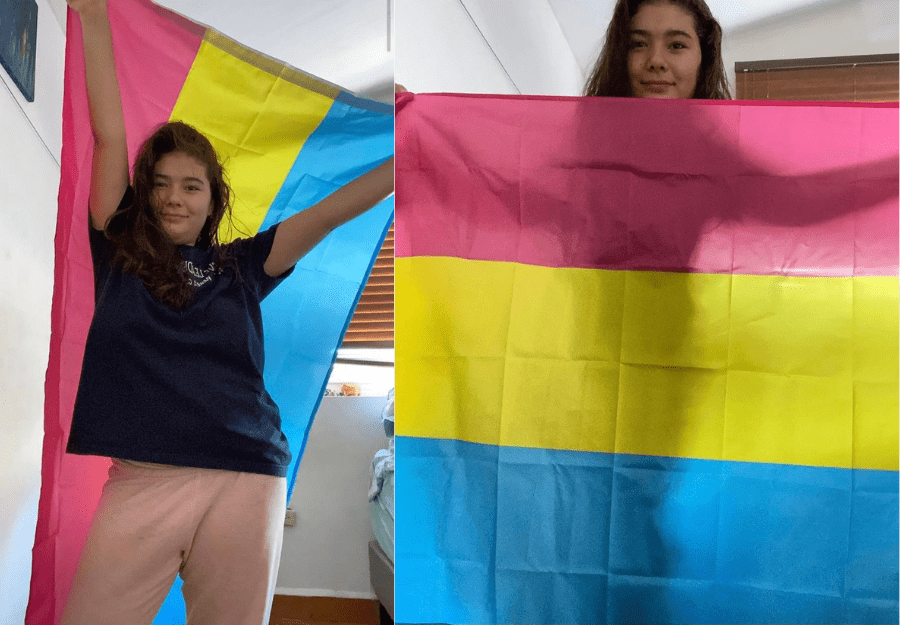
- Pansexual: Attraction to people regardless of gender.
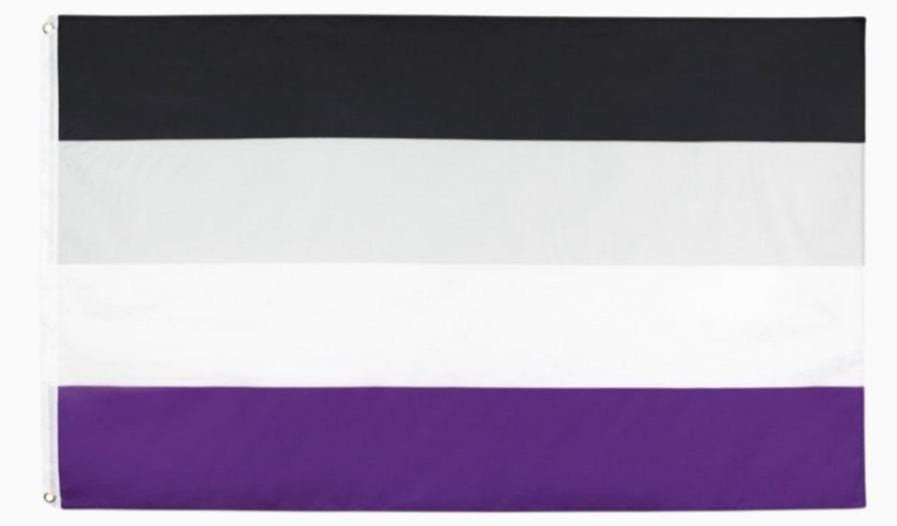
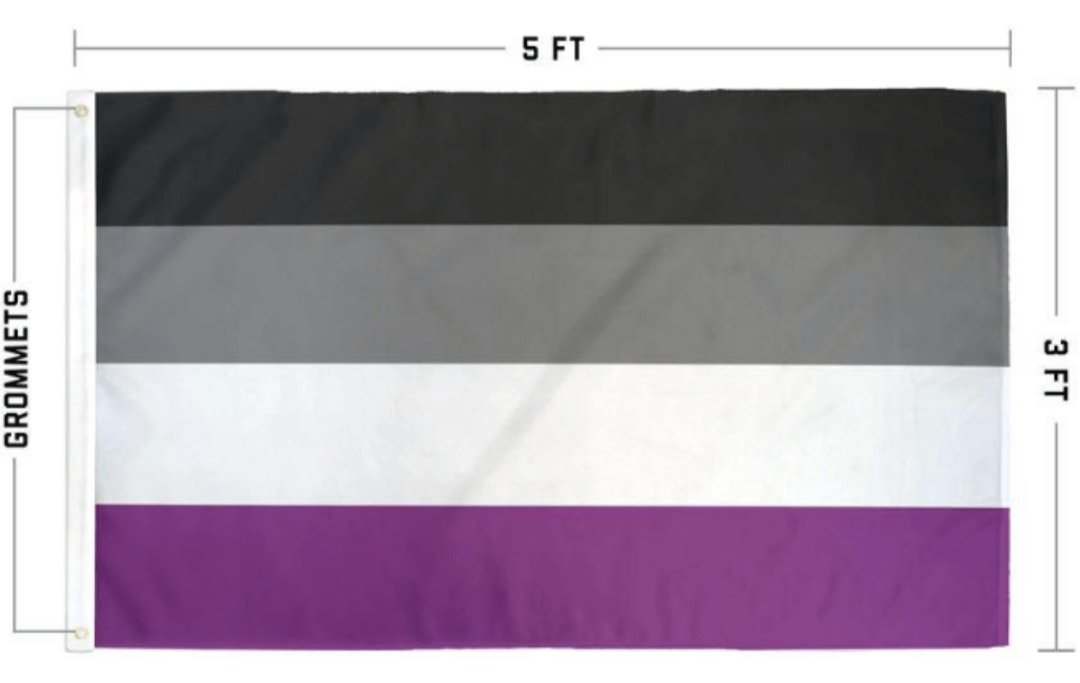
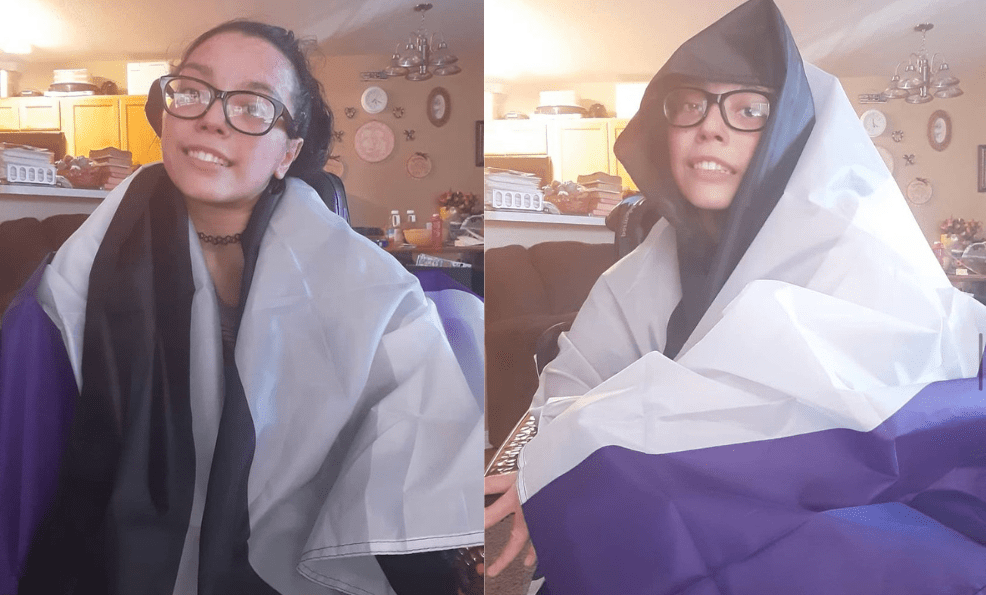
- Asexual: Someone who experiences little or no sexual attraction.
- Demisexual: Someone who experiences sexual attraction only after forming a strong emotional connection.
If you want to explore identity more deeply, you can also read our guide on the difference between gender and sexuality.
Gender Identity
Gender identity refers to someone’s internal understanding of their gender. It may or may not align with the sex they were assigned at birth.
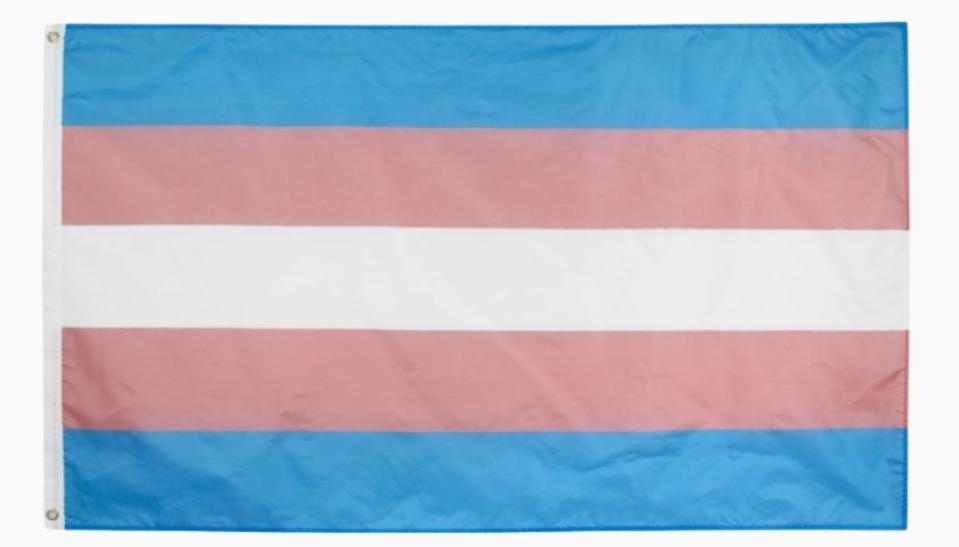
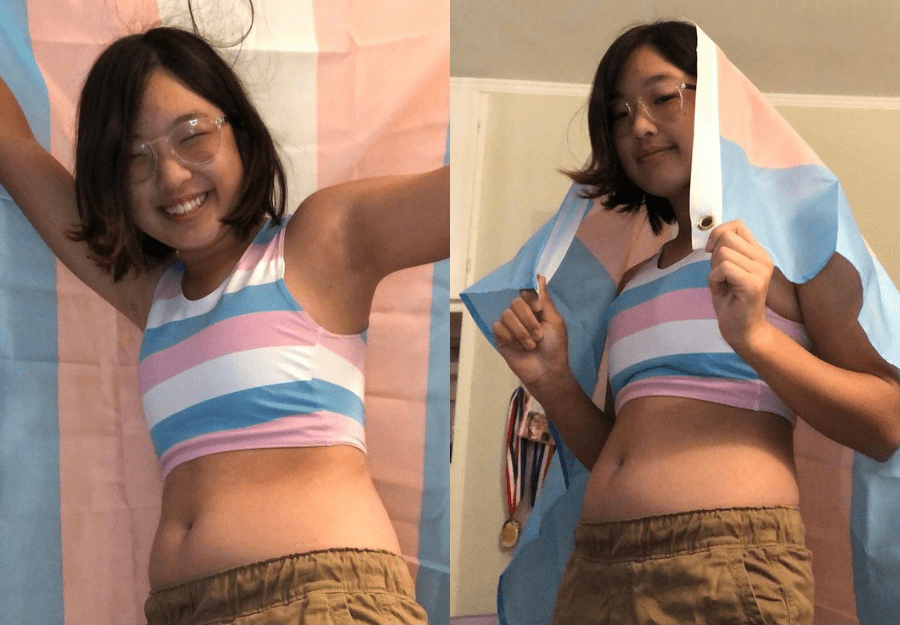
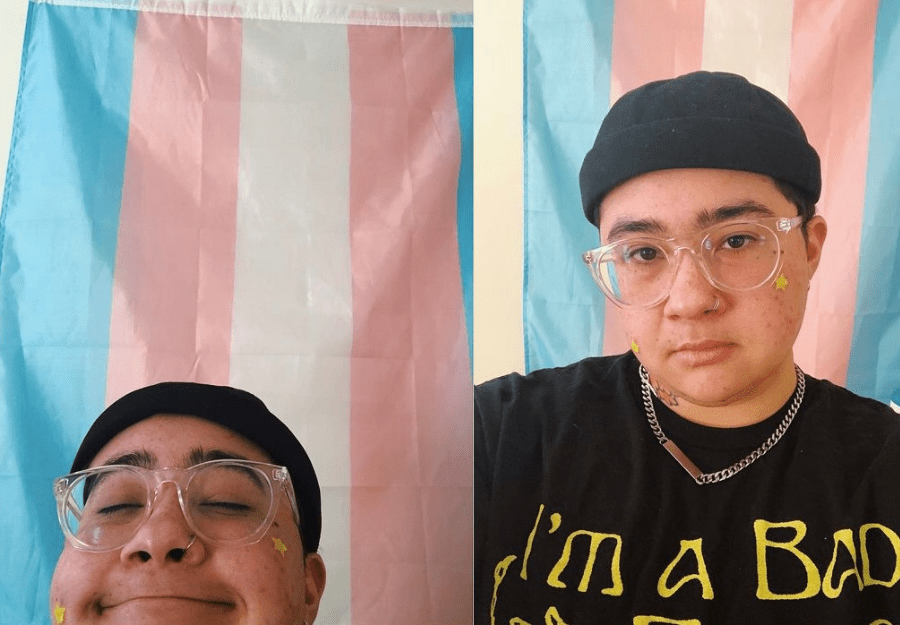
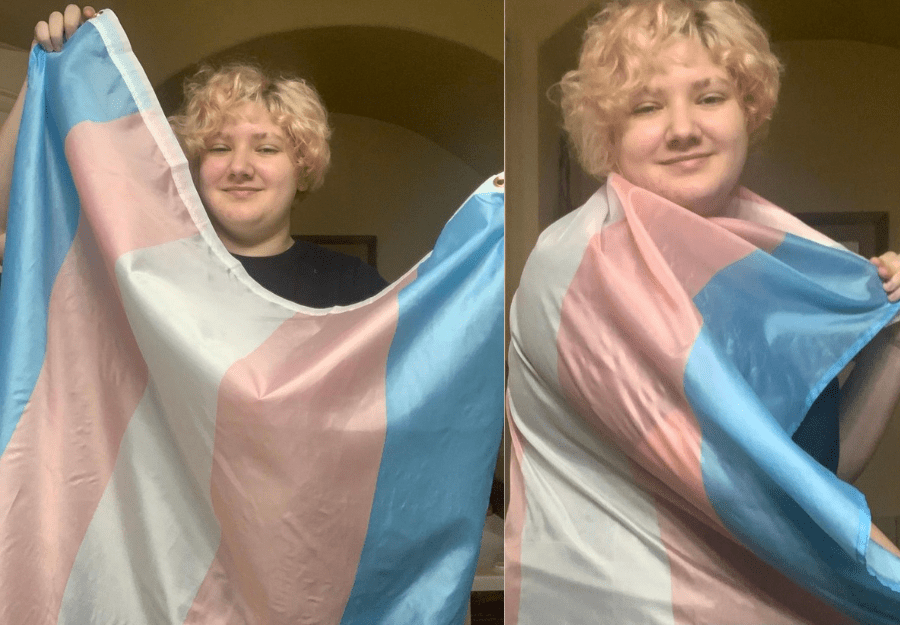
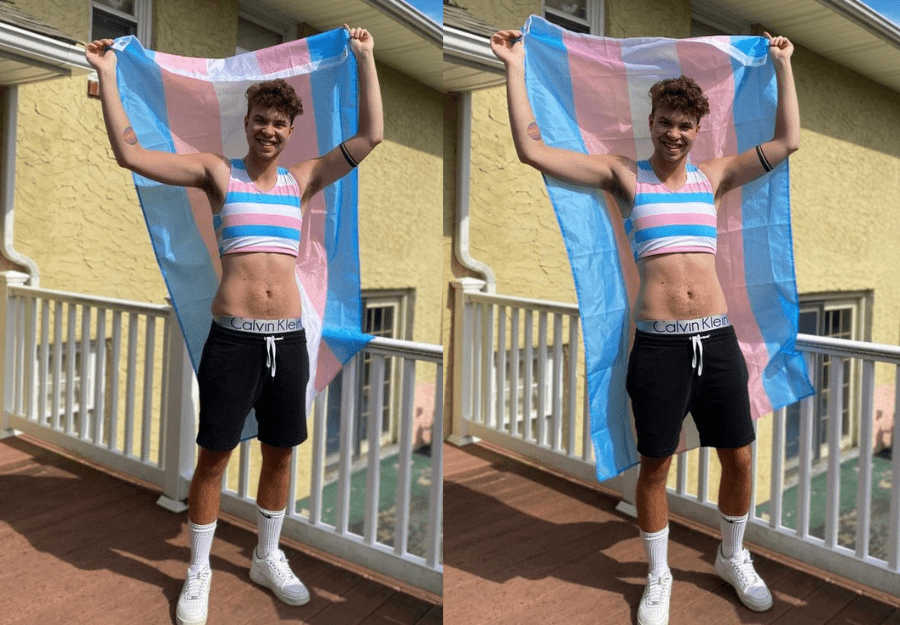
- Transgender (Trans): A person whose gender identity differs from the sex assigned at birth.
- Cisgender: A person whose gender identity aligns with the sex assigned at birth.
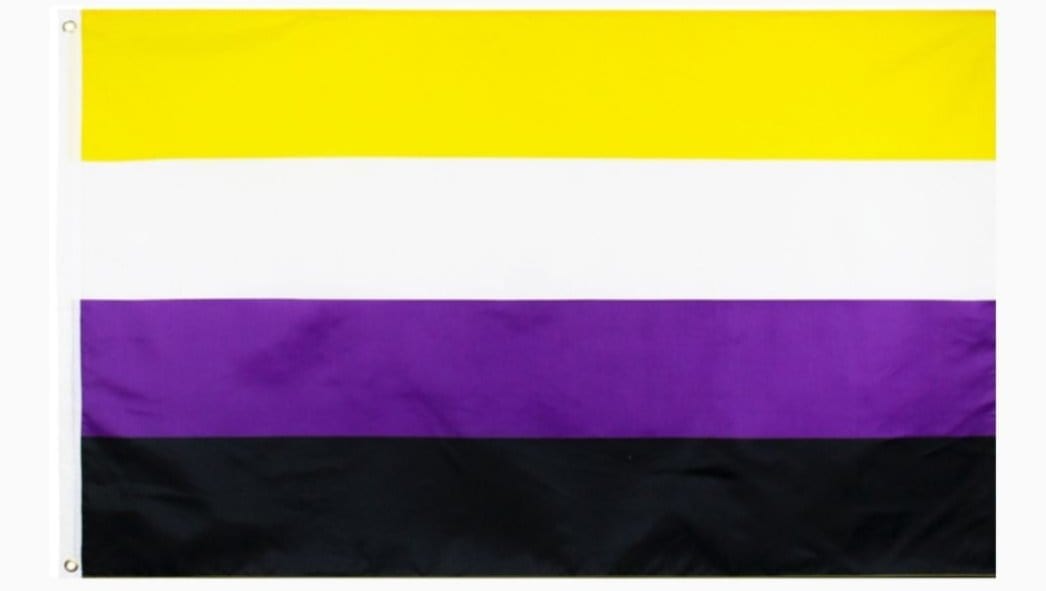
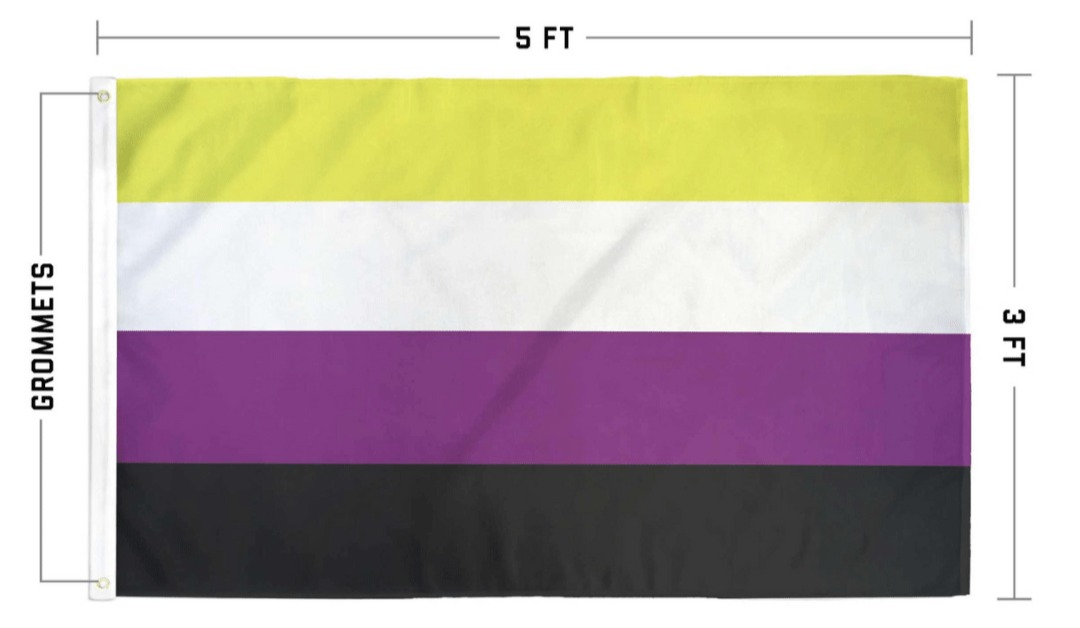
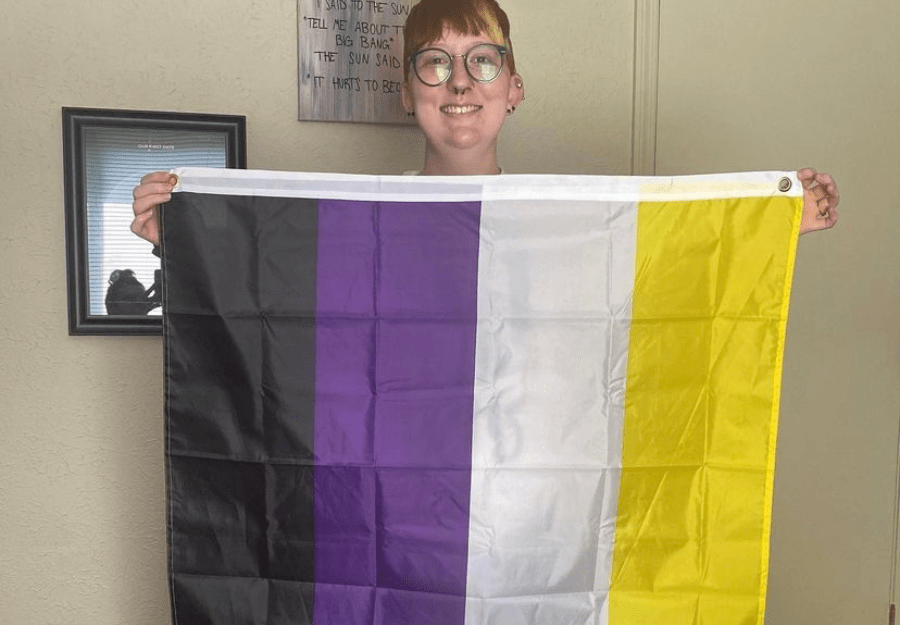
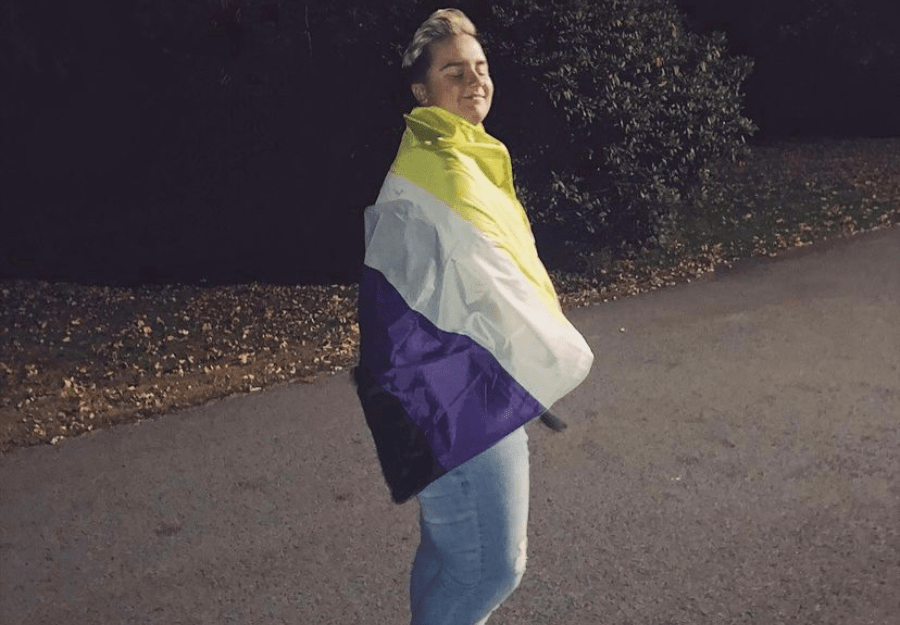
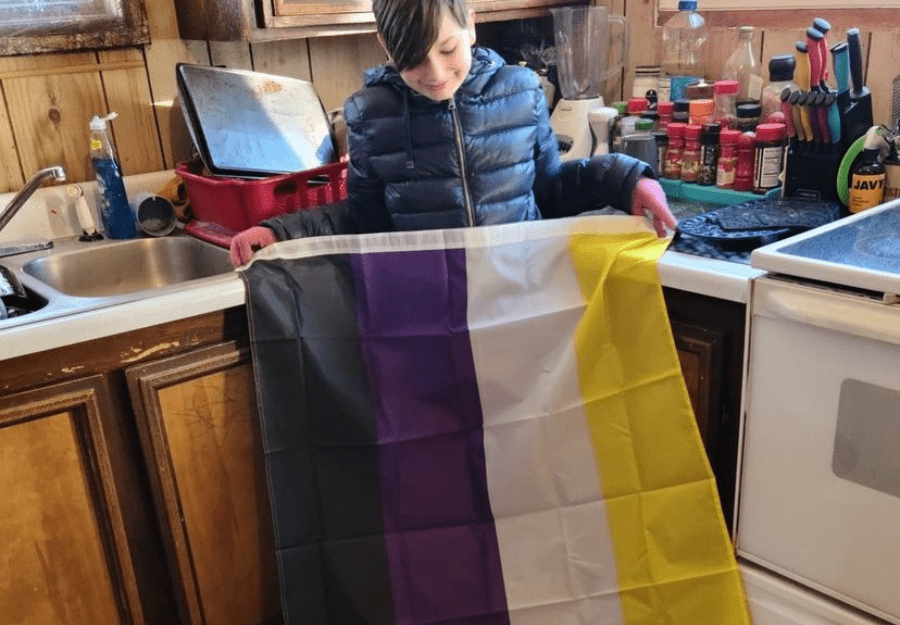
- Nonbinary: A person who does not identify strictly as male or female.
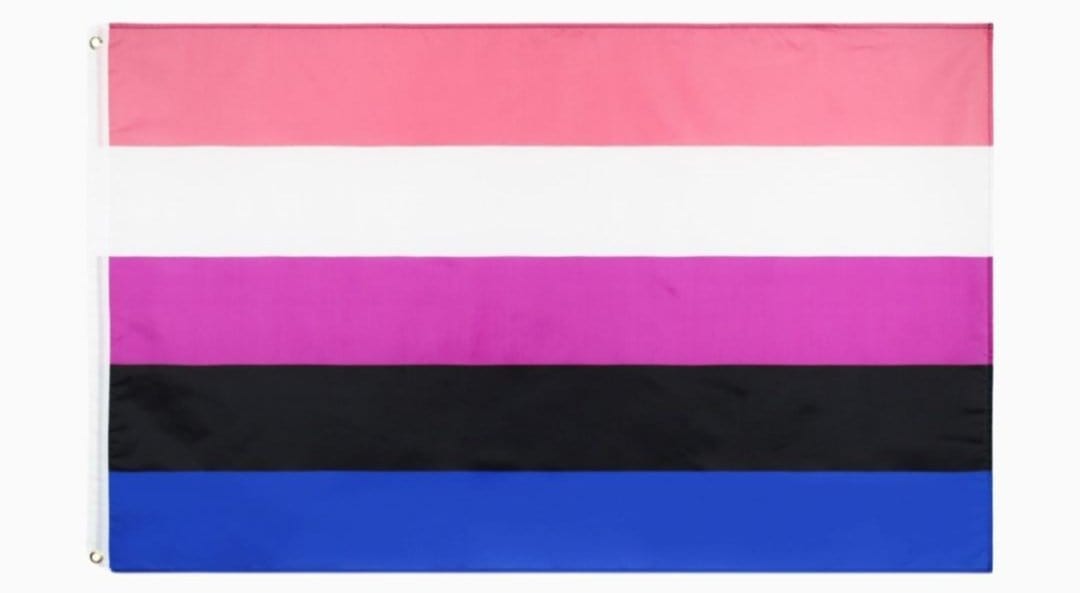
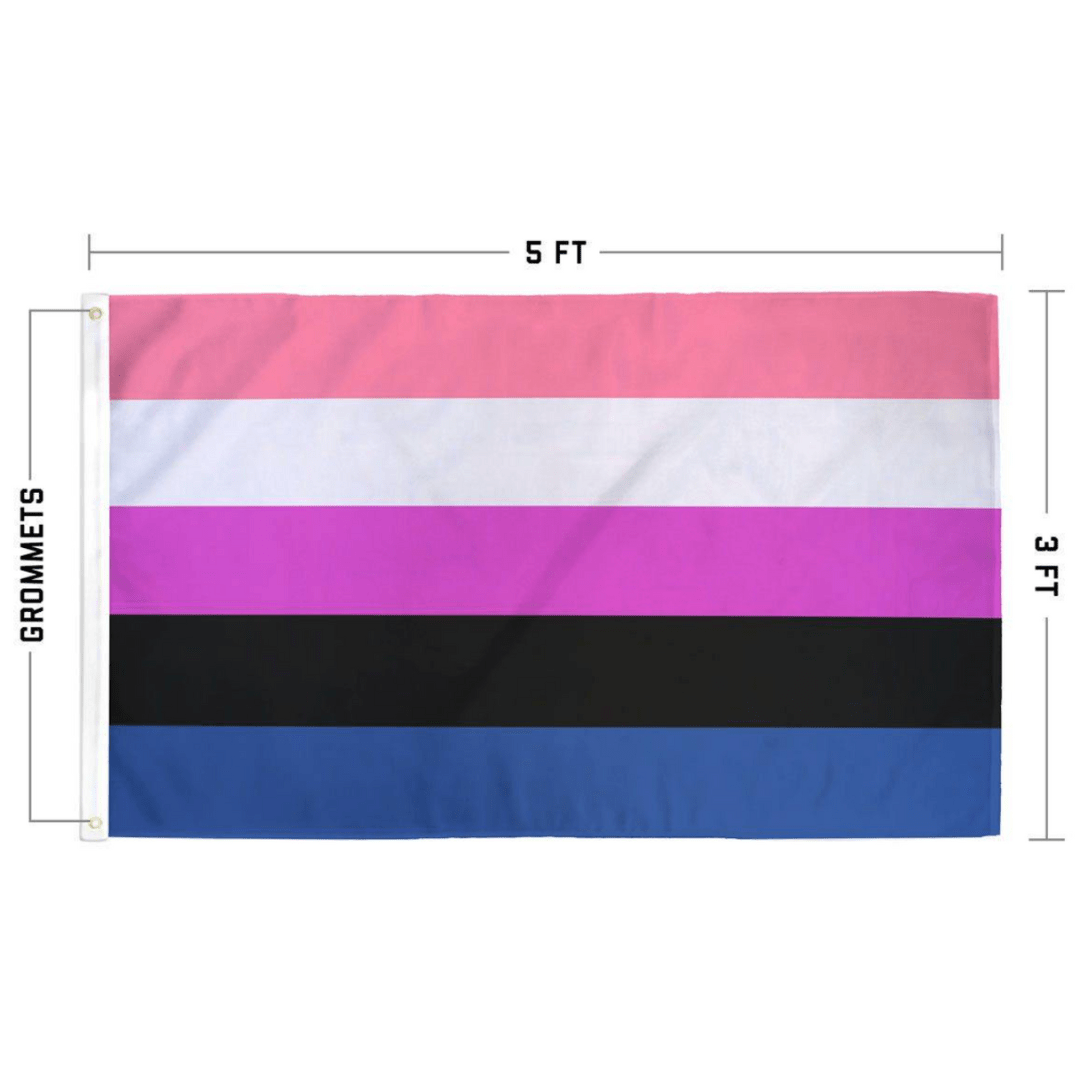
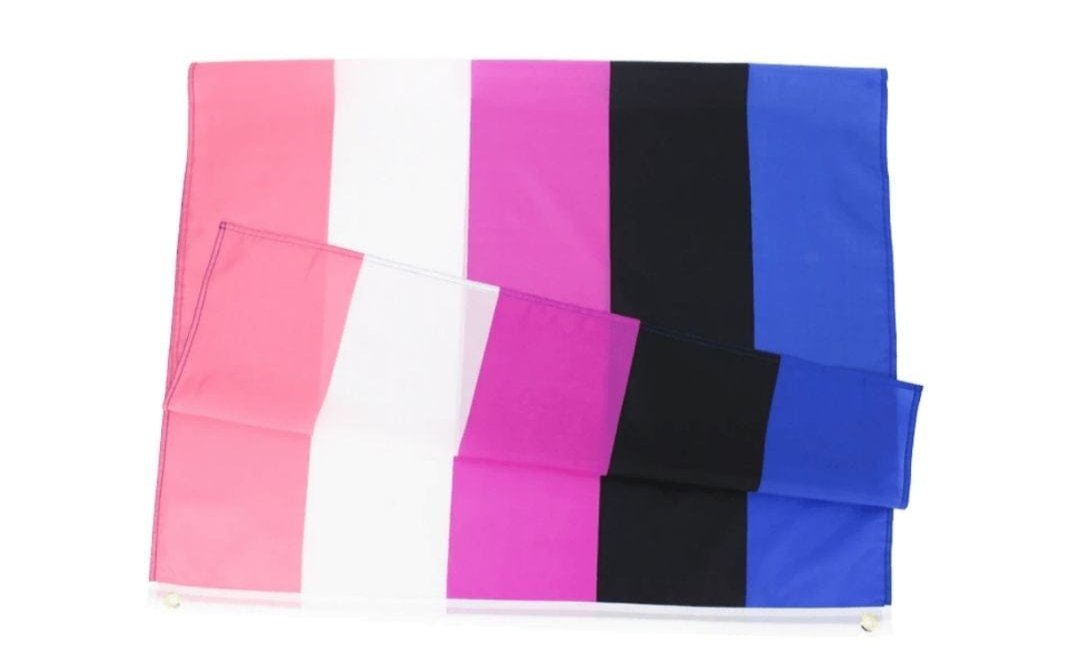
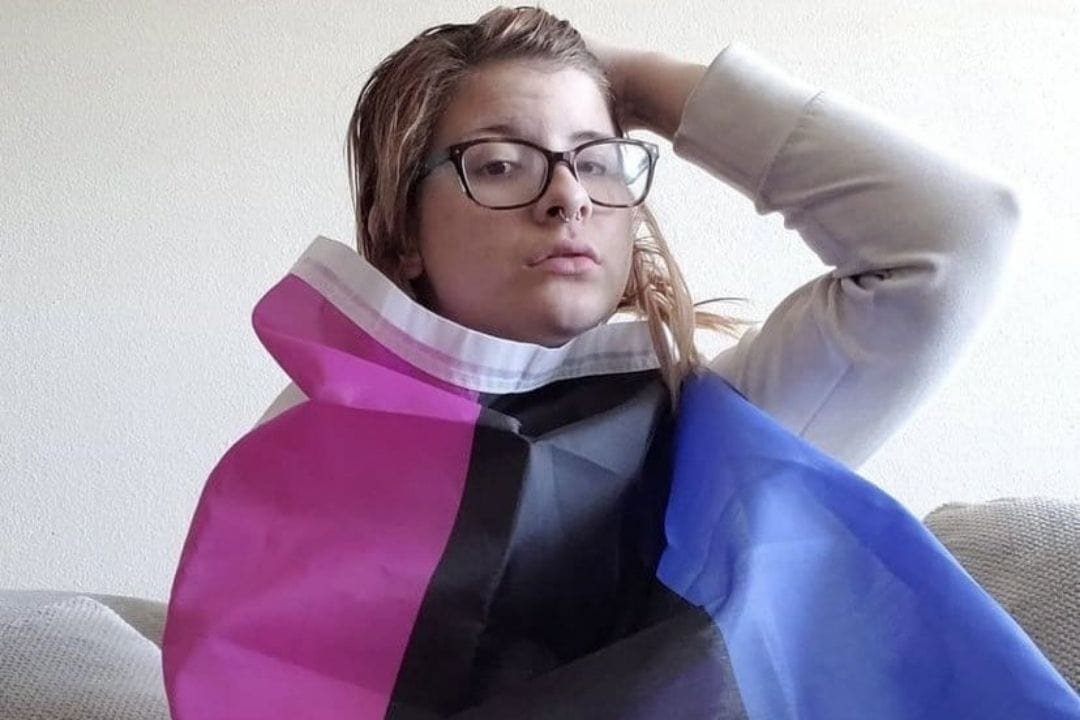
- Genderfluid: A person whose gender identity shifts over time.
- Agender: Someone who does not identify with any gender.
Using correct language when talking about gender shows respect. Learn more in our guide on how to use correct pronouns.
Pronouns
Pronouns are the words we use to refer to someone in place of their name (she/her, he/him, they/them, etc.).
Asking and using someone’s correct pronouns is a basic form of respect. It affirms their identity and helps create safer spaces.
Coming Out
Coming out is the process of sharing one’s sexual orientation or gender identity with others. It is deeply personal, and there is no right timeline. Some people come out publicly. Others don’t. Both are valid.
Queer
Queer is an umbrella term used by many people in the LGBTQ+ community to describe identities that fall outside heterosexual and cisgender norms. While historically used as a slur, many have reclaimed it as a word of empowerment.
Intersectionality
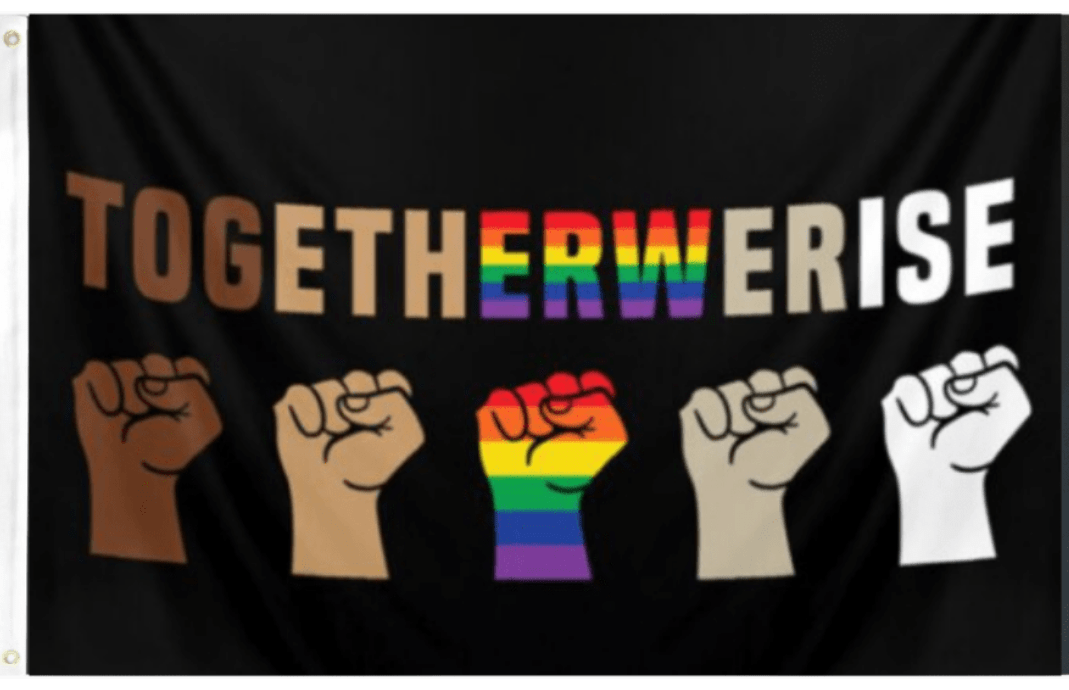
Intersectionality describes how different aspects of a person’s identity — such as race, gender, sexuality, and disability — overlap and create unique experiences of discrimination or privilege.
This concept is especially important when understanding the history of Black LGBTQ+ leaders and other marginalized voices within the community.
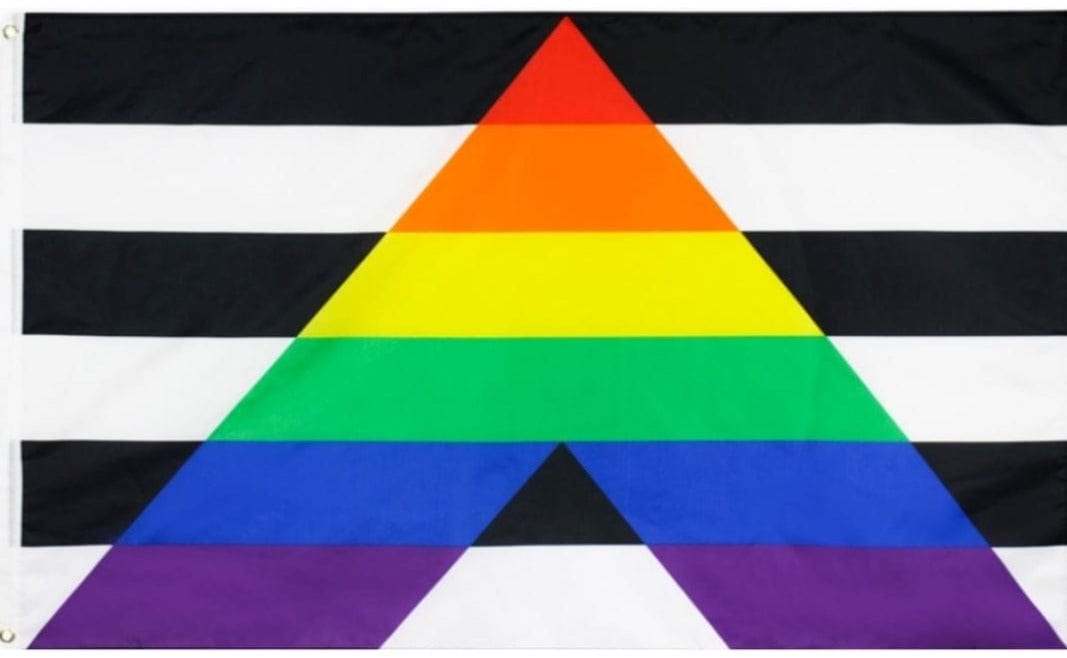
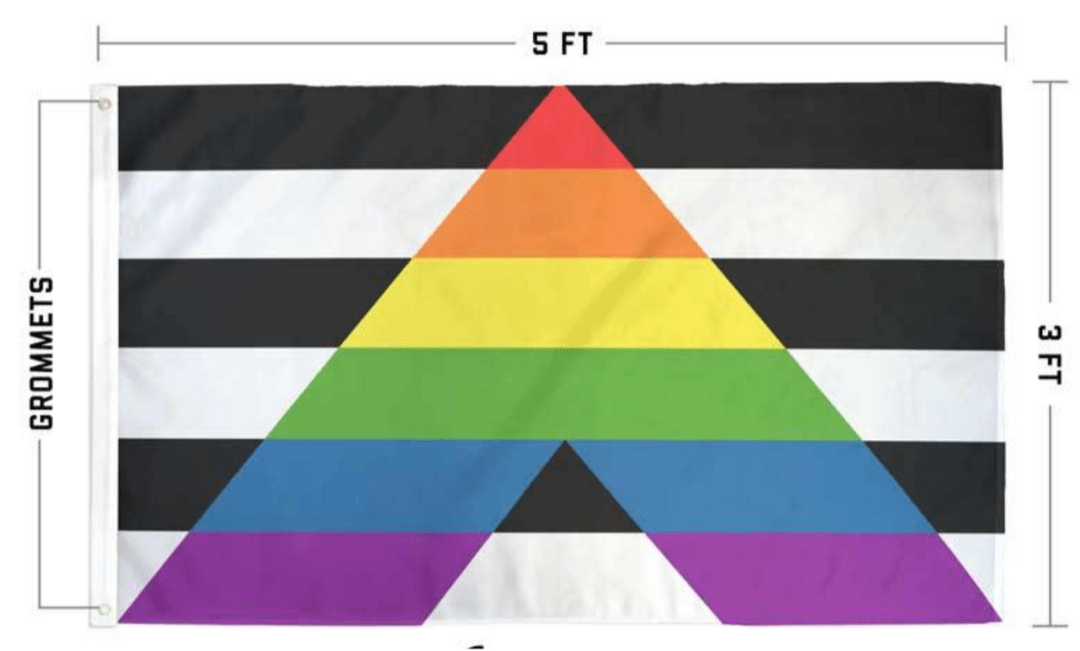
Ally
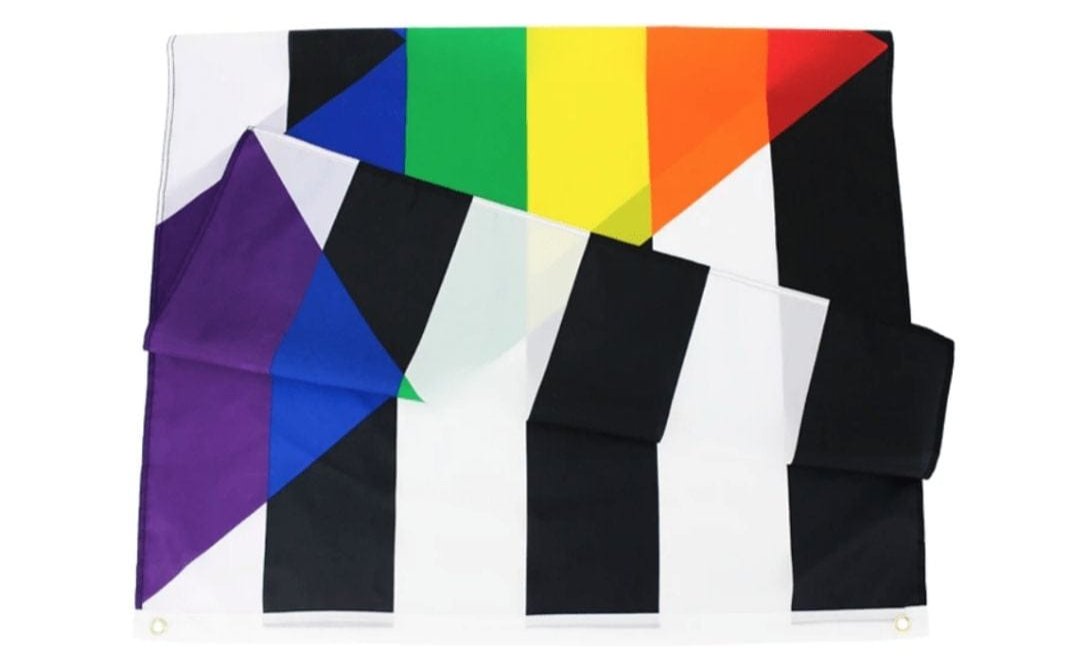
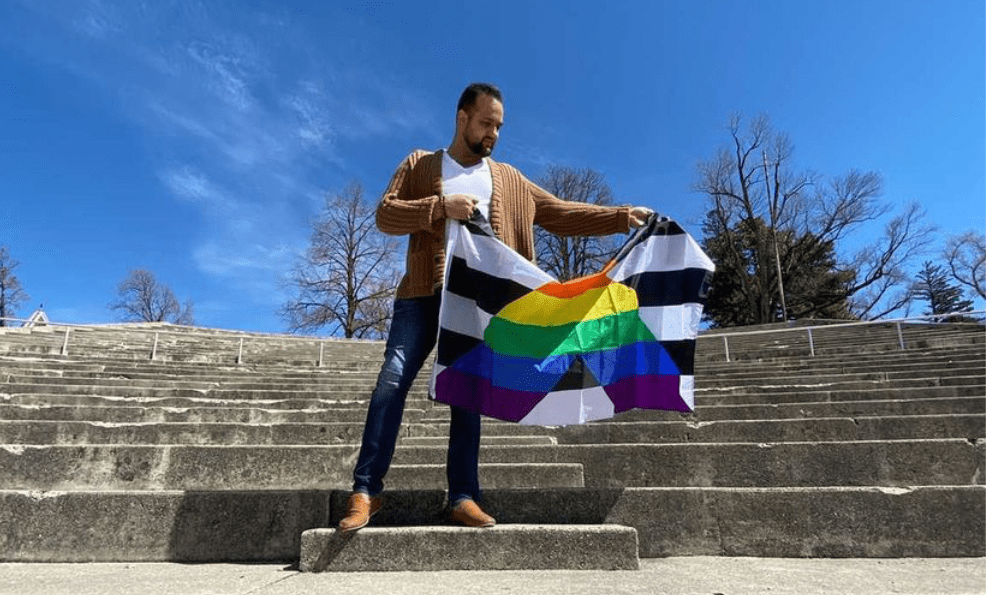
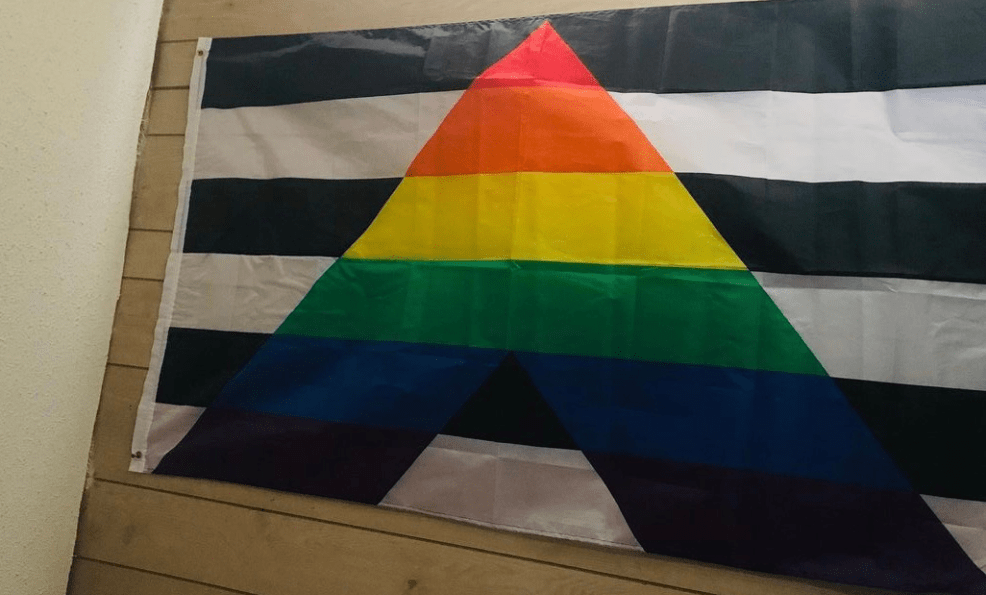
An ally is someone who supports and advocates for LGBTQ+ people, even if they do not personally identify as part of the community. Being an ally means listening, learning, speaking up against discrimination, and respecting identities.
Why Learning LGBTQ+ Terms Matters
Understanding LGBTQ+ terminology isn’t about memorizing definitions. It’s about empathy. It’s about creating environments where people feel safe to exist as they are.
Language gives people tools to describe themselves. And for many, finally finding the right word for their identity can feel like coming home.
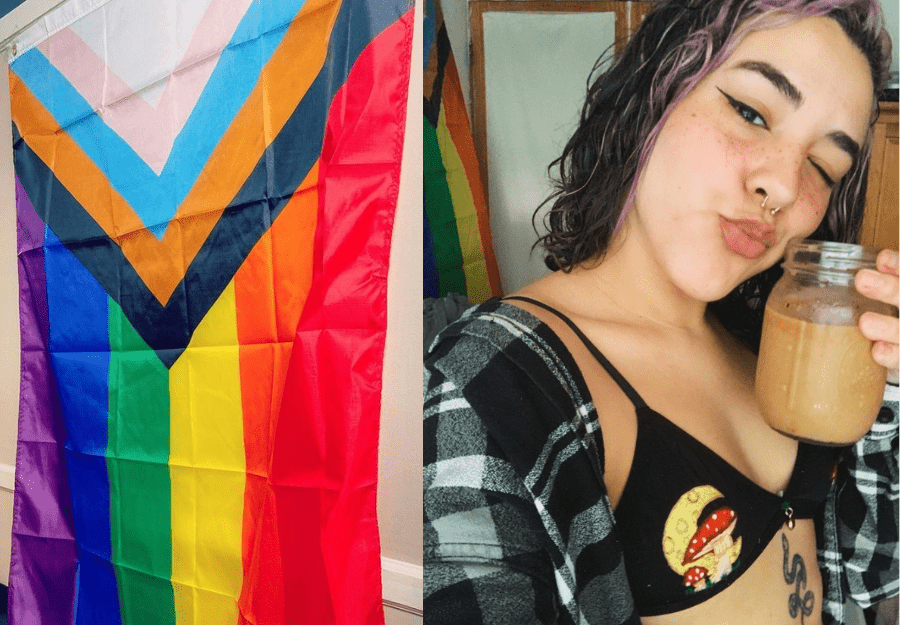
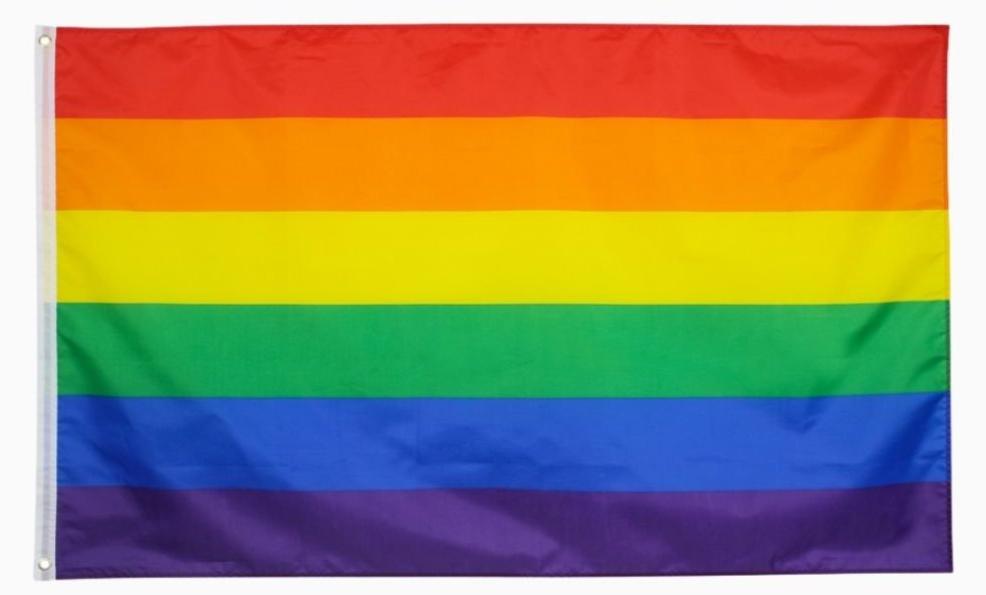
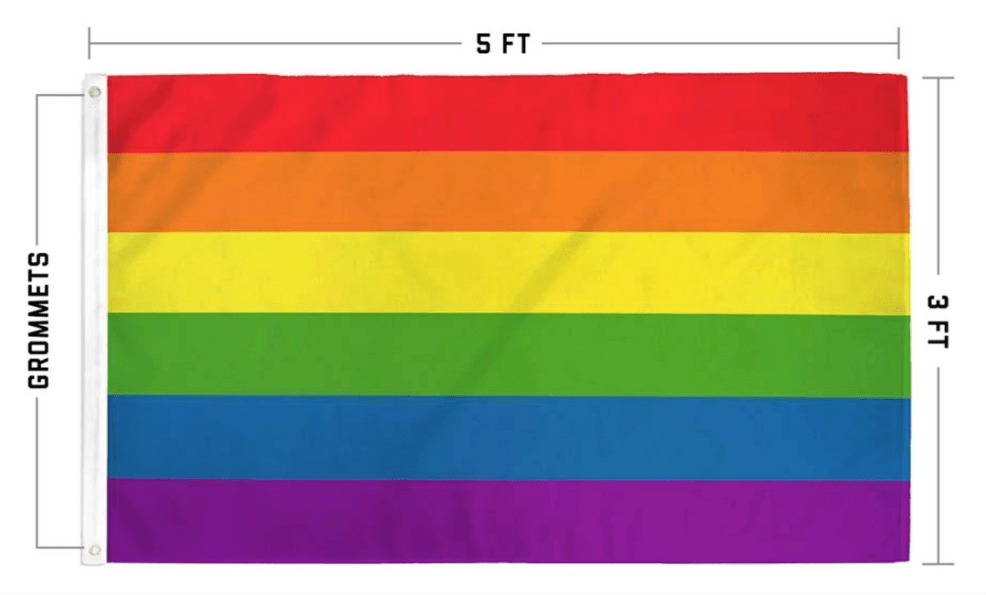
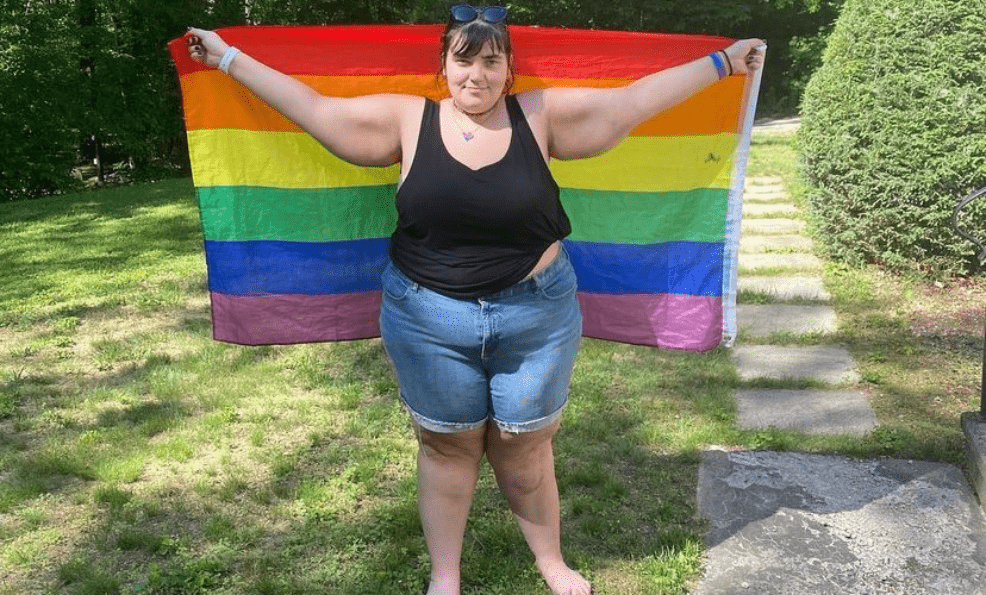
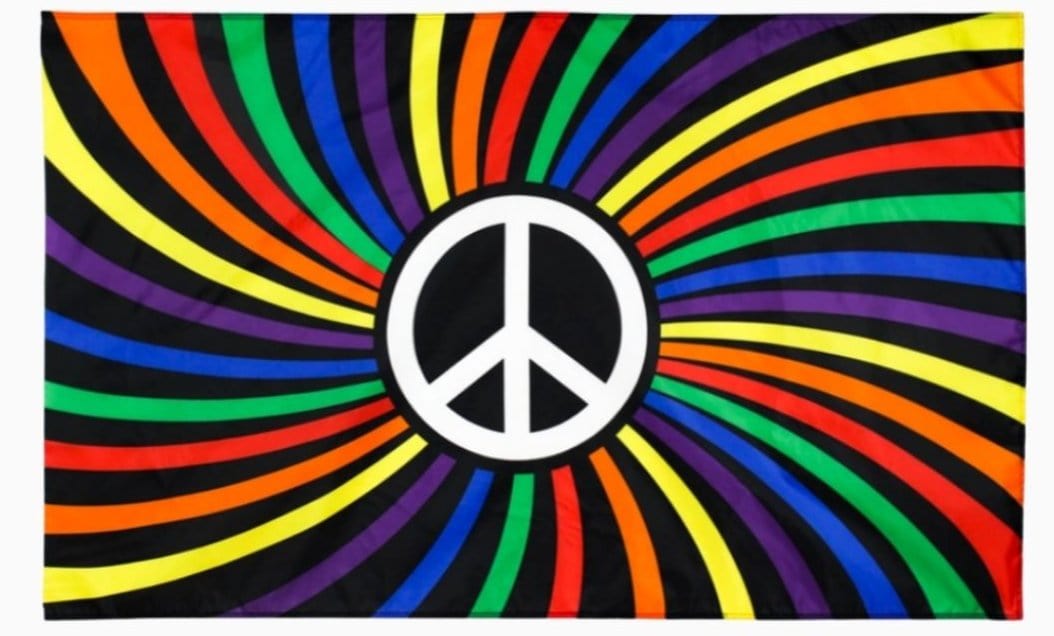
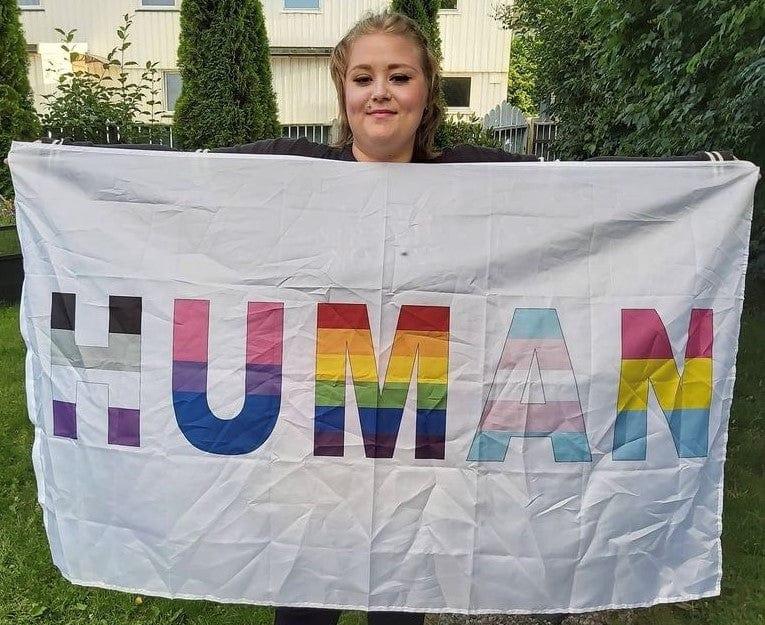
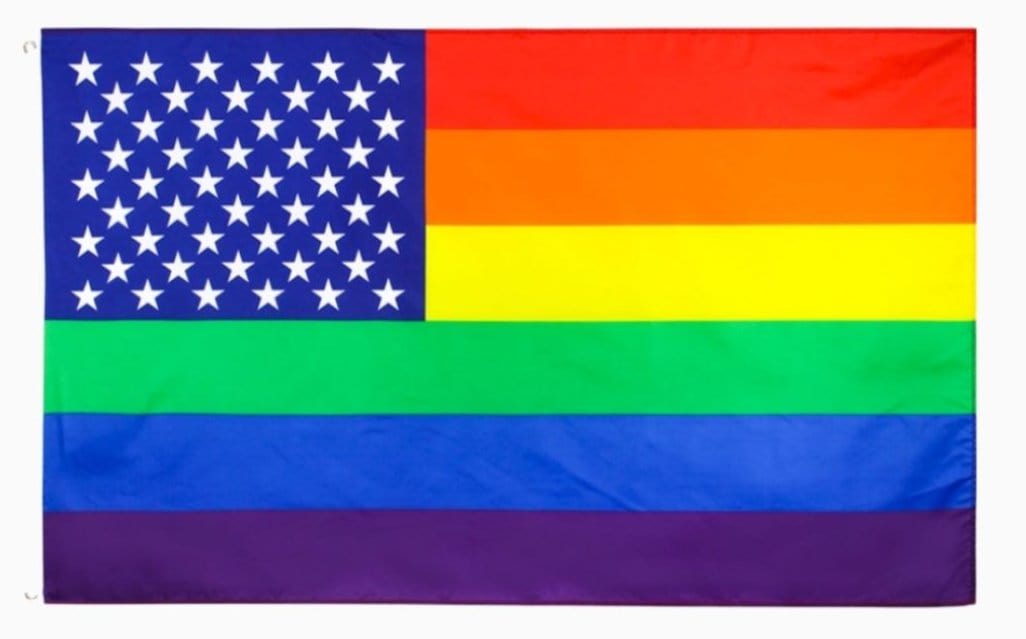
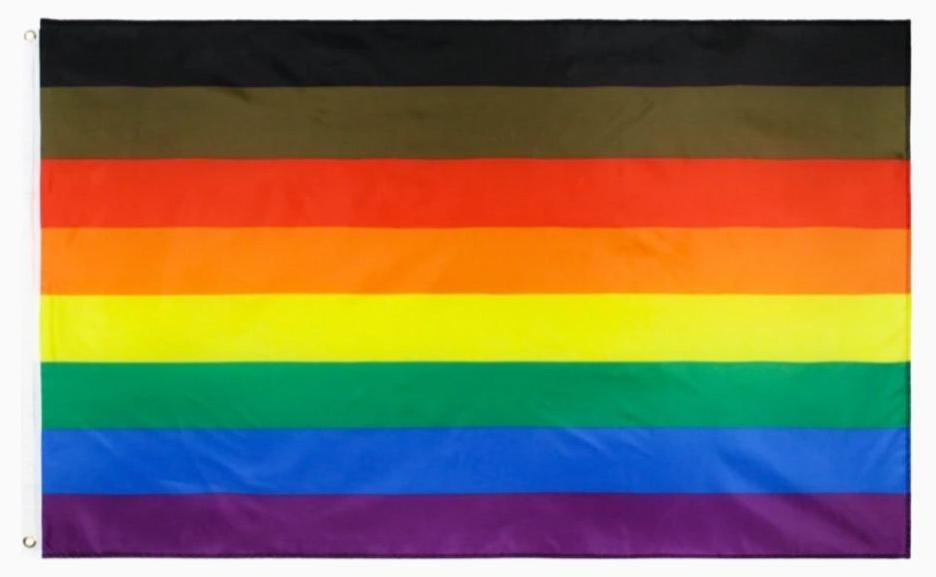
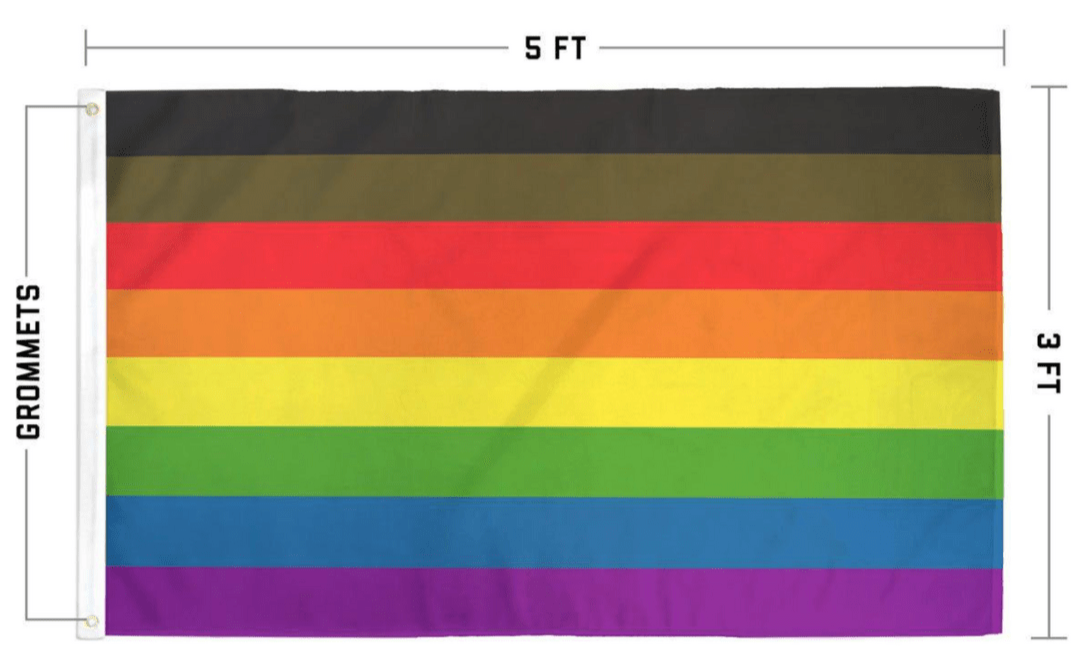
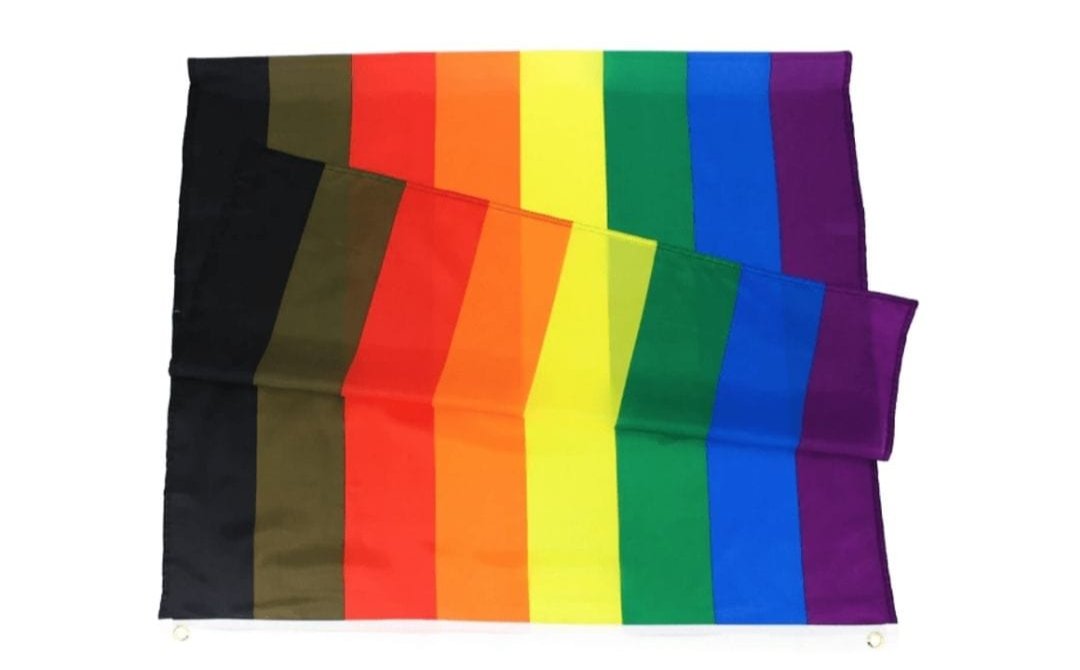
If you’re looking for ways to visibly support the community, explore our Pride Flag collection or browse our educational blog resources to continue learning.
Learning the language is one step. Practicing respect is the next.