
This one came in anonymously, which is its own piece of information. It is about a father who did not throw anyone out and did not come around either.
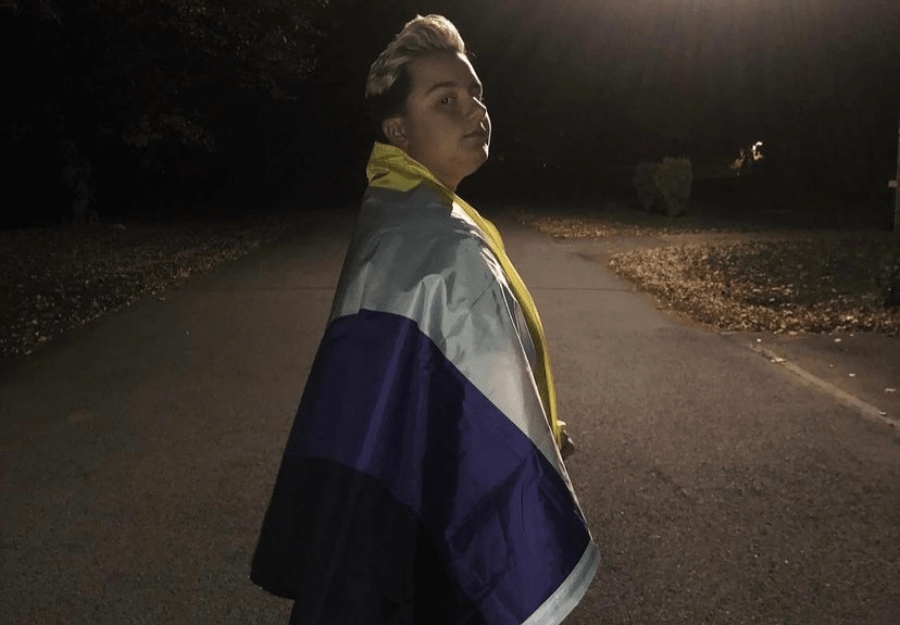
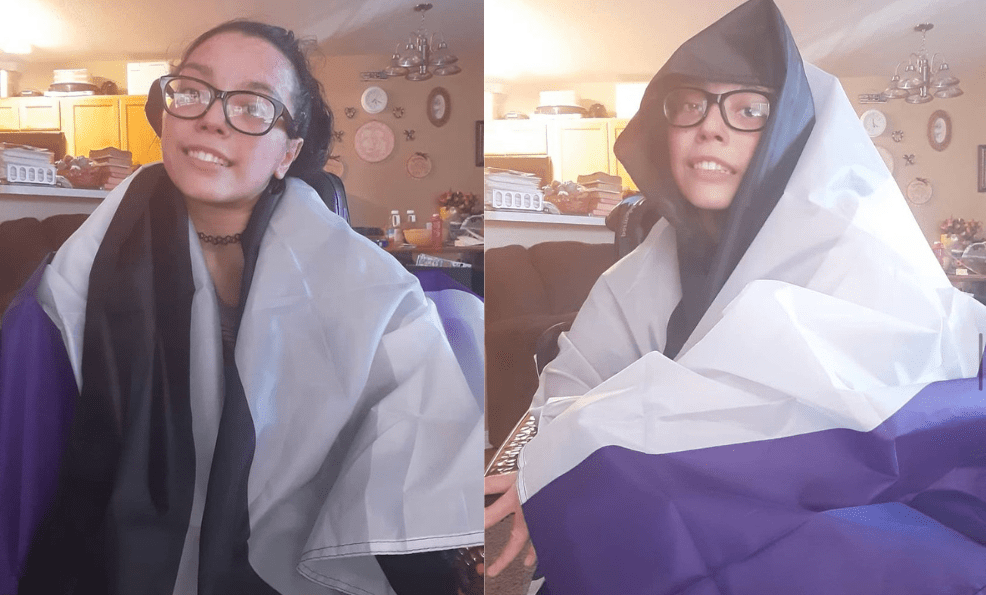
"When I came out to my very religious dad, I was, of course, scared about how he would react to me not being what he thought I was this whole time. I had almost acted feminine and hid my feelings for other people, rather than just boys, just to make him happy, and that was making me more depressed, so I finally came out. He was upset with me and yelled at me, but he eventually settled down. He doesn't accept me, but he doesn't hate me and doesn't not love me, so I guess that's ok. I do have a very acceptive mom and I couldn't be happier that at least one parent is supportive of who I am."
"He doesn't accept me, but he doesn't hate me and doesn't not love me"
Read that sentence slowly, because it is doing something remarkable. Three clauses, two of them negative, arriving at a position that has no name in any of the advice.
We have words for the good ending and words for the catastrophe. We have almost nothing for this, which is where most people actually end up: a parent who did not disown you, did not celebrate you, and is not going to do either. Not a rejection you can grieve and close. Not an acceptance you can rely on. A room temperature you have to live in.
And then: "so I guess that's ok." That is the sound of somebody negotiating with themselves in real time, and it deserves more respect than a correction.
What it cost before the conversation
The most important line is the one that comes before the yelling.
"I had almost acted feminine and hid my feelings for other people, rather than just boys, just to make him happy, and that was making me more depressed, so I finally came out."
That is the calculation nobody sees. Staying hidden was not a neutral holding pattern. It had a running cost, it was being paid daily, and it got high enough that a father yelling became the cheaper option. People on the outside tend to frame coming out as a risk taken against a safe default. There was no safe default here. There was one thing that was hurting and one thing that might hurt, and the teller picked the one with a way out.
One supportive parent is not a consolation prize
"I couldn't be happier that at least one parent is supportive of who I am."
"At least" is doing too much work there, and we would gently push back on it. One person in your corner is not a fraction of a good outcome. It is the thing that most reliably predicts whether the rest of this is survivable, which is why every organisation working on family acceptance measures it that way rather than counting how many relatives came around.
If you have one, that is not a partial result. That is the result.
If you are somewhere in the middle of this
Our coming out stories page is filling up with accounts like this one from across the community, and it exists because reading someone else's version is the thing that makes your own feel survivable.
If you would rather talk to somebody trained for it than to us, the Trevor Project runs free, confidential support for LGBTQ+ young people twenty-four hours a day.
And if you have a story of your own, we would like to read it. There is a form at the bottom of the stories page. You choose whether your name appears on it, and plenty of people choose no.
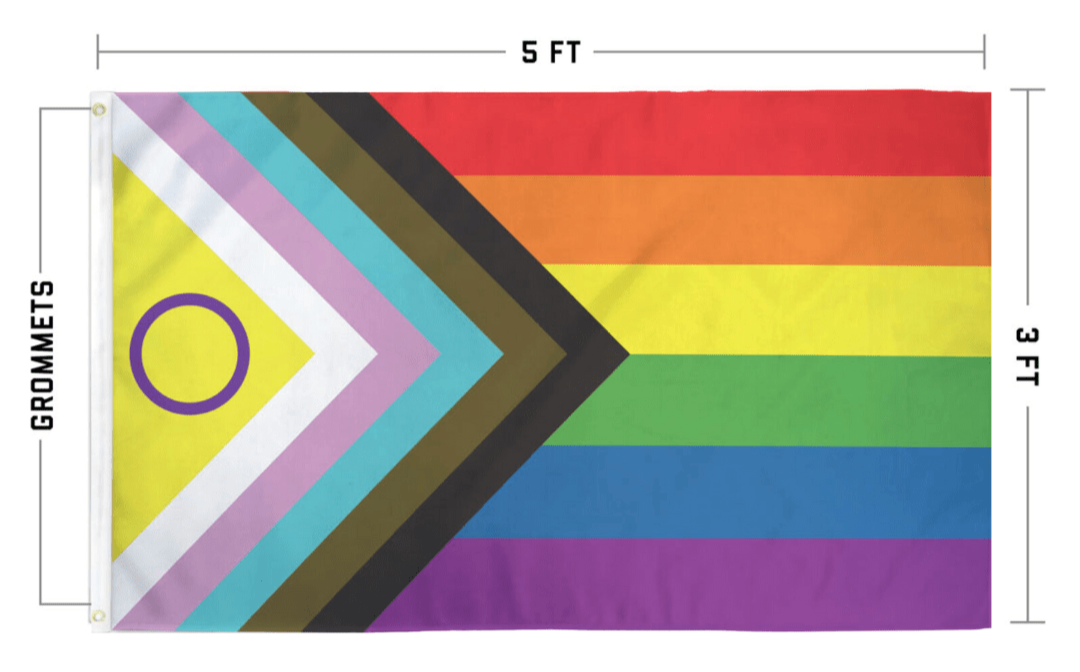
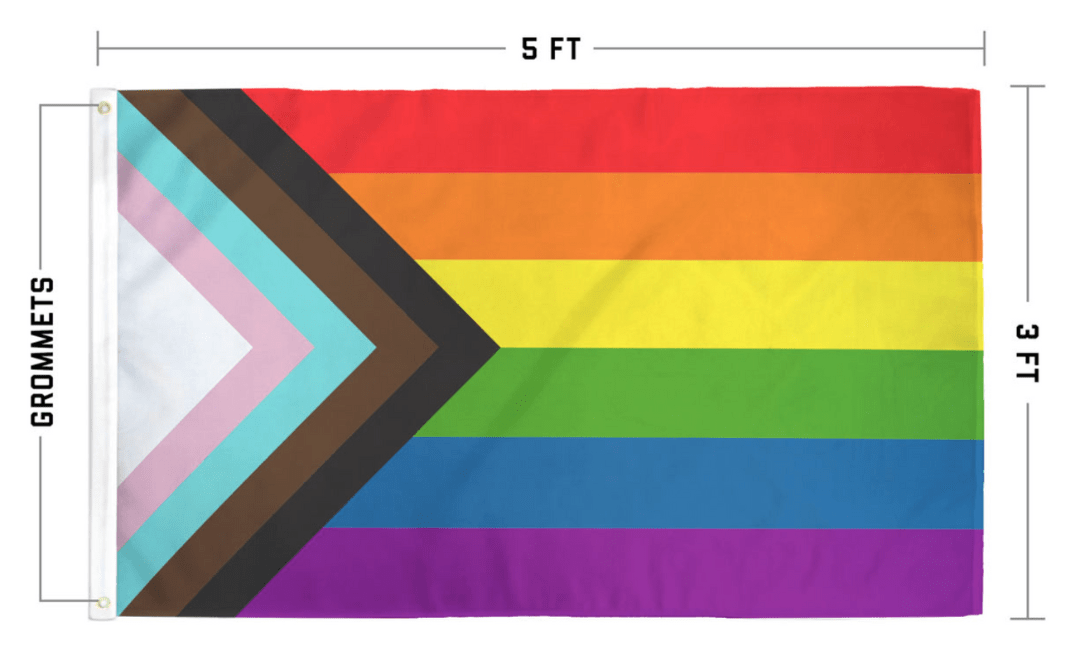
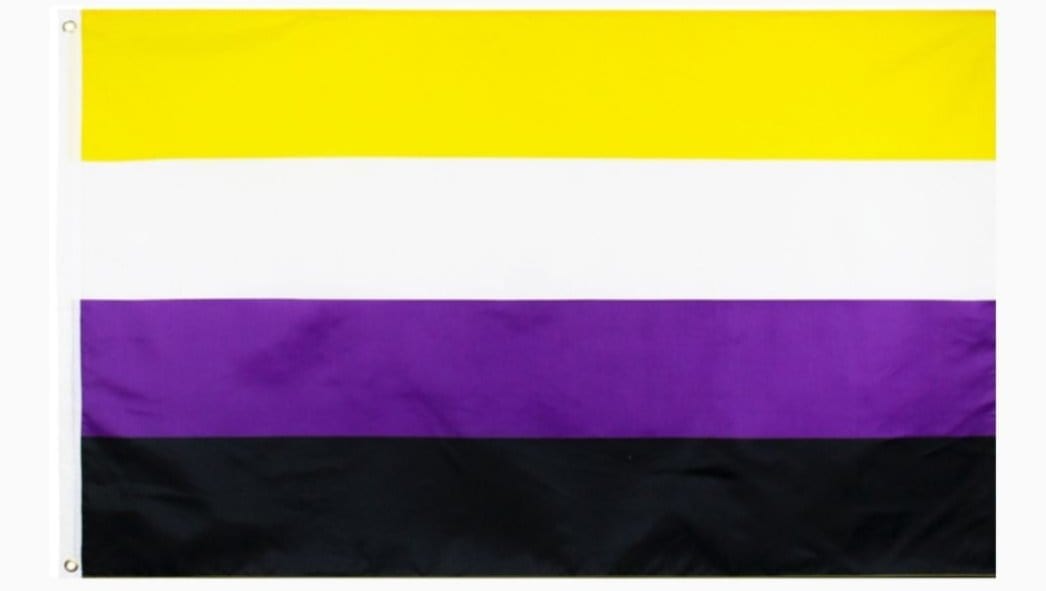
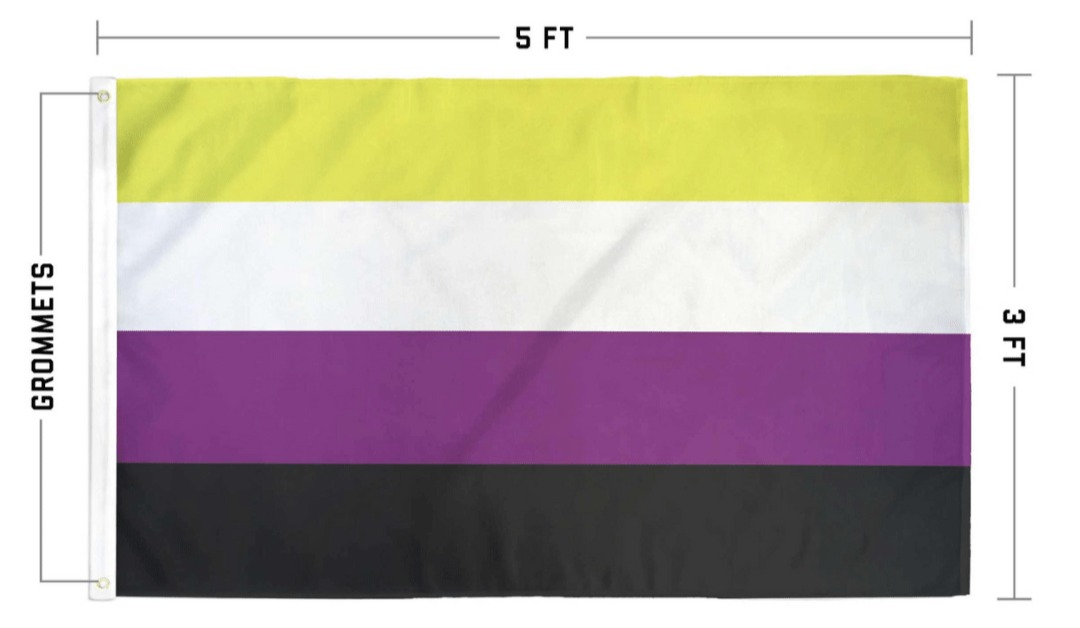
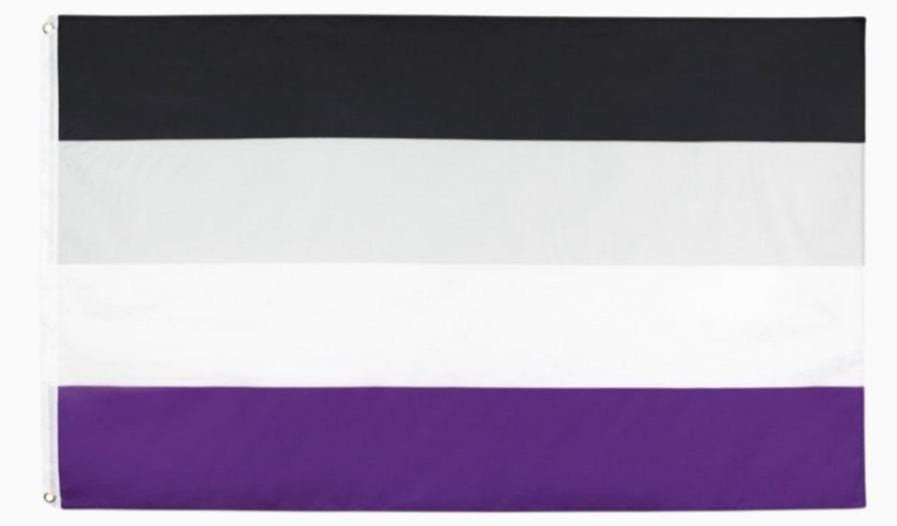
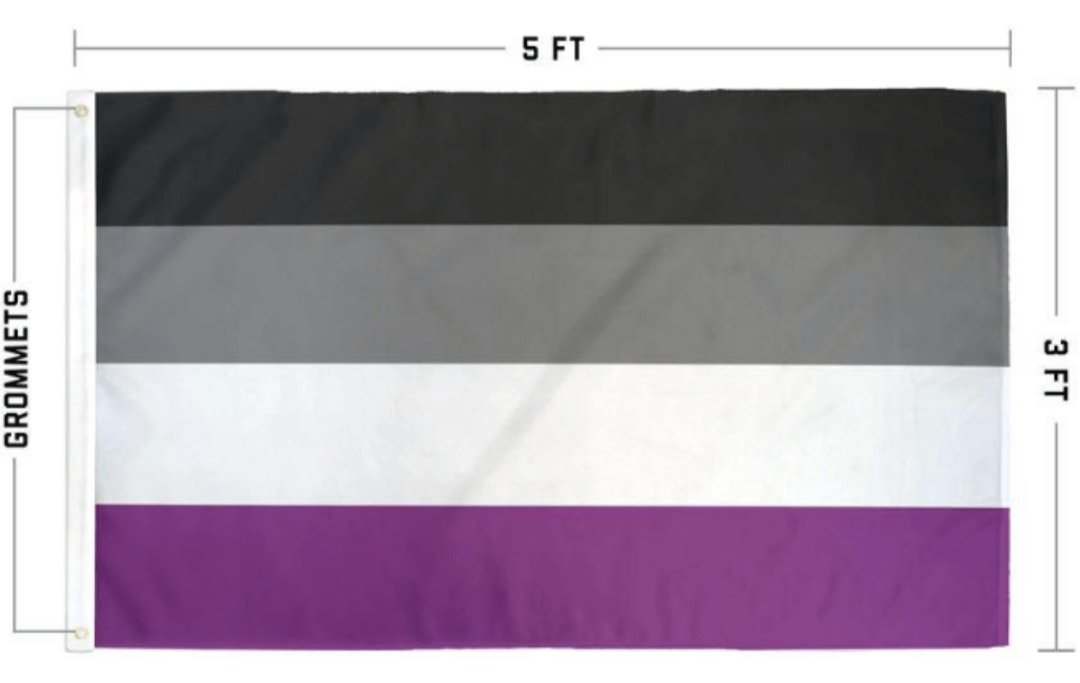
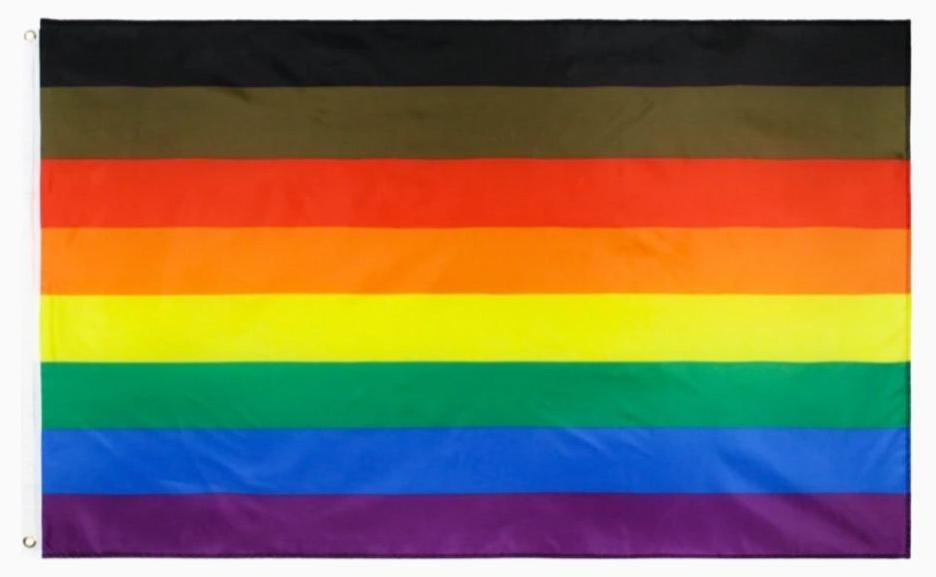
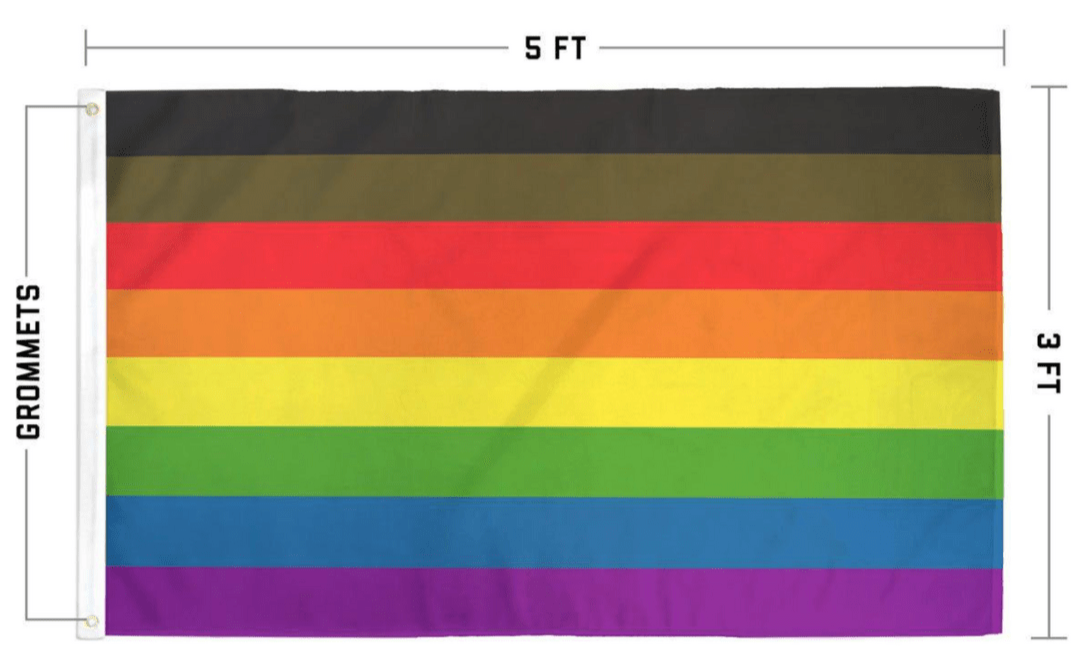
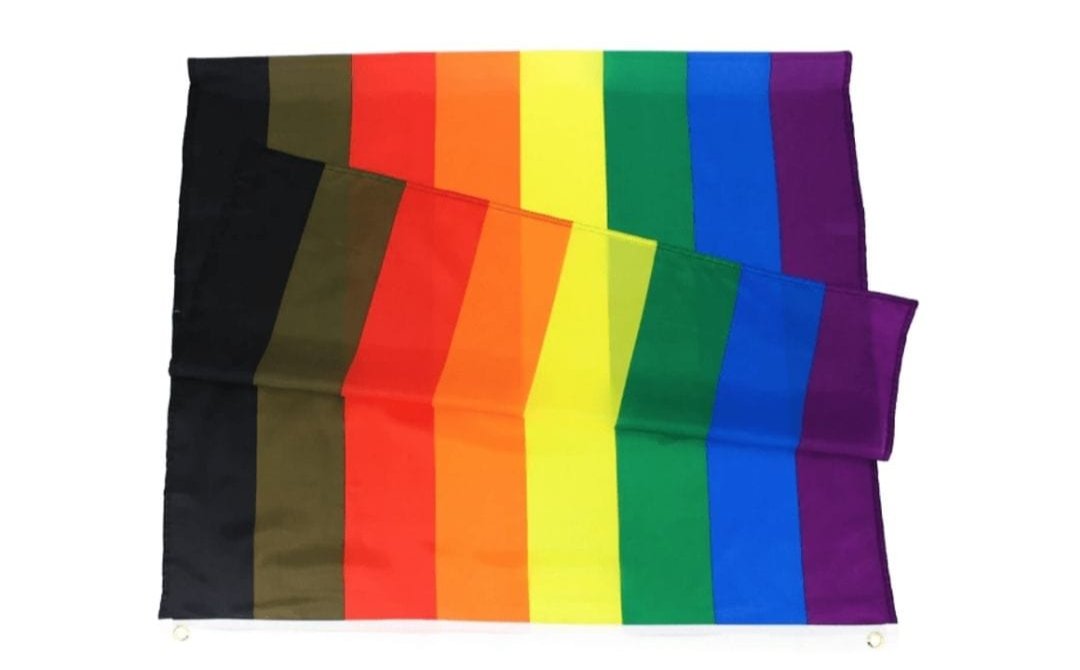
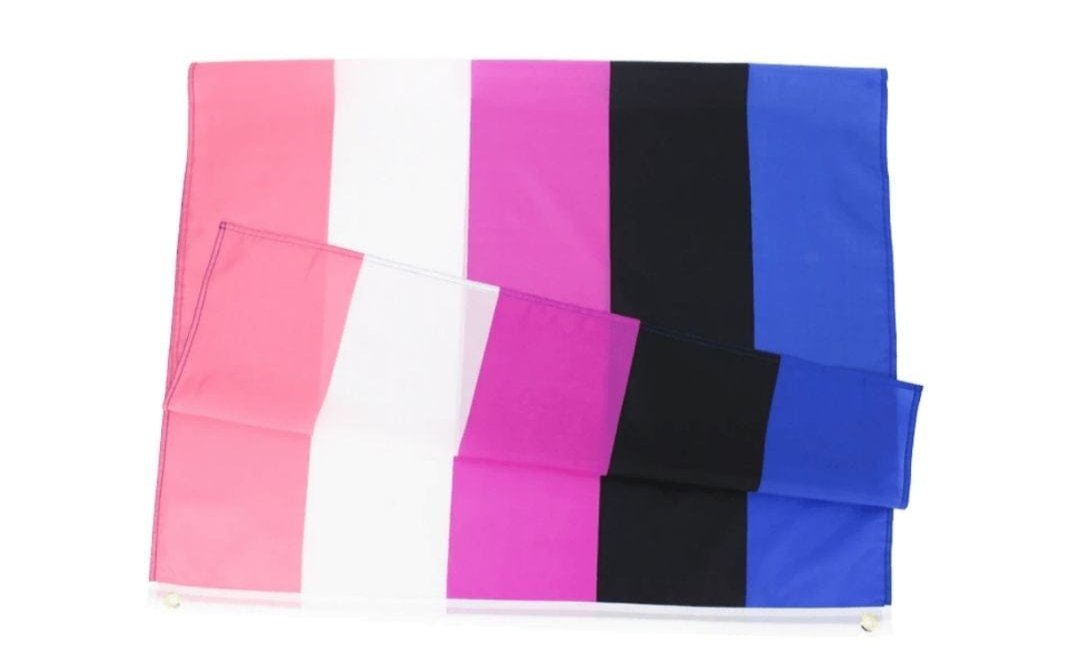
If a flag is not safe where you are, a pin or a ring carries the same thing more quietly, and you can read what each of the flag designs actually means on our flag meanings page. All sales benefit LGBTQ+ charities.
Last updated: September 30, 2026