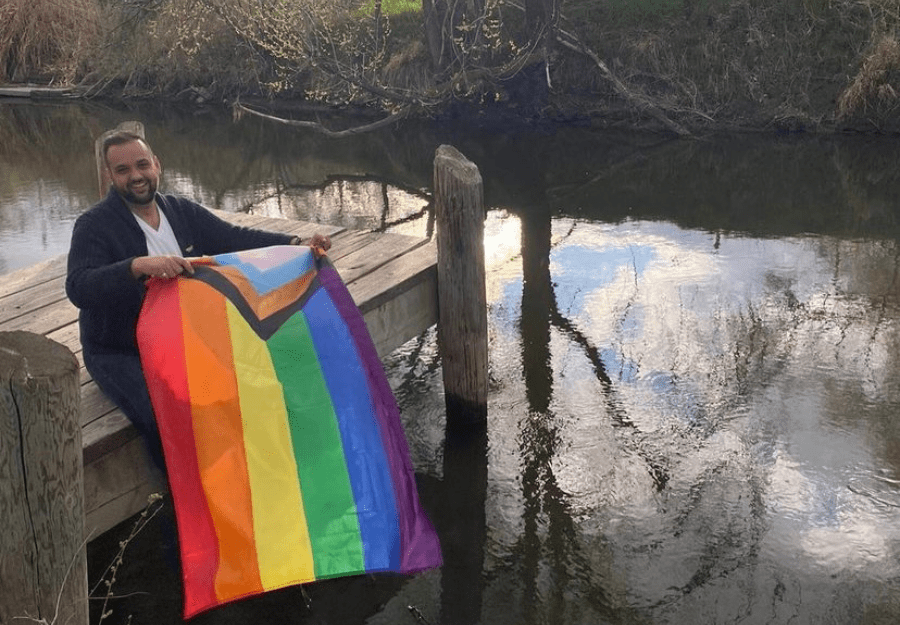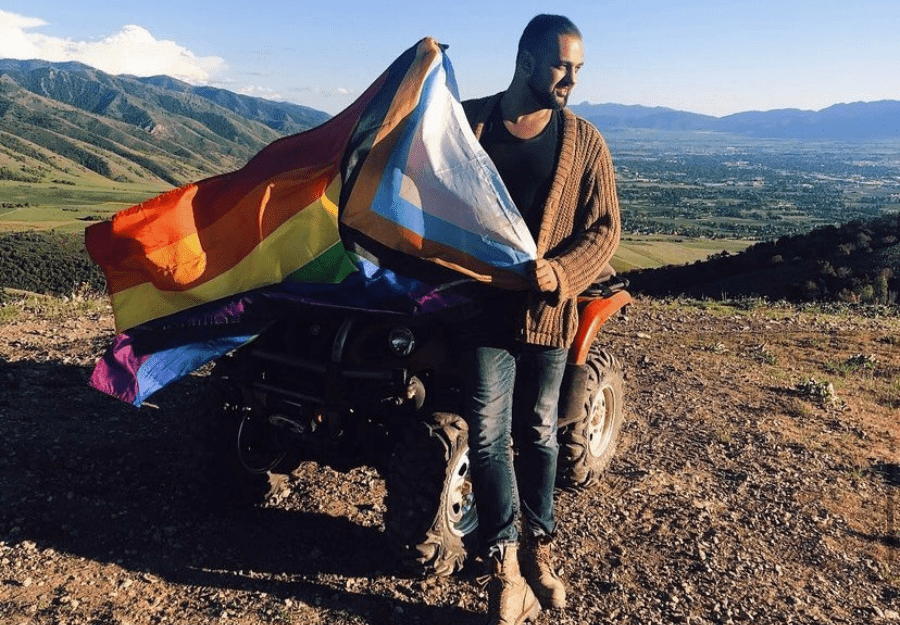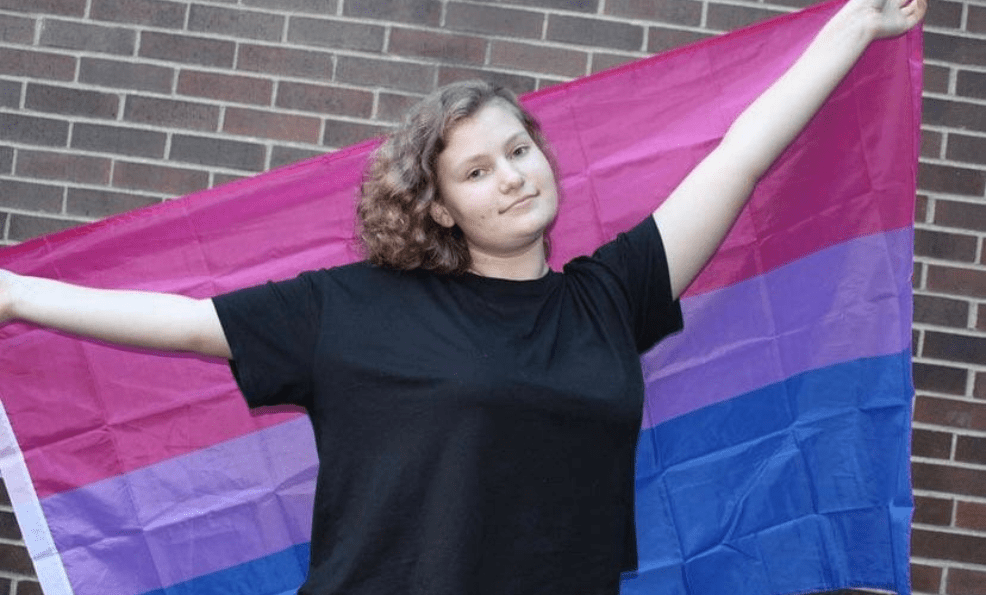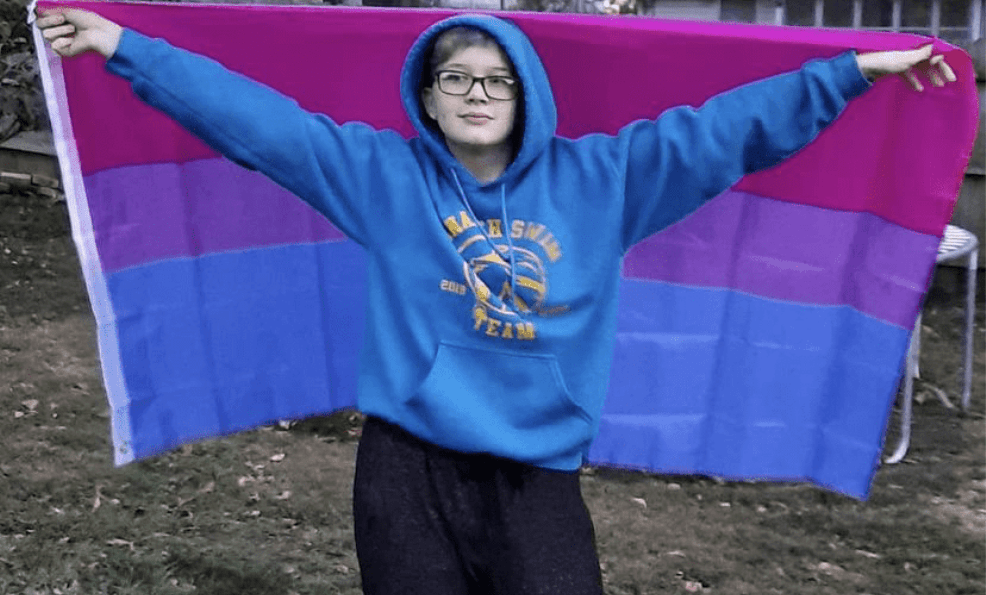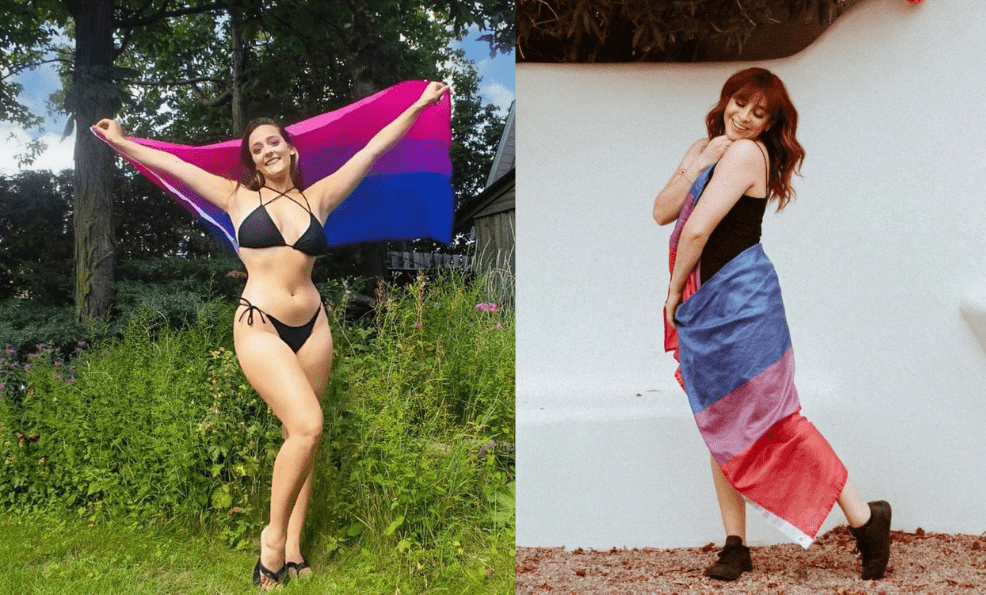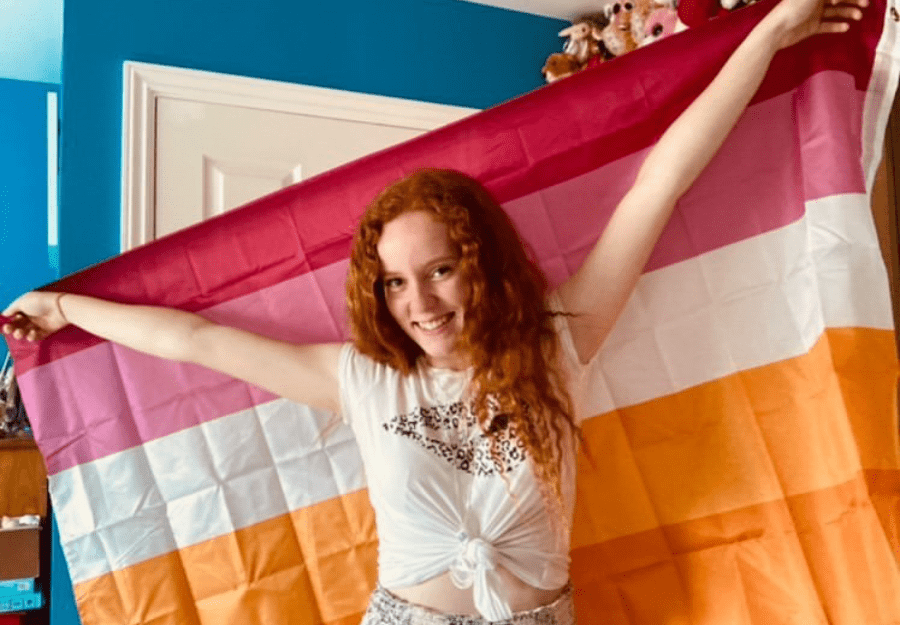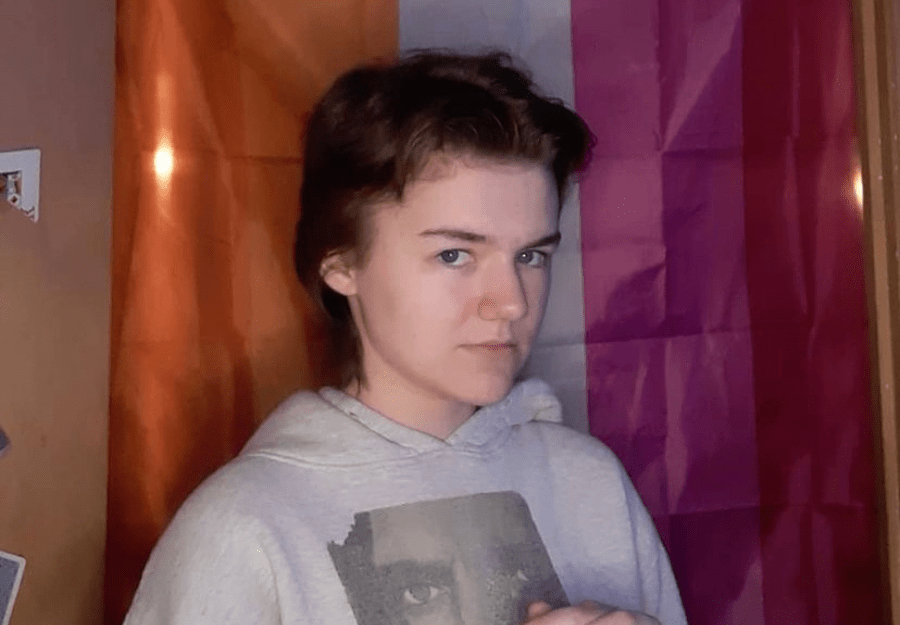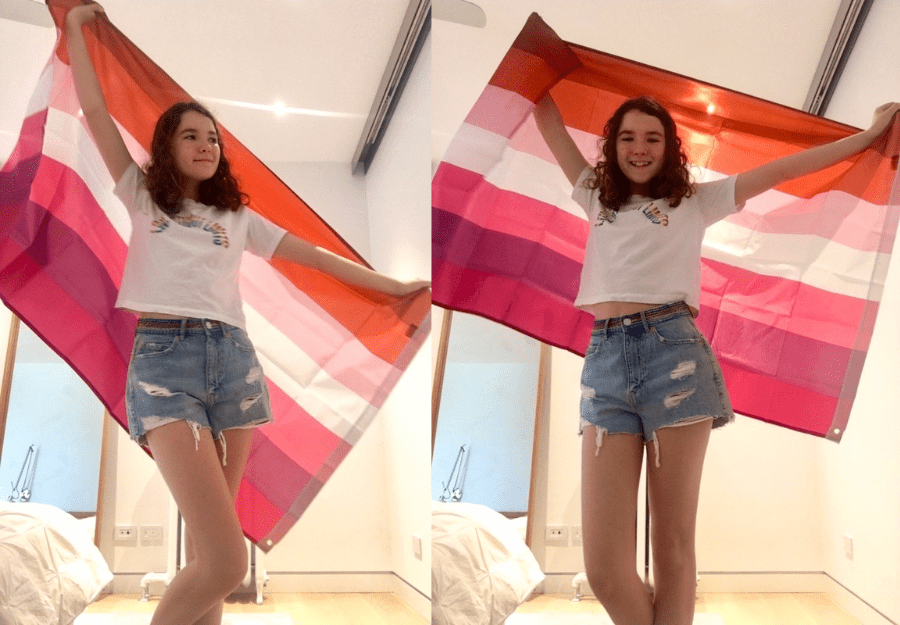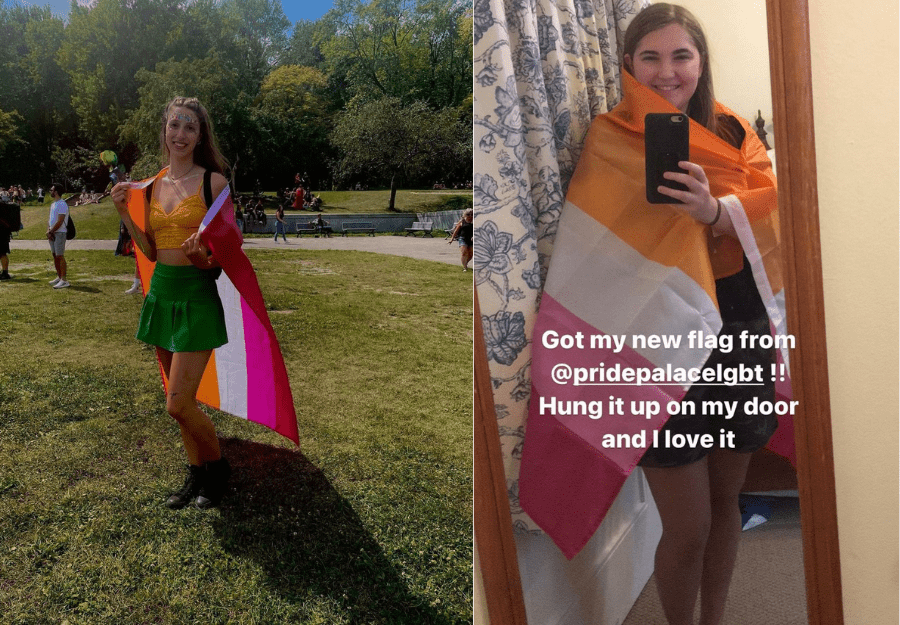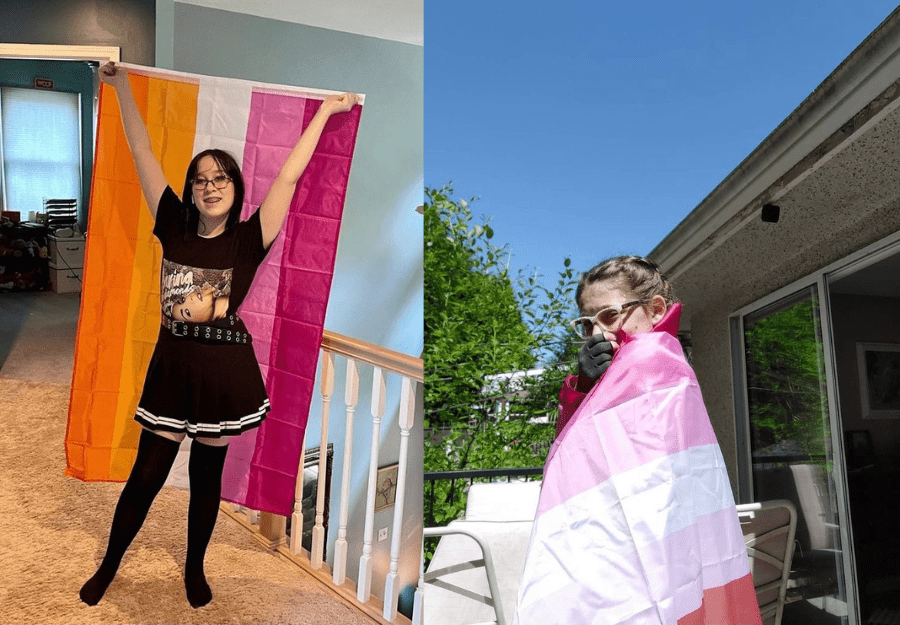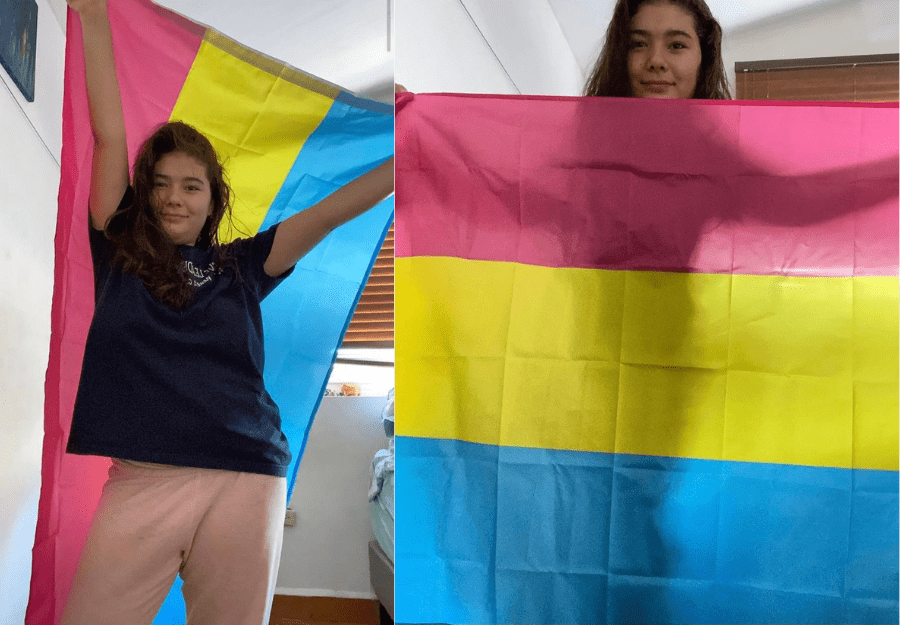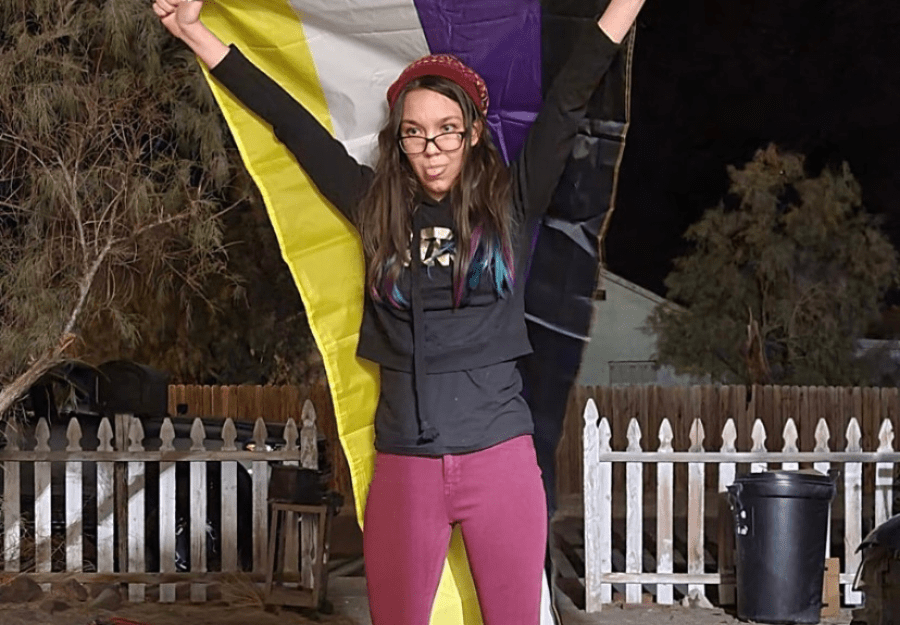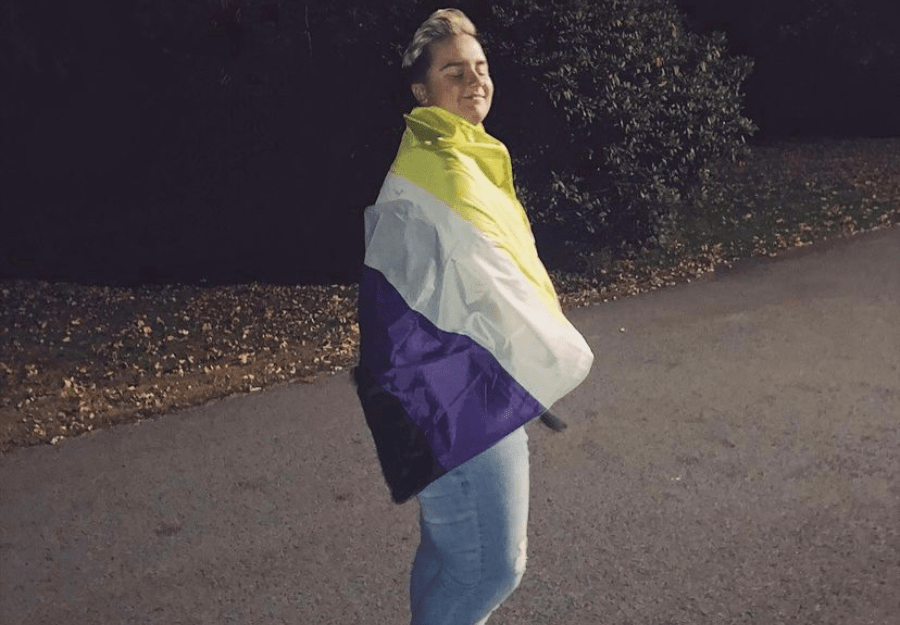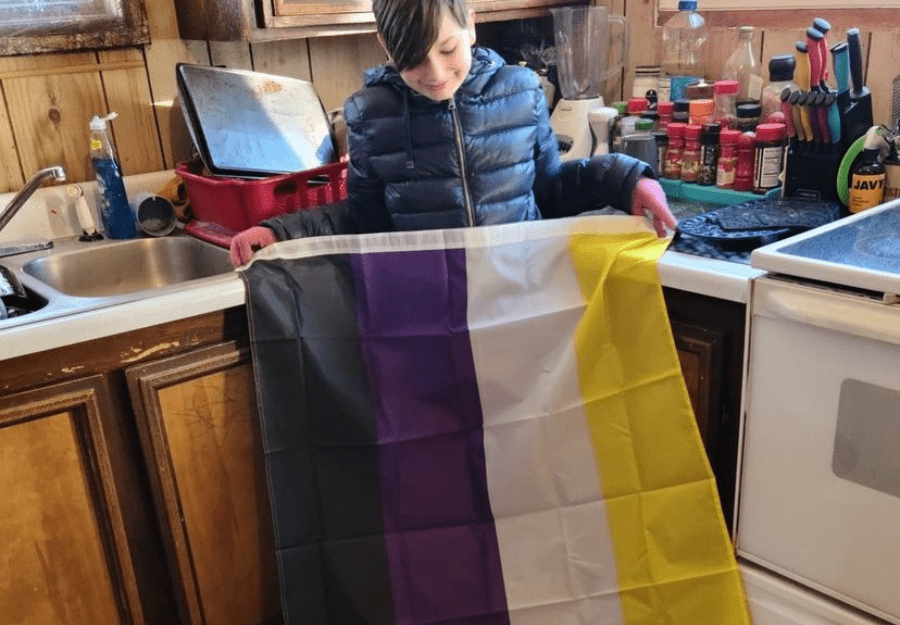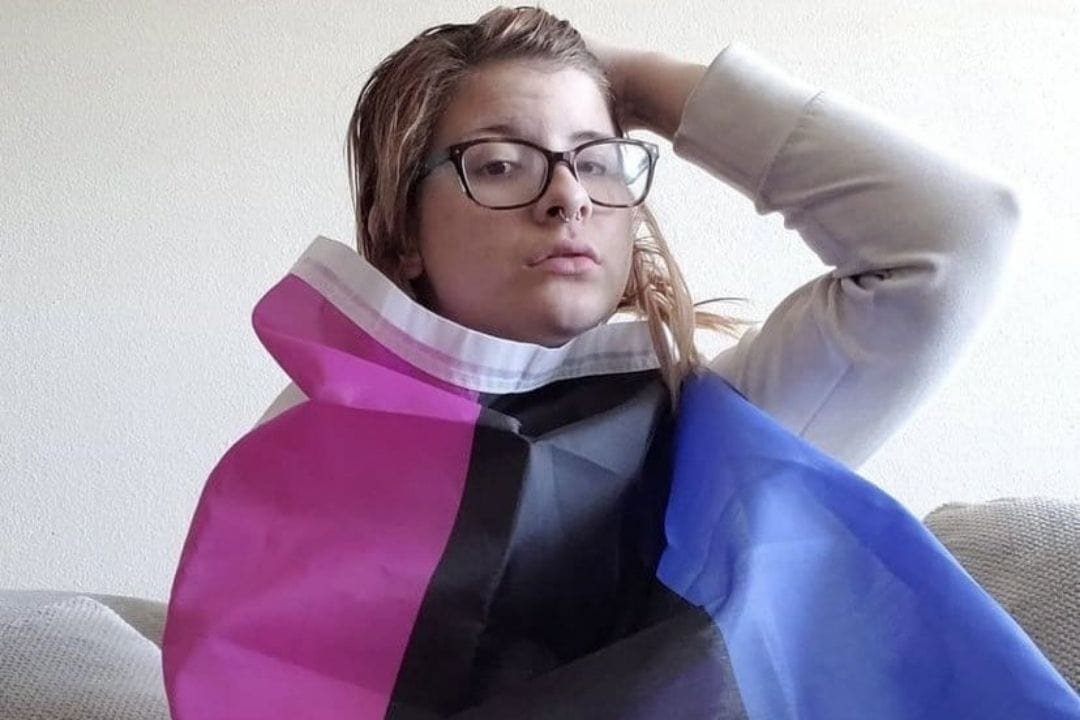

Julia T.'s story takes place on National Coming Out Day, and it is the only one we have been sent where the parents were more relieved than anything else.
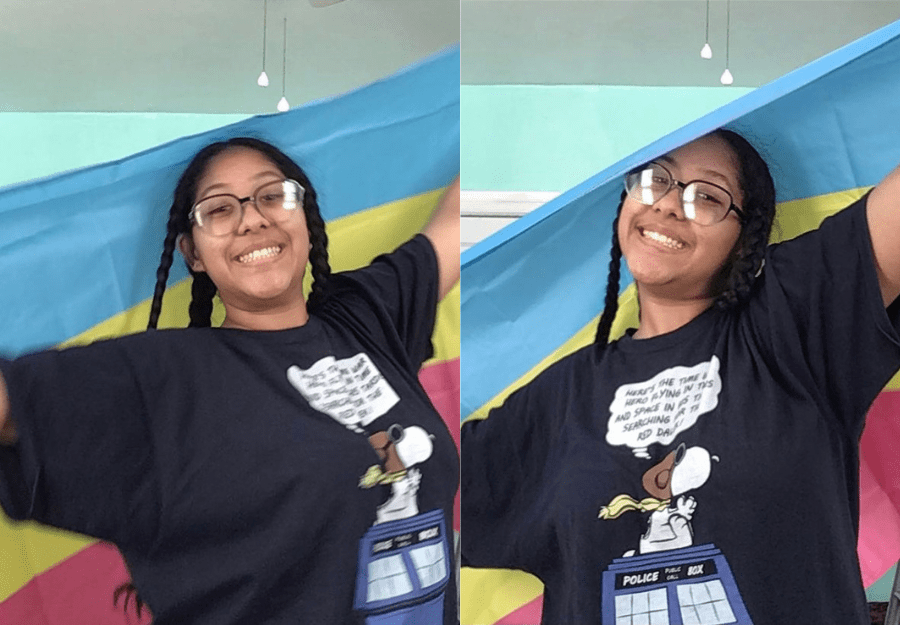
"I came out to my parents on National Coming-Out Day when I was 16 years old. I was coming home from sneaking out with my boyfriend at the time, and I didn't tell my family that I was with him because he was comforting me about the bullying I was experiencing that day in school for being bisexual. I came home late that night and my parents saw my location and confronted me that I wasn't where I told them I was. I started crying and told them that I was with my boyfriend, meanwhile they're confused why I'm crying. They sat me down and asked me what was wrong, and I started to talk about how I had to tell them something that was serious. My parents are now freaking out asking for me to tell them what it is. I eventually work up the nerve to tell them I was bisexual, and to my surprise they both exhaled in relief and said 'Thank gosh!' Me, very confused, asked them why in the world they had that reaction, and they said 'We've known you were attracted to girls since you were little, but we thought that since you were sneaking out with your boyfriend and you were crying that you were pregnant at 16!' We all had a good laugh afterwards and all was fine, and I am still so grateful that my parents were so accepting."
They already knew, and had known for years
The punchline is that she was not telling them anything.
"We've known you were attracted to girls since you were little."
This happens more than the genre lets on, and it produces a strange feeling: relief mixed with something close to annoyance. You have been carrying a secret at real cost, rehearsing the sentence, calculating the risk, and it turns out the information was already in the room. Nobody had said so, because they were waiting for you, which is the correct thing to do and also means the waiting was lonelier than it needed to be.
If you are the parent and you already know: you cannot say it for them, and you should not. But you can make the room obviously safe long before the conversation, so that when it comes it is a formality rather than a gamble.
Why she was crying
The part that gets lost in the laugh at the end is the reason the evening happened at all.
"He was comforting me about the bullying I was experiencing that day in school for being bisexual."
She was being bullied at school for being bisexual on National Coming Out Day, before she had come out to her parents. So the order of events is the one nobody plans for: outed enough at school to be a target, still closeted at home, sneaking out to be consoled by her boyfriend about it, and then caught by her own location sharing.
She came out that night because she had been crying and got asked why. It was not a chosen date. The day just happened to have a name.
"We thought you were pregnant at 16"
Two parents sit their sixteen-year-old down, she says she has something serious to tell them, and they spend the next minute braced for a pregnancy. Then she says "bisexual" and they both exhale.
Her word for it is surprise, and she is still grateful years later. Worth noticing though: the relief was not really about her. It was about the thing they had already decided was the bad news. She got a warm reaction because she was being compared to an outcome she had nothing to do with.
It worked out, they laughed, and it was fine. Not every parent has a worse fear loaded and ready, so this is a piece of luck rather than a technique. But if you ever get a reaction that seems wildly out of proportion in either direction, this is often why: you are landing in the middle of a conversation your family was already having without you.
If you are somewhere in the middle of this
Our coming out stories page is filling up with accounts like Julia's from across the community, and it exists because reading someone else's version is the thing that makes your own feel survivable.
And if you have a story of your own, we would like to read it. There is a form at the bottom of the stories page. You choose whether your name appears on it.
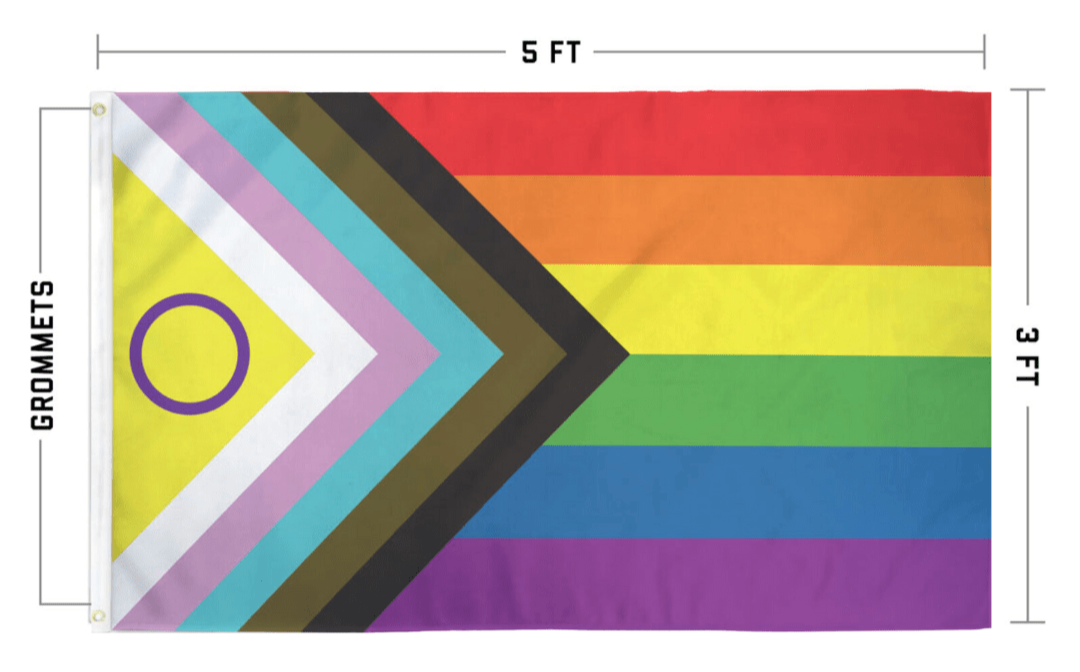
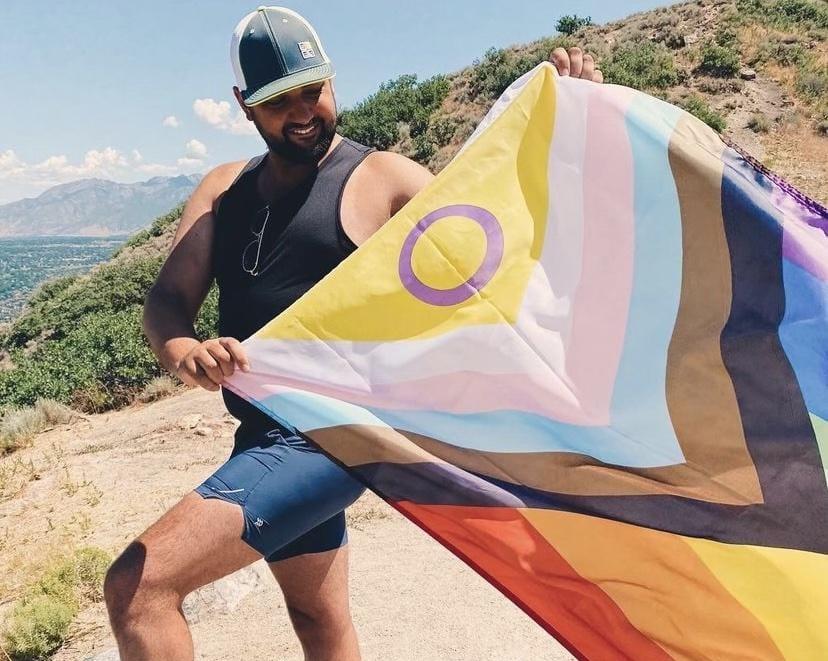
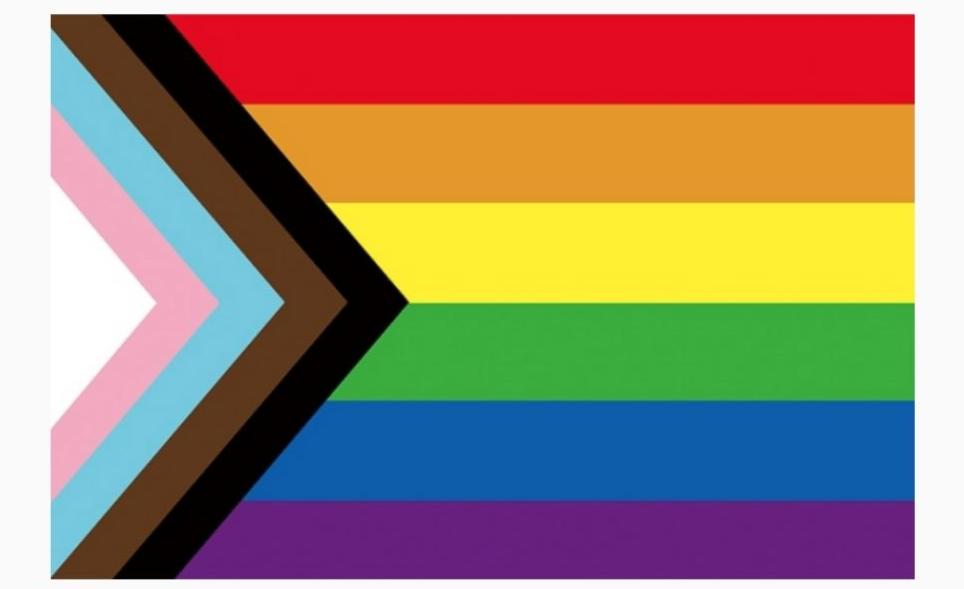
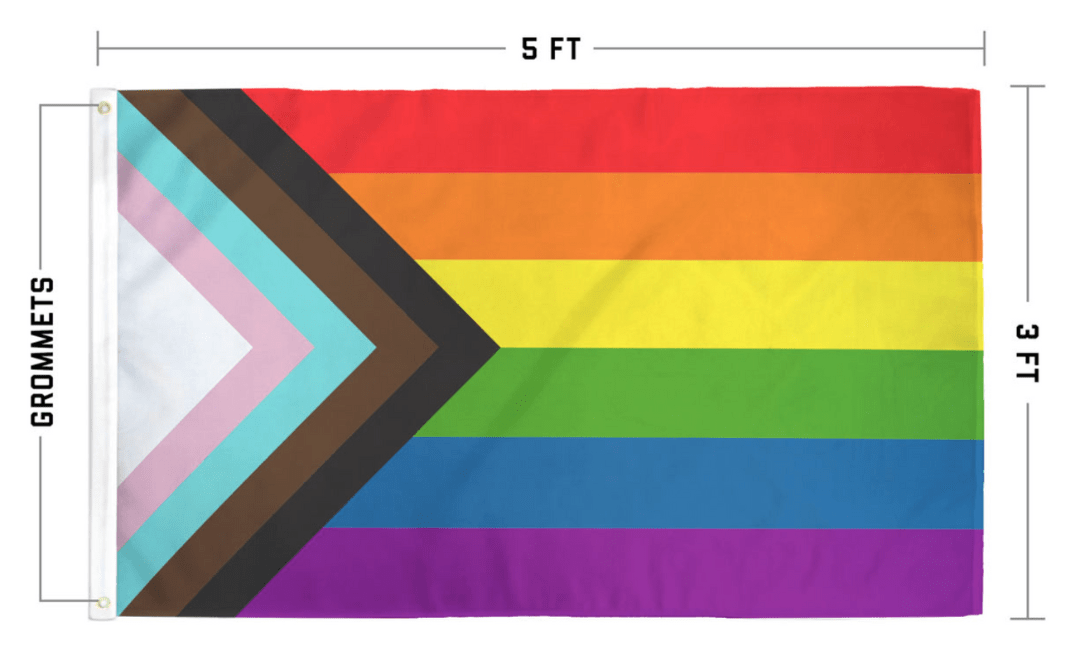
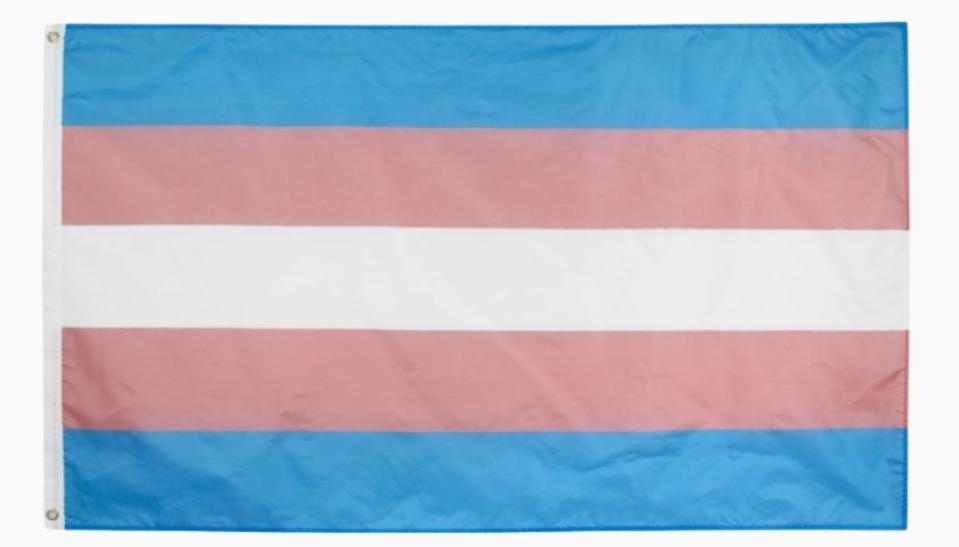
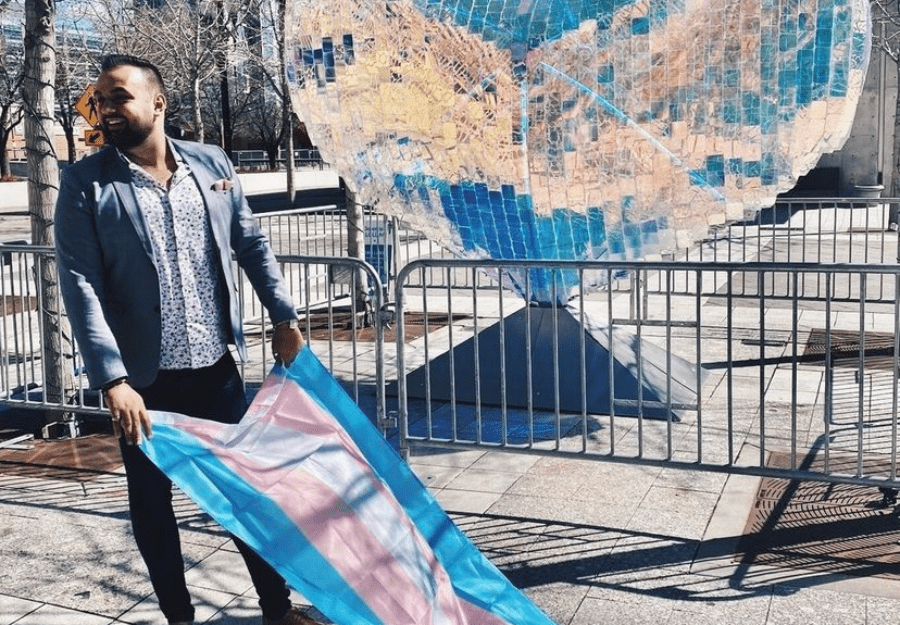
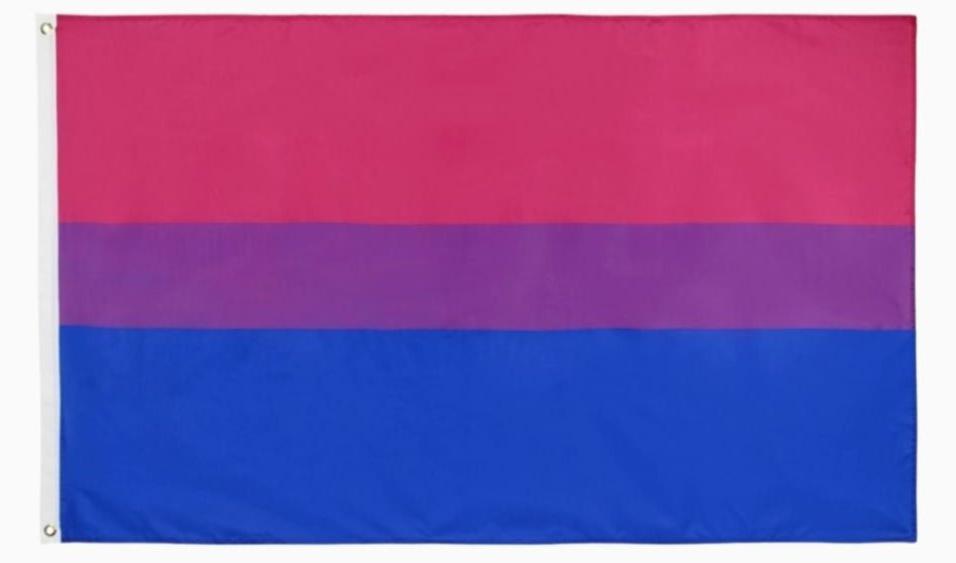
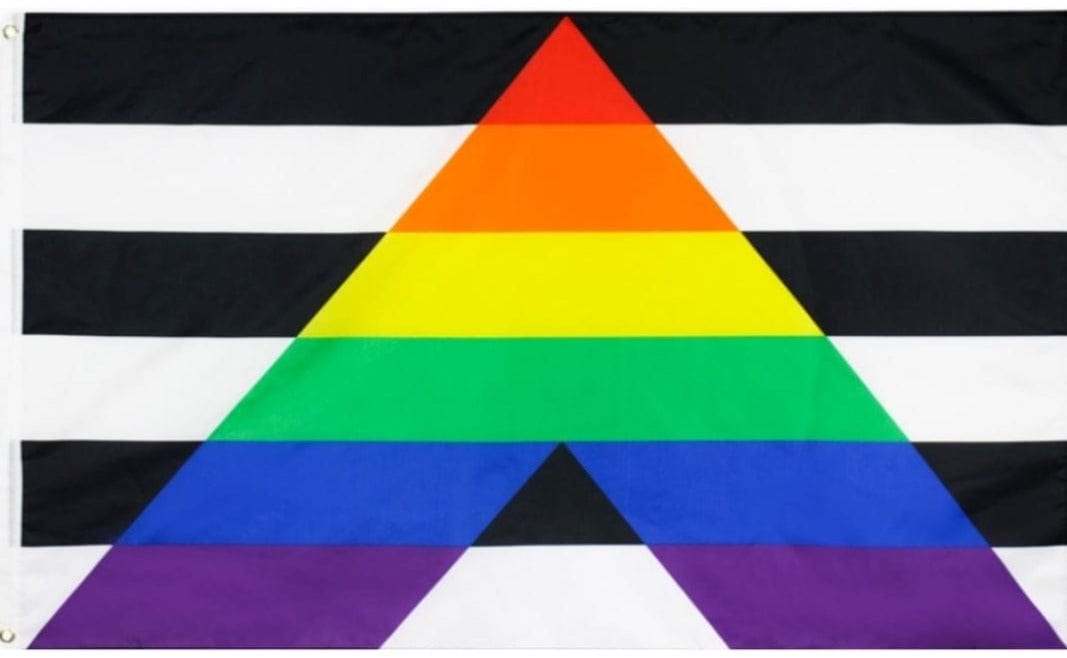
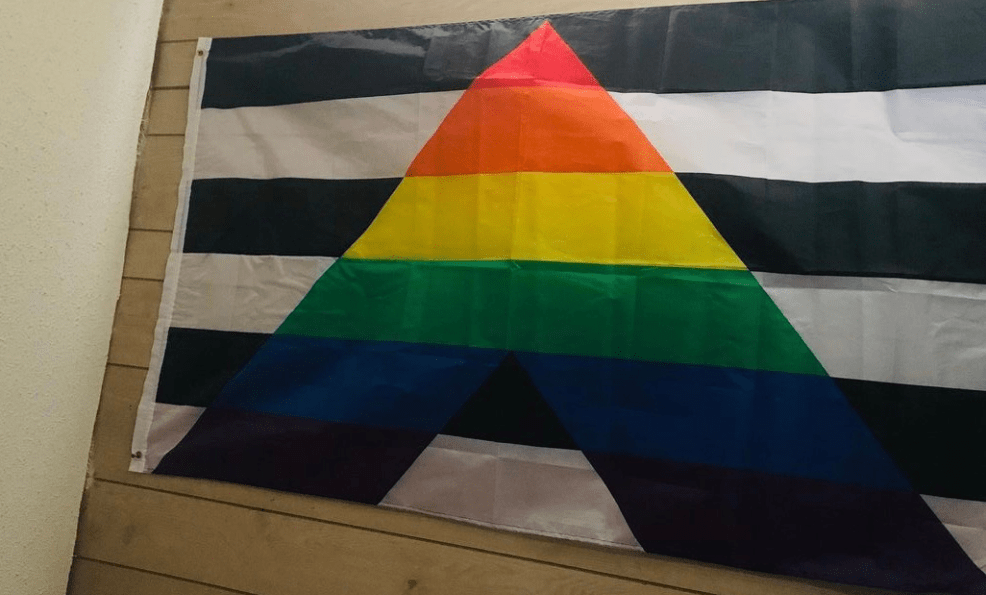
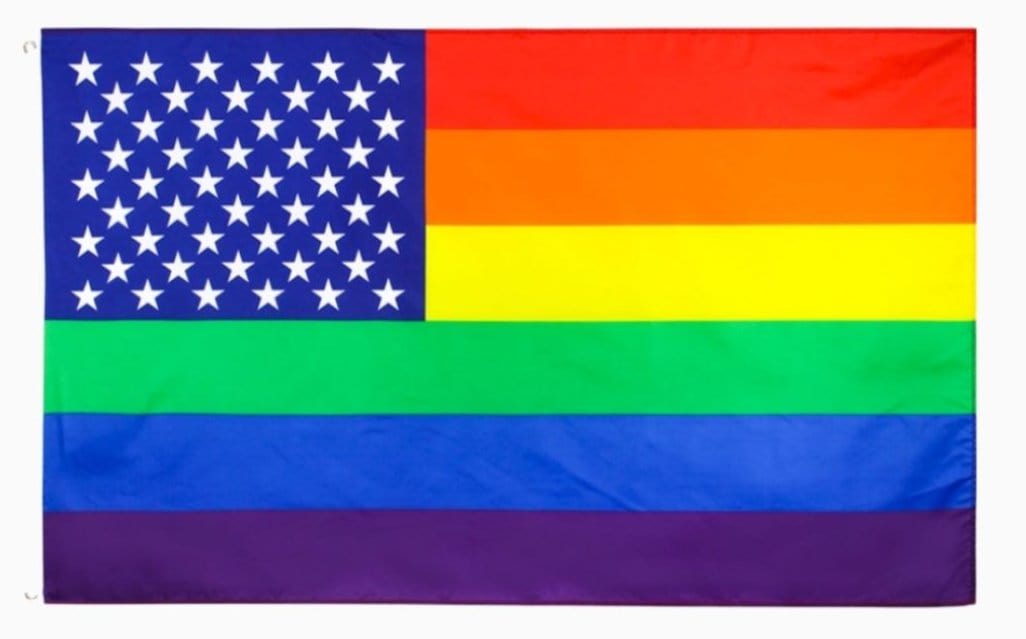
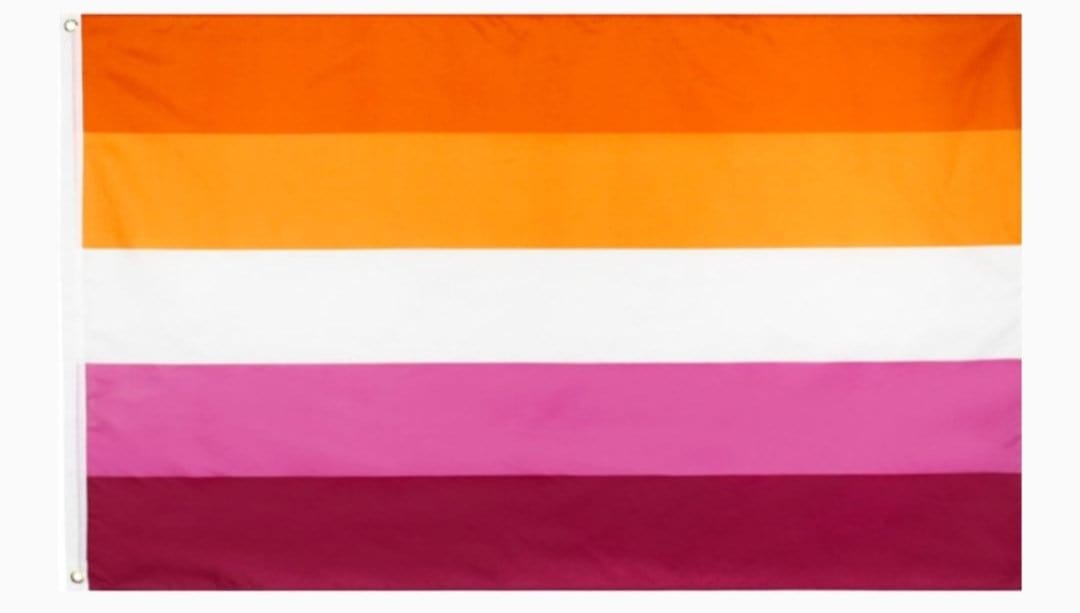
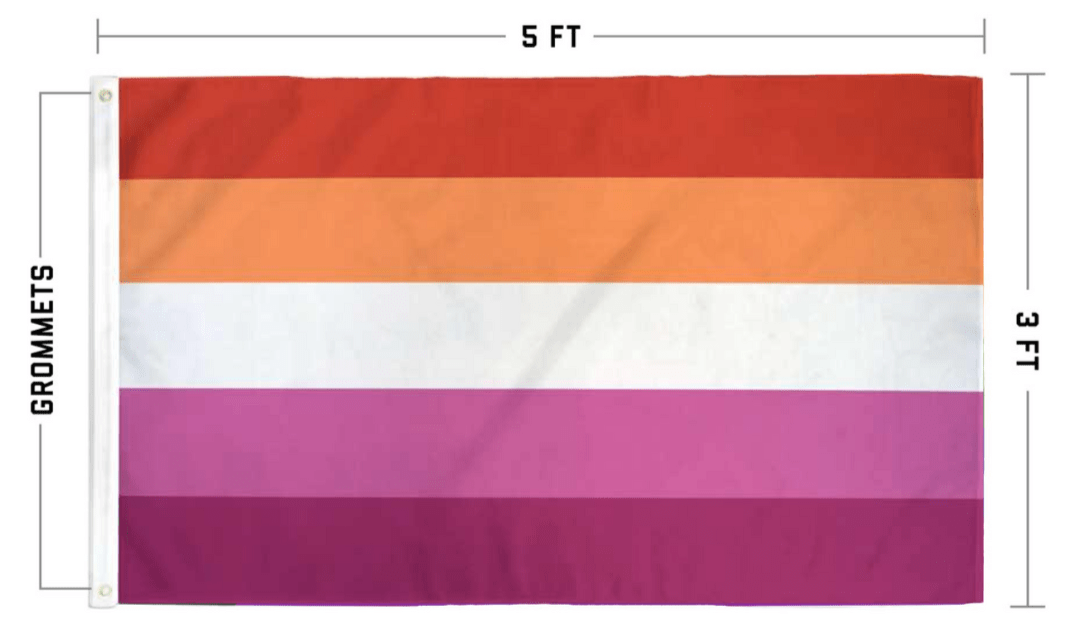
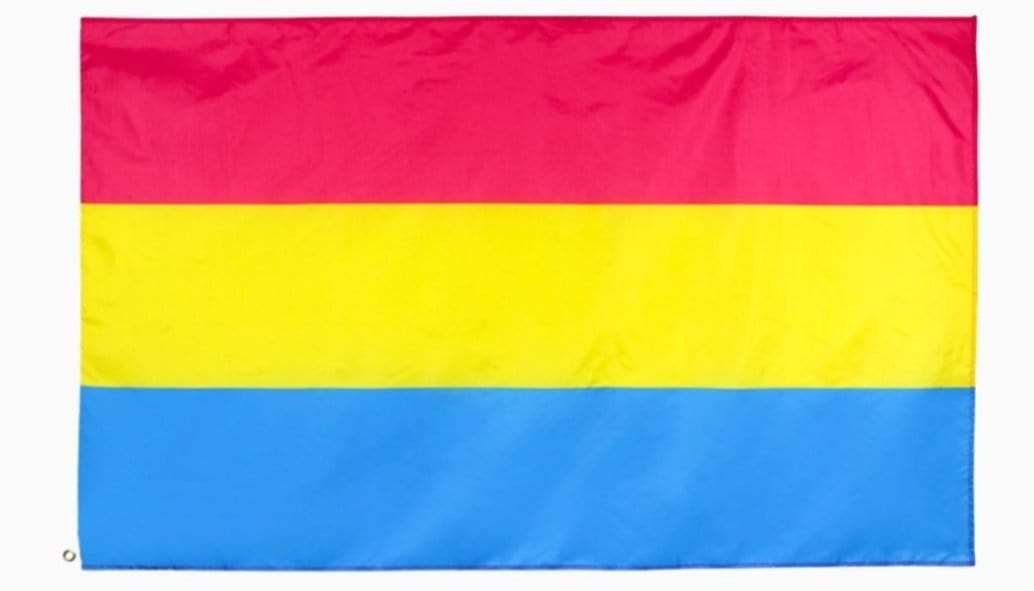
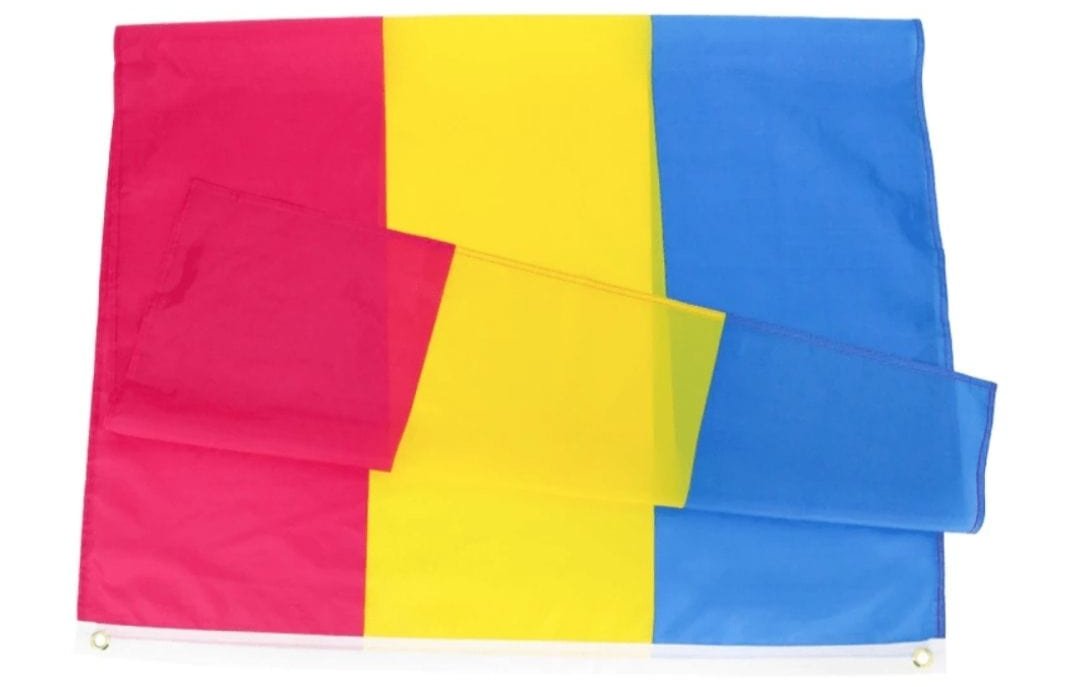
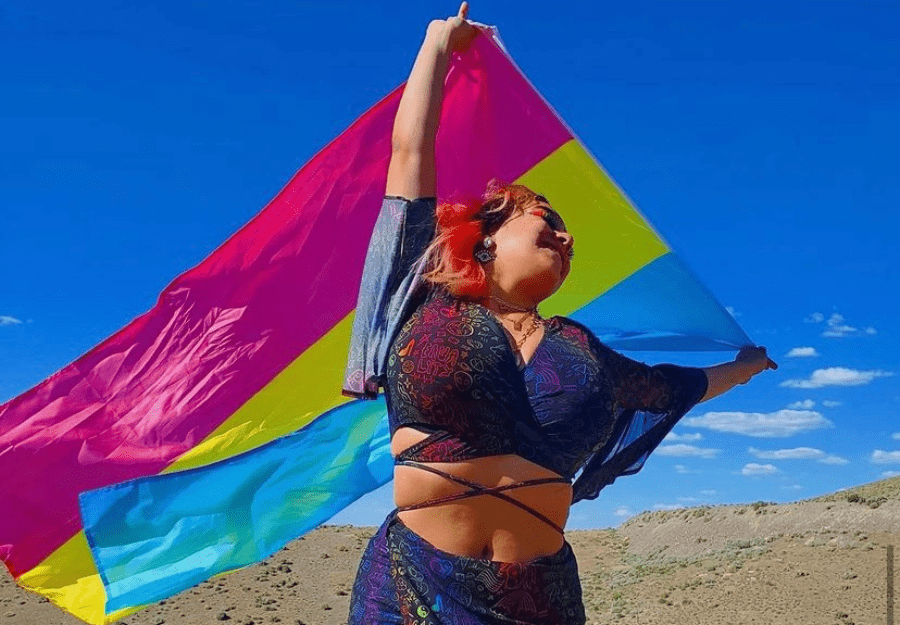
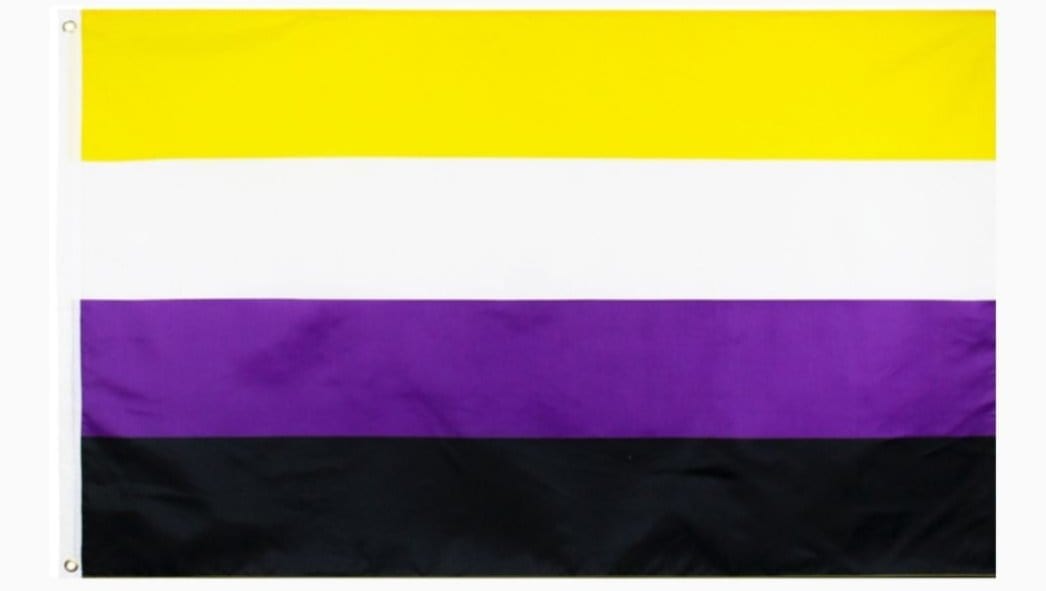
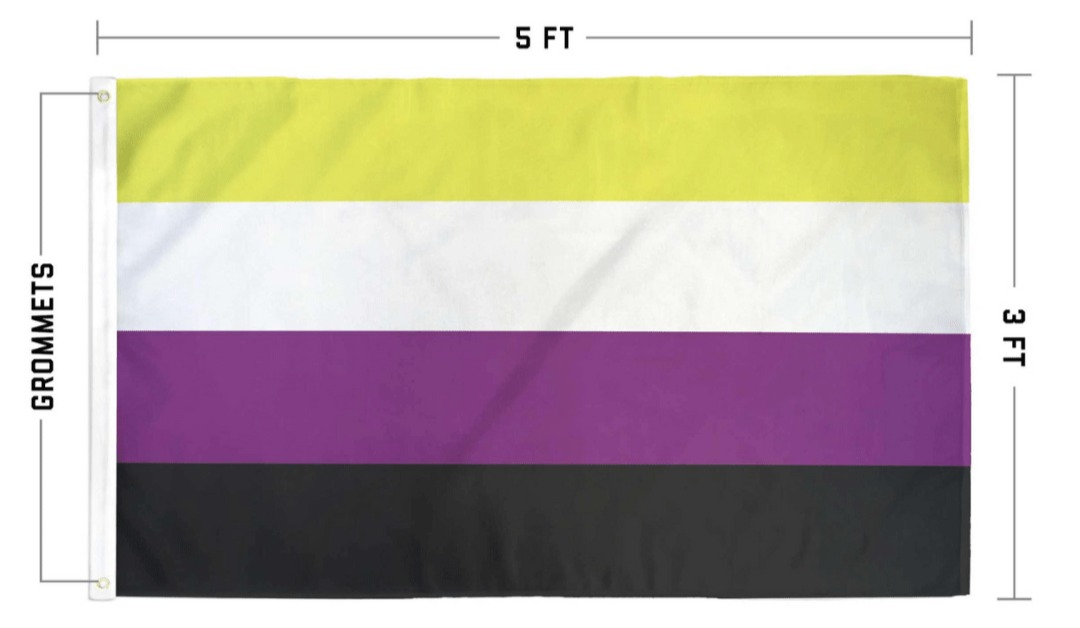
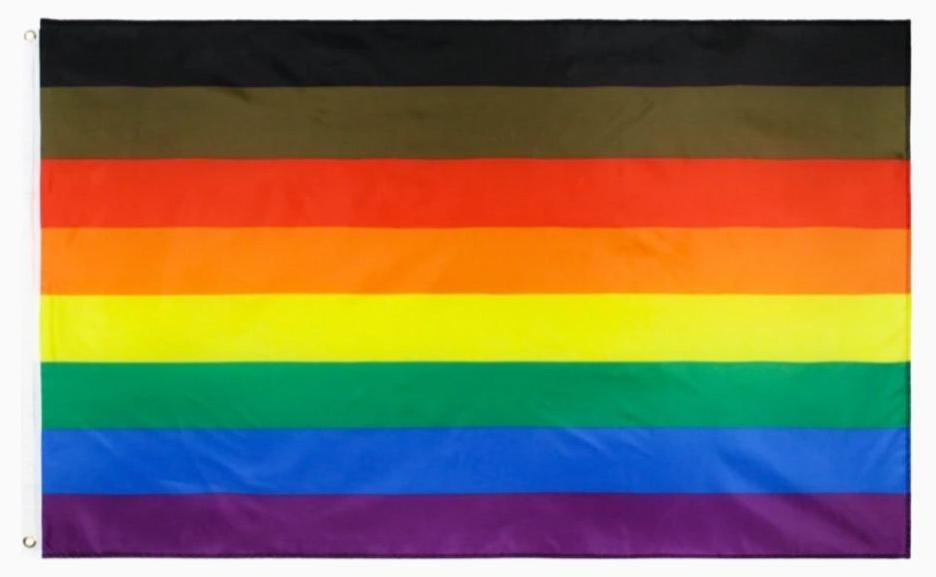
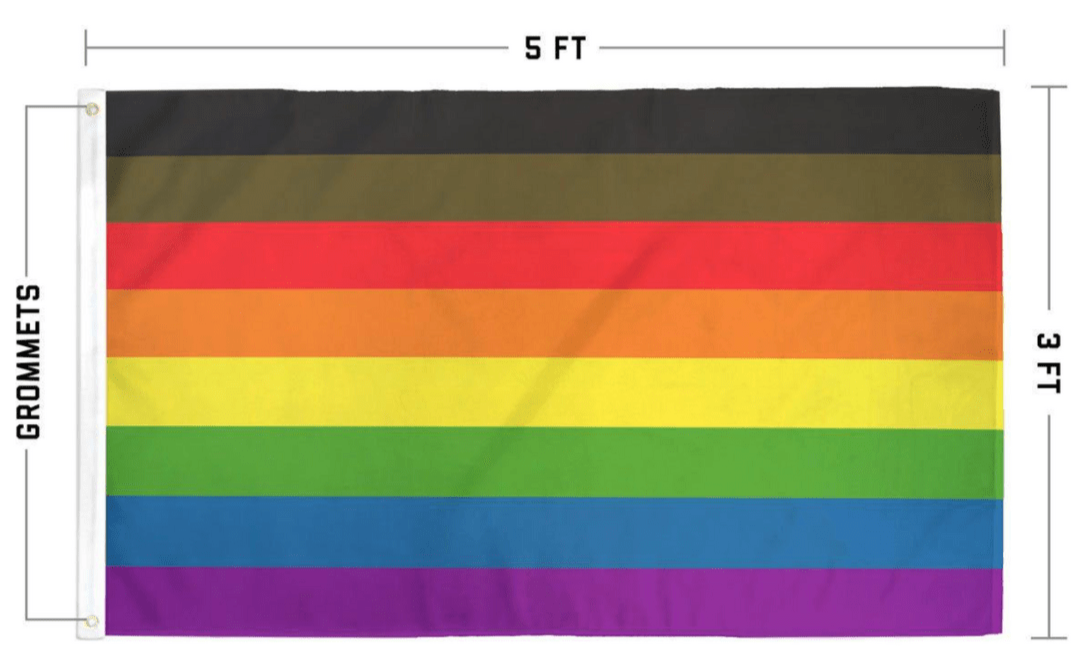
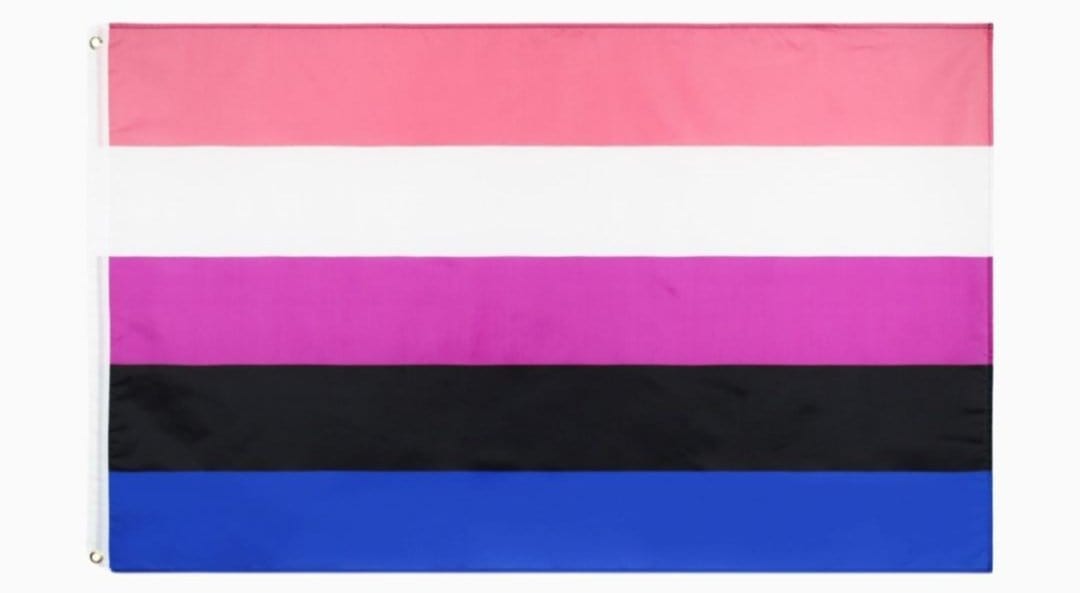
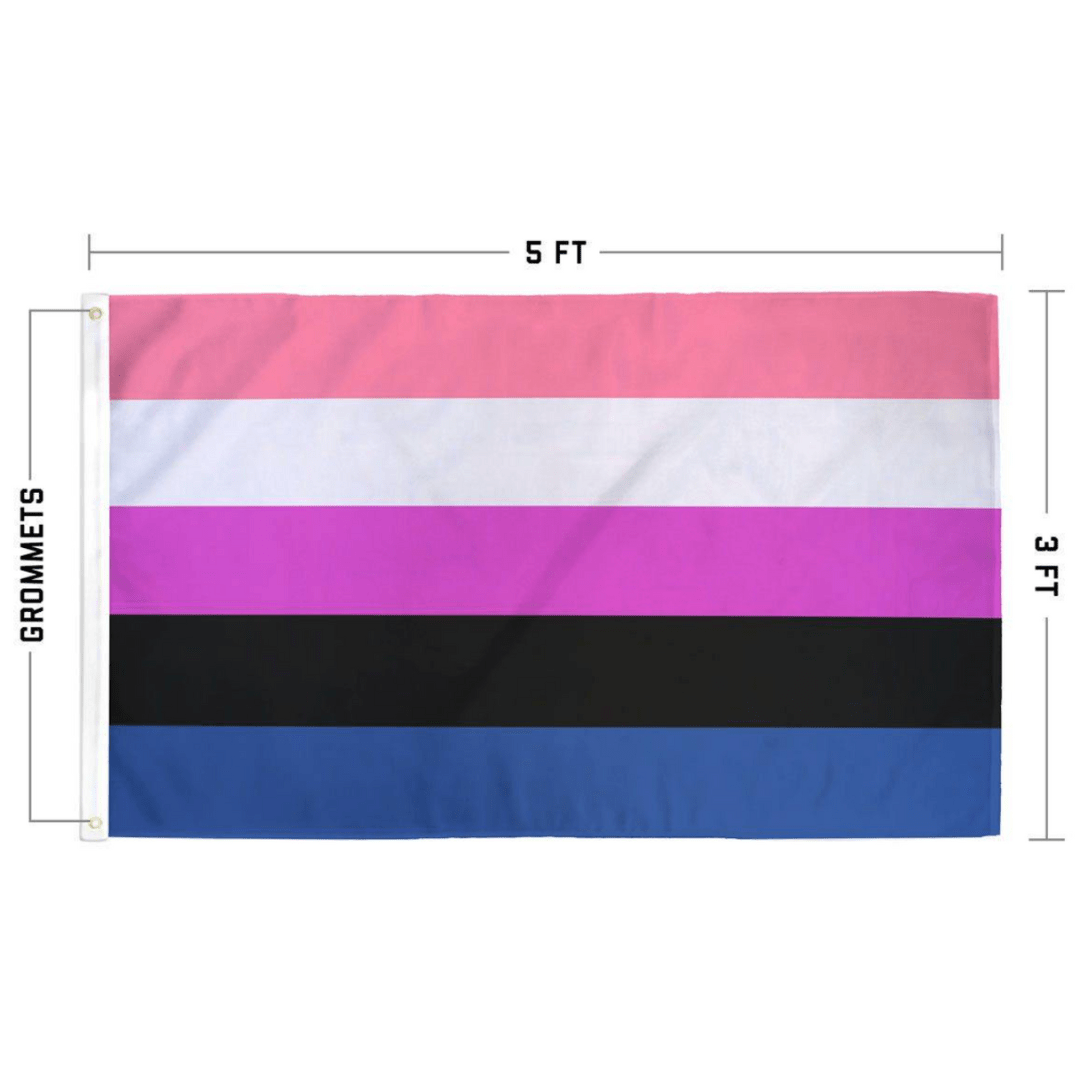
If a flag is not safe where you are, a pin or a ring carries the same thing more quietly, and you can read what each of the flag designs actually means on our flag meanings page. All sales benefit LGBTQ+ charities.
Last updated: September 30, 2026