
International Women’s Day honors what women have built, fought for, and changed. It’s also a reminder of what still isn’t equal or safe.
In 2026, UN Women’s theme is “Rights. Justice. Action. For ALL Women and Girls.” It’s a powerful sequence because it captures the whole problem: Rights are what people promise, justice is what systems deliver, Action is what closes the gap between the two. And “for all” matters, because progress that only reaches some women isn’t progress, it’s a privilege disguised as victory.
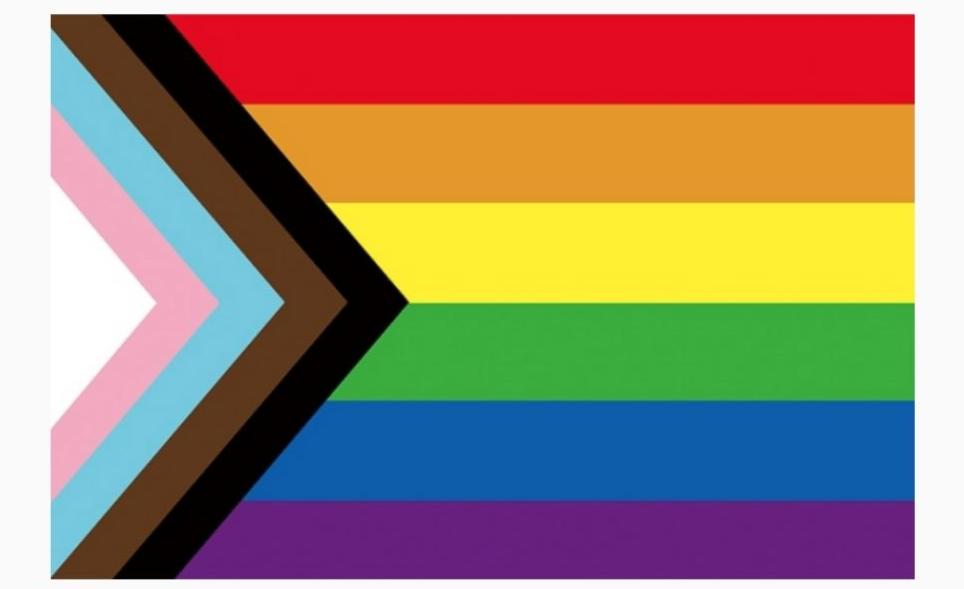
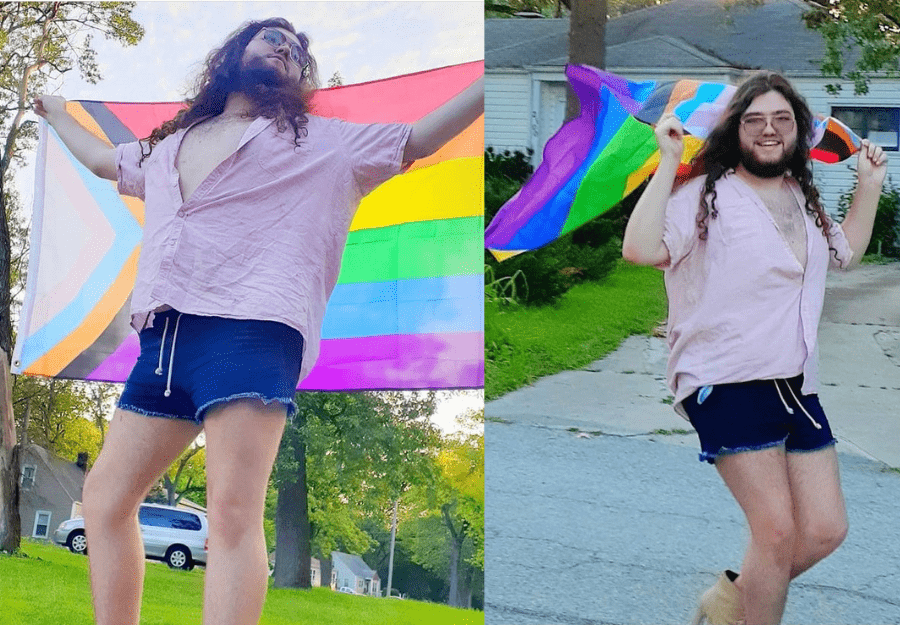
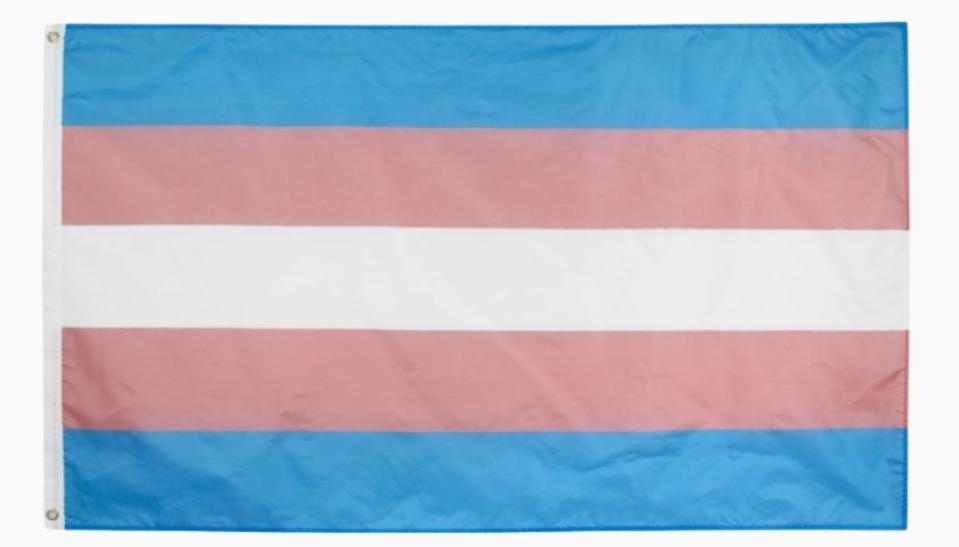
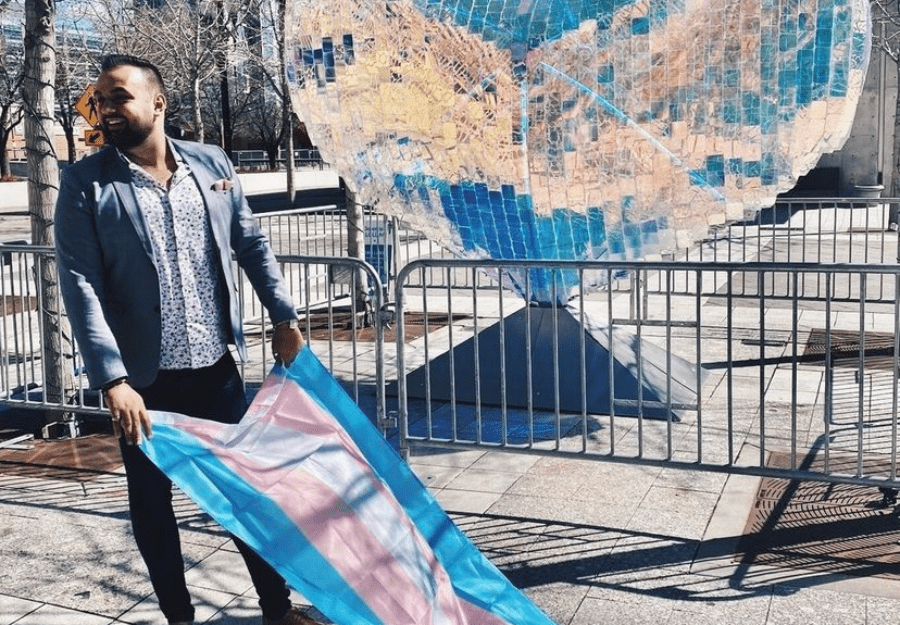
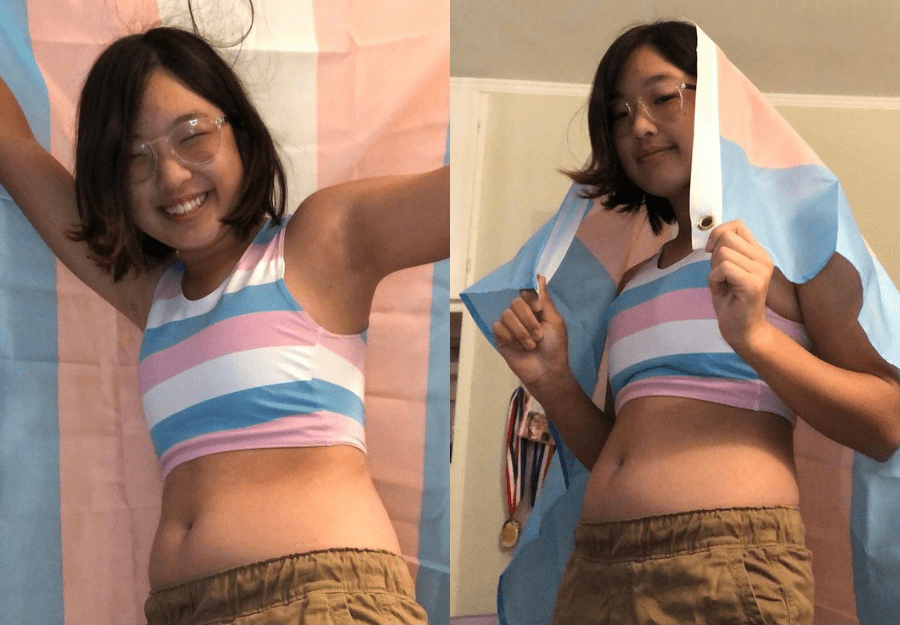
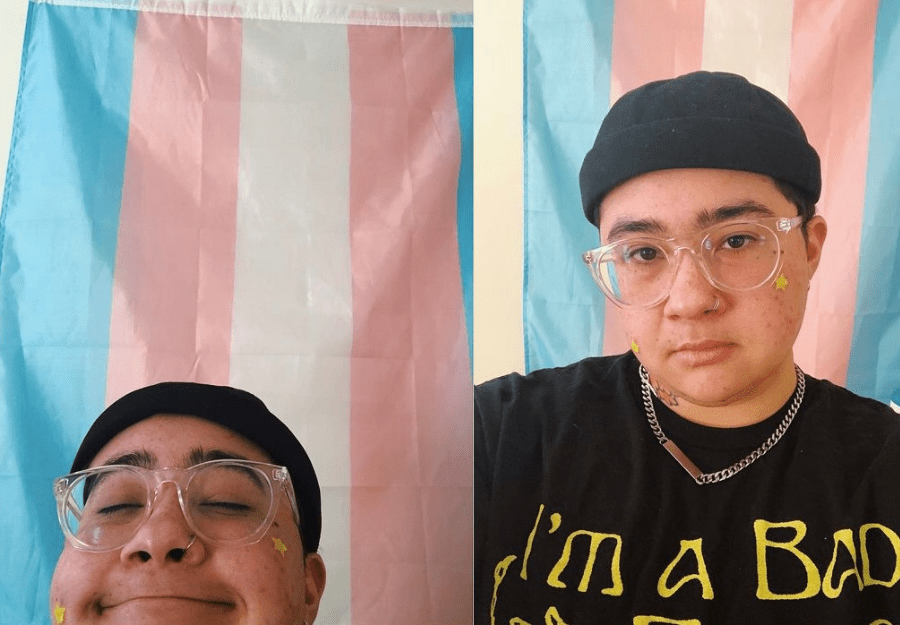
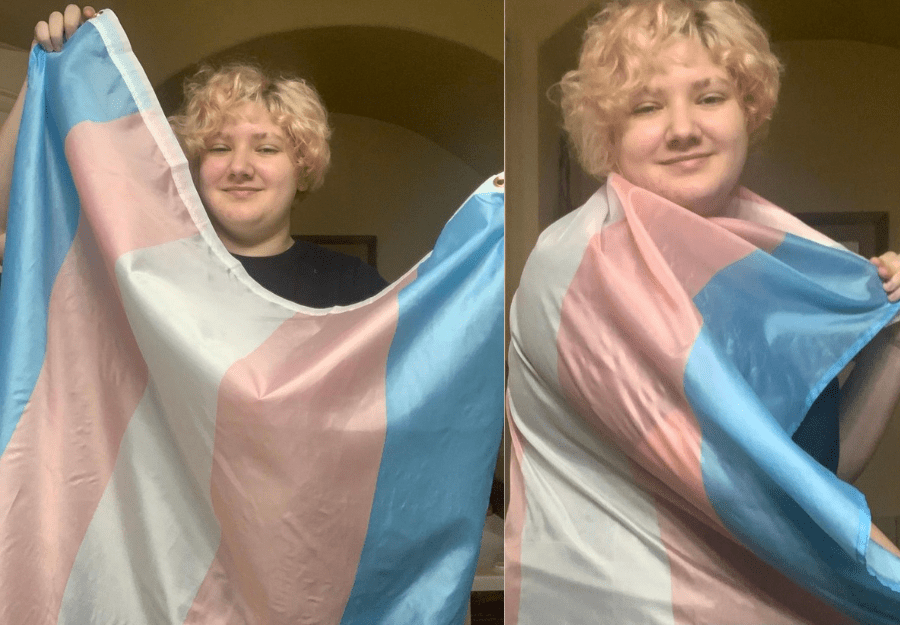
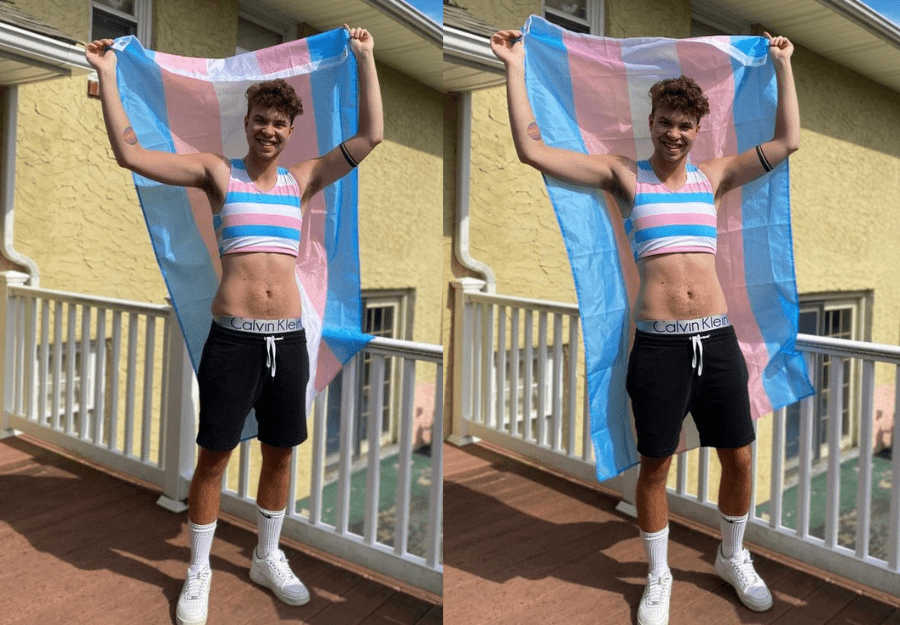
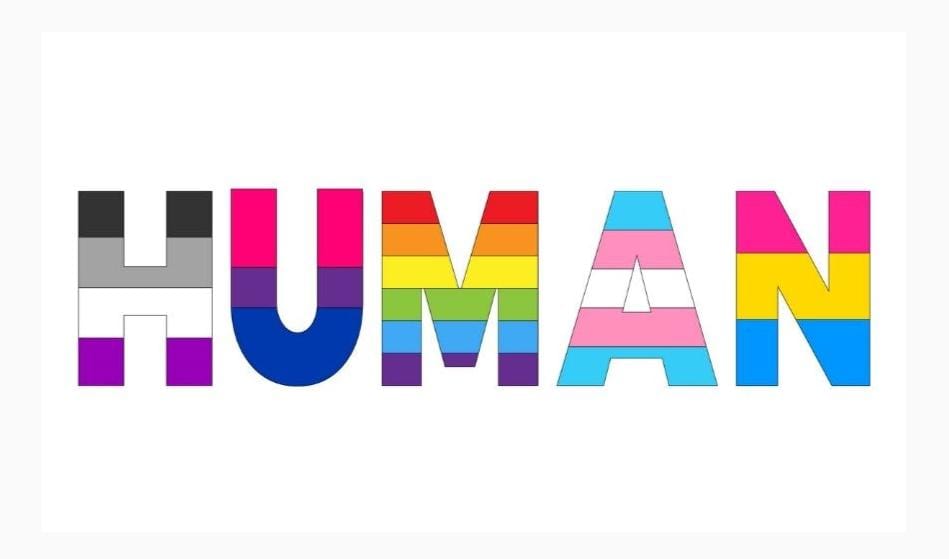
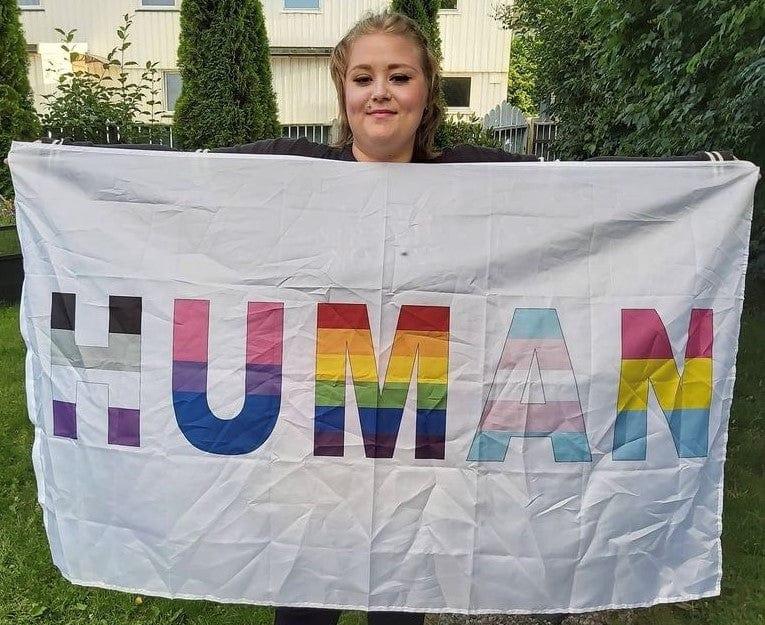
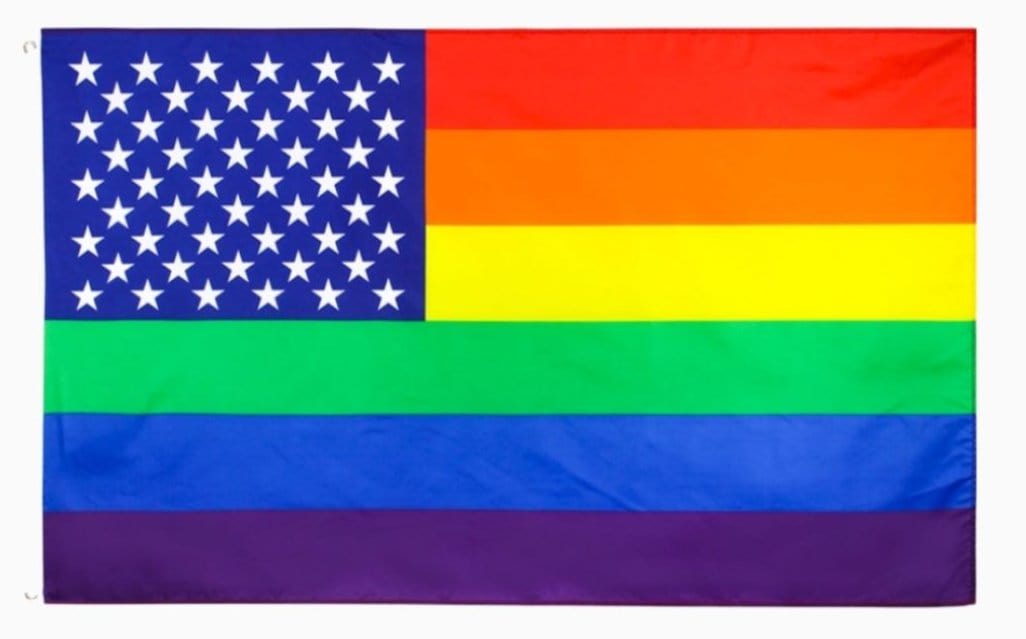
If we take “for all” seriously, we have to say something clearly: protecting women includes protecting trans women. Not as a footnote. Not as a debate. As a baseline. Because trans women are women, and because they are often targeted with a specific intensity, through discrimination, harassment, denial of healthcare, and violence. When we talk about women’s safety while leaving trans women out, we’re not protecting women. We’re deciding who deserves dignity.
That’s why International Women’s Day still matters.
Because discrimination isn’t always obvious. Sometimes it’s written into laws, enforced through violence, or expressed through harassment and exclusion. Sometimes it’s quieter: being talked over in meetings, being judged more harshly for ambition, being paid less for the same work, being dismissed in healthcare, being expected to carry emotional labor without recognition. Quiet doesn’t mean harmless. It just means easier to ignore. And for trans women, the “quiet” version can still be devastating: misgendering that chips away at belonging, systems that treat identity as optional, and public conversations that turn real people into headlines.
The word justice matters here, too. Rights on paper do not automatically become safety in real life. Justice means accountability. It means protection that actually protects. It means access to healthcare, education, legal support, and economic opportunity without barriers that punish women for simply existing. For trans women, justice also means being able to move through the world without fear that a bathroom, an ID check, a doctor’s visit, or a stranger’s opinion can become a threat.
Alongside the UN theme, there is also a widely shared 2026 campaign message, “Give To Gain,” which frames progress as something we build through consistent investment: time, attention, resources, opportunity, and protection. When we protect the most vulnerable women, we make the world safer for all women.
History proves women have never waited for permission. From voting rights to equal pay movements, from education access to reproductive rights, from labor protections to leadership in science, politics, art, and activism, women have pushed the world forward under pressure. But progress doesn’t always “arrive” and stay forever. Roe v. Wade stood for nearly 50 years before it was overturned in 2022. Marriage equality has been challenged repeatedly since Obergefell. Rights that feel permanent can disappear, and when there’s backlback, it often hits the most vulnerable first, including trans women, particularly trans women of color.
So how do you honor International Women’s Day without turning it into a one-day performance?
- Start with attention that lasts longer than a caption. Listen to women’s stories, especially the ones you don’t usually hear. Learn the history that didn’t make it into schoolbooks. Notice where bias shows up in your workplace, your home, your community, and your online spaces. Then do the part that matters most: interrupt it. Not with perfection, but with consistency.
- That consistency can be quietly powerful. It looks like refusing to tolerate “jokes” that dehumanize women or trans people. It looks like correcting misinformation instead of letting it spread. It looks like using the right name and pronouns because respect is not a reward, it’s the minimum. It looks like supporting policies and organizations that protect women from violence and discrimination, and treating trans women’s safety as part of women’s safety, not a separate issue.
International Women’s Day isn’t here to make us feel inspired for a moment. It’s here to make us act with intention.
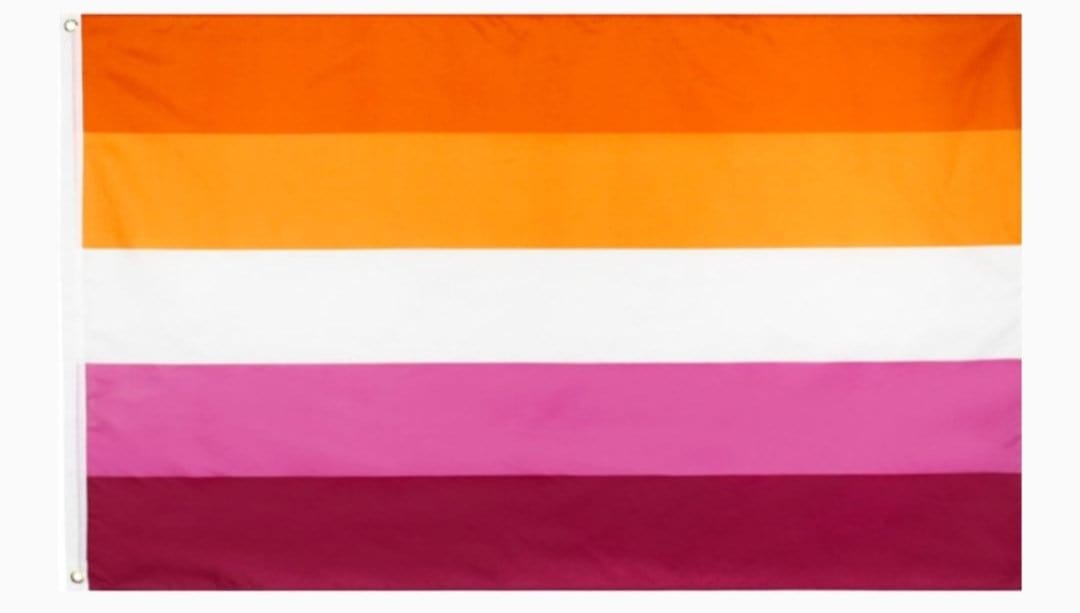
And if you’re a woman reading this, let this land clearly: you don’t need to shrink to be accepted. You don’t need to soften your standards, your boundaries, your ambition, or your truth. Rights, justice, and action aren’t “nice to have.” They’re the baseline. For you. For all women and girls. Including trans women.