
Pronouns might seem small.
But for many LGBTQ+ people — especially trans, nonbinary, and gender-diverse individuals — using the correct pronouns can mean the difference between feeling invisible and feeling seen.
If you’re new to conversations about gender identity, or you simply want to be more intentional about using correct pronouns, this guide is here to help. Not with judgment. Not with shame. Just clarity and care.
What Are Pronouns?
Pronouns are the words we use instead of someone’s name when referring to them. Common gender pronouns include:
- She / Her
- He / Him
- They / Them
- She / They
- He / They
- Other gender-neutral pronouns like Ze / Zir
Pronouns are connected to gender identity — but you can’t assume someone’s pronouns based on appearance, voice, clothing, or name.
If you’re unsure about the difference between gender identity and expression, you might find our guide on gender identity vs. gender expression helpful.
The only reliable way to know someone’s pronouns is to listen when they tell you.
Why Using Correct Pronouns Matters in the LGBTQ+ Community
Using correct pronouns is a basic form of respect.
For trans and nonbinary people, hearing the right pronouns can feel affirming. It signals safety. It reduces stress. It builds trust.
Repeated misgendering — even when unintentional — can feel invalidating and exhausting. It’s a reminder that the world doesn’t always make space for who you are.
That’s why pronouns matter. Not because they’re trendy. Not because they’re new. But because people deserve to be addressed as who they are.
If you want to better understand the experiences of trans and nonbinary individuals, you can also read our article on understanding nonbinary identities.
How to Ask for Someone’s Pronouns (Without Making It Awkward)
If you’re unsure, it’s okay to ask respectfully.
You can say:
- “What pronouns do you use?”
- “Can I ask what your pronouns are?”
Even better, share yours first:
“Hi, I’m Jordan. I use they/them pronouns.”
Normalizing pronoun sharing makes conversations safer for everyone — especially in classrooms, workplaces, and online spaces.
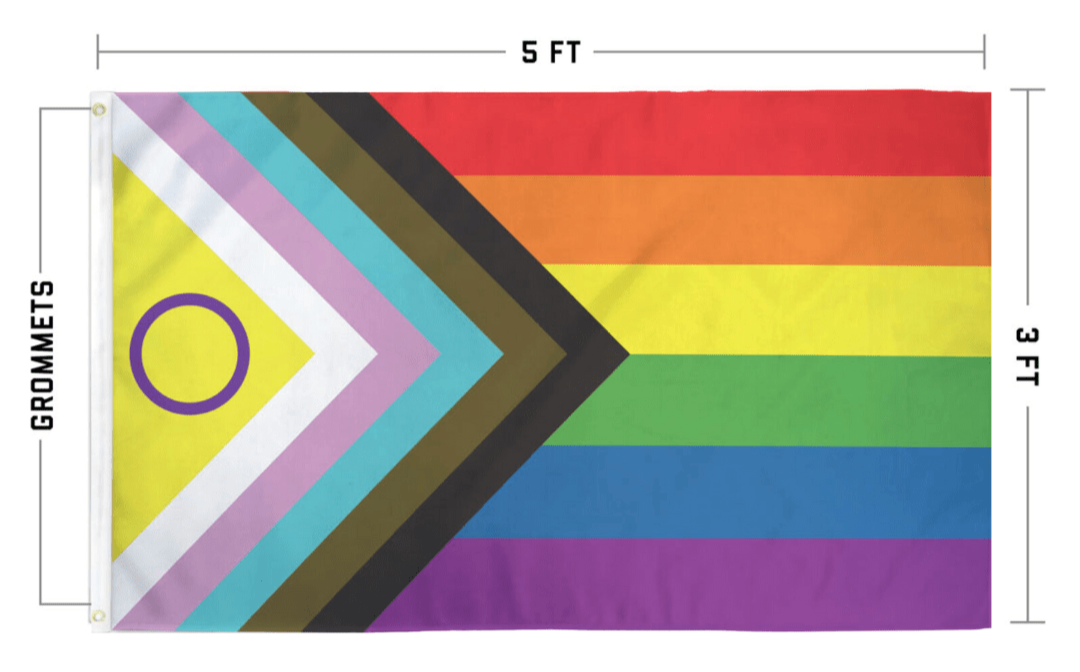
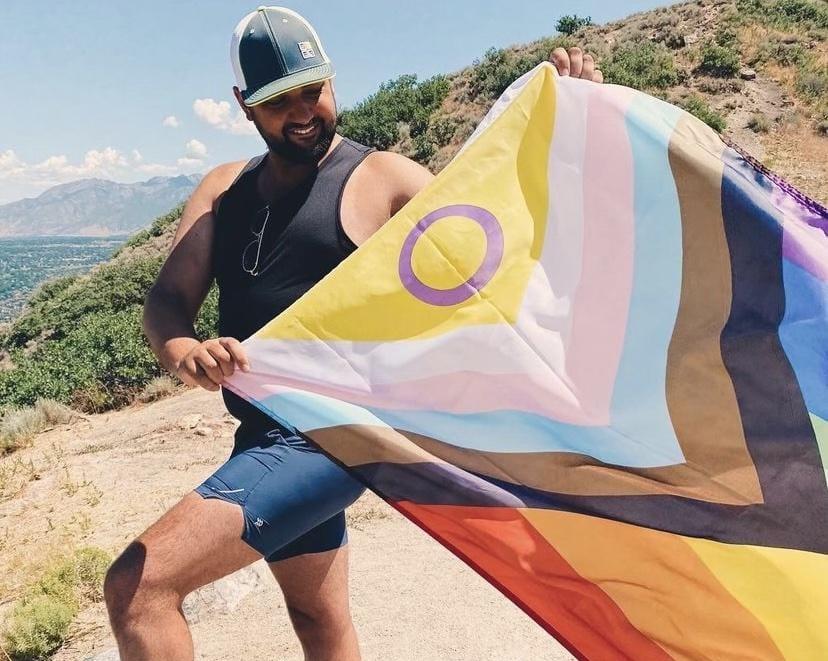
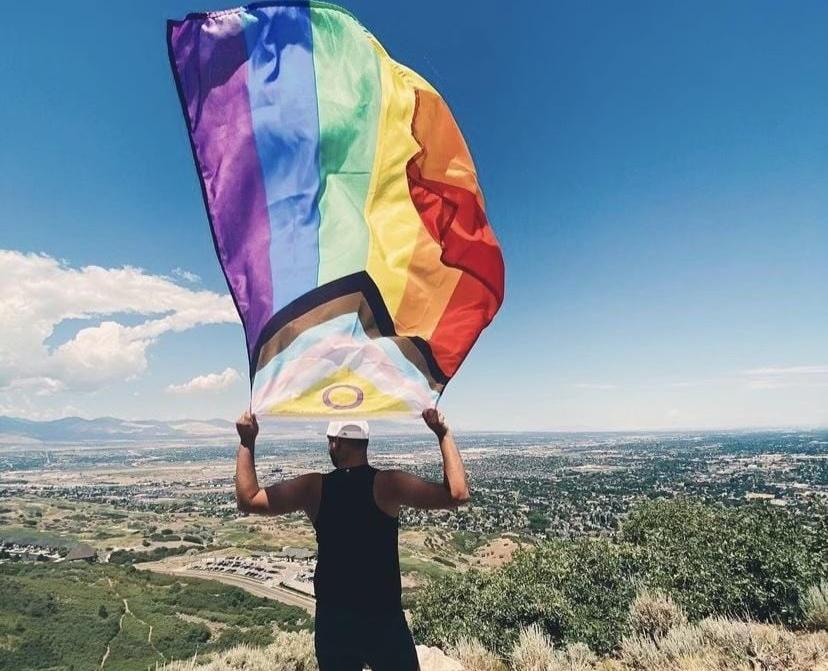
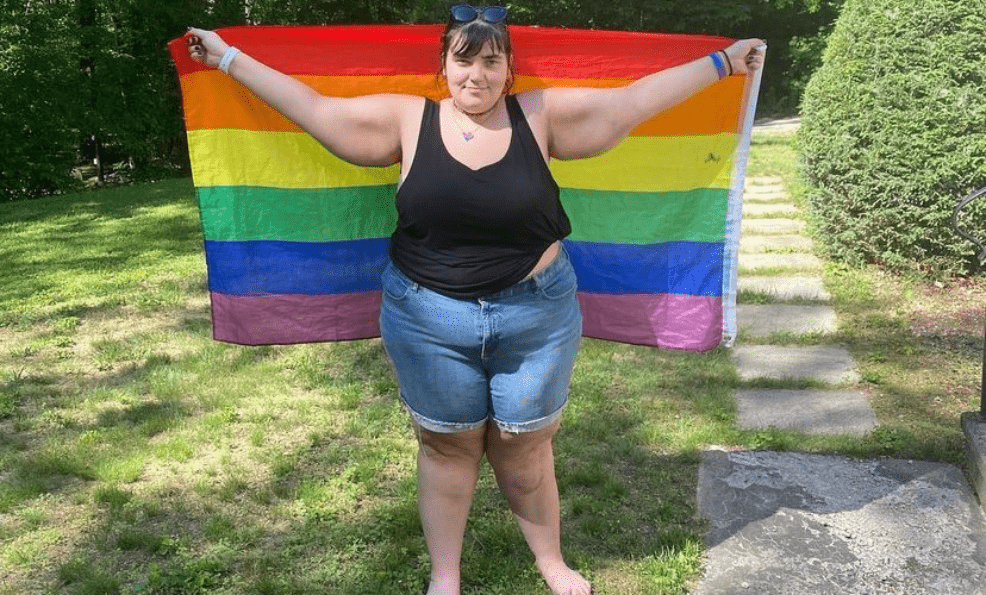
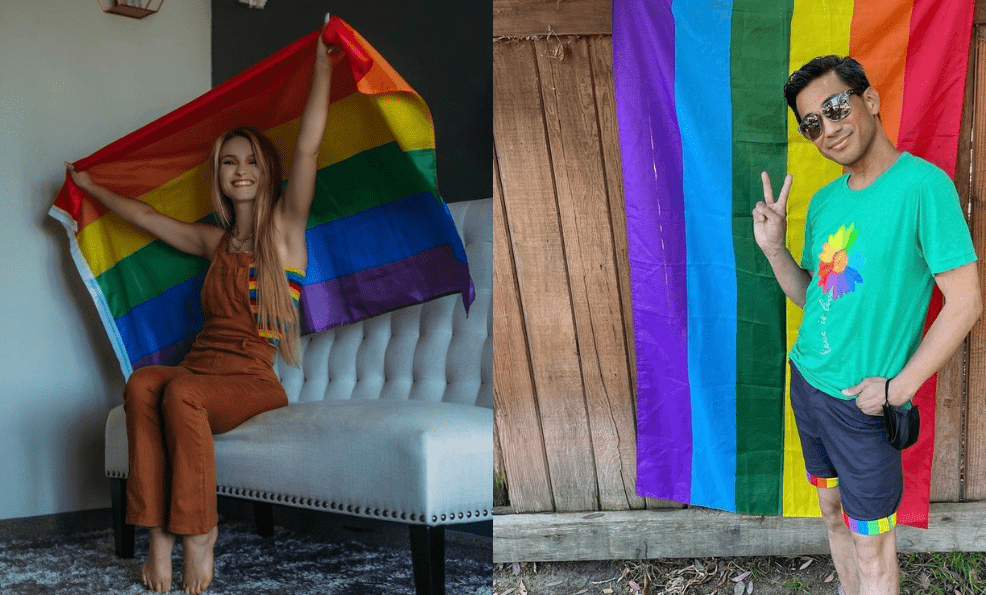
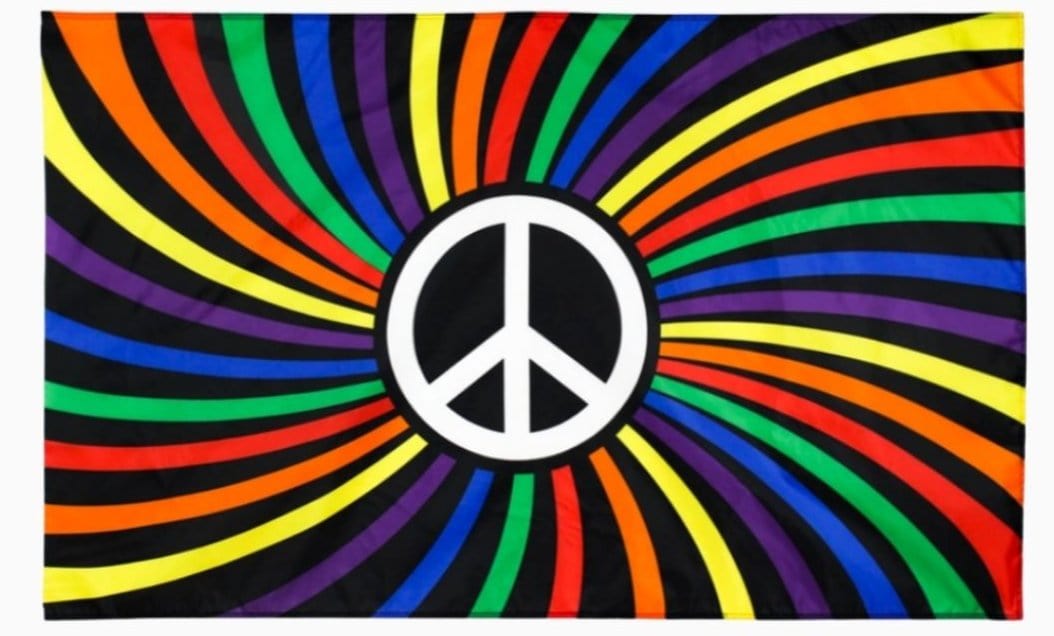
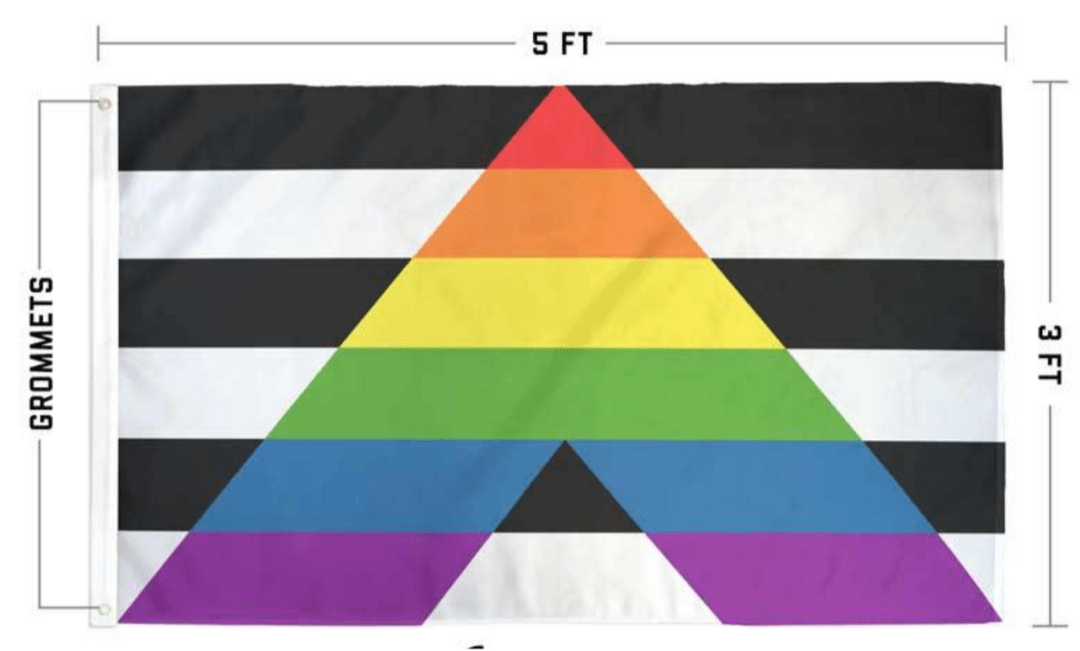
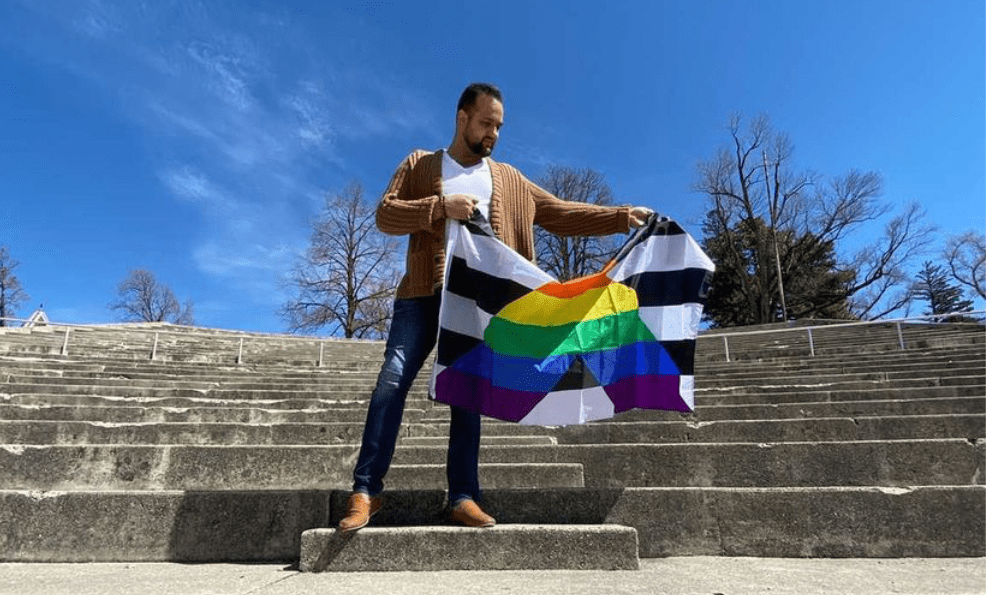
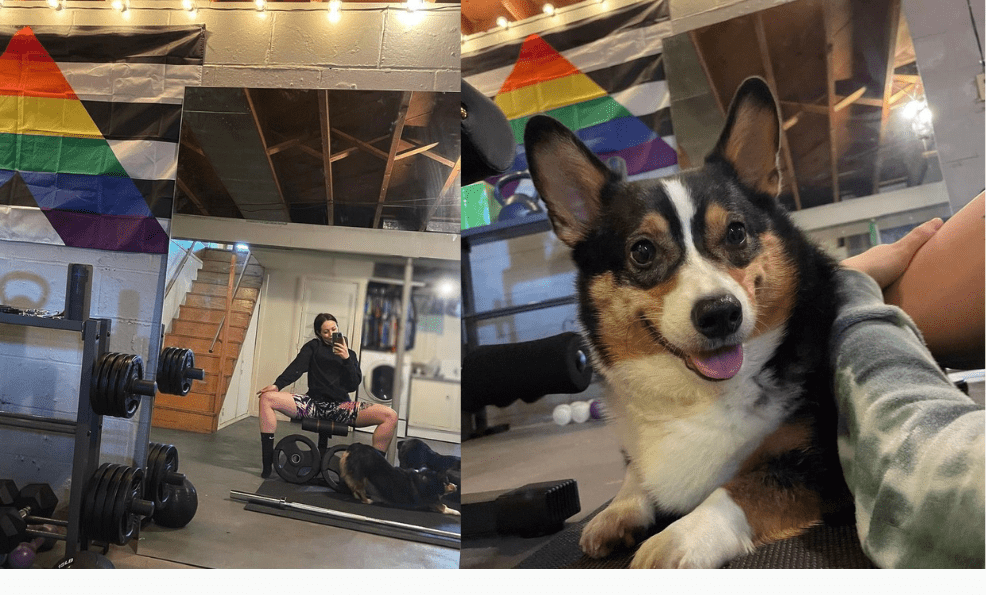
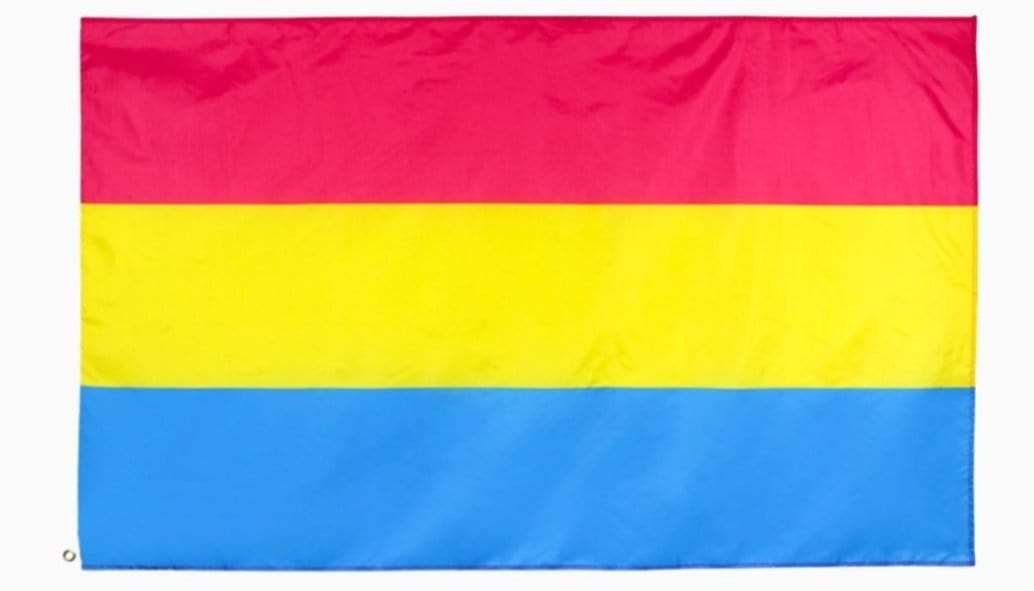
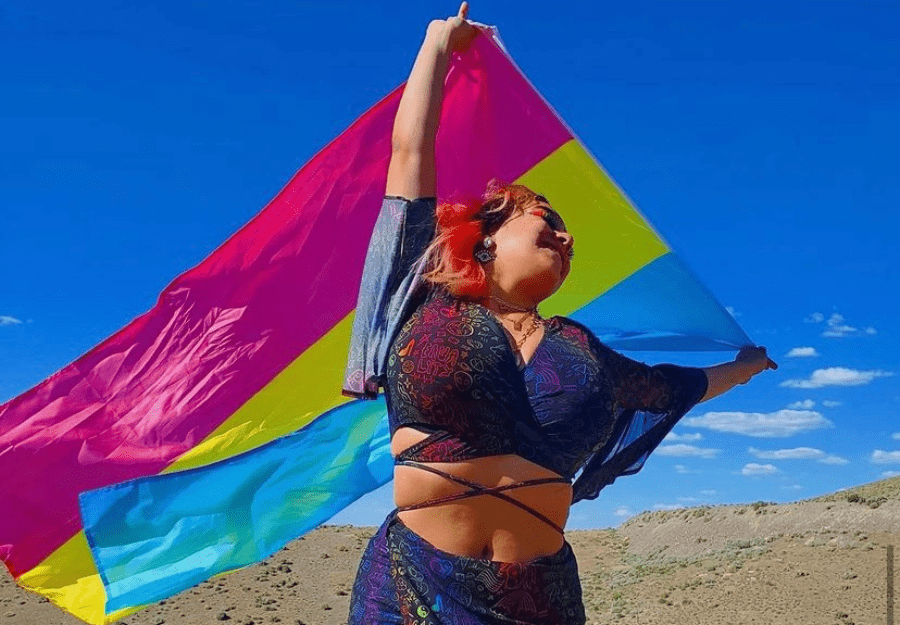
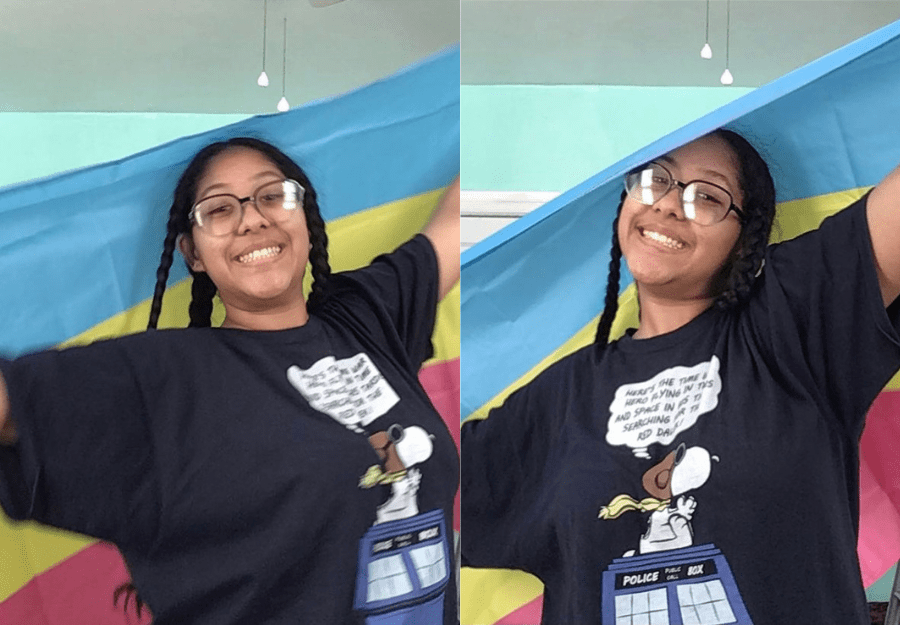
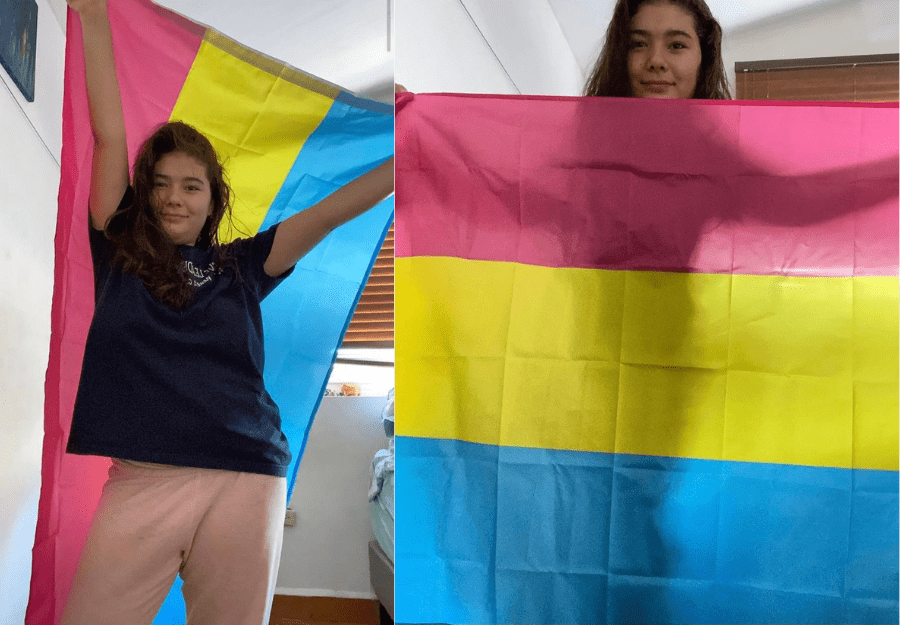
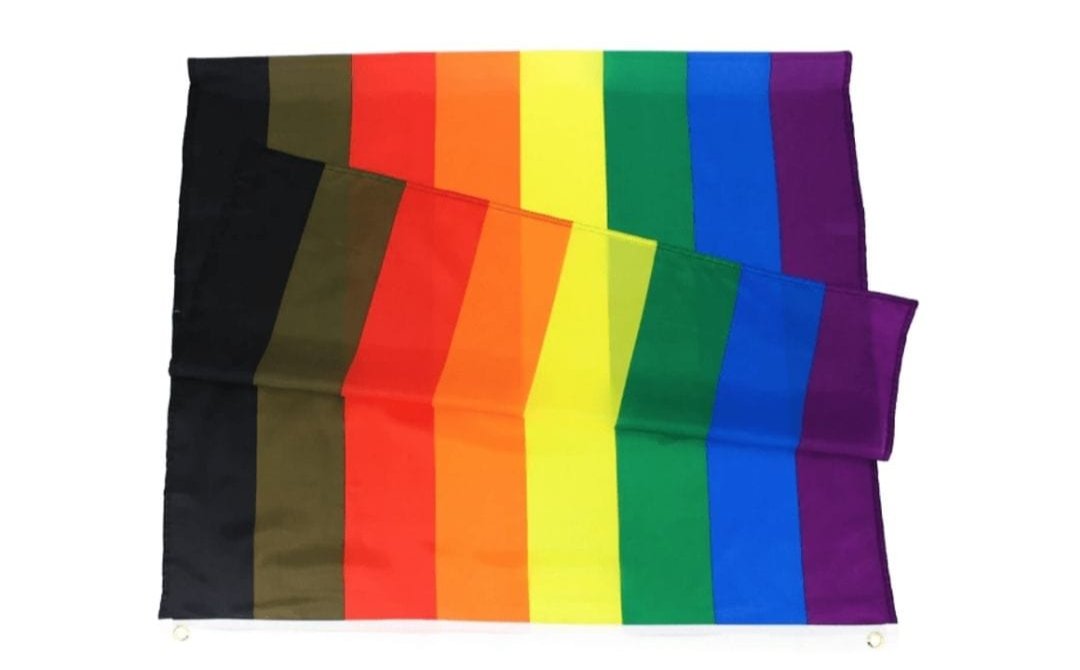
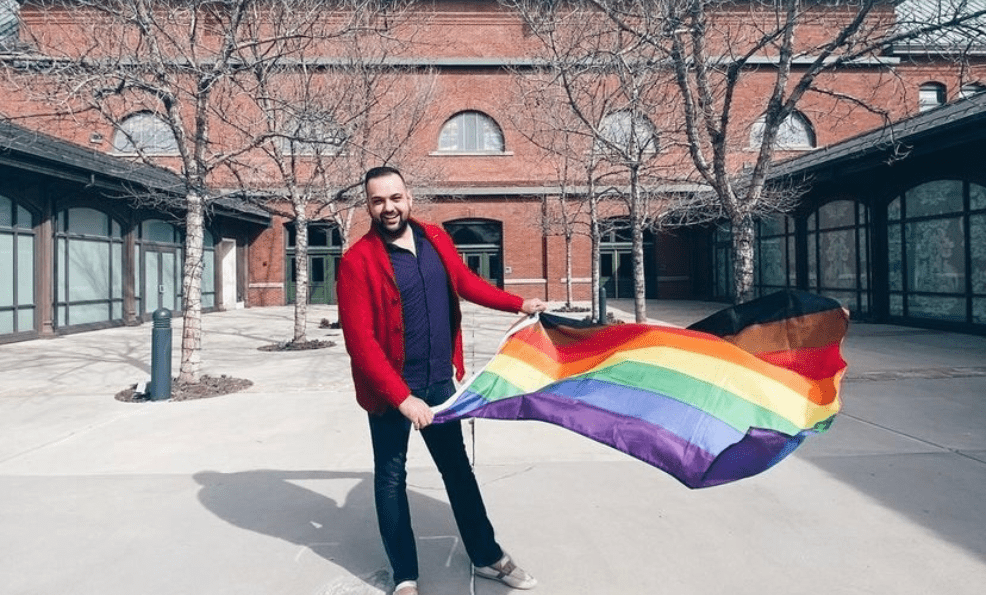
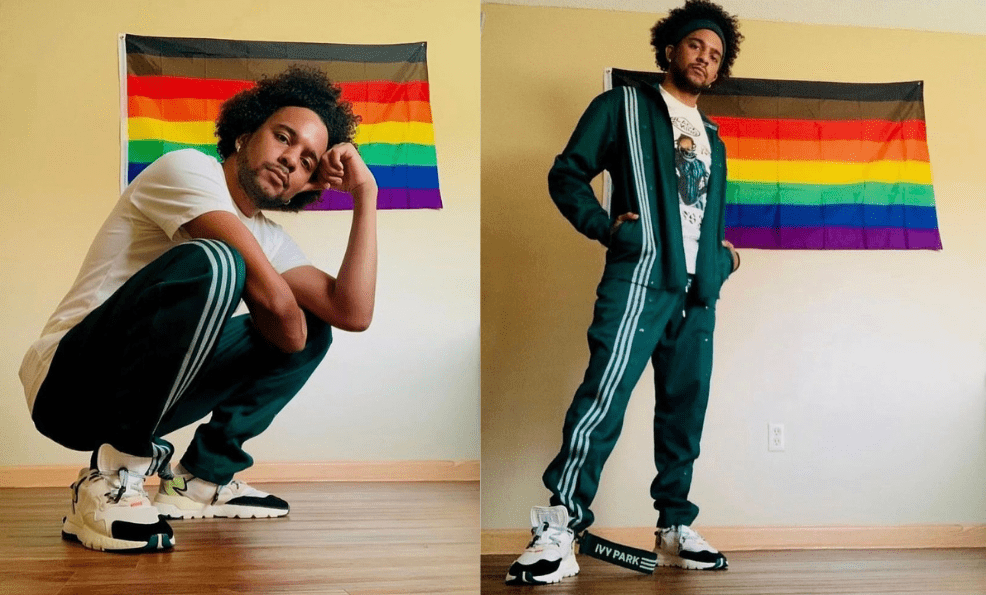
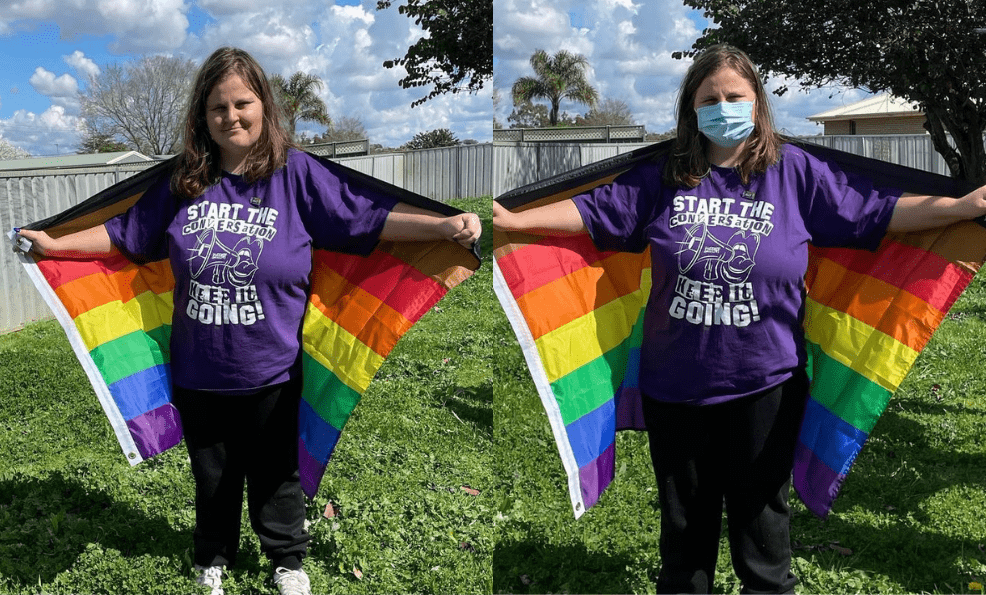
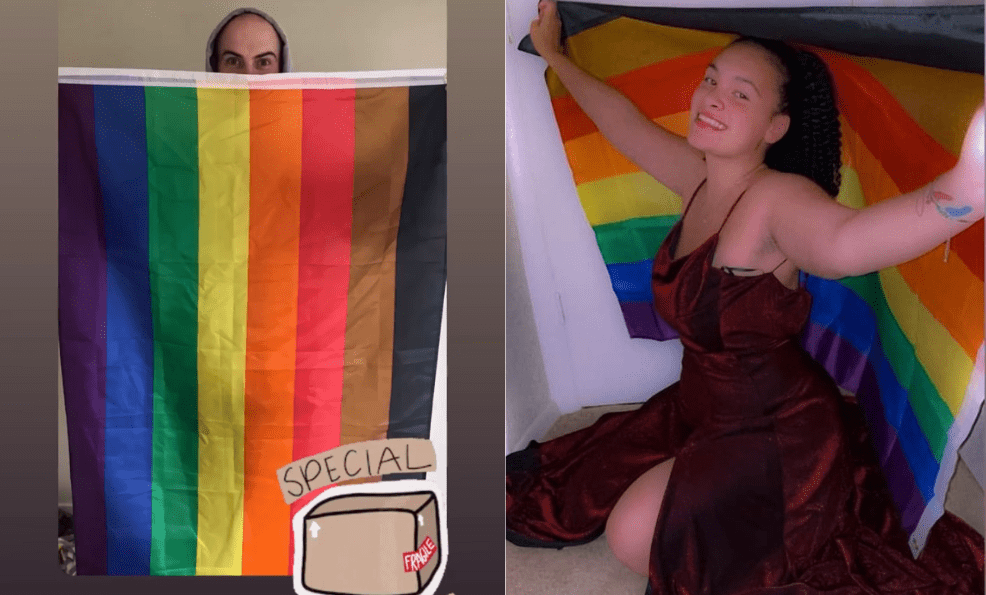
Adding your pronouns to your bio, email signature, or even alongside a Pride flag display helps signal inclusivity without putting pressure on others.
Using They/Them Pronouns Correctly
They/them pronouns are often used by nonbinary people, but anyone can use them.
If singular “they” feels grammatically confusing, remember: you already use it.
“Someone left their phone.”
That’s singular they.
Using they/them pronouns correctly just takes practice. And practice is part of growth.
What to Do If You Use the Wrong Pronoun
You might make a mistake. Most people do at some point.
What matters is how you respond.
- Briefly correct yourself.
- Offer a short apology.
- Move forward.
A long apology can unintentionally center your discomfort. A quick correction shows respect and keeps things moving.
Pronouns and Visibility
Adding pronouns to your social profiles or everyday spaces may feel small — but it helps normalize the practice.
When more people share their pronouns, it reduces pressure on trans and nonbinary individuals to be the only ones doing it.
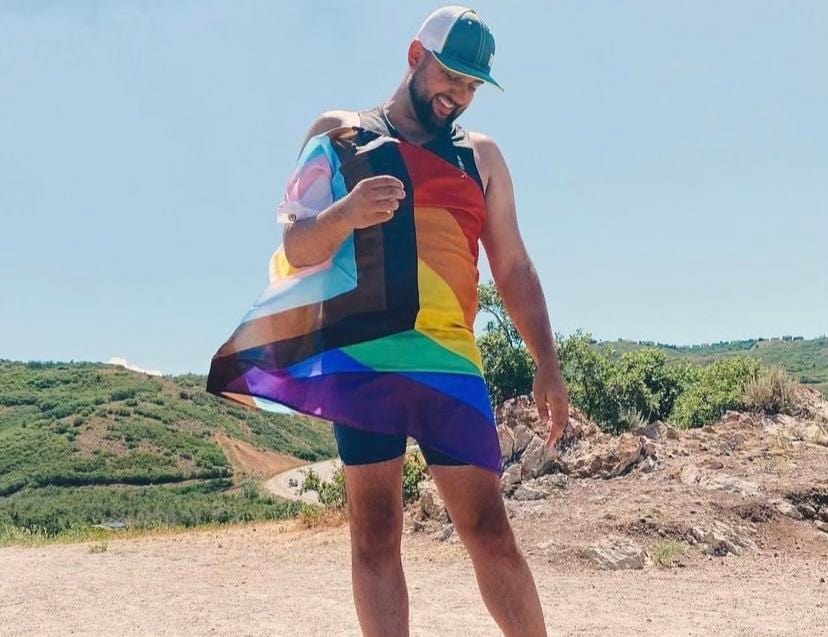
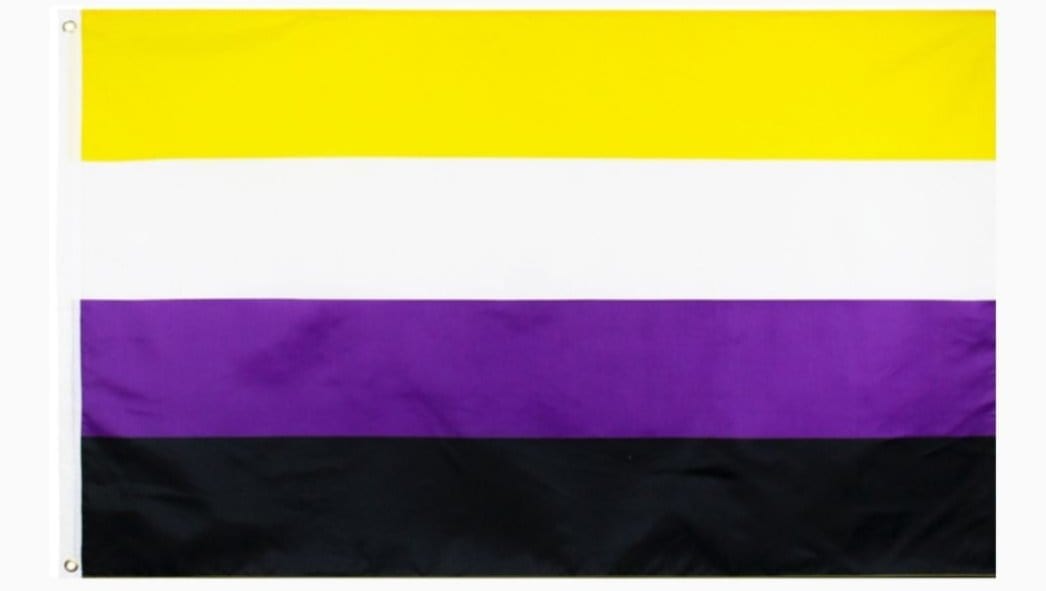
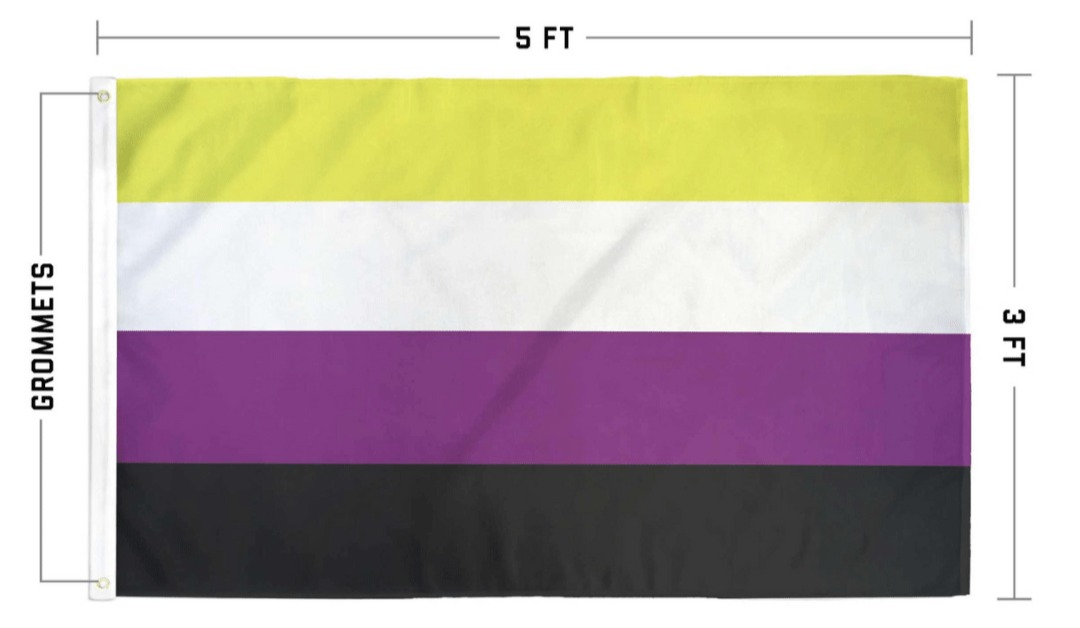
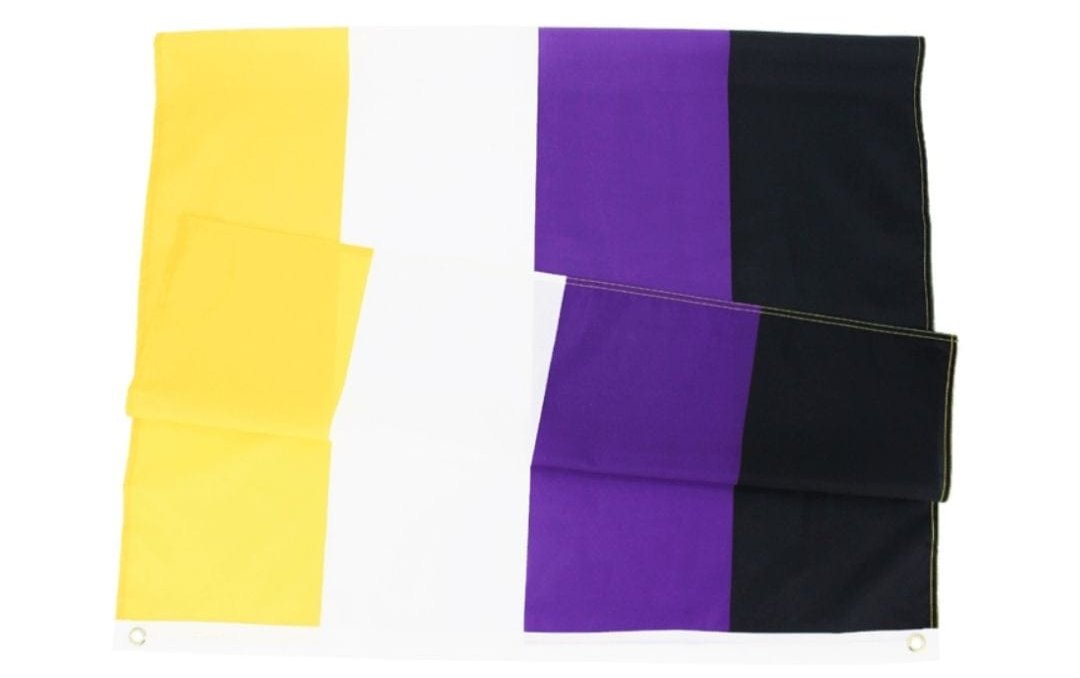
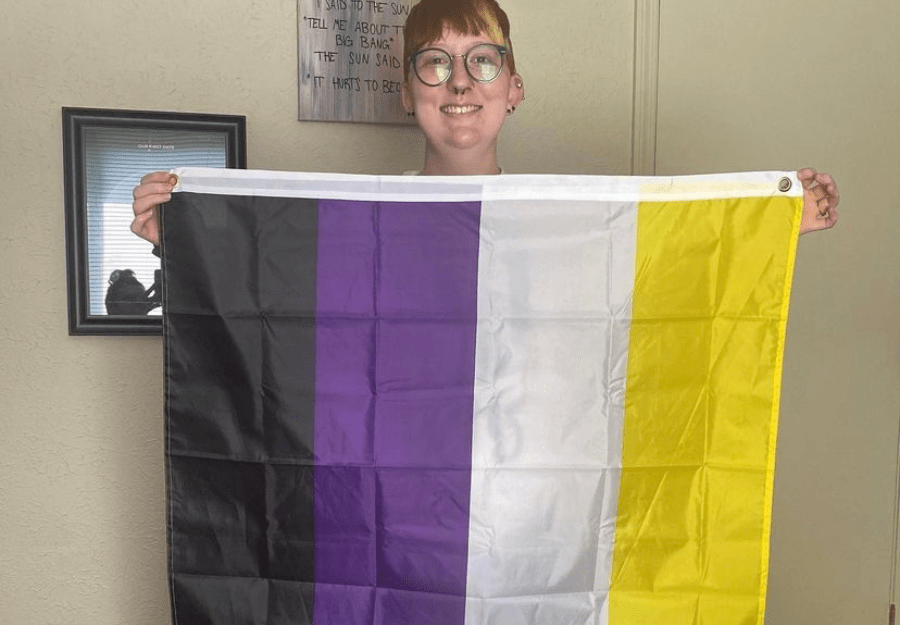
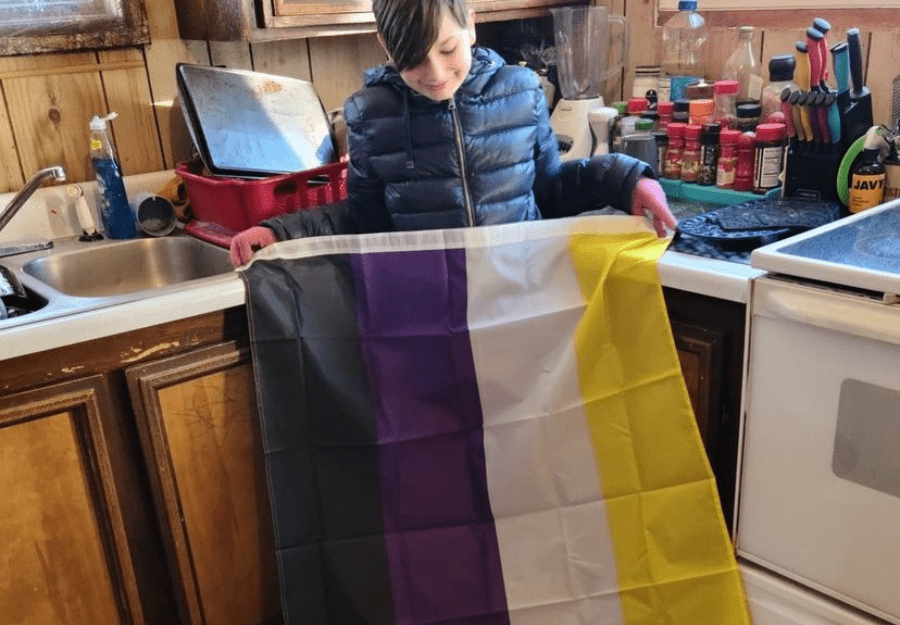
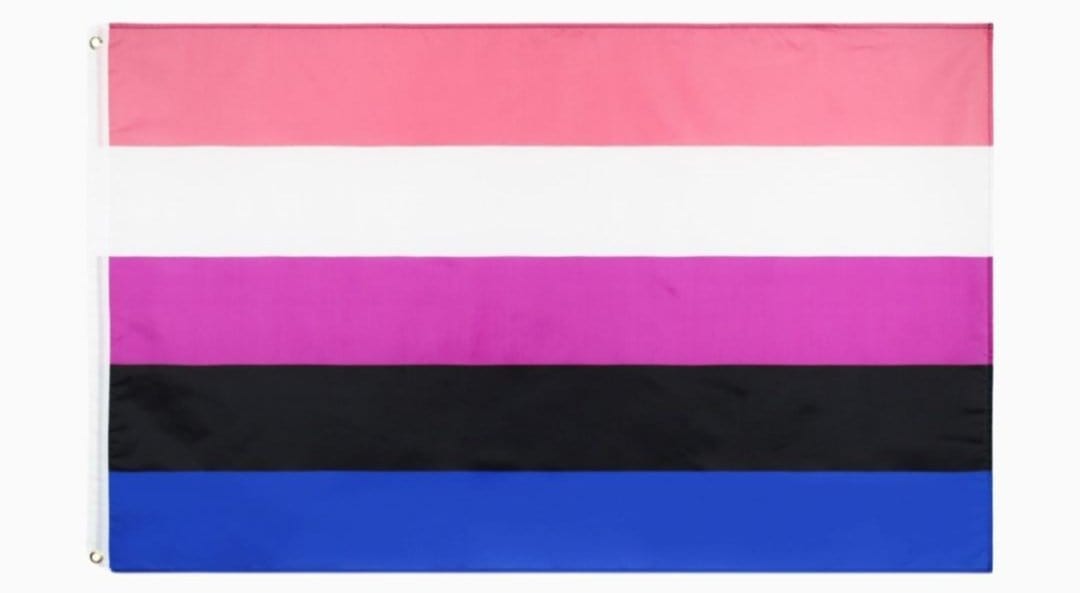
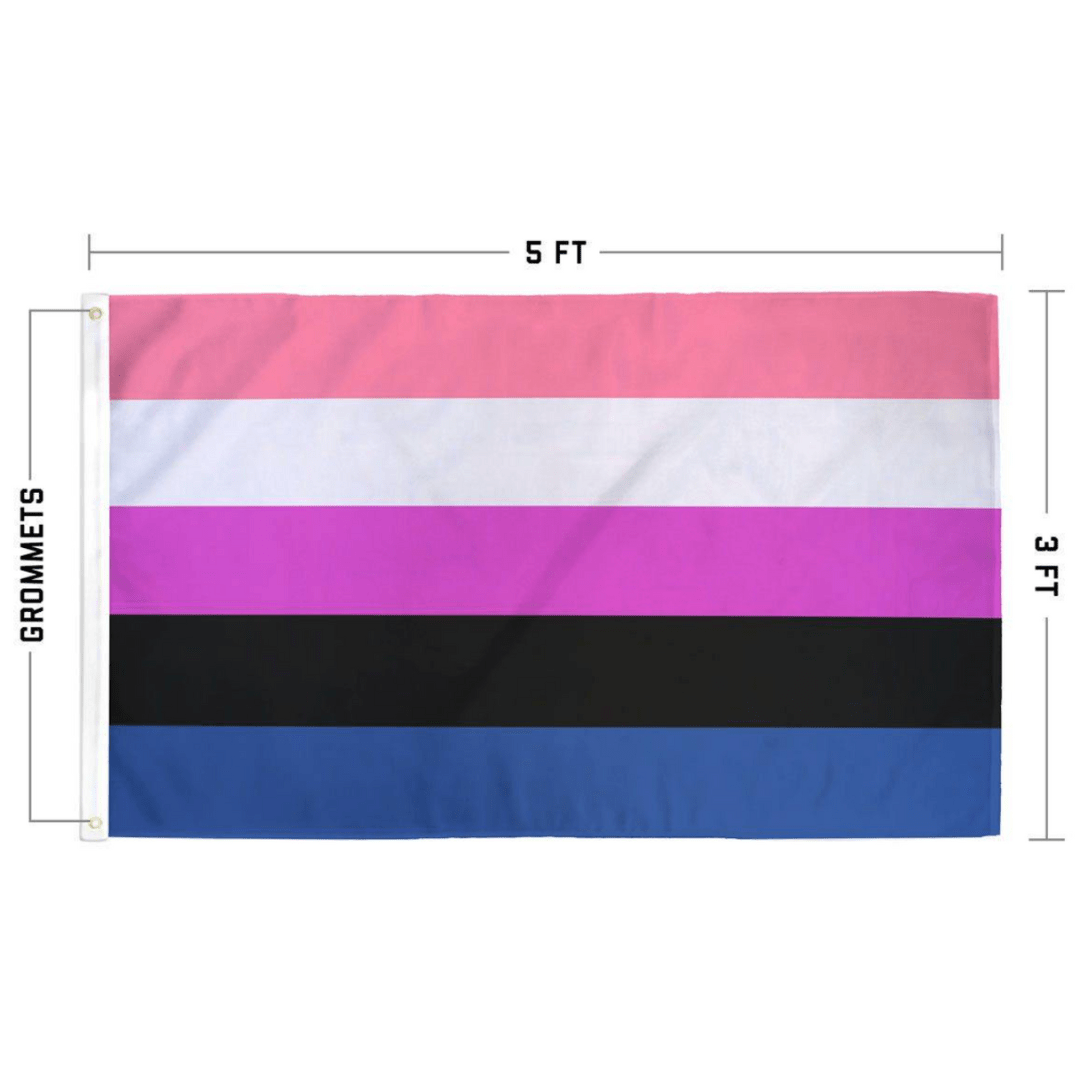
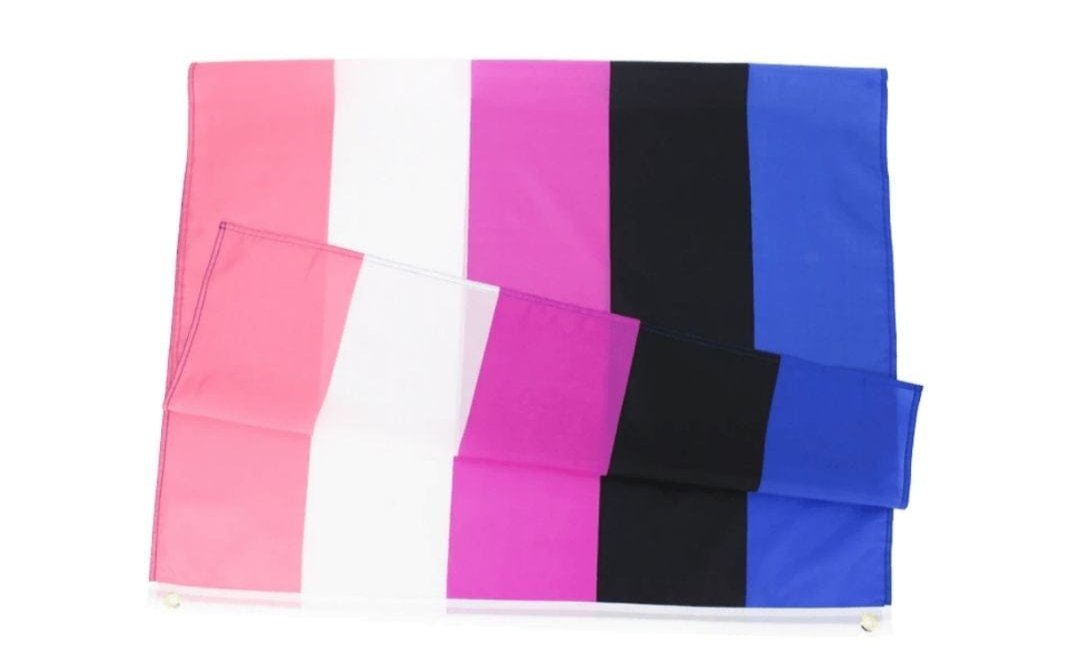
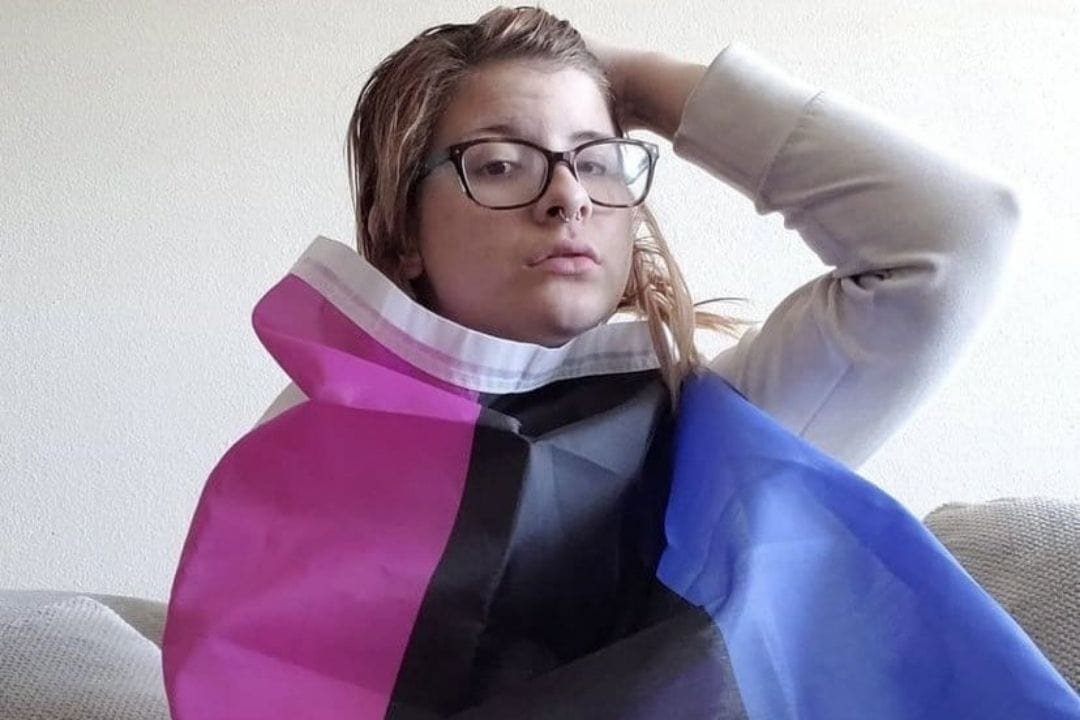
Visibility can also be expressed in many ways — from education to community support to proudly displaying symbols like the nonbinary Pride flag.
If You’re Still Learning
If you’re new to conversations about LGBTQ+ pronouns, it’s okay to be learning.
You don’t have to be perfect. You just have to be willing.
Using correct pronouns isn’t about memorizing rules. It’s about recognizing someone’s humanity.
And if you’re someone whose pronouns are often questioned or ignored — we see you.
Your identity isn’t up for debate. Your pronouns aren’t optional. And you deserve to be addressed with respect.
The Bottom Line
If someone tells you their pronouns, use them.
That’s it.
It’s a small act that carries real weight — and one that helps build a safer, more affirming world for the LGBTQ+ community.