
When people begin exploring topics related to gender, two concepts tend to come up again and again: gender identity and gender expression. While they may sound similar, they actually refer to very different aspects of how we experience and communicate who we are.
Understanding the difference between these two ideas is key to building a more inclusive and respectful world, especially within the LGBTQ+ community. So let’s break it down in a simple, clear, and judgment-free way.
🧠 What is Gender Identity?
Gender identity is your internal sense of self. It’s how you feel and define your own gender, regardless of what others might assume based on your appearance or the gender you were assigned at birth.
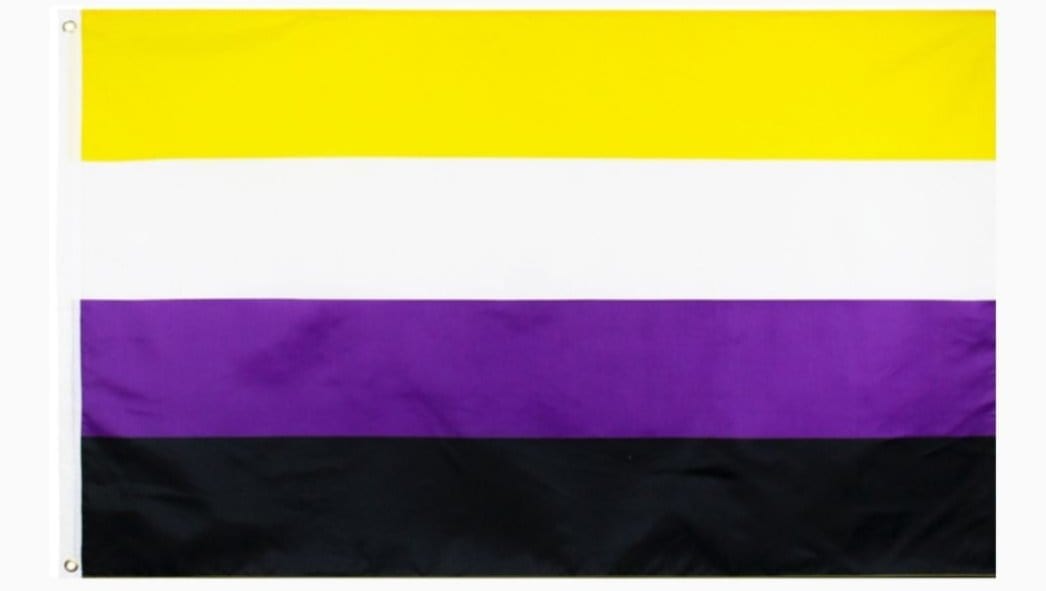
This means a person can identify as a woman, a man, both, neither, or somewhere in between. For many people, gender identity exists beyond traditional binary categories. If you’re curious about identities outside of “male” and “female,” you can explore more in our guide: What Does It Mean to Be Non-Binary?.
It’s important to remember that gender identity is deeply personal. It doesn’t need to be visible to others to be valid. Someone might know who they are long before they feel safe or ready to share it with the world.
🎭 What is Gender Expression?
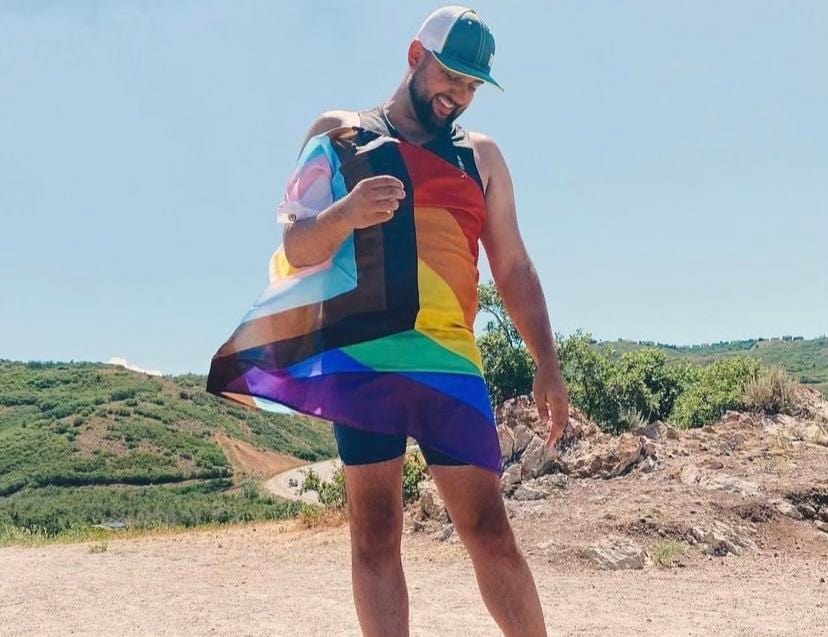
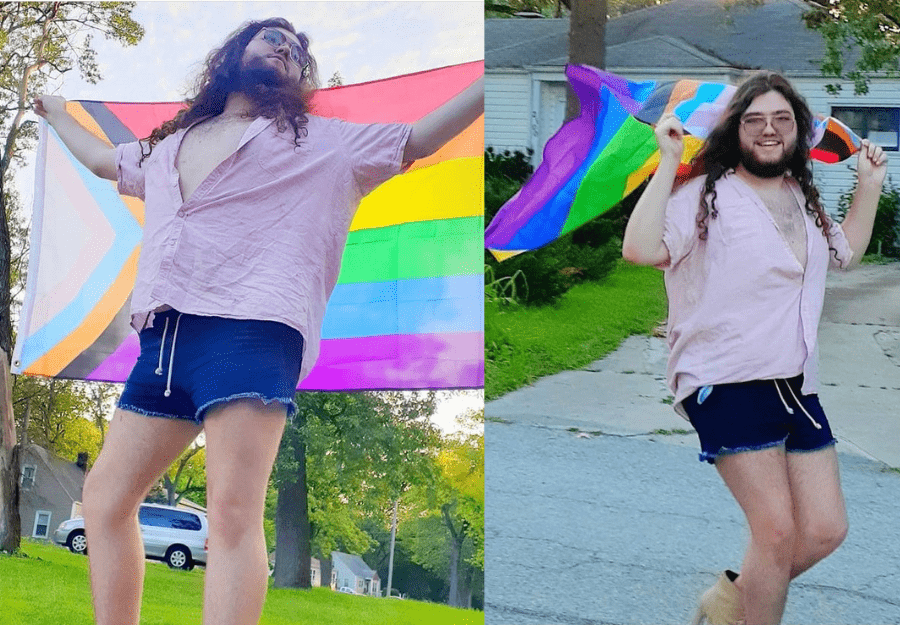
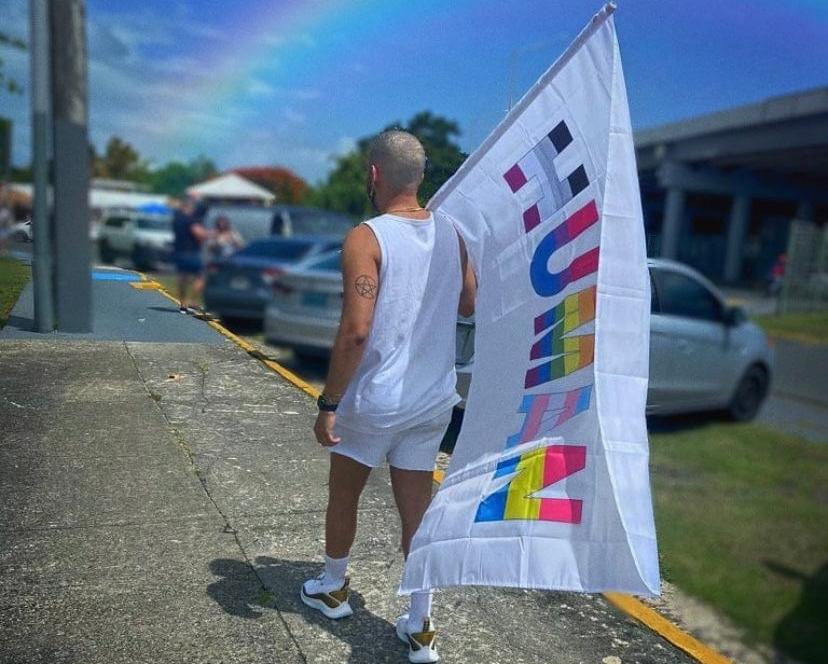
Gender expression is how a person presents their gender outwardly. This includes things like clothing, hairstyle, voice, body language, and overall aesthetic. It’s the way someone chooses to express themselves and be perceived by others.
Expression can change depending on context, mood, culture, or personal style. For example, someone might present differently at work than they do with friends, or their expression might evolve over time as they explore what feels most authentic to them.
If you want to better understand how language connects to identity and expression, check out our article: Pronouns 101: Why They Matter.
🔄 So, What’s the Difference?
The simplest way to understand it is this:
- Gender identity is who you are.
- Gender expression is how you show it.
While these two aspects can align for some people, they don’t have to. There is no rule that says your expression must match your identity in a specific or recognizable way.
💡 Why This Distinction Matters
Confusing identity with expression can lead to harmful assumptions. For instance, people often expect others to “look” a certain way based on their gender, which reinforces stereotypes and invalidates diverse experiences.
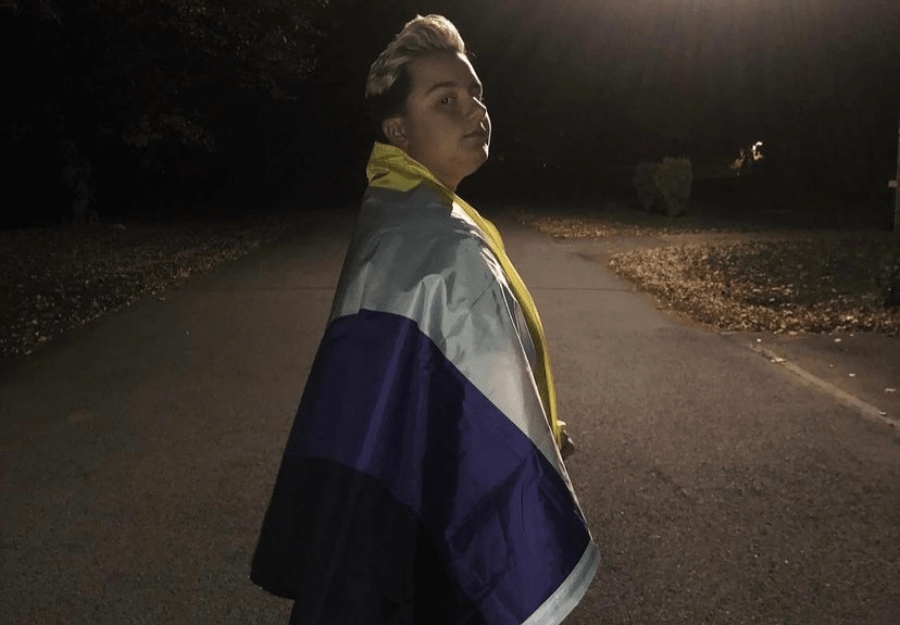
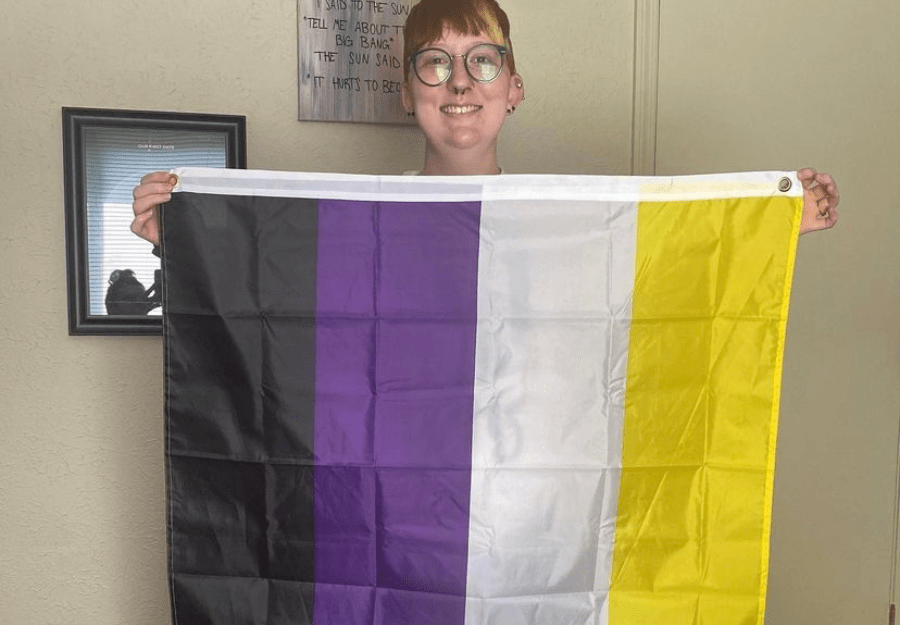
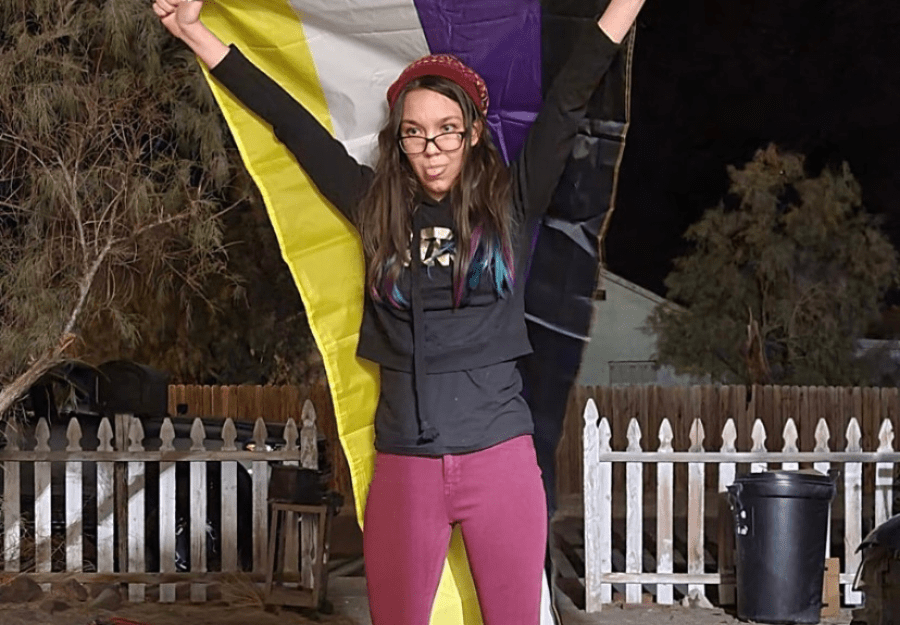
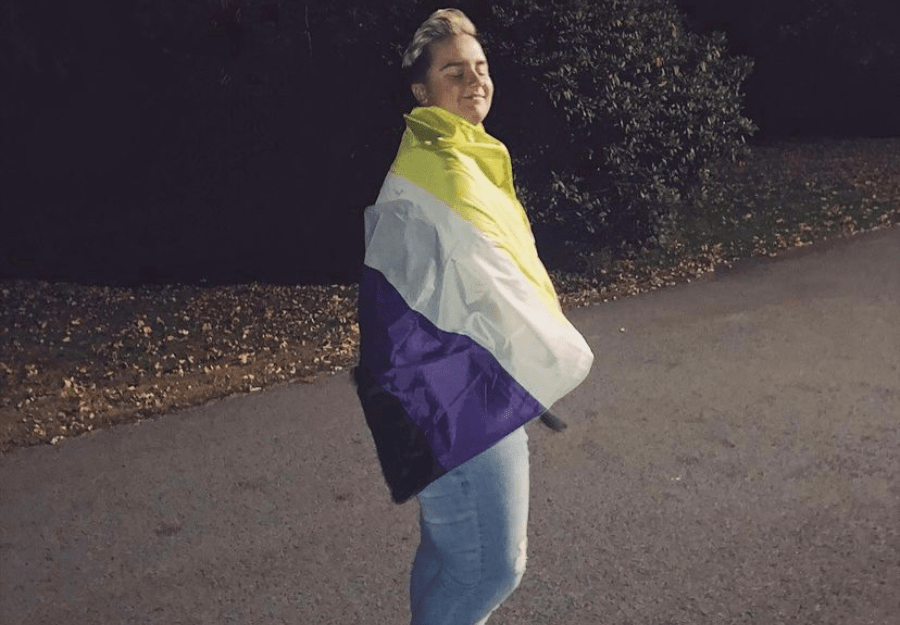
In reality, someone can identify as non-binary and present in a way that others perceive as feminine or masculine. A man can wear makeup. A woman can have an androgynous style. None of these expressions change who they are.
Respecting this distinction allows us to move beyond rigid expectations and create space for people to exist authentically, without needing to fit into predefined boxes.
🚫 Common Misconception
A phrase like “you don’t look non-binary” comes from misunderstanding the difference between identity and expression. There is no single way to “look” like any gender, and expecting one only limits how people are allowed to exist.
If you’re interested in learning more about common misunderstandings, you can read: Common Myths About Non-Binary People.
💜 Final Thoughts
You don’t need to have all the answers to be respectful and supportive. What matters most is being open to learning, listening to others, and recognizing that everyone’s experience with gender is unique.
Gender identity is personal. Gender expression is flexible. And both deserve to be respected without question.
At Pride Palace, we believe in creating a space where everyone can explore, express, and define themselves freely. If you’re on your own journey, just know: you belong here.