
Every April, thousands of students across the United States take part in something that might seem simple from the outside: they stay silent for an entire school day. No speaking in class, no casual conversations in the hallway, no raising their voices. But this silence is far from empty. It carries weight, intention, and a message that can’t be ignored.
Known as the Day of Silence, this student-led action was created to bring attention to the silencing effects of bullying, discrimination, and harassment that many LGBTQ+ students face daily. It’s not just about choosing not to speak. It’s about reflecting a reality that already exists for so many young people who feel like they have to stay quiet just to stay safe.
What the Day of Silence Represents
The Day of Silence began in 1996 as a grassroots student protest and has since grown into one of the most recognized actions for LGBTQ+ visibility and safety in schools. The idea is simple but powerful: by choosing silence, participants symbolize the voices that are constantly suppressed. It represents the student who stops participating in class to avoid being targeted, the one who hesitates before correcting their name or pronouns, and the one who edits themselves just to fit into spaces that don’t fully accept them.
In many ways, this day connects deeply with the importance of being seen and heard, something we continue to explore in our educational blog space, where conversations around identity, visibility, and belonging are ongoing.
Day of Silence and Day of No Silence
In recent years, you may have also heard the term “Day of No Silence.” While it builds on the same foundation, it shifts the focus toward what comes next. Silence is a powerful tool to highlight the problem, but breaking that silence is just as important. It’s about turning awareness into action, encouraging conversations, and making sure that the voices represented in silence are not ignored once the day ends.
Together, these ideas remind us that visibility and advocacy go hand in hand. It’s not enough to notice the silence. We have to respond to it.
Why Silence Is So Powerful
Silence might not look like a traditional form of protest, but for many LGBTQ+ students, it mirrors everyday experiences. It reflects moments of being misgendered and choosing not to correct it out of fear. It reflects identities being excluded from education, or being told to “tone it down” to avoid becoming a target. It reflects the quiet compromises people make just to get through the day.
On the Day of Silence, that experience is shared. The absence of voice becomes collective, making something that is usually invisible impossible to ignore. It shifts the perspective, even if just for a moment, and asks people to sit with what silence really feels like.
How People Participate
Participation often starts with students, whether through school clubs, friend groups, or individual choice. Some schools support the day with visible signs, information, or safe spaces where students can take a break and feel supported. Others may not officially acknowledge it, which makes the act of participation even more meaningful for those who choose to take part.
At the end of the day, many communities come together to “break the silence” through conversations, gatherings, or shared reflections. It’s a moment that transforms quiet resistance into something collective and visible.
What Happens After the Silence
The most important question is not what happens during the Day of Silence, but what happens after. Awareness is only the beginning. Real change comes from what we do next. That can mean creating safer spaces, listening more actively, or continuing to educate ourselves and others.
If you’re looking for ways to show up, it starts with small but meaningful actions. Learning how to support others, respecting identities, and being intentional about inclusion all make a difference. You can explore more about this in our guide on how to use correct pronouns, which is a simple but powerful way to create respect in everyday interactions.
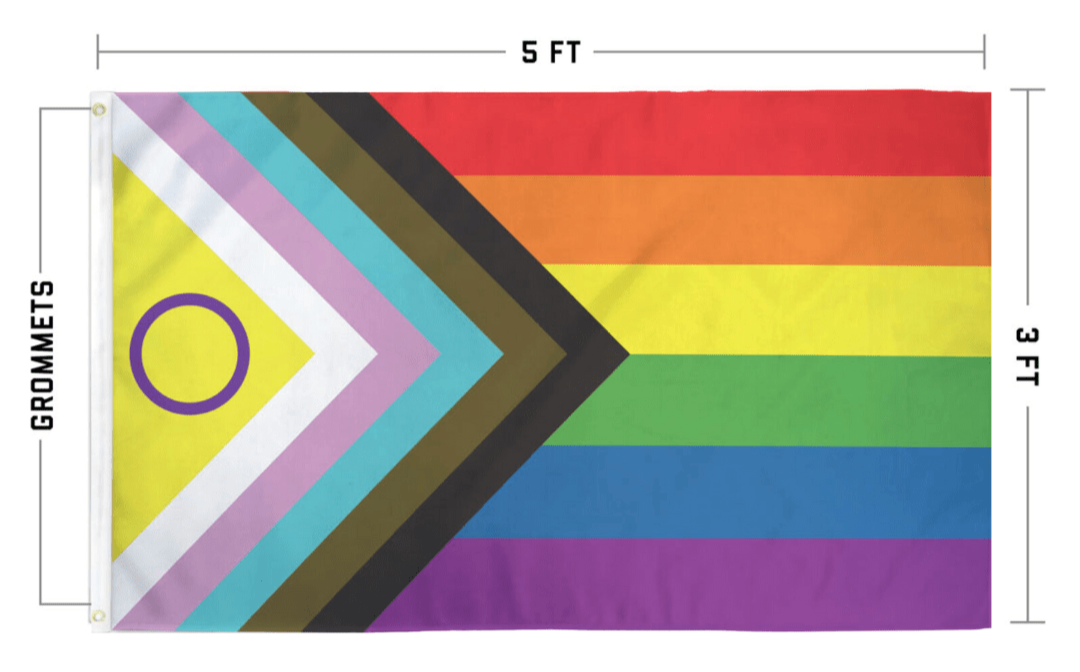
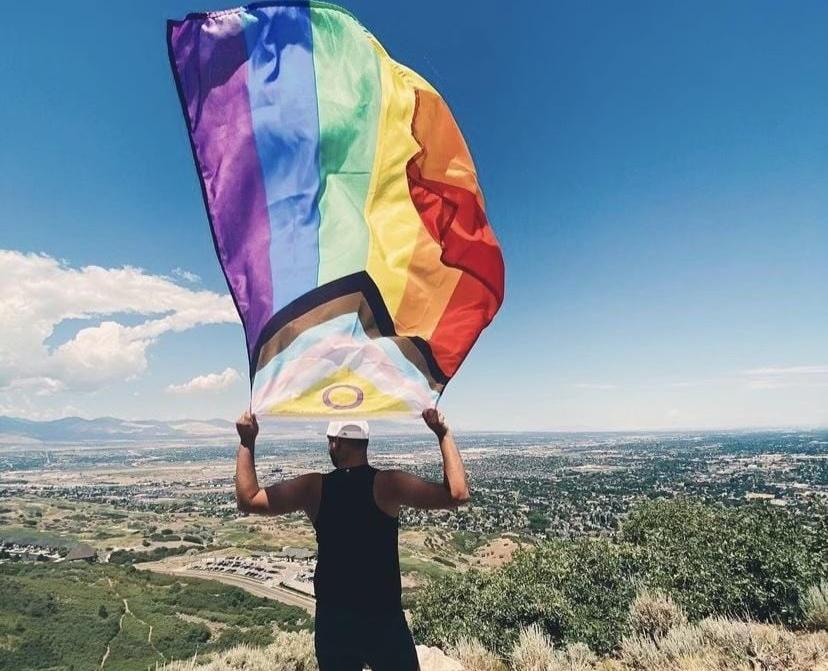
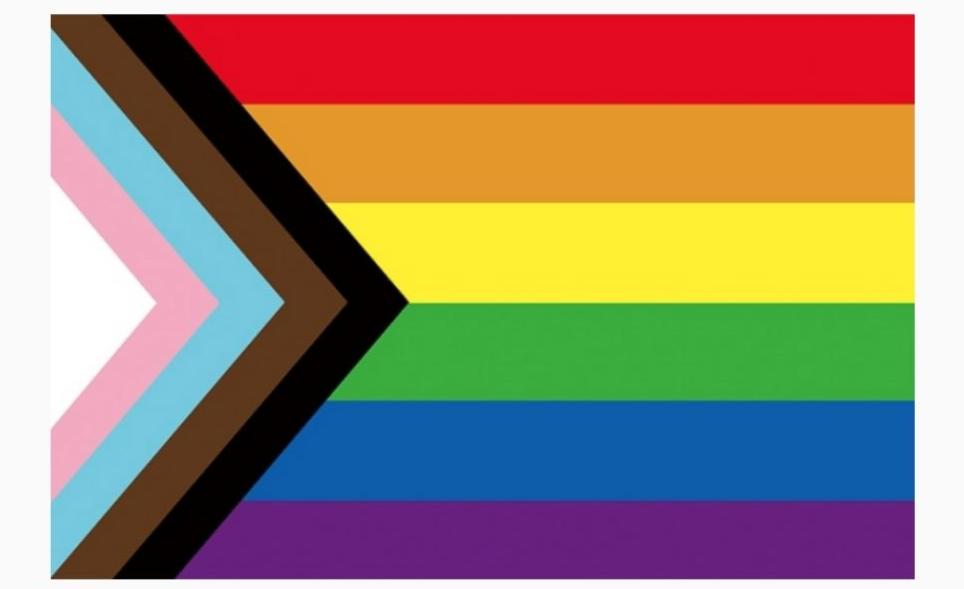
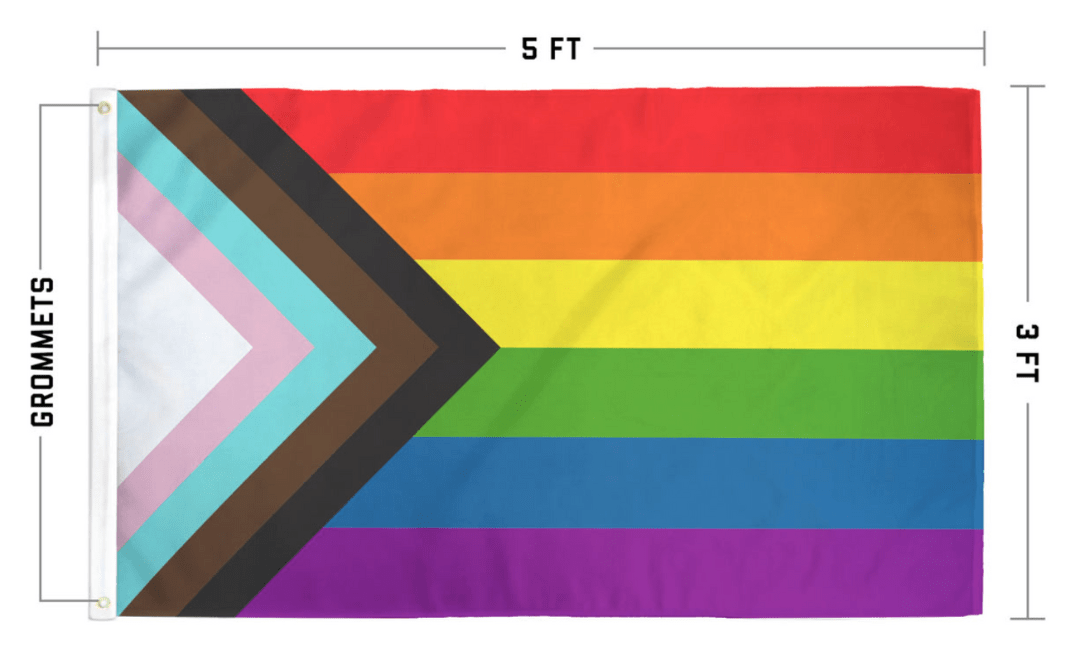
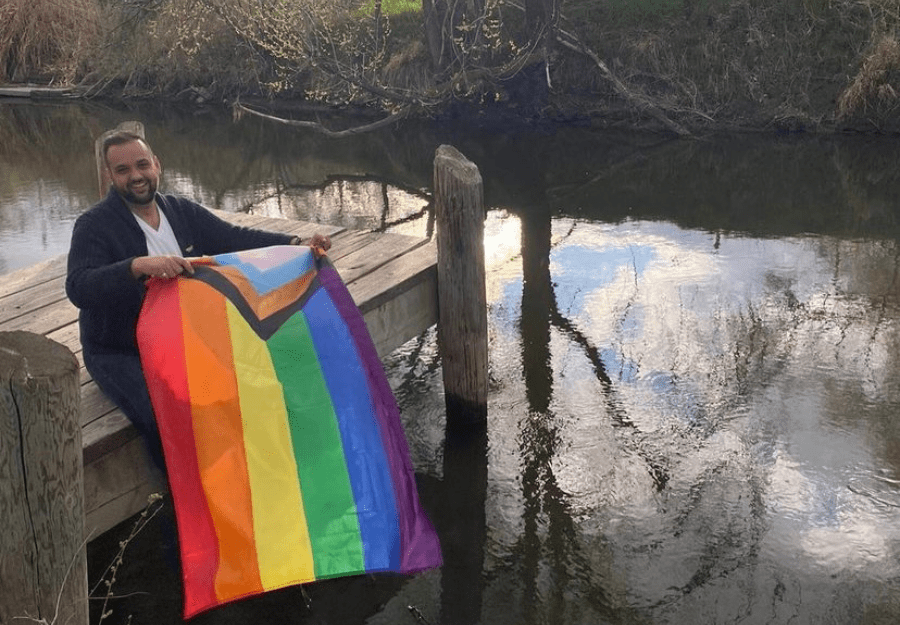
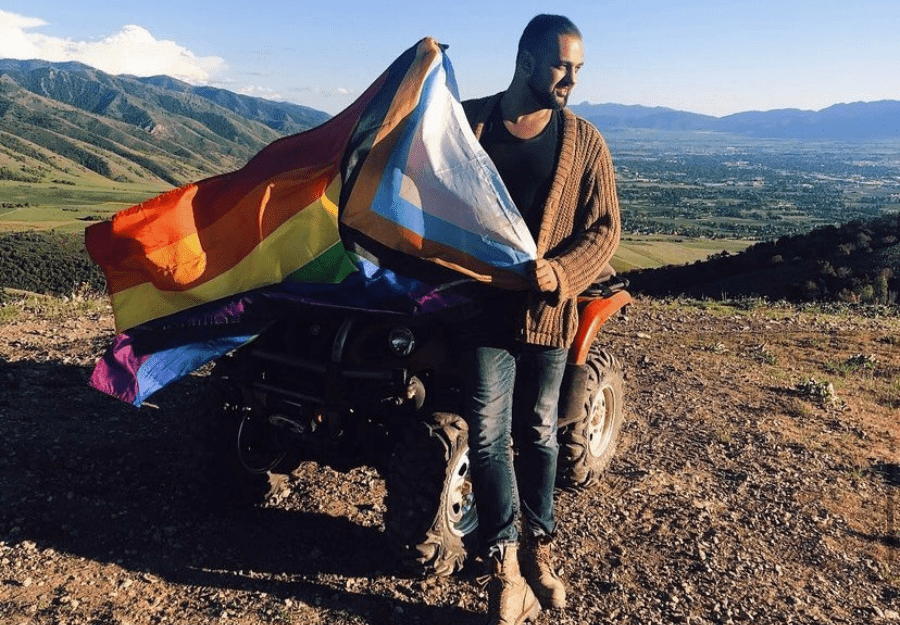
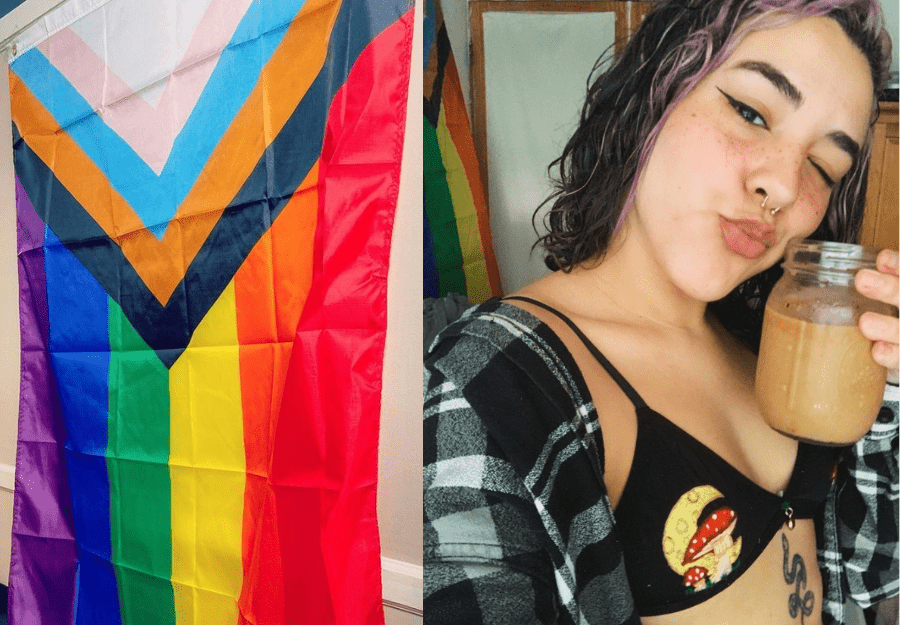
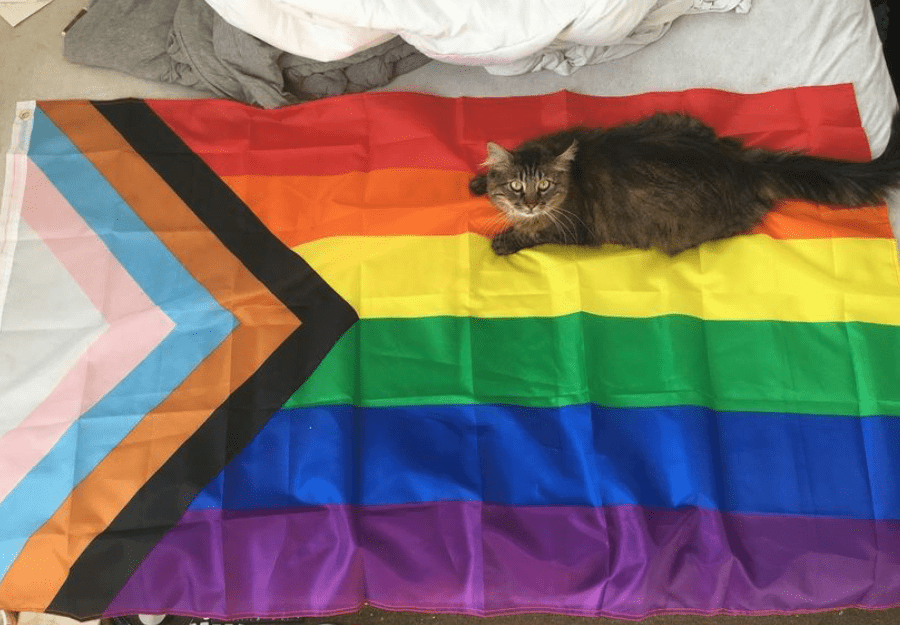
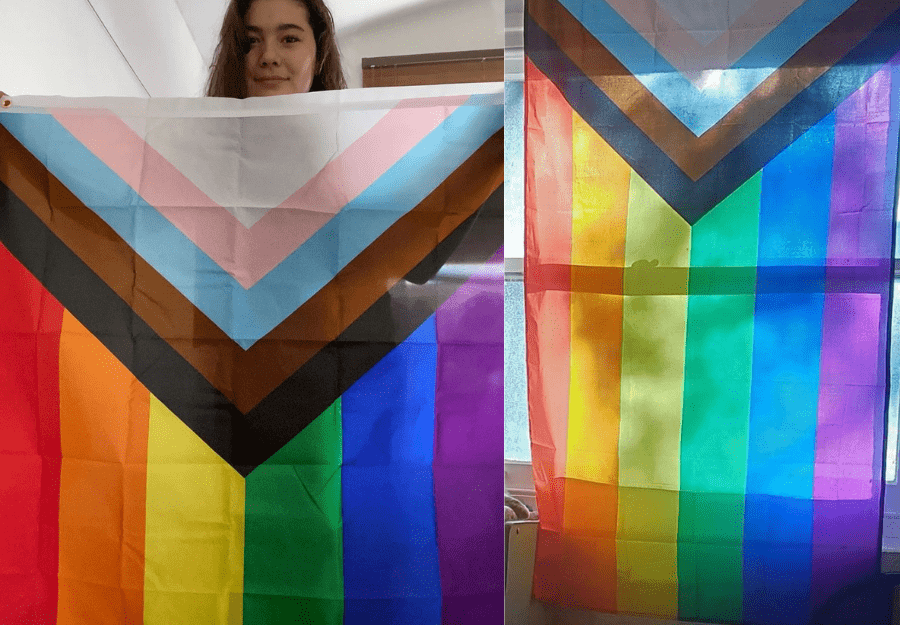
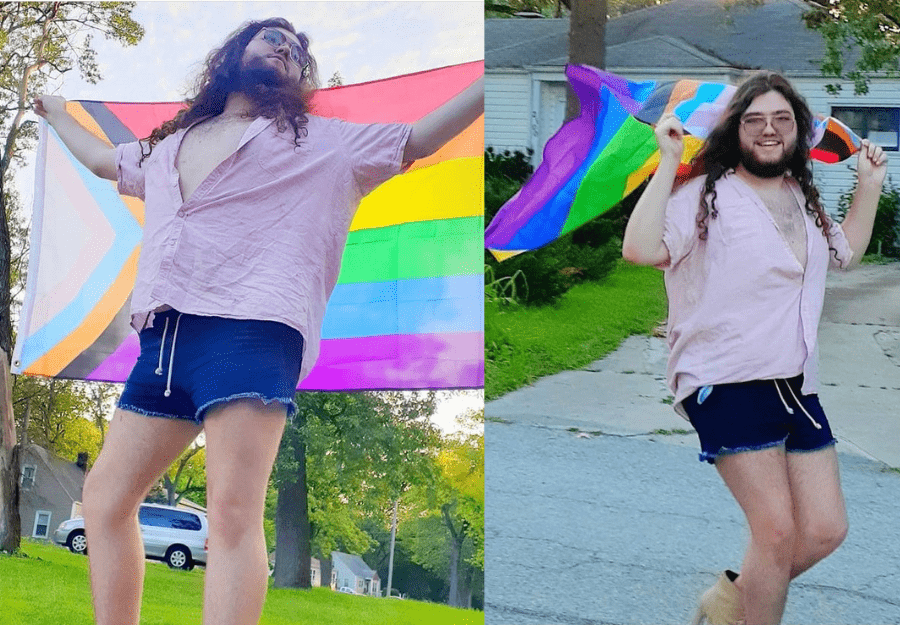
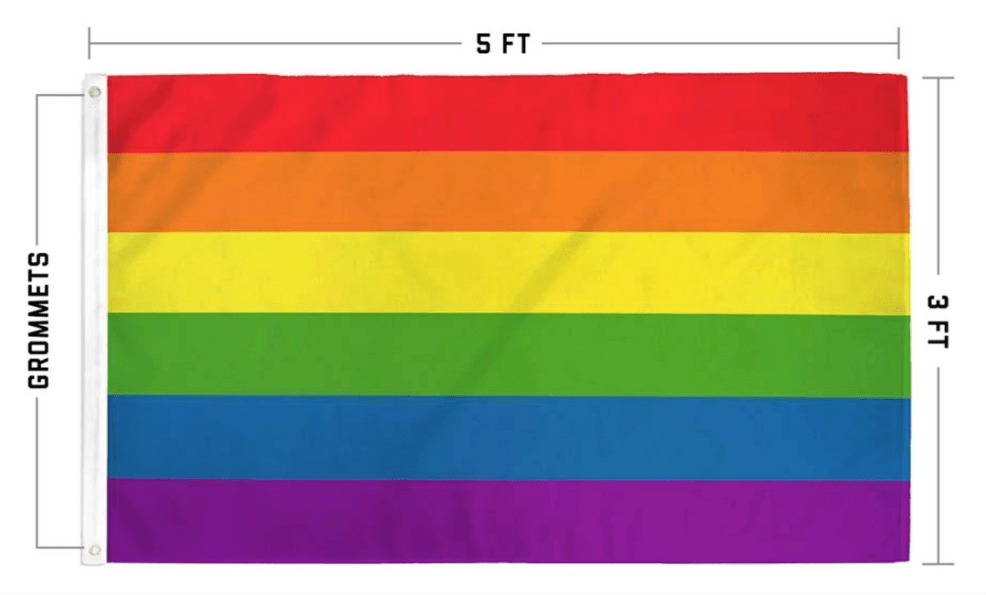
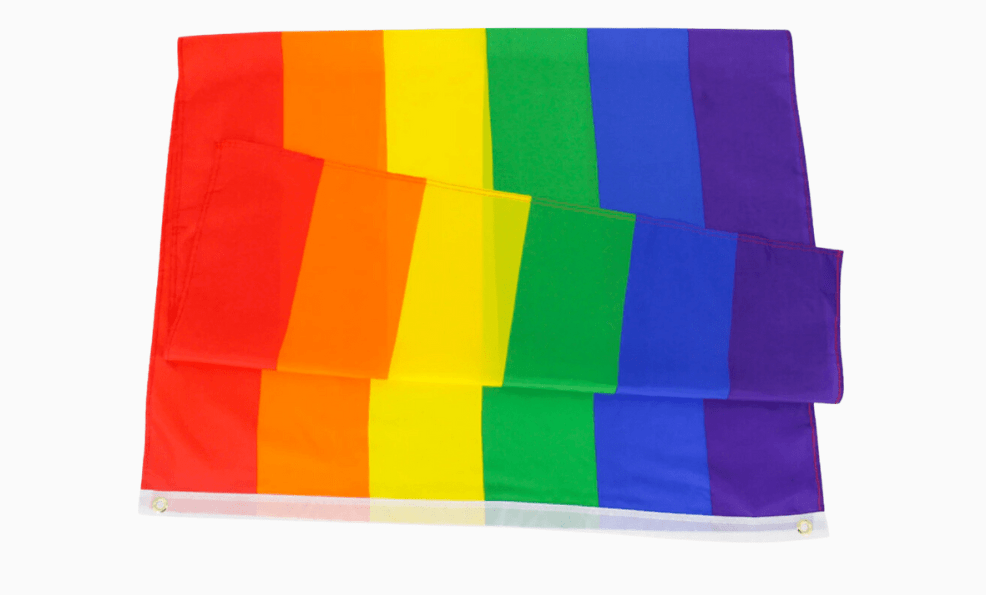
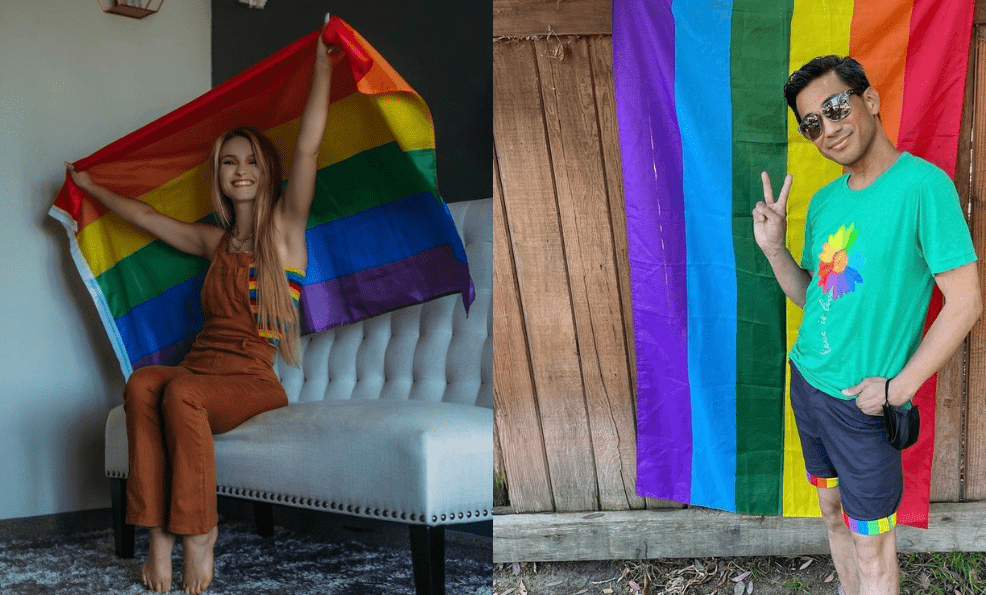
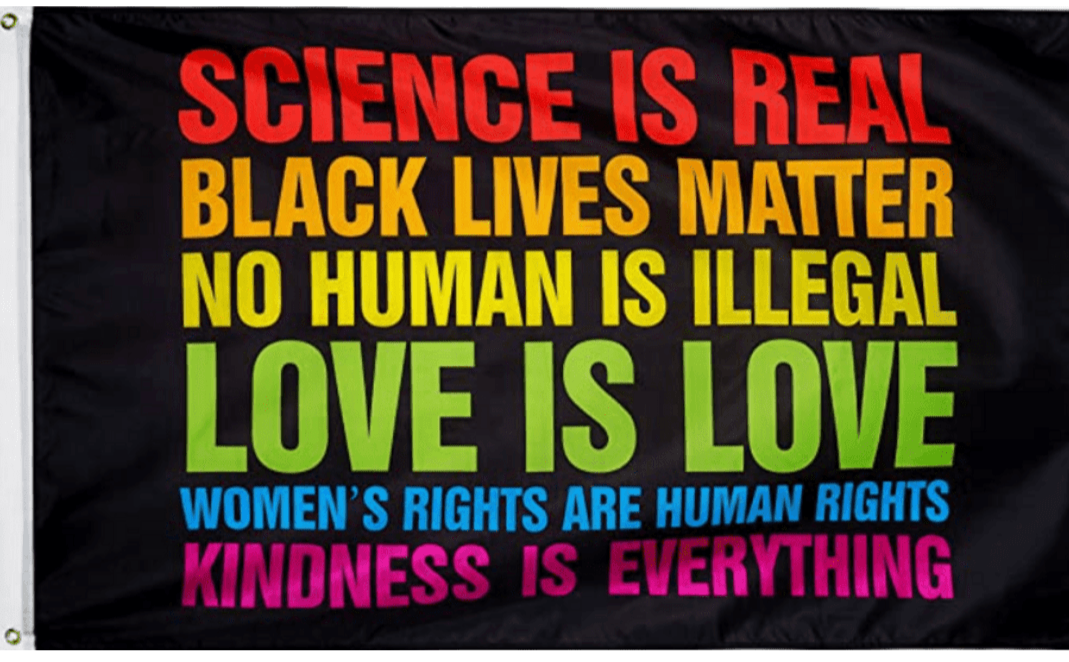
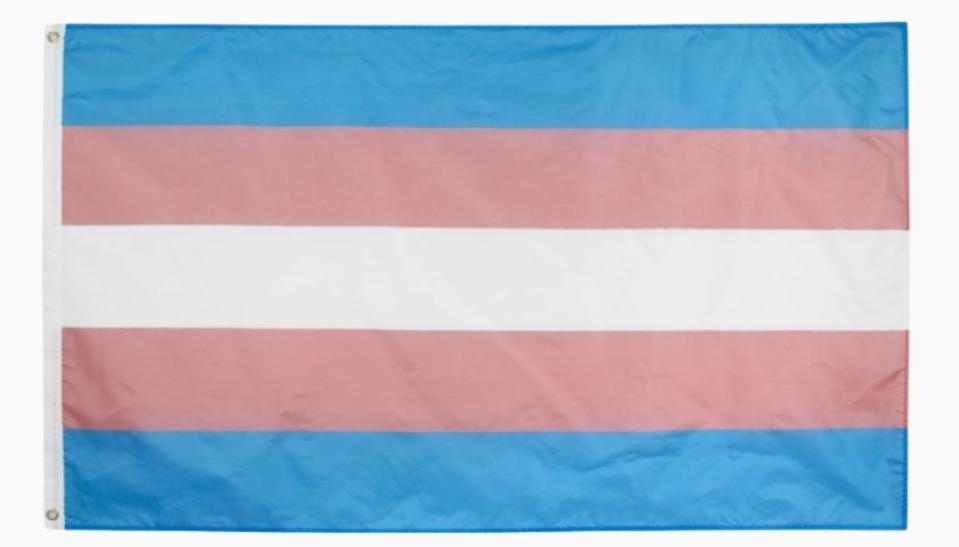
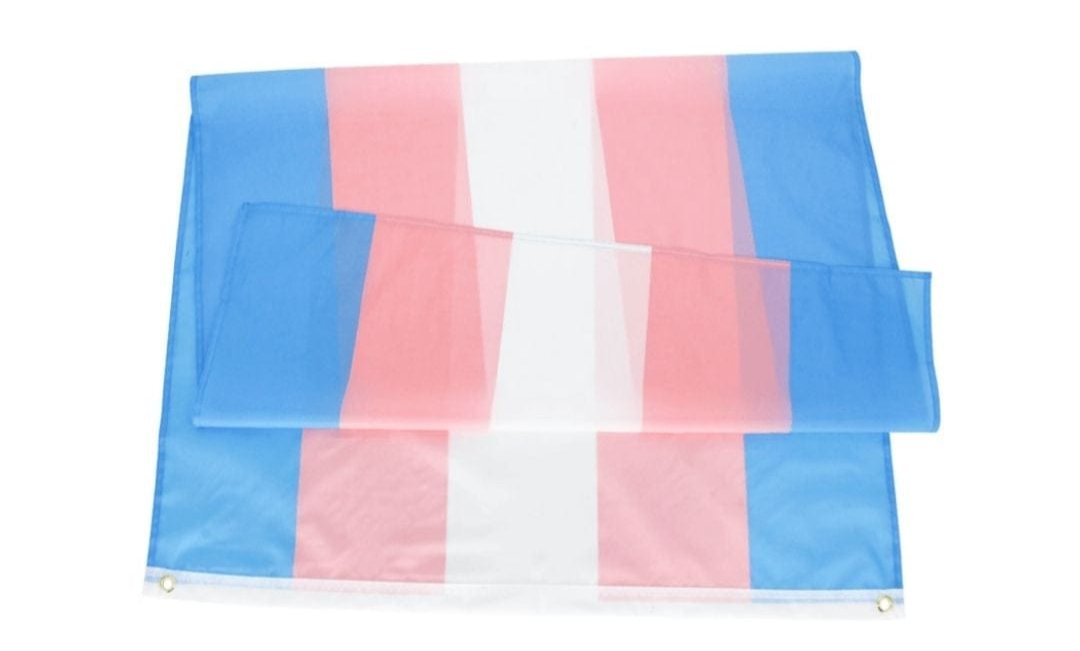
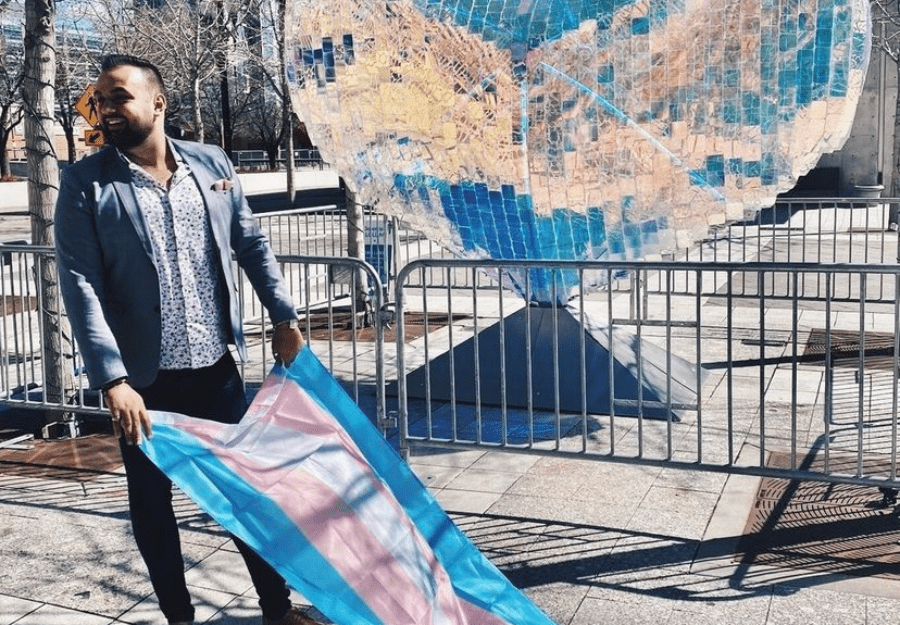
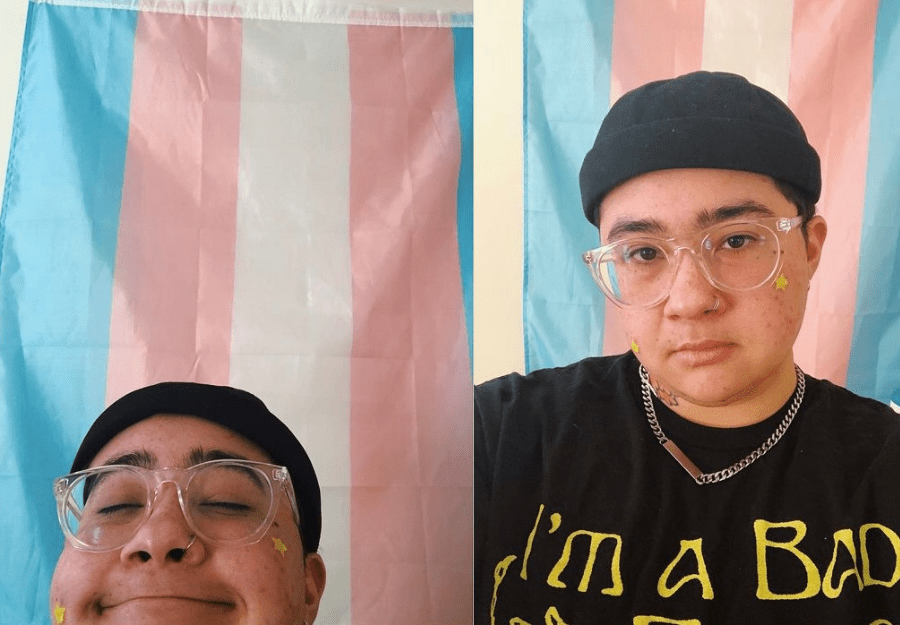
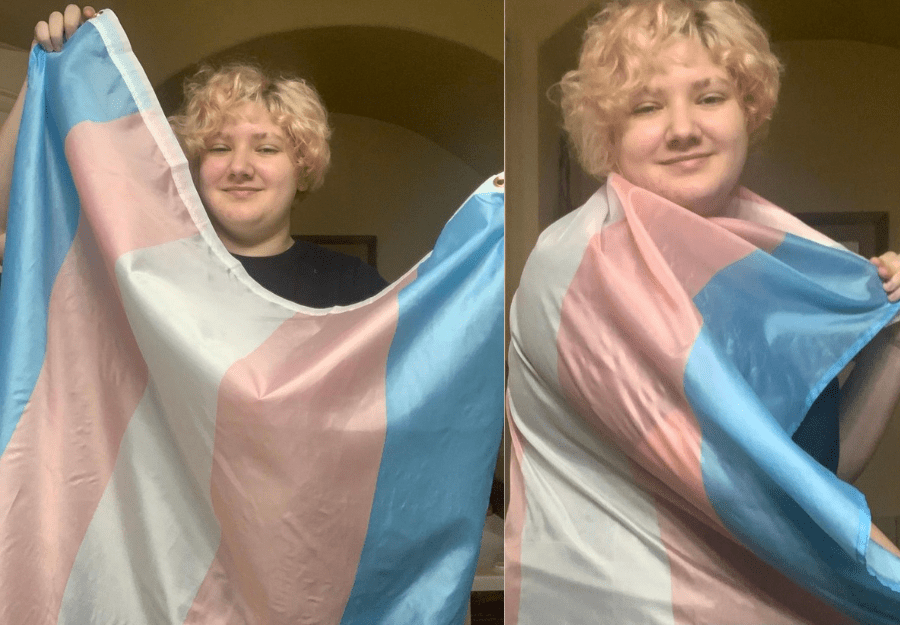
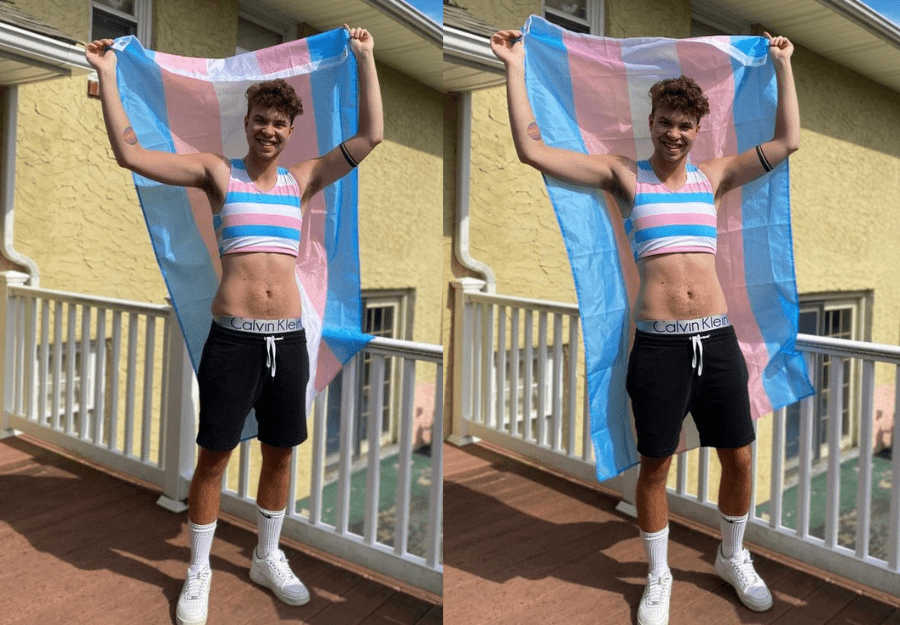
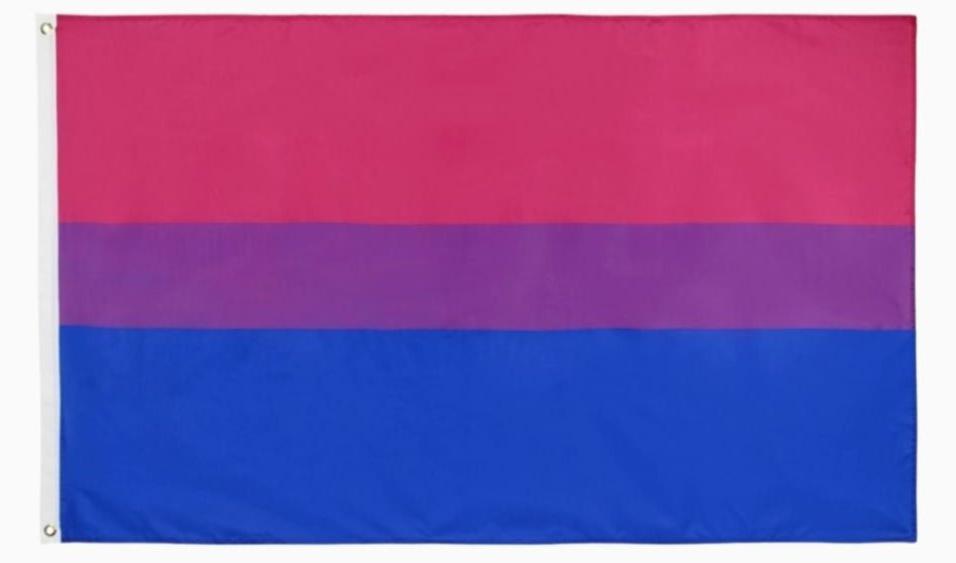
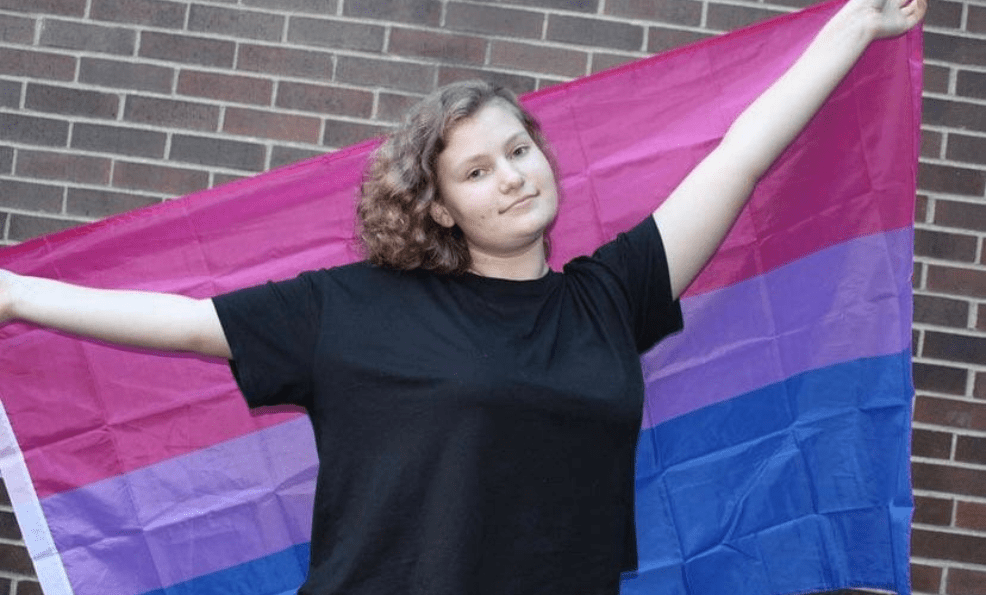
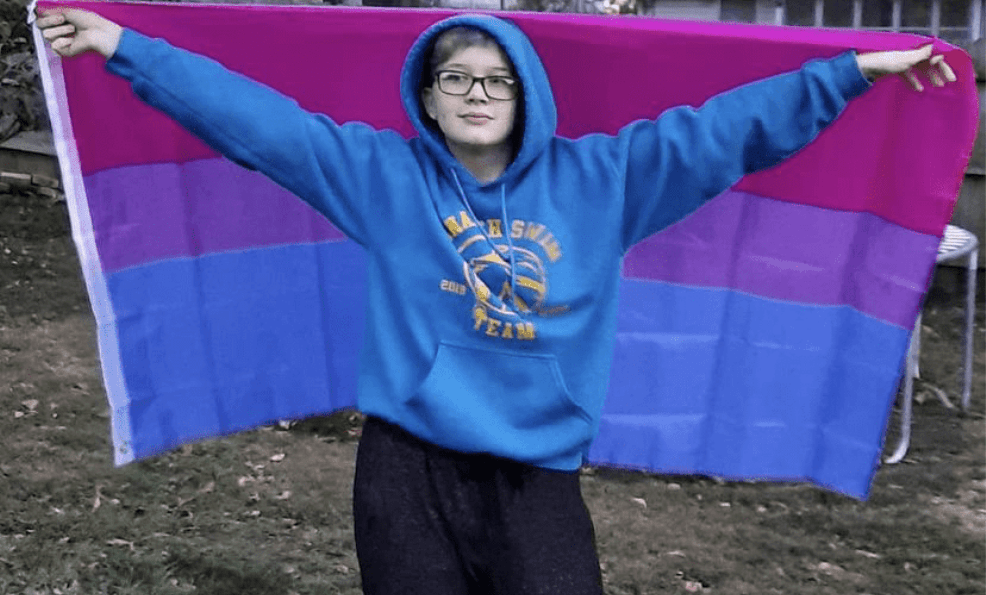
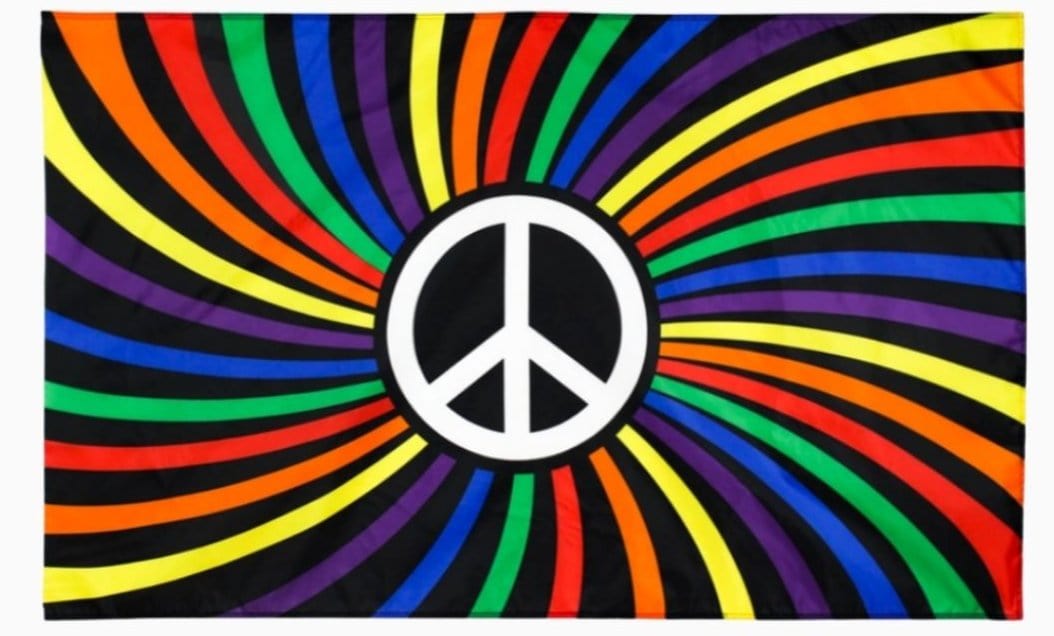
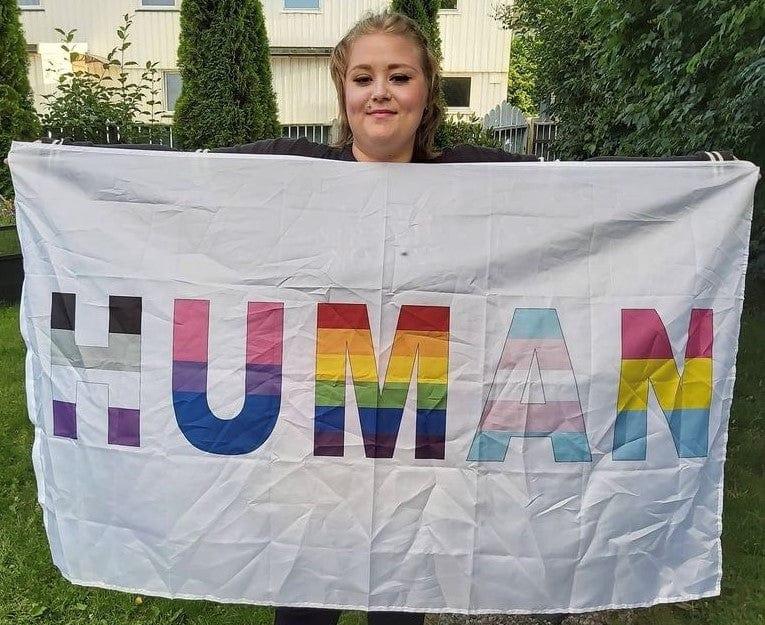
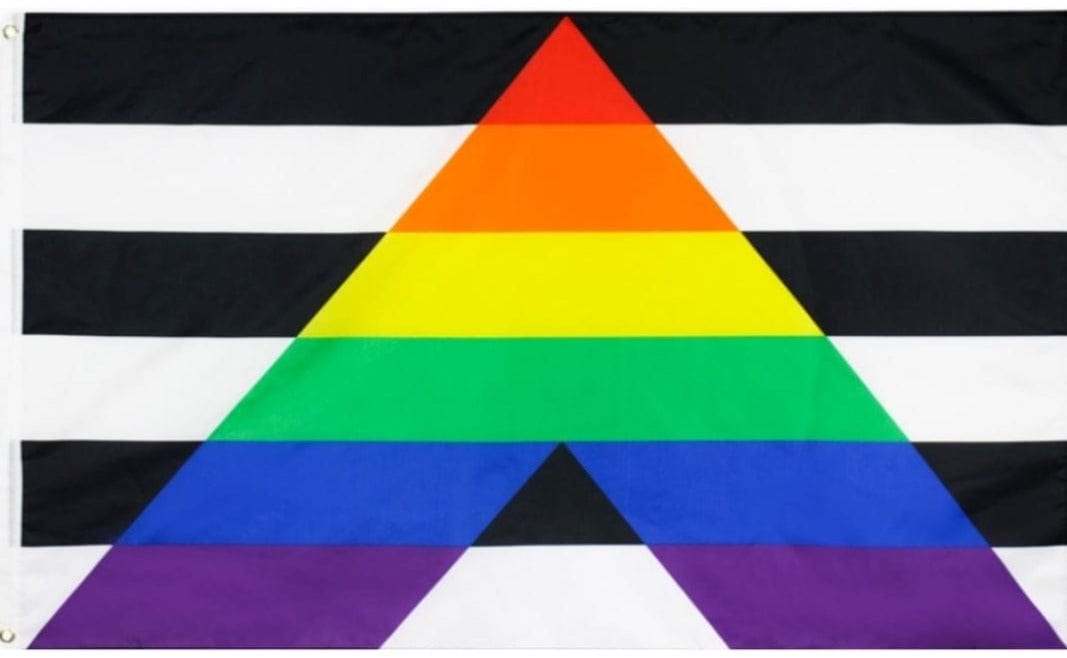
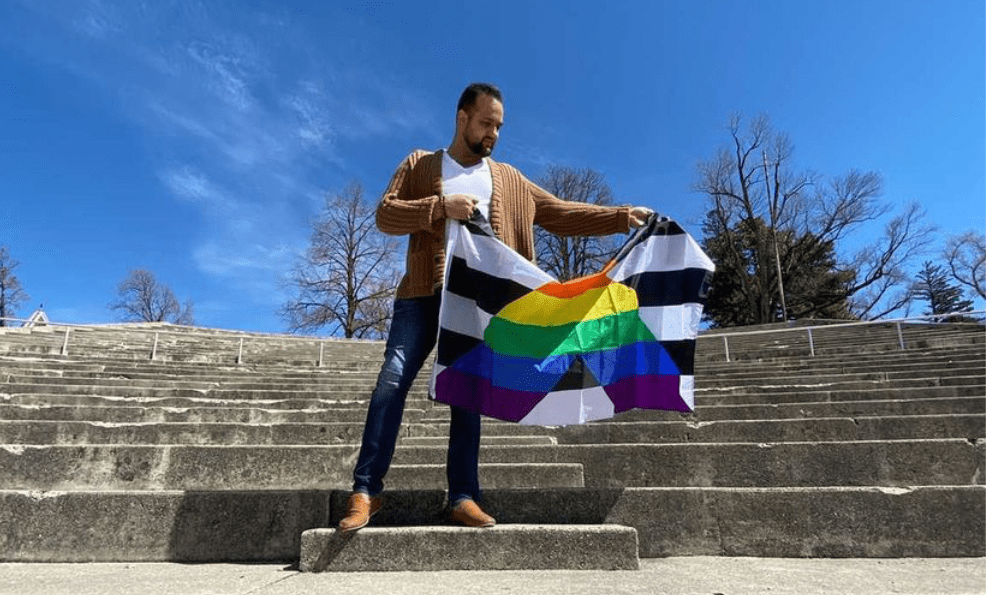
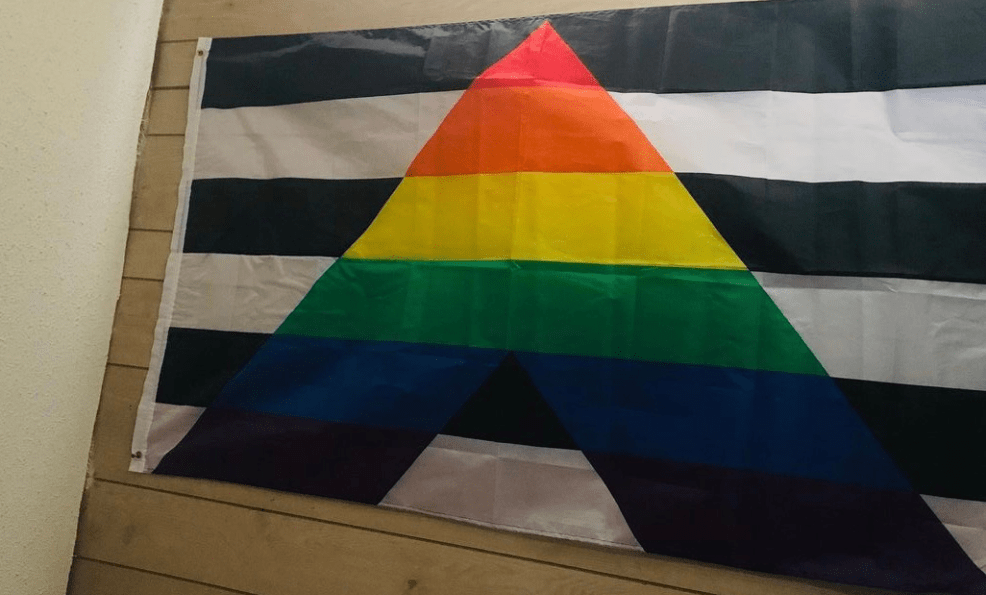
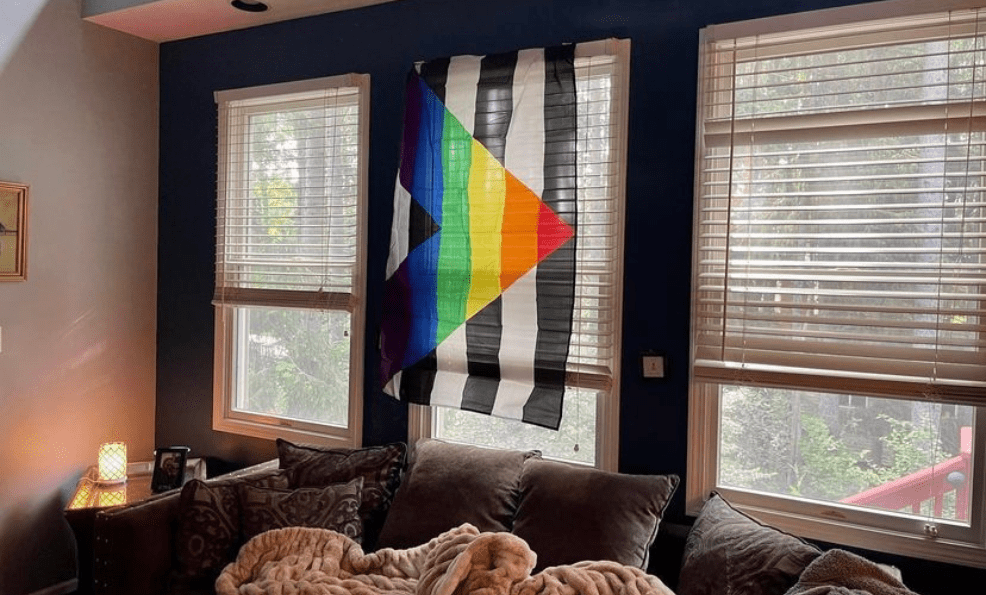
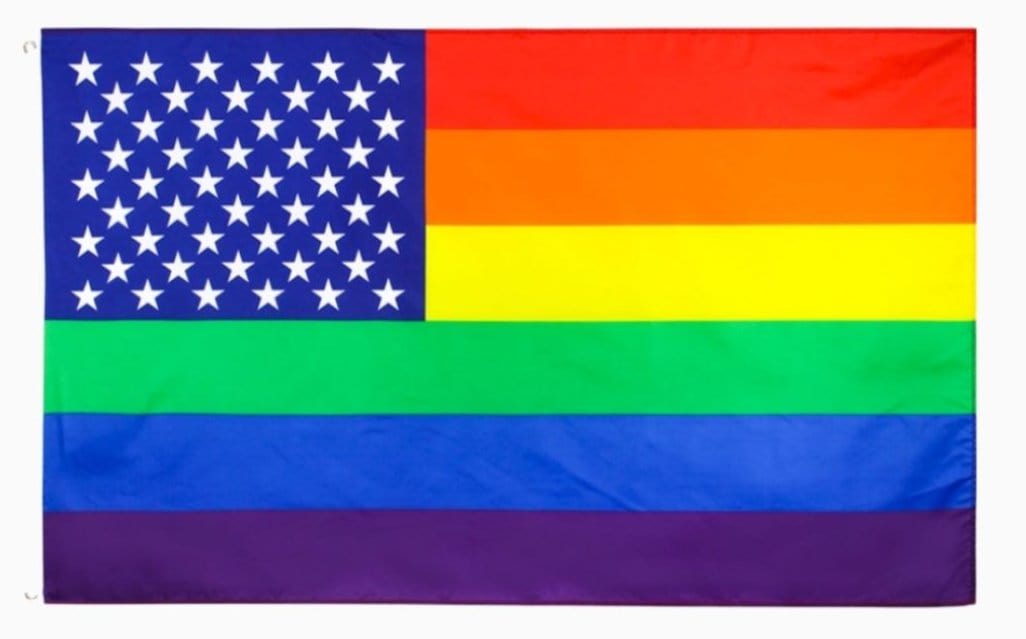
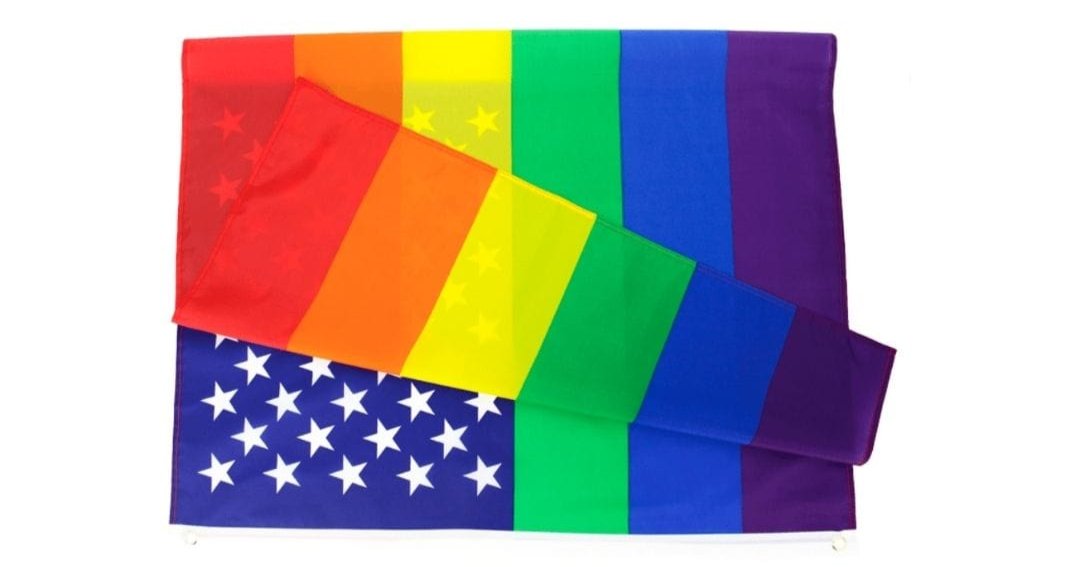
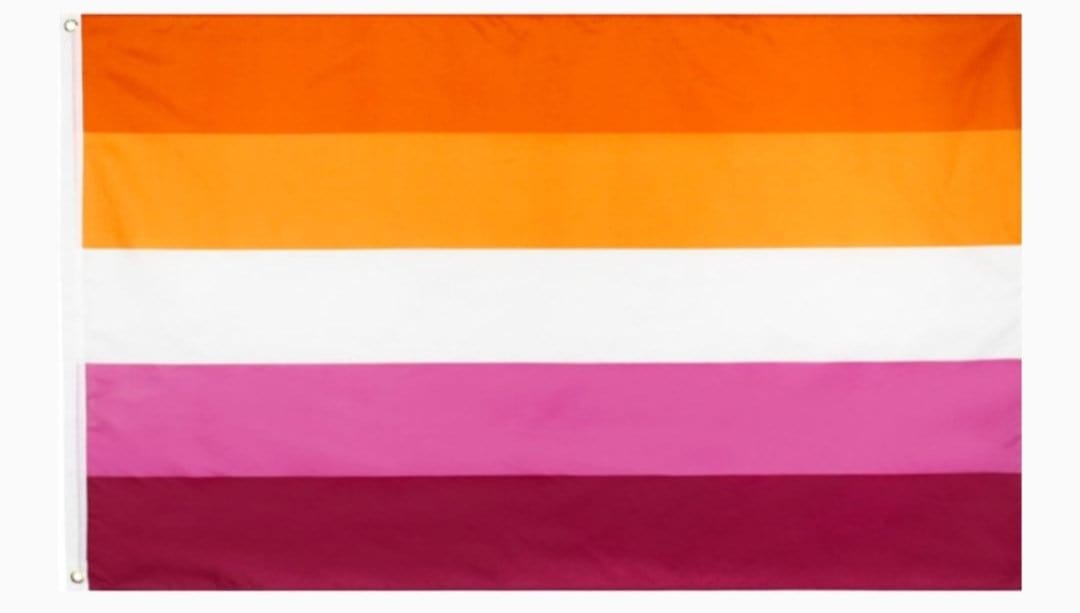
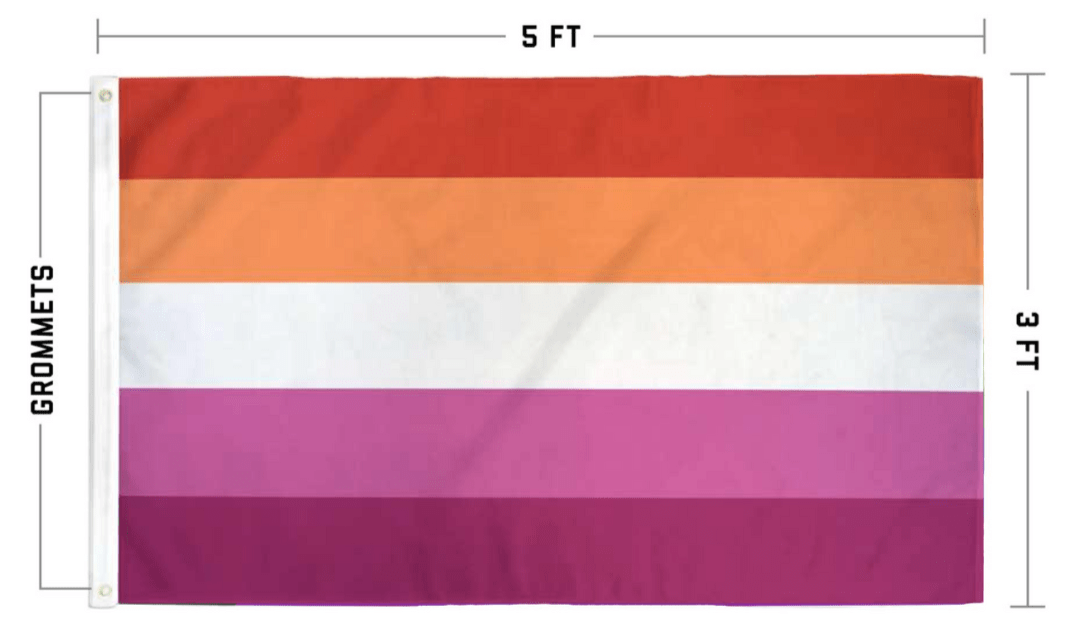
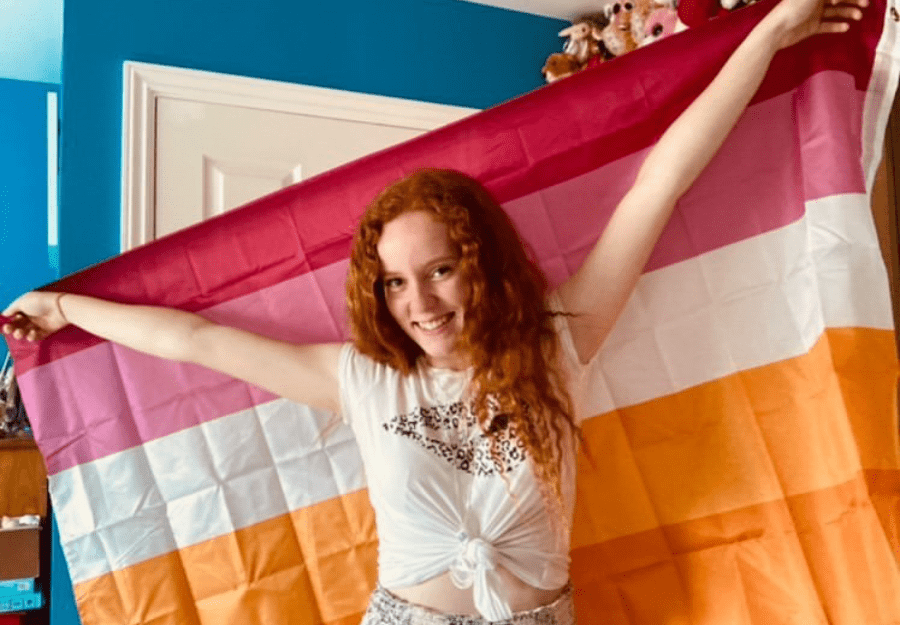
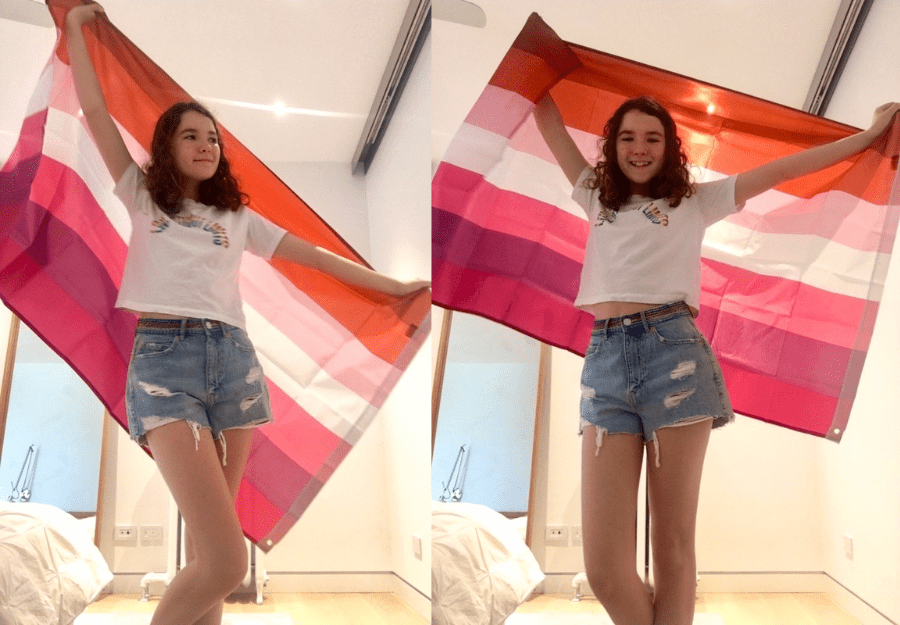
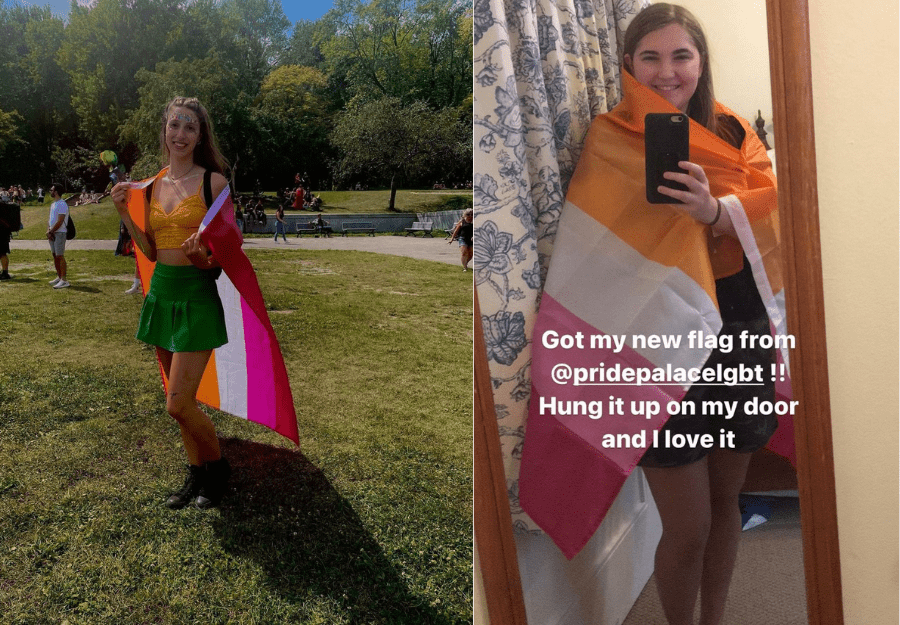
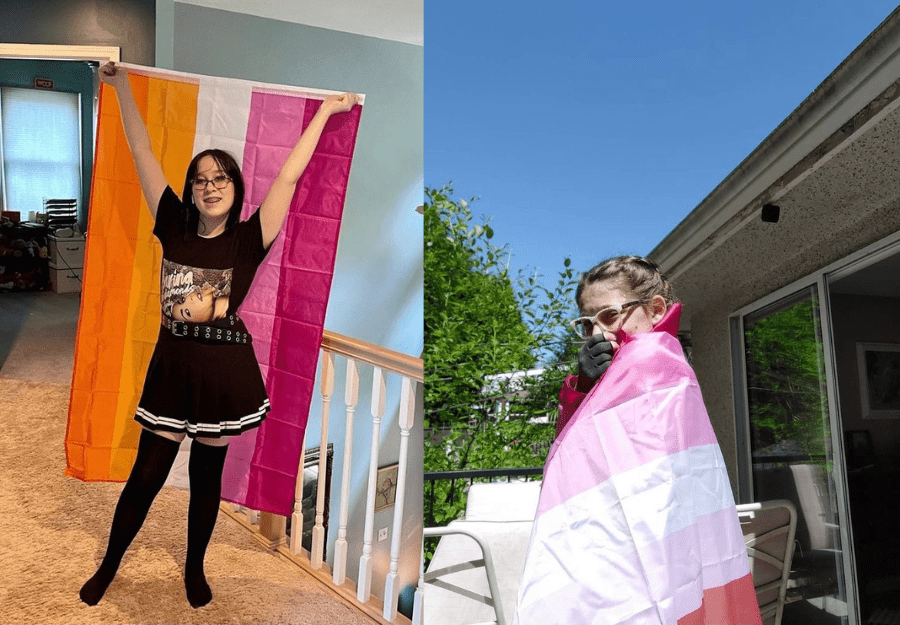
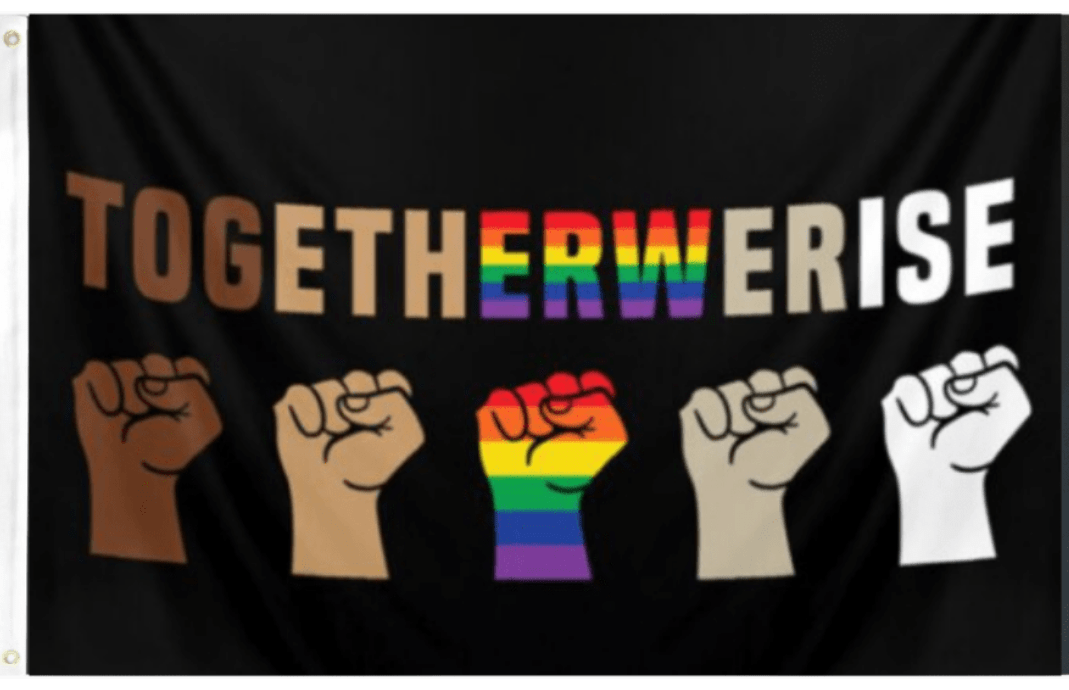
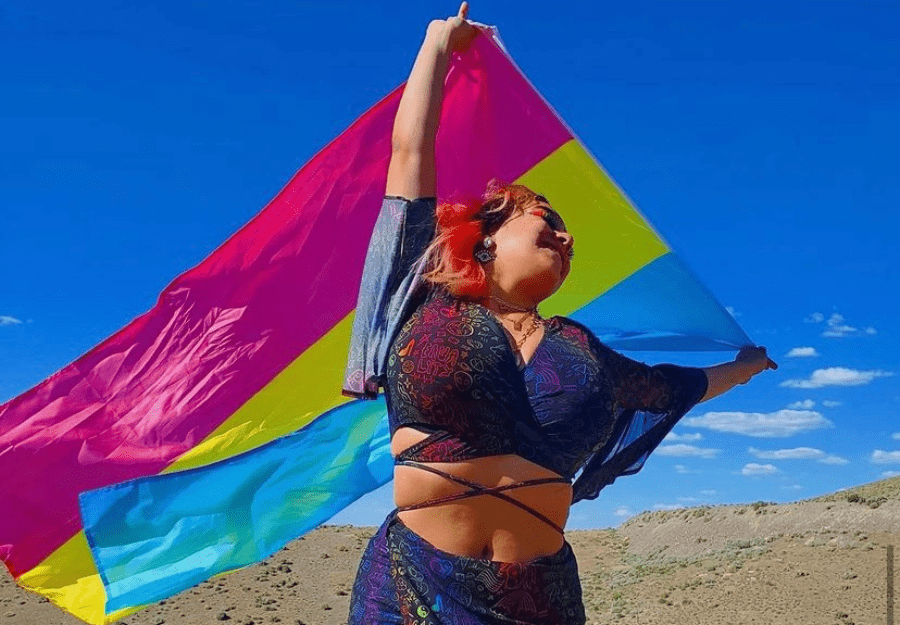
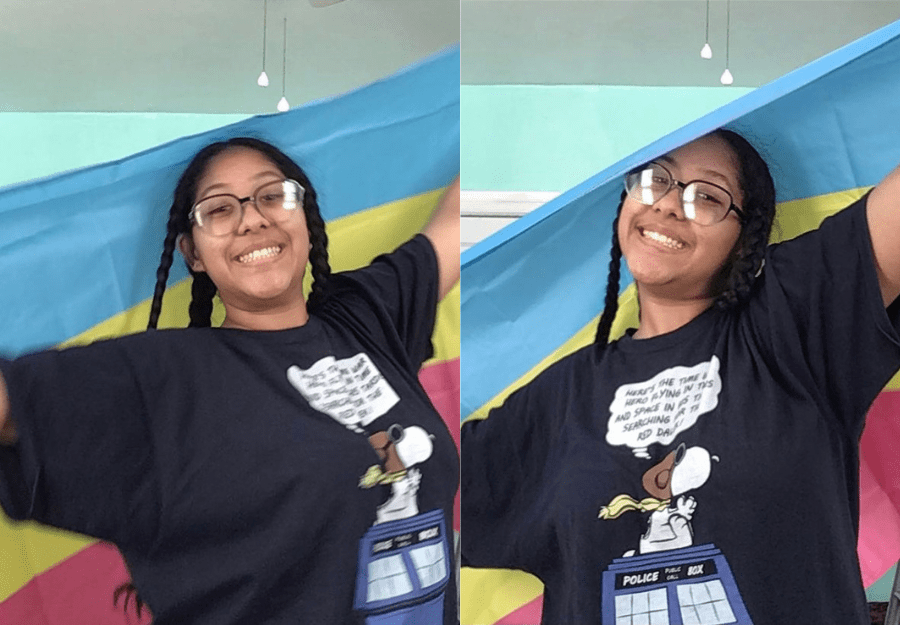
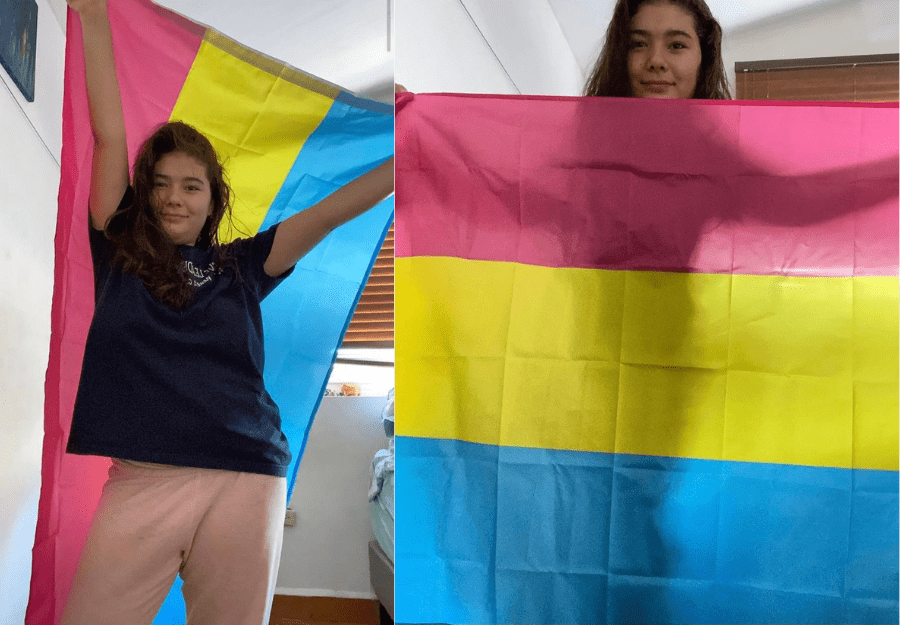
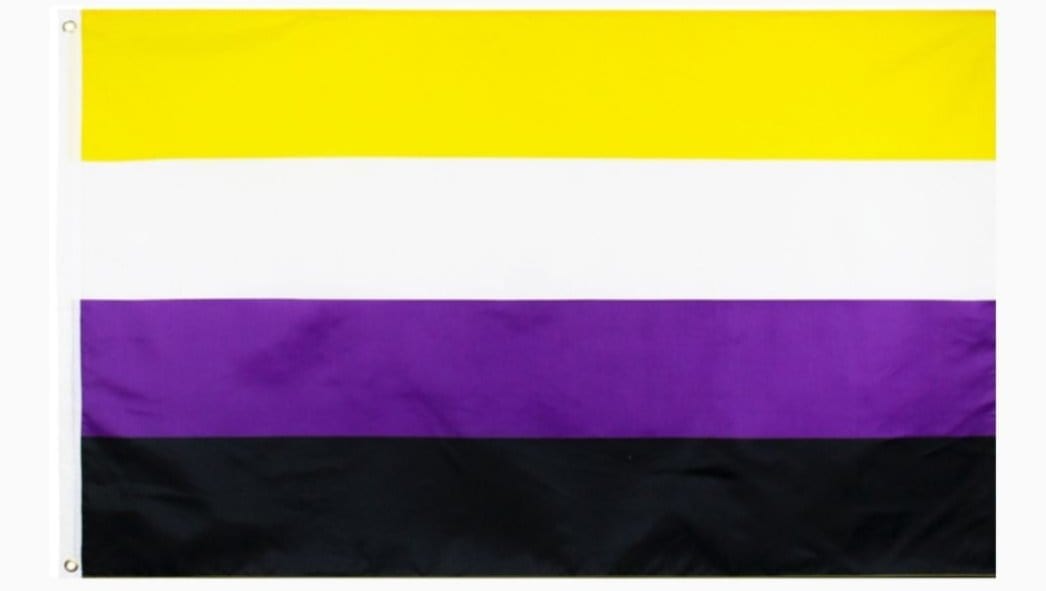
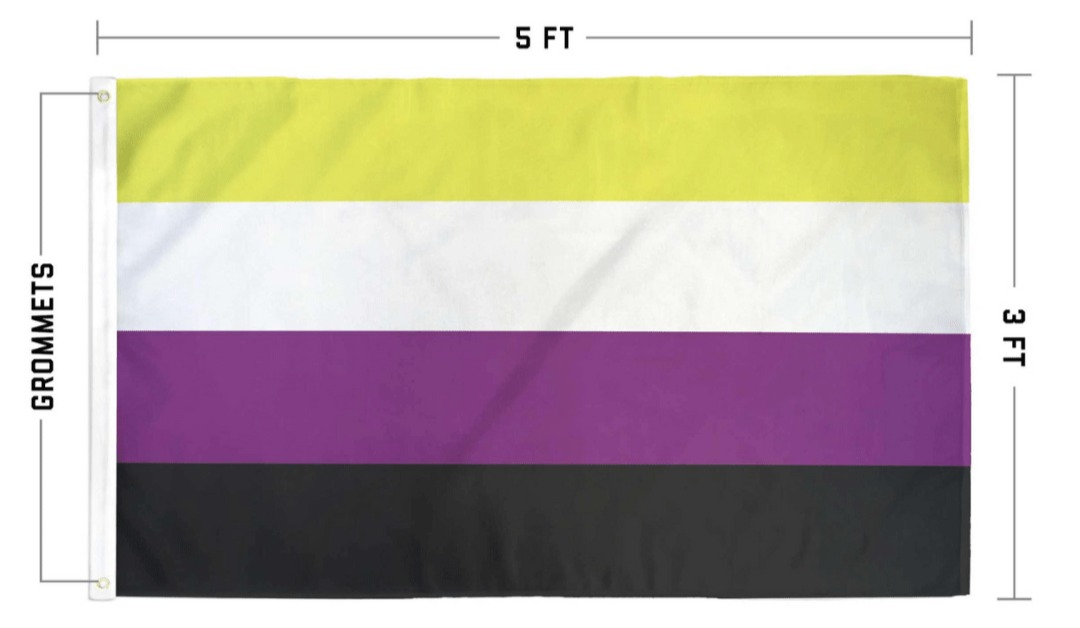
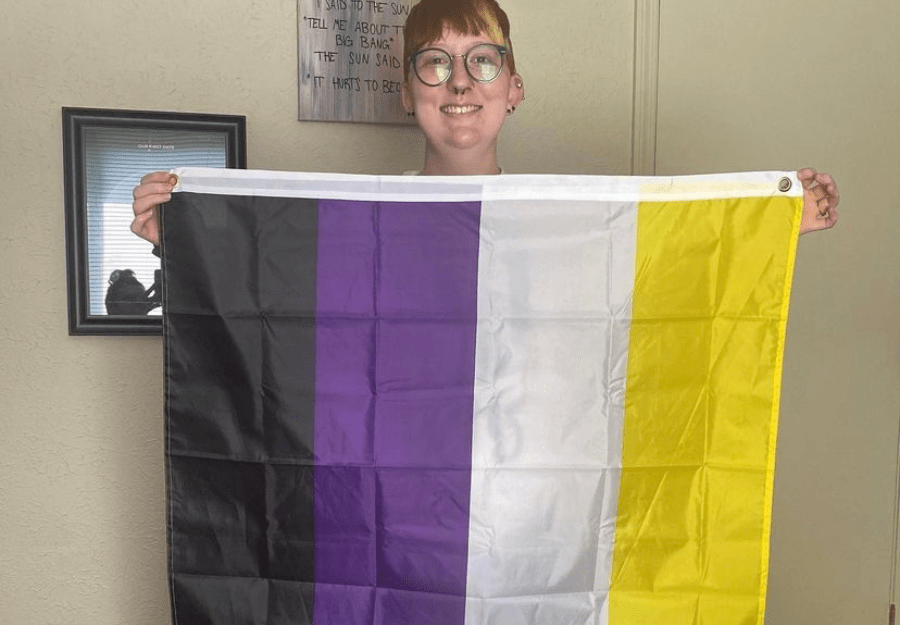
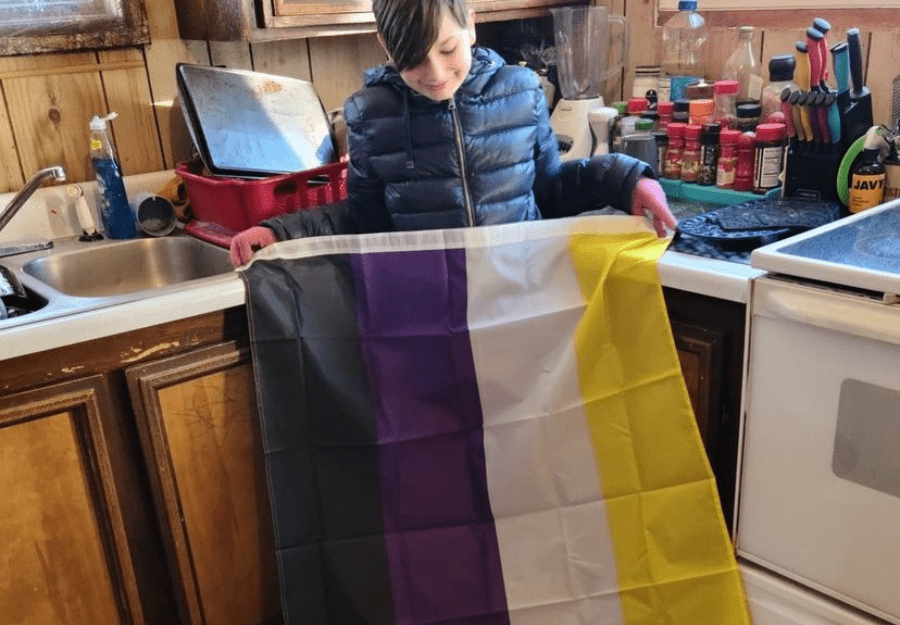
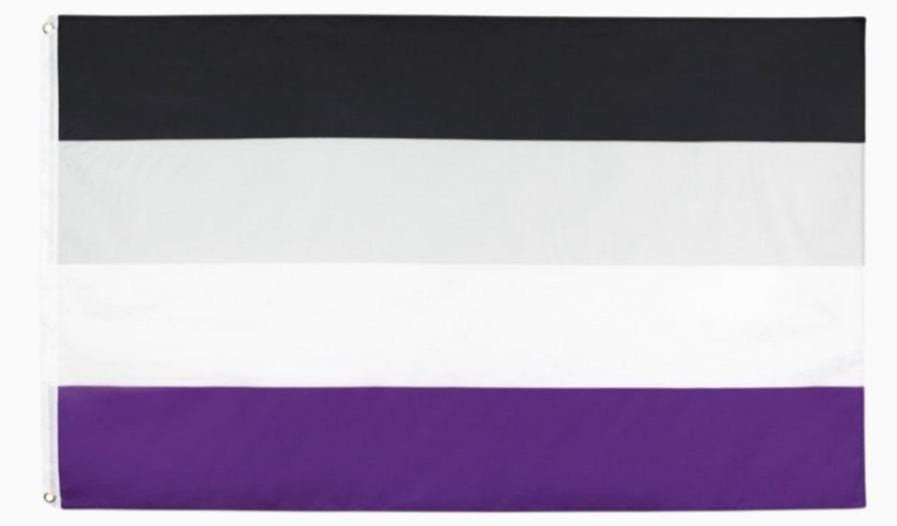
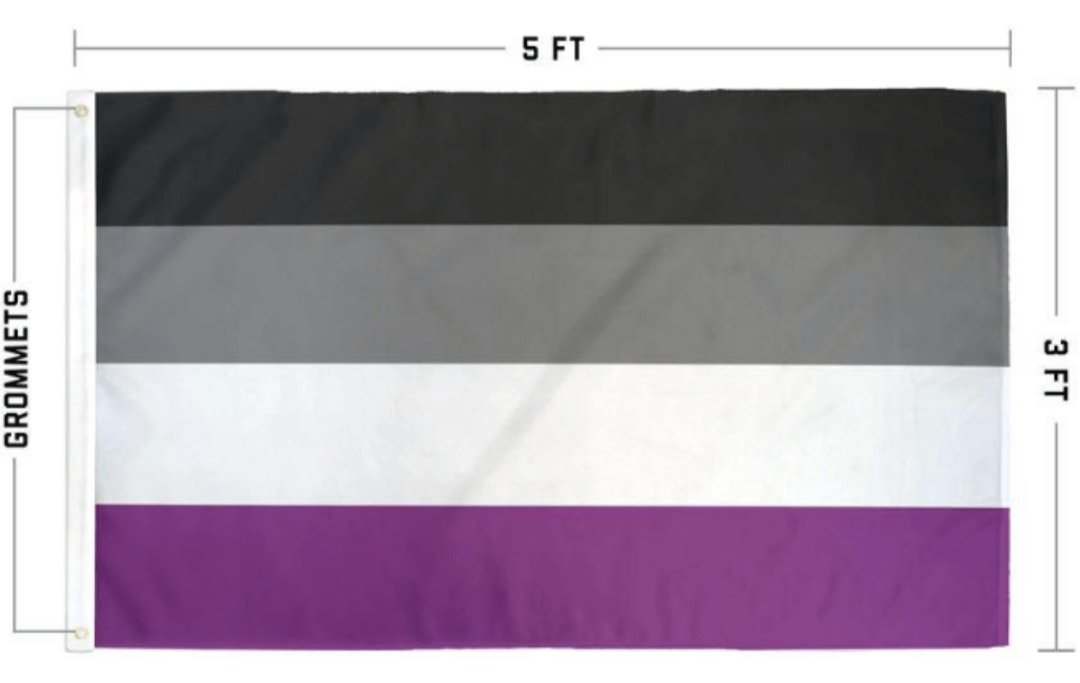
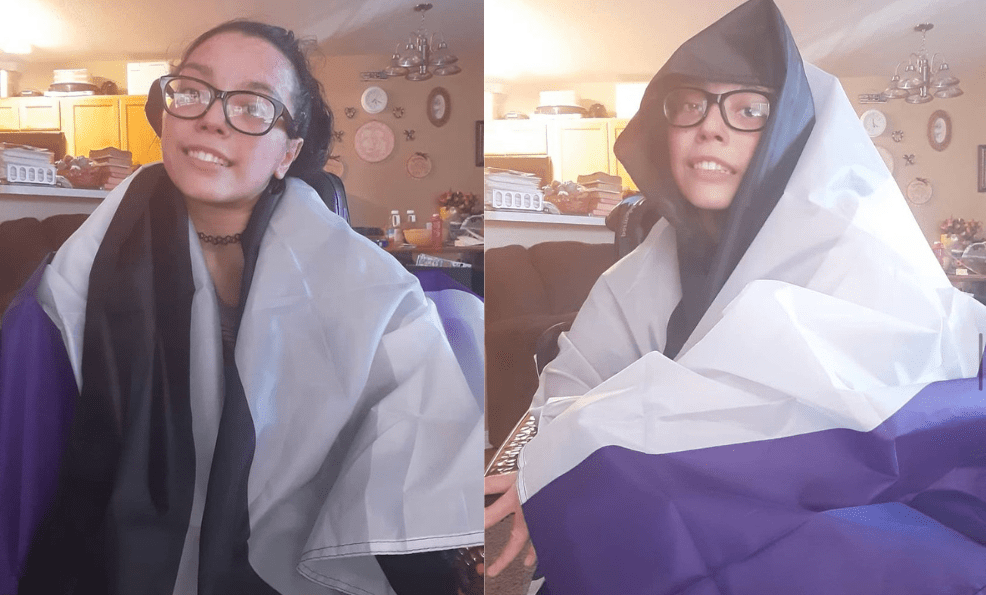
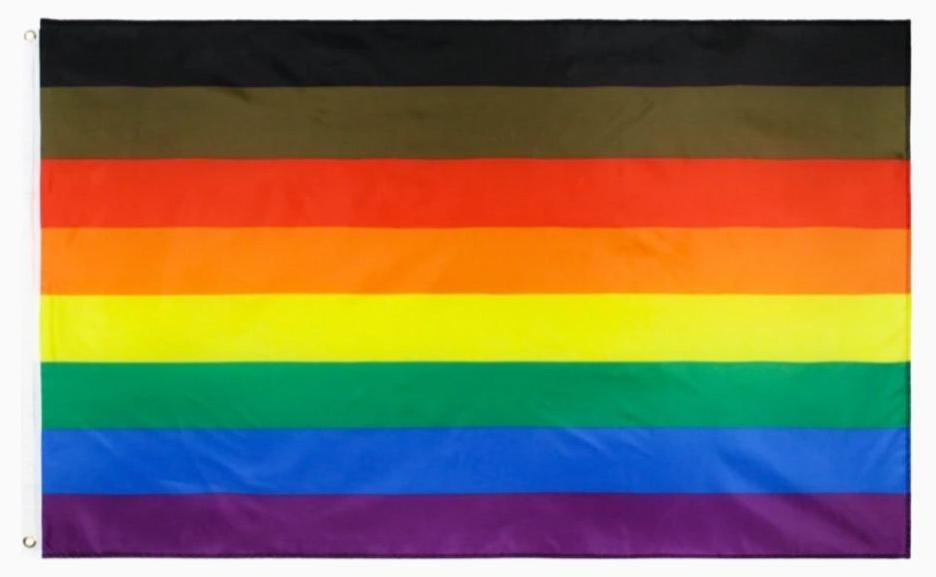
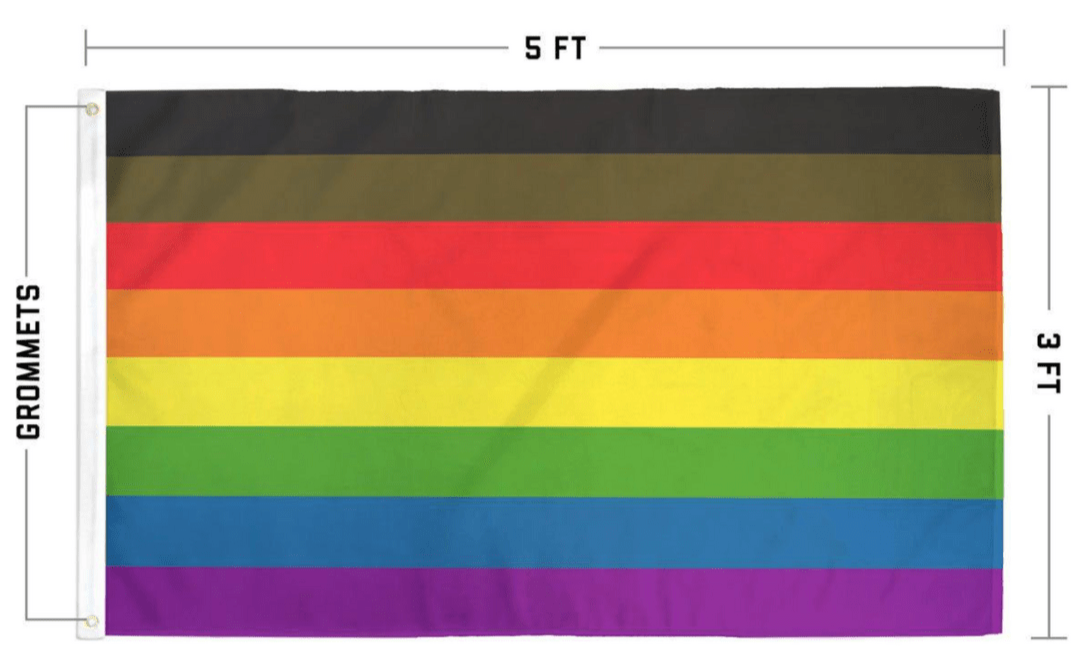
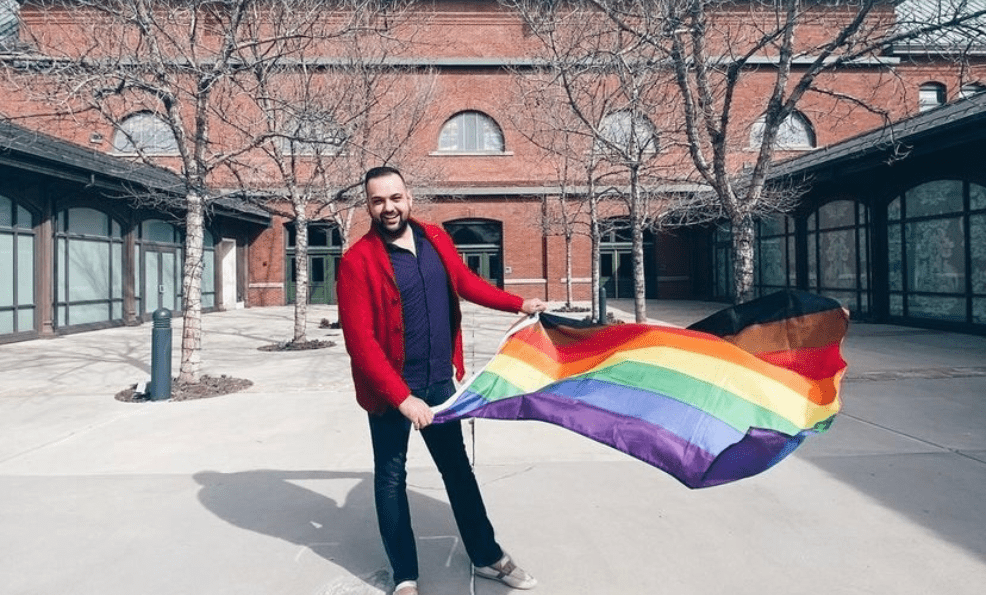
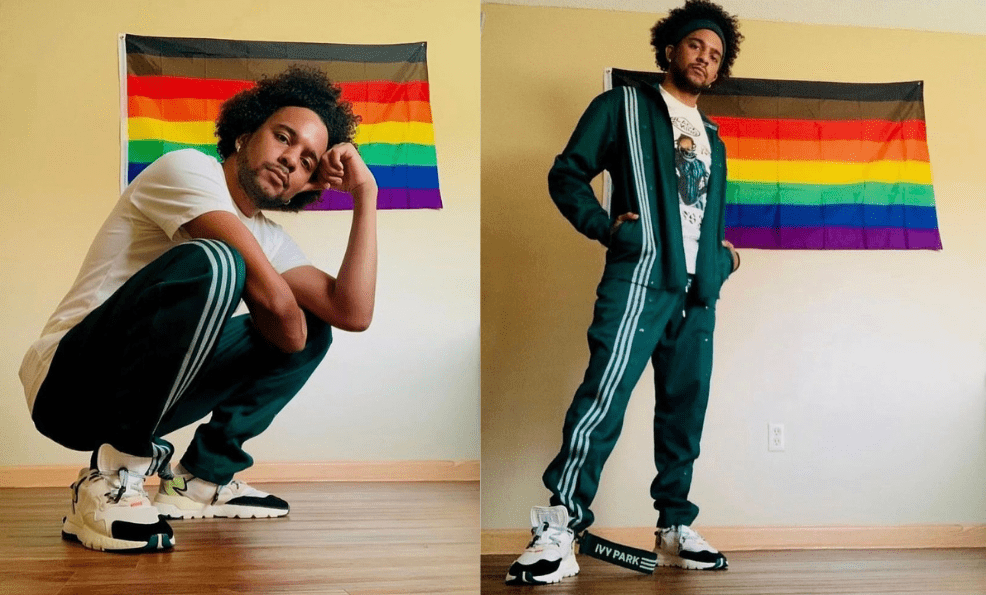
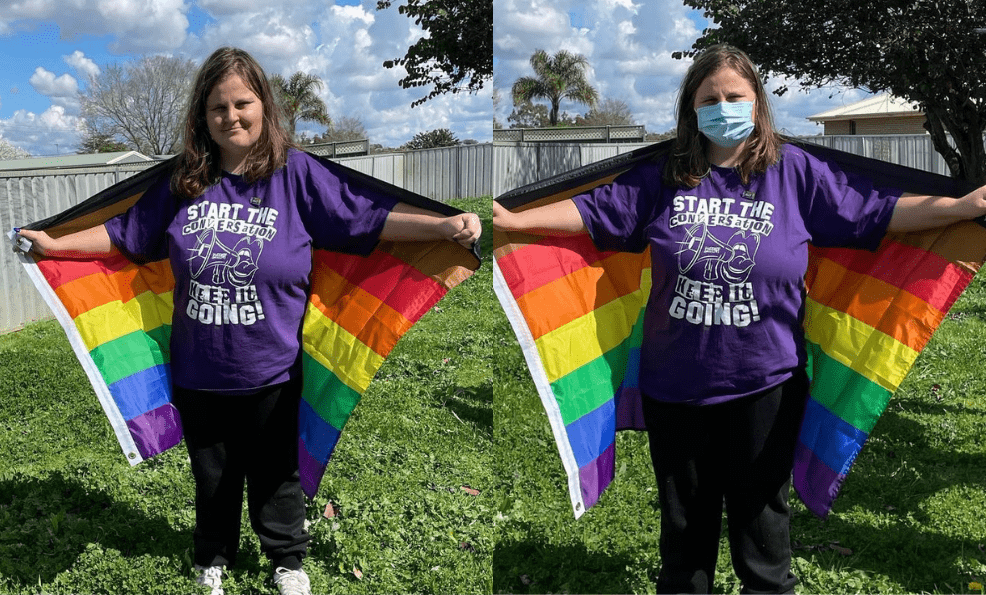
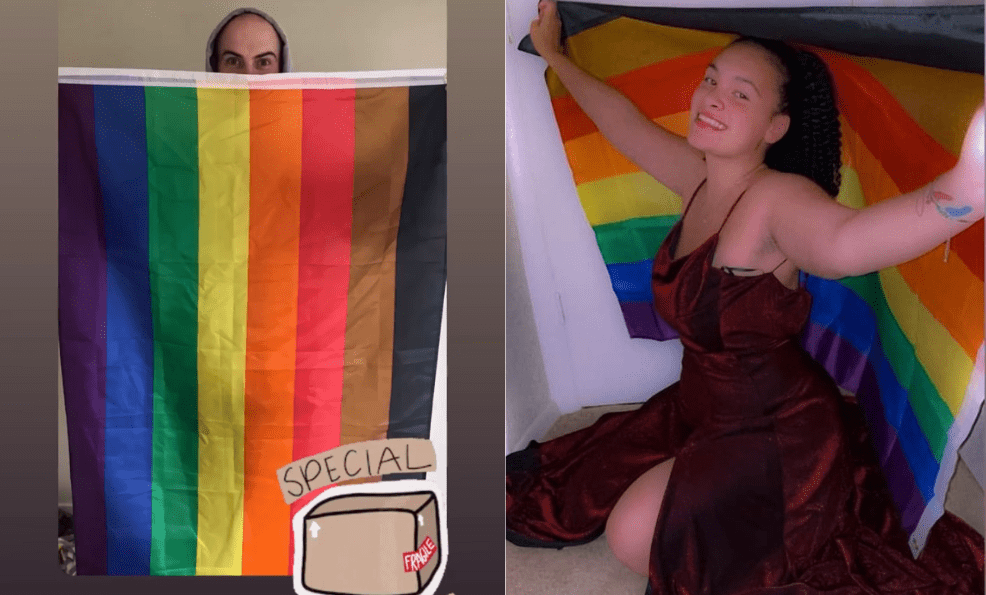
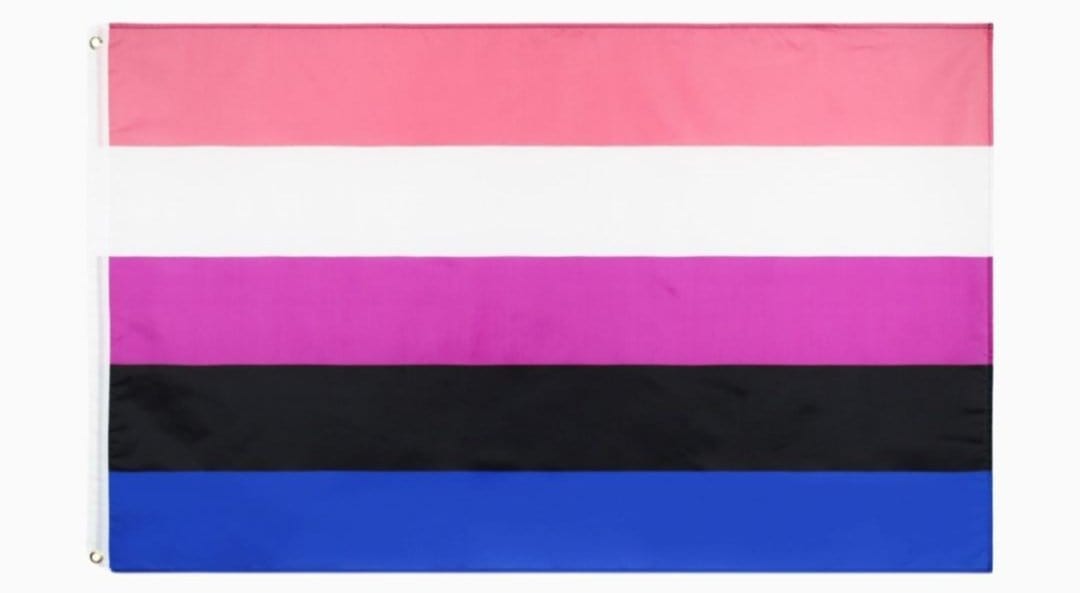
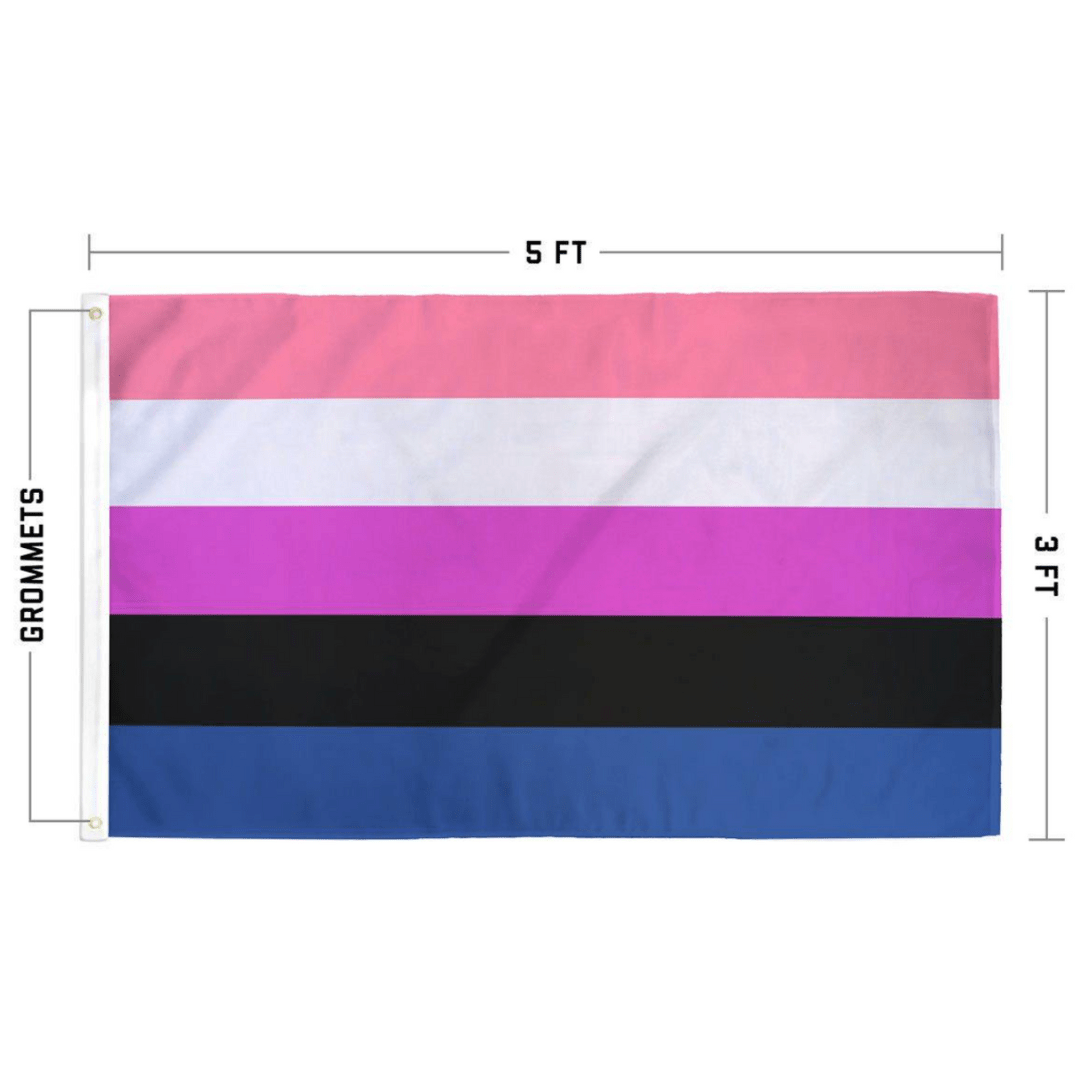
Visibility also plays a role in creating safer environments. Sometimes, something as simple as a visible symbol can signal to someone that they are not alone. If you want to create that sense of belonging in your space, you can explore our Pride Flag collection, where each flag represents identity, support, and visibility.
Moving Forward
The Day of Silence reminds us that silence is not neutral. It can be imposed, it can be chosen, and it can be powerful. But ultimately, it should lead to something more. To conversations, to action, and to a world where no one feels like they have to hide who they are to feel safe.
Because everyone deserves to be heard. And more importantly, to be safe enough to speak.