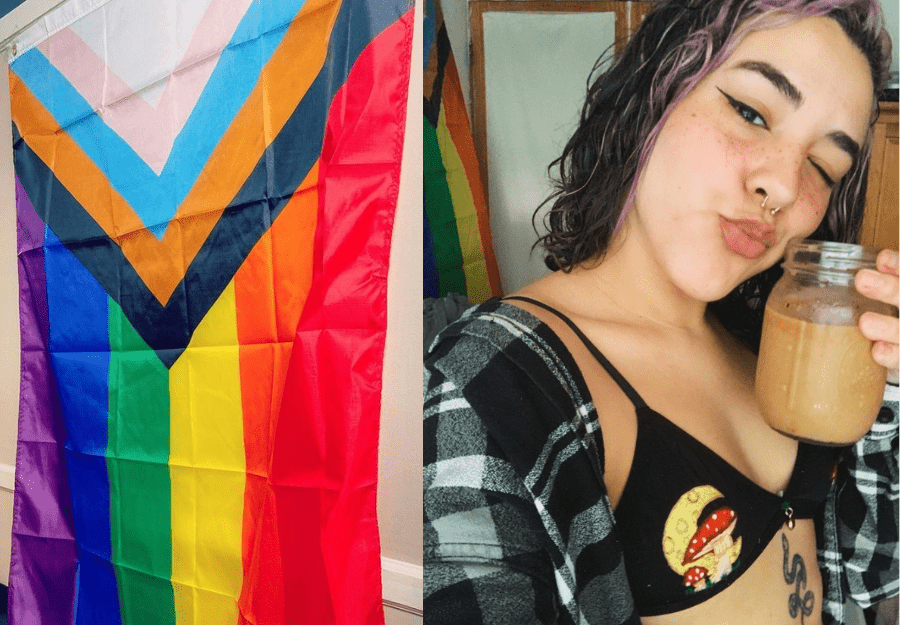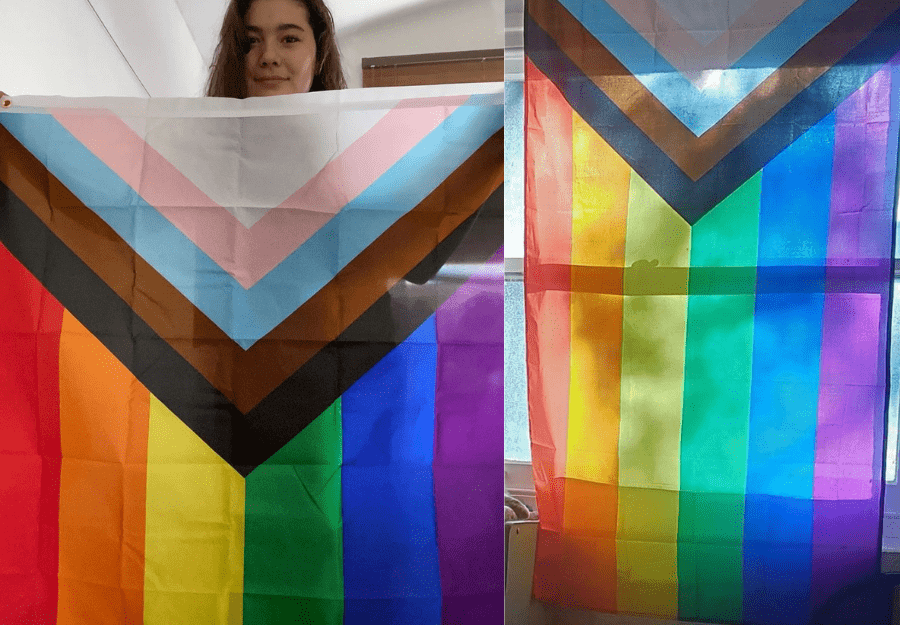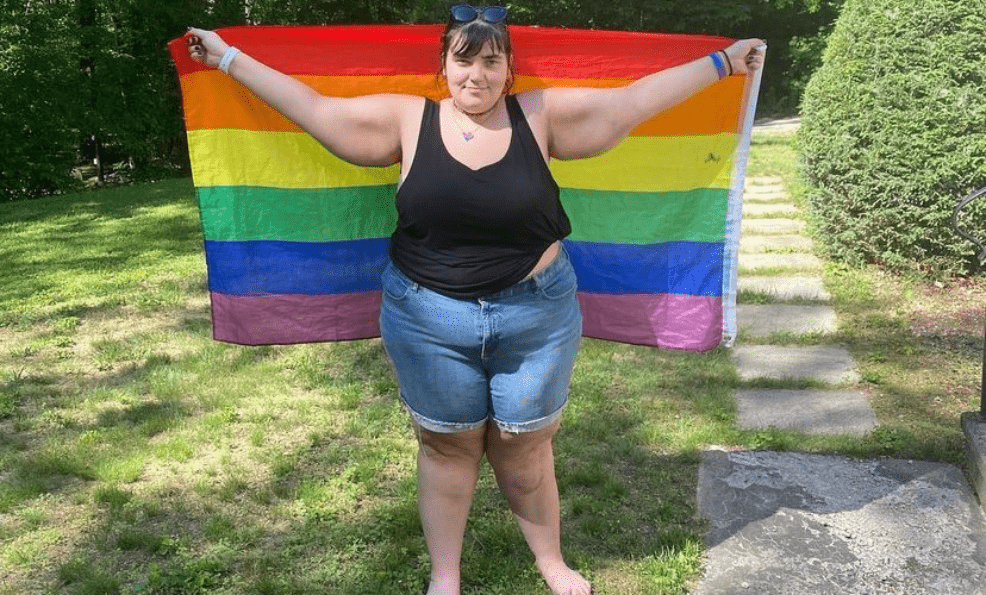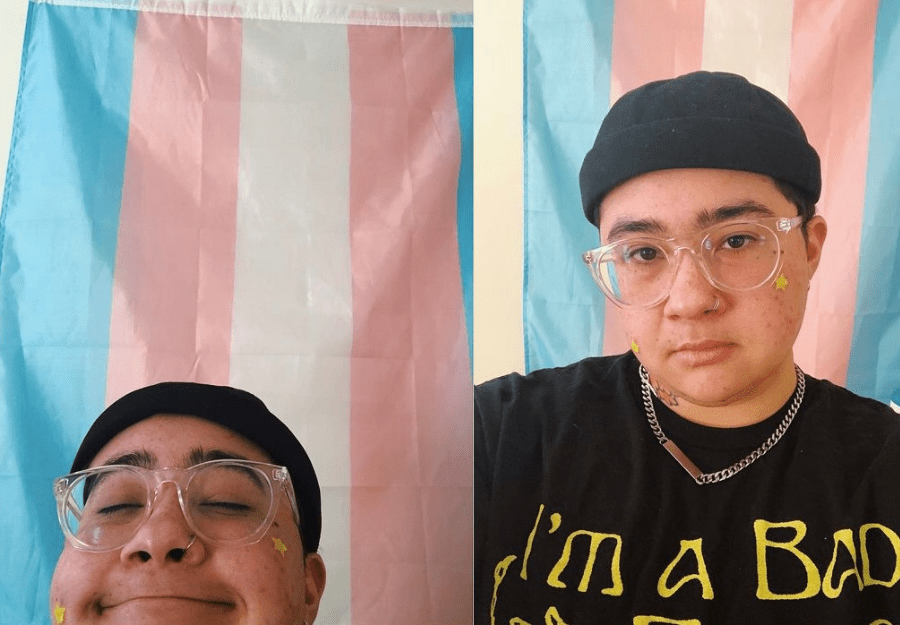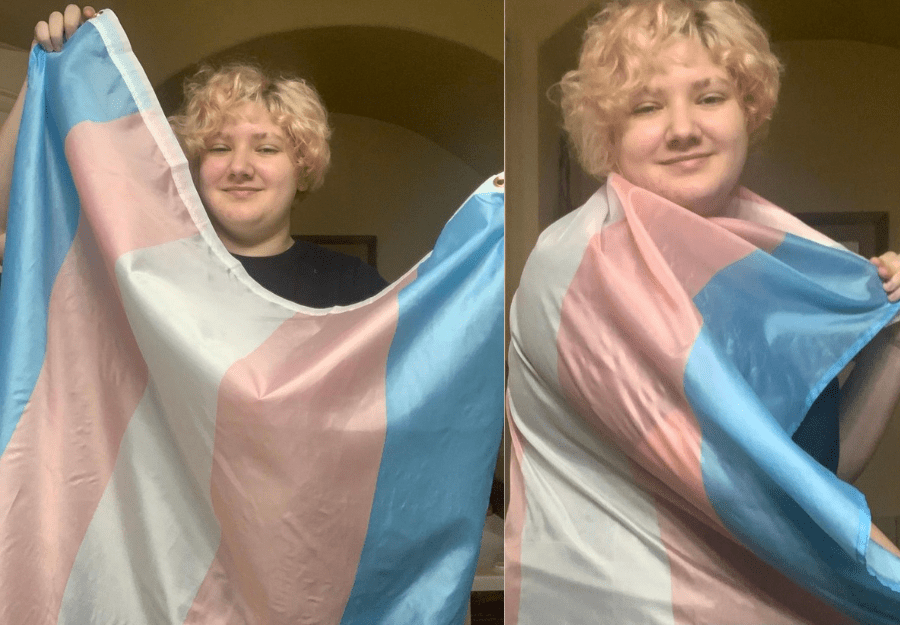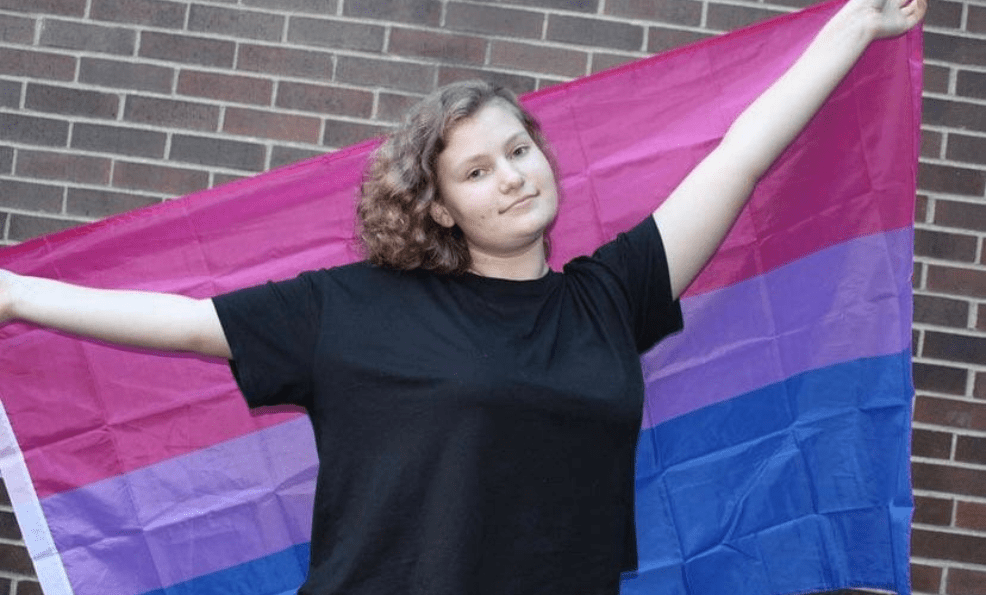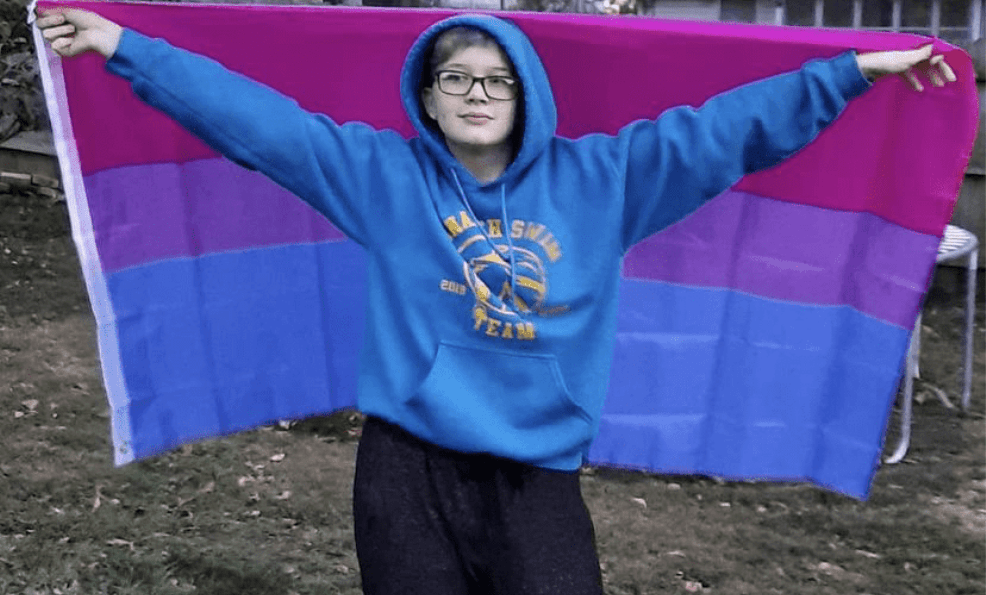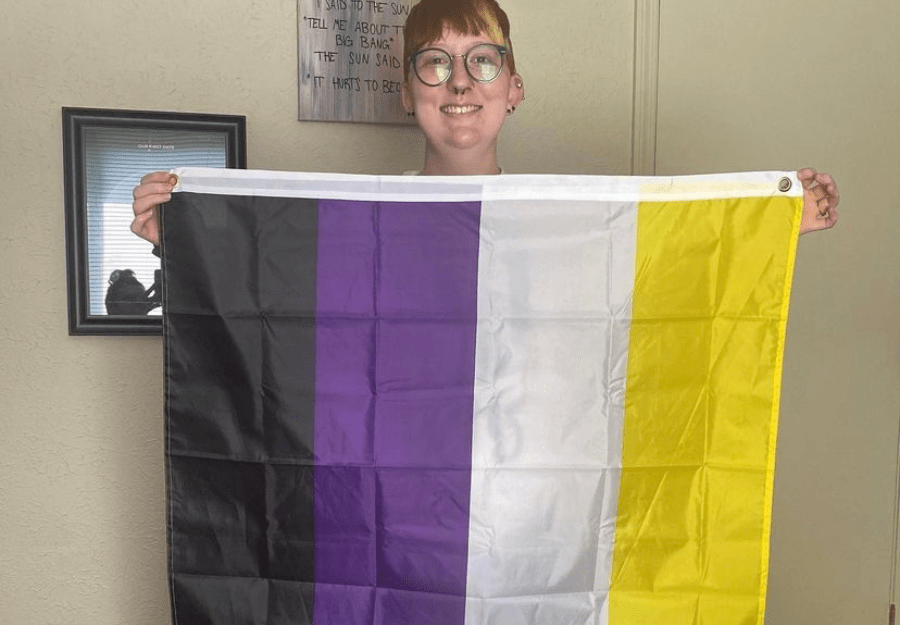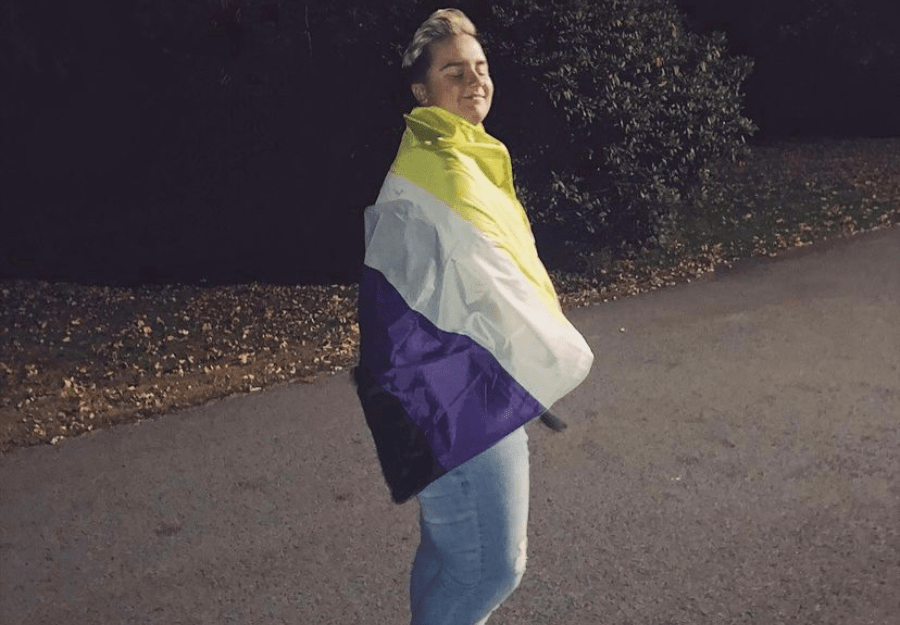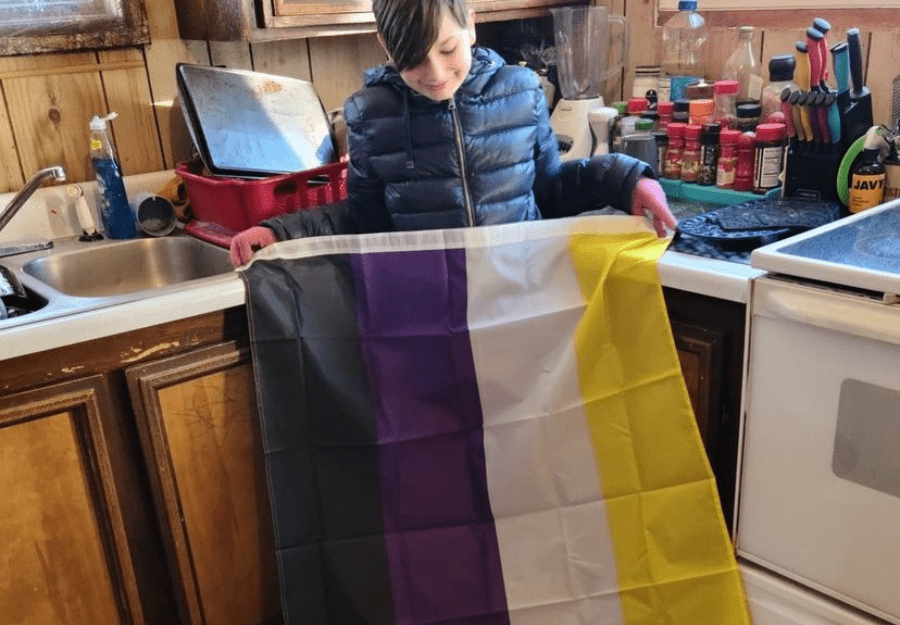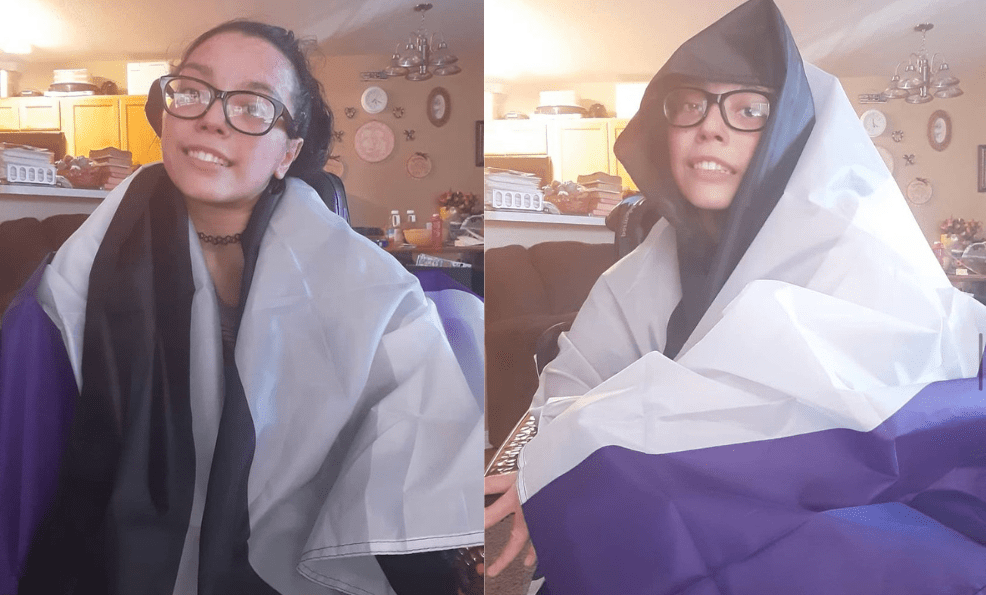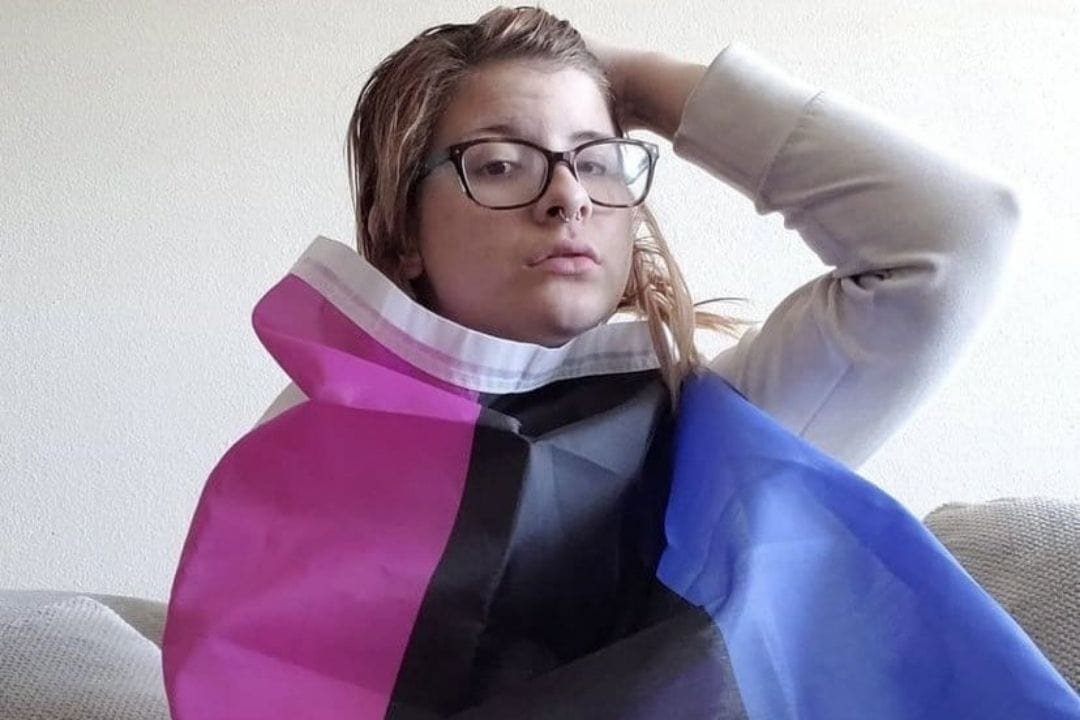

Alexanndra S. came out twice, to two different parents, using two completely different methods.
"So I'm pretty sure I was in sixth grade when I came out to my mom (as my mom and dad are not together) that I was bisexual and she was fine with it. If anything it added to her teasing me about liking people. Now instead of just saying 'Is there any boys at school that are cute?' She can ask if there are any girls or boys. But with my dad it was a somewhat different story. I was in eighth grade and dating a girl who is still my best friend but no longer girls friend. And I had been texting her off of my phone and my step mom somehow saw and came to talk with me. She told me that it was fine and the accepted me but she said I should tell my dad, which with just the thought scared me. So instead I asked her if she could tell my dad for me. She agreed, went upstairs and began to talk to him about it. I swear the only thing I heard of his response was 'At least she won't get pregnant.'"
Her mother just widened the question
The first one is over in a sentence, and the mechanism is worth stealing.
"Now instead of just saying 'Is there any boys at school that are cute?' She can ask if there are any girls or boys."
Her mother did not make a speech about acceptance. She changed one standing question she was already asking, permanently, and then carried on teasing her daughter exactly as before. Nothing got solemn. The whole adjustment was moving one word.
If you are a parent wondering what "being supportive" looks like in practice, it often looks like that: not a new conversation, just the old ones with the assumptions taken out.
Sending somebody else up the stairs
Two years later, with her dad, she did something you almost never see written down as an option.
"So instead I asked her if she could tell my dad for me."
Her stepmom had already found out, had already said it was fine, and was already telling her she should tell her father. Alexanndra was thirteen and, in her own words, scared by just the thought. So she delegated. Somebody who already knew, who was already on side, and who was in the house went and did the hard part while she stayed downstairs.
That is not a cop-out and it is not a lesser version. It is a reasonable use of the one resource she had. The point of coming out is that the people in your life know, and it does not stop counting if the sentence leaves somebody else's mouth. If there is an adult in your house who already knows and is already safe, asking them to carry it is available to you.
One sentence, through a floor
"I swear the only thing I heard of his response was 'At least she won't get pregnant.'"
She is standing at the bottom of the stairs while her whole future with her father is being decided in a room she is not in, and the only part that reaches her is a joke about pregnancy.
It is funny, and it is also the sound of a dad landing somewhere fine and reaching for the first light thing he can find. She did not report any fallout, which tells you how it went. She also never had to say the sentence herself.
If you are somewhere in the middle of this
Our coming out stories page is filling up with accounts like Alexanndra's from across the community, and it exists because reading someone else's version is the thing that makes your own feel survivable.
And if you have a story of your own, we would like to read it. There is a form at the bottom of the stories page. You choose whether your name appears on it.
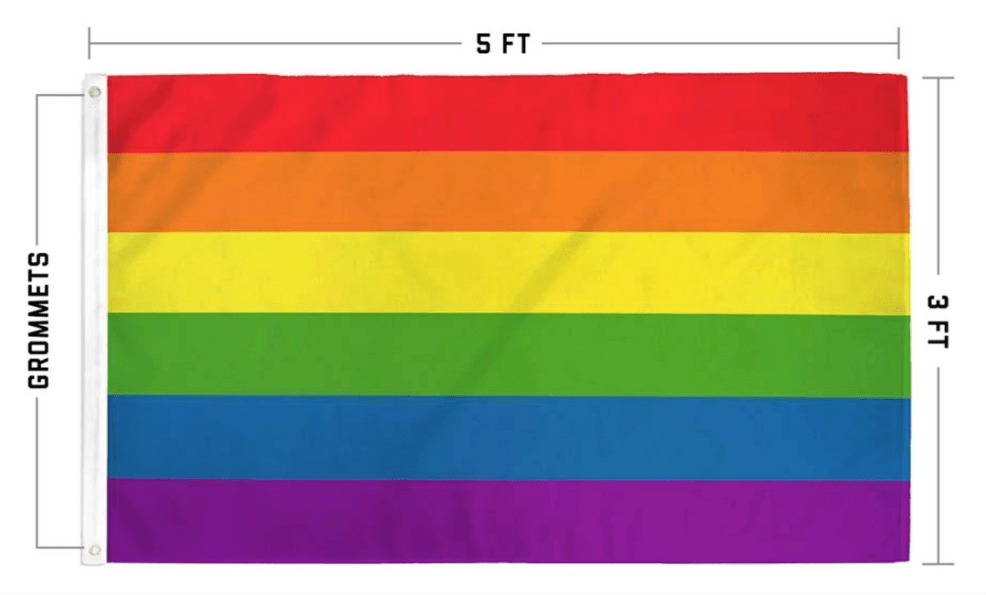
If a flag is not safe where you are, a pin or a ring carries the same thing more quietly, and you can read what each of the flag designs actually means on our flag meanings page. All sales benefit LGBTQ+ charities.
Last updated: September 30, 2026