
Alan Turing was one of the most brilliant minds of the 20th century — a mathematician, cryptographer, and pioneer whose work helped end World War II and laid the foundation for modern computing. Yet for decades, his legacy was overshadowed by persecution, silence, and injustice.
As a gay man living in a time when queerness was criminalized, Turing’s life reminds us of a painful truth: genius does not protect you from prejudice. And still, his impact on science, technology, and LGBTQ+ history is undeniable.
The Mind That Helped End World War II
During World War II, Alan Turing worked at Bletchley Park, where he played a critical role in breaking the Nazi Enigma code. This achievement allowed Allied forces to intercept enemy communications, ultimately shortening the war and saving millions of lives.
Turing designed early computing machines capable of processing complex calculations at unprecedented speeds — ideas that became the foundation of modern computers, artificial intelligence, and digital technology as we know it today.
Every smartphone, laptop, and algorithm-driven system carries echoes of Turing’s work.
Being Gay Was a Crime
Despite his contributions, Turing’s life took a devastating turn after the war. In 1952, he was prosecuted by the British government for being gay — at a time when homosexuality was illegal in the UK.
Rather than prison, Turing was forced to undergo chemical castration, a form of state-sanctioned punishment that caused severe physical and emotional harm. Two years later, he died at just 41 years old.
For decades, his story was ignored — a stark reminder that queer brilliance has often been erased by systems of fear and discrimination.
Myths That Alan Turing’s Life Dismantles
-
“Queer people haven’t contributed to science.”
Alan Turing helped create modern computing. His work changed the world. -
“Being gay was never criminalized.”
Turing’s prosecution proves that LGBTQ+ people have been legally punished simply for existing.
These myths aren’t just false — they’re dangerous. They erase history and minimize the real harm caused by discrimination.
Visibility, Justice, and LGBTQ+ Legacy
In recent years, Alan Turing has finally received recognition for both his brilliance and the injustice he endured. In 2013, he was granted a posthumous royal pardon, and in 2021, his image appeared on the UK £50 note — a powerful symbol of acknowledgment.
But true justice means more than apologies. It means ensuring that LGBTQ+ people today are protected, celebrated, and allowed to thrive without fear.
Turing’s story shows us that queer lives are not footnotes in history — they are central to progress, innovation, and humanity itself.
Honoring Turing’s Legacy Today
Honoring Alan Turing means standing against the systems that tried to erase him — and still threaten LGBTQ+ people worldwide.
It means celebrating queer contributions to science, technology, and culture. It means rejecting the idea that identity diminishes intelligence or worth.
And it means choosing visibility, even when it’s uncomfortable.
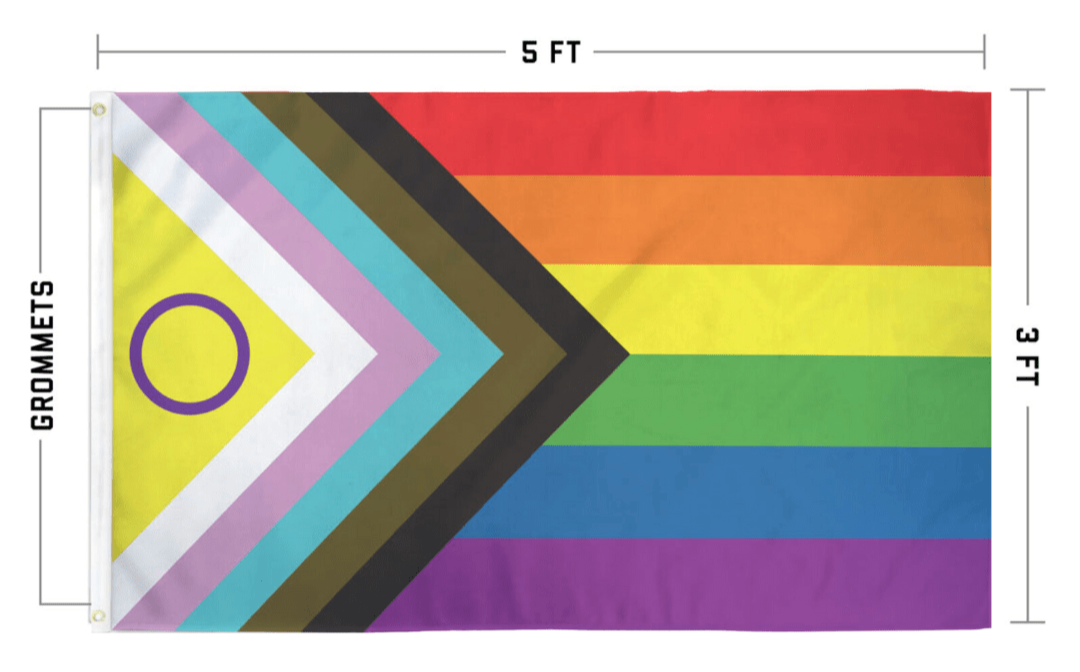
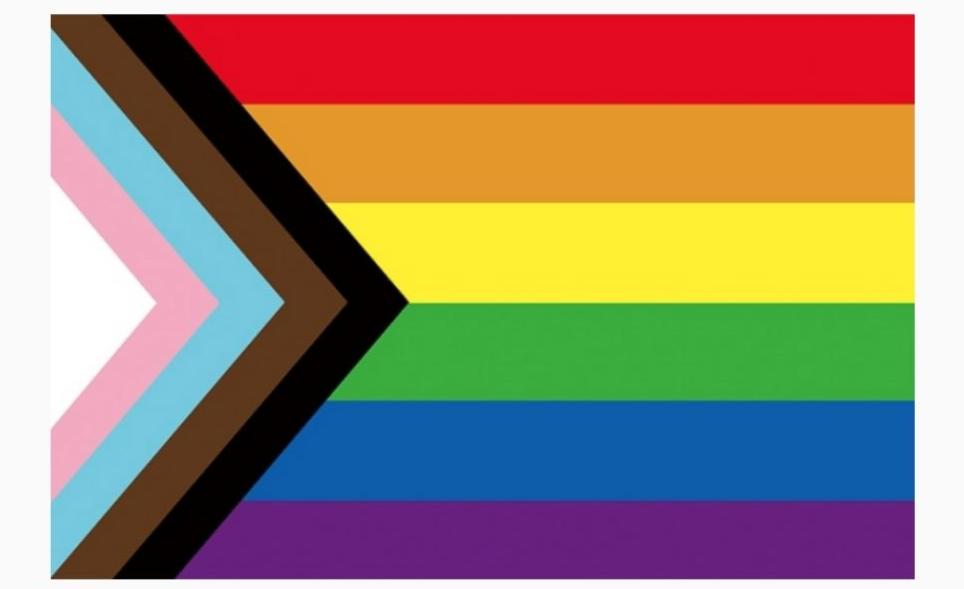
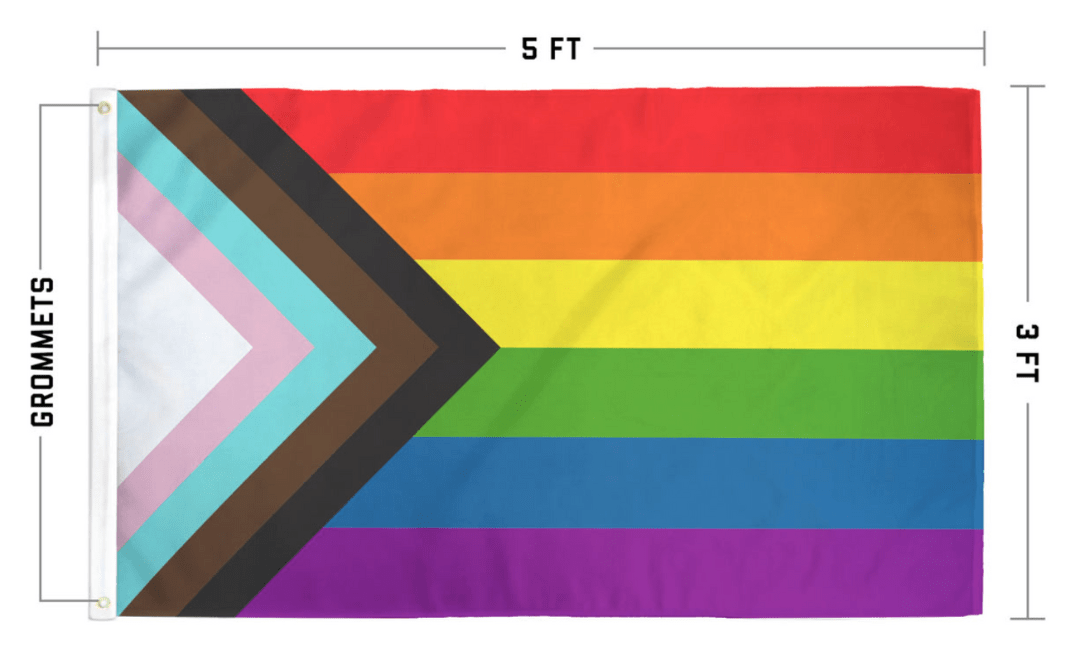
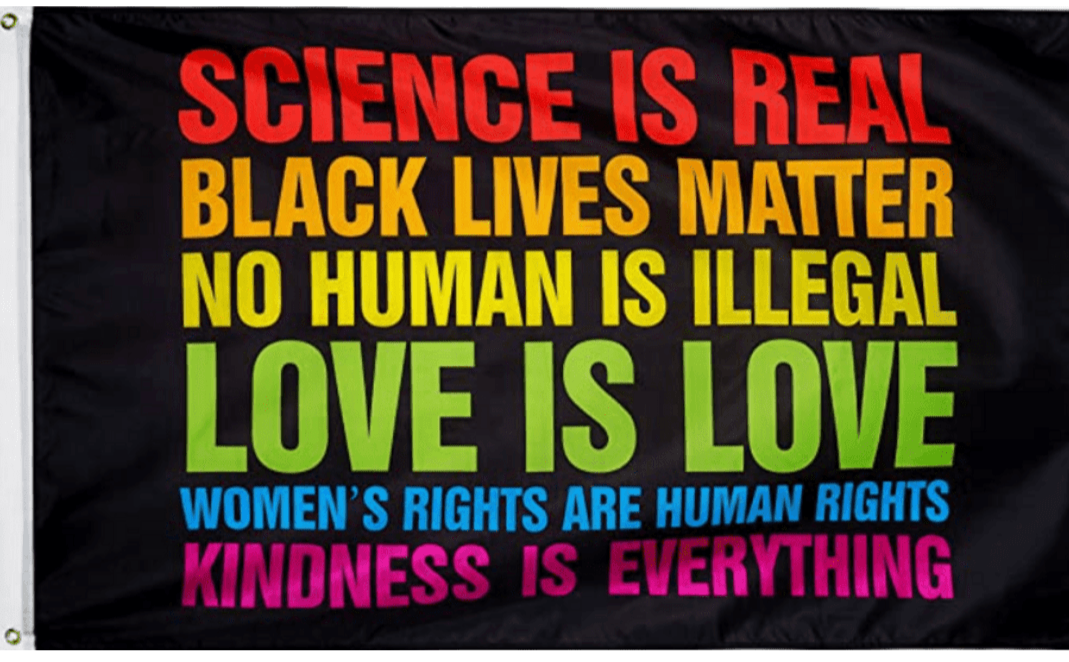
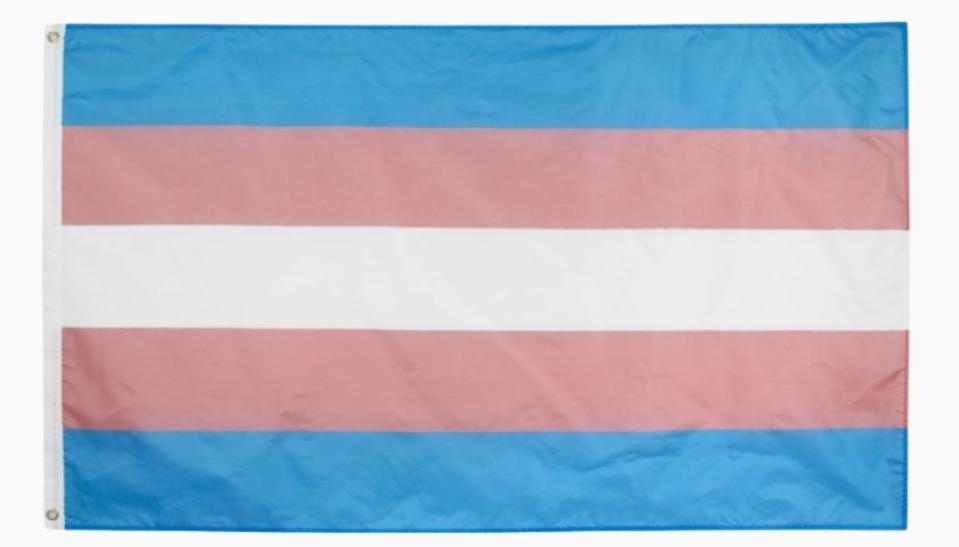
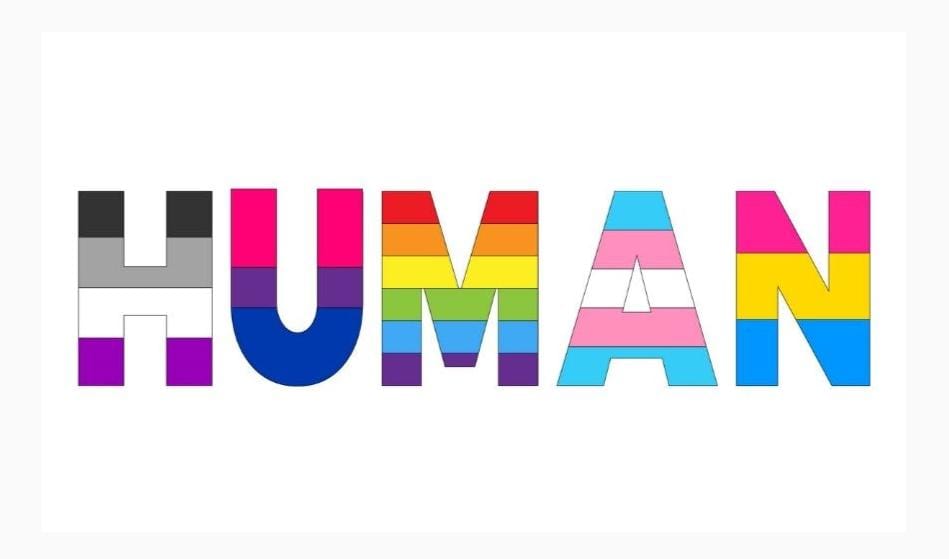
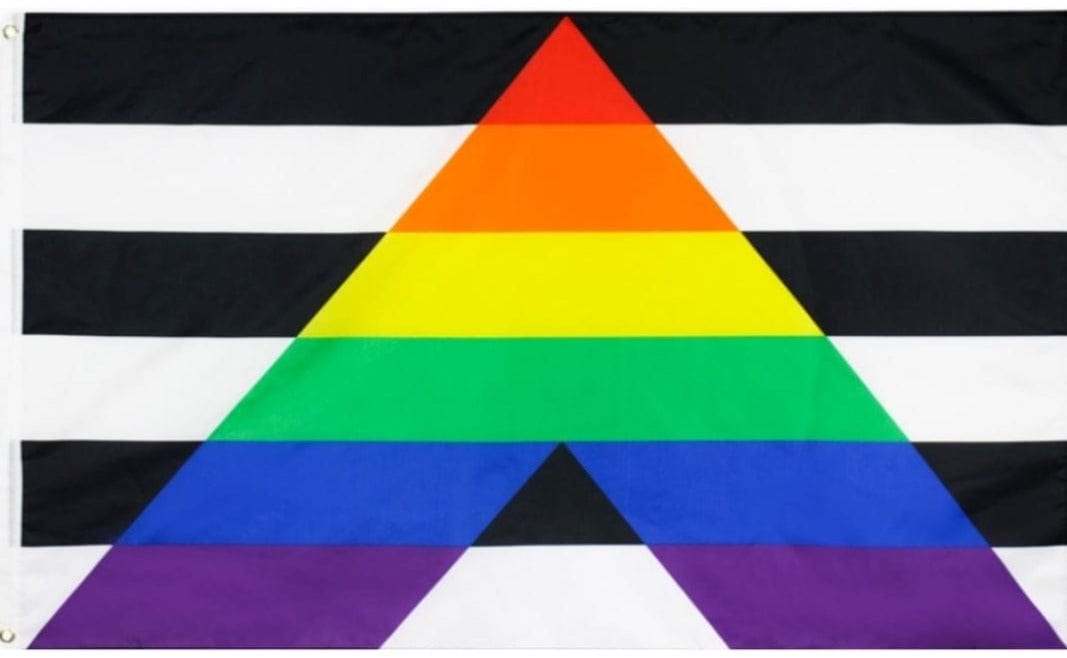
Explore symbols of pride and visibility that honor LGBTQ+ history and resilience: Pride Flags | Gay Men’s Pride Collection
Alan Turing’s legacy is proof that intellect and humanity transcend discrimination.
His life challenges us to ask: how many more world-changing minds have been silenced — and how many are still fighting to be seen?
Honoring Turing means fighting for a future where brilliance is never punished for being queer.