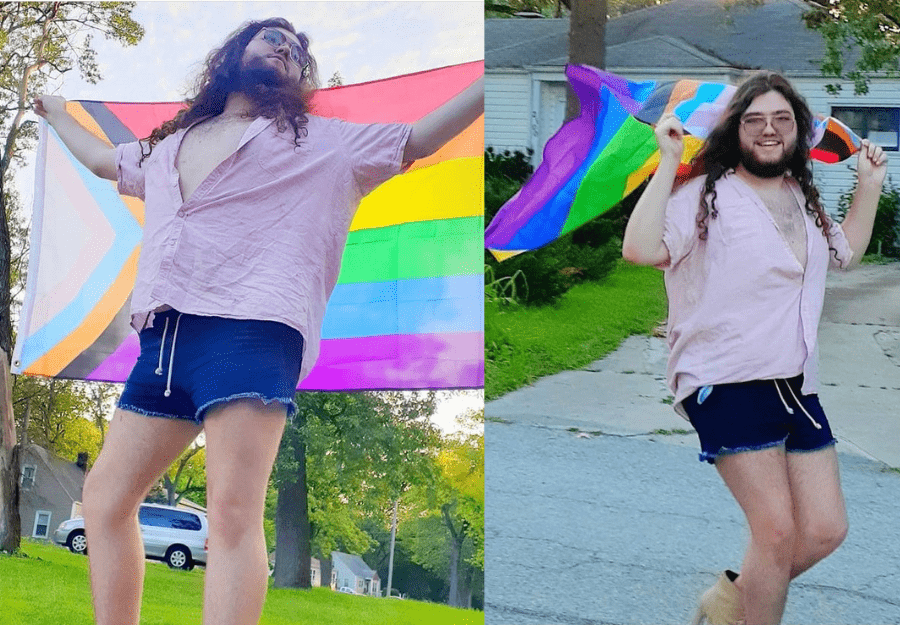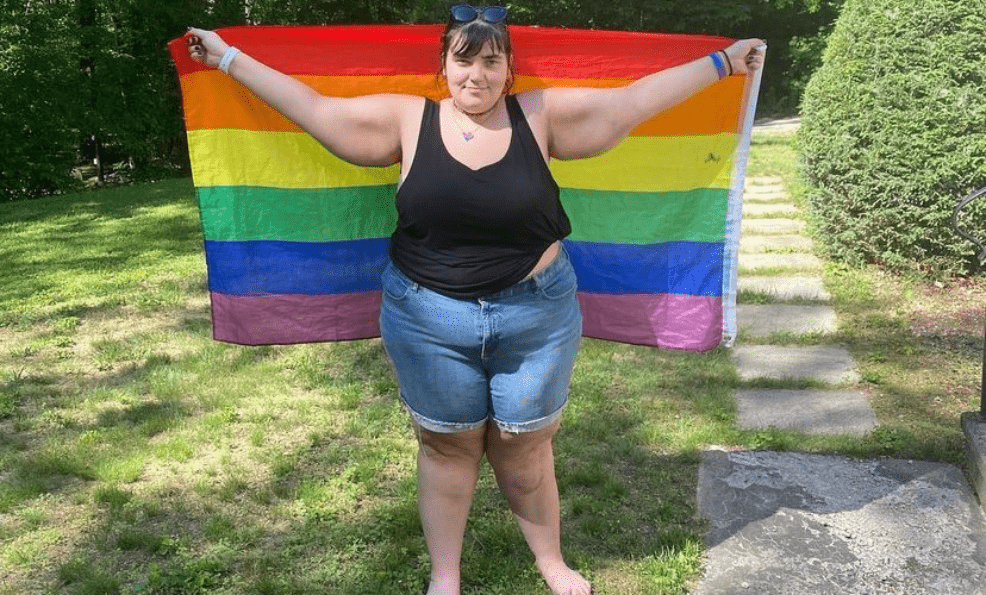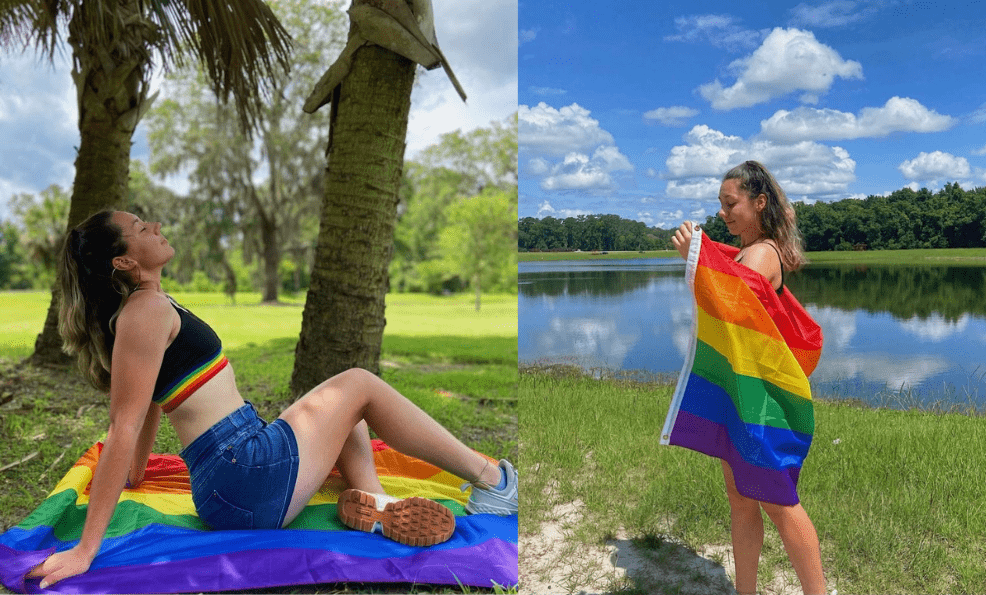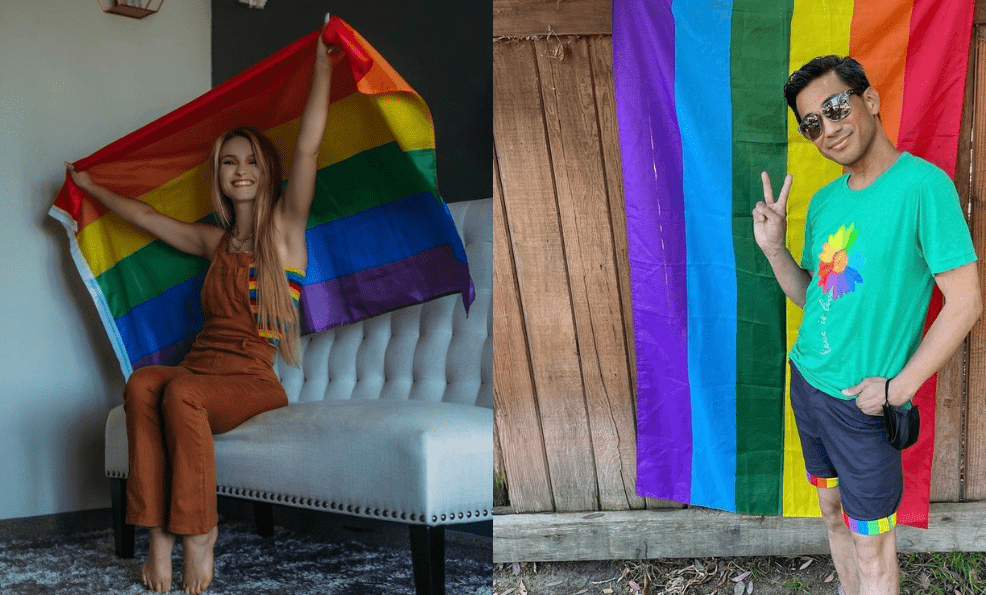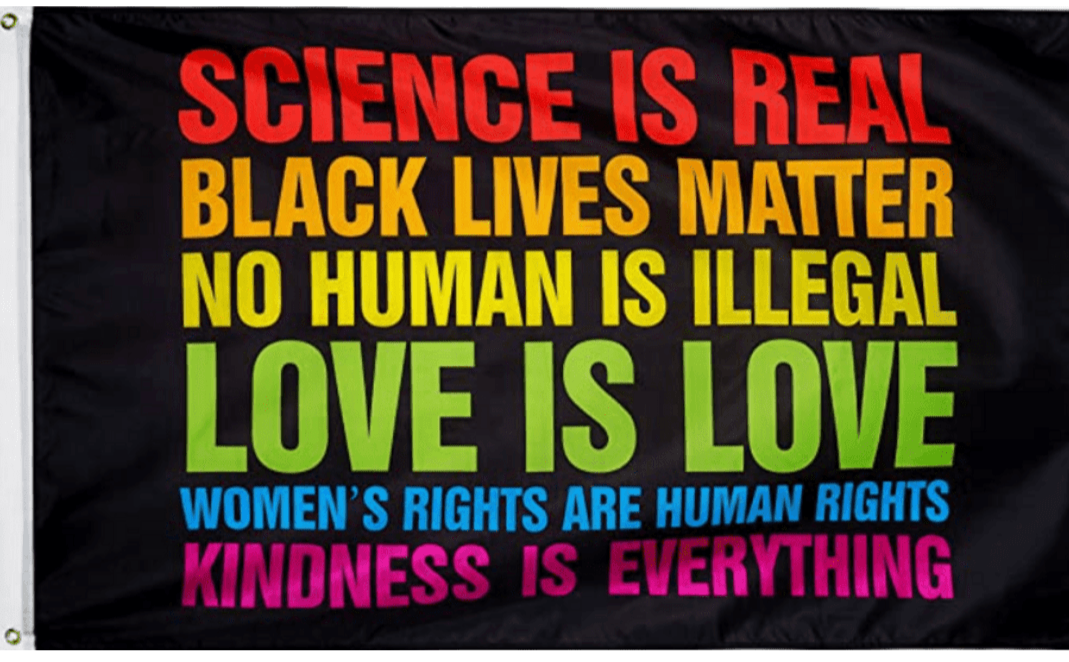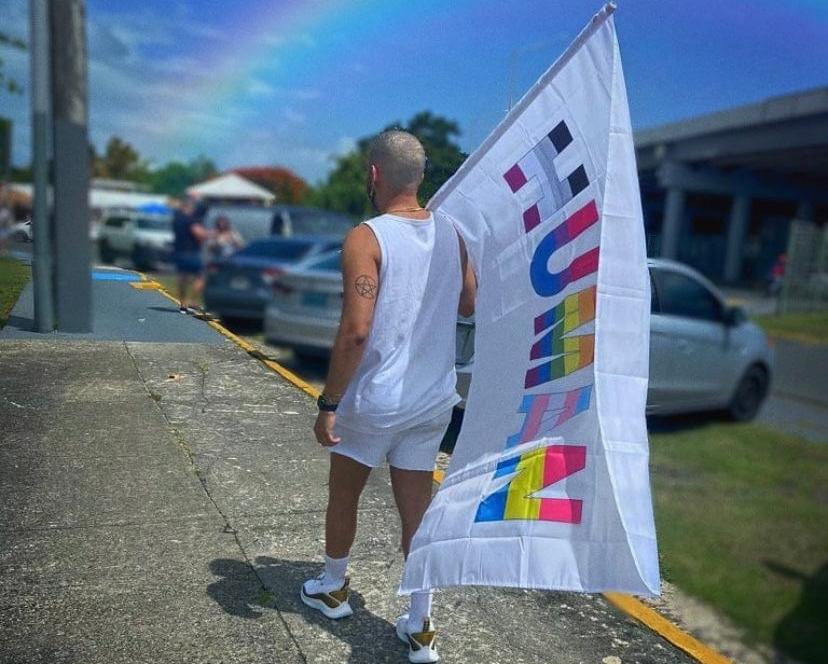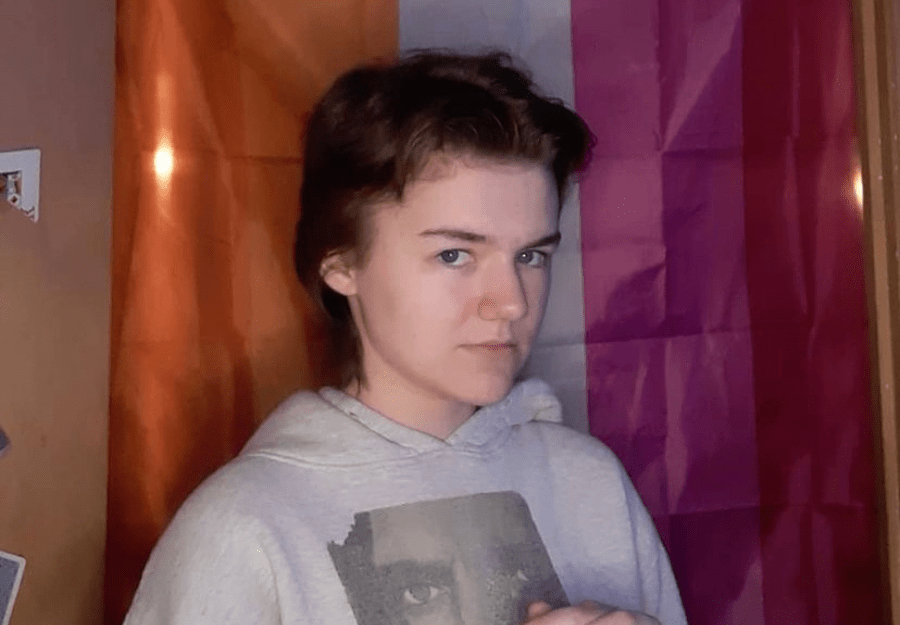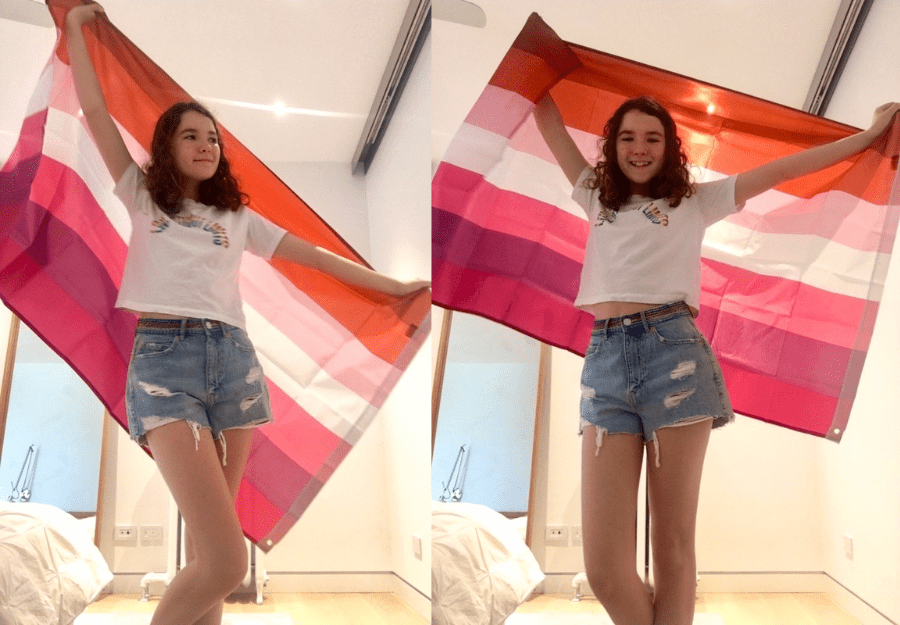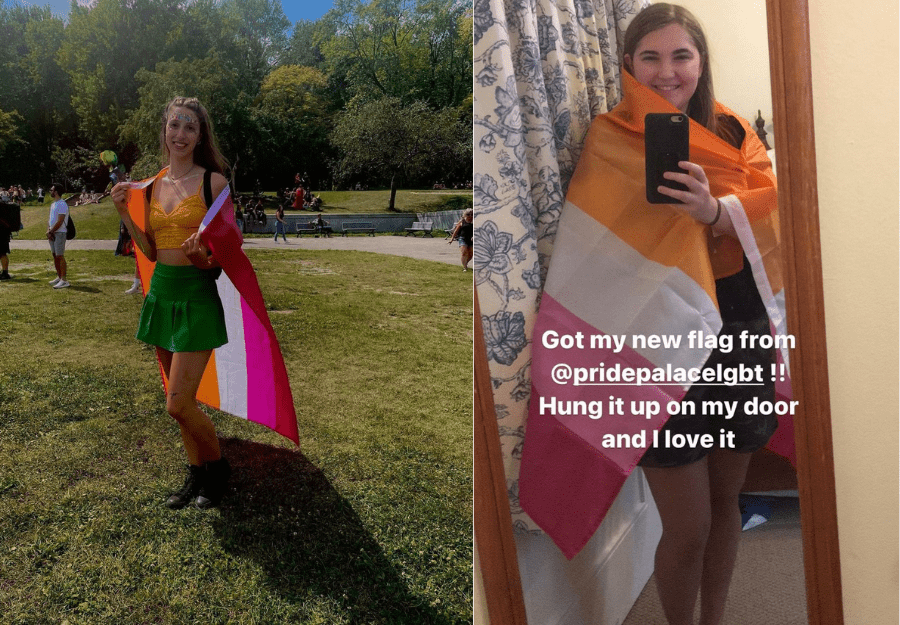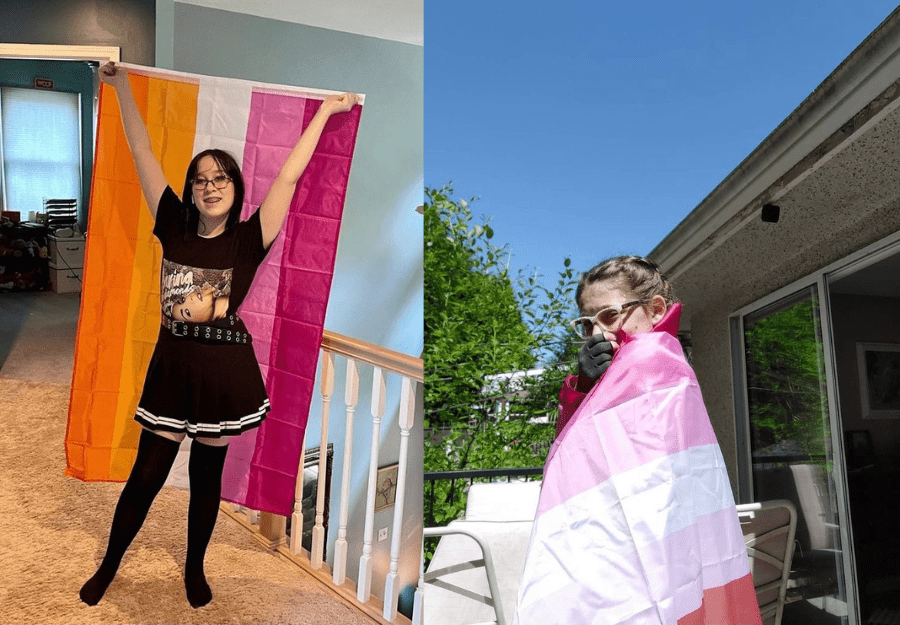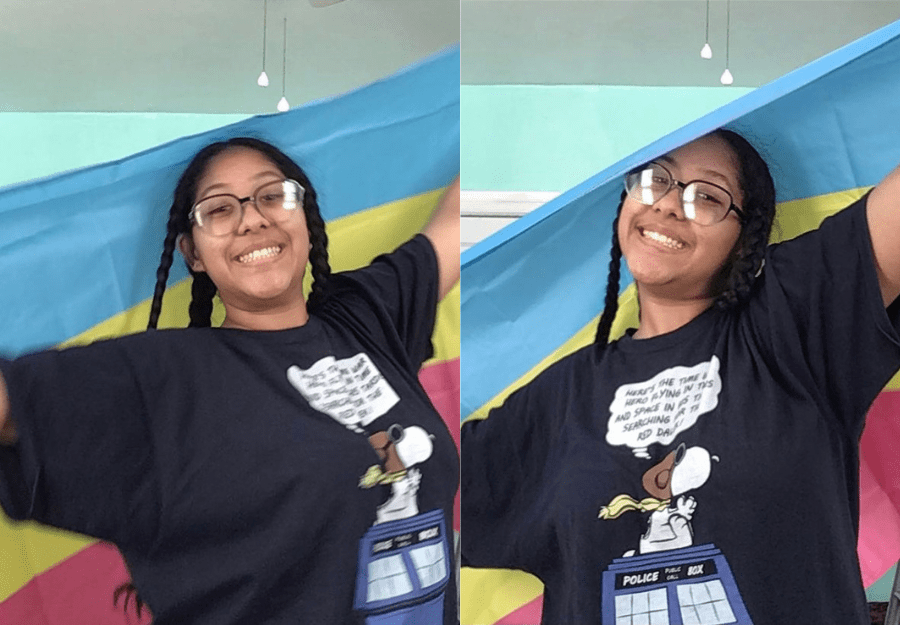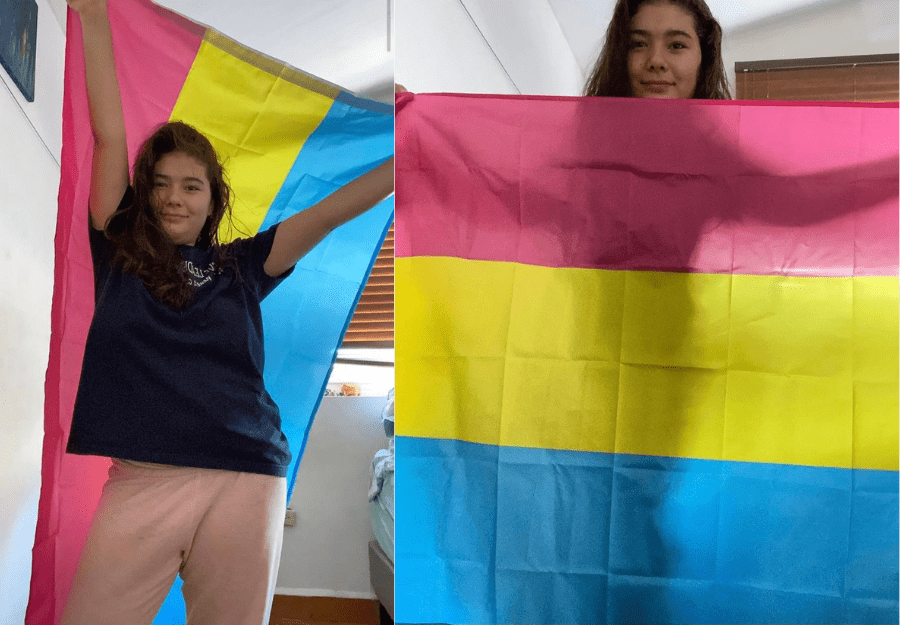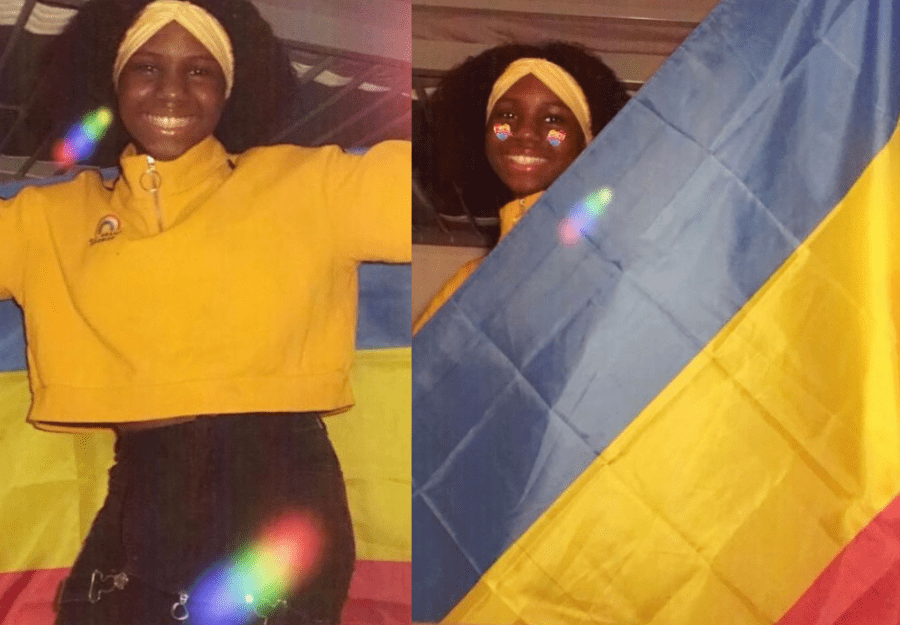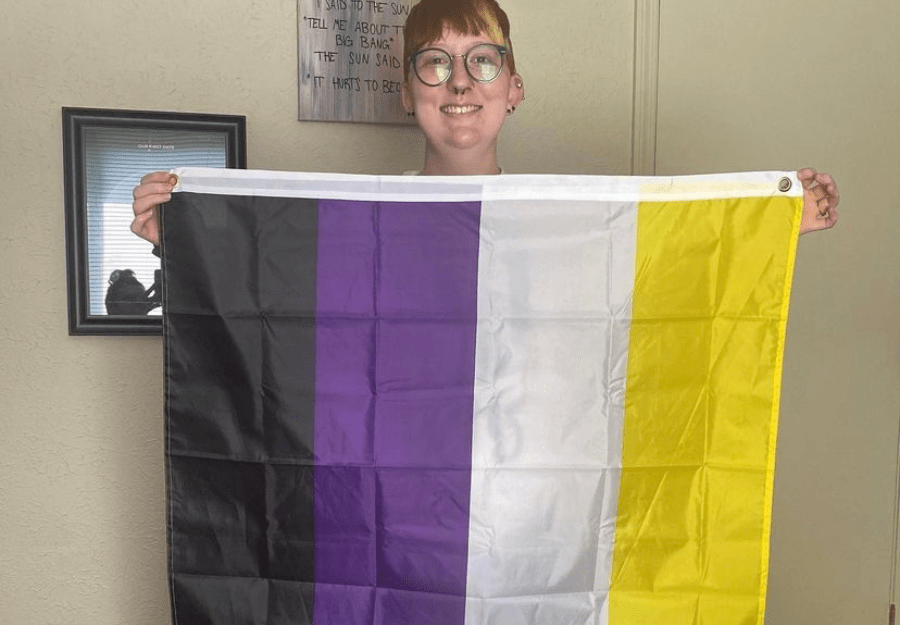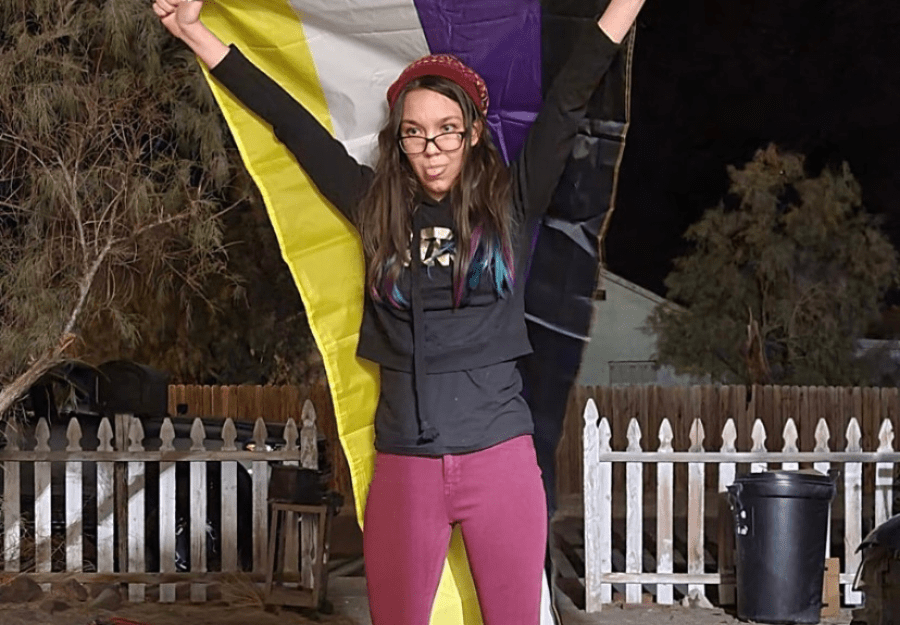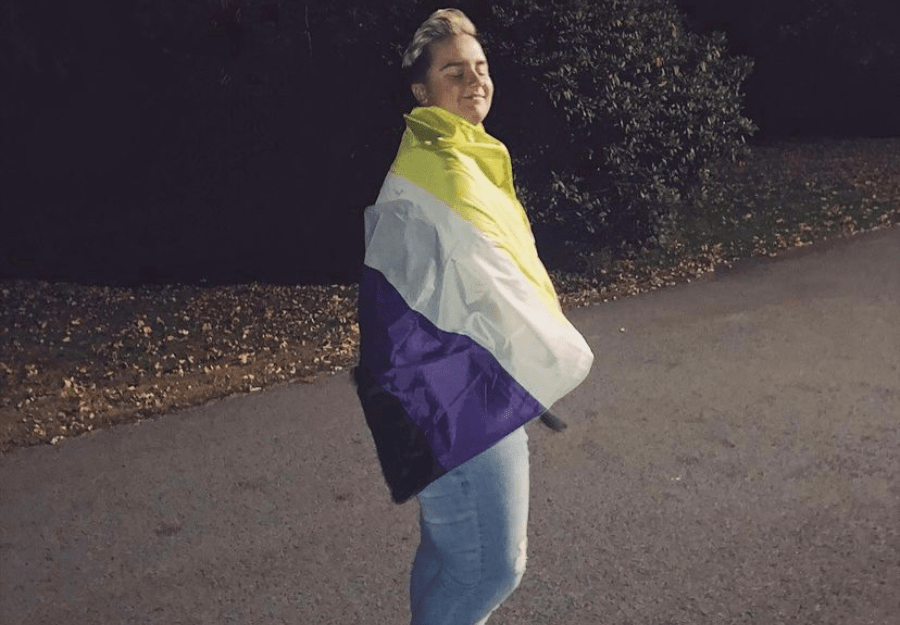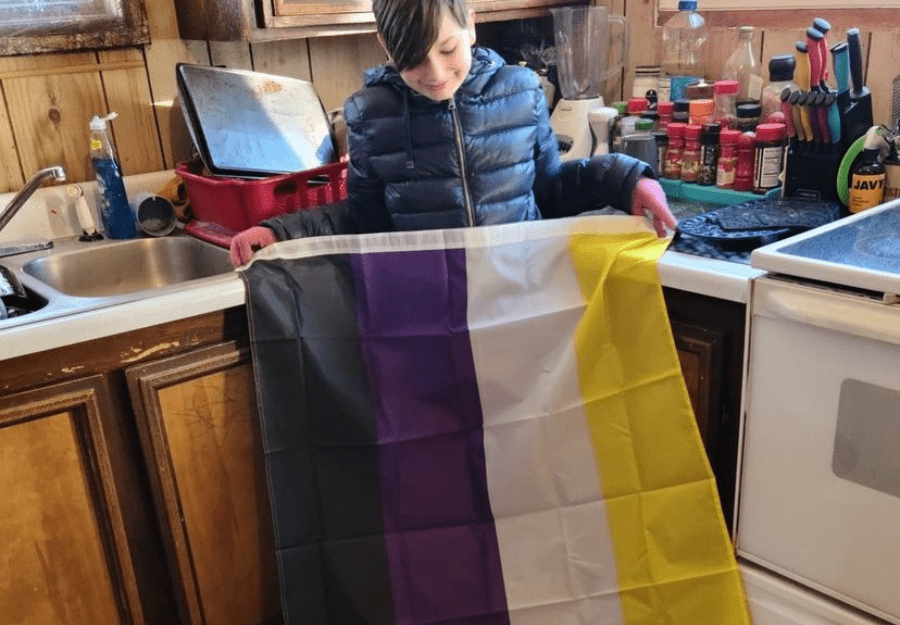

At first, it might sound harmless. Sometimes it’s even said with a smile, like it’s supposed to make you feel good. “You don’t look gay.” As if queerness had a specific look. As if blending in is something to be praised.
But underneath it, there’s something else. Something unspoken, but very clear.
What people often mean is: you look “normal.” You look acceptable. You look like something they’re already comfortable with. And without realizing it, they’re reinforcing the idea that being visibly queer is somehow less desirable.
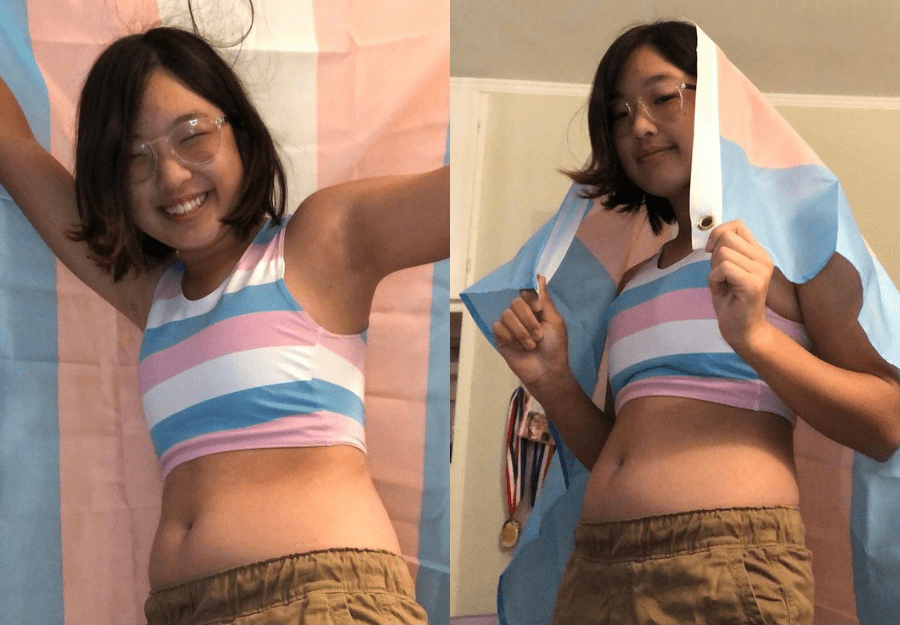
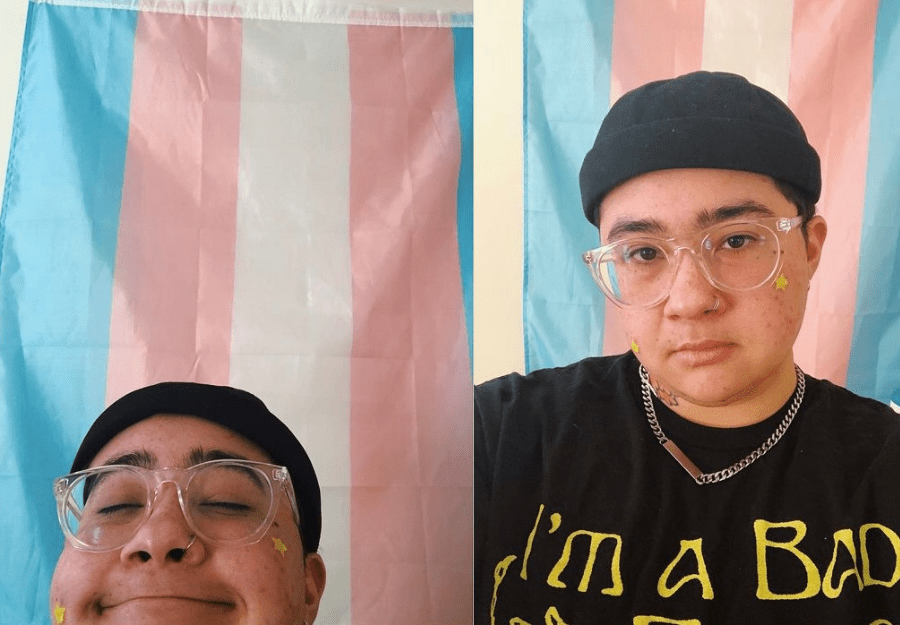
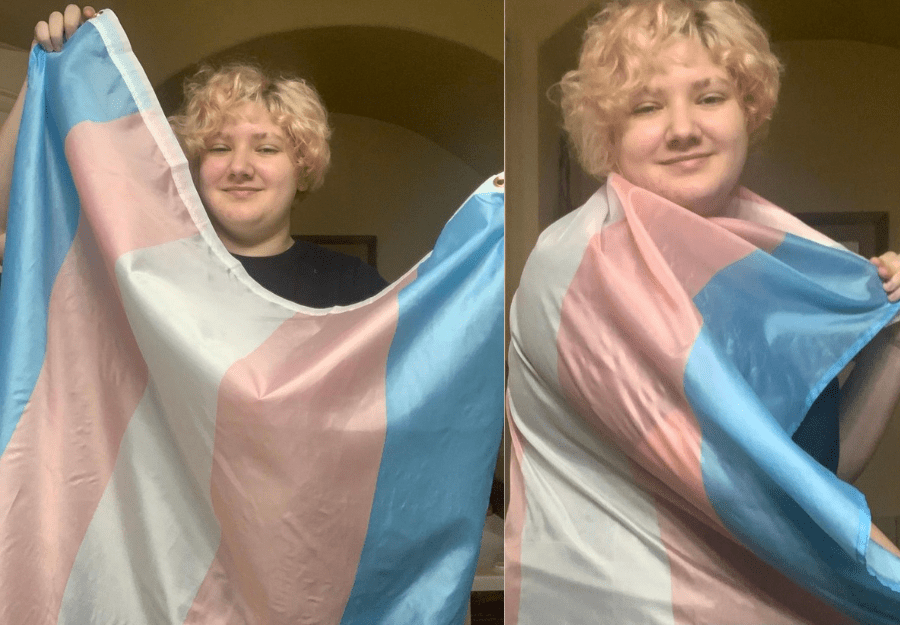
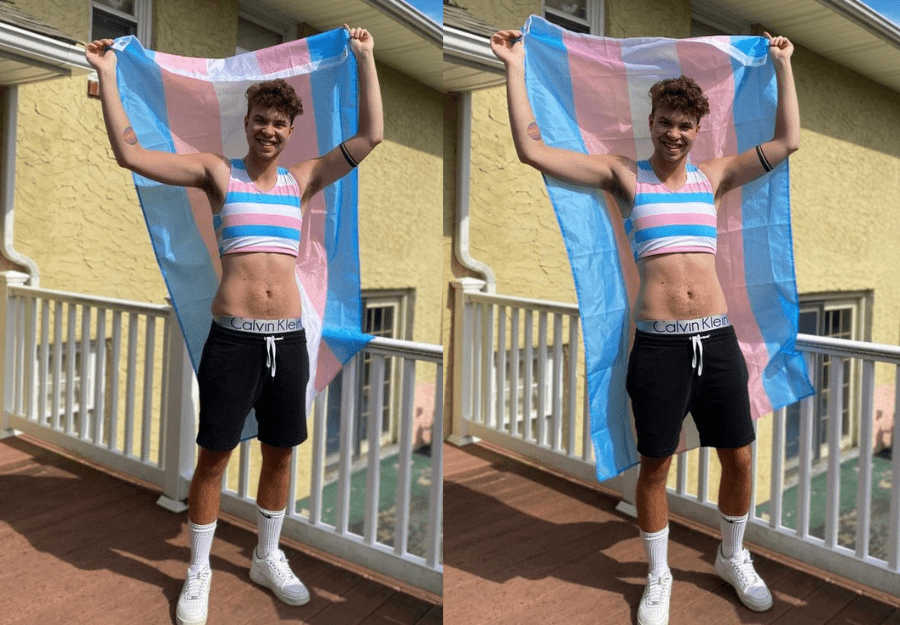
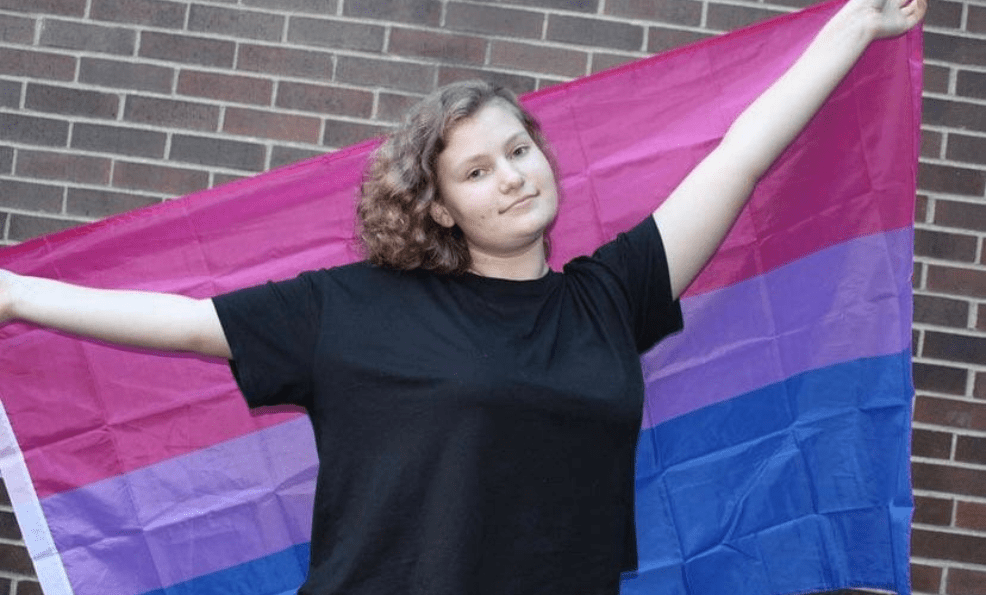
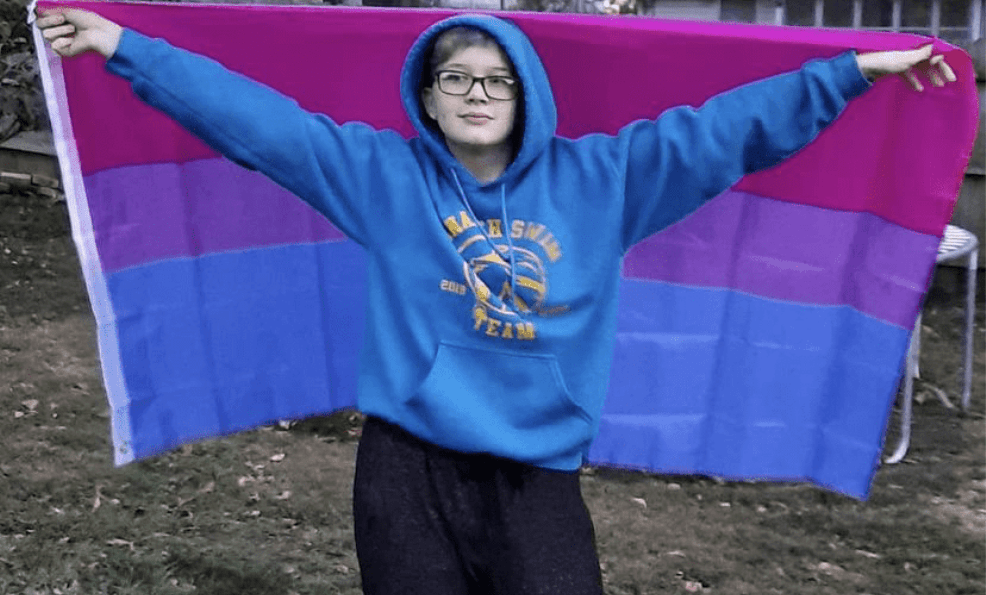
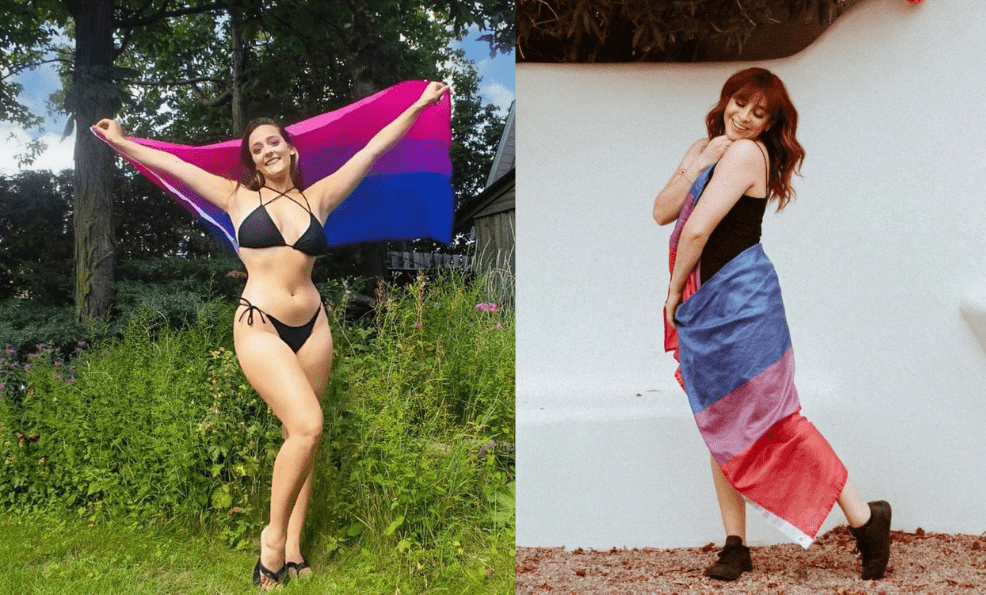
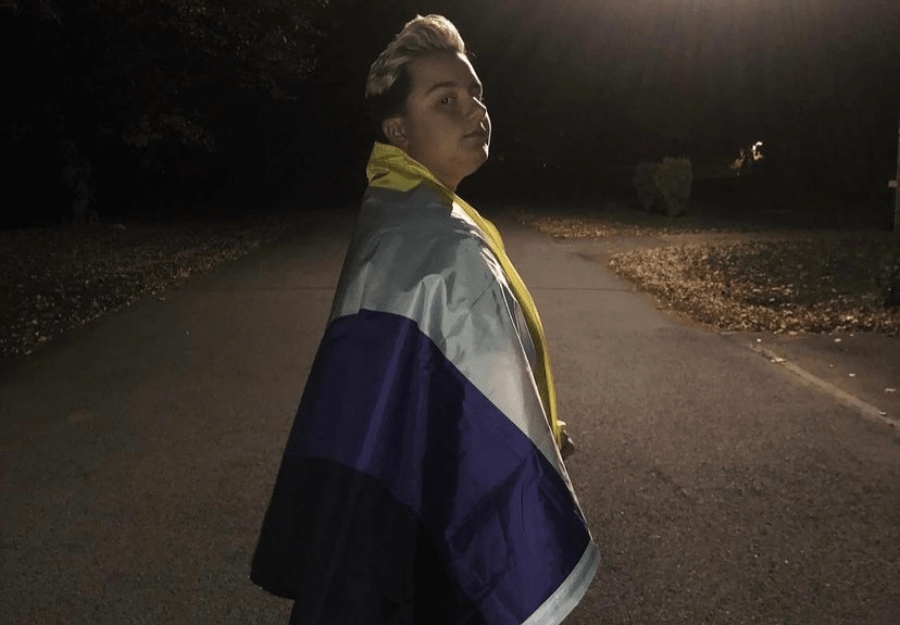
The truth is, there is no one way to “look” gay. Queerness doesn’t have a uniform, a checklist, or a fixed aesthetic. It exists across identities, expressions, and experiences that don’t fit neatly into expectations (we talk more about identity and labels here).
Comments like this can feel small, but they build over time. They create pressure to present in ways that feel safer, quieter, or more acceptable. They make people question whether being fully themselves will be received differently.
And for many, that’s a feeling that started early, learning to adjust, to tone things down, to avoid standing out (you can read more about that experience here).
Being queer isn’t about fitting into someone else’s idea of what it should look like. It’s about existing as you are, whether that’s visible, subtle, fluid, or constantly evolving.
So when someone says, “you don’t look gay,” what they’re really doing is revealing how narrow their understanding still is.
And maybe the conversation shouldn’t be about how people look, but about why we expect them to look a certain way at all.