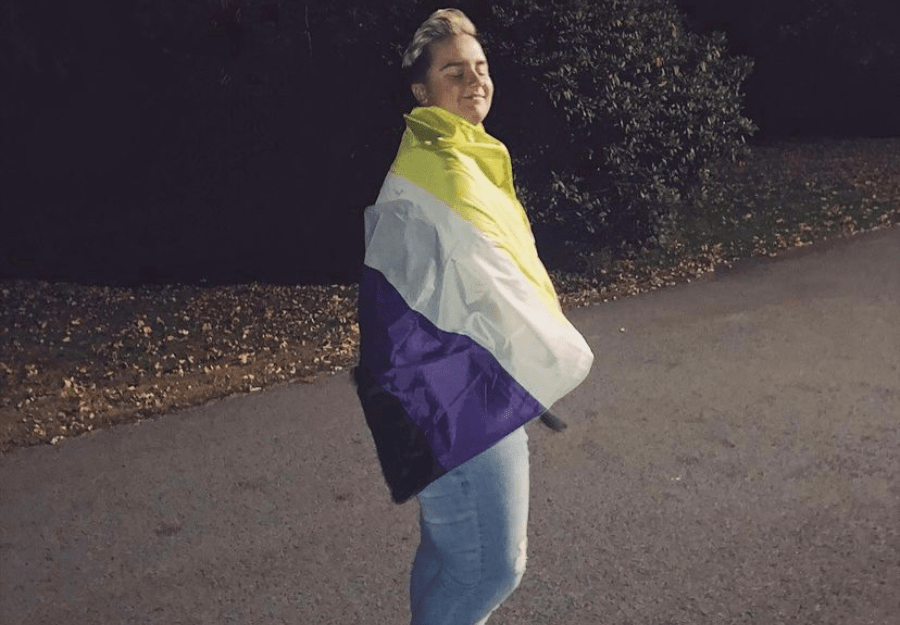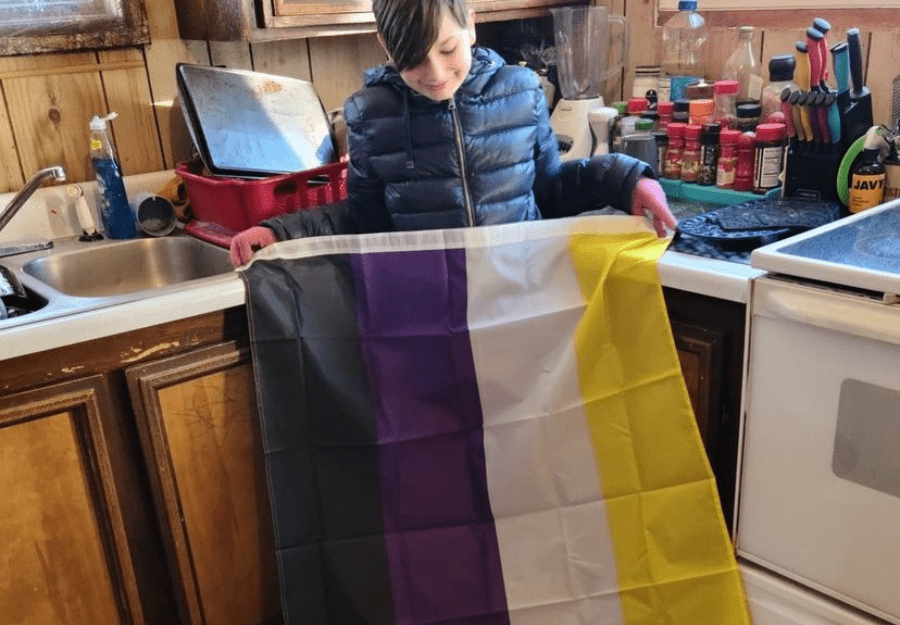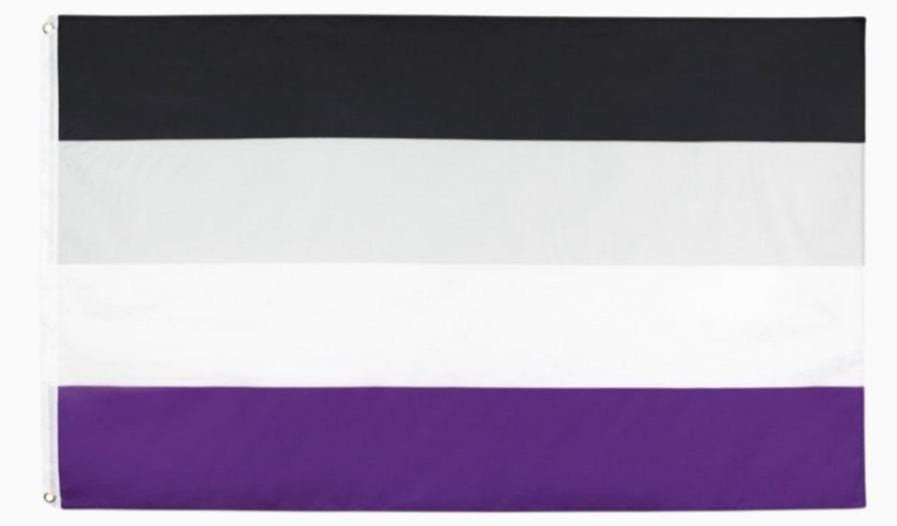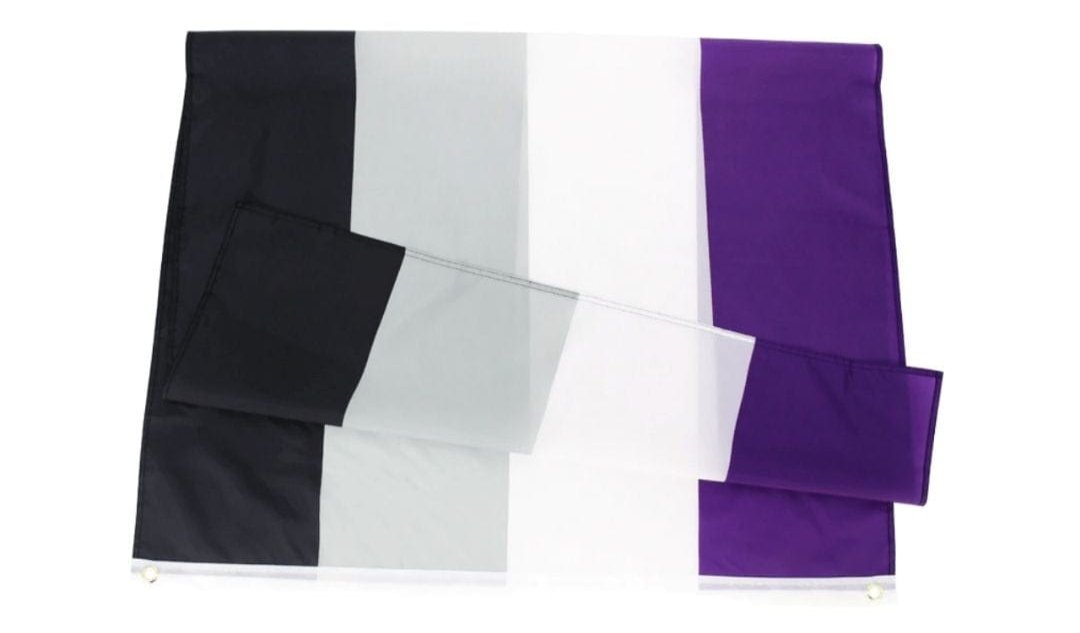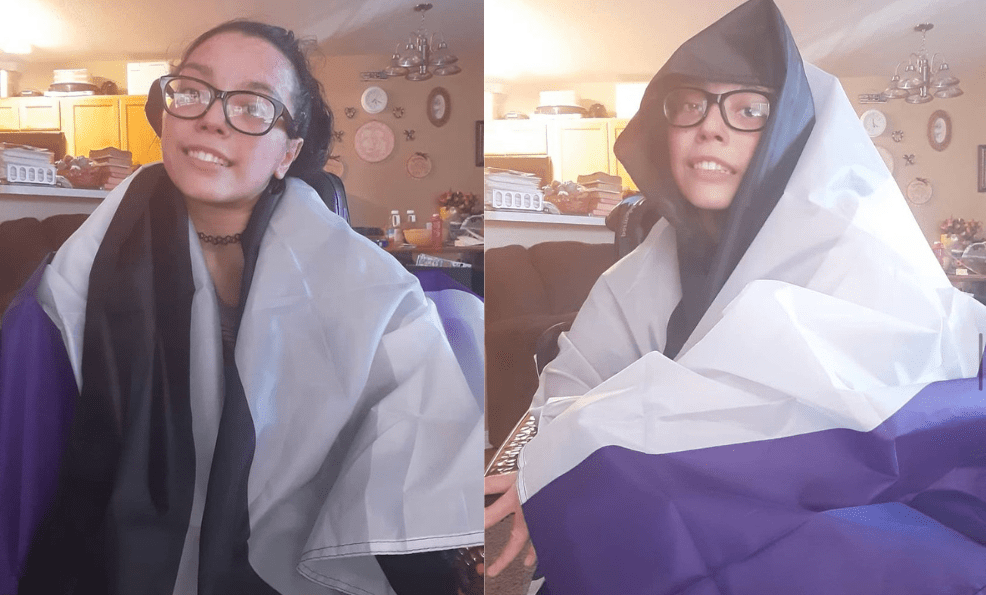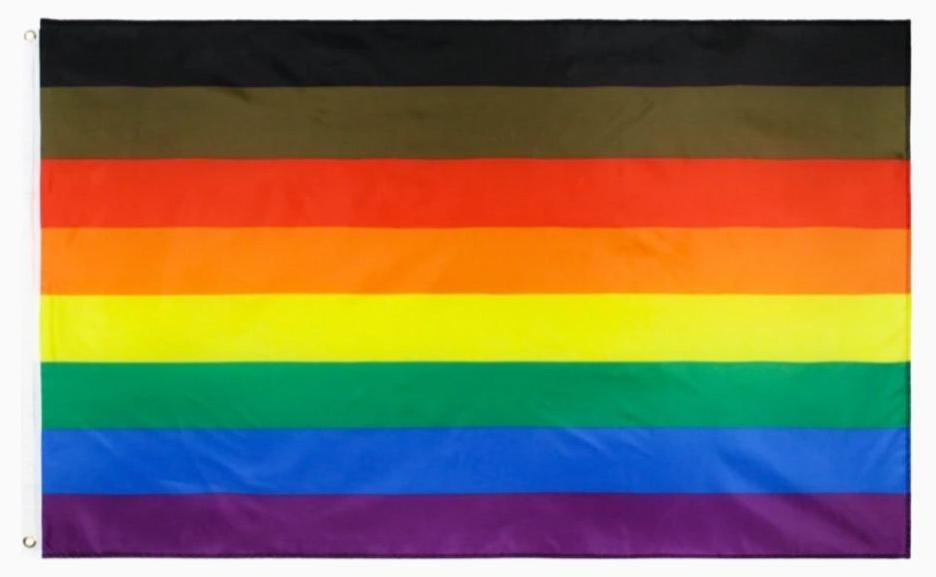

🧠🌈 Navigating Life at the Intersection of Two Beautiful Spectrums
Some of us don’t just live outside the box — we were never meant to fit in it.
Being both neurodivergent and queer means navigating a world that often misunderstands you twice. But it also means discovering community, joy, and authenticity in ways most people never get to experience.
Let’s explore what it means to live at the intersection of two powerful identities — and why that intersection deserves way more visibility and love.
💭 What Does It Mean to Be Neurodivergent and Queer?
Neurodivergent is an umbrella term that includes people with autism, ADHD, dyslexia, and other cognitive variations. It challenges the idea that there’s only one “right” way to think, communicate, or process the world.
Queer, similarly, challenges the idea that there’s only one way to love, desire, or express your gender.
Both identities push back against what’s “expected.” And when they intersect in one person, they create a whole new way of being — full of depth, complexity, and beauty.
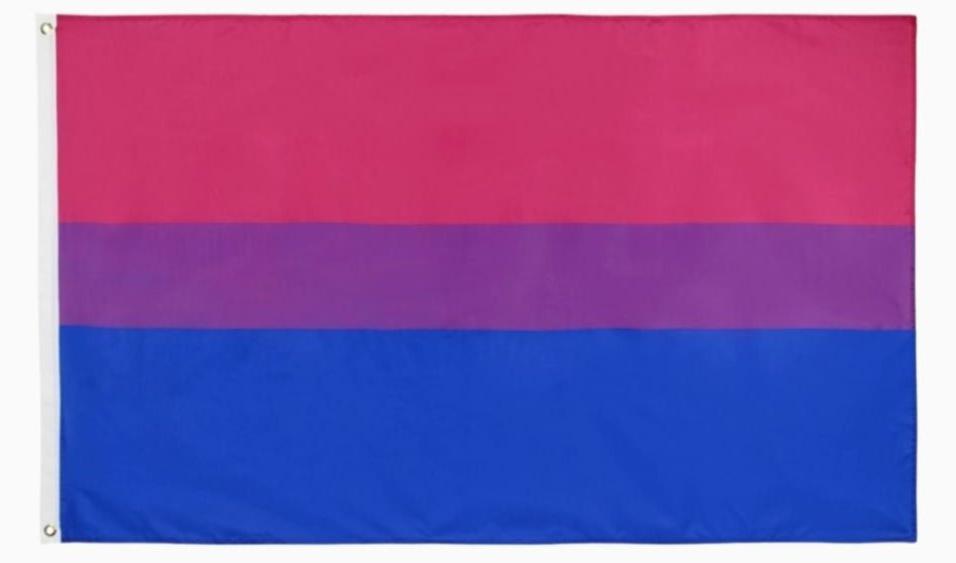
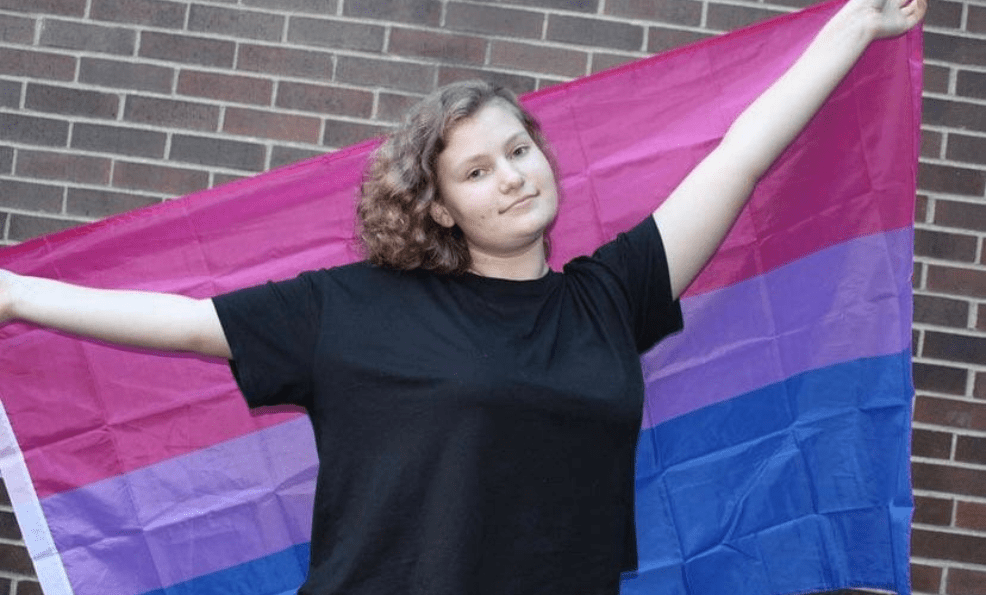
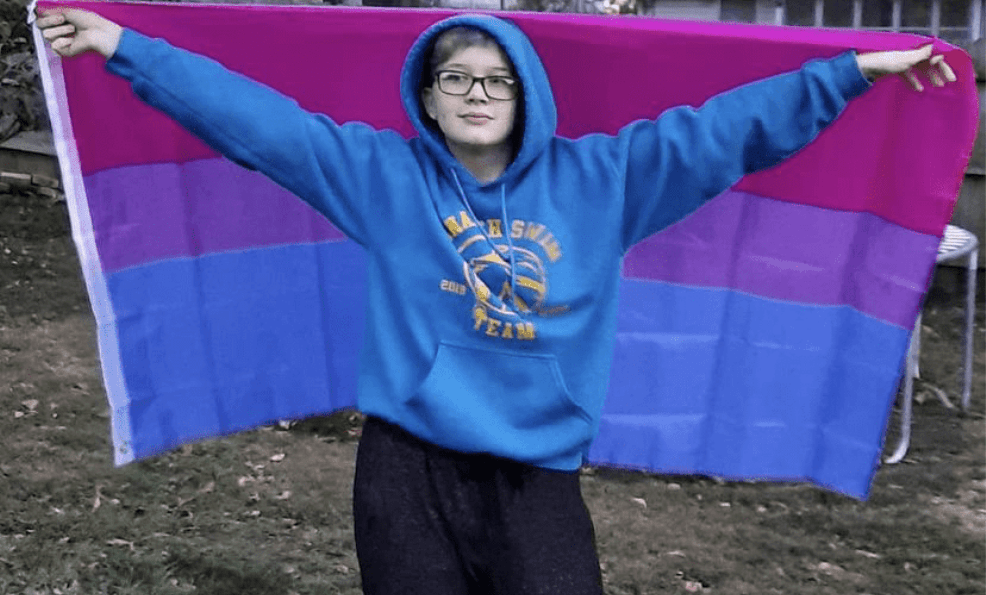
Want to explore how queer identity expands beyond labels?
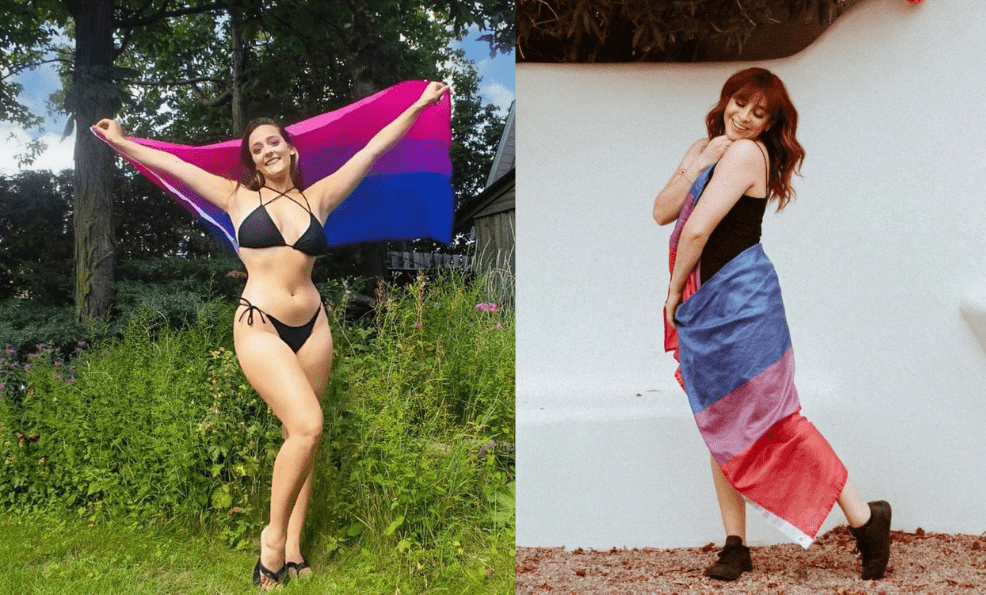
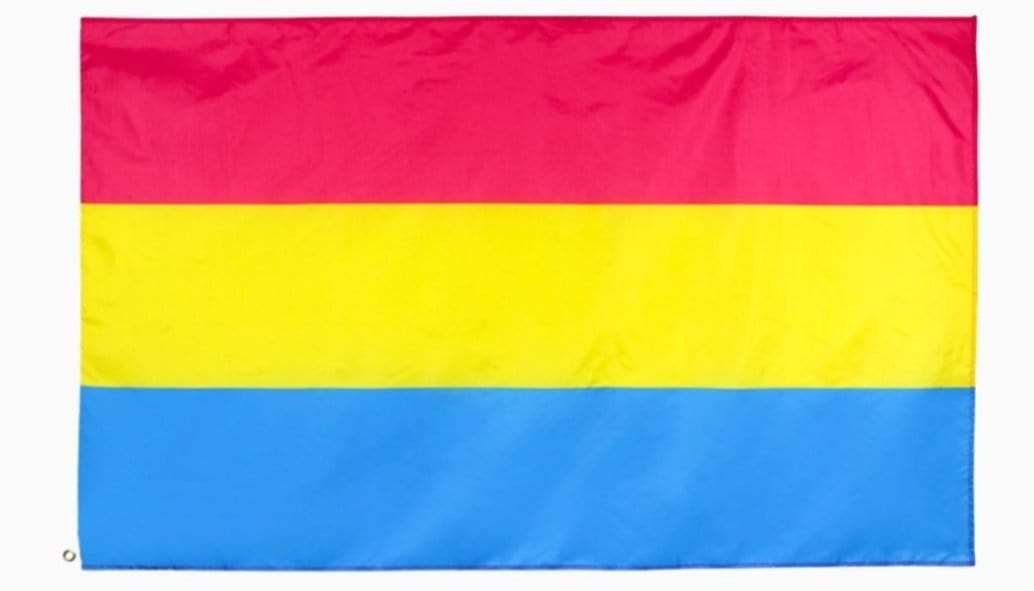
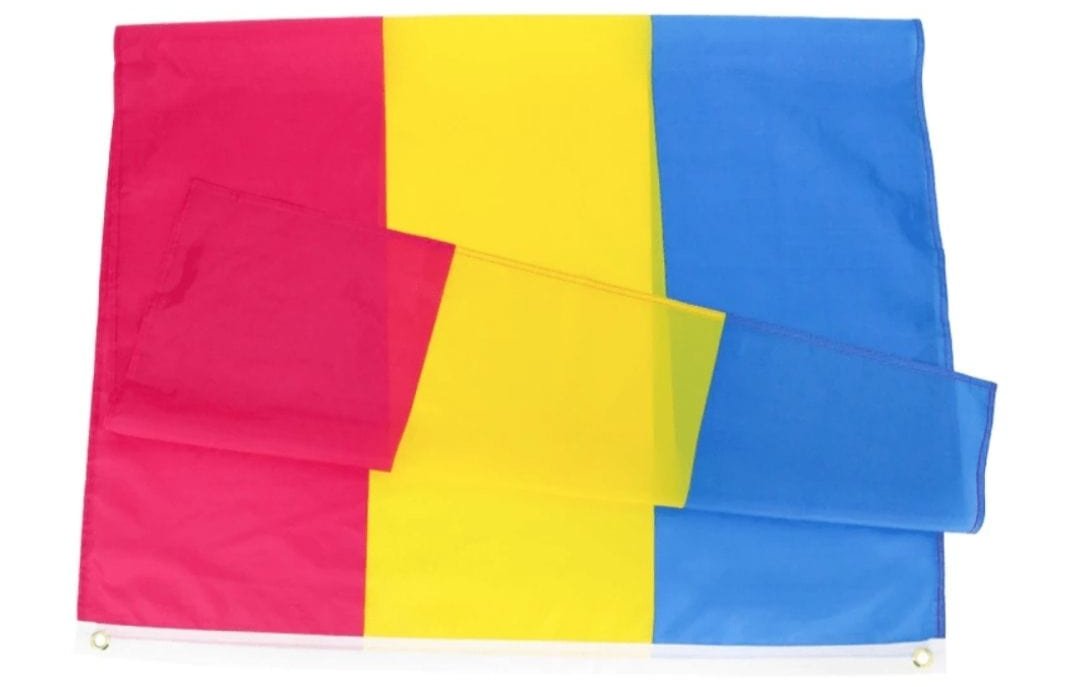
👉 What Is the Bi+ Umbrella?
🔍 Why Do These Identities Often Overlap?
Research and lived experience suggest that there’s a higher percentage of LGBTQ+ individuals who are neurodivergent, and vice versa. Why?
- Because both groups tend to question social norms from a young age
- Because both are often made to feel “different”
- Because both build identity outside the mainstream
And sometimes, it’s in the process of understanding one identity that someone finds clarity in the other.
🧠🌈 The Double Layer of Being
Being neurodivergent and queer is powerful — but it also comes with challenges.
People at this intersection often face:
- Being misunderstood in both communities
- Exclusion from LGBTQ+ spaces that aren’t sensory-friendly or accessible
- Overlooked by mental health providers who don’t affirm queer identity
- Pressure to “mask” or “perform” for acceptance
Society often demands we define ourselves in clean, simple terms — but your brain and your heart may speak their own languages.
Need more clarity on these layers of identity?
👉 Difference Between Sexual Orientation and Gender Identity
✨ There’s Also So Much Joy Here
For many, being neurodivergent and queer leads to:
- Deep emotional resonance in art, movement, and chosen family
- Unique expressions of gender, love, and communication
- Experiencing queer joy in ways that feel freeing and fully authentic
There’s something revolutionary about refusing to be simplified.
Need a reminder that celebration is resistance?
👉 Queer Joy Is Revolutionary
How to Create Inclusive Spaces
If you want to support neurodivergent queer folks, here are some simple but powerful ways:
- Ask how someone prefers to communicate
- Be mindful of sensory needs (light, sound, touch)
- Don’t pressure labels or force linear stories
- Use content warnings when helpful
- Celebrate diverse forms of expression — from stimming to silence
Inclusion isn’t about being perfect — it’s about making space.
🌟 Final Thoughts: You Are Not Too Much — You Are a Lot, and That’s Beautiful
Being neurodivergent and queer doesn’t mean you’re broken, confusing, or “too much.”
It means you’re real.
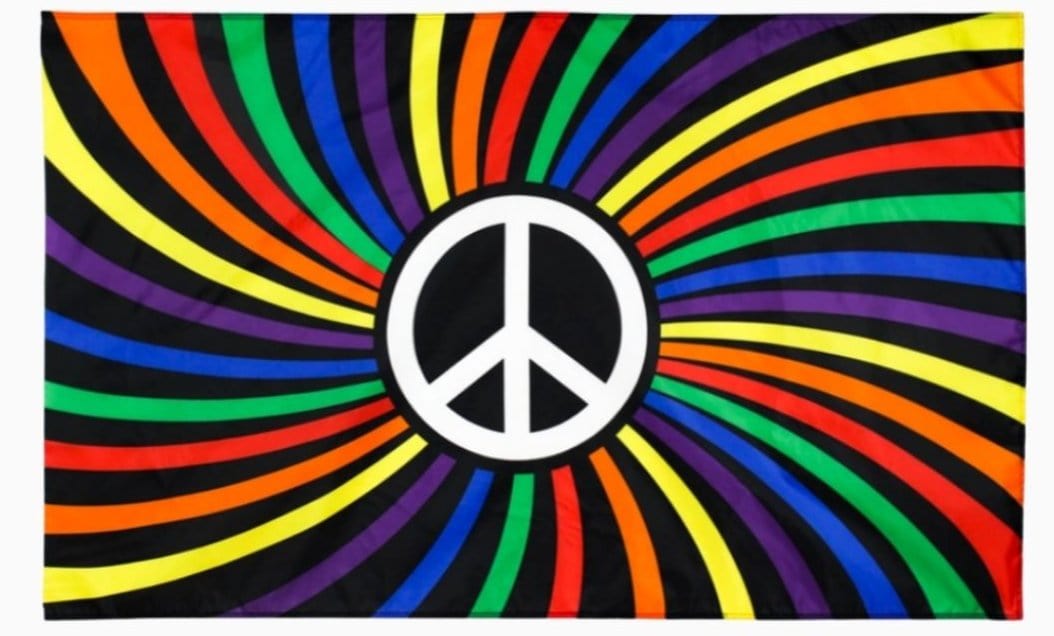
It means thinking in spirals and loving in color.
It means dreaming of a world that is better — and helping build it.
You deserve spaces that hold all of you.
You deserve to take up space — exactly as you are.